Château Valandraud
- 01CitySaint-Émilion, France
Organic Bordeaux from low yields
- Falstaff Winery - 4 Stars · 2026
- Pearl 3 Star Prestige · 2025
Since 1989 at one address
Since 1989, Jean-Luc Thunevin has held the owner and winemaker role at Château Valandraud in Saint-Émilion, keeping the work tied to one estate rather than a sequence of posts. The title matters here because Bordeaux reads place with care. A name, a slope, a cellar, a label, each gains weight only when someone keeps returning to the same decisions and accepts their consequences in the glass.
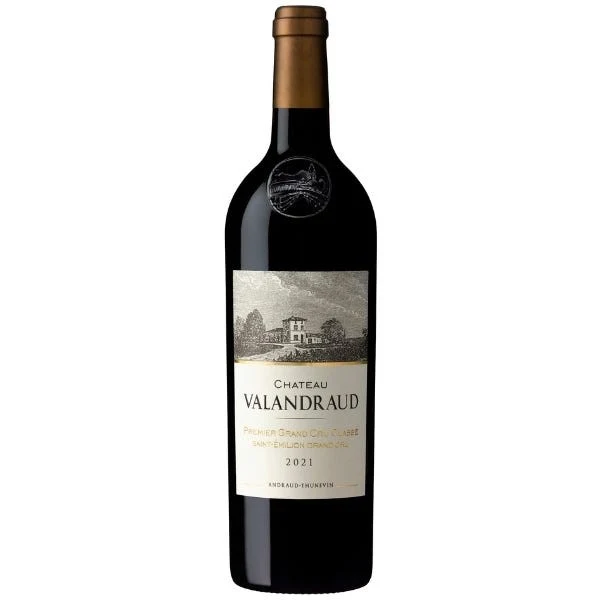
Valandraud began from a 0.6-hectare plot and became one of the reference names of the garage wine movement in Bordeaux. That origin still gives the château its scale of attention, even as the estate now works from a state-of-the-art cellar. In 2012, Château Valandraud was elevated to Premier Grand Cru Classé B. The fact sits plainly beside the longer one: Thunevin has stayed with the estate from its first climb into view, and the château still carries his name through ownership, winegrowing, and the final blend.
Low yields across clay and limestone
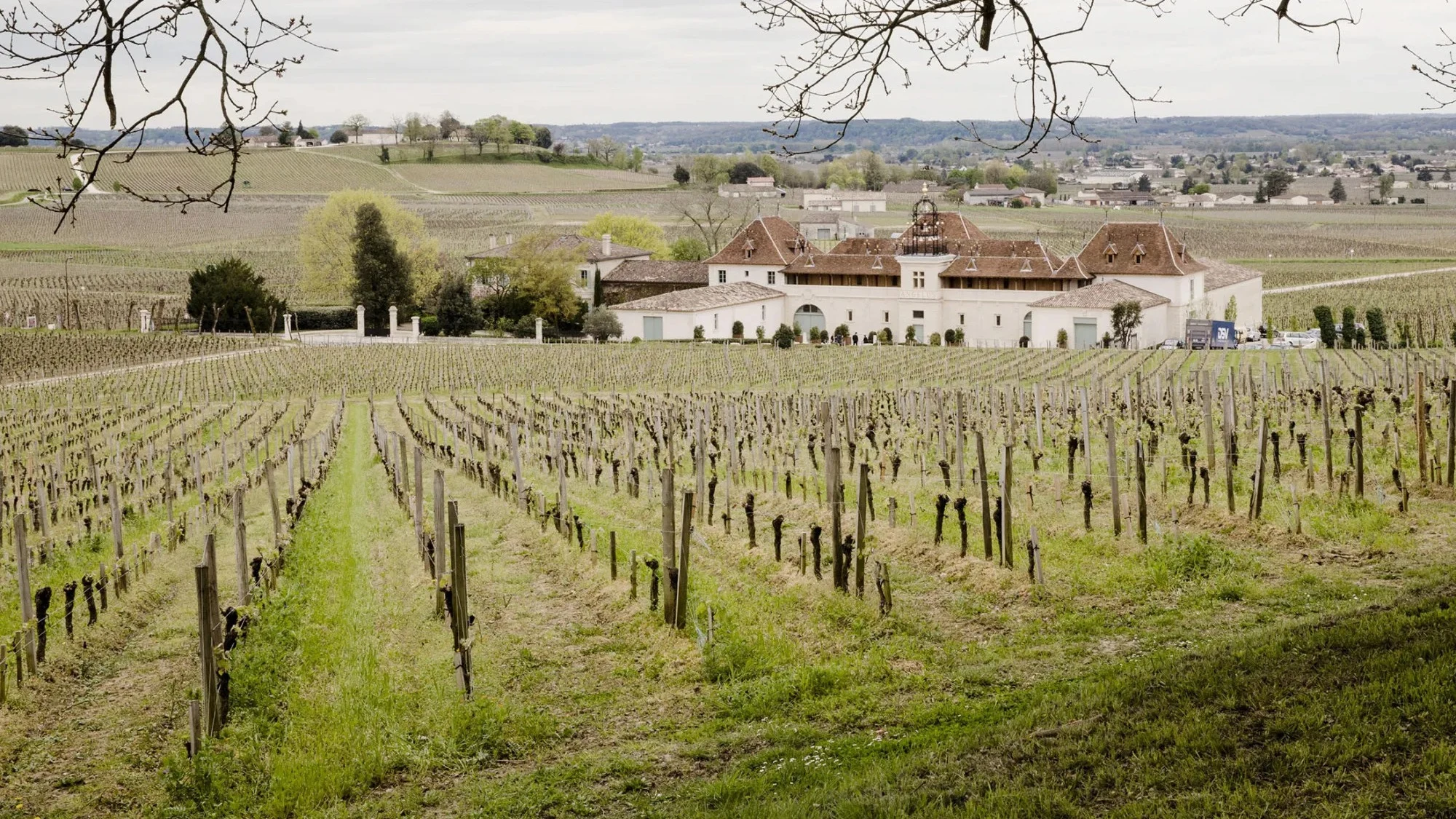
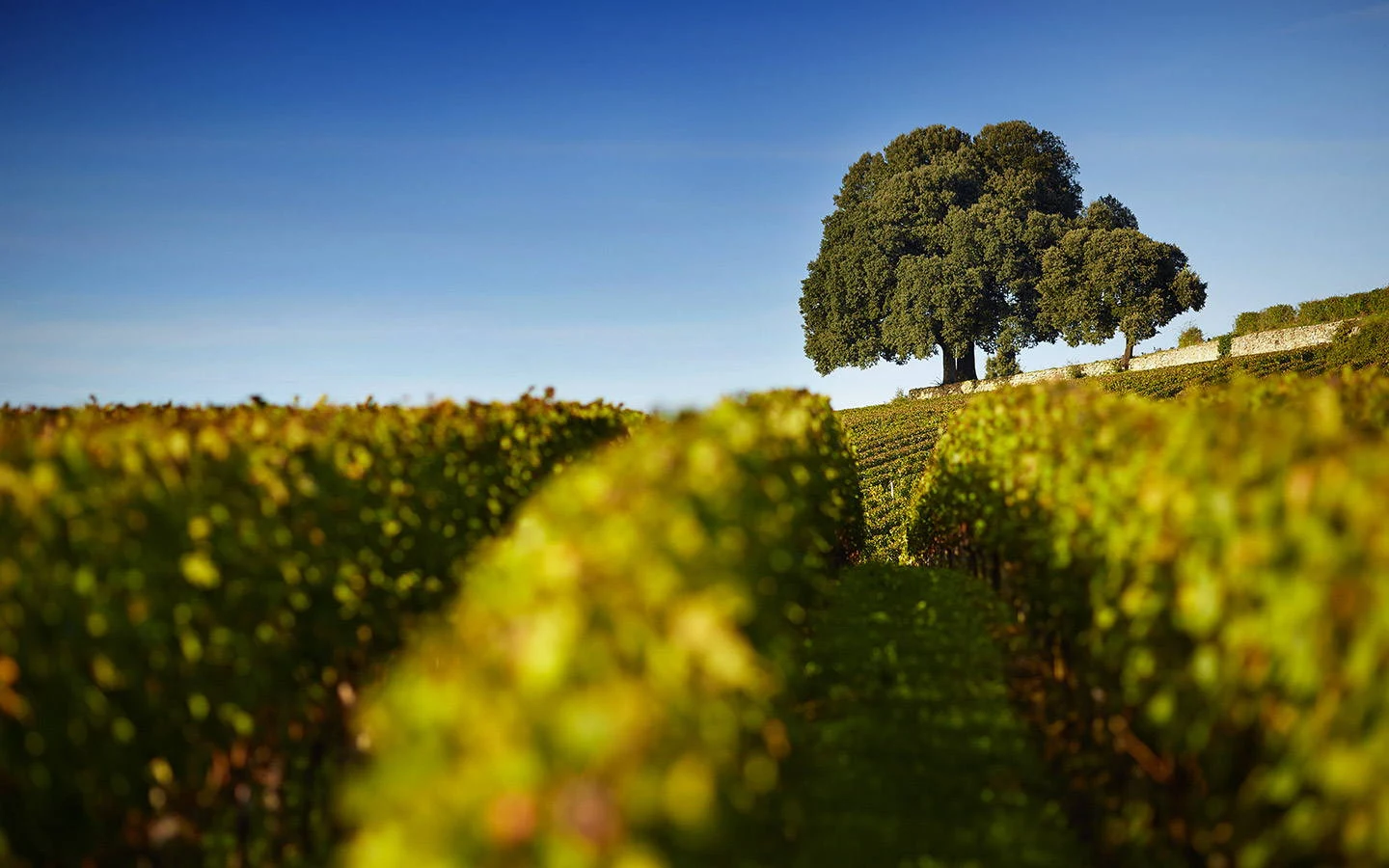
The estate works organically on clay-limestone vineyards in Saint-Émilion, with a small scale given as 10-12 hectares and low yields. That size keeps the vineyard close to the cellar. The red wines draw on all five Bordeaux red varieties: Merlot, Cabernet Franc, Cabernet Sauvignon, Malbec, and Carmenere. The white side brings Sauvignon Blanc, Semillon, and Sauvignon Gris into the same house language, under the broader Saint-Emilion Grand Cru frame.
Valandraud is known for opulent, concentrated wines, a style that asks for fruit with density and for cellar work that does not blur the material. The method published here is not a catalogue of interventions. It is a set of commitments: organic farming, low yields, concentrated Bordeaux varieties, and a cellar built to receive small lots with precision. The house also names Château Valandraud and Château Valandraud Kosher among Thunevin's signature wines, keeping the estate visible on the label rather than dispersing the work into anonymity.
A cellar with garage memory
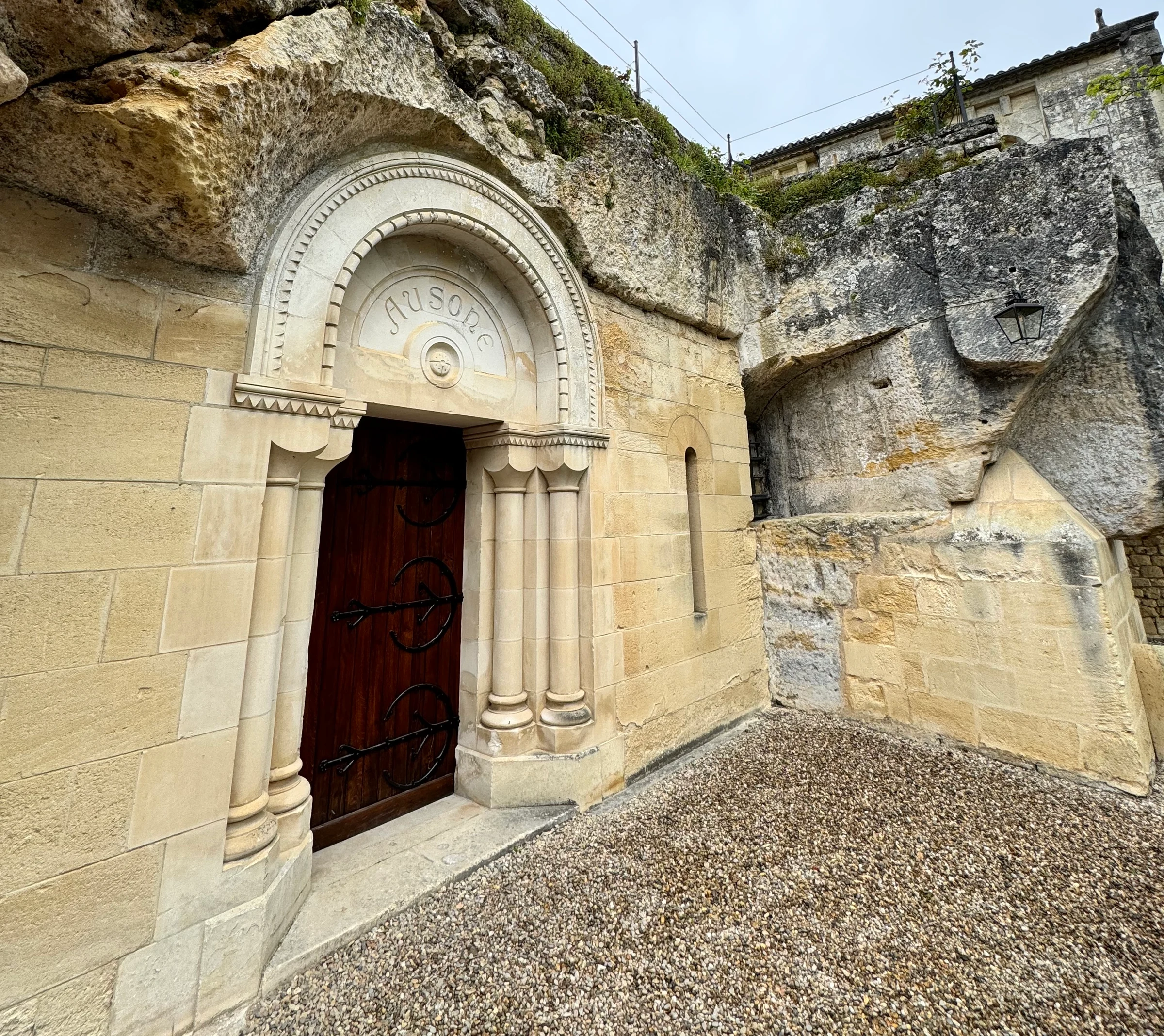
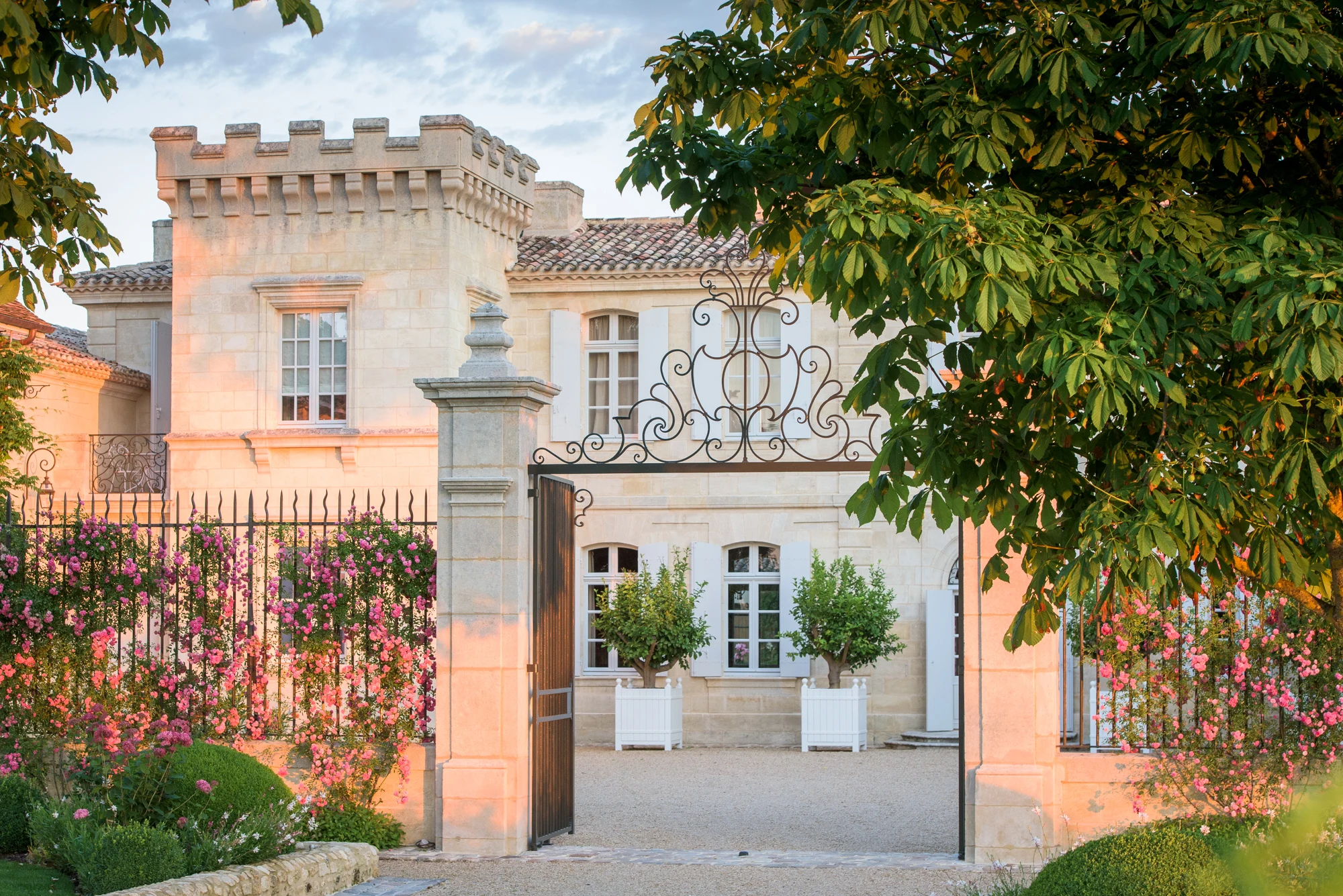
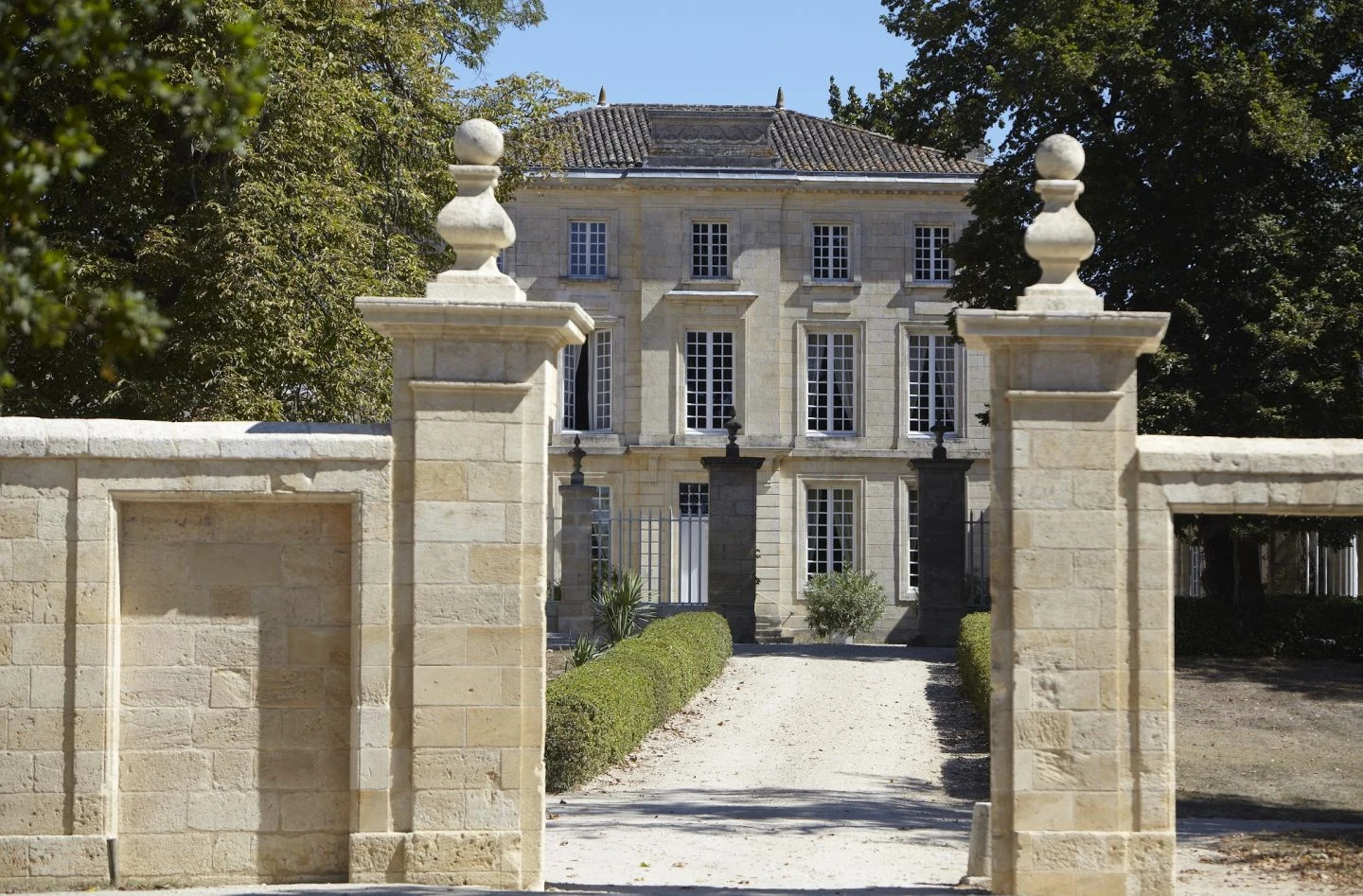
The room at Valandraud carries two registers at once. There is the polish of a sophisticated Saint-Émilion cellar, quiet and controlled, and there is the rustic memory of the garage wine beginning, when scale was a constraint and also a discipline. The contrast suits the estate. Nothing about the present erases the first plot; it gives that plot a longer echo.
In the tasting room, the place reads through concentration rather than spectacle. Clay-limestone vineyards sit behind the glass, and the cellar holds the practical side of the promise: fruit from a small estate, handled under one long-held owner-winemaker. The quiet matters. It lets the wine keep the room's attention.
The label stays close to the hand
Valandraud's place in Saint-Émilion rests on continuity as much as ascent. The estate moved from a 0.6-hectare beginning to Premier Grand Cru Classé B status in 2012 without separating the château from Thunevin's role. That is the useful shape of the story: one owner, one cellar, one village, and a label family that still returns to Château Valandraud.
Questions
Frequently asked
Who is behind Château Valandraud?
Jean-Luc Thunevin has been the owner and winemaker at Château Valandraud since 1989.
What kind of wines does Château Valandraud make?
The estate is known for opulent, concentrated wines made from organically farmed clay-limestone vineyards in Saint-Émilion. The red wines use Merlot, Cabernet Franc, Cabernet Sauvignon, Malbec and Carmenere, while the white wines draw on Sauvignon Blanc, Semillon and Sauvignon Gris.
What is the history of the estate?
Valandraud began from a 0.6-hectare plot and became one of the reference names of the garage wine movement in Bordeaux. In 2012, Château Valandraud was elevated to Premier Grand Cru Classé B.
Do visits need to be booked in advance?
Visits are by appointment only.
What should visitors expect on arrival?
The winery is at 1589 route de Jappeloup, 33330 Saint-Étienne-de-Lisse, in the Saint-Émilion area. It has on-site parking and a smart casual dress code.
The field
How it compares
| Place | Notes |
|---|---|
| Château Valandraud | Saint-Emilion, $$$$ |
| Château Angelus | Saint-Émilion |
| Chateau Ausone | Saint-Émilion |
| Château Canon | Saint-Émilion |
| Château Cheval Blanc | Saint-Émilion |
| Château Figeac | Saint-Émilion |
| Château Pavie | Saint-Émilion |