- Falstaff Winery - Listed · 2026
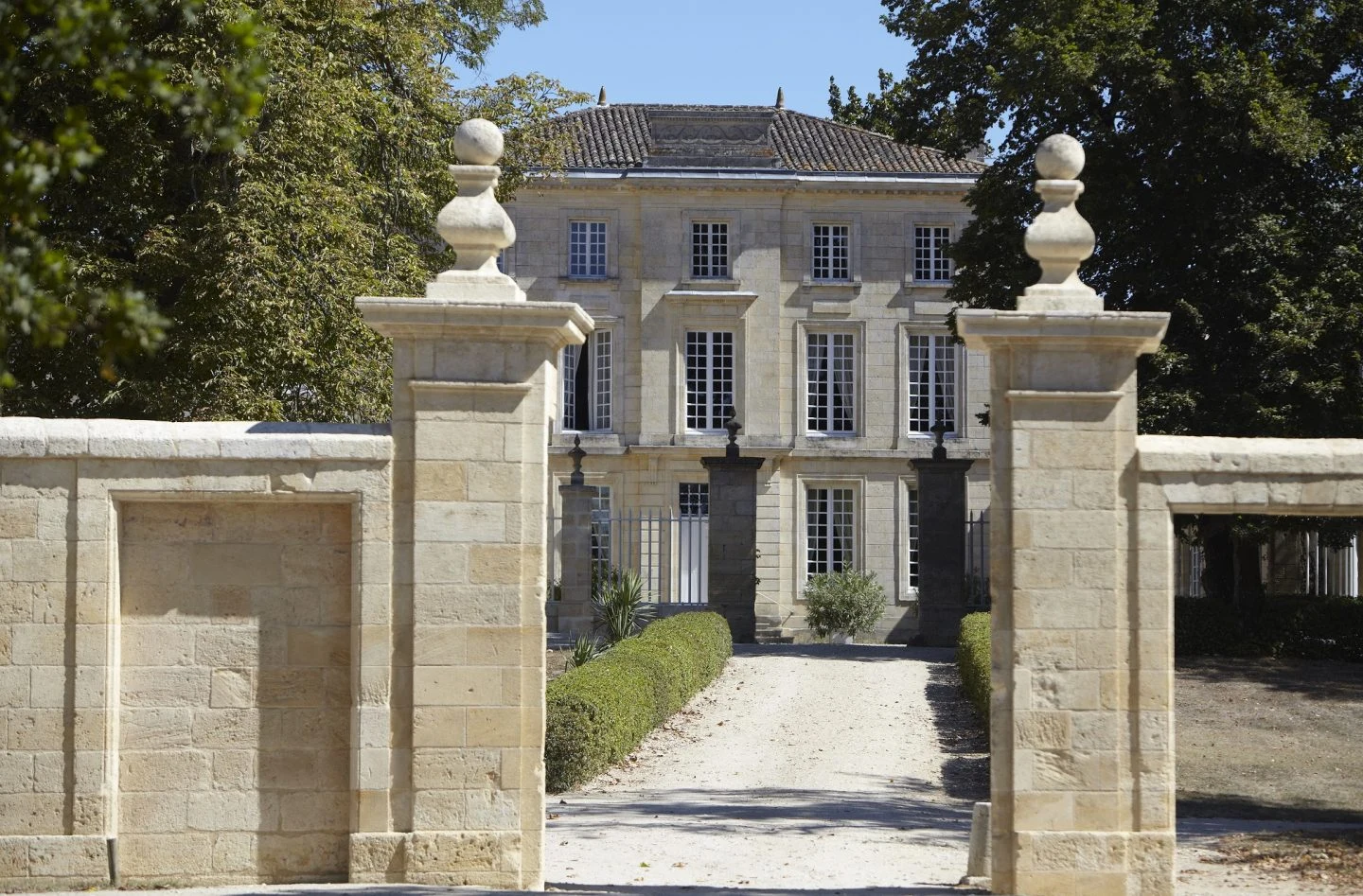
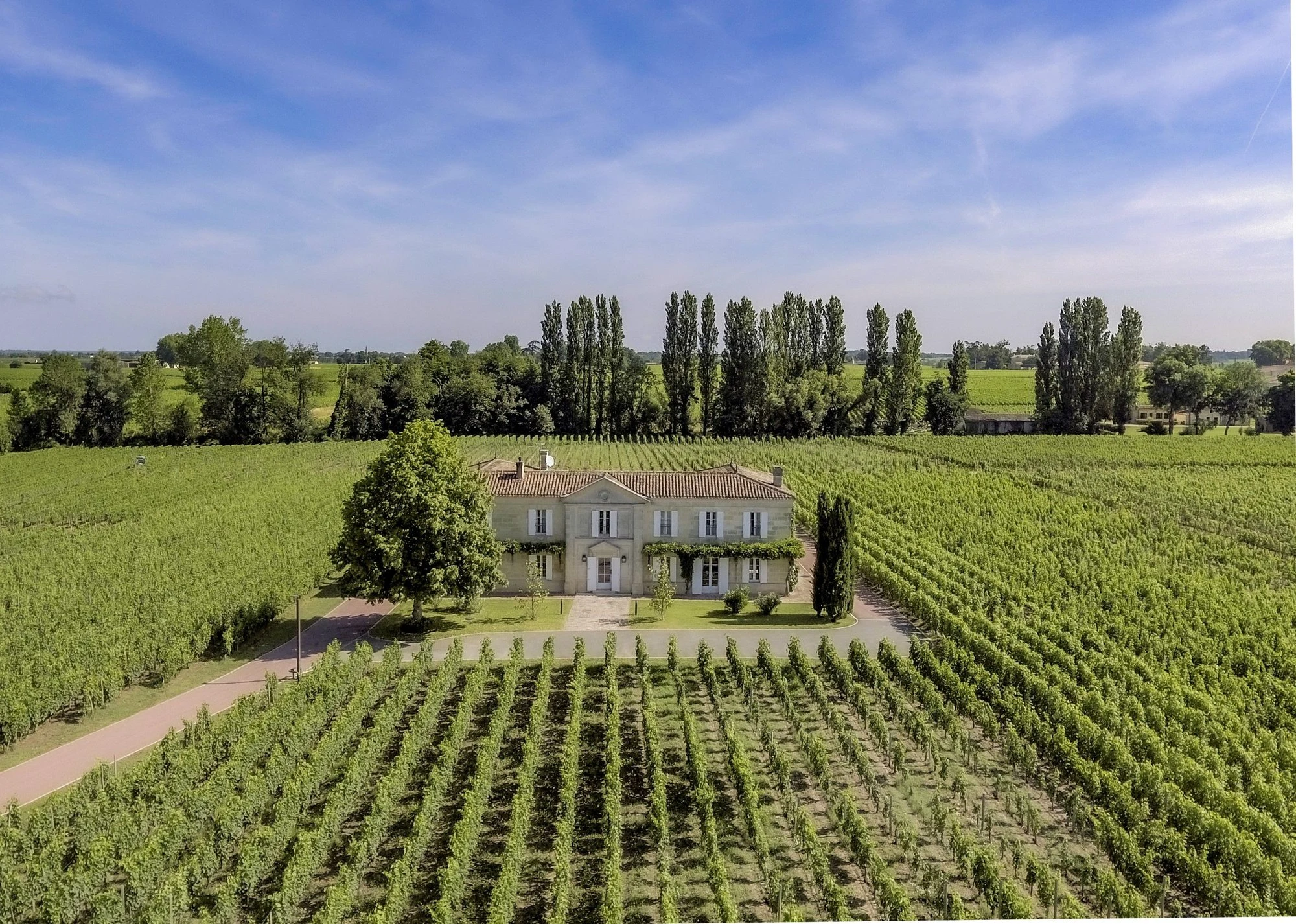
Saint-Émilion’s quieter vineyard stays often begin with atmosphere rather than spectacle. At Château l'Etampe, the picture is of a historic Grand Cru estate and guest house that combines a small biodynamic vineyard with an art-filled château setting. The emphasis is intimate, elegant and calm, with the estate’s identity oriented around refined, ageworthy red wines. It is the sort of place whose appeal is conveyed less through volume, scale or programming, and more through a sense of setting: old stone, vineyard context, art in the house and a slower rhythm suited to wine-country travel.
Rather than presenting the property through production figures, cellar details or named personnel, the most reliable way to understand Château l'Etampe is as a small Saint-Émilion wine estate with a residential château character. Its appeal sits in the combination of heritage setting, biodynamic vineyard context and a quieter style of wine travel. That more restrained description is important, because it keeps the focus on what is actually clear: a historic Grand Cru estate, a guest house atmosphere and an identity linked to refined red wines rather than to a broad list of visitor amenities.
A small biodynamic estate in Saint-Émilion
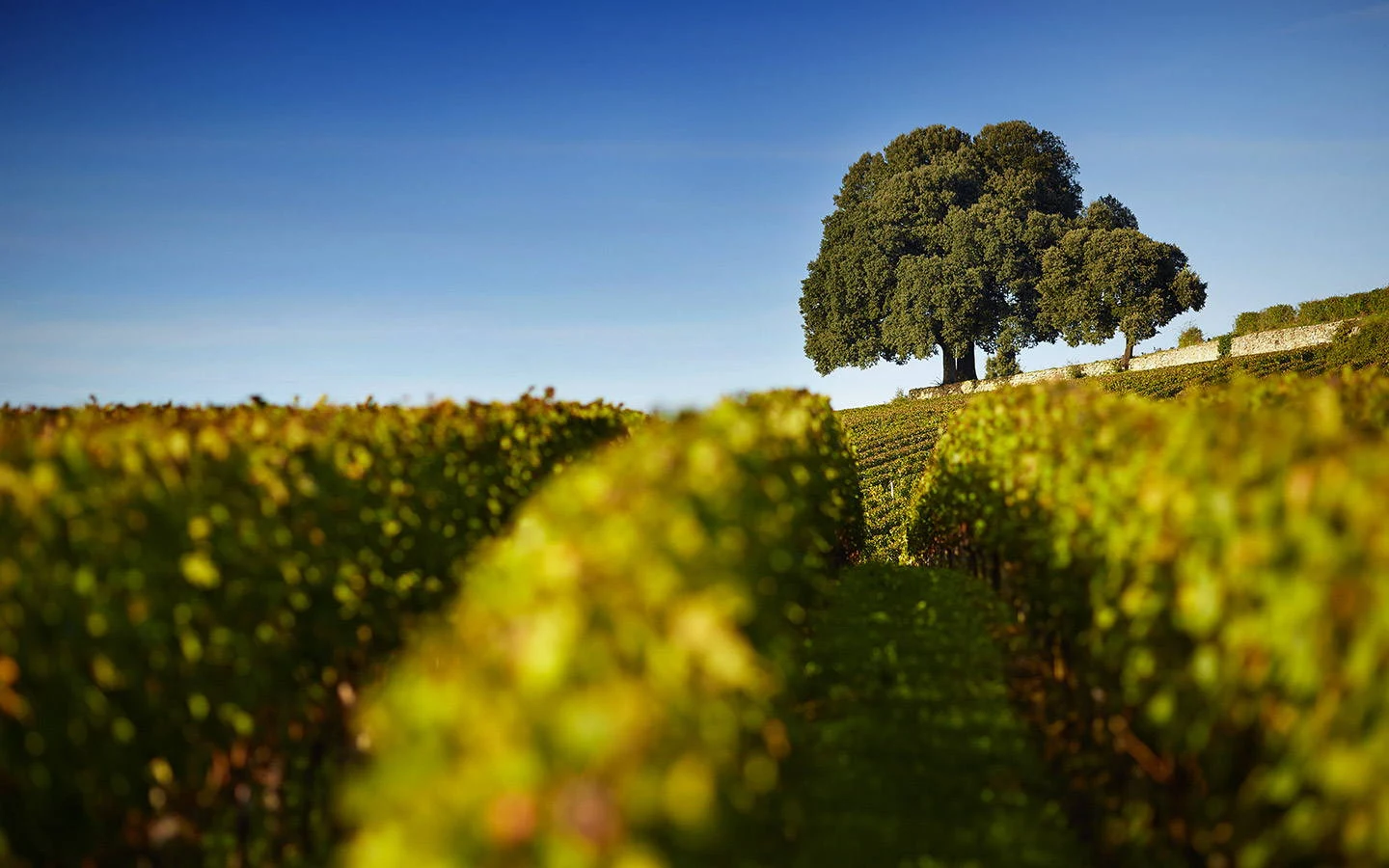
The defining feature here is the setting: a historic Saint-Émilion Grand Cru estate with a small biodynamic vineyard. That makes Château l'Etampe a more intimate counterpoint to larger wine-country experiences, especially for travelers who value a calm estate atmosphere over a busy, high-volume visit. In a region where many visitors arrive with a long list of tastings, village walks and vineyard views in mind, this profile reads as deliberately quieter and more contained.
What can be stated is narrower but still useful: Château l'Etampe presents itself around a small biodynamic vineyard and an elegant château environment focused on ageworthy red wines. The biodynamic reference gives the vineyard a clear point of identity, while the small scale helps frame expectations. This is not being described as an expansive visitor complex; it is better read as a compact estate experience where the vineyard, the château and the guest-house feeling are closely connected.
For visitors comparing Saint-Émilion options, that distinction matters. Château l'Etampe is best understood as a quiet, art-filled estate and guest house rather than as a venue defined by a public restaurant format, a detailed published menu or a large-scale hospitality program. The value is in the tone of the place: intimate, composed and rooted in the surrounding wine landscape, with the château itself forming a major part of the experience.
Refined red wines in an elegant château setting
The estate’s wine identity is grounded in refined, ageworthy red wines. The safer reading is that Château l'Etampe’s appeal comes from its Saint-Émilion Grand Cru context, its biodynamic vineyard setting and its understated château atmosphere. That combination points toward a wine experience shaped by place and patience rather than by quick novelty or a highly packaged tasting narrative.
That makes the estate a useful option for travelers seeking a more composed Saint-Émilion experience. The draw is not a fabricated award hook or an invented technical profile, but the combination of historic estate, guest house, small vineyard and elegant mood. In practical terms, that means guests should expect the red-wine orientation to sit within the broader character of the property, not apart from it. The wines, the château setting and the quieter hospitality style are all part of the same impression.
Visitors building a broader Saint-Émilion itinerary can place Château l'Etampe alongside other unnamed dining, wine and stay options in the area, while keeping expectations focused on what is confirmed: a quiet, intimate château setting with a biodynamic vineyard and a red-wine orientation. It is especially well suited to those who want one part of their trip to feel less rushed and more residential, with the estate’s historic and art-filled character adding texture to the wine-country setting.
A château stay built for quiet wine travel
The hospitality profile is best described as calm and residential. Château l'Etampe is a guest house as well as a historic estate, and the description points to an art-filled château setting with an elegant, intimate atmosphere. That matters because the stay be framed around mood and place rather than a long list of announced services. For some travelers, that restraint is precisely the attraction: a base in Saint-Émilion that feels connected to wine, heritage and the landscape without being defined by constant activity.
Practical expectations should stay within the confirmed facts. The price is $40 per person. Details such as exact room counts, languages, parking, accessibility, tours, food pairings, opening hours or private tasting formats are not confirmed here and should be checked directly before planning a visit. Approaching the estate with that clarity helps preserve what is most compelling about it: the promise of a small biodynamic Grand Cru setting, an elegant château environment and a quiet style of Saint-Émilion wine travel.
Questions
Frequently asked
Who works at Château l'Etampe?
Made By profiles Jean-François Berrouet (Winemaker) at Château l'Etampe.
How expensive is Château l'Etampe?
Château l'Etampe is listed at a price level of $$.
The field
How it compares
| Place | Notes |
|---|---|
| Château l'Etampe | Saint-Emilion, $$ |
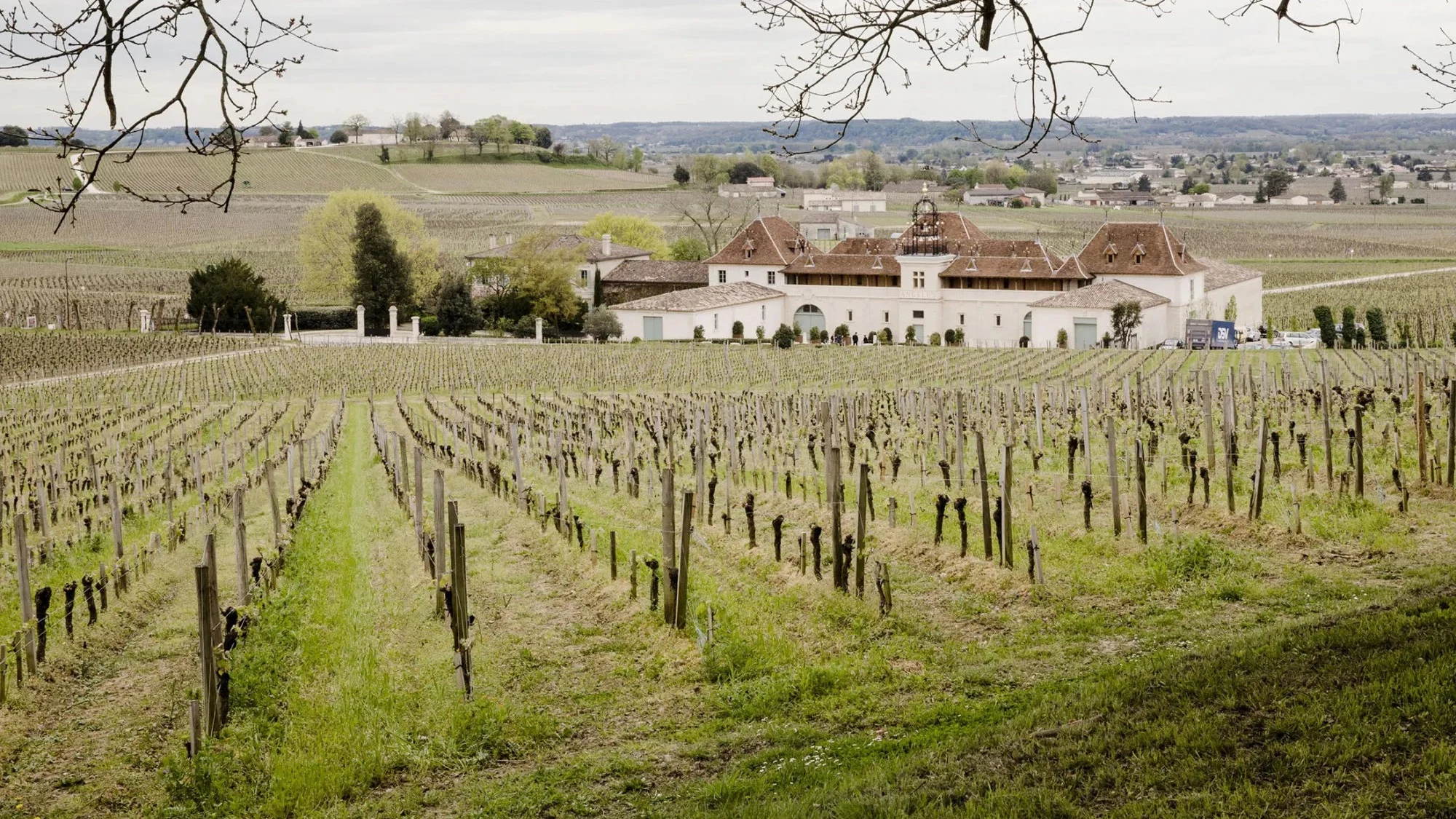
| Château Angelus | Saint-Émilion |
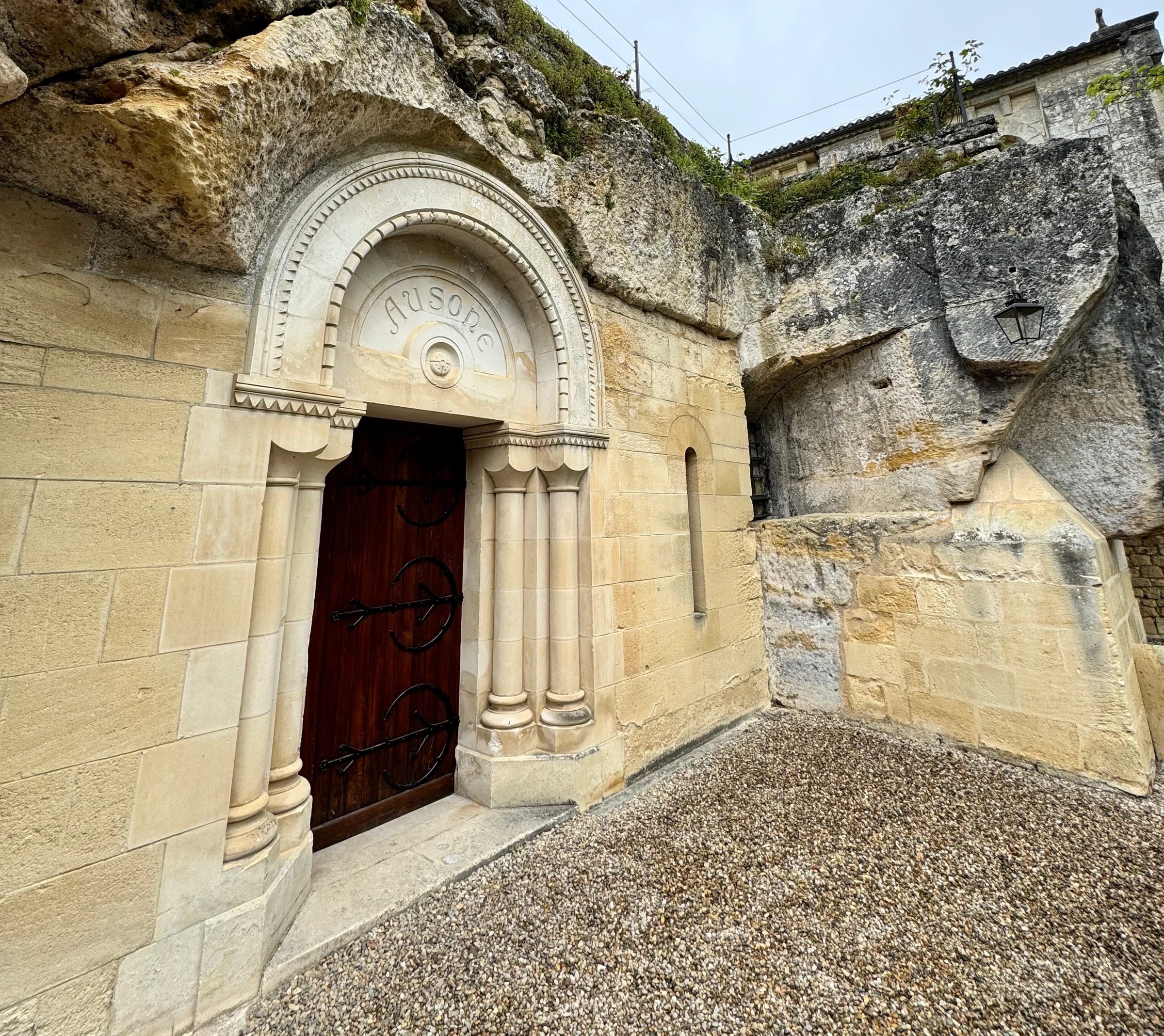
| Chateau Ausone | Saint-Émilion |
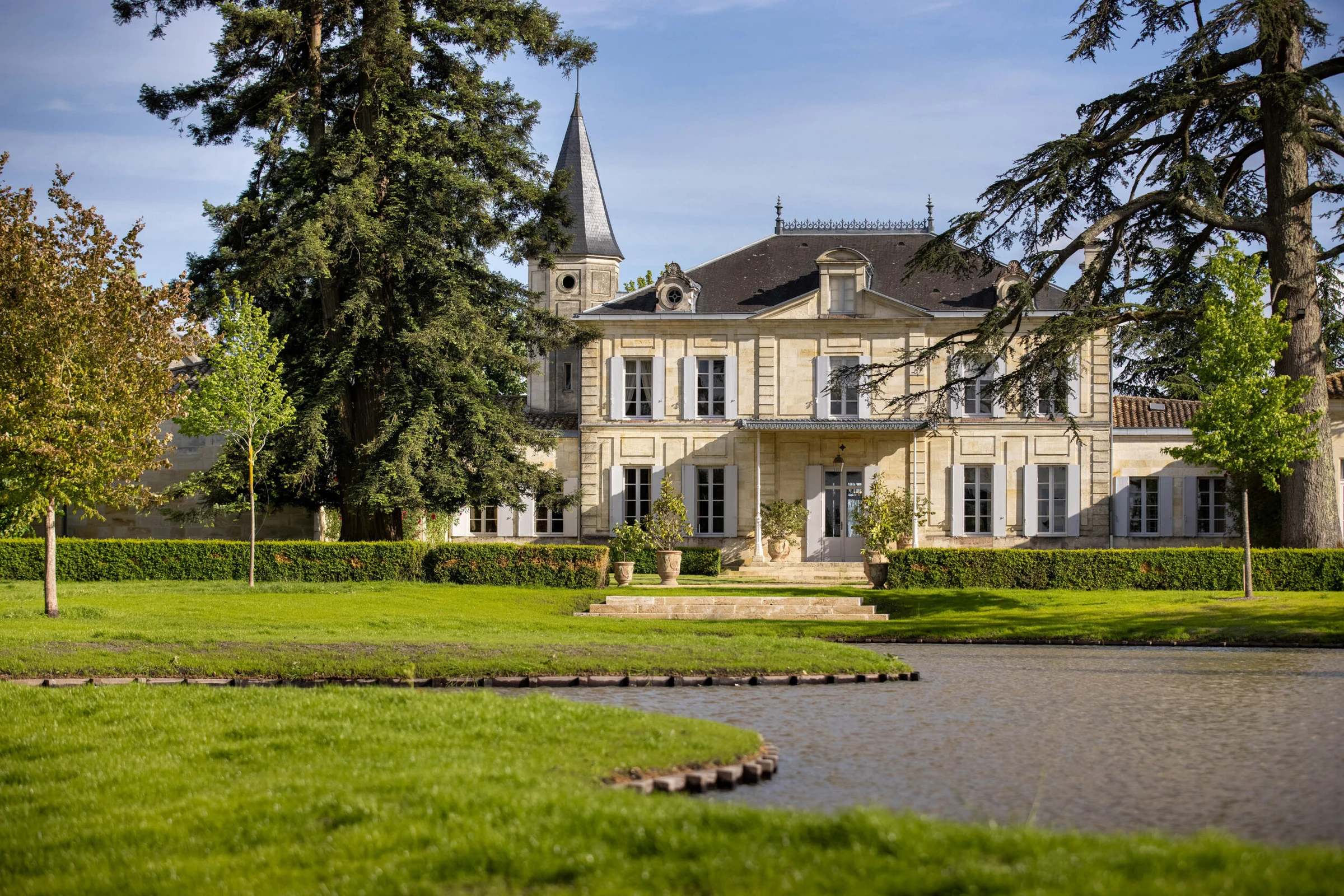
| Château Canon | Saint-Émilion |
| Château Cheval Blanc | Saint-Émilion |
| Château Figeac | Saint-Émilion |
| Château Pavie | Saint-Émilion |