Château Pierre de Lune
- 01CitySaint-Émilion, France
- Falstaff Winery - Listed · 2026
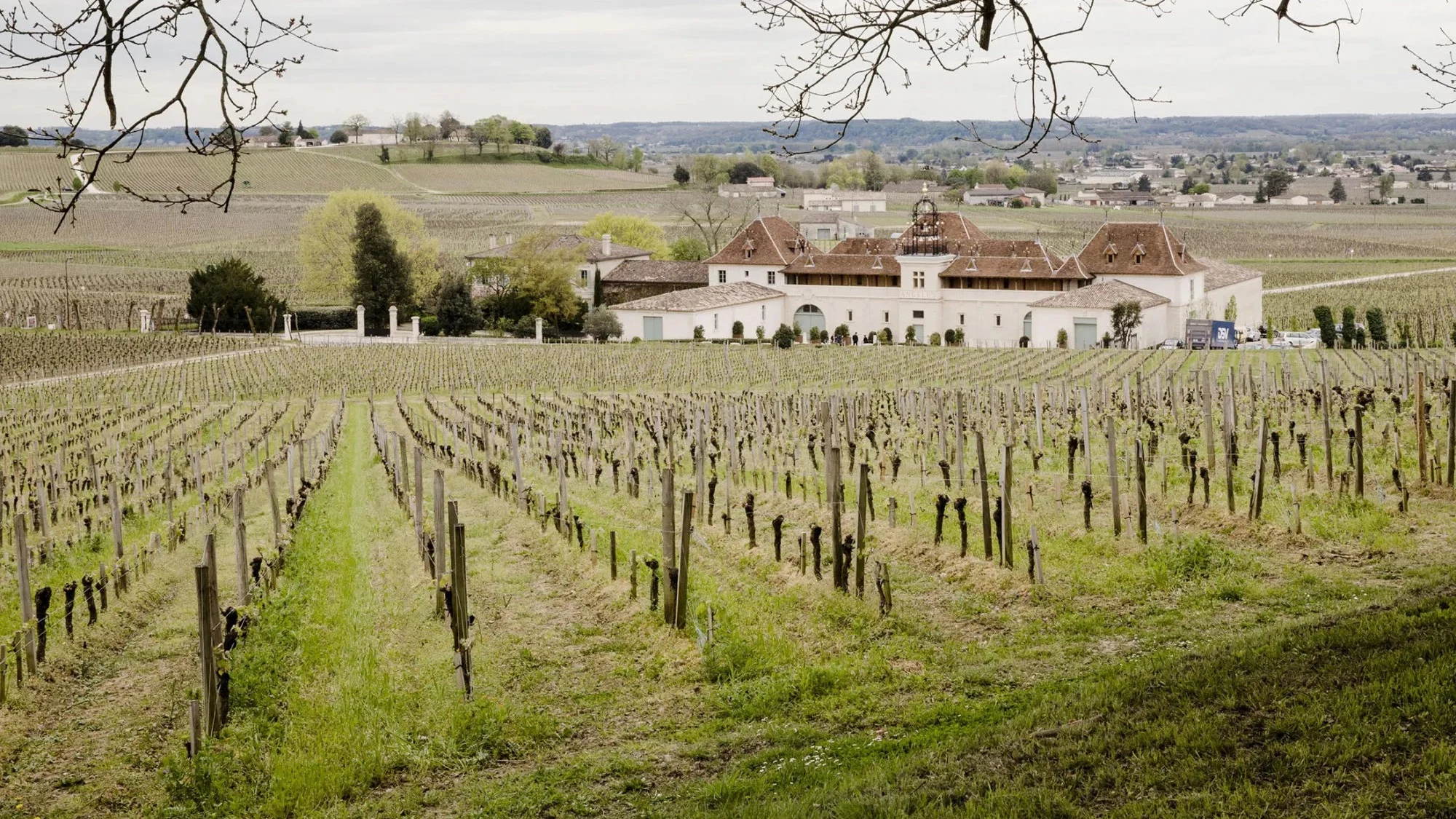
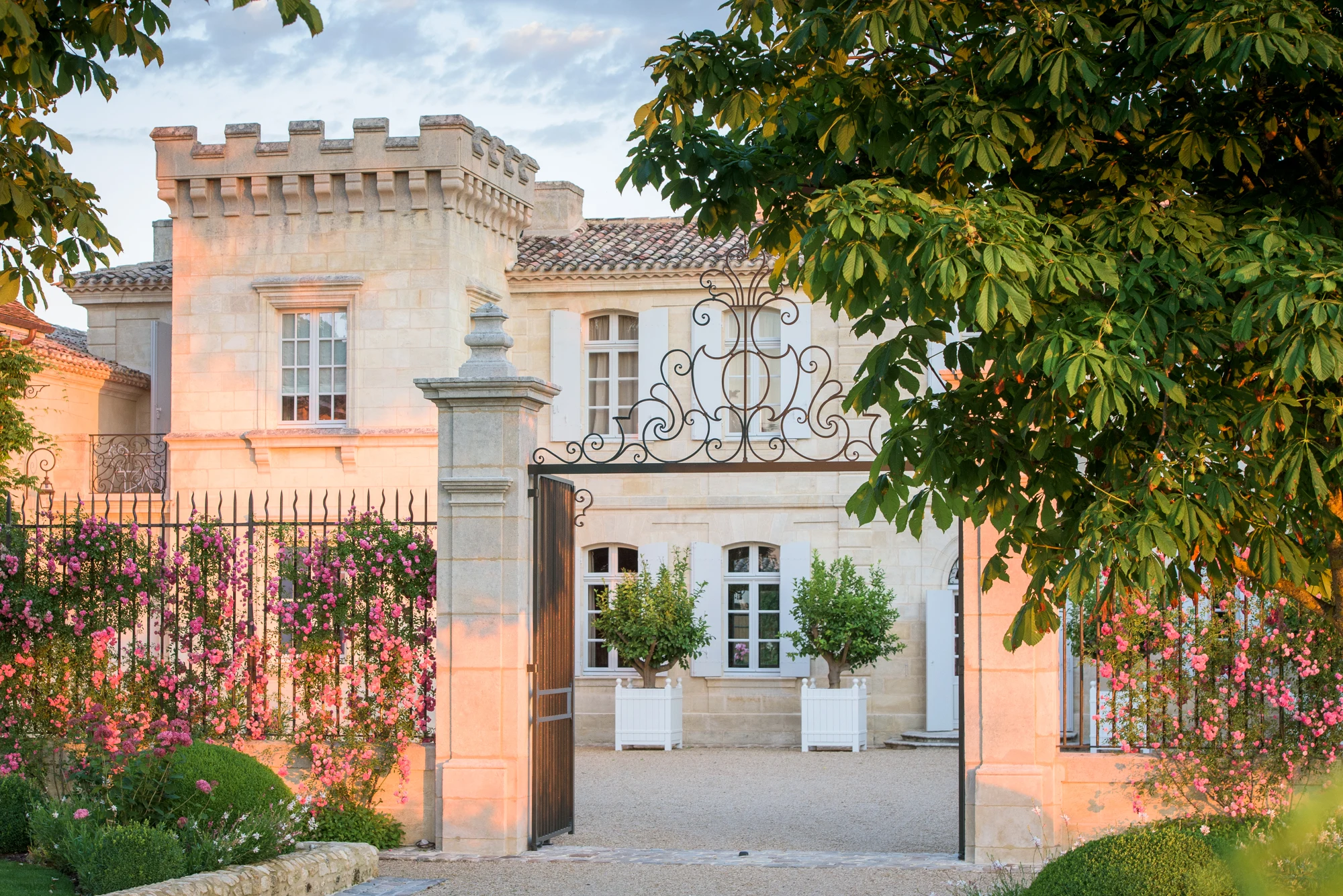
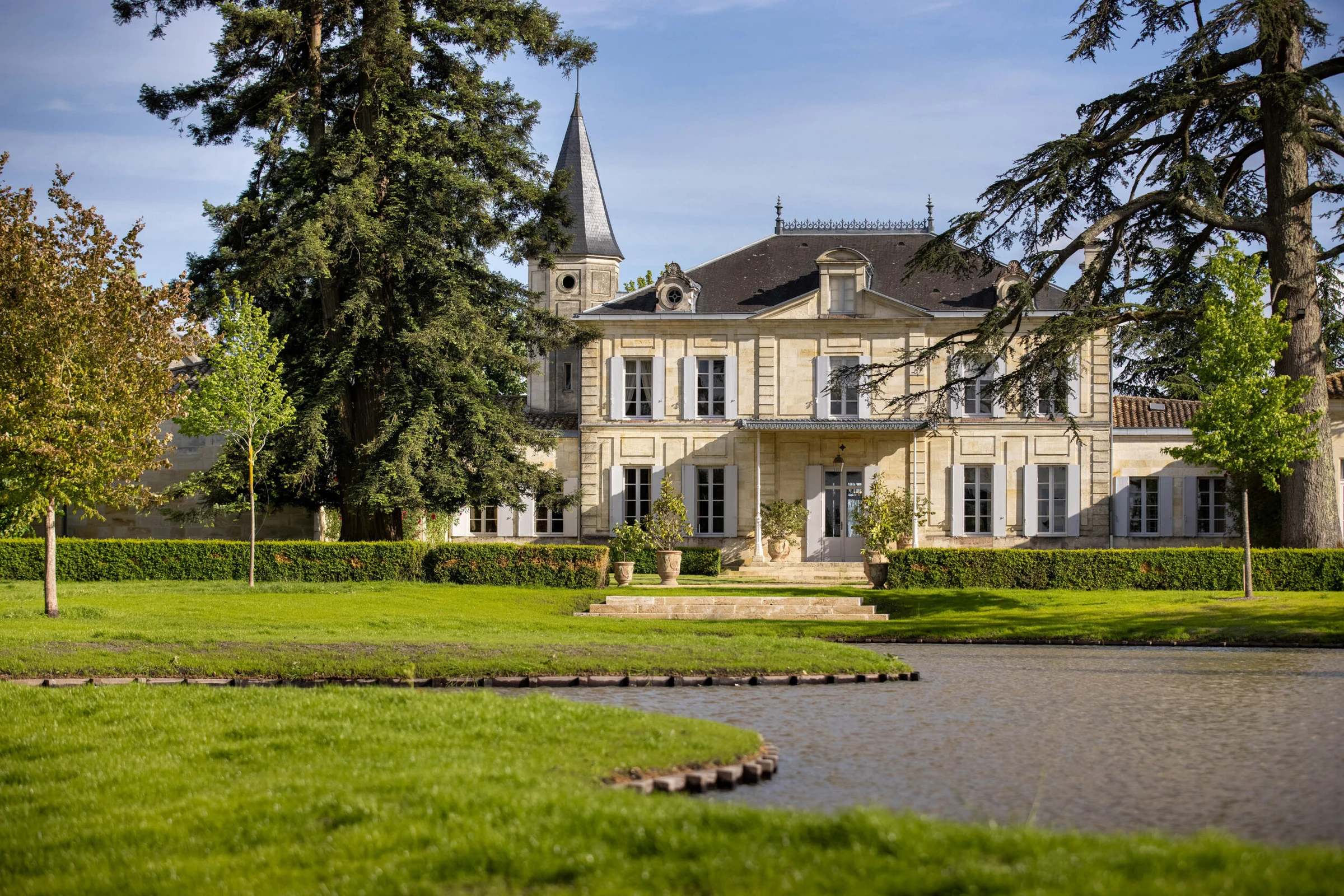
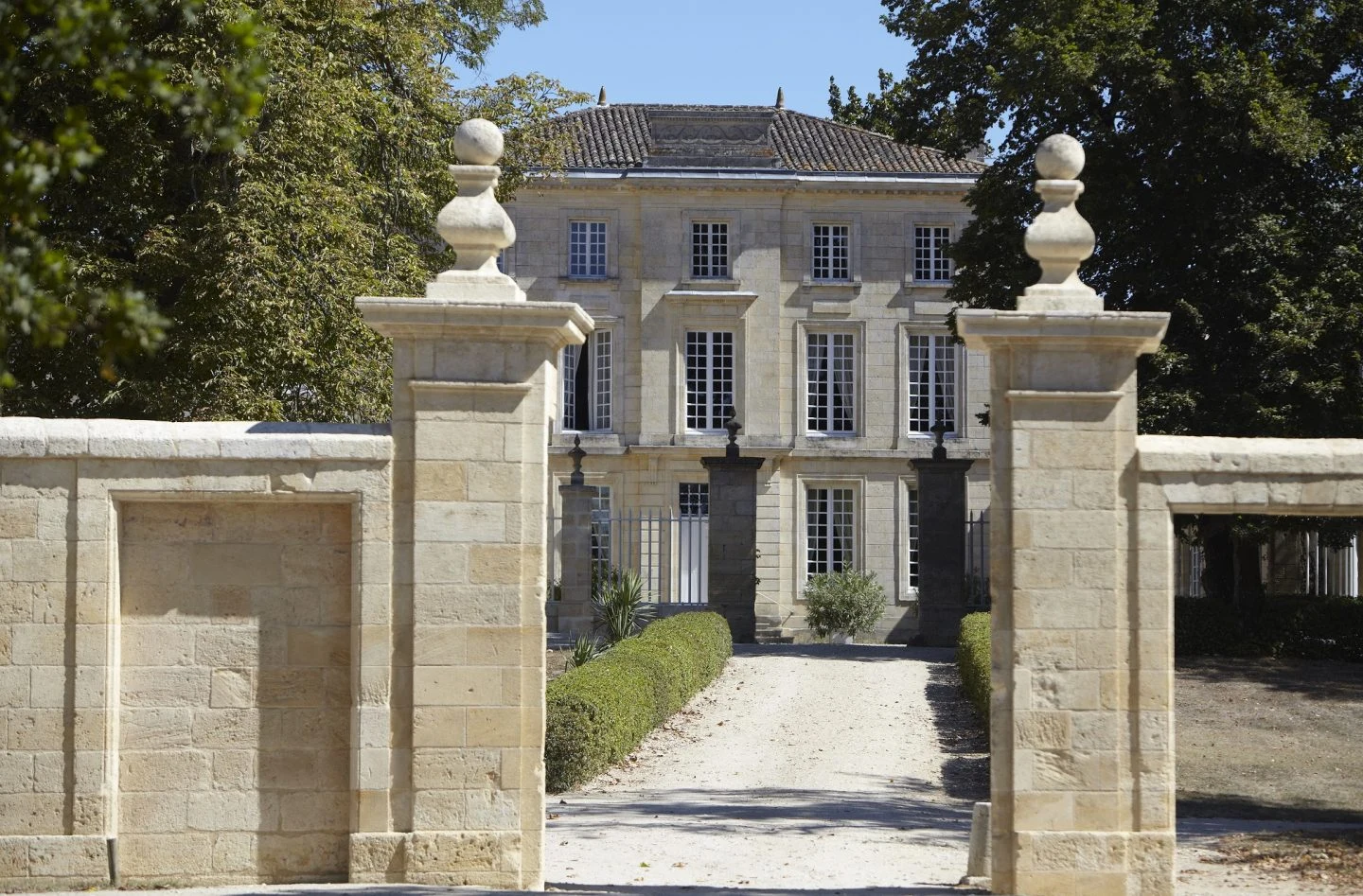
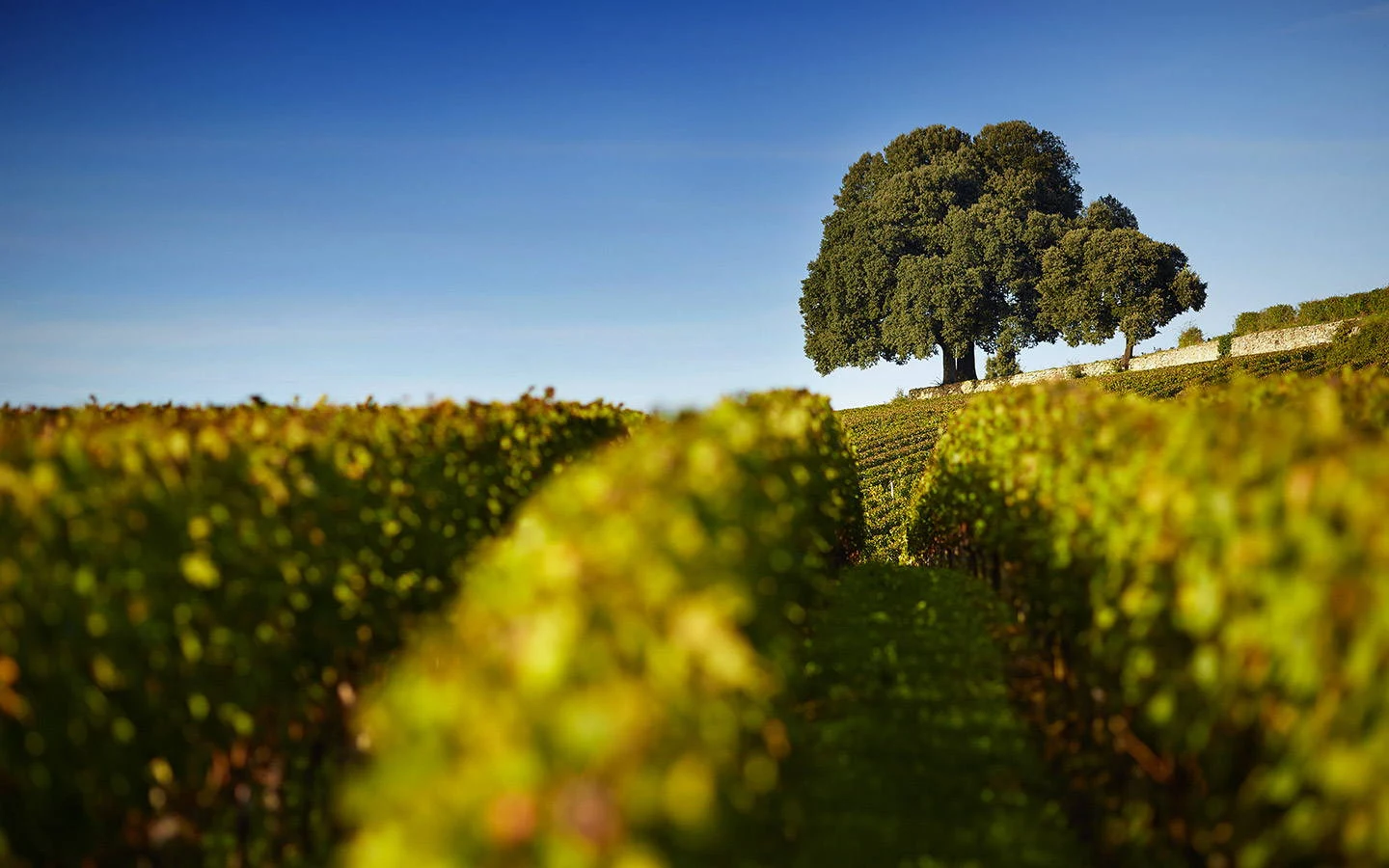
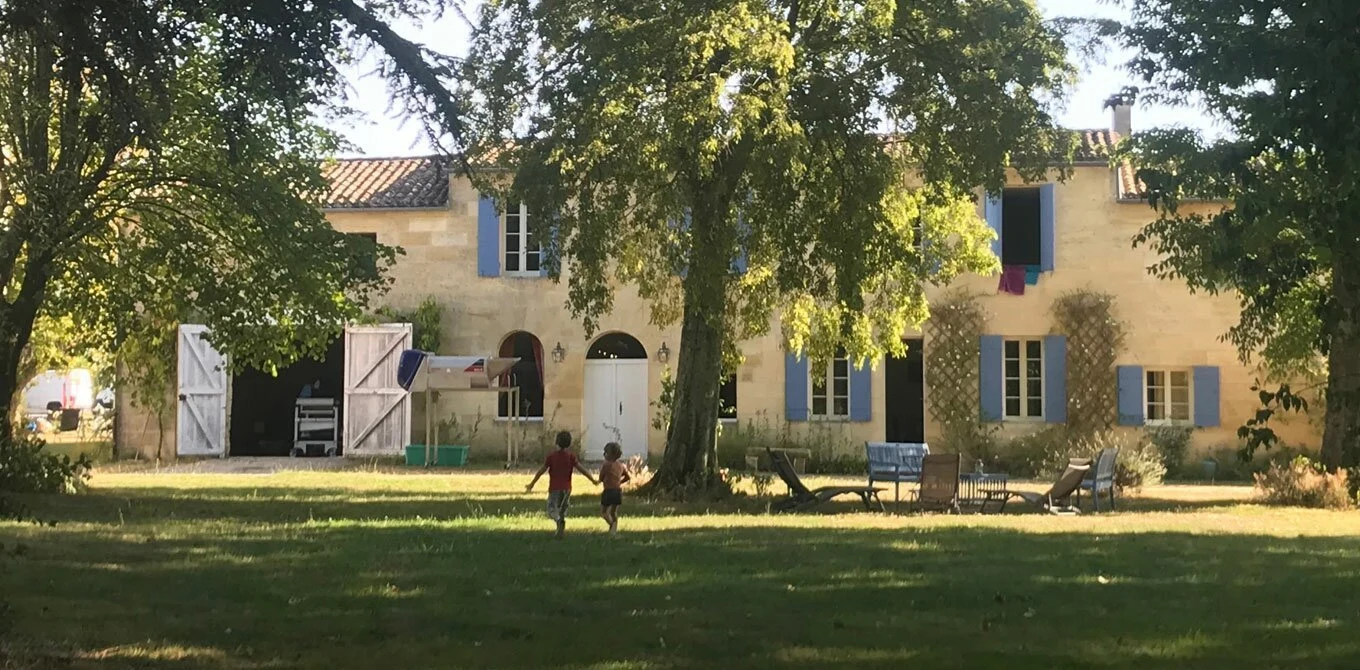
Château Pierre de Lune in Saint-Émilion is best understood through its setting and atmosphere rather than through a long list of publicly amenities. The picture is intimate and homely: a traditional Girondine house surrounded by vines, with spacious antique-furnished rooms, a delightful garden, and warm, welcoming hosts who share their passion for winemaking.
That makes the venue a quieter Saint-Émilion option for travellers who want a classic, scenic, and cozy base in wine country. What can be stated confidently is the mood: romantic, traditional, and close to the vineyard landscape that defines Saint-Émilion.
A homely Girondine house surrounded by vines
The most grounded way to describe Château Pierre de Lune is as a welcoming house in Saint-Émilion with a strong sense of place. The traditional Girondine character matters because it gives the stay a regional frame: not a generic hotel atmosphere, but a classic house environment shaped by old furnishings, spacious rooms, garden views, and the surrounding vines.
The rooms are described as spacious and antique-furnished, which supports a more personal, old-world impression than a sleek contemporary one. The garden adds to that softer rhythm. For visitors comparing places to stay or spend time in Saint-Émilion, Château Pierre de Lune reads as intimate rather than grand, cozy rather than formal, and scenic without needing exaggerated claims.
Price indication is $$, so it sits in a moderate range. Beyond that, specific claims about exact rates, inclusions, meal formats, room counts, booking conditions, tasting schedules, or special services should not be assumed from the available data. Travellers should confirm practical details directly before planning around them.
Atmosphere: romantic, classic, scenic, and cozy
Château Pierre de Lune’s strongest confirmed attributes are atmospheric. It is described as romantic, classic, scenic, and cozy, with an intimate, homely feel. Those words point to a venue suited to slow Saint-Émilion travel: time in a garden, a sense of being among vines, and hospitality that feels warm rather than anonymous.
The hosts are also part of the impression. They are described as warm and welcoming, and as people who share their passion for winemaking. That supports a personal wine-country context without needing to claim any specific tour, tasting, cellar format, production volume, grape blend, farming method, or award. In a region where many venues market themselves through status and technical detail, the reliable hook here is simpler: a hospitable house connected to the surrounding vineyard culture.
For planning, this makes Château Pierre de Lune a good fit for travellers who prefer character and setting over a highly specified resort-style checklist. It may appeal especially to people who want Saint-Émilion to feel close, quiet, and lived-in: a house among vines, antique furnishings, a garden, and hosts who bring warmth to the experience.
How to place it in a Saint-Émilion stay
Saint-Émilion offers many ways to structure a visit, from wine-focused days to meals at other local dining rooms and time spent exploring the surrounding landscape. Château Pierre de Lune belongs naturally in that broader picture as a small-feeling, classic, vine-surrounded address with a homely tone.
Do not assume a particular cuisine, lunch or dinner service, cellar visit, private tasting, transport arrangement, room inventory, accessibility provision, or dietary accommodation unless confirmed directly. The dependable reasons to consider Château Pierre de Lune are the Saint-Émilion location, the traditional Girondine house, the antique-furnished rooms, the garden, the surrounding vines, the welcoming hosts, and the moderate $$ price indication.
In short, Château Pierre de Lune is a Saint-Émilion venue for travellers drawn to atmosphere: intimate, homely, romantic, classic, scenic, and cozy. Its confirmed appeal is not a complex list of services, but a clear sense of place in a traditional house among vines.
Questions
Frequently asked
How expensive is Château Pierre de Lune?
Château Pierre de Lune is listed at a price level of $$.
The field
How it compares
| Place | Notes |
|---|---|
| Château Pierre de Lune | Saint-Emilion, $$ |
| Château Angelus | Saint-Émilion |
| Chateau Ausone | Saint-Émilion |
| Château Canon | Saint-Émilion |
| Château Cheval Blanc | Saint-Émilion |
| Château Figeac | Saint-Émilion |
| Château Pavie | Saint-Émilion |