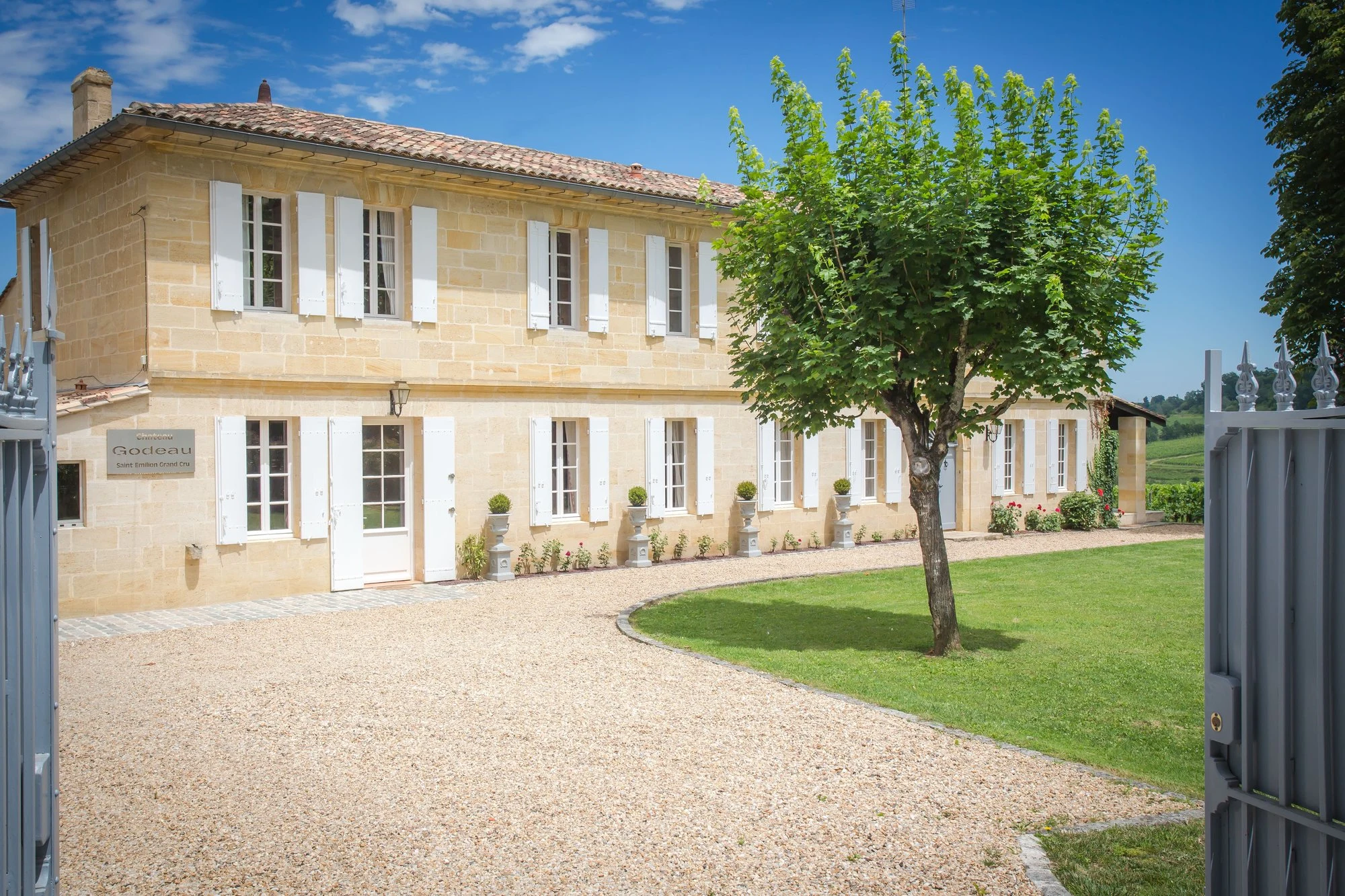
- Falstaff Winery - Listed · 2026
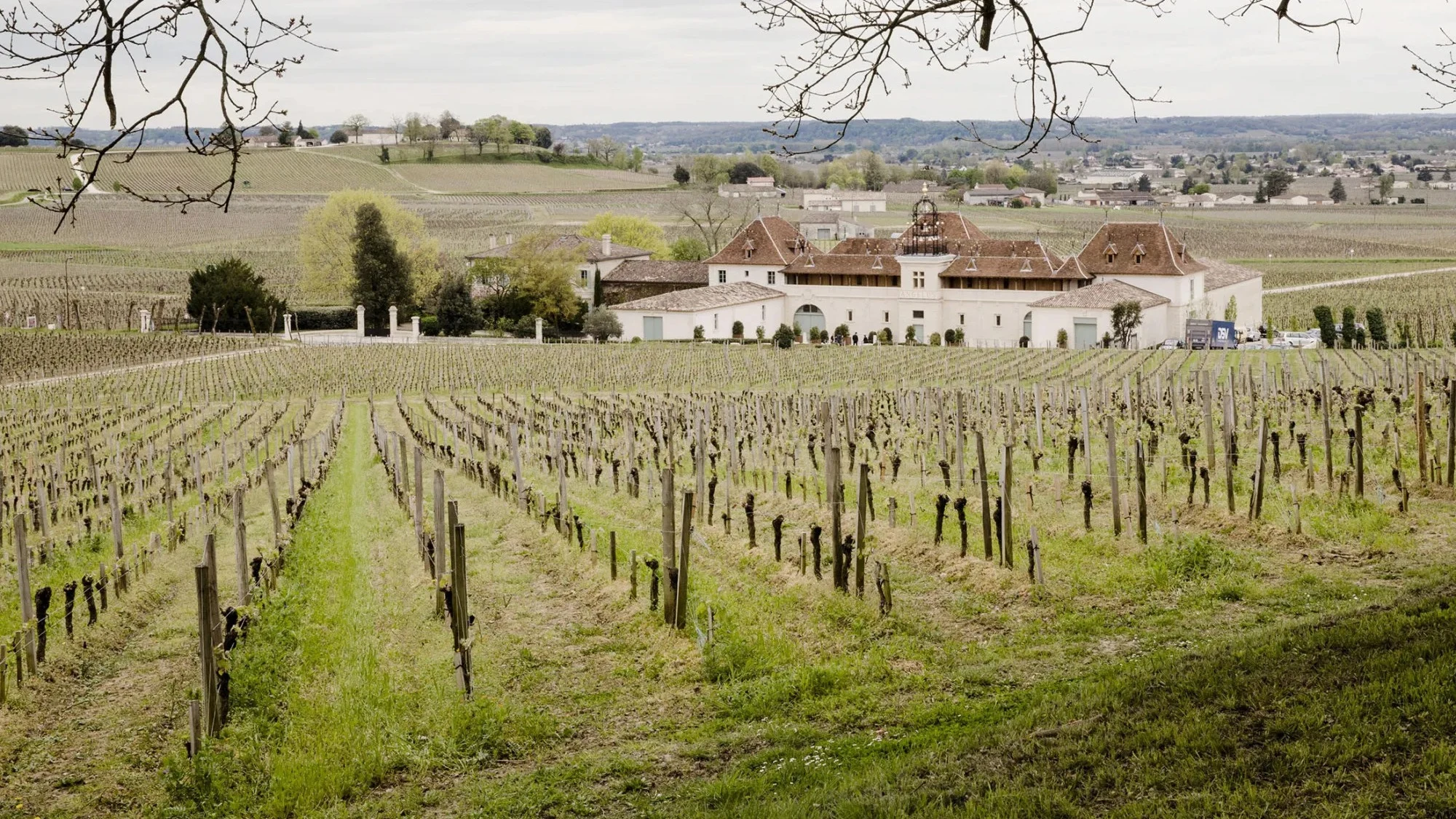
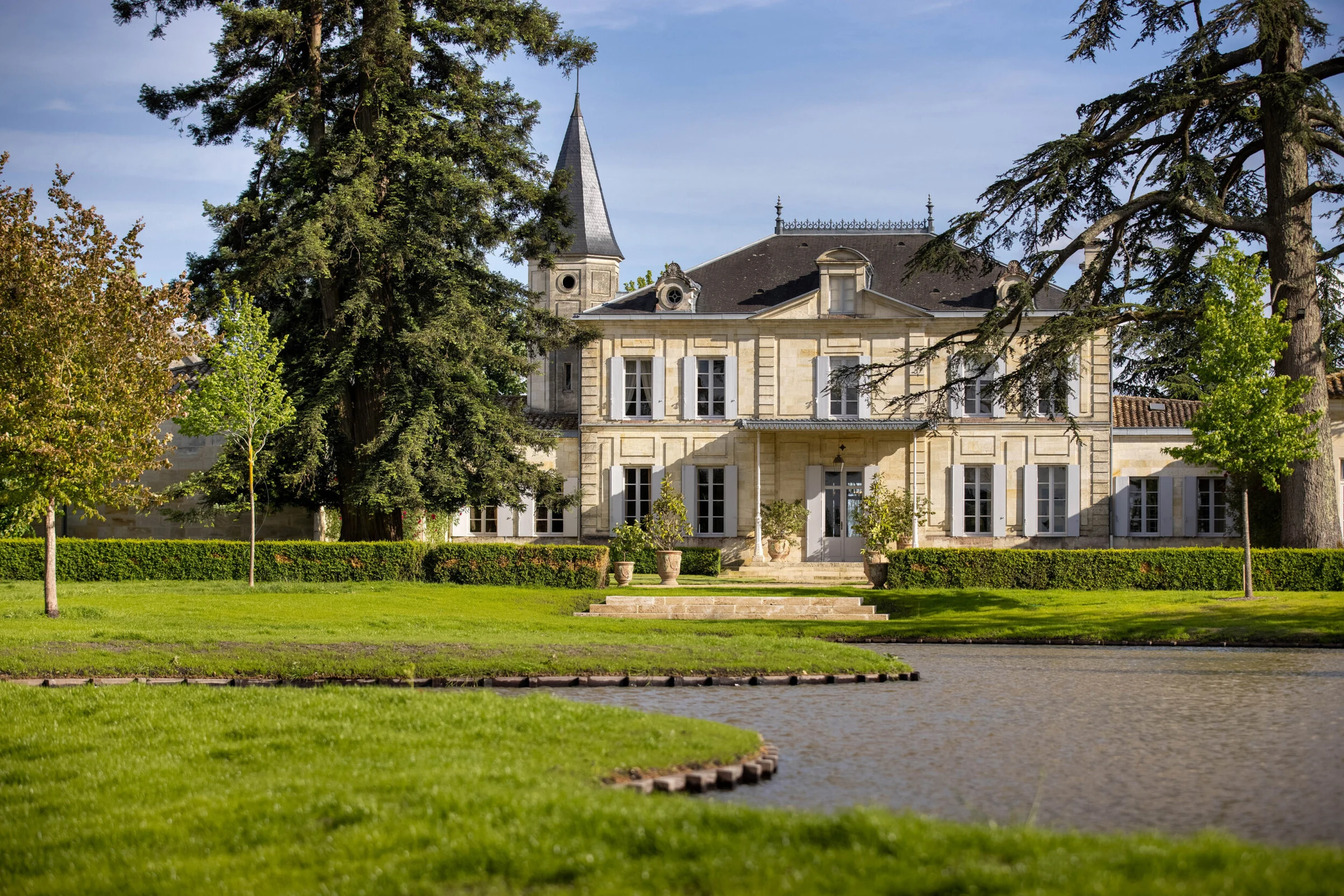
Approaching wine in Saint-Émilion means reading the slope before reading the label. Clay-limestone terrain is central to the identity of the area, and Château Godeau sits within that Right Bank Bordeaux context. The estate is associated with supple, elegant, Merlot-driven Grand Cru reds that emphasize freshness, lift and refined oak rather than excess weight. In practical terms, that means the conversation begins with texture and balance: the kind of Saint-Émilion profile where fruit, structure and oak are intended to feel integrated rather than imposing.
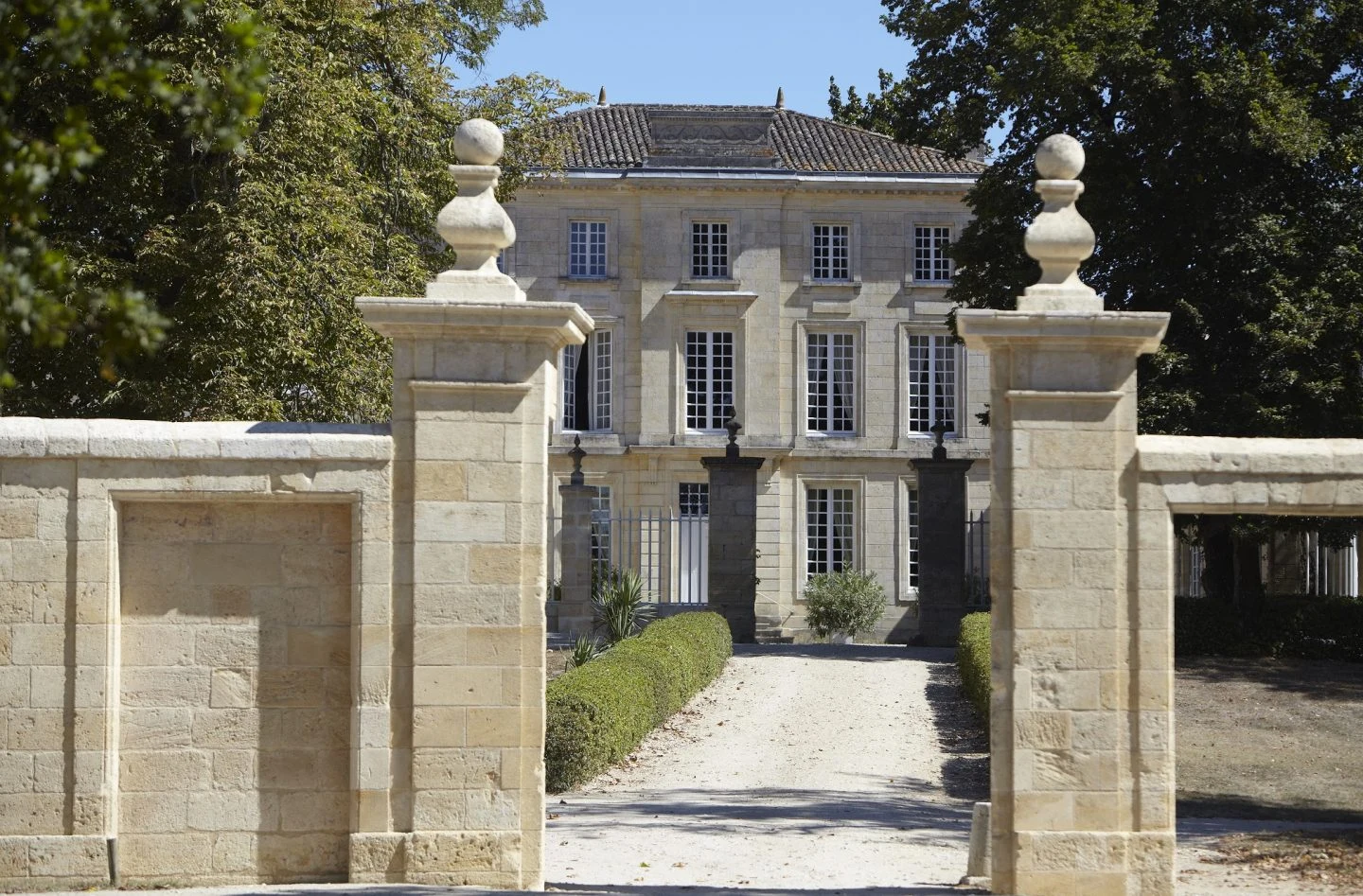
Château Godeau’s appeal is clearest when framed simply: a historic Saint-Émilion estate producing approachable yet structured red Bordeaux. The wines are described as accessible in youth while still having the shape for aging, with a style built around Merlot, balance and the character of the clay-limestone slopes. That duality is a useful part of the estate’s identity: enough immediate softness and polish to make the wines inviting, but enough freshness and frame to keep them from feeling merely easy.
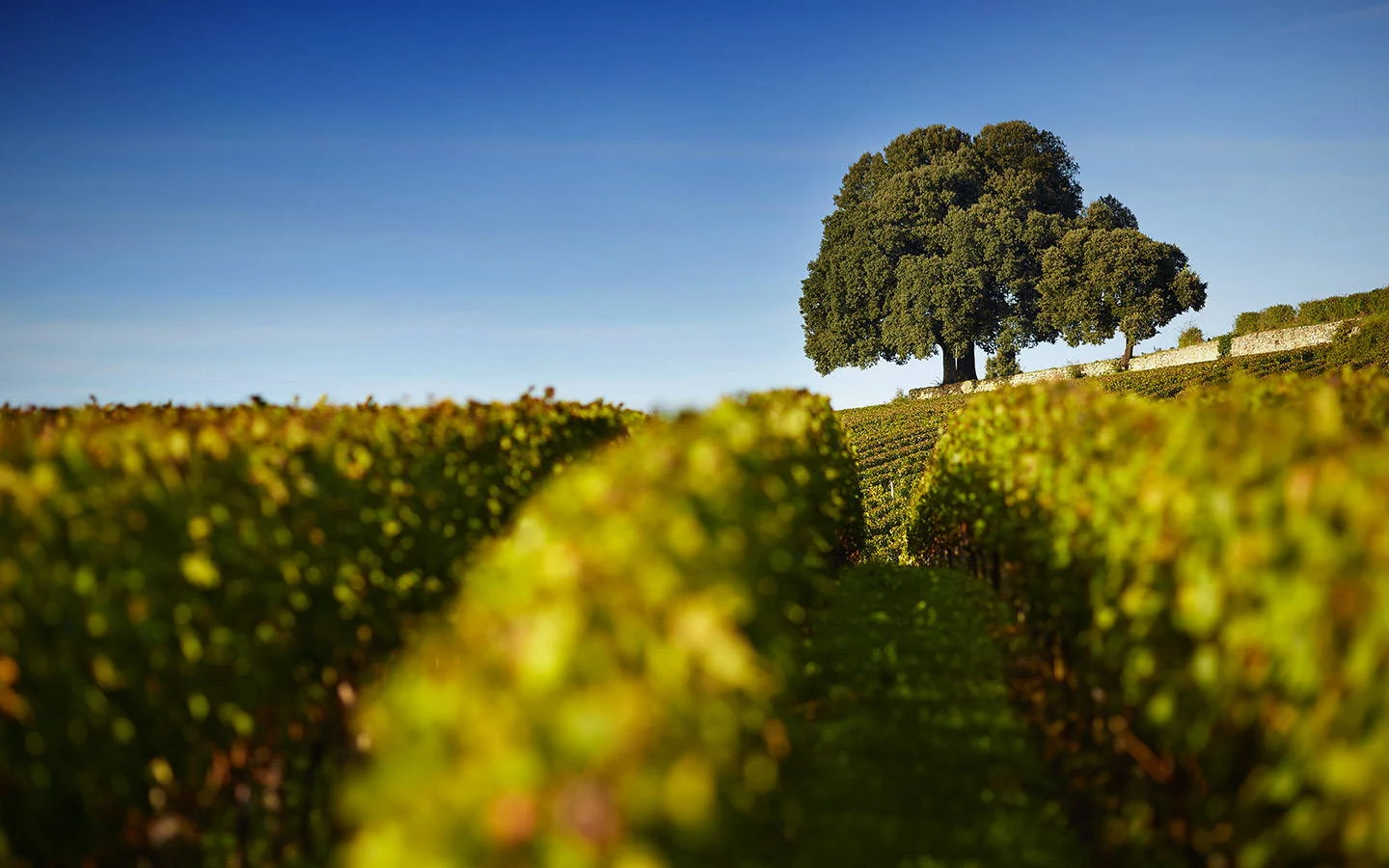
Clay-limestone Saint-Émilion, interpreted through Merlot
Right Bank Bordeaux is not a single style, and Saint-Émilion can show many expressions of Merlot depending on site and cellar choices. Château Godeau belongs to the clay-limestone side of that conversation, where the picture is one of supple texture, elegance and freshness. Rather than treating Merlot as simply round or generous, this framing points to a more measured expression, where the grape’s natural plushness is shaped by lift and mineral-leaning restraint.
The most useful way to understand the estate is not through production figures or technical claims, but through its stated profile: Merlot-driven Saint-Émilion Grand Cru reds with lift, refined oak and enough structure to develop with time. That makes Château Godeau a Right Bank address for drinkers looking for a polished but not overblown expression of the appellation. It is a style that reads as complete without depending on sheer scale: freshness keeps the wine moving, oak is part of the architecture rather than the main event, and the overall impression is meant to be elegant.
Specific details such as exact vineyard size, vine age, cellar methods, blend percentages or production volume are not confirmed here. What is confirmed is the broader identity: a historic Saint-Émilion estate on clay-limestone slopes, producing elegant Grand Cru reds with a focus on freshness and balance. That distinction matters because it keeps expectations grounded. The estate can be placed confidently within the Right Bank and Saint-Émilion Grand Cru frame, while more technical or current commercial details should not be assumed from a general profile alone.
A Right Bank estate defined by restraint
Château Godeau is best presented as a Saint-Émilion property rather than as a story built around ownership timelines, ratings or consultant names. Its positioning is rooted in place and style: a historic Right Bank Bordeaux estate making Merlot-driven Grand Cru wines that are supple, lifted and refined. In an appellation where reputations can be built through many different narratives, this is a more terroir-led reading, focused on what the wines are said to express in the glass.
The estate’s wines are described as approachable young yet structured for aging. That combination is important in Saint-Émilion, where Merlot can offer both early charm and longer-term depth when the wine keeps freshness and proportion. Approachability here should not be confused with simplicity. The point is that the wines have enough softness and poise to be inviting without losing the form needed for time in bottle.
For collectors, travelers or restaurant buyers, the grounded takeaway is direct: Château Godeau represents a $$$ Saint-Émilion estate with a focused red-wine identity. Details beyond that should be checked directly with the estate or current merchant information before planning a visit or purchase. That caution is part of the editorial value: the reliable profile is clear, but practical decisions should be made with the most current source available.
How to place it within a Saint-Émilion trip
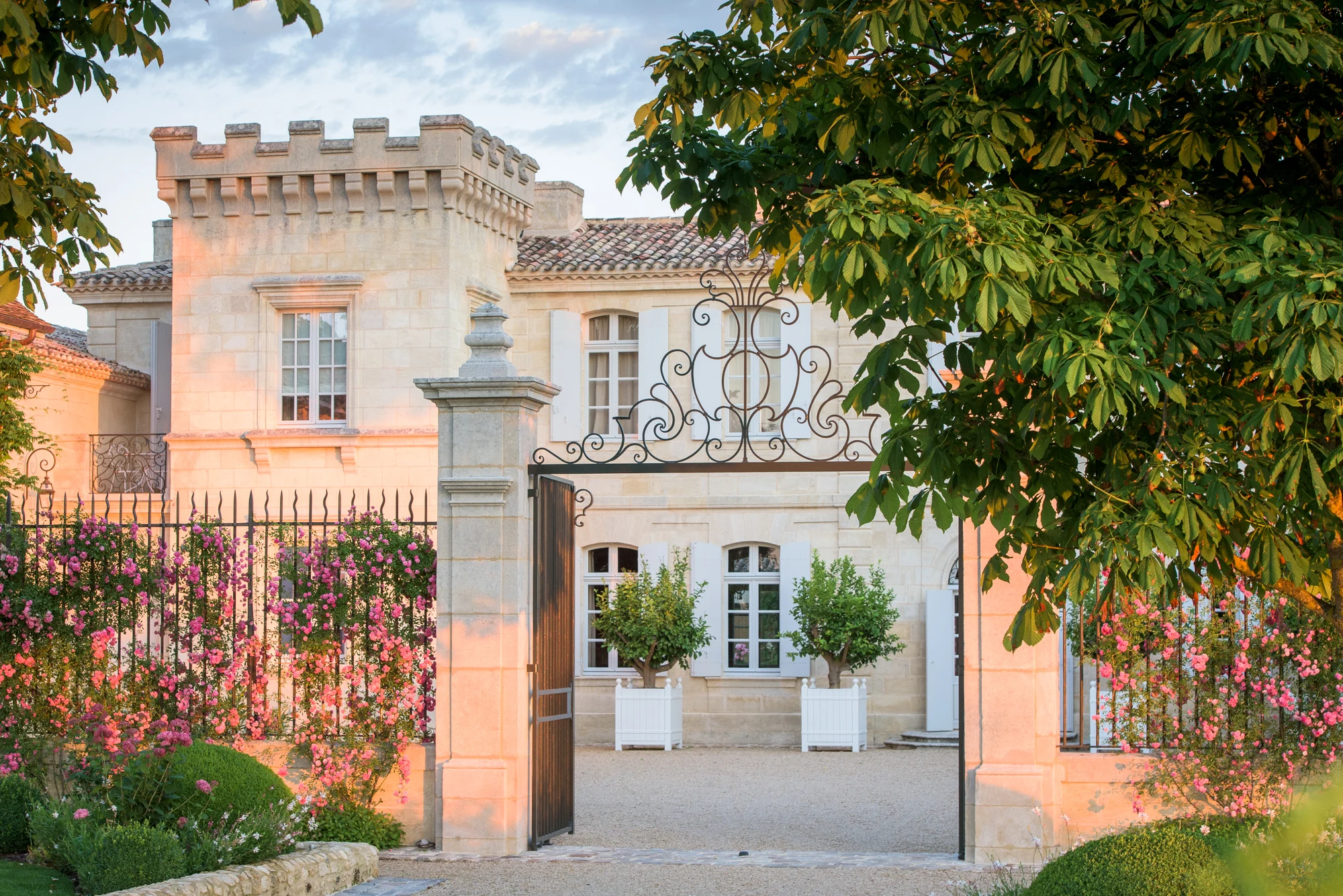
Saint-Émilion rewards visitors who think beyond famous labels. Château Godeau fits naturally into a wine-focused itinerary built around the village, its slopes and its Grand Cru reds. The information here supports a simple expectation: this is a historic Right Bank estate in Saint-Émilion, not a restaurant or bar listing. It belongs in the part of a trip concerned with vineyard identity, appellation character and the way Merlot behaves on clay-limestone terrain.
For wider context, compare Château Godeau with other Saint-Émilion dining, wine and travel options generically, while keeping the estate’s own identity in view. Its place in a trip is best understood through Merlot, clay-limestone terrain and the Right Bank Bordeaux style. That approach helps avoid turning the estate into a checklist stop and instead places it within the larger pattern of the appellation: slope, soil, fruit, freshness and restraint working together.
The useful takeaway is terroir rather than checklist collecting: in Saint-Émilion, clay-limestone Merlot can speak with generosity and restraint at once. Château Godeau’s profile sits firmly in that register, with supple, elegant Grand Cru reds shaped by freshness, lift and refined oak. For anyone trying to understand the quieter side of Saint-Émilion Grand Cru, that combination is the point: polished Bordeaux with enough poise to feel rooted in place.
Questions
Frequently asked
Who works at Château Godeau?
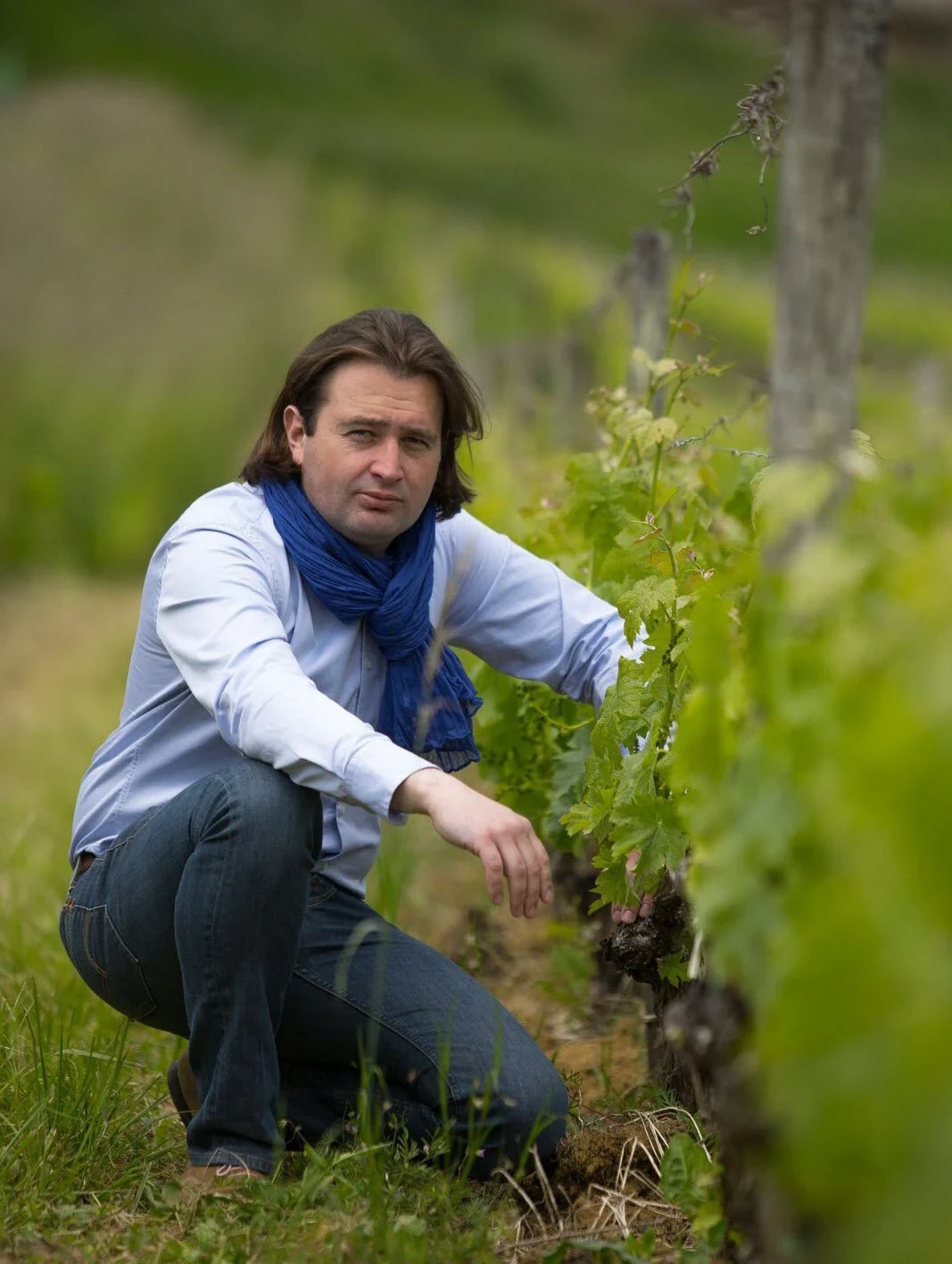
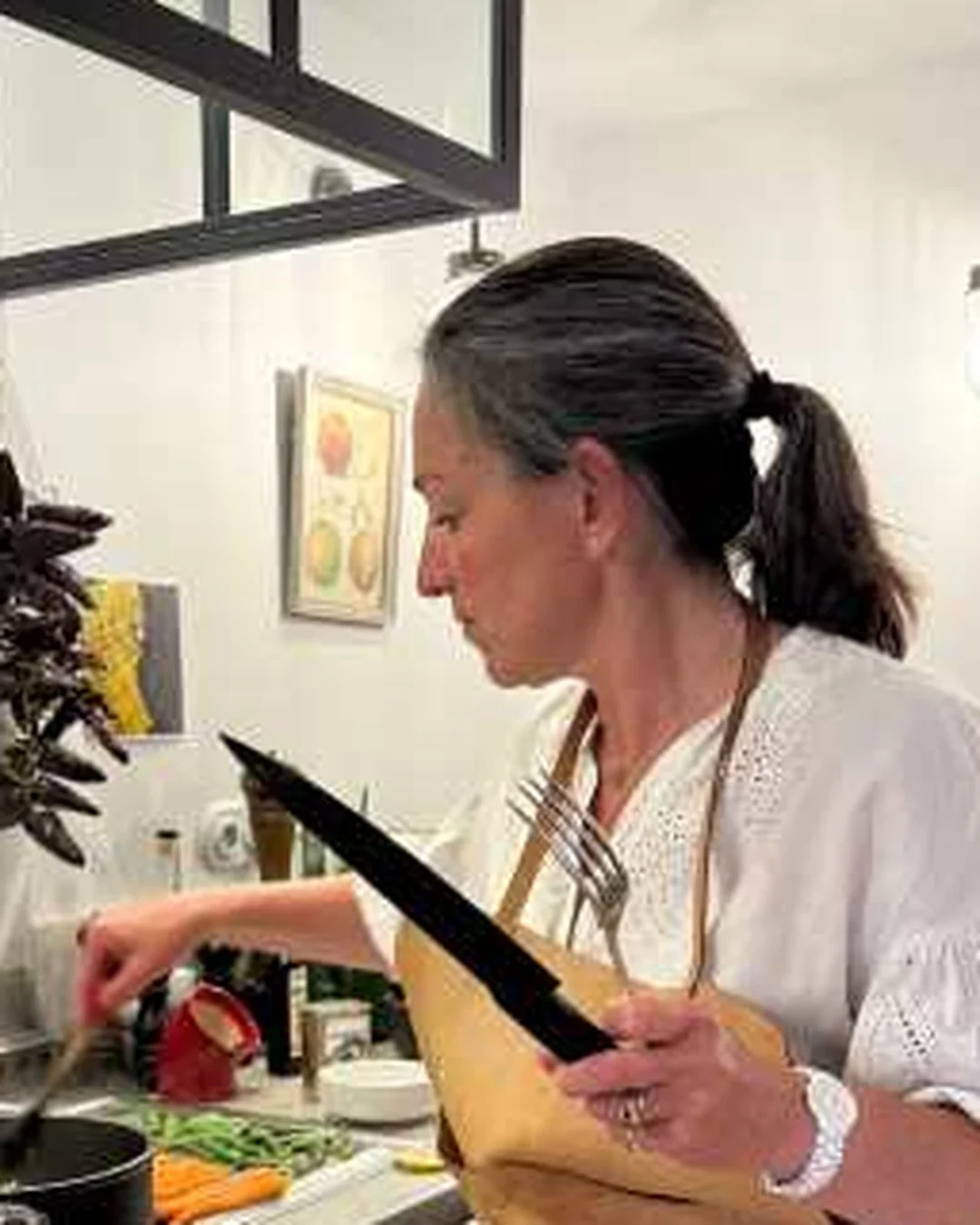
Made By profiles Agnès Florisoone (Winemaker) and Albéric Florisoone (Winemaker) at Château Godeau.
How expensive is Château Godeau?
Château Godeau is listed at a price level of $$$.
The field
How it compares
| Place | Notes |
|---|---|
| Château Godeau | Saint-Laurent-des-Combes, $$$ |
| Château Angelus | Saint-Émilion |
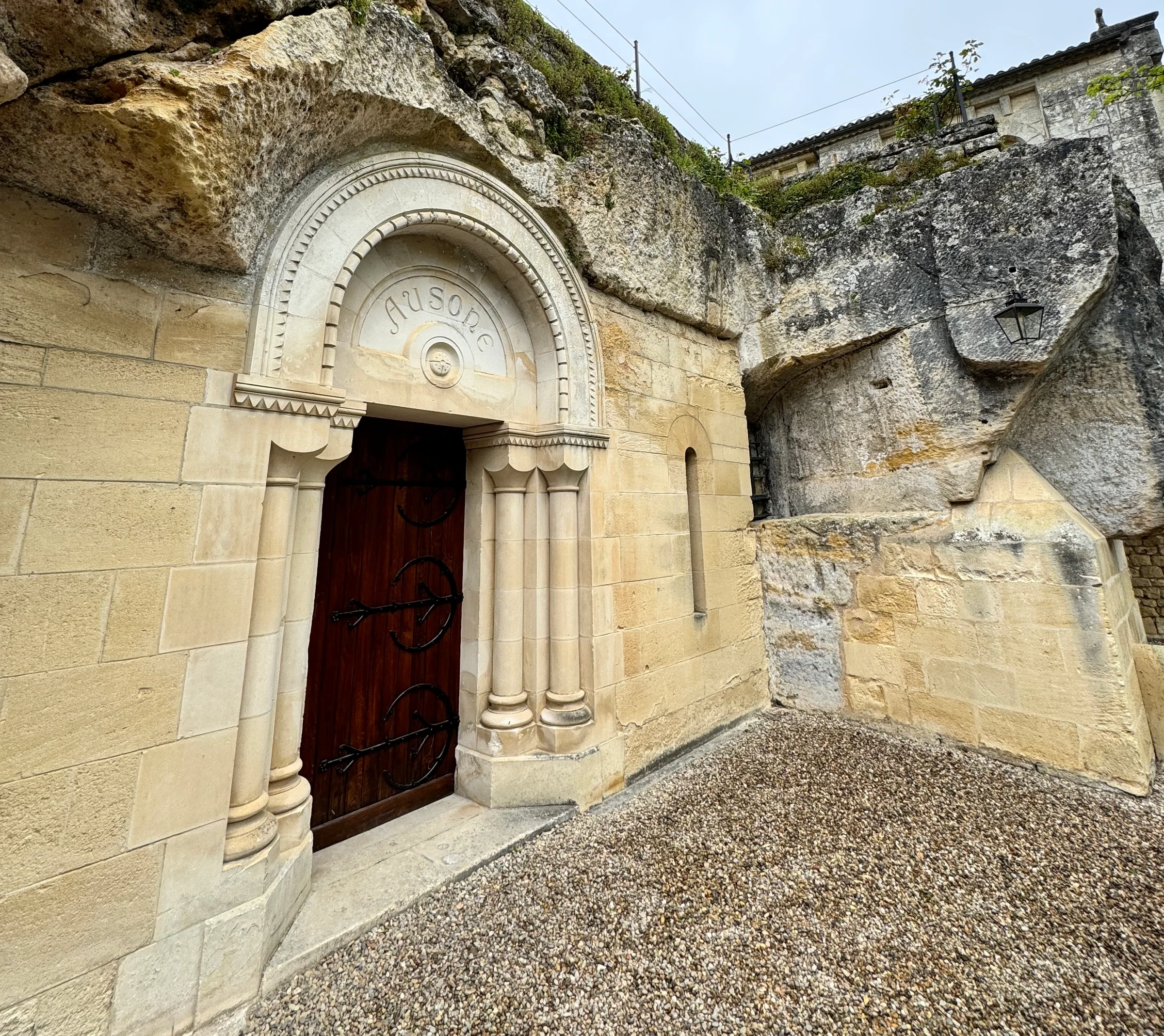
| Chateau Ausone | Saint-Émilion |
| Château Canon | Saint-Émilion |
| Château Cheval Blanc | Saint-Émilion |
| Château Figeac | Saint-Émilion |
| Château Pavie | Saint-Émilion |