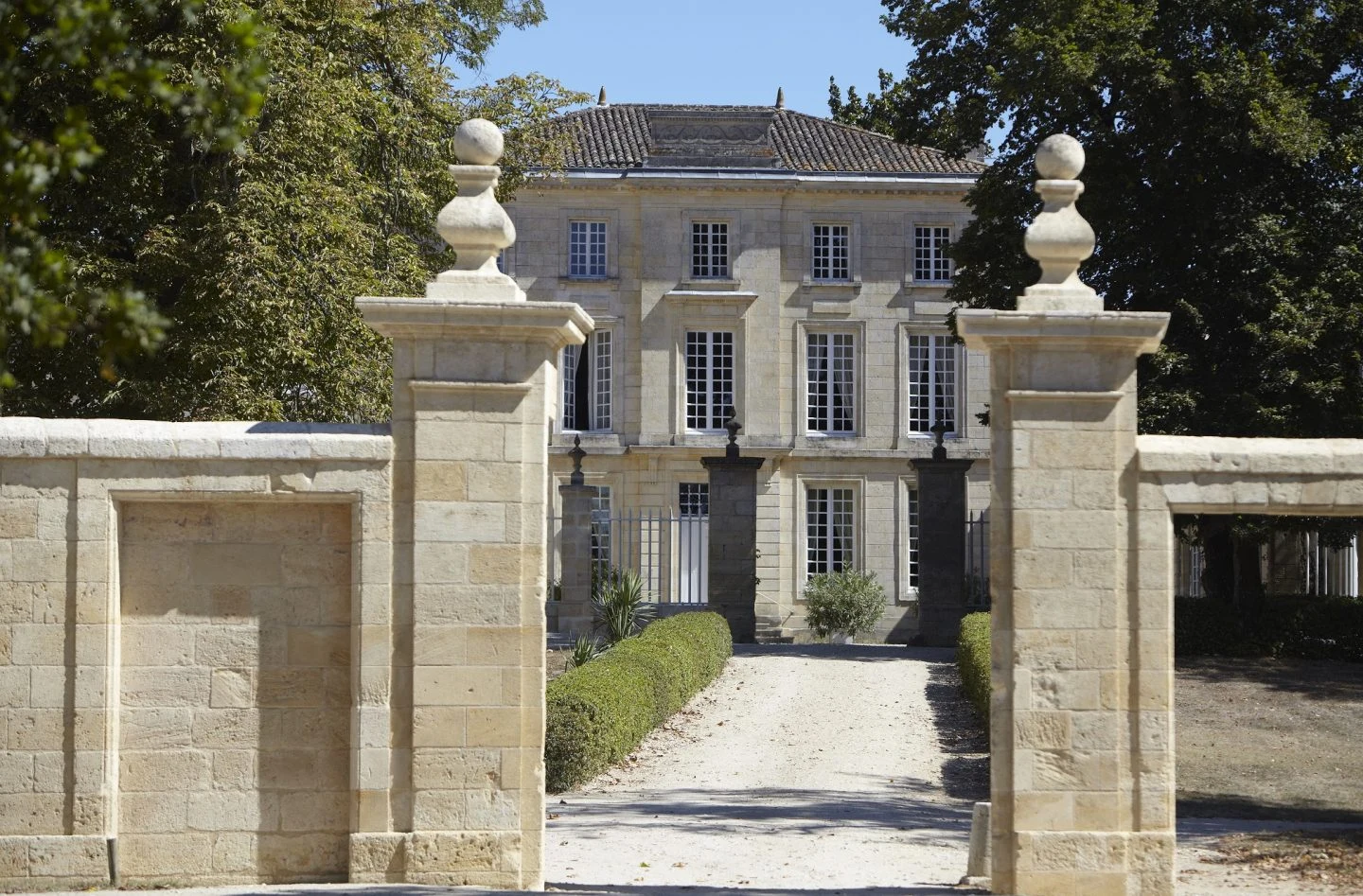
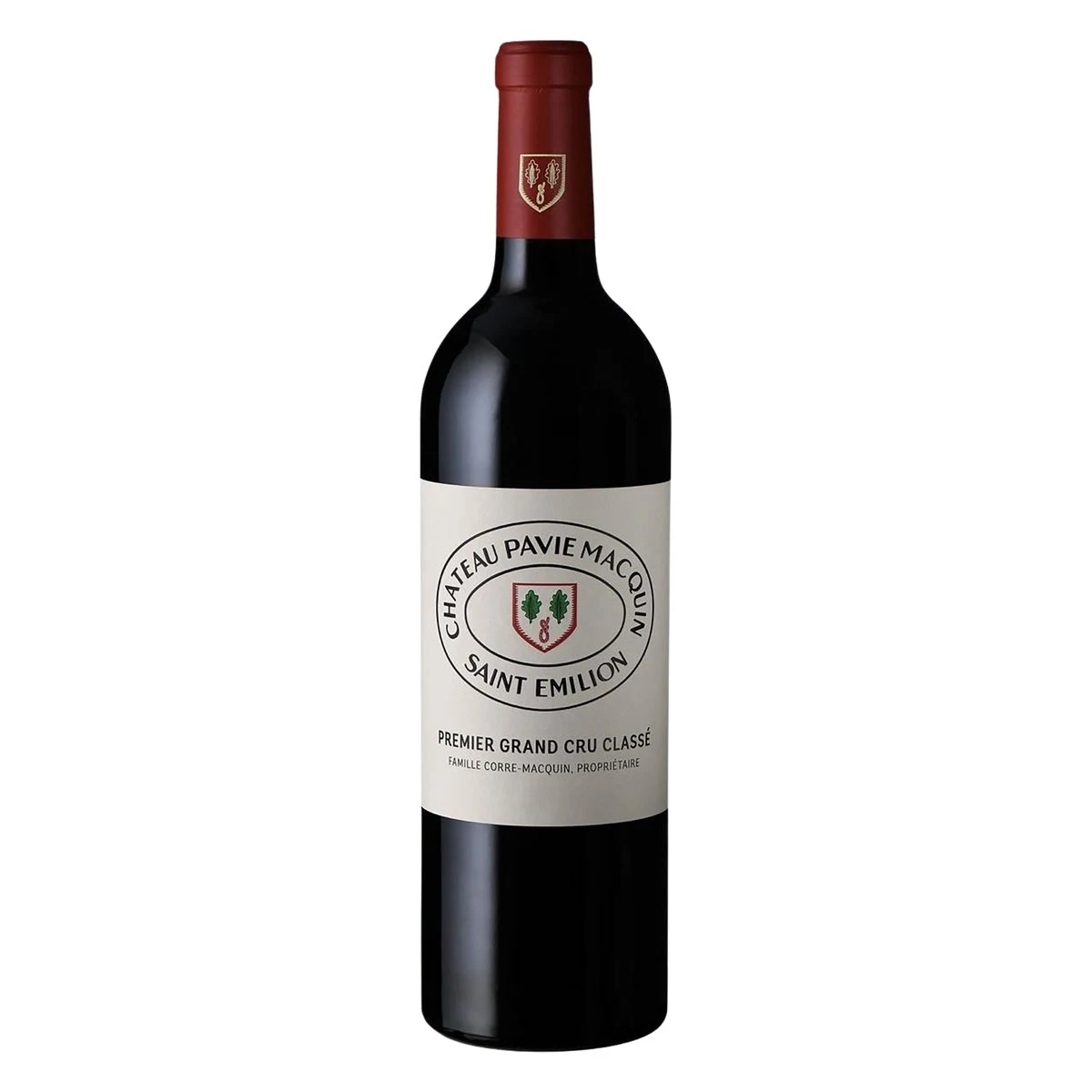
Château Pavie Macquin sits among Saint-Émilion's upper-tier Right Bank estates, holding a Pearl 3 Star Prestige rating in 2025. Located at 1 Peygenestau on the plateau adjacent to the appellation's most celebrated vineyards, it represents the kind of address that rewards planning well in advance. Visitors arriving with context, on the classification system, the terroir, and the booking process, get considerably more from the experience.
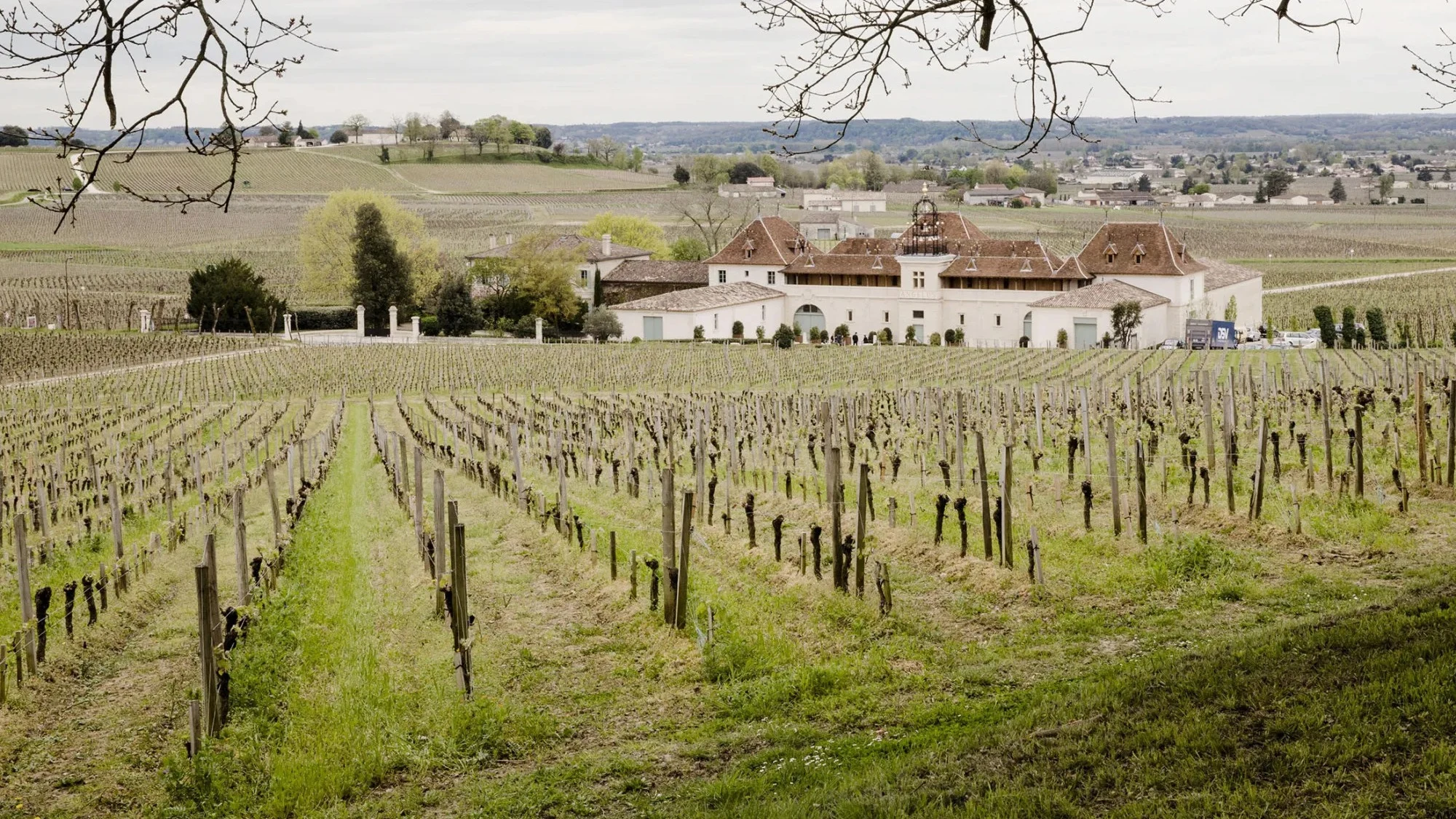
<h2>Arriving at the Plateau: What the Approach Tells You</h2><p>The road to the Saint-Émilion plateau does not announce itself dramatically. You pass through the medieval town, climb past limestone walls and iron gates, and arrive at a landscape where the soil composition changes perceptibly, the argilo-calcaire clay-limestone that underpins the appellation's most serious addresses. Château Pavie Macquin, at 1 Peygenestau, sits within this refined tier, sharing the plateau with neighbours whose names appear on the most closely watched allocation lists in Bordeaux. What the approach communicates, before a single bottle is poured, is that you are in a part of Saint-Émilion where geology does most of the editorial work.</p><p>This context matters for any visitor, because the Right Bank's leading plateau estates operate on different terms than the more visitor-friendly estates of the Médoc. Access, here, is deliberate. The properties are smaller, the production volumes tighter, and the expectation, explicit or otherwise, is that guests arrive knowing what they are looking at. Château Pavie Macquin's award places it among the appellation's notable addresses.</p><h2>The Booking Reality: Plan Ahead, Come Prepared</h2><p>Visiting any of Saint-Émilion's upper-tier estates requires more advance planning than most wine tourism itineraries account for. Pavie Macquin, like its immediate neighbours on the plateau, including <a href="https://www.enprimeurclub.com/wineries/chateau-belair-monange-saint-emilion-winery">Château Bélair-Monange</a> and <a href="https://www.enprimeurclub.com/wineries/chateau-la-mondotte-saint-emilion">Château La Mondotte</a>, does not maintain walk-in hours. Visits are arranged by appointment, typically through written contact well in advance of your travel dates. The estates on this part of the plateau run tight calendars around harvest, bottling, and en primeur tasting periods, which means availability compresses significantly between February and April each year.</p><p>The practical implication: if your travel window touches the spring tasting season, outreach several months in advance is not overcautious, it is necessary. Harvest period in September and October similarly reduces flexibility at most properties. The window between late April and early July, and again in November, tends to offer the most predictable access for private visits. Arriving through a specialist wine travel operator can accelerate the process, since established relationships with estate managers carry more weight than cold contact.</p><h2>Where Pavie Macquin Sits in the Classification</h2><p>Saint-Émilion's classification system has a turbulent recent history, contested in court, revised, and debated among producers for years. Against that backdrop, the estates that have maintained consistent critical standing independent of classification rank occupy a distinct position. Château Pavie Macquin sits within the appellation's serious addresses, alongside classified growths such as <a href="https://www.enprimeurclub.com/wineries/chateau-canon-la-gaffeliere-saint-emilion">Château Canon-la-Gaffelière</a> and <a href="https://www.enprimeurclub.com/wineries/chateau-clos-fourtet-saint-emilion">Château Clos Fourtet</a>.</p><p>The Right Bank's leading addresses are frequently compared against one another on terroir terms, the limestone plateau versus the gravel-clay slopes, old vine density, and the proportion of Merlot to Cabernet Franc in the blend. Pavie Macquin's position on the plateau aligns it with the clay-limestone character that produces wines of structure and ageing potential.</p><p>For comparison, the appellation's competitive peer group includes estates across different price and access tiers. <a href="https://www.enprimeurclub.com/wineries/chateau-coutet">Château Coutet</a> and others in the wider Bordeaux context demonstrate how the region's classification structure shapes both pricing and the collector market. Internationally, the conversation around prestige-tier estates from concentrated appellations has parallels elsewhere, in Alsace with producers like <a href="https://www.enprimeurclub.com/wineries/albert-boxler-niedermorschwihr-winery">Albert Boxler in Niedermorschwihr</a>, or in Napa with allocation-model estates such as <a href="https://www.enprimeurclub.com/wineries/accendo-cellars">Accendo Cellars in St. Helena</a>, where tight production and appointment-only access define the visit experience in similar ways.</p><h2>The Terroir Argument: Why Plateau Matters</h2><p>Saint-Émilion's most debated question is not which châteaux produce the leading wine, that debate changes with each vintage. The more durable question is which terroirs hold the clearest argument for consistent quality across variable years. The plateau calcaire, the band of clay-limestone that runs through the appellation's northern edge, has the most consistent critical consensus behind it. Properties sitting directly on this formation benefit from natural drainage, heat retention, and a soil chemistry that drives concentration without requiring aggressive interventions in the cellar.</p><p>Pavie Macquin's address at Peygenestau places it within this formation. The broader Right Bank argument, that Merlot on clay-limestone produces wines structurally closer to Left Bank Cabernet-dominated blends than the appellation's sandy-gravel periphery, has been a persistent thread in critical assessments of the plateau's leading addresses. Visitors who engage with the estate in that context, with questions about vine age, drainage, and how recent vintages have expressed the terroir, will get a more substantive conversation than those arriving with a purely collector-transaction mindset.</p><h2>Building a Saint-Émilion Itinerary Around Pavie Macquin</h2><p>A focused plateau visit pairs Pavie Macquin logically with neighbours whose estates share comparable access expectations. <a href="https://www.enprimeurclub.com/wineries/chateau-belair-monange-saint-emilion-winery">Bélair-Monange</a> and <a href="https://www.enprimeurclub.com/wineries/chateau-la-mondotte-saint-emilion">La Mondotte</a> occupy adjacent parts of the plateau and require the same appointment-forward approach. Spacing visits across two days rather than compressing them into one allows each tasting to receive proper attention, and avoids the palate fatigue that comes from moving through several high-tannin Merlot-dominant wines in a single afternoon.</p><p>The town of Saint-Émilion itself functions as a practical base. Hotels in the village proper offer walkable access to the medieval centre. Driving to the plateau estates takes under ten minutes from the town centre. For visitors who want to extend the Bordeaux circuit beyond the Right Bank, the Médoc properties, including <a href="https://www.enprimeurclub.com/wineries/chateau-batailley-pauillac-winery">Château Batailley in Pauillac</a>, <a href="https://www.enprimeurclub.com/wineries/chateau-branaire-ducru-st-julien">Château Branaire Ducru in St-Julien</a>, <a href="https://www.enprimeurclub.com/wineries/chateau-cantemerle-haut-medoc">Château Cantemerle in Haut-Médoc</a>, and <a href="https://www.enprimeurclub.com/wineries/chateau-boyd-cantenac-cantenac-winery">Château Boyd-Cantenac in Cantenac</a>, are a forty-five minute drive across the Gironde, and several operate more structured visitor programmes with easier direct booking.</p><p></p><h2>What to Know Before You Go</h2><p>Visits are by appointment only. Contact through the estate's direct address, 1 Peygenestau, 33330 Saint-Émilion, or through a specialist wine travel intermediary is the standard route. Visits are conducted by appointment and are oriented toward trade buyers, serious collectors, and wine travel guests with demonstrated interest in the appellation. Arriving with a working knowledge of the estate's classification history, the 2025 Pearl 3 Star Prestige recognition, and the plateau terroir context will set the right tone for the conversation.</p><p>The estate sits within a compact geography that rewards slow travel. A two-to-three day stay in Saint-Émilion, with mornings at plateau properties and afternoons in the town or at lower-plateau addresses, gives the appellation enough time to make sense as a whole rather than a sequence of disconnected tastings.</p>
Château Pavie Macquin is located at 1 Peygenestau, 33330 Saint-Émilion, Saint-Emilion.
Château Pavie Macquin has received recognition including: Pearl 3 Star Prestige (2025).
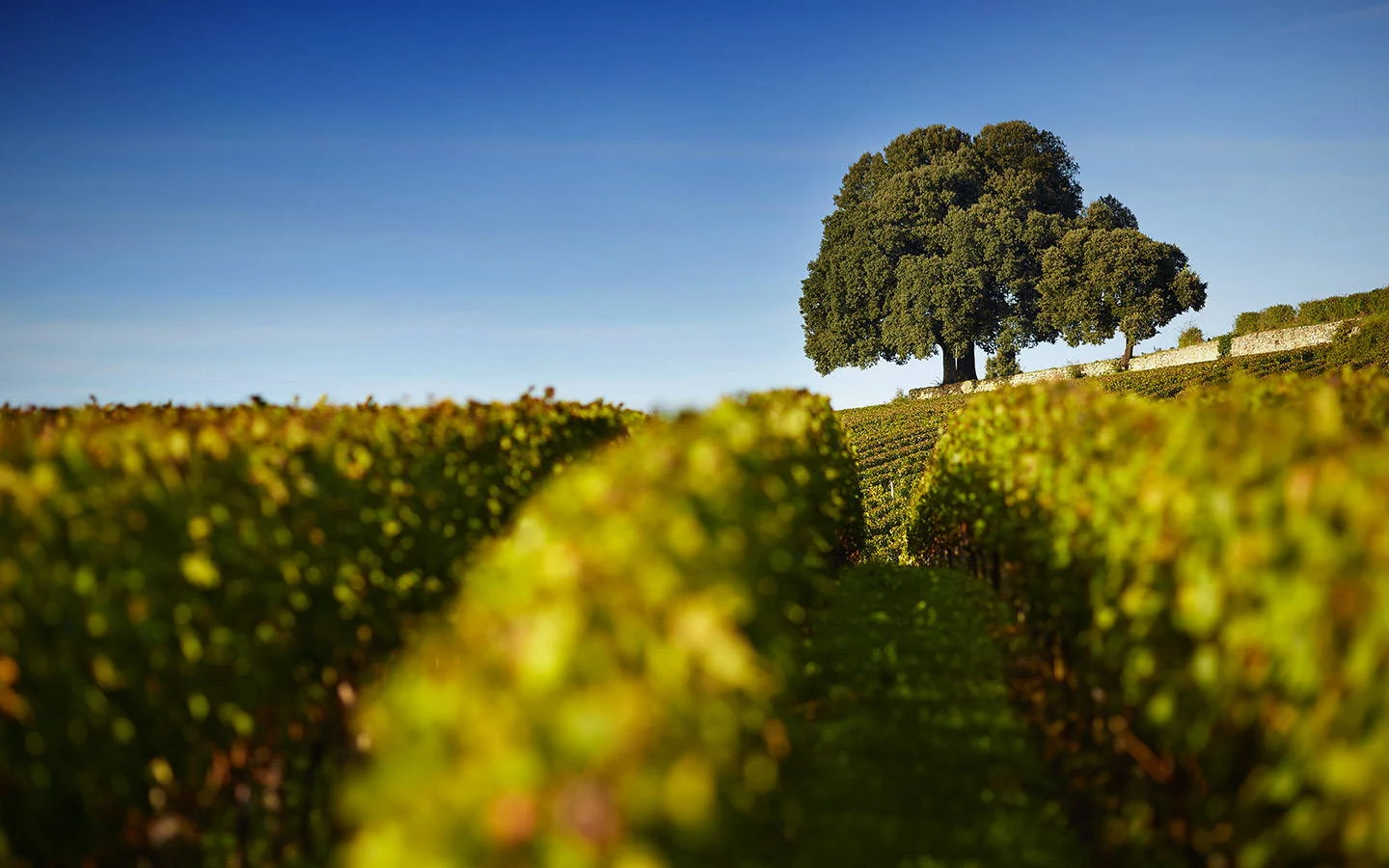
Pavie Macquin produces red wine from the Saint-Émilion appellation on Bordeaux's Right Bank, drawing primarily from the plateau calcaire — the limestone-clay plateau that runs through the appellation's most closely watched addresses. The estate earned Pearl 3 Star Prestige recognition in 2025, placing it among the reference producers in the classification. Expect a Merlot-dominant blend shaped by the drainage and mineral character the plateau delivers in contrast to the lower clay slopes.
The estate's position on the Saint-Émilion plateau puts it alongside neighbours such as Bélair-Monange and La Mondotte in the appellation's most debated terroir zone — the 2025 Pearl 3 Star Prestige award adds institutional weight to the argument for prioritising it on a focused Right Bank itinerary. Pavie Macquin does not operate a public booking portal, so visits require direct contact through the estate at 1 Peygenestau, 33330 Saint-Émilion. Plan at least several weeks ahead; access to upper-tier plateau estates is rarely open-ended.
1 Peygenestau, 33330 Saint-Émilion
Saint-Emilion
Château Beau-Séjour (héritiers Duffau-Lagarrosse)