Winemaker
Nicolas Thienpont
Vigneron gérant, Château Larcis Ducasse
- Discipline
- Winemaker
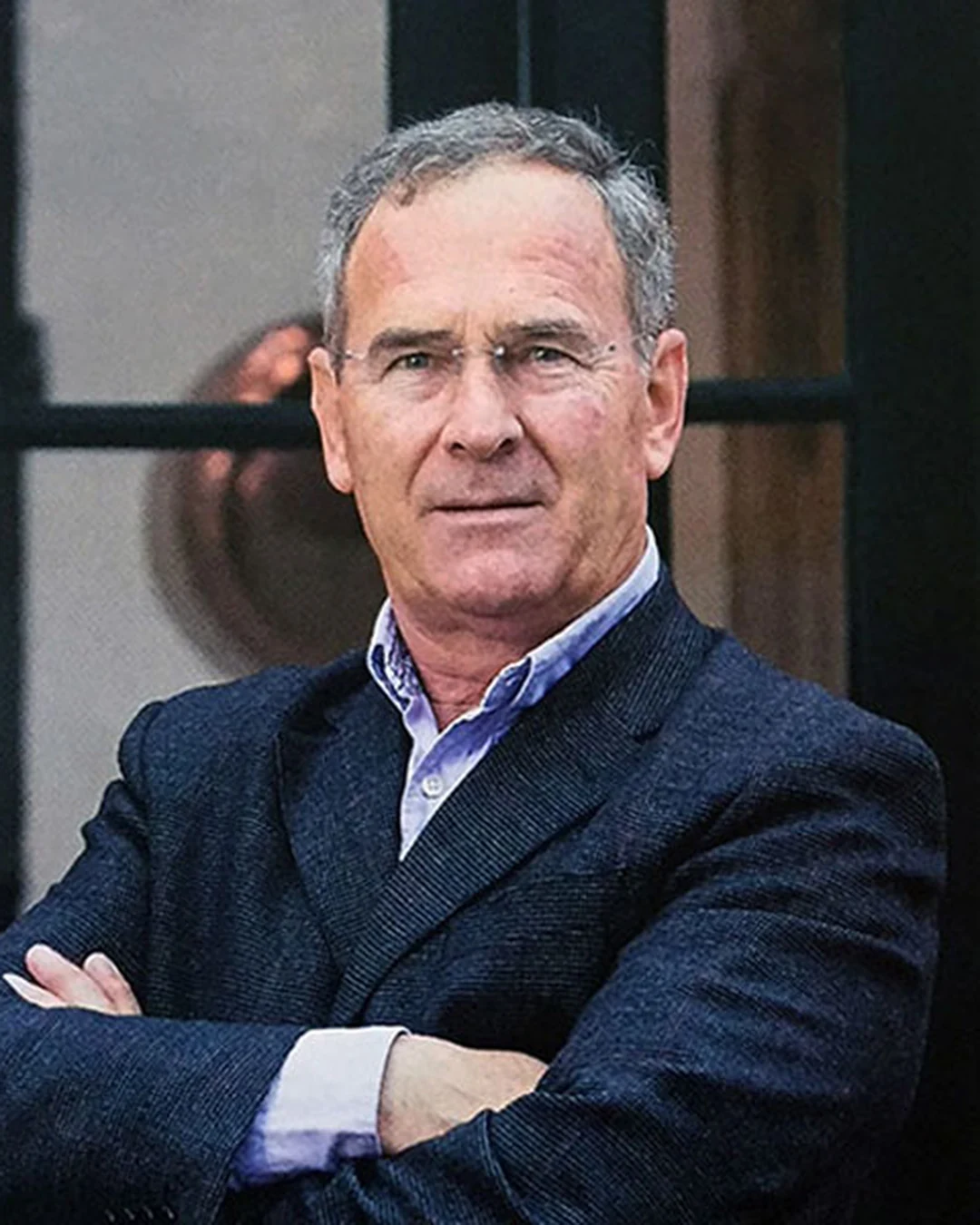
Portrait of Nicolas Thienpont
i. Biography
At Château Larcis Ducasse in Saint-Émilion, Nicolas Thienpont works winemaking as a discipline of observation: reading the site, weighing each season, and letting the vineyard set the terms. His other long-running post, as estate manager at Château Pavie Macquin, places the same emphasis on continuity and close attention. The family business behind him — wine merchants in the Flemish Ardennes — shows up not as romance but as training in trade: an early grounding in commerce and in how wine moves from land to market. Sorbonne added formal study, but the work itself has been built in the estates, where judgment matters as much as agriculture. At Château Pavie Macquin, the estate-management role has been continuous since 1994, which means the job is as much about memory as oversight. Plot by plot, season by season, the work depends on knowing what each parcel has done before and what it can do next. At Château Larcis Ducasse, where Nicolas Thienpont has been winemaker since 2002, the same accumulation shapes style: not one decisive gesture, but a chain of measured decisions that settle into the wine over time.
The Sunday letter
Read Made By's new profiles every Sunday.
Meet the chefs, winemakers and sommeliers behind the places we cover. See a sample below before you subscribe.
See a sample of the Sunday emailOne email a week. Unsubscribe from any issue.
Today
At Château Pavie Macquin, the estate-management brief remains one of close watchfulness and balance. Nicolas Thienpont’s approach is rooted in reading the vineyard closely and intervening with restraint, keeping the estate aligned without forcing the result.
Career - Estate manager — Château Pavie Macquin, Saint-Émilion, Bordeaux (1994–present) - Winemaker — Château Larcis Ducasse, Saint-Émilion, Bordeaux (2002–present) Education: Sorbonne
Signature
The wines most closely associated with Nicolas Thienpont — Château Larcis Ducasse, Château Pavie Macquin, Château Beauséjour (Duffau-Lagarrosse), and Alcée — point to range without breaking the line of the work. Across those estates and labels, the throughline is structure, depth, and the habit of correcting excess before it becomes style.
In Their Words “As we replant, we bring the density up to between 2,800 and 3,200 vines to bring the yields down and achieve more concentration and depth in the wines.” “When we started, the vineyard was a bit out of balance.”
Recognition
The clearest technical marker in Nicolas Thienpont’s practice is replanting density. His own explanation — raising vine count to between 2,800 and 3,200 to reduce yields and build concentration and depth — shows a practical, site-level way of thinking about quality. The logic is straightforward: adjust the vineyard first, and the wine follows. In that sense, the elegance associated with his work is assembled rather than improvised, vine by vine. He began managing Larcis Ducasse in 2002 and Beauséjour Duffau-Lagarrosse in 2009.. Nicolas began managing Larcis Ducasse in 2002 and Beauséjour Duffau-Lagarrosse in 2009.
FAQ What is Nicolas Thienpont's current role? Nicolas Thienpont is Winemaker. Where did Nicolas Thienpont train or study? Nicolas Thienpont trained at Sorbonne.


The Sunday letter
Get the next Made By profile in your inbox.
We send one email every Sunday morning with the people we profiled that week.
See a sample of the Sunday emailOne email a week. Unsubscribe from any issue.