Three Bordeaux varieties on limestone
- Pearl 4 Star Prestige · 2025
Three grapes on a clay-limestone plateau
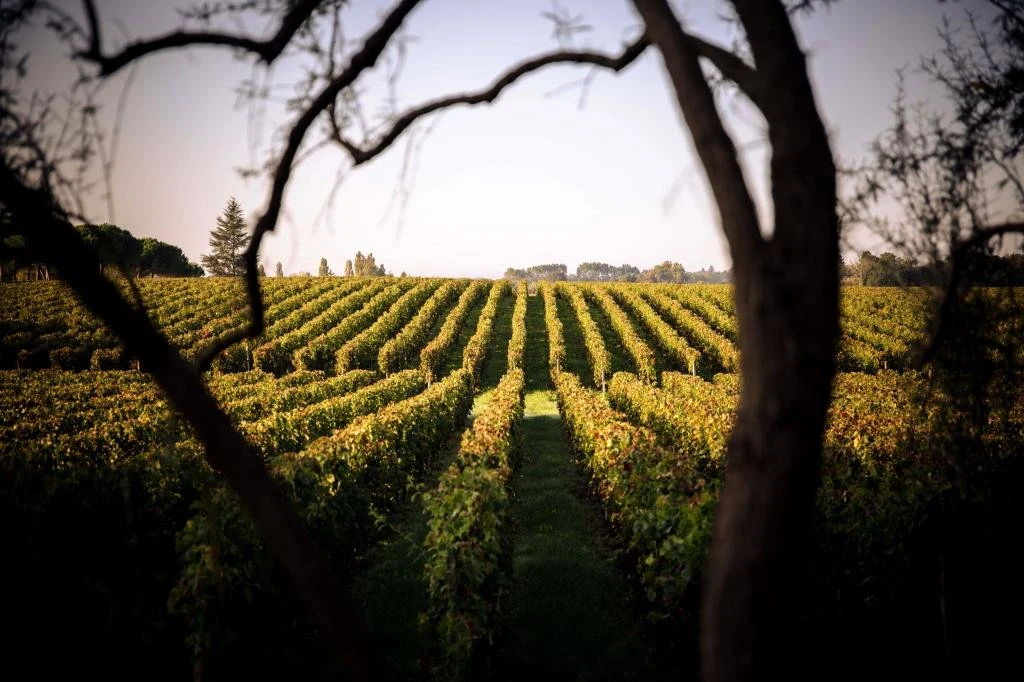
The plateau sets the terms before the cellar does. Chateau Beausejour in Listrac-Médoc works a still red programme within that appellation. Production is conventional and the scale is small, which keeps the estate closer to a working farm than to a showpiece. Listrac-Médoc sits away from the famous facades of the Médoc, an appellation of structured reds made by smaller producers, and the property belongs to that register.
Cabernet Franc beside the two others
The three varieties on the card are the whole material of the place. Merlot carries the flesh in this part of the Médoc, Cabernet Sauvignon supplies the frame, and Cabernet Franc sits between them as the variety that can sharpen a blend without adding weight. How the estate divides its rows between them, and how it handles fermentation and ageing, is not something the property publishes.
The limestone face and the cave tasting
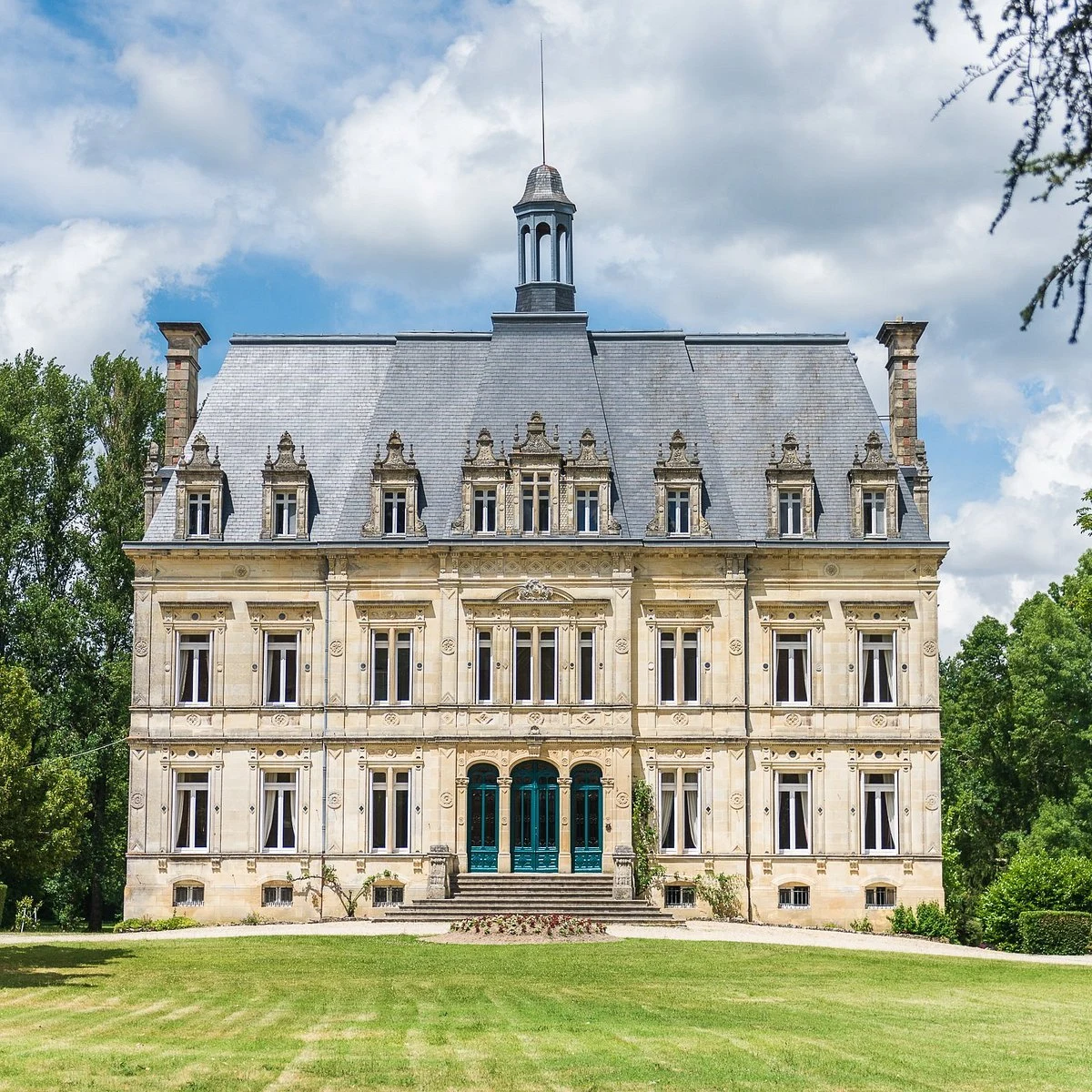
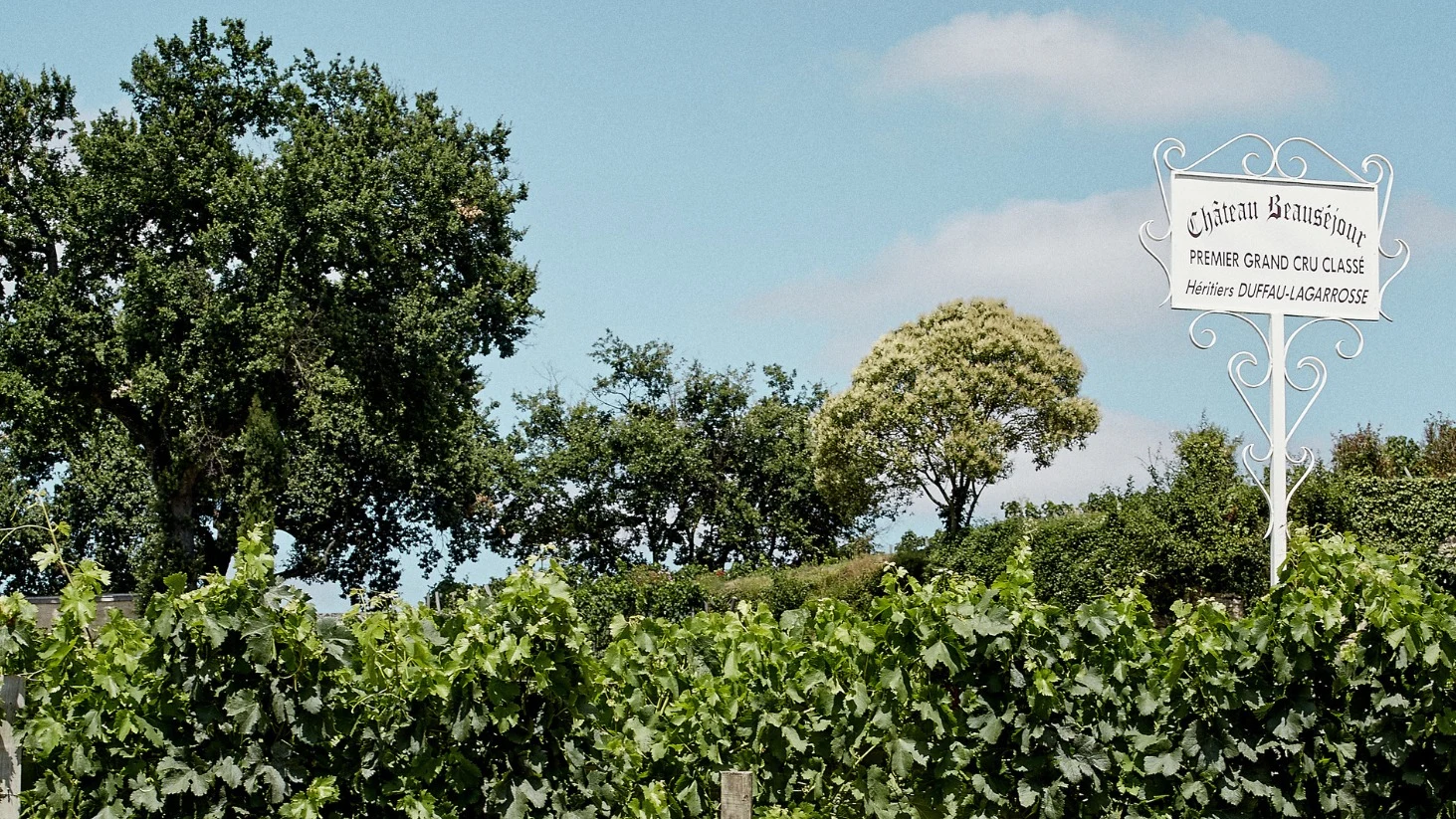
The château presents itself without theatre, and that restraint is the first thing the paragraph asks you to notice: a 19th-century house with a white limestone facade, vineyard views, and the quieter rhythm of a cave tasting rather than a staged room. Nothing in that description needs to be amplified into spectacle. The house is allowed to remain a house, the facade to remain white limestone, and the view to remain tied to the vineyards rather than converted into a backdrop. Its position on the clay-limestone plateau gives the place its visual and practical grammar, shaping both how it is seen and how its work is understood. The setting is not described as decoration, but as the ground from which the whole tone of the visit follows. That is why the cave tasting matters in the sentence: it suggests a slower, more contained encounter, one closer to the place itself than to performance. The building is elegant in the French countryside sense of the word, with the kind of composure that does not need to announce itself too loudly, but the work is not ornamental. The elegance sits alongside use, rhythm, and purpose. What remains is a château whose character comes from proportion, material, vineyard outlook, and restraint, rather than from theatrical presentation or a staged sense of arrival.
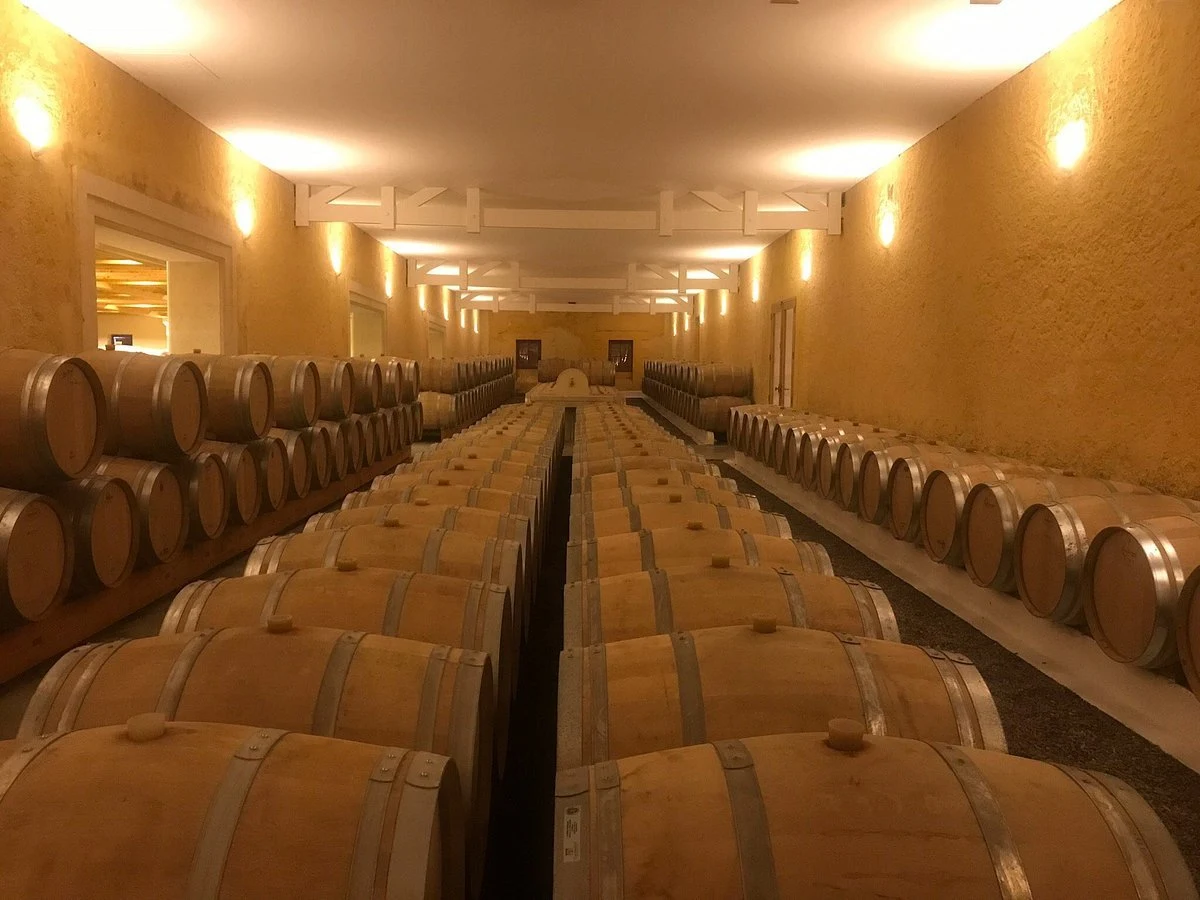
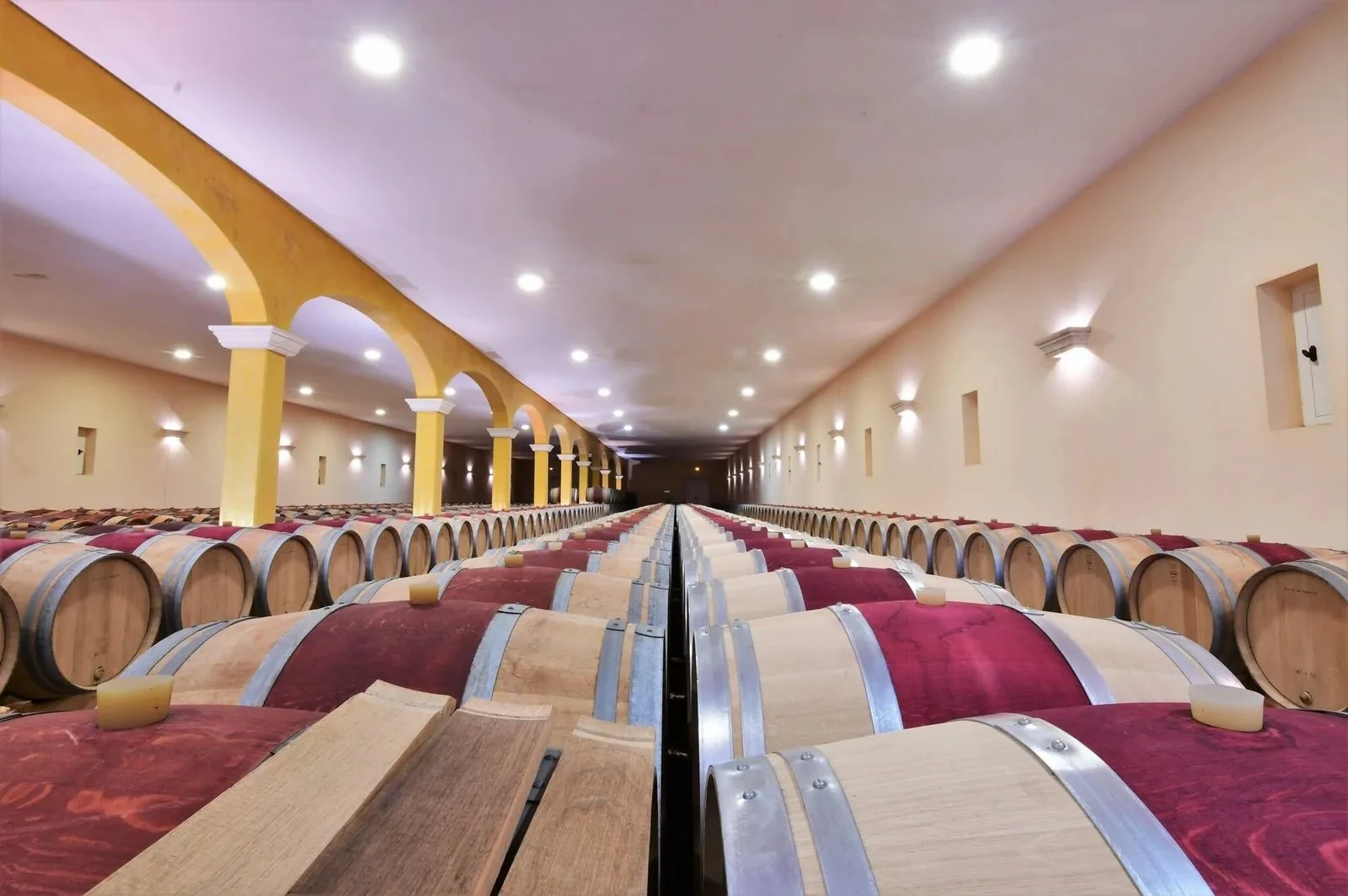
Inside that frame the room stays close to the wine. The atmosphere is serene and classic at an intimate scale, which is what lets bench-side detail remain visible at a property this size. Visitors taste in the cave rather than in a built room, and the estate’s public language stops there. Chateau Beausejour, Listrac-Médoc, clay-limestone, three Bordeaux varieties and one cellar: that is the whole of what the house states, and the wine is left to carry the rest.
Questions
Frequently asked
What does Chateau Beausejour produce?
Chateau Beausejour works a still red programme in Listrac-Médoc. The estate grows Merlot, Cabernet Franc and Cabernet Sauvignon.
What is the estate like to visit?
The visit is centred on a cave tasting rather than a staged room. The château is a 19th-century house with a white limestone facade and vineyard views.
Do visits need to be booked in advance?
Visits are appointment only.
Is there parking on site?
Yes, there is an on-site parking lot.
The field
How it compares
| Place | Notes |
|---|---|
| Chateau Beausejour | Listrac-Médoc, $$$ |
| Château Bibian | Listrac-Médoc |
| Château Cave Grand-Listrac | Listrac-Médoc |
| Château Fourcas Hosten | Listrac-Médoc |
| Château Fourcas-Dupré | Listrac-Médoc |
| Château Peyre-Lebade | Listrac-Médoc |
| Château Reverdi | Listrac-Médoc |