Merlot from Castillon limestone
- Falstaff Winery - Listed · 2026
Picking later on the limestone
Harvest waits for the right maturity on the Castillon limestone, and Nicolas Thienpont, winemaker at Château Alcée in Saint Cibard, makes that delay part of the method. The estate sits in Saint-Cibard, within Castillon, Côtes de Bordeaux, on clay-limestone and asteriated limestone rather than the more polished ground of Saint-Émilion. Thienpont acquired the property in July 2011, bringing to it the same long-view discipline that has shaped his Bordeaux work: pruning, replanting, adjusting, then letting the vine answer in its own time.
His lineage is not a narrow cellar story. He comes from a family of wine merchants from the Flemish Ardennes, studied at Sorbonne, and built his reputation through estate direction and vineyard balance rather than display. At Château Alcée the scale suits that temperament. The estate is small, the wine Merlot-led, the ambition closer to freshness and mineral cut than to weight. The house belongs to the Nicolas and Cyrille Thienpont orbit, and the work here reads as a continuation of the family habit of looking beyond the central addresses of Bordeaux for sites with quiet force.
Merlot on clay-limestone and asterites
The vineyard surface is 6.5 hectares, grown from an original 3-hectare limestone plateau and a later 4.5-hectare addition near Saint Philippe d’Aiguille. Those parcels give Château Alcée its working range: loam, clay-limestone, a limestone plateau, and asterites held in the stone. Merlot leads the blend at 86%, with Cabernet Franc at 14%, a Castillon grammar that Thienpont keeps directed toward fruit, line, and freshness.
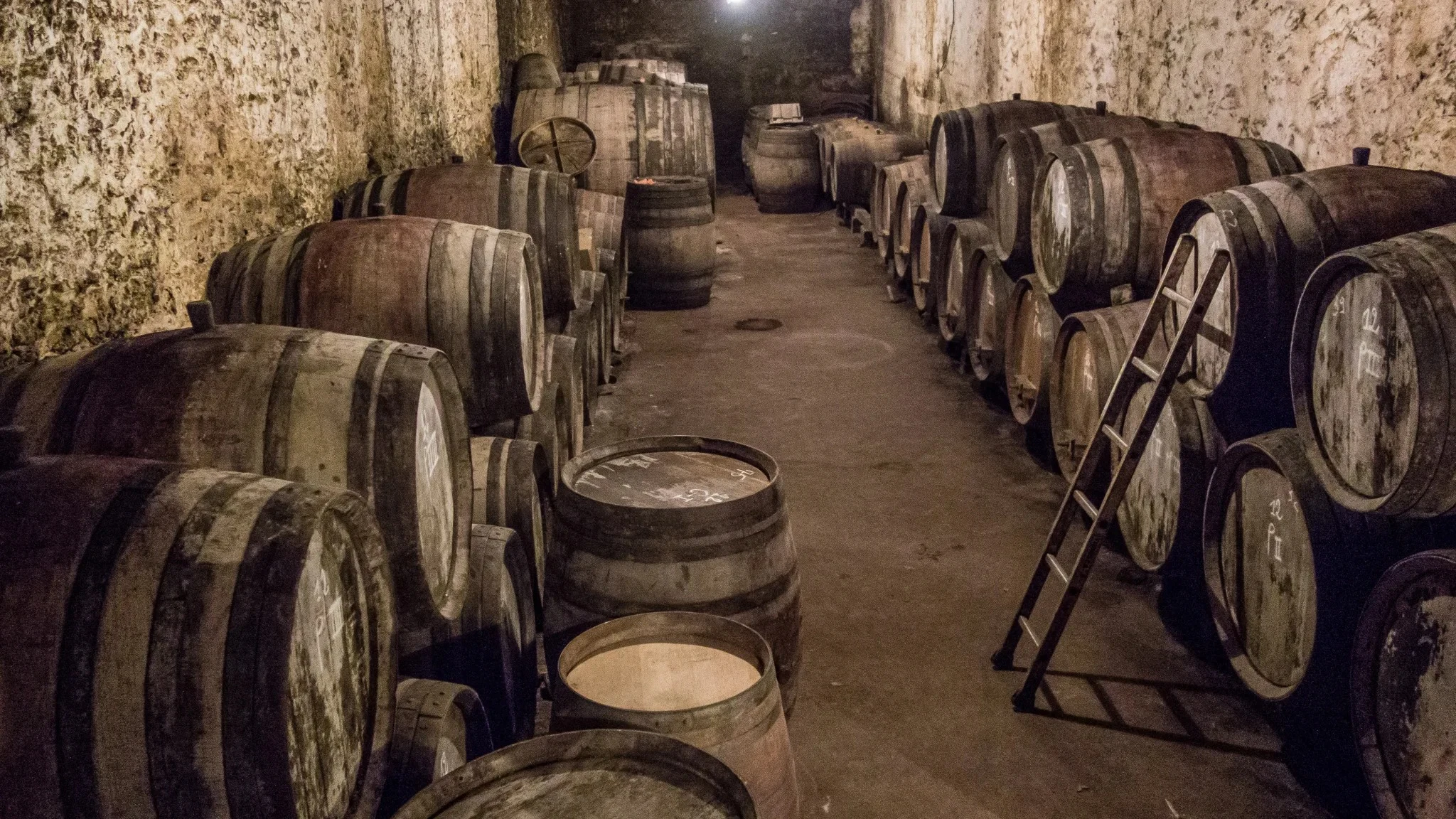
The cellar choices follow that aim. Fermentation takes place in stainless steel tanks or concrete vats, depending on the vintage and the character of the fruit. Stainless steel protects primary fruit and lift; concrete can bring texture without pushing the wine away from its soil. Aging runs approximately 12–14 months in oak barrels, with part new oak and a larger share of older barrels, so the frame does not overtake the wine. The estate’s stated philosophy is sustainable, and Thienpont’s vineyard language has long favored measured correction: vine balance first, concentration second, the glass last.
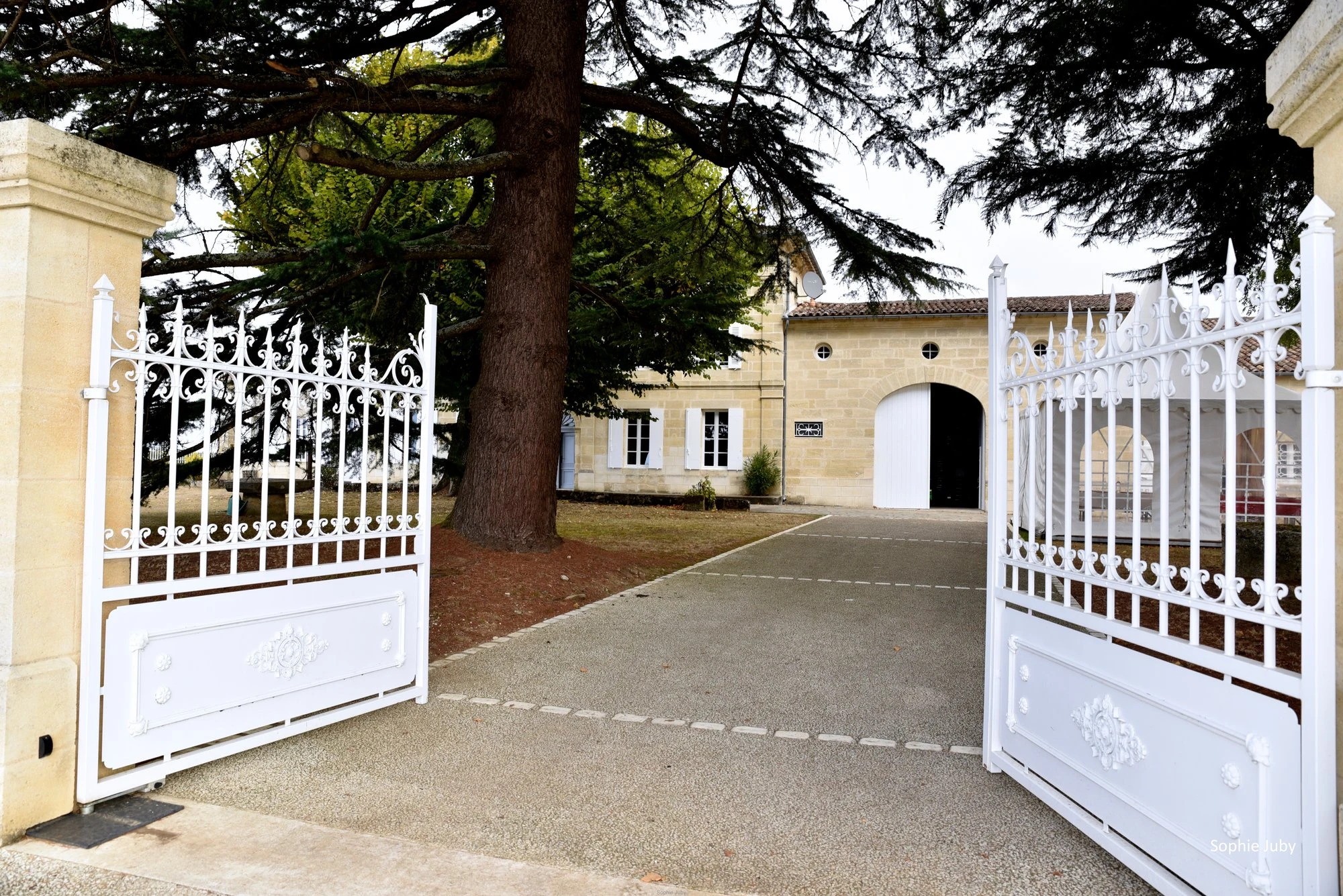
A quiet estate above Castillon
The room here is the vineyard before it is the tasting room. Château Alcée has the atmosphere of a rural Bordeaux estate, quiet, small in scale, and more concerned with the slope and subsoil than with theatrical cellar ritual. The plateau gives the place its cadence. Rows sit over clay-limestone; the cellar work draws from fruit that has ripened on ground shaped by fossil-bearing limestone rather than by a marketing story.
In the glass, the house aims for fresh, juicy, minerally red wine from Merlot and Cabernet Franc. The reputation has followed that line: understated production, small volumes, and value built from site rather than volume. If there is a next movement to attend to, it is the same one Thienpont has trusted elsewhere in Bordeaux, the slow correction of vineyard equilibrium at Château Alcée.
Questions
Frequently asked
Who makes Château Alcée?
Château Alcée is made by Nicolas Thienpont, who acquired the property in July 2011 and directs the work at the estate in Saint-Cibard.
What kind of wine does Château Alcée produce?
The estate makes Merlot-led red wine, with Merlot at 86% and Cabernet Franc at 14%, and the aim is freshness, mineral cut, and fruit rather than weight.
What is the vineyard like at Château Alcée?
The vineyard covers 6.5 hectares across clay-limestone, a limestone plateau, and asteriated limestone near Saint-Philippe d'Aiguille. The estate began with an original 3-hectare limestone plateau and later added 4.5 hectares.
How is Château Alcée run?
The estate works sustainably, and fermentation takes place in stainless steel tanks or concrete vats depending on the vintage and the fruit. The wines then age for about 12 to 14 months in oak barrels, with some new oak and more older barrels.
The field
How it compares
| Place | Notes |
|---|---|
| Château Alcée | Saint-Cibard, $$ |
| Château la Prade | Saint Cibard |
| Château Le Puy | Saint Cibard |
| Château Les Charmes-Godard | Saint Cibard |
| Château Lynch-Bages | Pauillac |
| Château Puygueraud | Saint Cibard |
| Château Rayas | Châteauneuf-du-Pape |