Château la Grâce Fonrazade
- 01CitySaint-Émilion, France
- Falstaff Winery - Listed · 2026
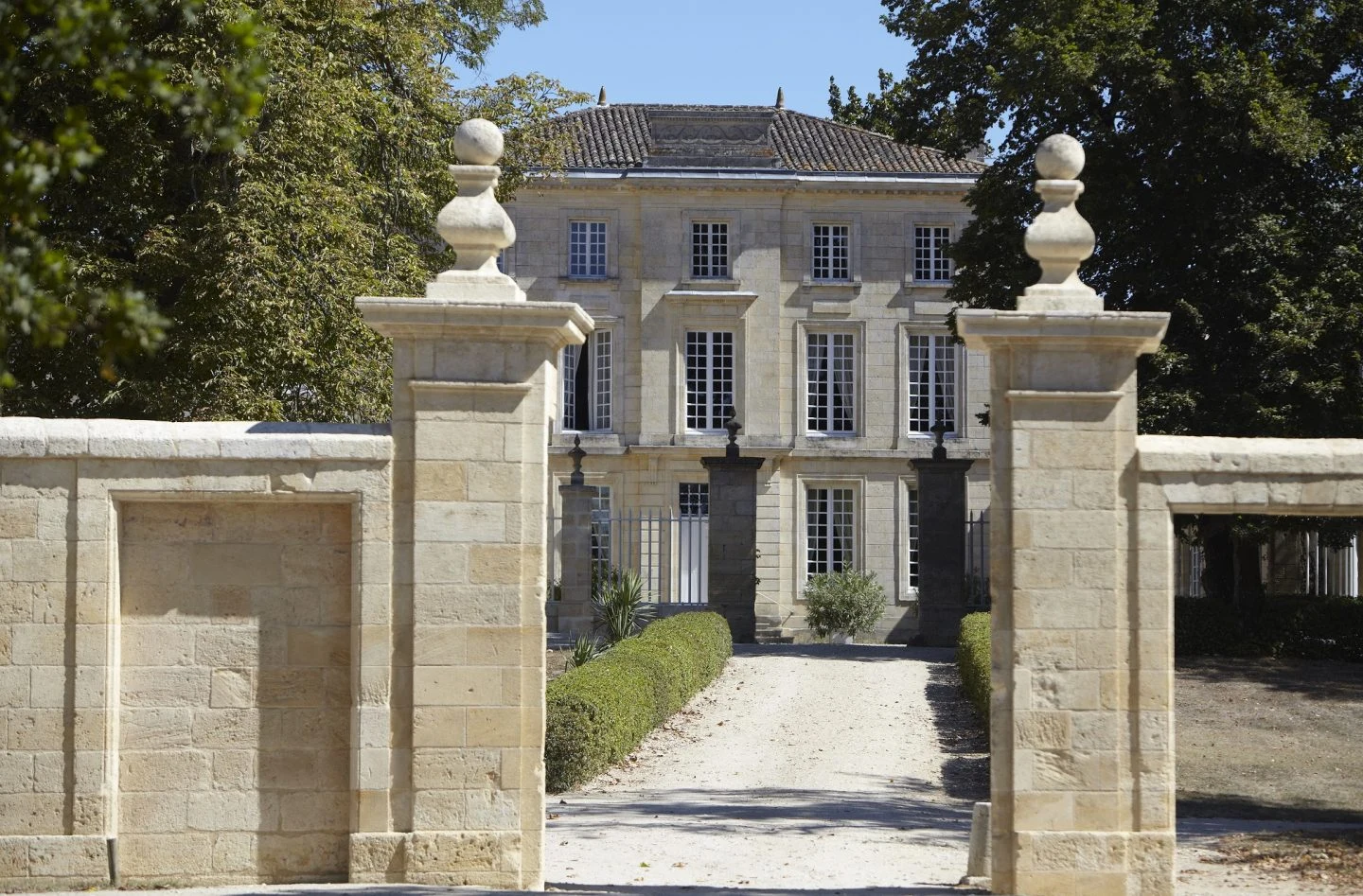
Château la Grâce Fonrazade is best framed as a Saint-Émilion Grand Cru estate with a recently renovated, family-run character. The appeal is not a long checklist of services or technical claims; it is the combination of traditional stone château atmosphere, modern sustainability-focused cellars, and a tasting-room mood described as warm and educational. For travelers choosing among Saint-Émilion wine stops, that gives the estate a clear identity without needing to overstate details that are not confirmed.
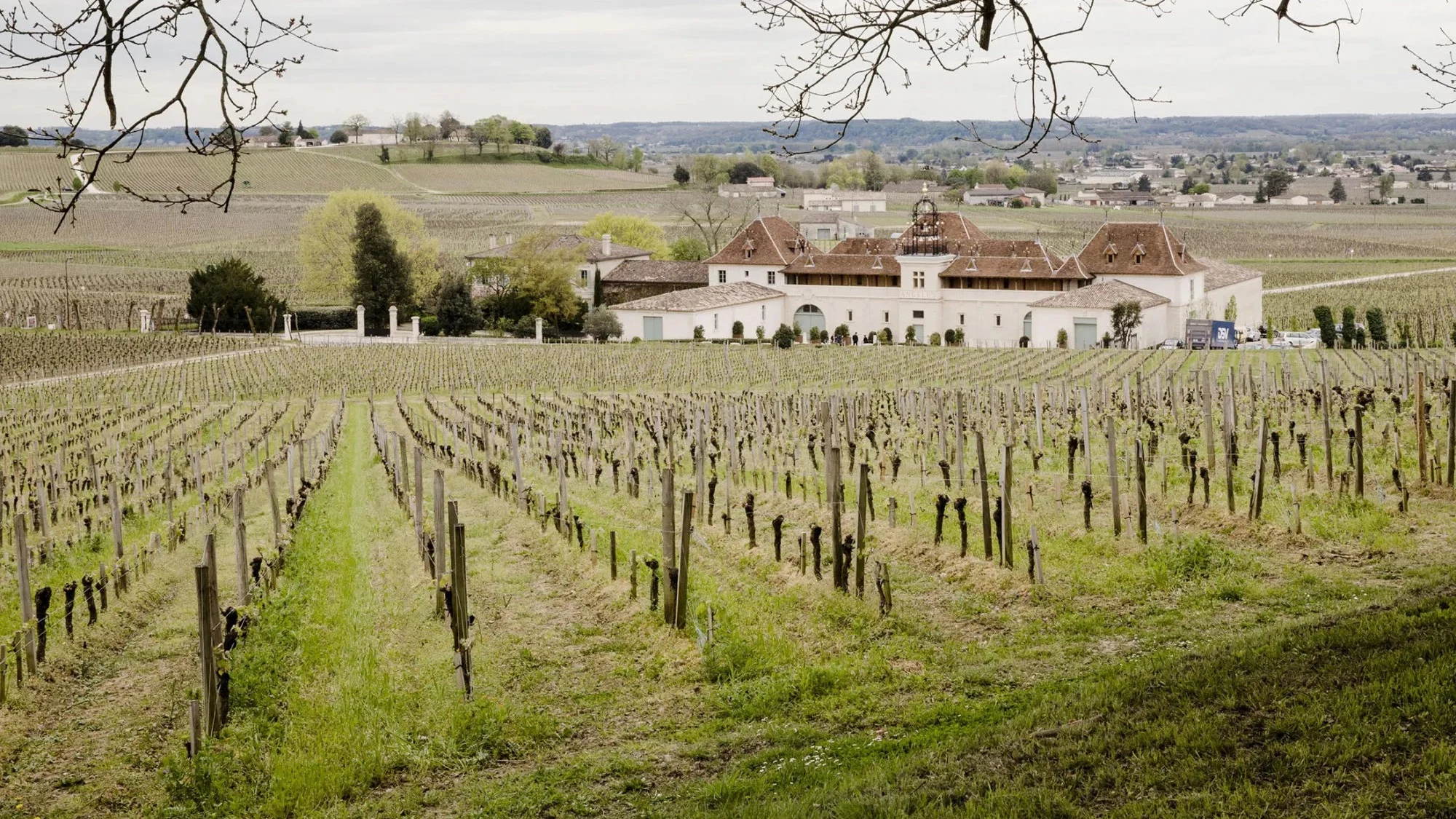
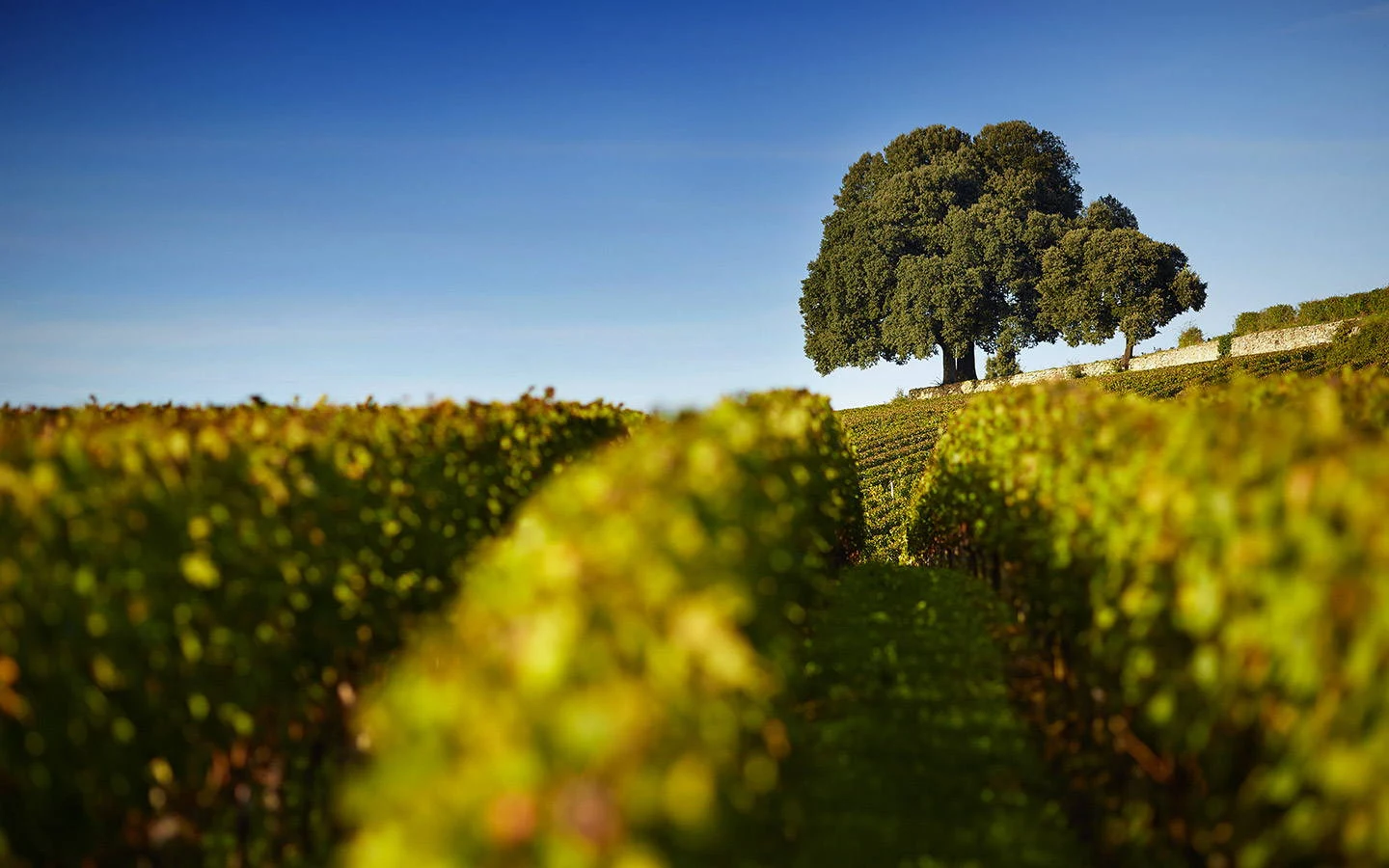
The setting reads as classic and scenic rather than flashy. Château la Grâce Fonrazade belongs in the romantic, elegant side of a Saint-Émilion itinerary: a place where the château setting and the cellar environment matter as much as the glass. Because the available information is concise, visitors should treat this page as a grounded editorial snapshot rather than a complete operational listing. Specific tour formats, opening times, booking rules, grape varieties, production details, and tasting inclusions should be confirmed directly with the estate before planning around them.
A Saint-Émilion Grand Cru estate with château character
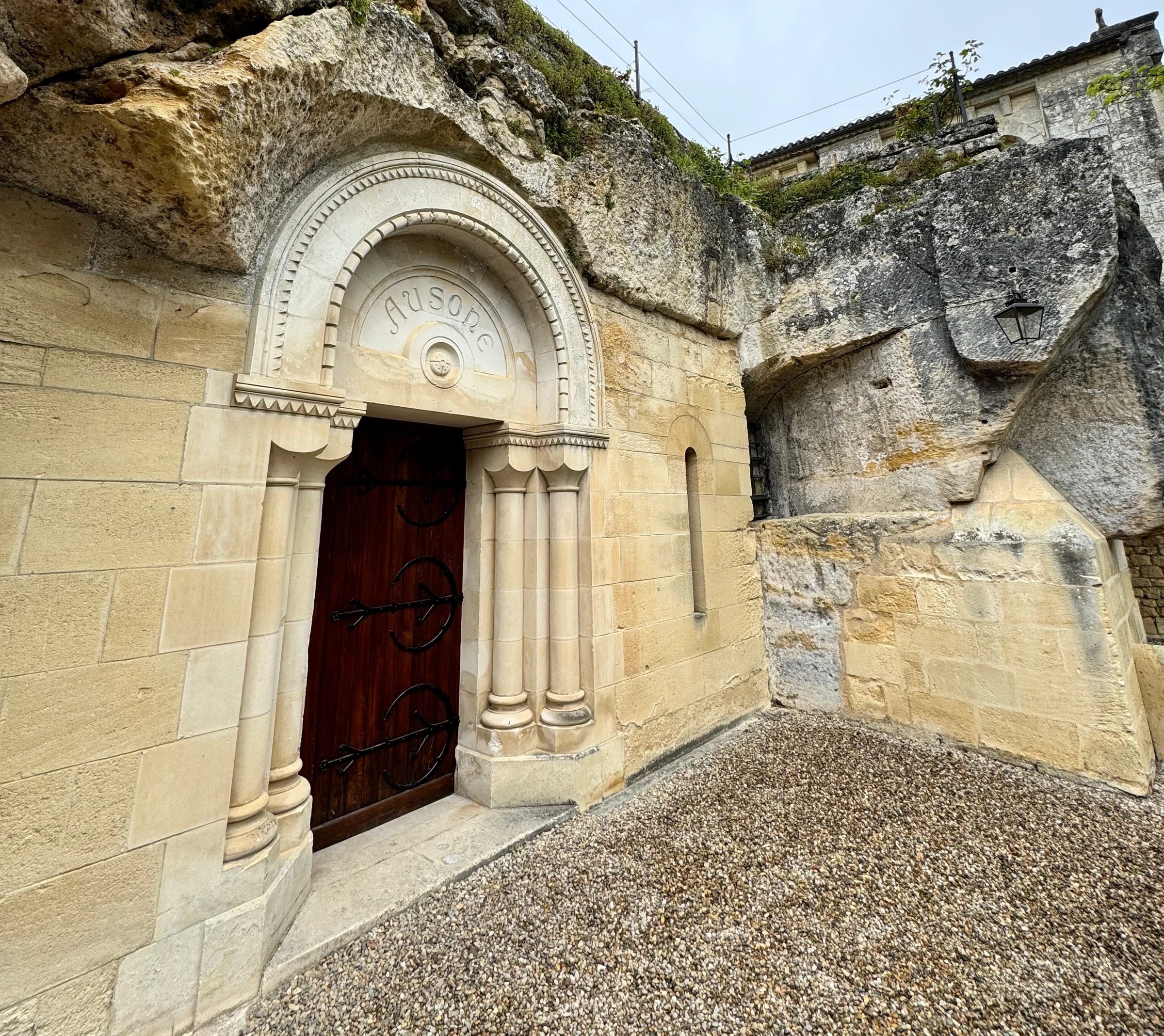
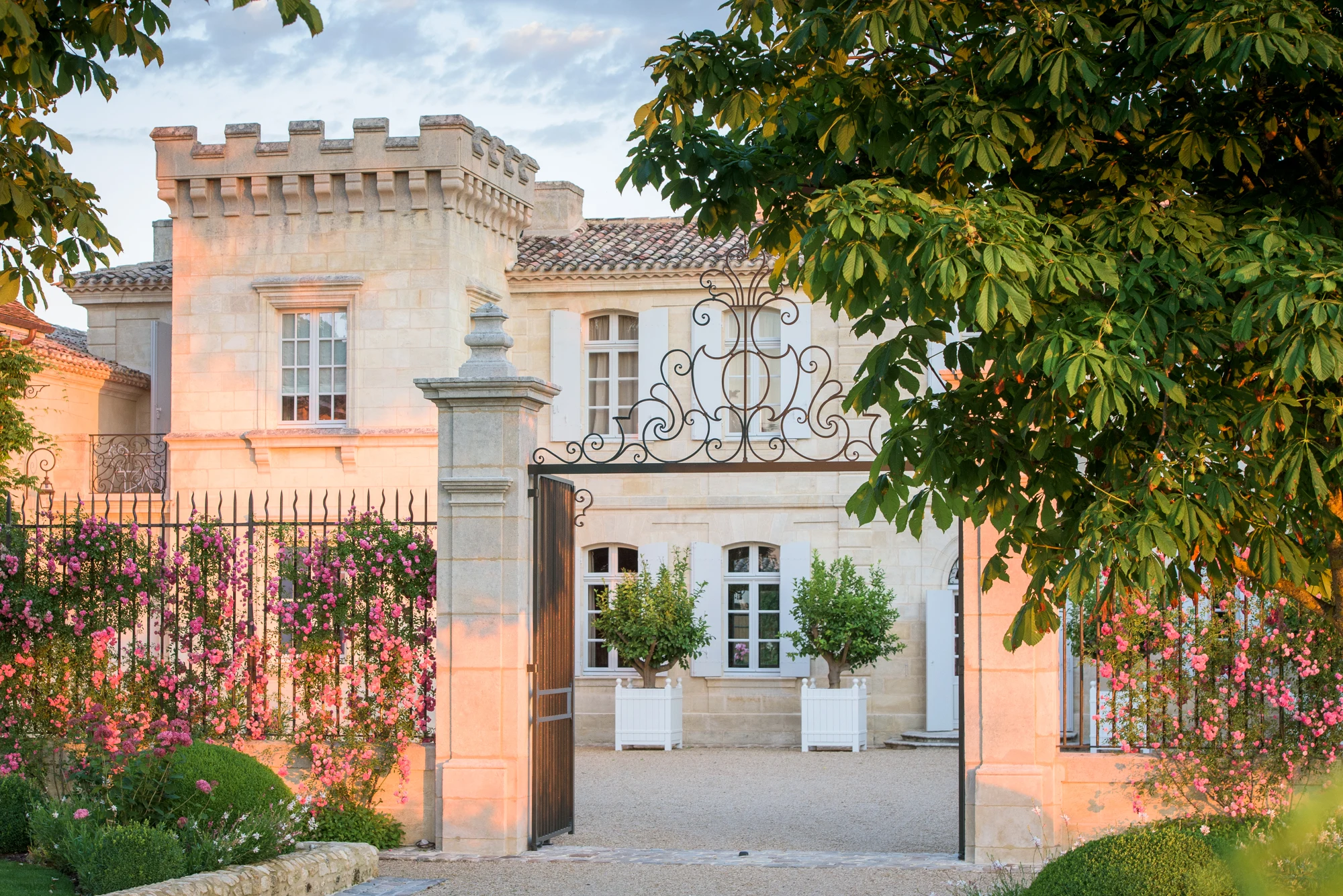
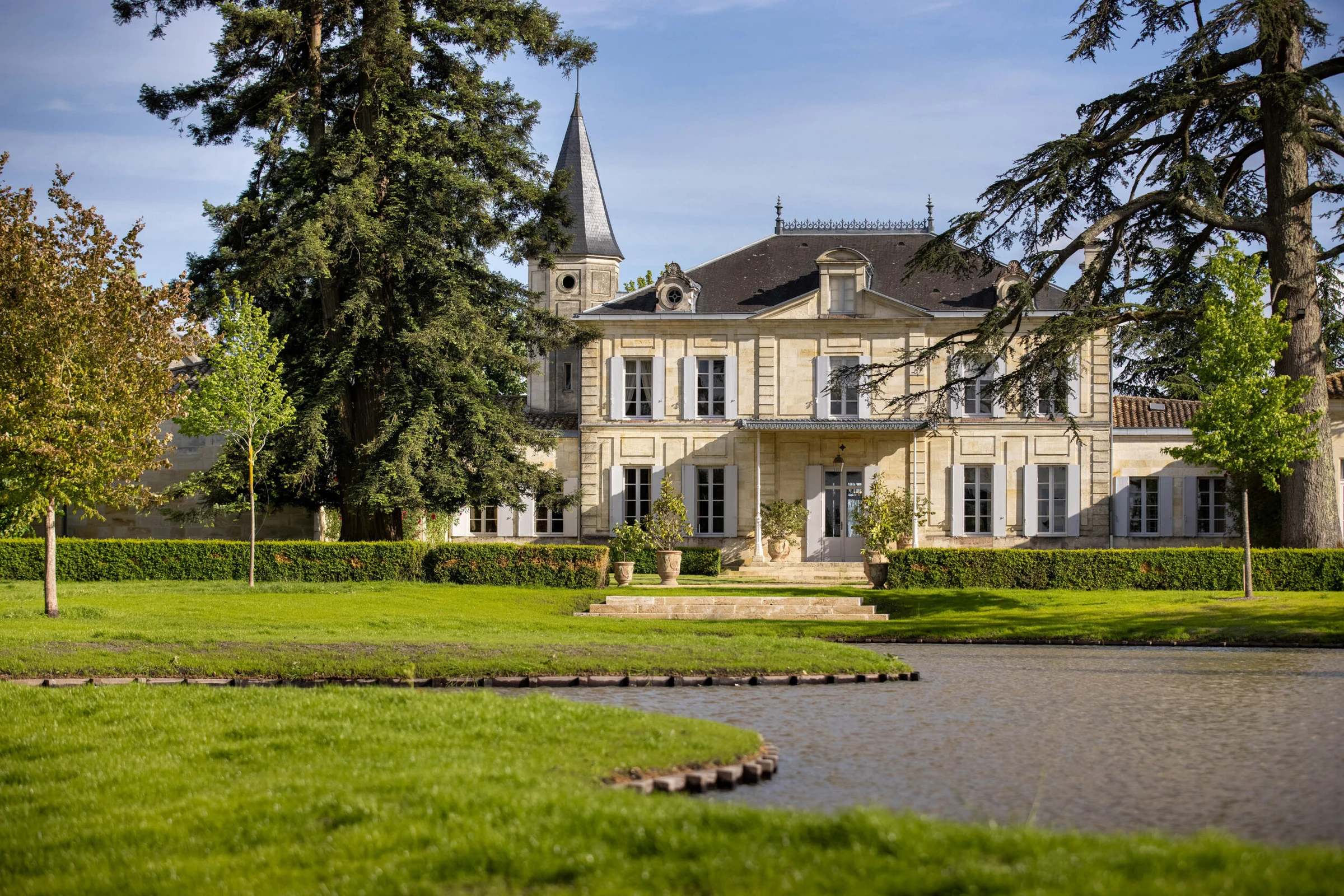
The most reliable reason to consider Château la Grâce Fonrazade is its balance of old and new. The estate is described as recently renovated, yet it retains the charm associated with a traditional stone château. That contrast is useful in Saint-Émilion, where many visitors are looking for more than a simple tasting counter: they want a setting that helps them understand why the region feels historic, scenic, and quietly prestigious.
At Château la Grâce Fonrazade, the tone is warm and educational. That matters because Saint-Émilion can be intimidating for first-time visitors. The appellation name carries associations with heritage, serious wine, and a dense range of estates, but not every visit needs to feel formal. This estate’s confirmed atmosphere suggests a more approachable version of the château experience: elegant enough for a special outing, but not presented as a distant or ceremonial stop.
The family-run identity is also part of the draw. Without asserting names, dates, vineyard figures, or production methods, it is still fair to say that a family-run Saint-Émilion Grand Cru property can offer a more personal sense of place than a purely anonymous tasting venue. The page should not promise a particular visit format, but the educational tone indicates that context and conversation are part of the appeal.
Price is listed as $$, which places Château la Grâce Fonrazade in a moderate bracket for travelers comparing premium wine-country experiences. As always with estate visits, the exact cost of any specific tasting or tour should be checked directly, since the data here confirms only the broad price category, not individual packages or inclusions.
Modern, sustainability-focused cellars without overclaiming the details
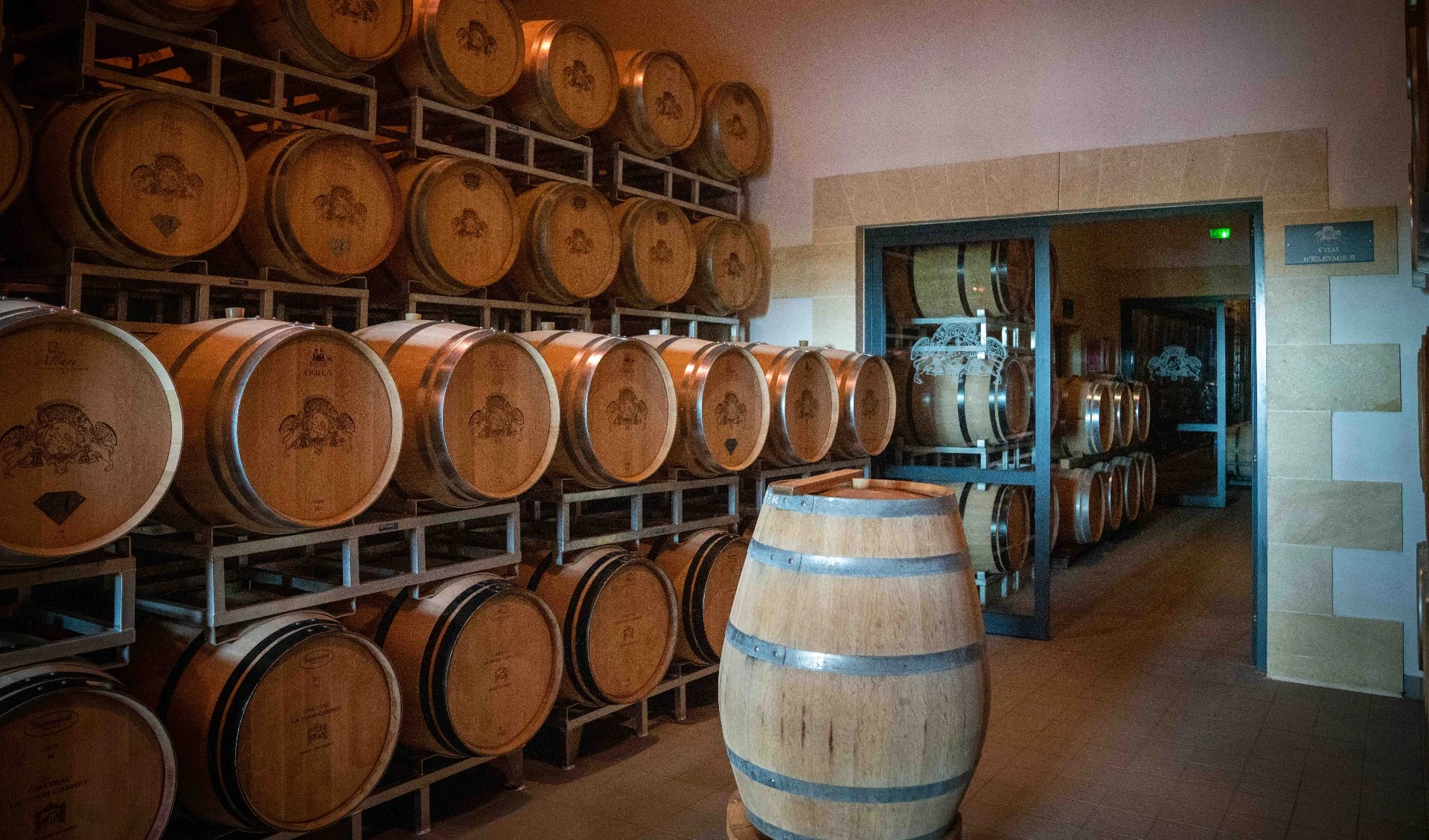
The estate’s renovated cellars are a central part of its profile. They are described as modern and sustainability-focused, which gives Château la Grâce Fonrazade a contemporary dimension alongside its stone château setting. That combination is increasingly important in Bordeaux travel: visitors often want to see how historic wine estates adapt to current expectations around environmental responsibility, cellar design, and hospitality.
It is important, however, not to turn that sustainability focus into unsupported specifics. This edited guide does not claim a particular certification, farming label, vineyard practice, cellar technique, or production statistic unless it is confirmed in the provided facts. The safer and more accurate reading is that sustainability is part of the estate’s modern cellar identity, and that the visit atmosphere is designed to be informative rather than merely decorative.
That restraint makes the recommendation stronger. Château la Grâce Fonrazade does not need invented details to be compelling: a scenic Saint-Émilion Grand Cru estate with renovated cellars, a family-run frame, and an educational tasting-room atmosphere is already a clear proposition. It is especially suited to travelers who want a polished but personal wine-country stop, or who prefer a setting that feels hidden, classic, and romantic rather than busy or theatrical.
The descriptors point to a venue with visual and emotional appeal. “Scenic,” “elegant,” “classic,” “romantic,” and “hidden” all suggest a visit that works well for couples, slow-paced wine travelers, and guests building a more atmospheric day in Saint-Émilion. Those words should be understood as mood and setting cues, not as guarantees of specific amenities.
How to fold it into a Saint-Émilion wine trip
Château la Grâce Fonrazade is a natural fit for a Saint-Émilion itinerary centered on château atmosphere and wine education. It can sit alongside other unnamed Saint-Émilion dining and wine stops without needing to be framed as the largest, most famous, or most technically detailed estate in the area. Its editorial value is the more intimate combination of family-run hospitality, Grand Cru identity, renovation, and sustainability-focused cellar presentation.
For planning, keep expectations precise. Travelers should confirm those practical details directly before visiting. What can be said with confidence is that Château la Grâce Fonrazade offers a scenic and elegant Saint-Émilion Grand Cru setting with traditional stone château charm and a modern cellar sensibility.
The editorial case is therefore simple: choose Château la Grâce Fonrazade if you want a classic yet refreshed Saint-Émilion estate experience, a warm educational atmosphere, and a romantic, hidden-feeling setting. On the facts available, Château la Grâce Fonrazade is best recommended as a charming, modernized, family-run Grand Cru estate rather than as a venue defined by unconfirmed extras.
Questions
Frequently asked
How expensive is Château la Grâce Fonrazade?
Château la Grâce Fonrazade is listed at a price level of $$.
The field
How it compares
| Place | Notes |
|---|---|
| Château la Grâce Fonrazade | Saint-Émilion, $$ |
| Château Angelus | Saint-Émilion |
| Chateau Ausone | Saint-Émilion |
| Château Canon | Saint-Émilion |
| Château Cheval Blanc | Saint-Émilion |
| Château Figeac | Saint-Émilion |
| Château Pavie | Saint-Émilion |