- Falstaff Winery - 1 Stars · 2026
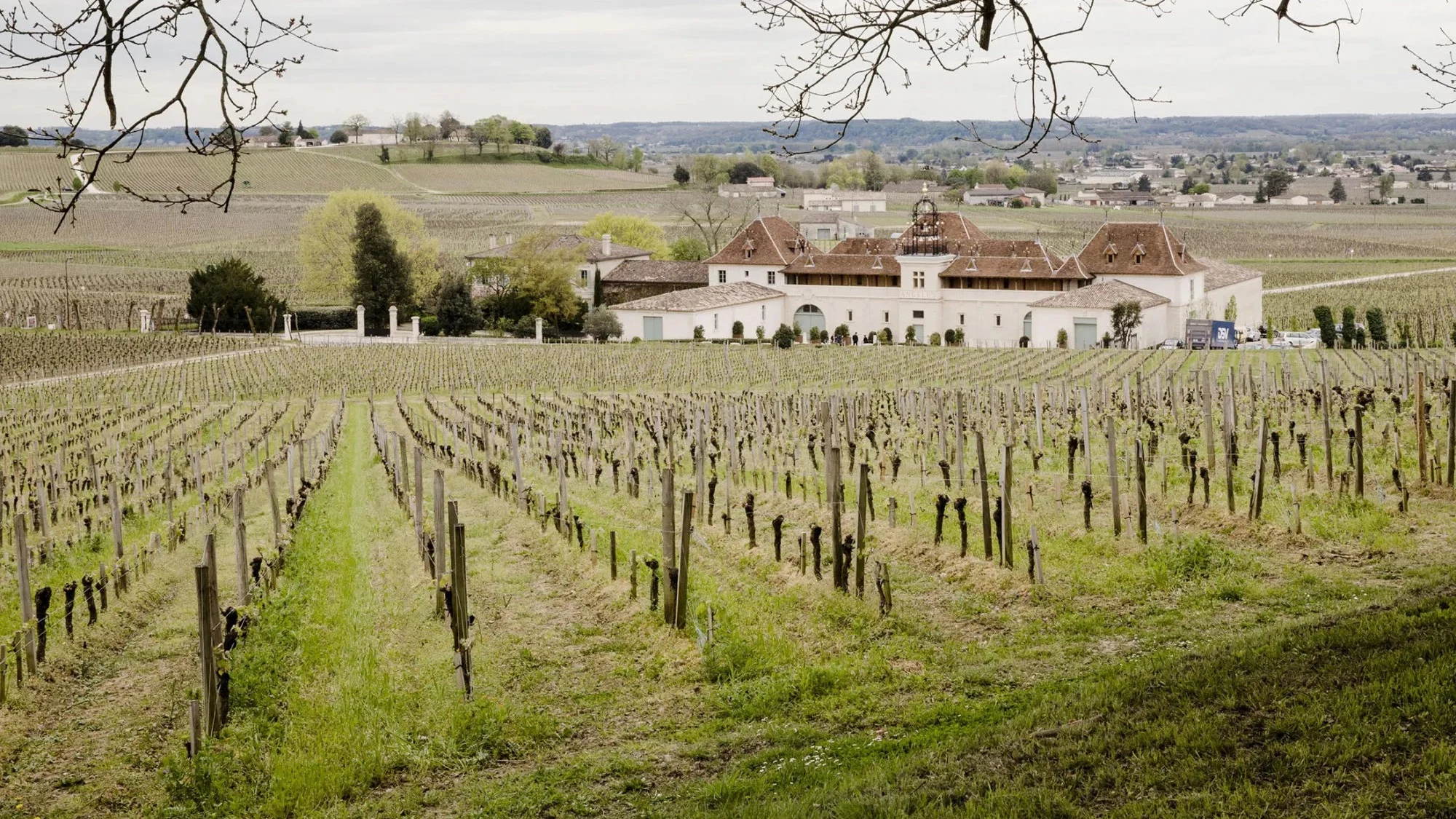
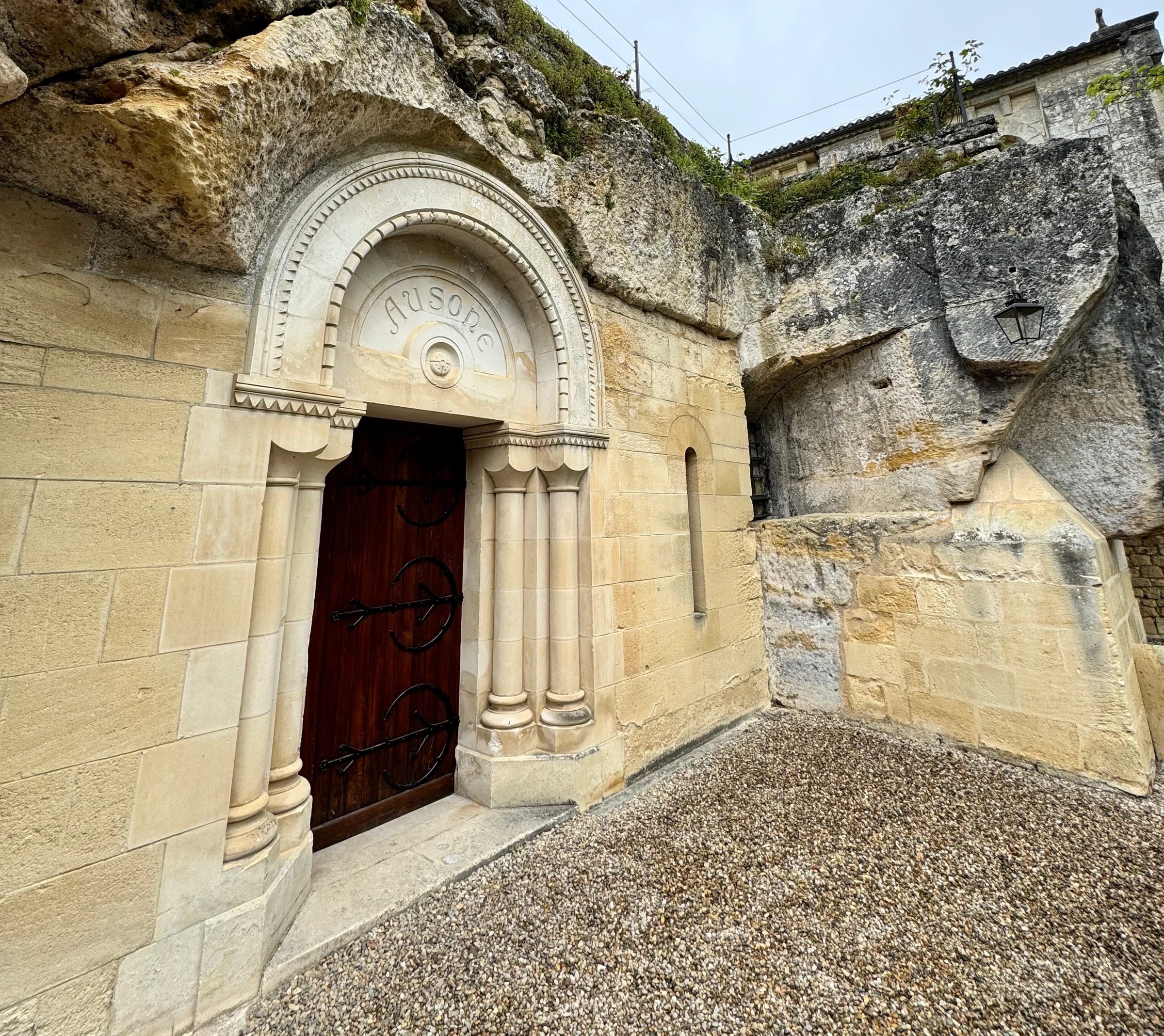
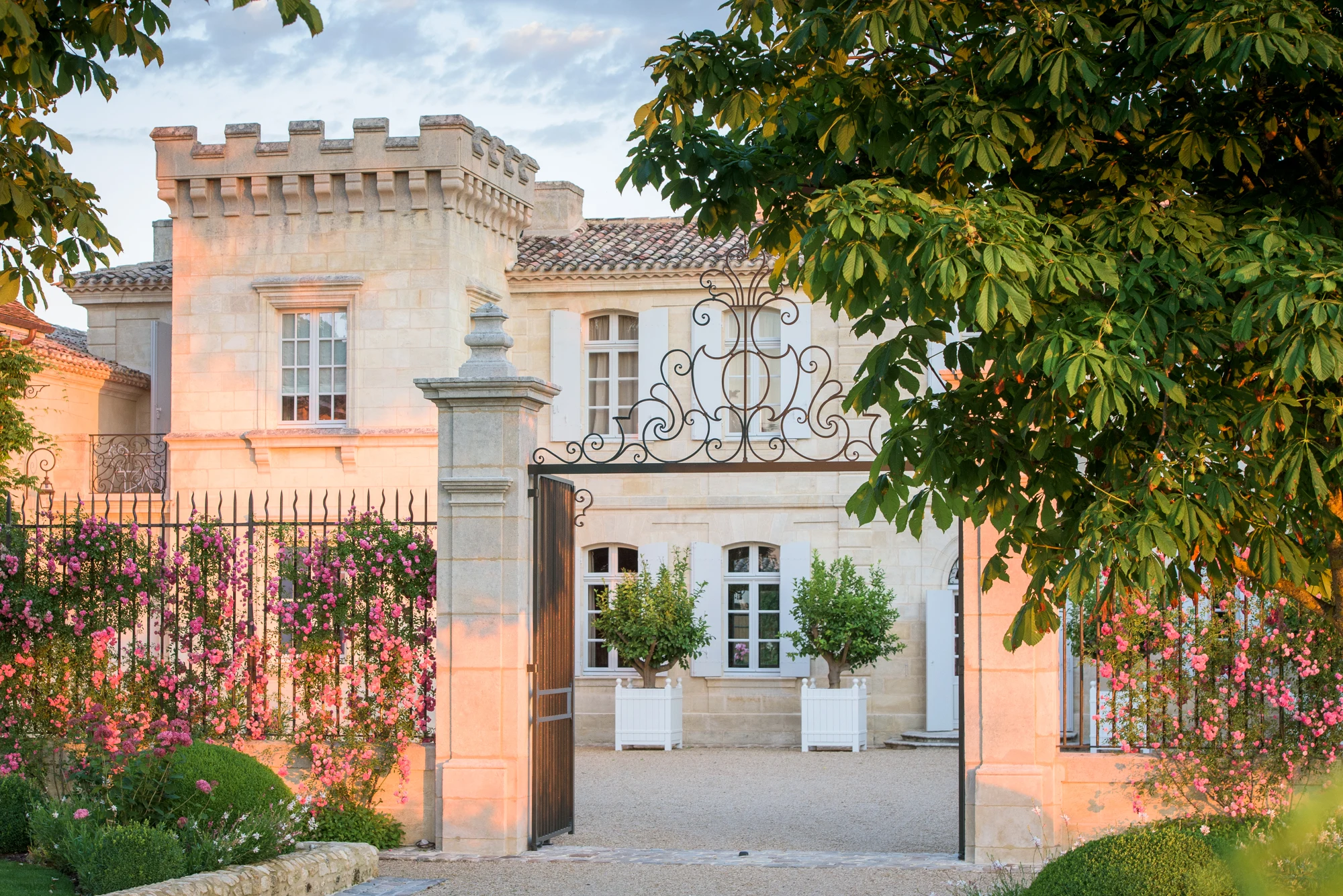
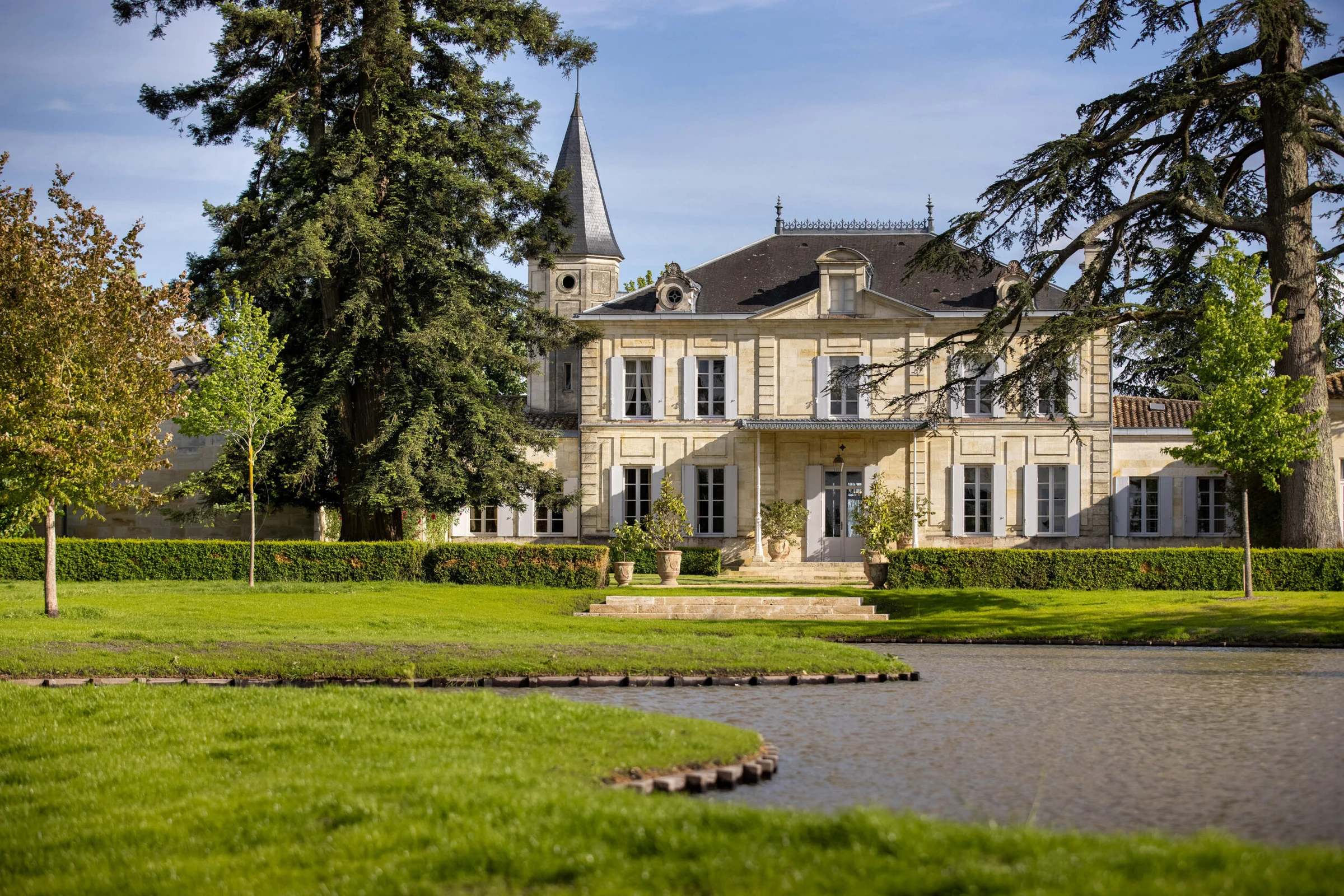
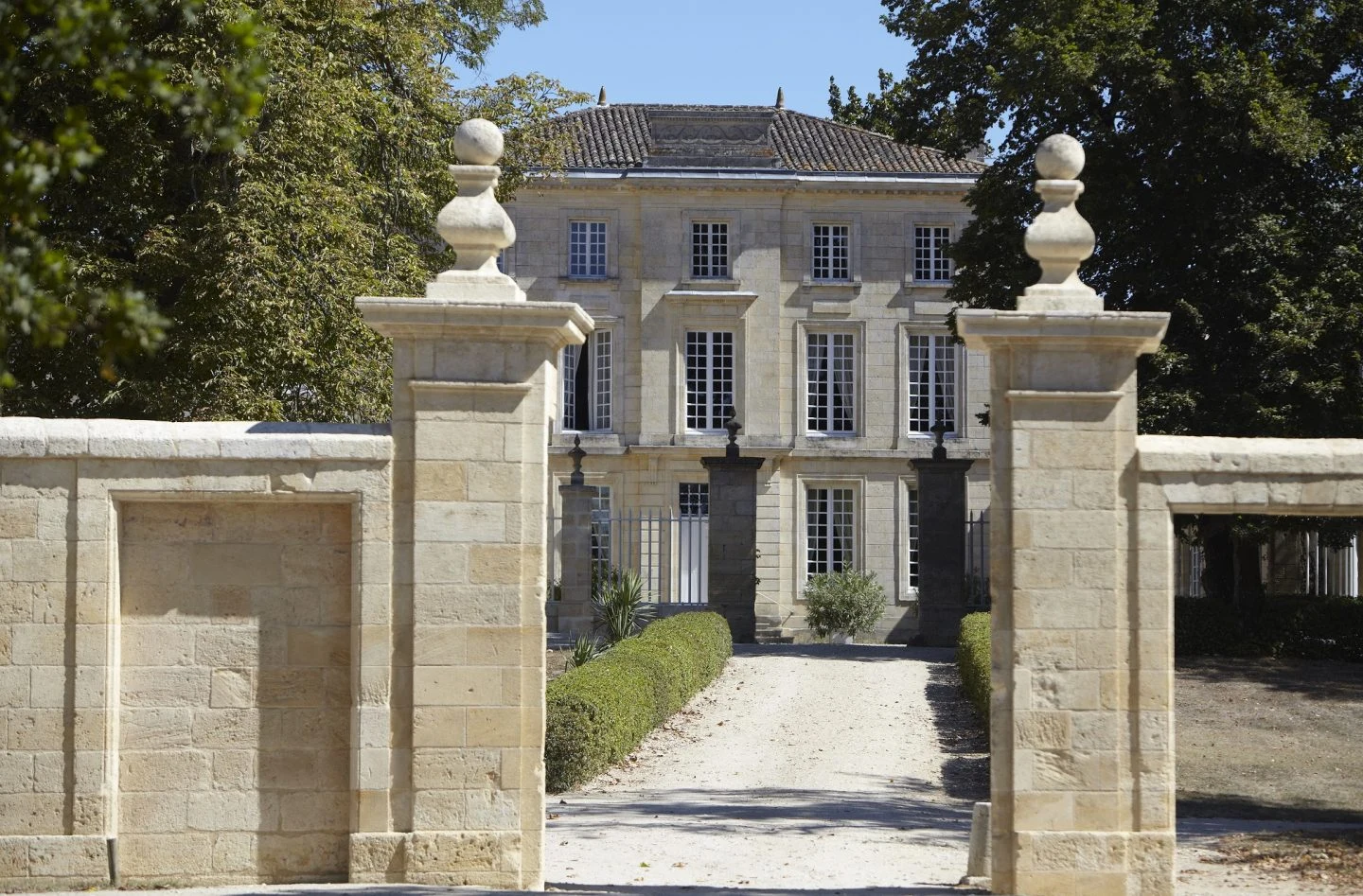
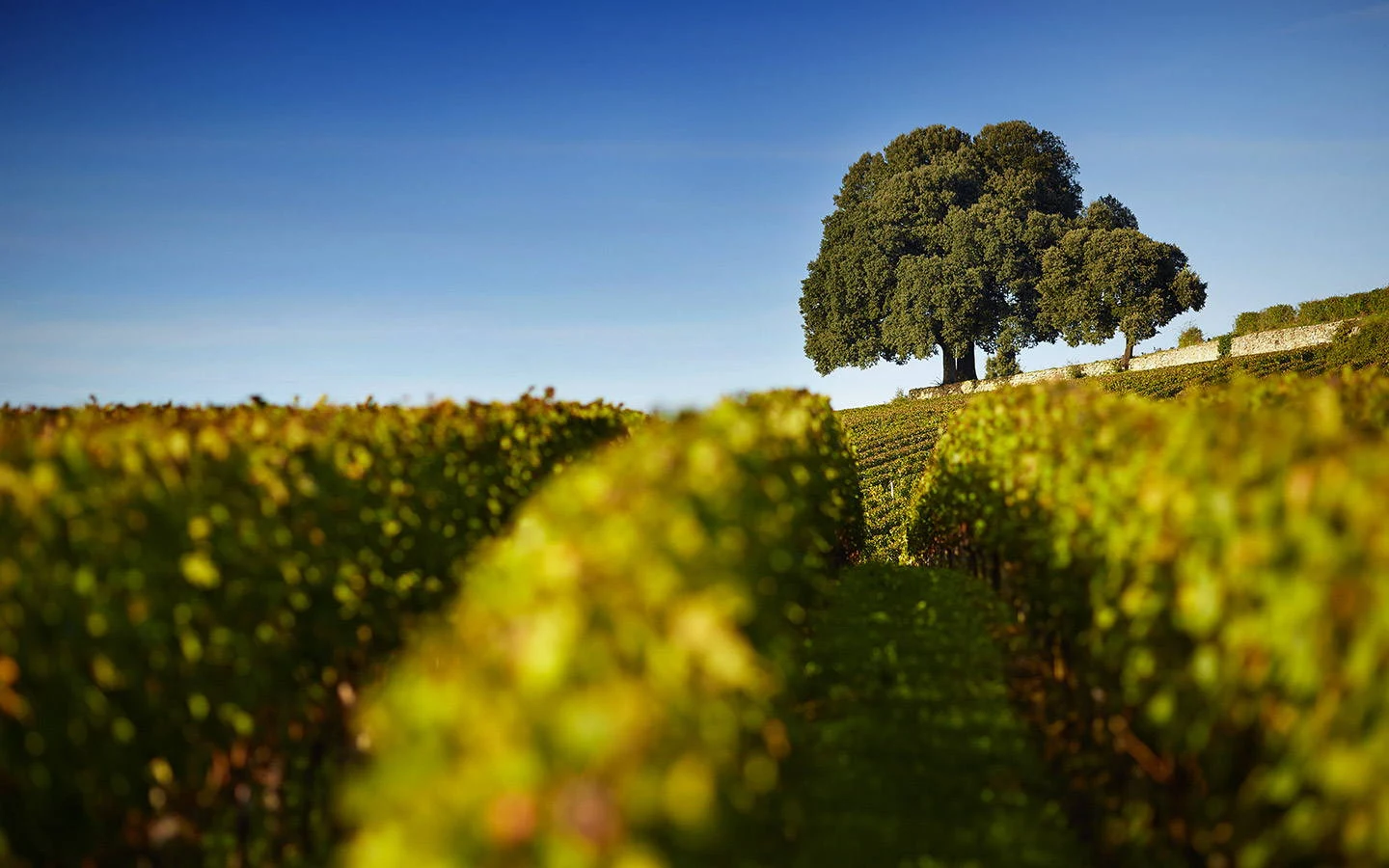
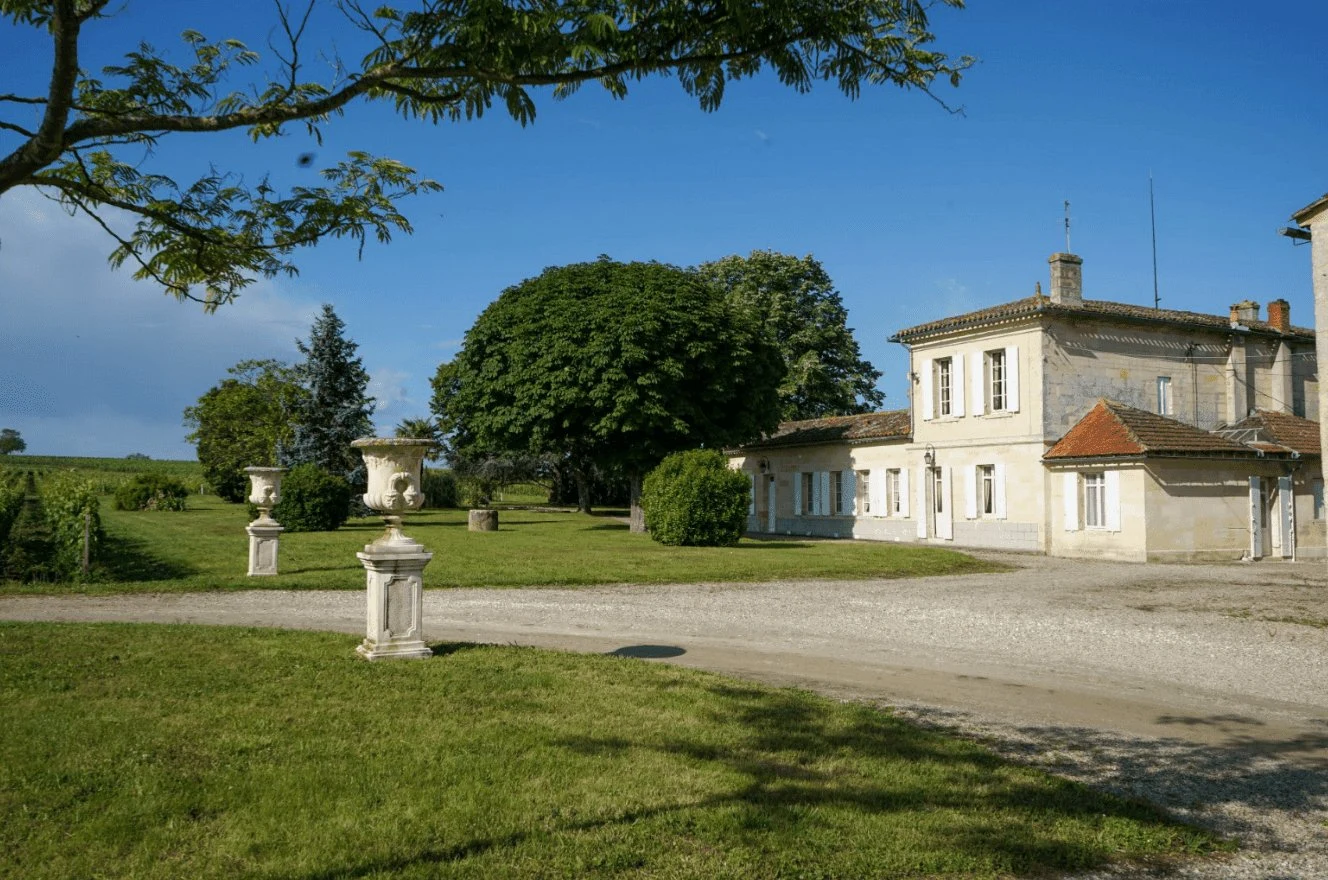
Château Cap de Mourlin is a historic family-owned Saint-Émilion Grand Cru Classé estate with a classic Bordeaux feel: vineyard context, traditional charm, and a refined atmosphere centered on wine tasting. The profile is intentionally focused rather than broad, which is useful to keep in mind when deciding how it fits into a day in Saint-Émilion. This is not a place to describe through a long list of confirmed amenities or an expansive hospitality program; its appeal is more concentrated, resting on the estate setting, the wine, and the quiet pleasure of being in a recognized Bordeaux landscape.
Saint-Émilion Grand Cru Classé character
The clearest way to frame Château Cap de Mourlin is as a Saint-Émilion estate where the appeal is classic, elegant, scenic and wine-led. Its Grand Cru Classé status places it within the recognized Saint-Émilion wine landscape, while the hospitality mood is best described as refined rather than flashy. The impression is one of traditional Bordeaux composure: a setting where the vineyard and château context matter, and where the experience is shaped by tasting estate red wine rather than by a wider lifestyle offering.
For an accurate visit plan, treat the property as a focused wine-tasting address in Saint-Émilion rather than a venue with a fully documented dining, bar, or tour program. That distinction helps set expectations correctly. Visitors should think of Château Cap de Mourlin as a stop for wine, atmosphere, and estate character, not as a place to rely on for broader hospitality unless those details have been confirmed directly in advance.
That restraint is part of the recommendation. Château Cap de Mourlin is best approached for what is confirmed: a historic family-owned Grand Cru Classé setting in Saint-Émilion, traditional Bordeaux atmosphere, and a refined encounter with estate red wine. In a region where many addresses can be presented in sweeping terms, the value here is in keeping the description precise. The estate’s strengths are clear enough without adding claims that are not documented: it offers the kind of measured, place-led wine experience that suits Saint-Émilion particularly well.
Historic family-owned atmosphere
Saint-Émilion has many places where the scenery can overtake the wine conversation. Château Cap de Mourlin’s identity keeps the emphasis on the estate itself: family ownership, Bordeaux tradition, and an elegant setting that suits visitors looking for a composed, wine-focused stop. The family-owned dimension gives the venue a more grounded feel, while the historic context supports the sense that this is a château to appreciate slowly, with attention to setting and wine rather than spectacle.
The atmosphere is described as classic, romantic, scenic and iconic, making it a strong fit for travelers who want a Saint-Émilion wine experience with a sense of place. Those descriptors point to a particular kind of mood: not casual in the sense of being informal, and not theatrical in the sense of being showy, but polished, traditional, and visually rooted in the Bordeaux landscape. It is the sort of stop that can appeal to visitors who want their wine tasting to feel connected to the vineyard setting around it.
What can be said with confidence is that Château Cap de Mourlin is not best understood as a restaurant or general hospitality venue. Its grounded appeal is wine tasting and terroir-driven red Bordeaux in a historic Saint-Émilion estate environment. That makes the property most compelling when expectations are narrow and well matched: come for the wine-led character, the traditional Bordeaux atmosphere, and the refined estate context, rather than for unrelated experiences that are not part of the confirmed profile.
How to place it in a Saint-Émilion day
Use Château Cap de Mourlin as a refined wine-focused stop within a Saint-Émilion itinerary. It suits visitors who value traditional Bordeaux charm, a scenic estate setting, and a Grand Cru Classé context more than a broad menu of amenities. In practical terms, it is best positioned as one carefully chosen château visit rather than as a catch-all destination. The appeal is strongest when the day is organized around thoughtful pacing, enough time to appreciate the setting, and a clear focus on wine rather than a rushed checklist of stops.
Because only limited practical information is available, confirm current visiting arrangements directly with the estate before going. For dining or additional stops, consider other Saint-Émilion options generically and build the day around confirmed appointments, travel time, and the level of formality you want. That approach keeps the visit smooth and avoids assuming details that may not be in place. Château Cap de Mourlin works well when treated with the same restraint that defines its profile: elegant, historic, scenic, and firmly centered on Saint-Émilion red wine.
Questions
Frequently asked
Who works at Château Cap de Mourlin?
Made By profiles François Capdemourlin (Winemaker) at Château Cap de Mourlin.
How expensive is Château Cap de Mourlin?
Château Cap de Mourlin is listed at a price level of $$$.
The field
How it compares
| Place | Notes |
|---|---|
| Château Cap de Mourlin | Saint-Emilion, $$$ |
| Château Angelus | Saint-Émilion |
| Chateau Ausone | Saint-Émilion |
| Château Canon | Saint-Émilion |
| Château Cheval Blanc | Saint-Émilion |
| Château Figeac | Saint-Émilion |
| Château Pavie | Saint-Émilion |