Organic Bordeaux on clay limestone
- Pearl 3 Star Prestige · 2025
Four hundred years in one family
The oldest fact about Château Coutet in Saint-Émilion is also its working condition: the property has been held by the same family for over 400 years, and that tenure sets the pace of every decision taken on the hillside. Organic farming reads here as continuity rather than conversion, a way of keeping ground usable for the generation that follows instead of a label applied to a finished bottle.
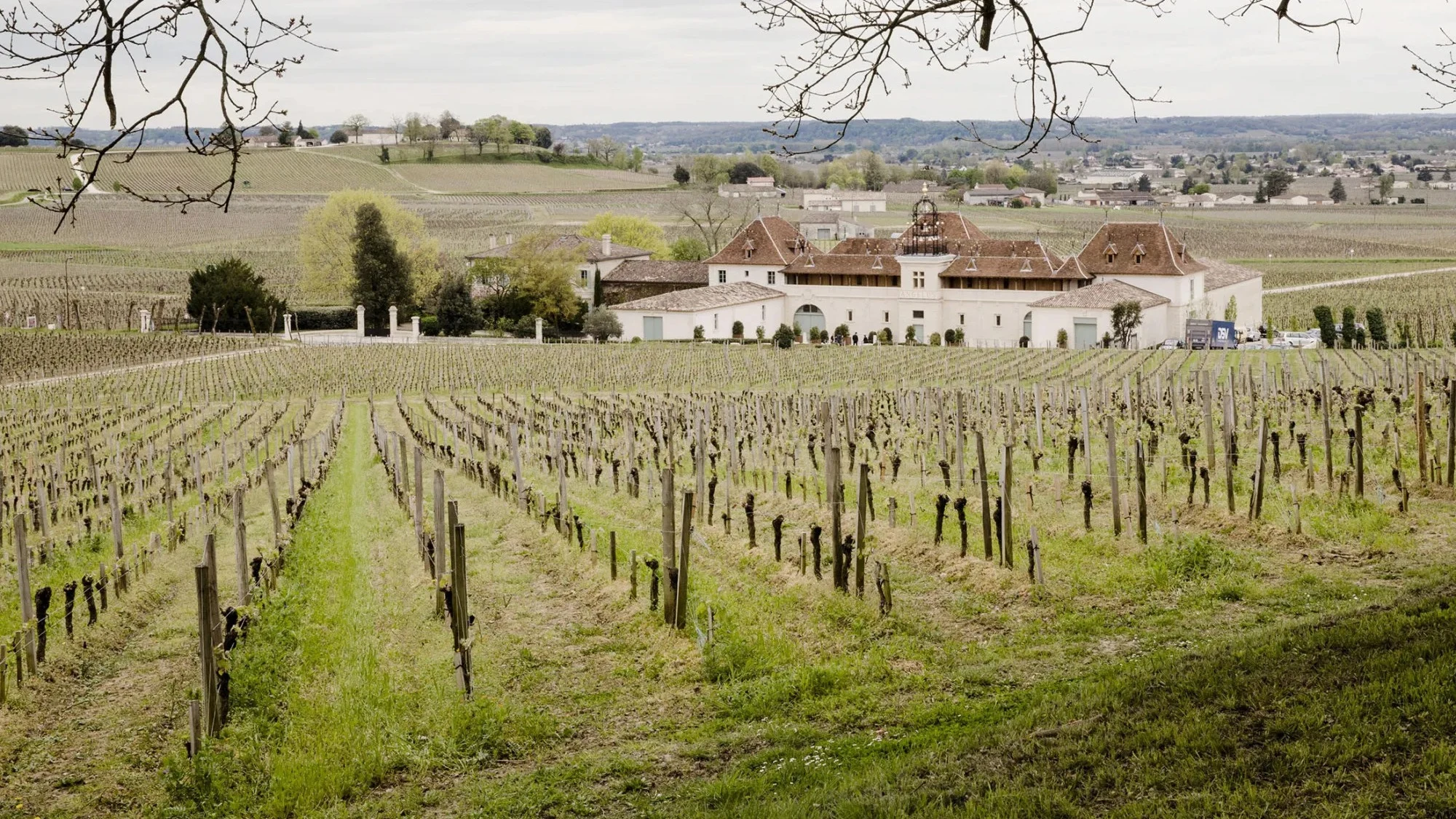
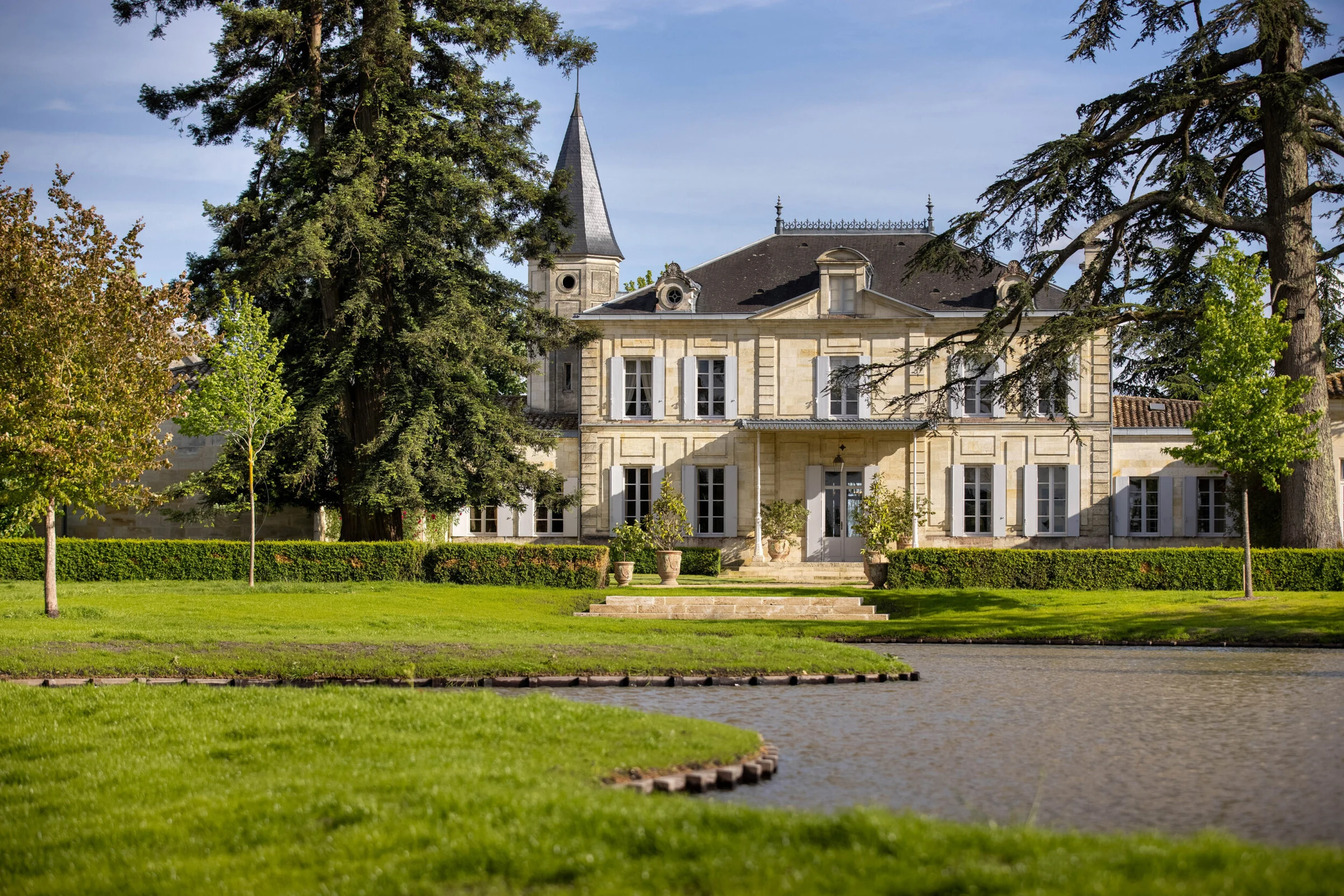
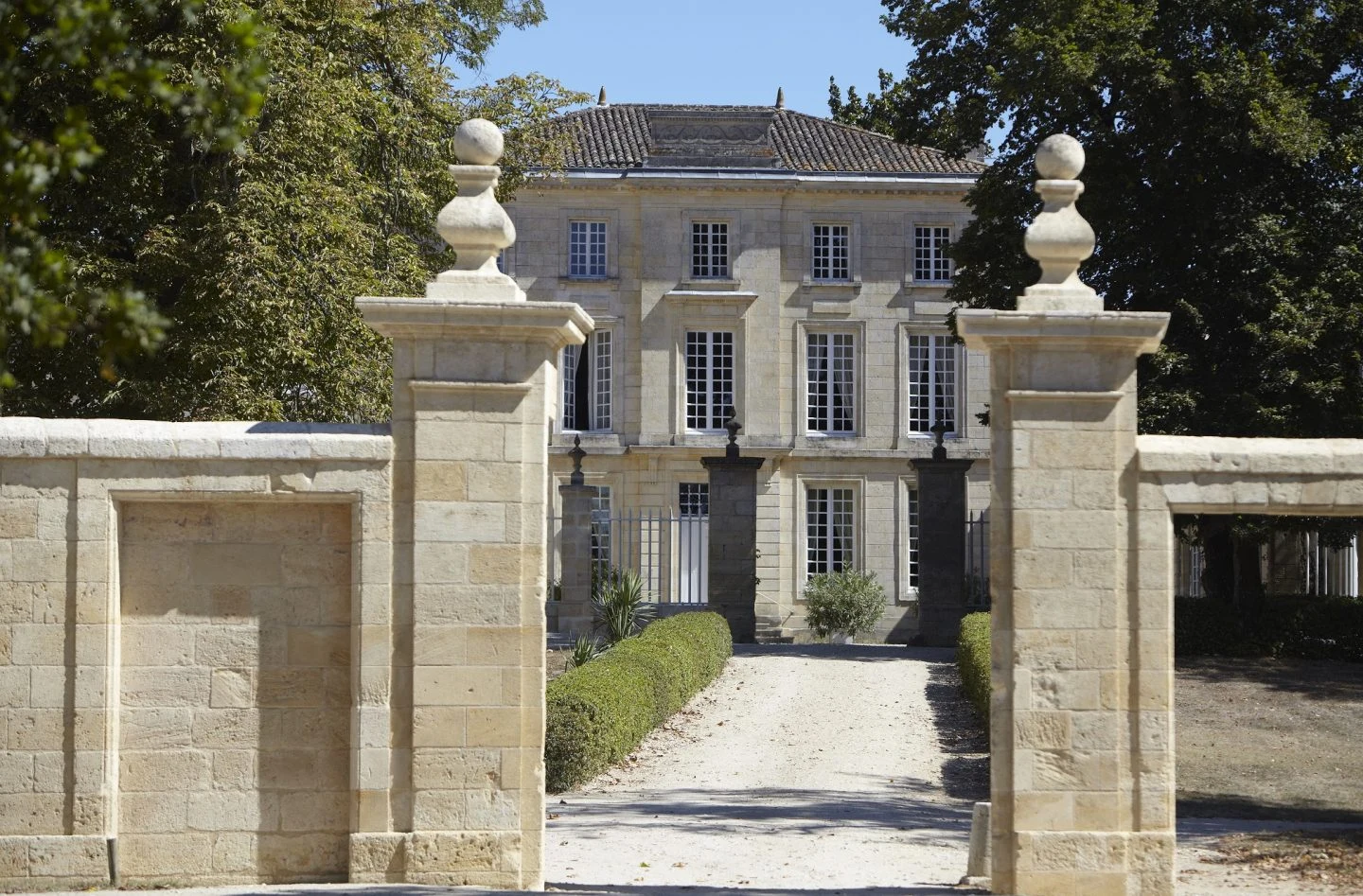
The 15th-century château is not scenery added once the wine is made. It is the working address, set into a Saint-Emilion Grand Cru site above the Dordogne valley, with a cellar running at around 4000 cases a year. Small numbers change the questions a house can ask. Fruit cannot be blended into anonymity, and a weak parcel cannot be buried inside a large release, so the selection has to happen in the row rather than at the vat. The planted area sits inside the 13 to 30 acre band, which is close enough to a garden that a single hail line or a wet September lands on the whole vintage rather than on one corner of it. That exposure is the argument for farming the way this estate farms.
Clay limestone under Saint-Emilion Grand Cru
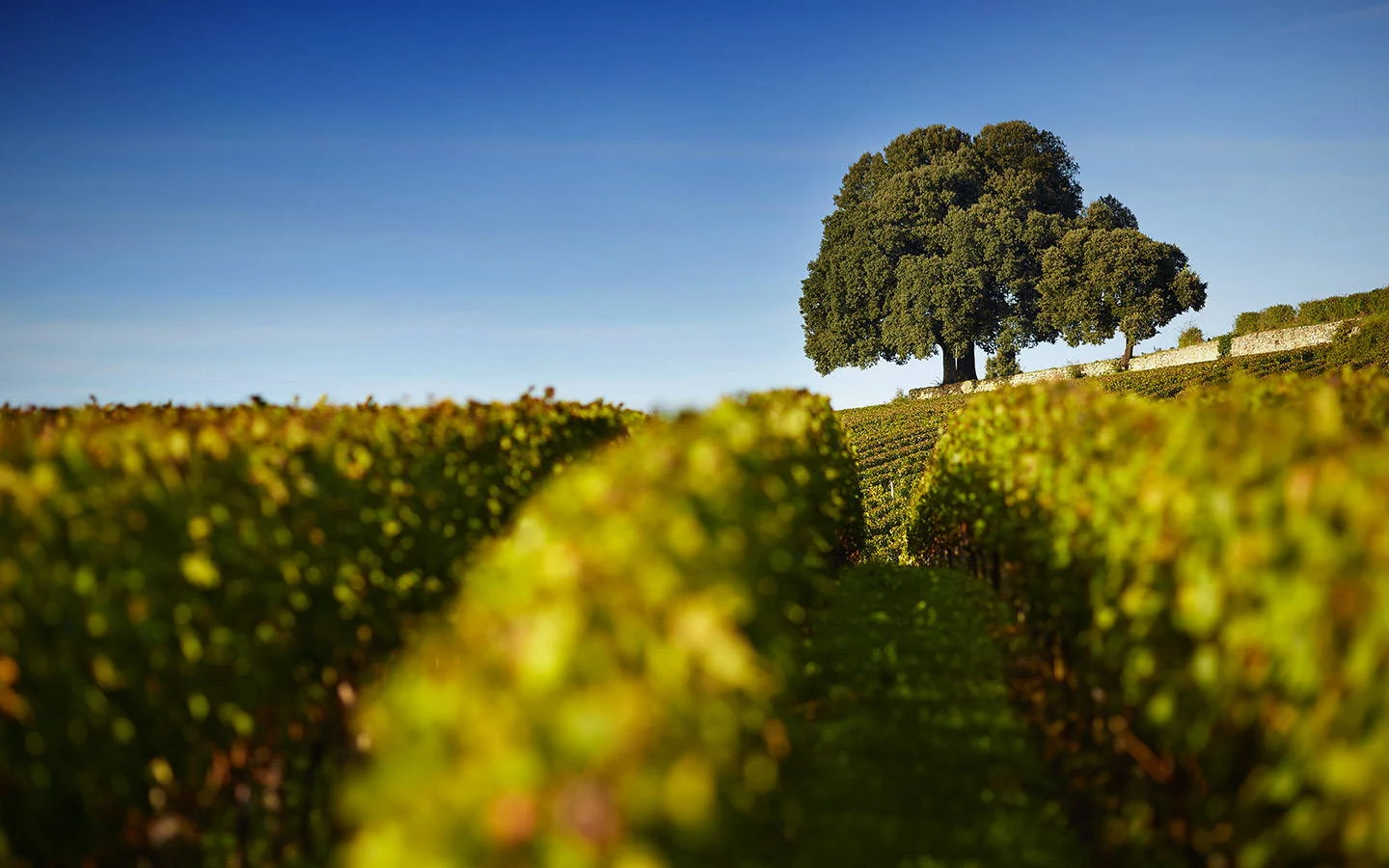
The vineyard work at Château Coutet is framed by an organic philosophy and a small scale, with the estate described in the 13-30 acre band and around 4000 cases a year. The hillside is clay-limestone, the setting a Saint-Emilion Grand Cru site looking toward the Dordogne, and the plantings move across Merlot, Cabernet Franc, Cabernet Sauvignon, Malbec, Semillon, Sauvignon Blanc, and Muscadelle. That range gives the cellar more than one register: still red, still white, and dessert wine all sit within the house’s stated focus.
The whites make that range explicit. Semillon, Sauvignon Blanc and Muscadelle can be taken dry or carried through to a dessert wine, and the estate ties both directions to the minerality it draws from clay-limestone rather than to a category on the label.
The quiet of the château
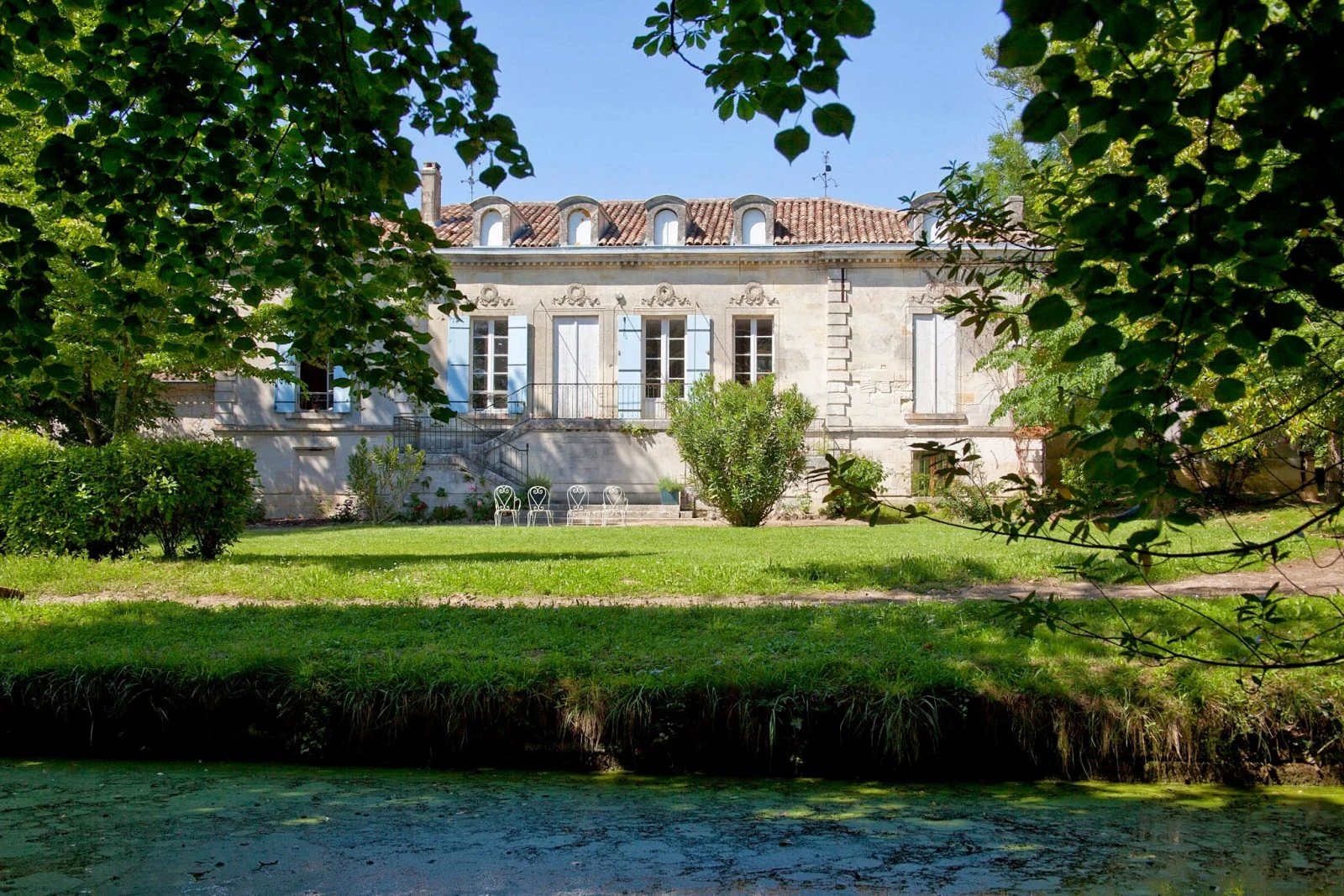
The room at Château Coutet takes its rhythm from the old stone and the slope outside it. The 15th-century château is not a backdrop added after the wine is made; it is the working address, a historic house set into a scenic vineyard landscape with the Dordogne valley below. Guided tastings happen inside that atmosphere, but the stronger impression is quieter: a visitor moves through a place where family ownership, organic farming, and Saint-Emilion’s clay-limestone ground meet without needing theatrical proof.
One object gives the estate’s hospitality a particular weight. A 200-year-old buried bottle was discovered on the property, and the house now recreates that history for visitors. It is a precise kind of memory, not abstract heritage but glass, age, soil, and recovery. The place stays where it should, with Château Coutet’s buried bottle in the hand.
Questions
Frequently asked
What is Château Coutet known for?
Château Coutet is a family-run Saint-Émilion estate that has stayed in the same family for over 400 years. It farms organically on clay-limestone ground and works at a small scale, around 4000 cases a year.
What kinds of wine does the estate make?
The cellar works across still red, still white, and dessert wine. The plantings include Merlot, Cabernet Franc, Cabernet Sauvignon, Malbec, Semillon, Sauvignon Blanc, and Muscadelle.
What is the setting like?
The 15th-century château is a working address on a Saint-Emilion Grand Cru site above the Dordogne valley. The vineyard sits on clay-limestone hillside ground.
Can visitors book a visit?
Visits are by appointment only, and guided tastings take place inside the château.
Is there parking at the property?
There is an on-site parking lot at Château Coutet. The dress code is smart casual.
The field
How it compares
| Place | Notes |
|---|---|
| Château Coutet | Saint-Emilion, $$$$ |
| Château Angelus | Saint-Émilion |
| Chateau Ausone | Saint-Émilion |
| Château Canon | Saint-Émilion |
| Château Cheval Blanc | Saint-Émilion |
| Château Figeac | Saint-Émilion |
| Château Pavie | Saint-Émilion |