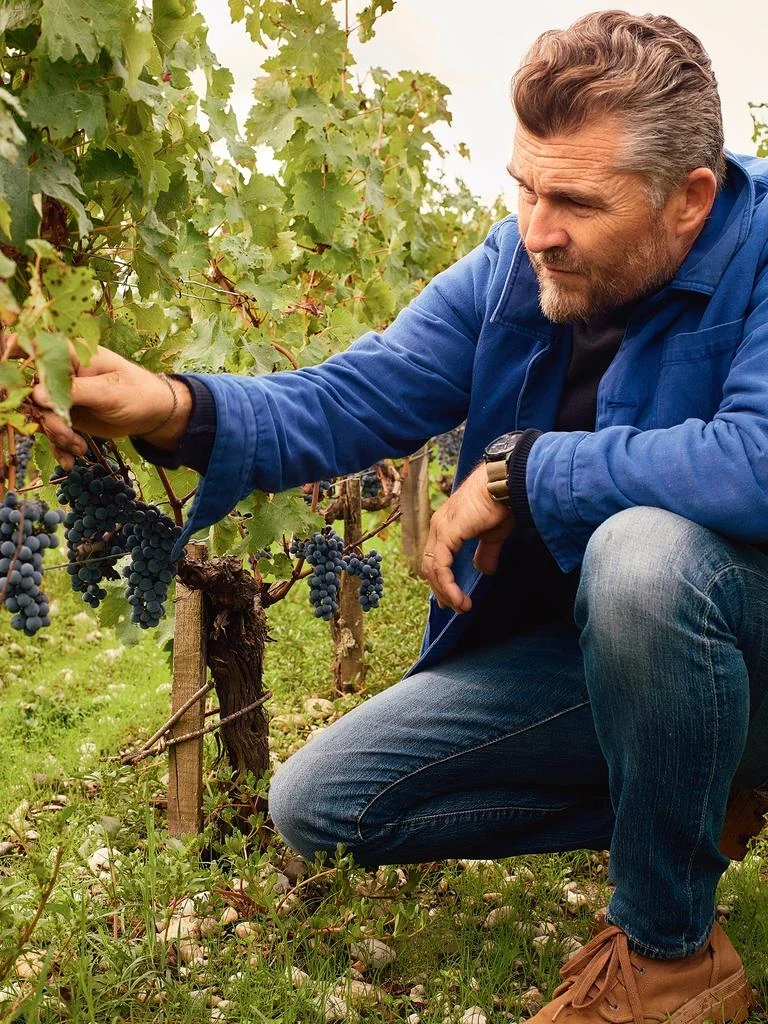
Nicolas Audebert, Directeur Général, leads Château Berliquet in Saint-Émilion through careful parcel-by-parcel work on limestone and clay today.
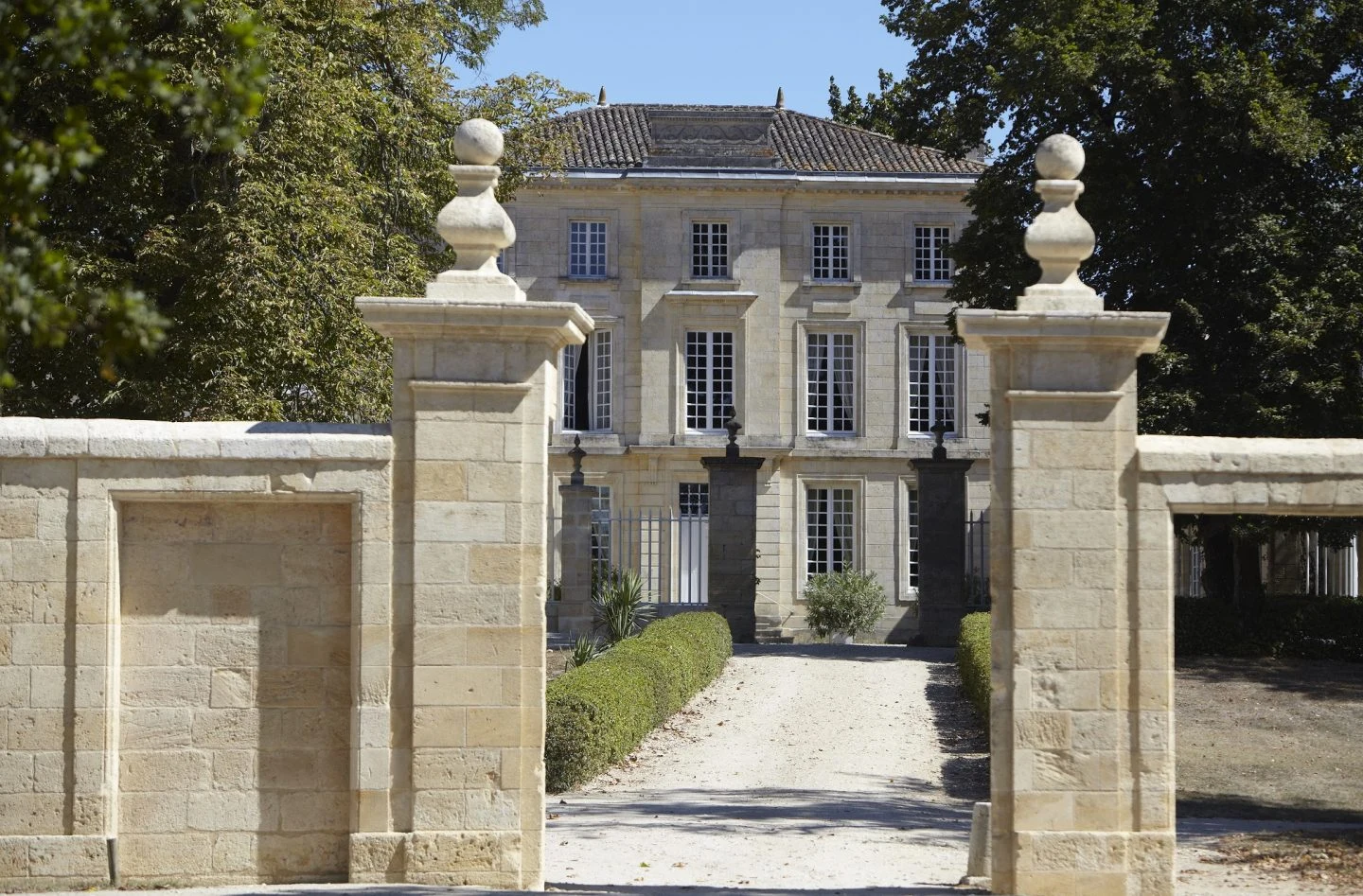
Hand-picked fruit reaches Château Berliquet in Saint-Émilion under the eye of Nicolas Audebert, Directeur Général des Vignobles Chanel, who oversees the estate alongside Château Canon, Château Rauzan-Ségla, and Domaine de l'Île. His place here is not a narrow cellar post; it is a stewardship of parcels, teams, and decisions across houses owned by Chanel. Audebert has led Vignobles Chanel since 2014, after agronomy studies at Ecole Nationale Supérieure Agronomique de Montpellier, work in Argentina at Terrazas de los Andes, time through Moët & Chandon, Krug, and Veuve Clicquot, and a return to Bordeaux after Cheval des Andes. At Berliquet, that training meets one of Saint-Émilion’s older estates, founded in 1768 and among the first in the appellation, in 1784, to sell wine under its own property name. The modern station is quieter than that history suggests. The estate resumed making, bottling, and selling its own wine in 1978 after a period when grapes went to the local cooperative from 1953 to 1978. Since Chanel acquired Berliquet in July 2017, Audebert and the shared Vignobles Chanel team have worked the property with the same attention they bring next door at Château Canon, reading the Magdelaine plateau block by block rather than treating the vineyard as a single voice.
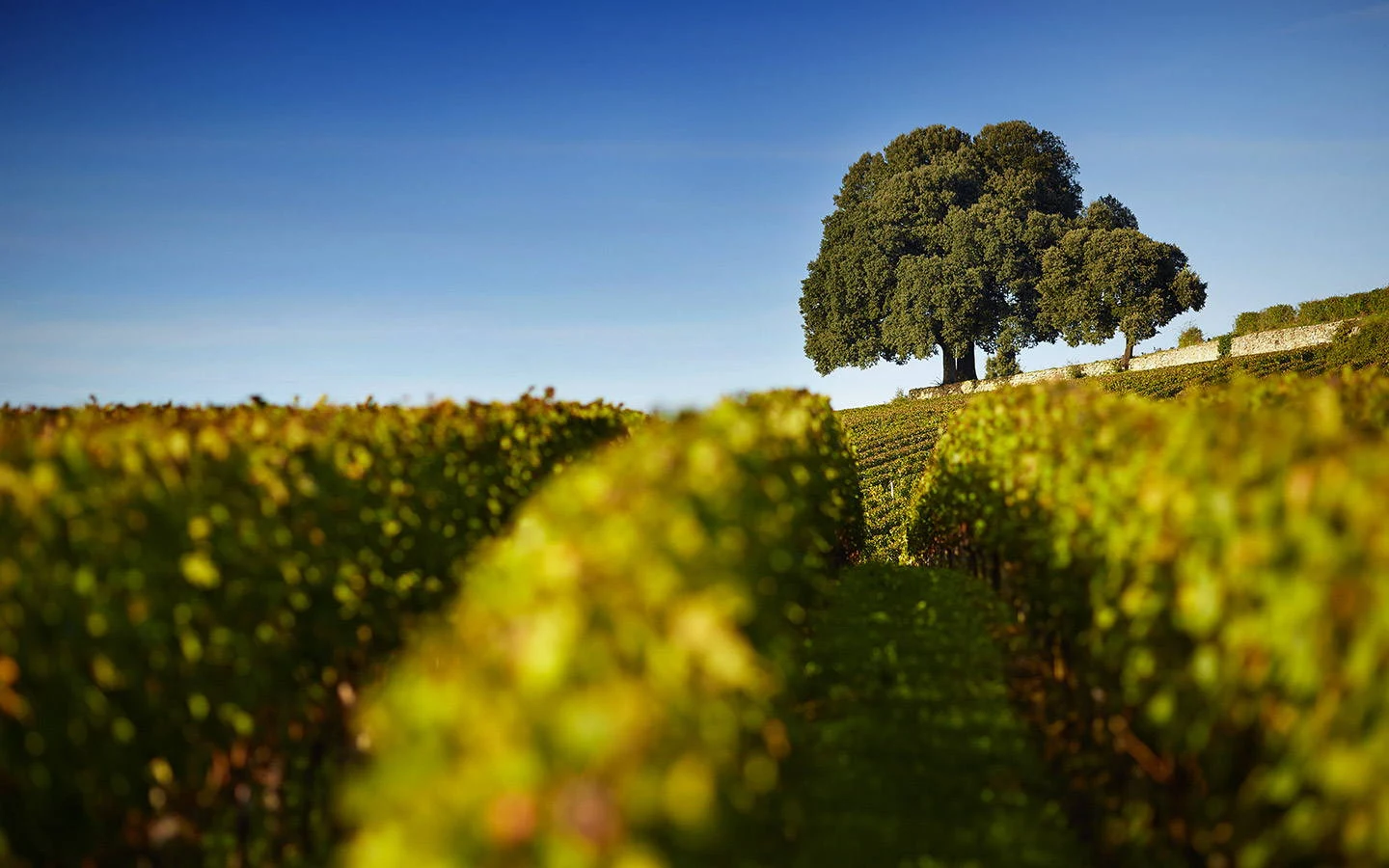
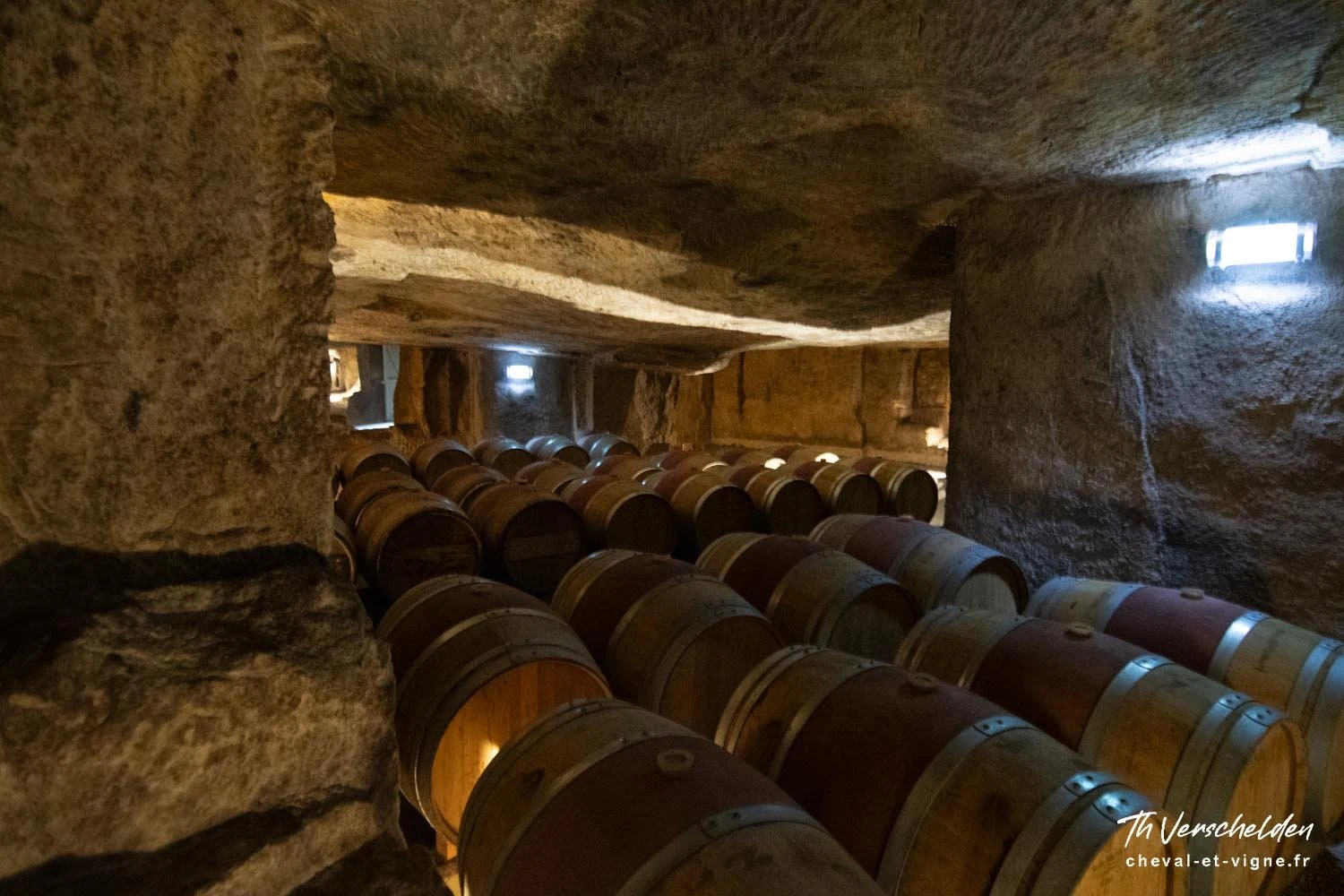
The vineyard gives Berliquet its discipline: 10 hectares in one block on limestone and clay, planted to 75% Merlot, 23% Cabernet Franc, and 2% Cabernet Sauvignon. The average vine age is about 40 years, with density held at 6,000 vines per hectare, numbers that matter because the estate’s soil changes inside the same parcel. Earlier rootstocks did not always suit that ground; recent replanting has been part of the work of bringing the higher limestone sections into clearer focus. In the cellar, the sorting became more exact from the 2009 vintage, when optical sorting entered the method, along with two back-to-back sorting tables and more vats for block-by-block and varietal-by-varietal vinification. Whole berry fermentation takes place in temperature-controlled stainless steel vats and cement tanks, followed by a 30-day maceration. Since the 2015 vintage, the team has used whole-cluster vinification for 15% of the grapes. Pigeage and malolactic fermentation happen in French oak barrels. The wine then ages for an average of 15 months in 50% new French oak, the first six months on its lees. The house makes around 3,500 cases annually, a small scale for work this closely parceled.
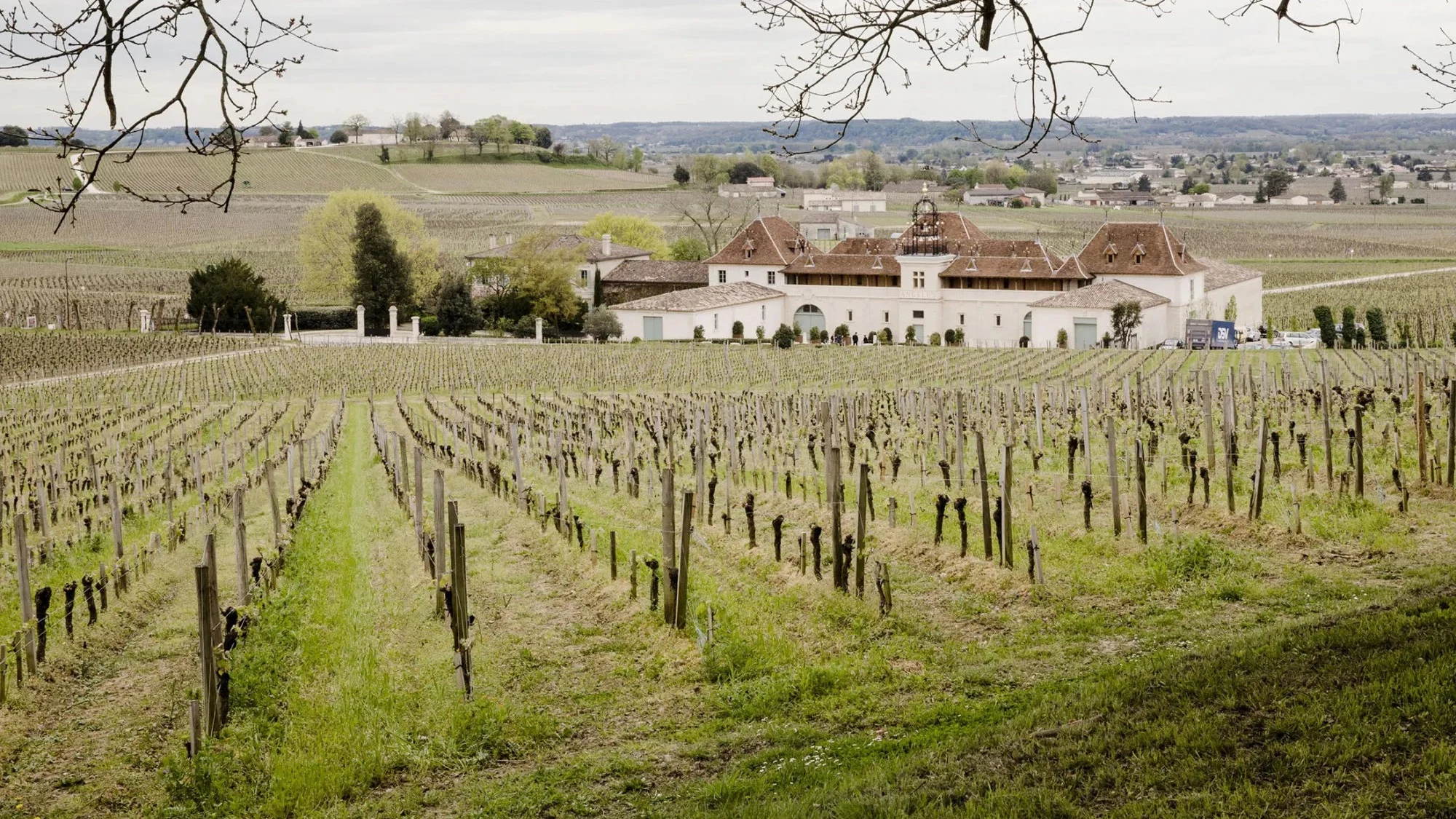
The estate sits on the Right Bank’s Magdelaine plateau, near Château Canon and not far from Château Angélus, with the vineyard carrying the room’s temperament before anyone opens a bottle. In the cellar, the mood is controlled rather than theatrical: stainless steel, cement, oak, sorting tables, and the repeated gesture of separating one lot from the next. The tasting room looks back toward that quiet order. Berliquet’s atmosphere is shaped less by display than by adjacency, to its own vines, to Canon, to the Saint-Émilion limestone that gives the wines their line. The flagship wine, Château Berliquet Saint-Émilion Grand Cru Classé, is still red, drawn from the same grapes planted outside. Les Ailes de Berliquet extends the estate’s work without shifting the center of gravity. If the next thing here is not a public announcement, it is the continued reading of the block itself, through Château Berliquet.
Saint-Émilion, Libournais, Nouvelle-Aquitaine, Frankreich
Saint-Émilion