Chef in Residence
Joséphine Duffau-Lagarrosse
Owner

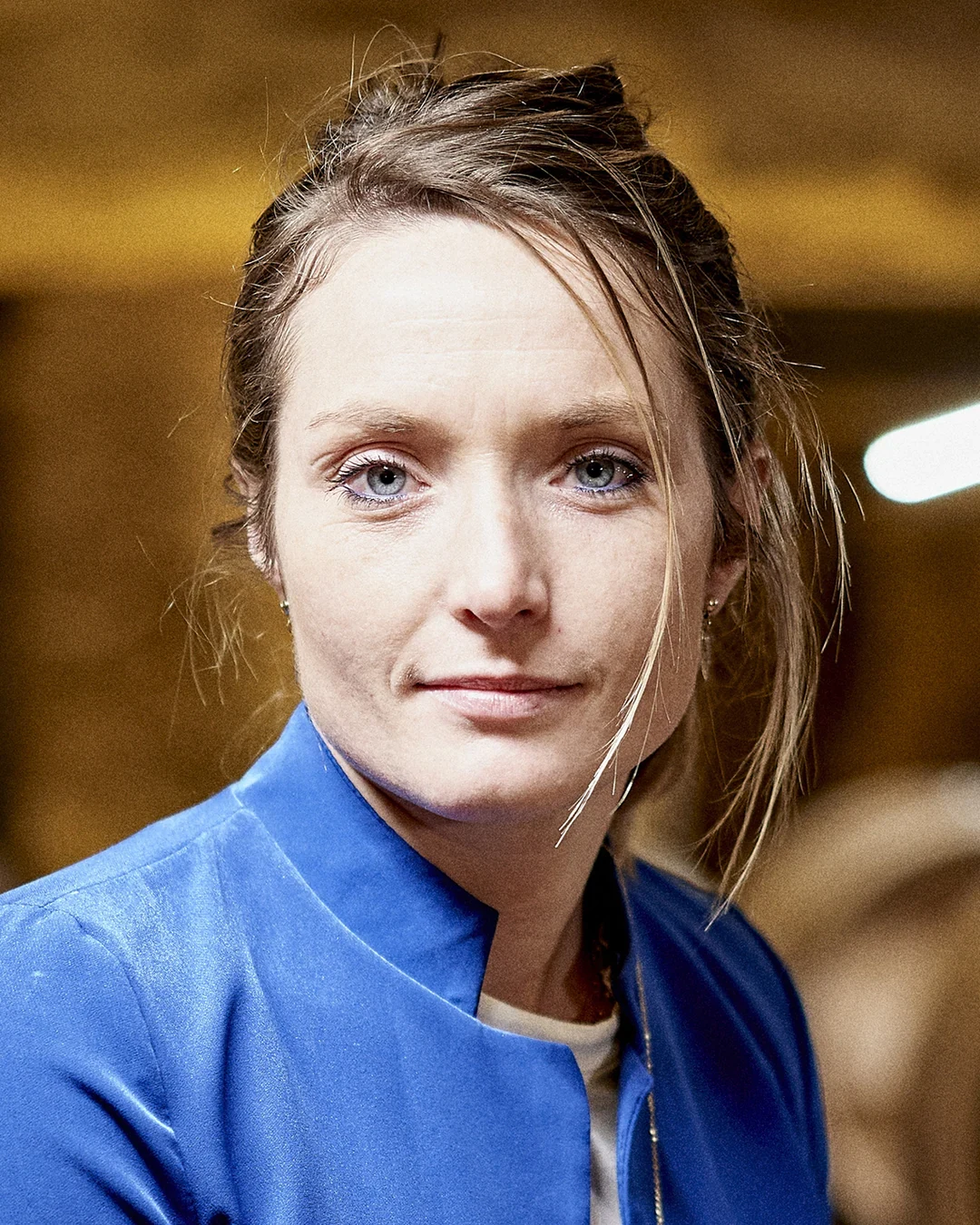
Joséphine Duffau-Lagarrosse, owner at Château Beauséjour Duffau-Lagarrosse in Saint-Émilion, leads a small limestone estate toward lift and precision.
Joséphine Duffau-Lagarrosse works as owner at Château Beauséjour Duffau-Lagarrosse in Saint-Émilion with a cellar decision that begins gently: soft, controlled pump overs, set against Merlot and Cabernet Franc grown on a small limestone site above the village. Joséphine Duffau-Lagarrosse has been co-owner and co-director of the estate since April 2021, with Prisca Courtin-Clarins, and the language around her work is stewardship rather than possession. That distinction matters here. The Duffau-Lagarrosse family has held the property since 1847, and the current hand at the estate has to answer both to the vineyard and to the long memory carried in the name.
Her training sits close to the demands of the place: agro-engineering, enology, and time inside the technical grammar of Saint-Émilion. The work today points toward a fresher, more elegant expression of a mineral-based terroir, with clarity placed ahead of volume and lift ahead of force. The estate has also worked with the Michel Rolland Laboratory for over thirty years, a continuity that gives the cellar another layer of technical memory. Duffau-Lagarrosse does not frame the property as a stage for reinvention. She treats it as a site to be listened to, adjusted by hand, and kept in motion without breaking its line.
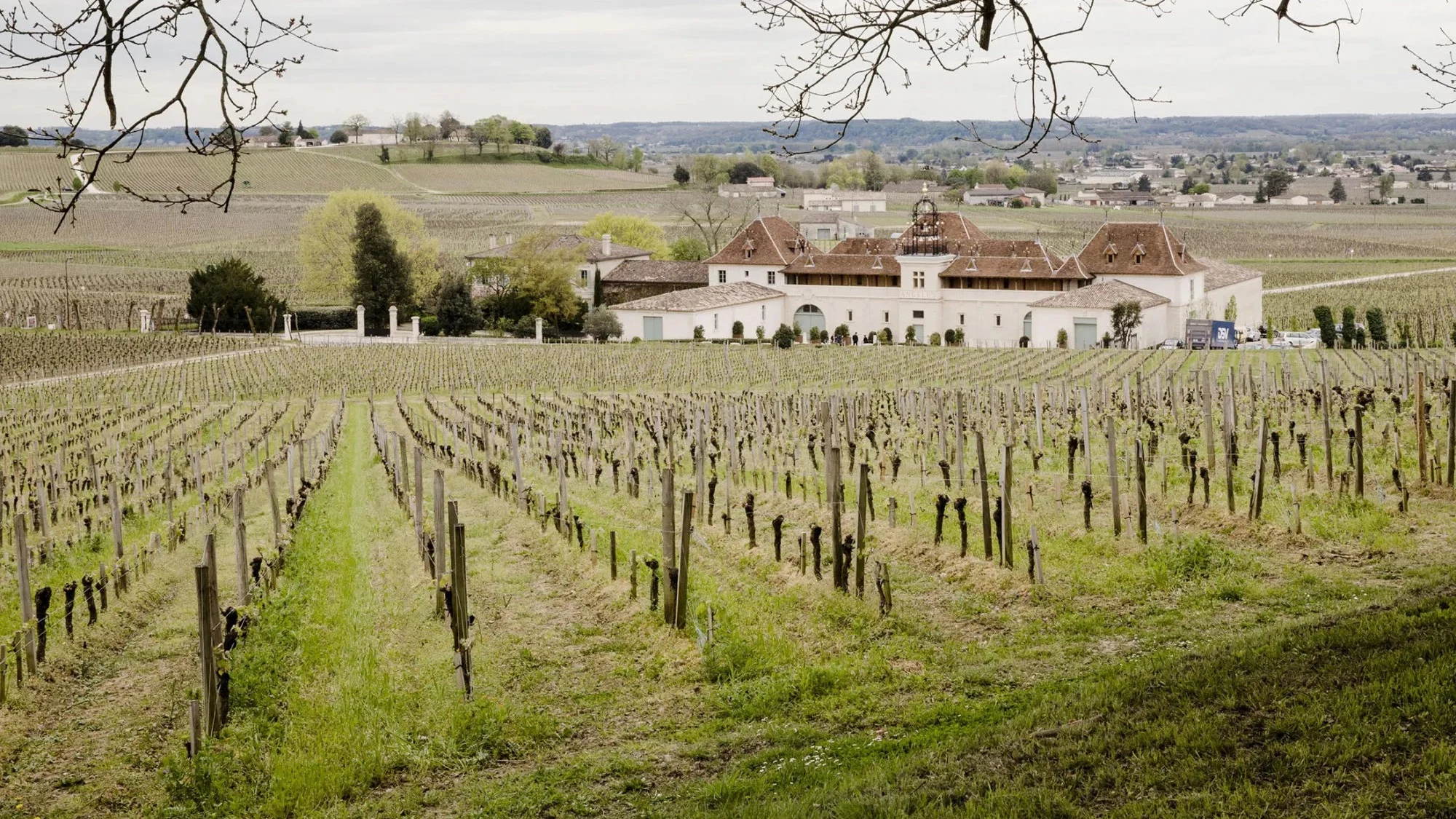
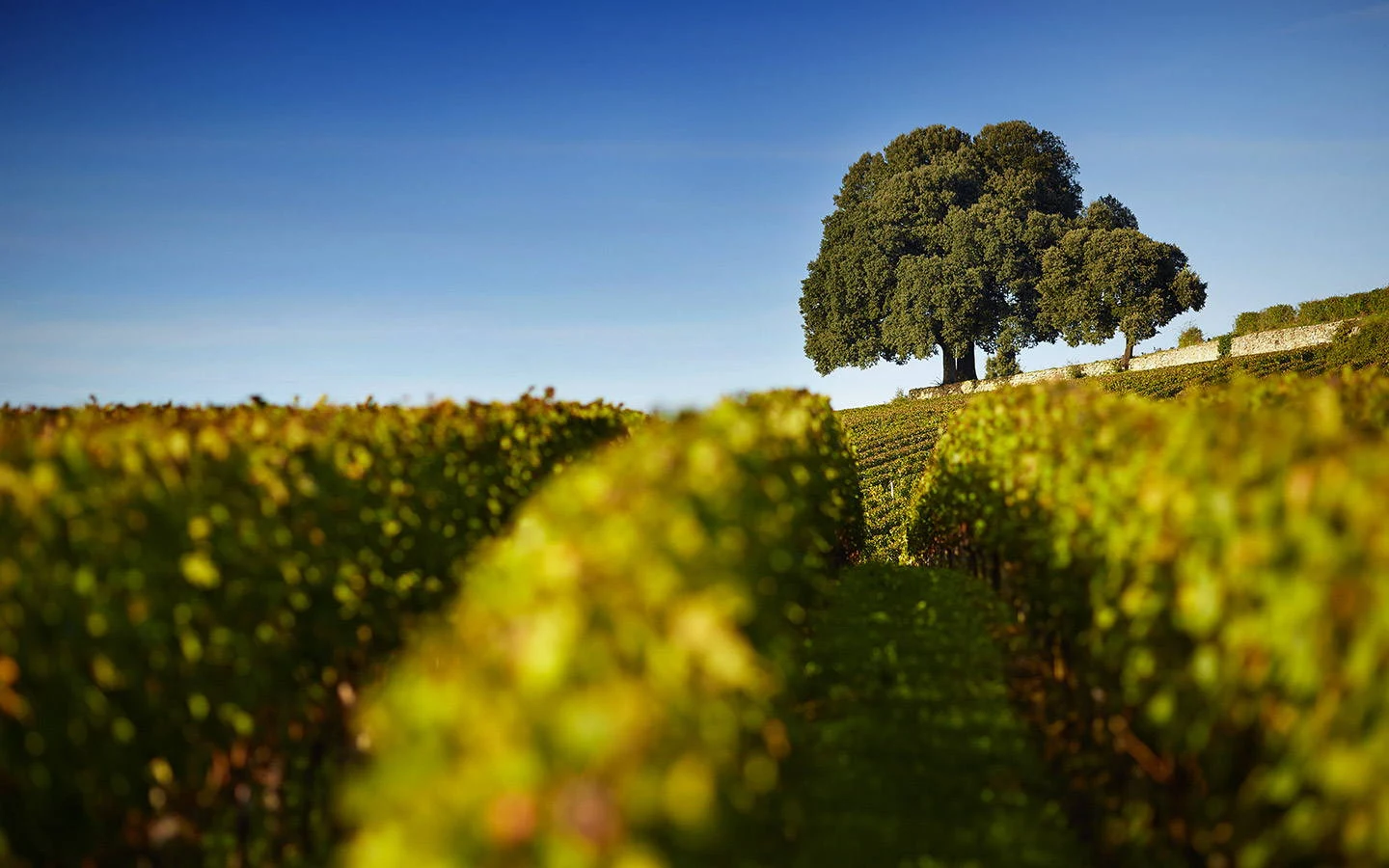
The vineyard is measured at about 6.8 hectares, set on the upper south and southwest-facing hillside and plateau of Saint-Émilion. That size keeps the work intimate. The place is not built on breadth; it is built on exact exposure, clay-limestone soil, and the pressure of a Premier Grand Cru Classé estate where small decisions move through the finished wine. Merlot and Cabernet Franc form the core of the blend, with Duffau-Lagarrosse moving toward a greater proportion of Cabernet Franc as part of the estate’s search for freshness and precision.
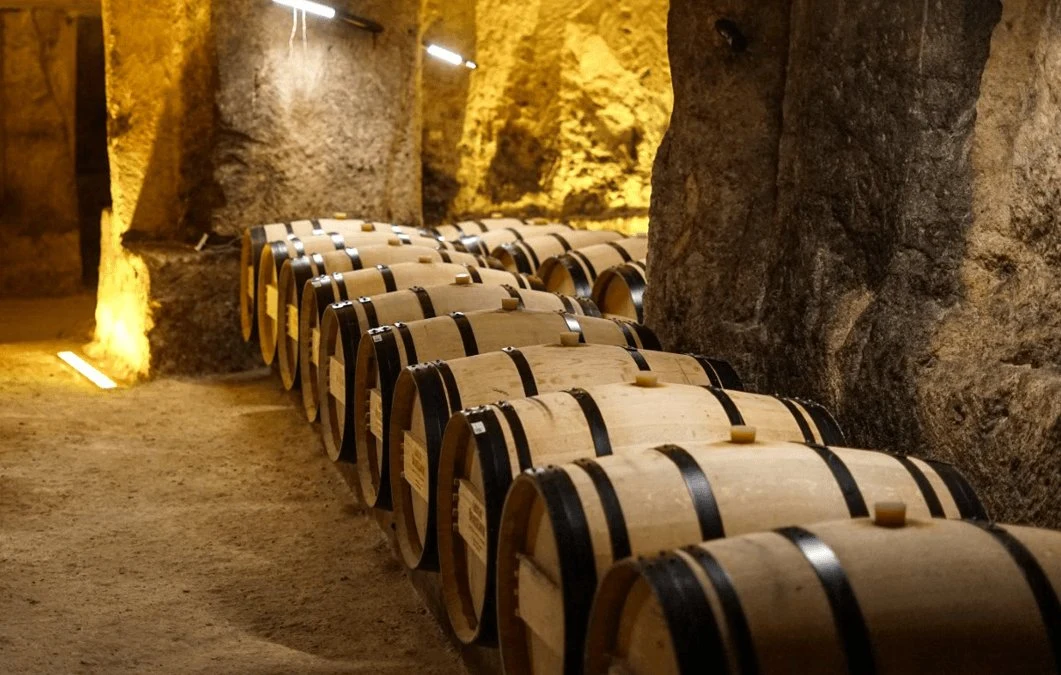
The vineyard has been described as managed with 100% organic techniques, and the average vine age is given as 45 years. Harvest happens by hand, in successive passes, so the picking follows the fruit rather than the calendar alone. In the cellar, concrete tanks give fermentation a neutral frame. Pumping over stays soft and controlled, meant to respect maceration and draw tannin without weight. The barrel program is split between 60% new barrels and 40% older barrels, a choice that places structure beside restraint. The method is not showy. It is a sequence of limits, each one keeping the limestone, the slope, and the fruit in view.
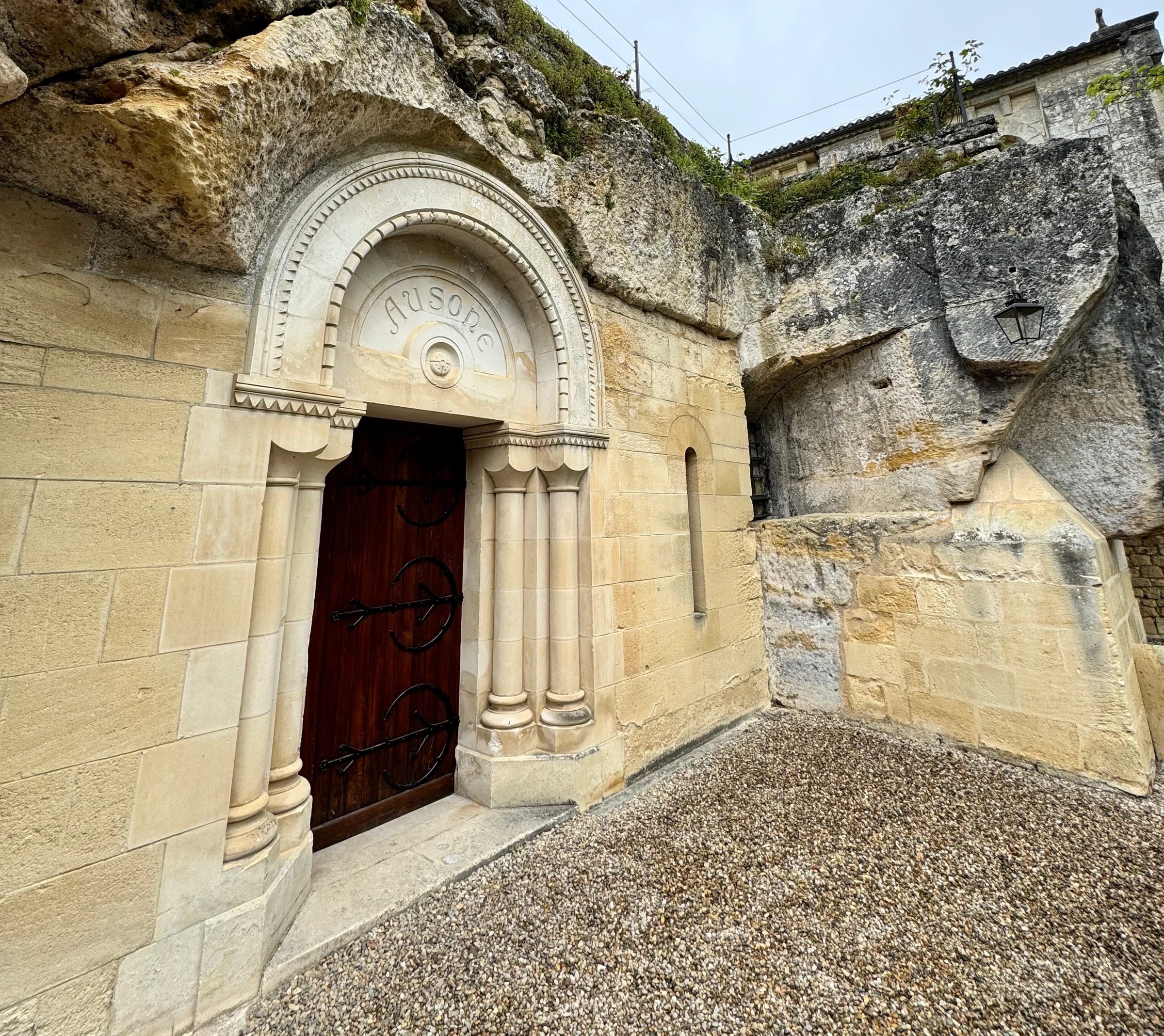
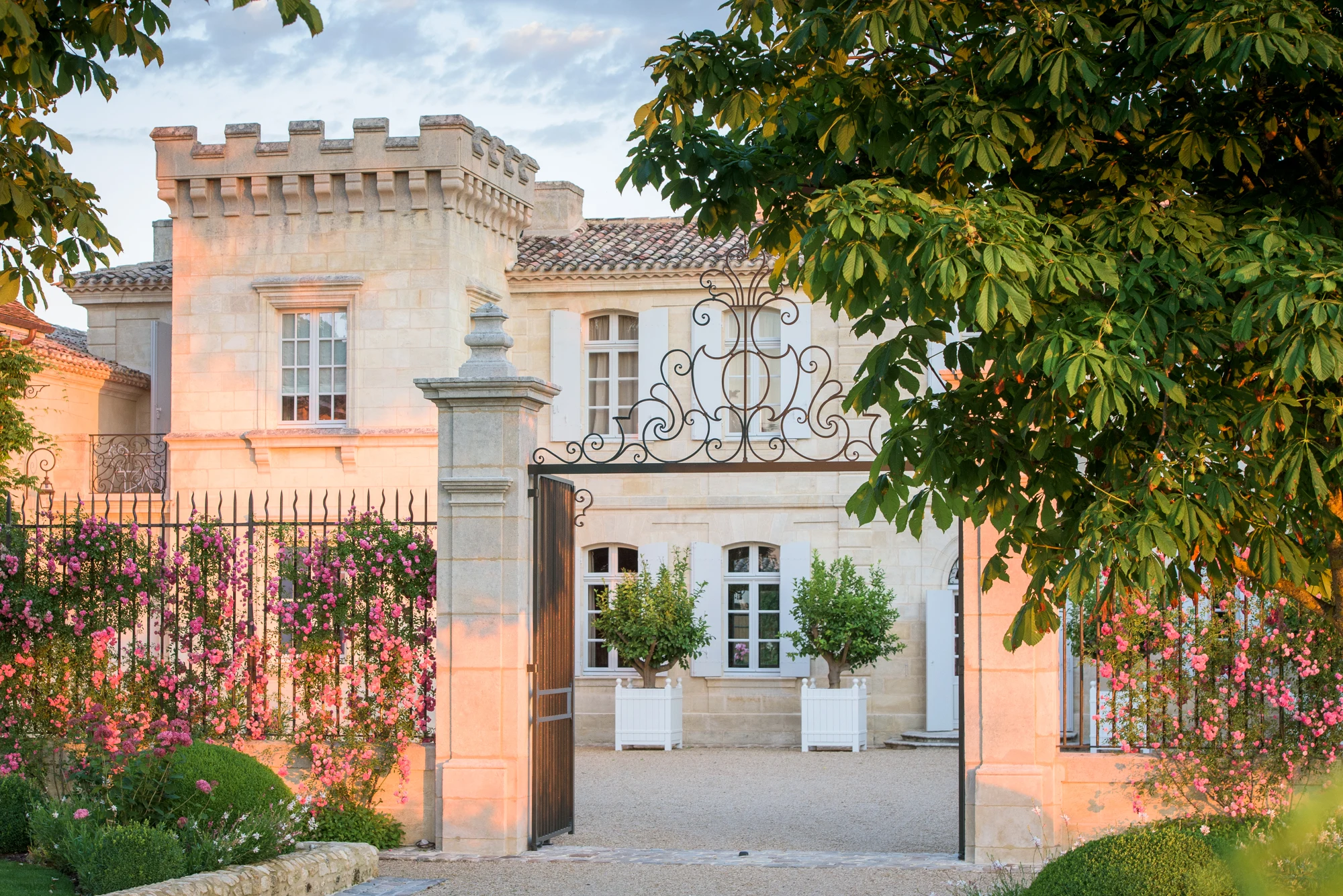
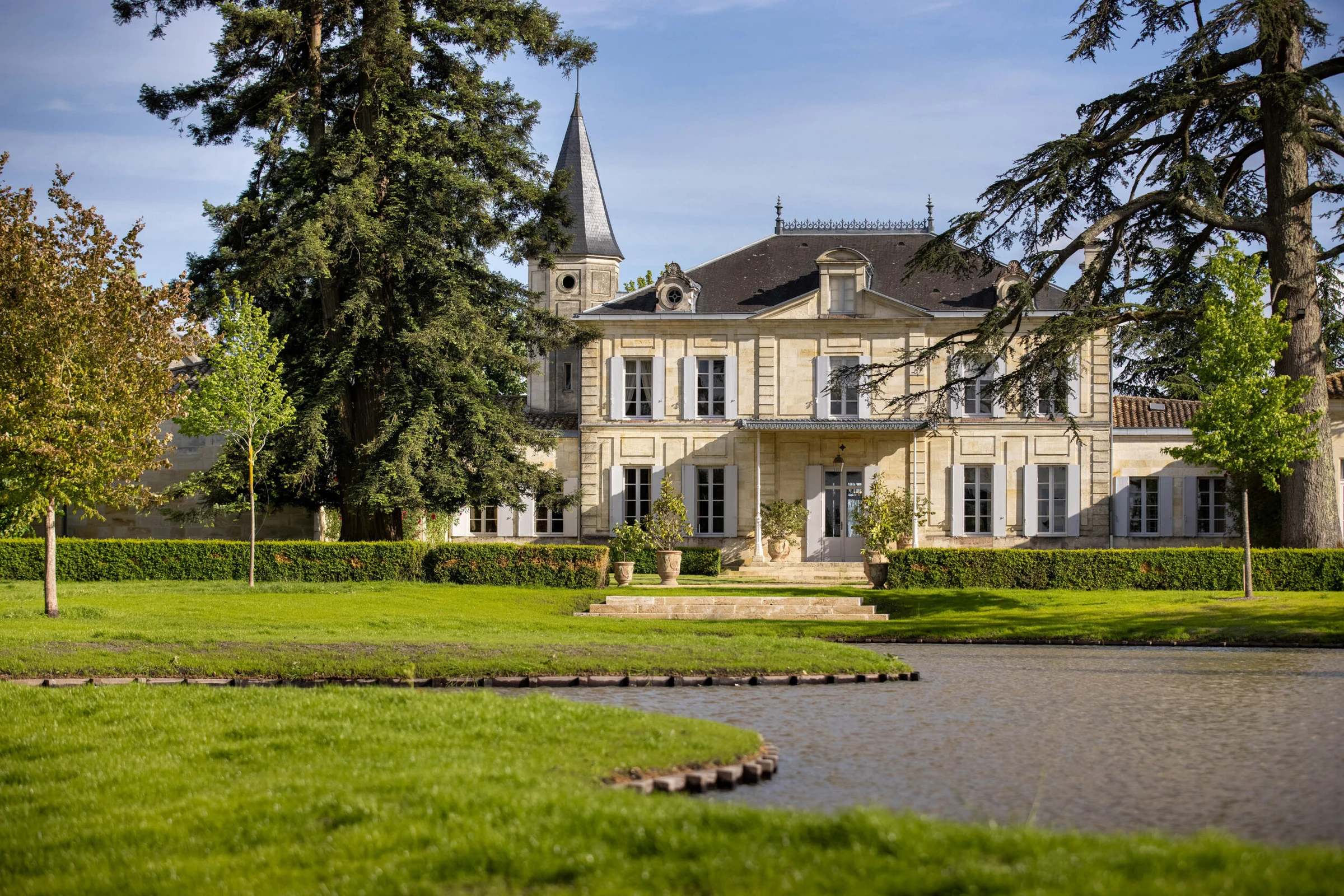
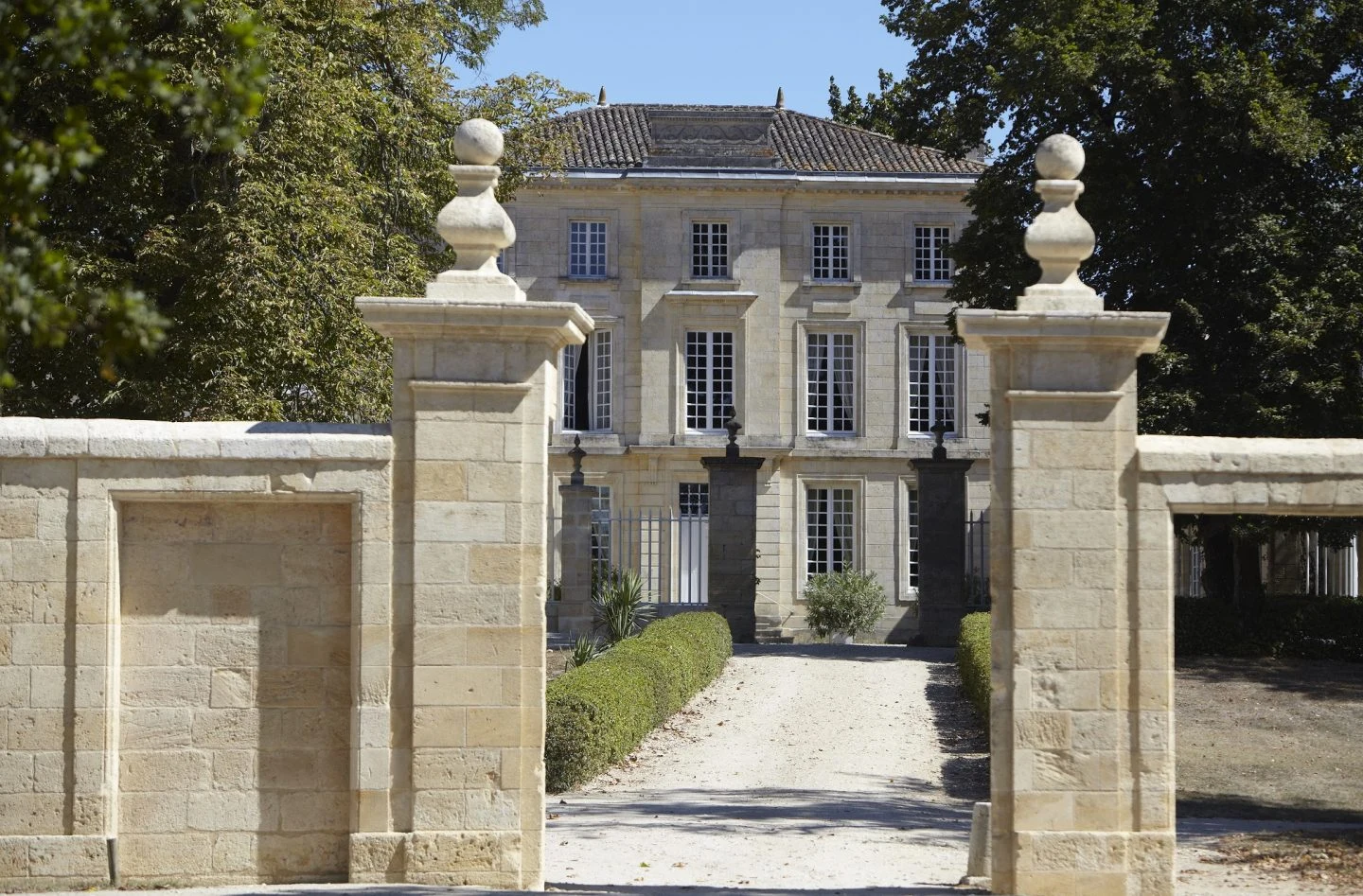
The estate sits above the village, reached by climbing toward the small Saint-Martin hill, where the vineyard reads almost like a garden against the limestone. The cellar and vineyard do not feel separate here. The slope gathers sun, sheds water, and gives the rows air; the cellar answers with concrete, barrel, and measured extraction. Around it are the quiet signals of old Bordeaux: stone, incline, close-planted land, and a house whose scale is smaller than its reputation.
During the work, the atmosphere stays closer to concentration than display. This is a winery whose public face is not tourism infrastructure but the bench-side rhythm of vineyard visit, tasting room, cellar, and pass through the vines. The quiet suits the place. A small site asks for attention, and Beauséjour gives that attention to the fruit before it gives it to the room.
The estate’s Saint-Émilion classification began in 1955, and its present tense now rests with a ninth-generation owner shaping a lighter hand in the cellar. The next measure is already in the name of the work: Château Beauséjour and 2024 Château Beauséjour and J. Duffau-Lagarrosse.
Saint-Émilion, Libournais, Nouvelle-Aquitaine, Frankreich
Saint-Émilion