Still reds under one hand
- Falstaff Winery - 1 Stars · 2026
A vigneron keeping the decision close
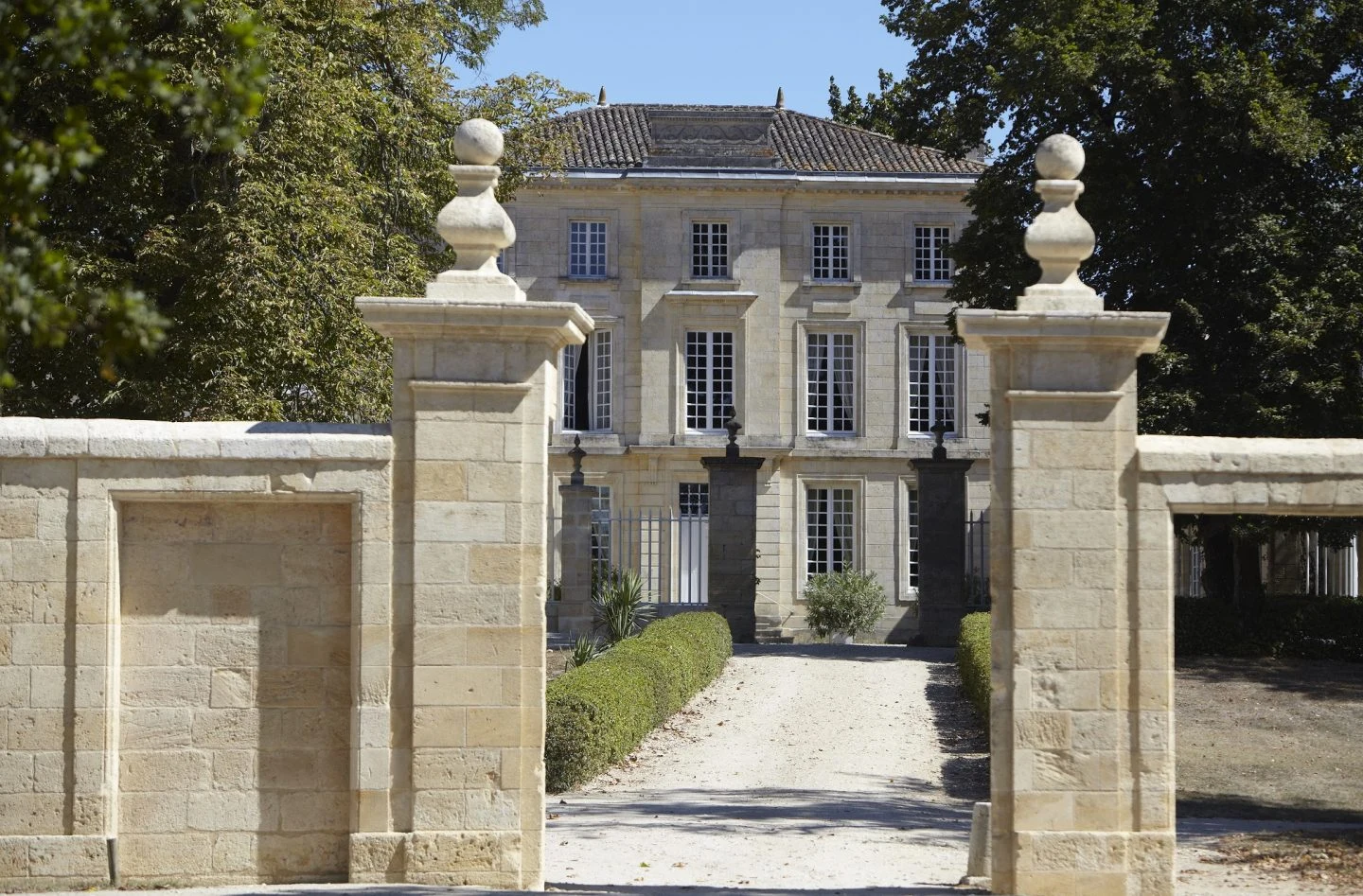
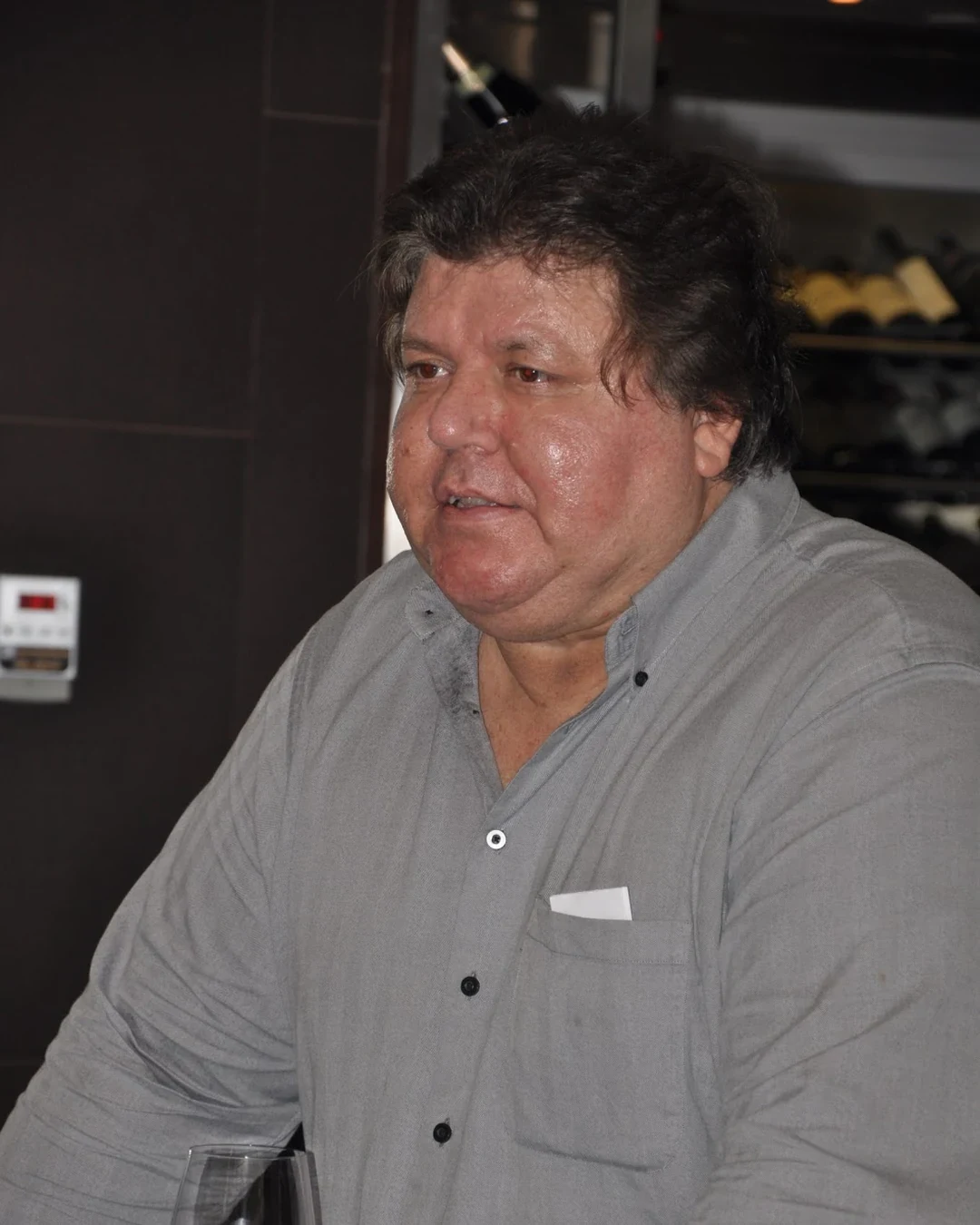
Each intervention has to earn its place before Jonathan Maltus, Winemaker at JCP Maltus in Saint-Émilion, lets it near the wine. His own rule is plain: “Anything that can make the wine better, I embrace.” It is a cellar sentence, not a manifesto, and it fits a career built around keeping ownership and vinification in the same hands. Jonathan Maltus has been owner and proprietor of Château Teyssier in Saint-Émilion since 1994, then owner, proprietor, and winemaker at Le Dôme since 1996. JCP Maltus gathers that work under a wider winemaking identity, with Le Dôme, Château Teyssier, and World’s End sitting inside the same domaine and château structure. The lineage here is not presented as an inherited family tale or a school of named mentors. It is a working continuity, held through long tenure at the same Right Bank address, with the maker close enough to the vineyard and the cellar to judge whether a choice belongs in the bottle. Maltus’s Order of the British Empire, awarded in 2016, sits outside the cellar work, alongside the run from Château Teyssier to Le Dôme and the discipline of returning to Saint-Émilion year after year.
Le Dôme, Teyssier, World’s End
The program at JCP Maltus is built as a portfolio rather than a single-label exercise. The public face names Le Dôme, and that grouping matters because it gives the cellar more than one line of expression while keeping the judgment in one maker’s hands. The appellation is Saint-Émilion AOC, and the focus is still red wine. Beyond that, Maltus does not publish the kind of technical sheet that would let a reader follow vessel, barrel, parcel, or blend with precision. What remains is the method he does state: take up the technique, tool, or intervention only if it improves the wine. That stance leaves room for practical modernity without turning the cellar into theatre. It also explains why the portfolio can carry different names without feeling scattered. Château Teyssier gives the work its base; Le Dôme, where Maltus has been winemaker since 1996, gives the method one of its clearest stations; World’s End extends the same hand beyond the narrowest Saint-Émilion frame.
The cellar before the label
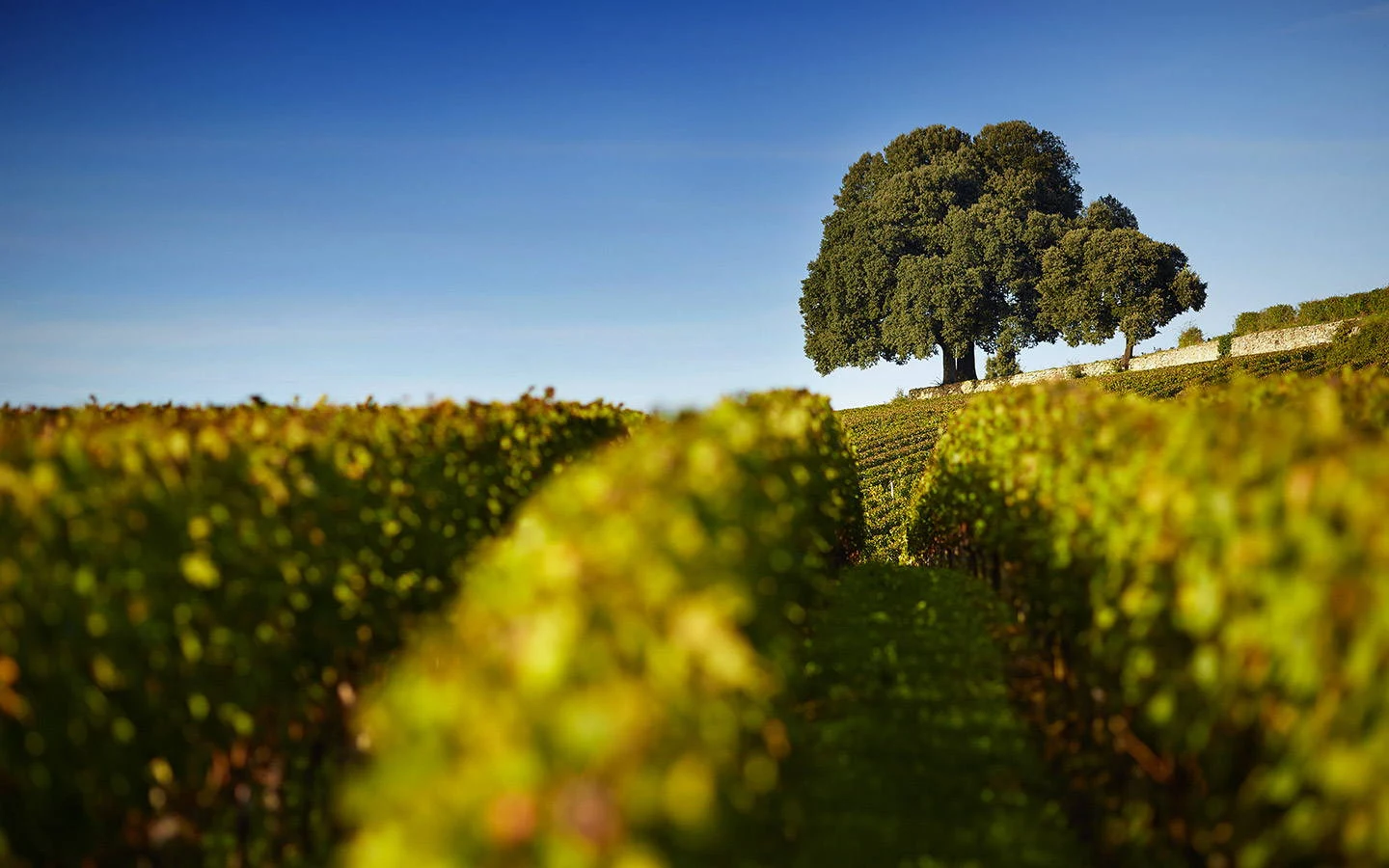
The place reads more like a producer’s house than a visitor-led room. JCP Maltus is quiet by nature, a Saint-Émilion identity arranged around domaines and châteaux rather than a public spectacle of hospitality. The work gathers at the cellar and the vineyard first, then moves outward through the label. That order matters. In a region where the word château can easily become surface, Maltus keeps the useful pressure on vinification, ownership, and the repeated decision. The room around that work is better understood through restraint than description: bottles named with intention, a portfolio held together by one vigneron-winemaker, and a cellar program that asks the same question before each move. The concrete names remain the guide here: Le Dôme, Château Teyssier, World’s End.
Questions
Frequently asked
Who is behind JCP Maltus?
Jonathan Maltus is the winemaker, owner, and proprietor at JCP Maltus in Saint-Émilion. He has owned Château Teyssier since 1994 and Le Dôme since 1996.
What is JCP Maltus known for?
It is a Saint-Émilion winery built around a still-red portfolio. The public face names Le Dôme, alongside Château Teyssier and World’s End.
What does the portfolio include?
JCP Maltus gathers Le Dôme, Château Teyssier, and World’s End under the same domaine and château structure. The focus is still red wine, with Saint-Émilion AOC at its core.
What is the booking policy?
Visits are by appointment only.
Has Jonathan Maltus received any recognition?
Jonathan Maltus was awarded an Order of the British Empire in 2016.
The field
How it compares
| Place | Notes |
|---|---|
| JCP Maltus | Saint-Émilion, $$$$ |
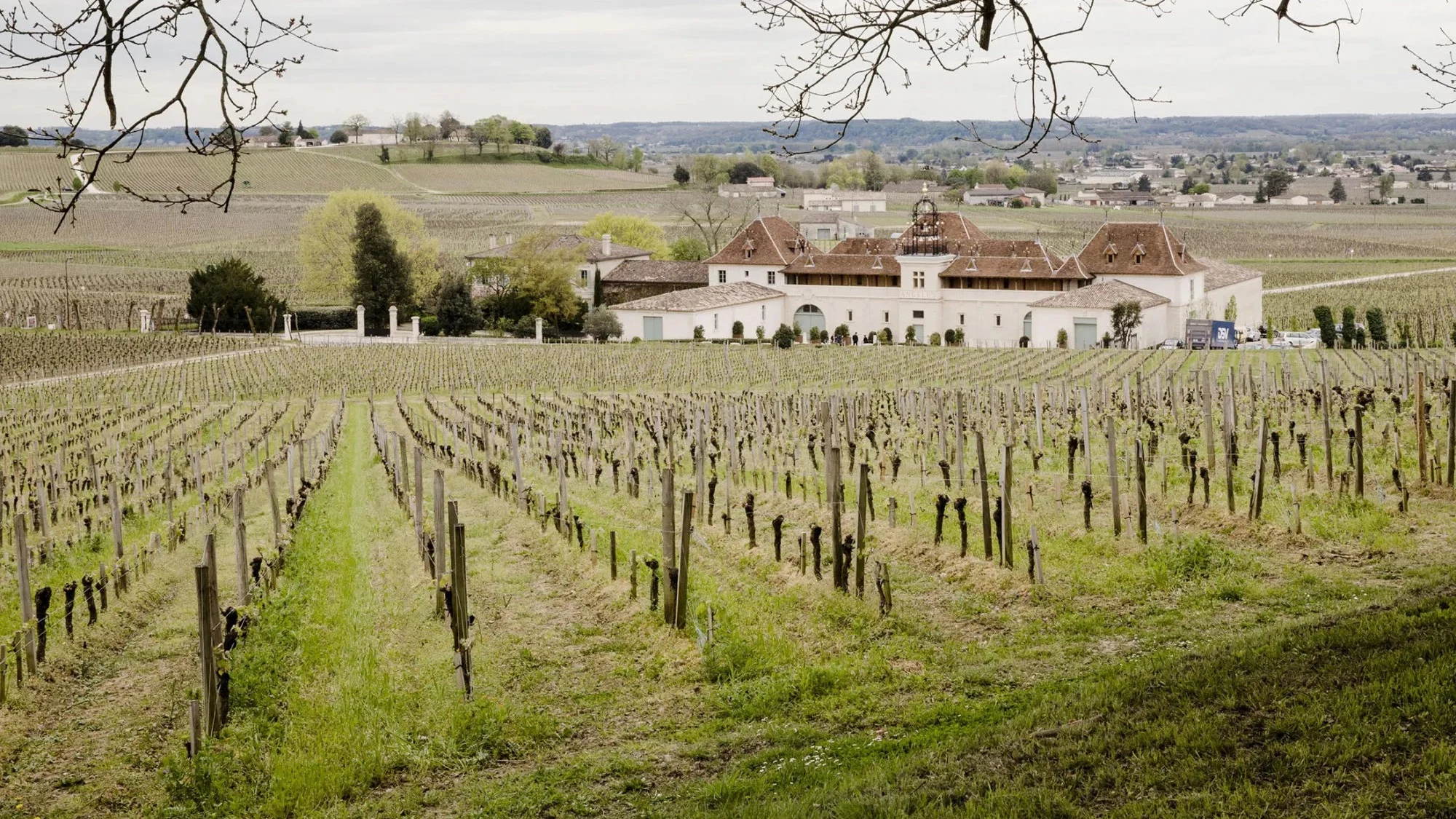
| Château Angelus | Saint-Émilion |
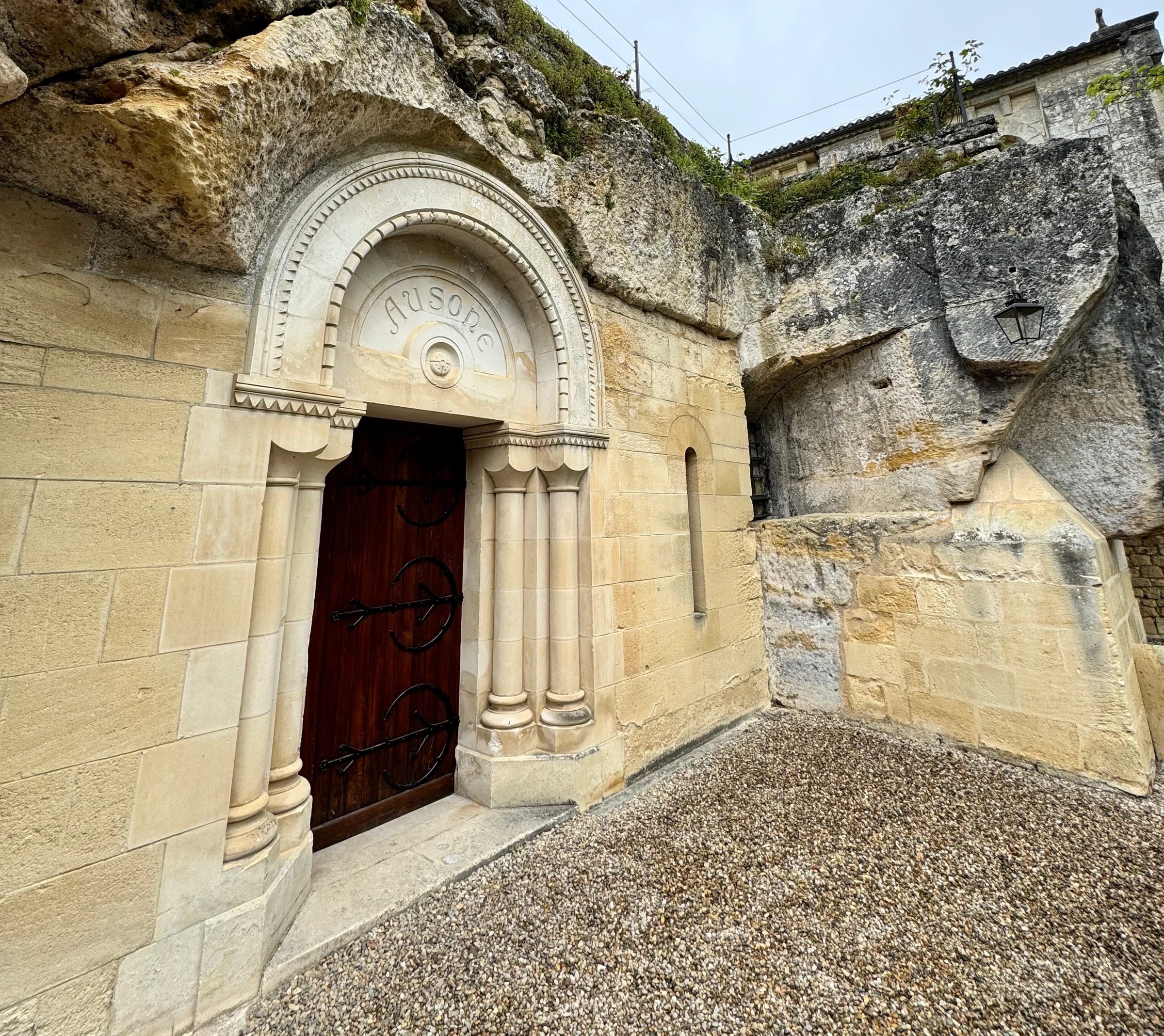
| Chateau Ausone | Saint-Émilion |
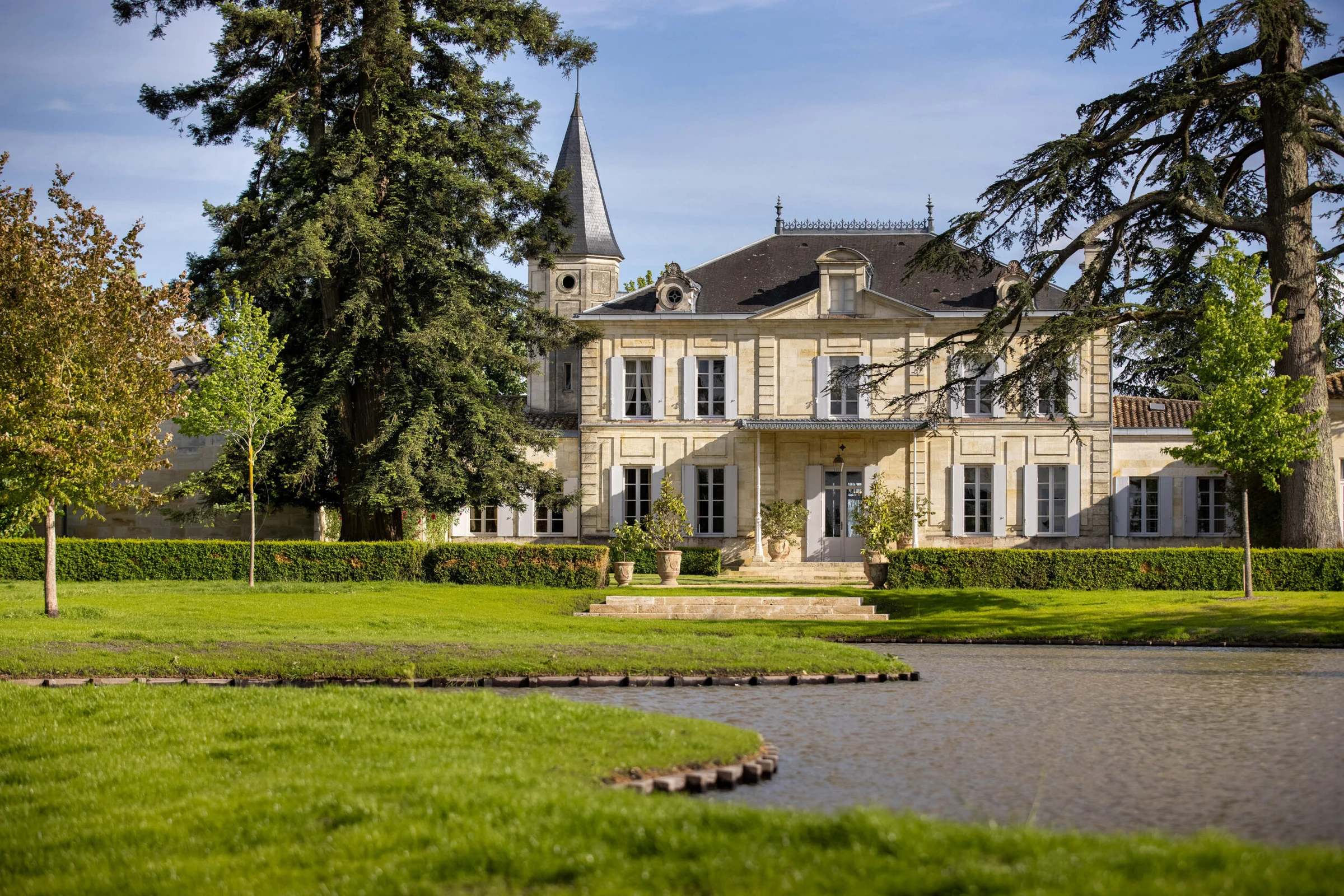
| Château Canon | Saint-Émilion |
| Château Cheval Blanc | Saint-Émilion |
| Château Figeac | Saint-Émilion |
| Château Pavie | Saint-Émilion |