Clos Saint Julien
- 01CitySaint-Émilion, France
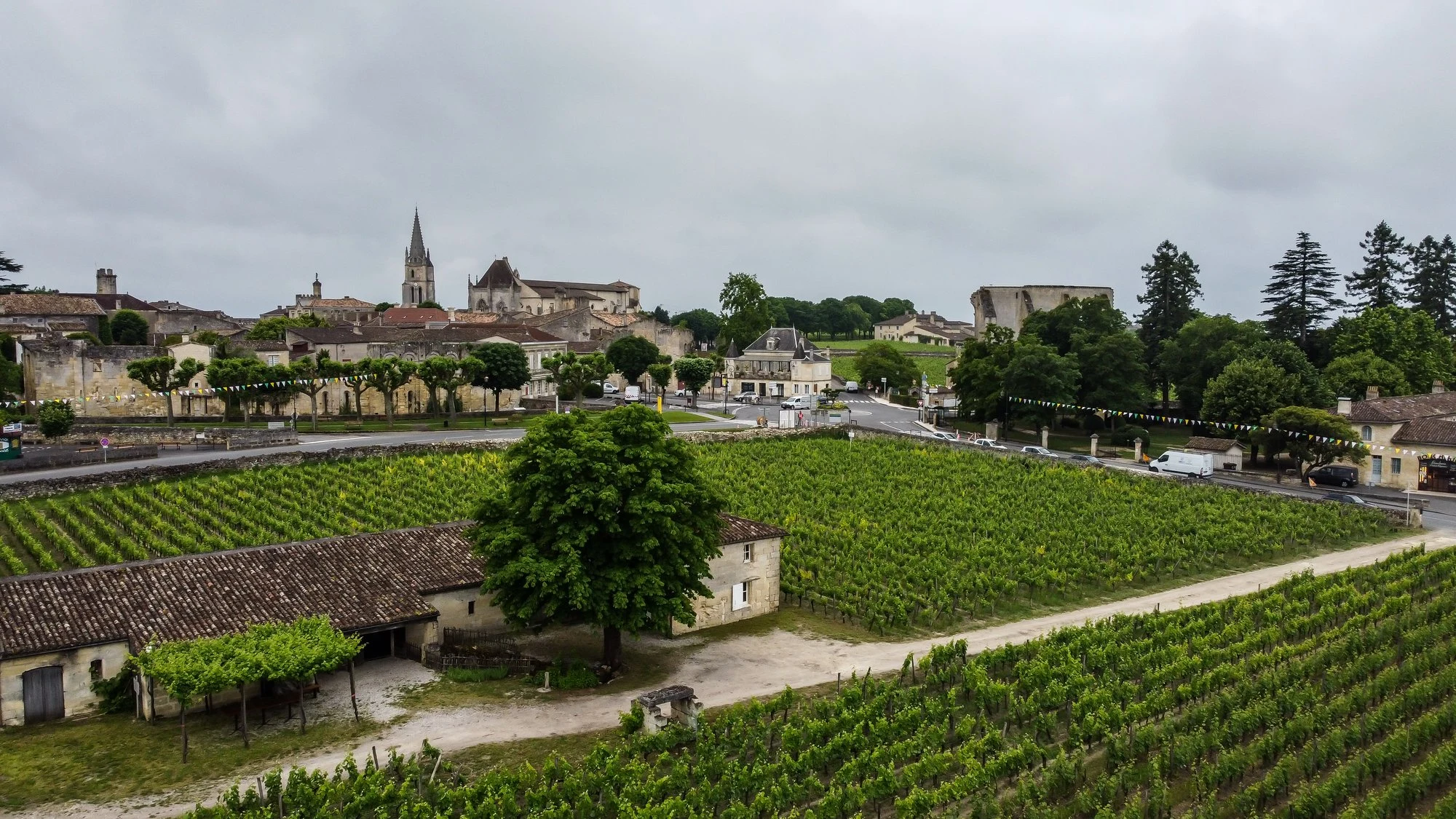
Limestone fruit, picked in two days
- Falstaff Winery - Listed · 2026
Two days to bring in the fruit
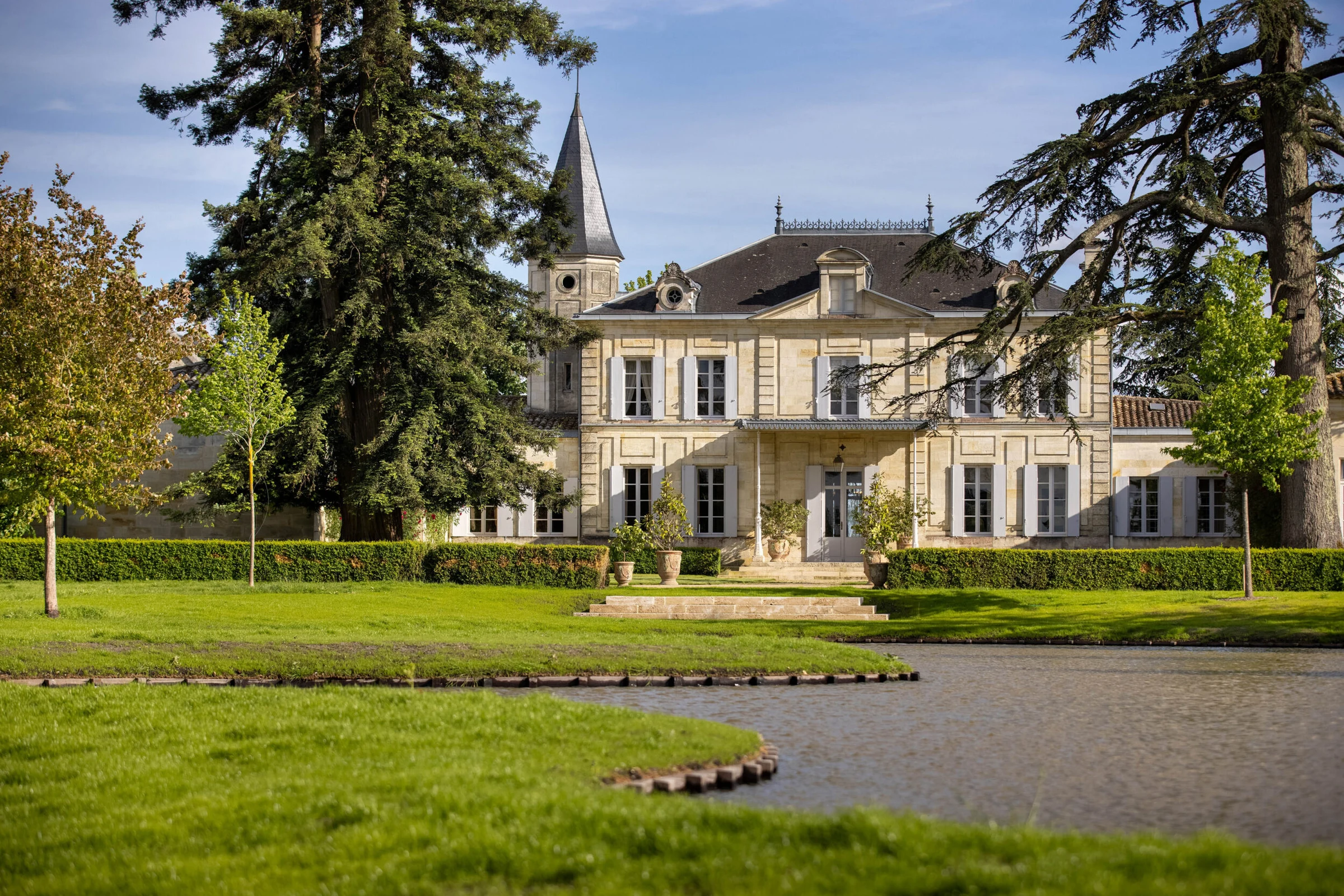
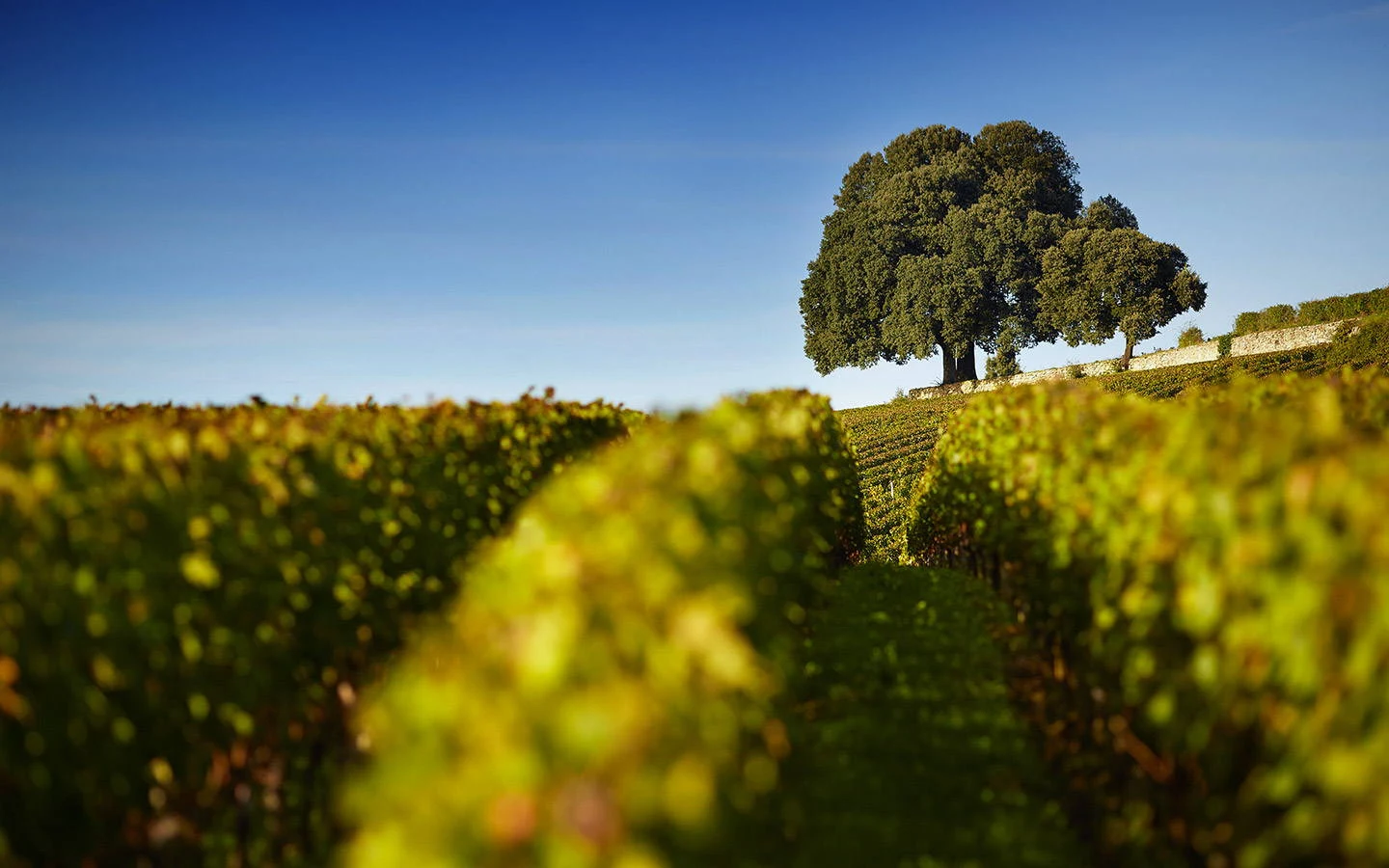
The picking at Clos Saint Julien can finish in two days. Catherine Papon-Nouvel, winemaker here in Saint-Émilion, works from a walled vineyard so small that timing becomes a discipline rather than a theory. The estate covers 1.2 hectares beside the village, on limestone with almost no topsoil, and has been in her family since 1950. Before its present name, the place was known as Jardin Saint Julien under the Goudichaud-Rochard family in the early 20th century, a local history still legible in the scale of the property and the clos itself. Papon-Nouvel also works across other family estates, including Château Petit Gravet Aîné, but this site asks for a different kind of attention. It is not a program built by volume. It is a single Saint-Émilion Grand Cru Classé red, drawn from Cabernet Franc and Merlot, with the vineyard close enough to the village that the work feels almost bench-side: pruning, sorting, picking, and tasting tied to the same few rows of limestone.
Limestone, cold soak, new oak
The vineyard is planted at 7,000 vines per hectare, with Cabernet Franc averaging 40 years of age and Merlot approaching 80 years. The house farms organically, certified by Agriculture Biologique, and the fruit is harvested by hand. After picking, the grapes take an eight-day cold soak at 4°C, a quiet extraction before fermentation begins in two small French oak tanks. Malolactic fermentation follows in new oak barrels, then the wine ages on its lees with bâtonnage in 100% new French oak from Taransaud, Berthomieu, and Cadus. The blend is given as 50% Cabernet Franc and 50% Merlot, though some accounts place Cabernet Franc higher. Either way, the method leans on the old vines and the stone below them to carry that oak. Production sits around 2,500 bottles, or 400 cases, a figure that makes each decision visible. There is little room here for correction by scale.
The Sunday letter
Find new places through the people who run them.
Our Sunday email brings you the chefs, winemakers and hoteliers behind our newest stories. See a sample before you subscribe.
See a sample of the Sunday emailOne email a week. Unsubscribe from any issue.
A clos beside the village
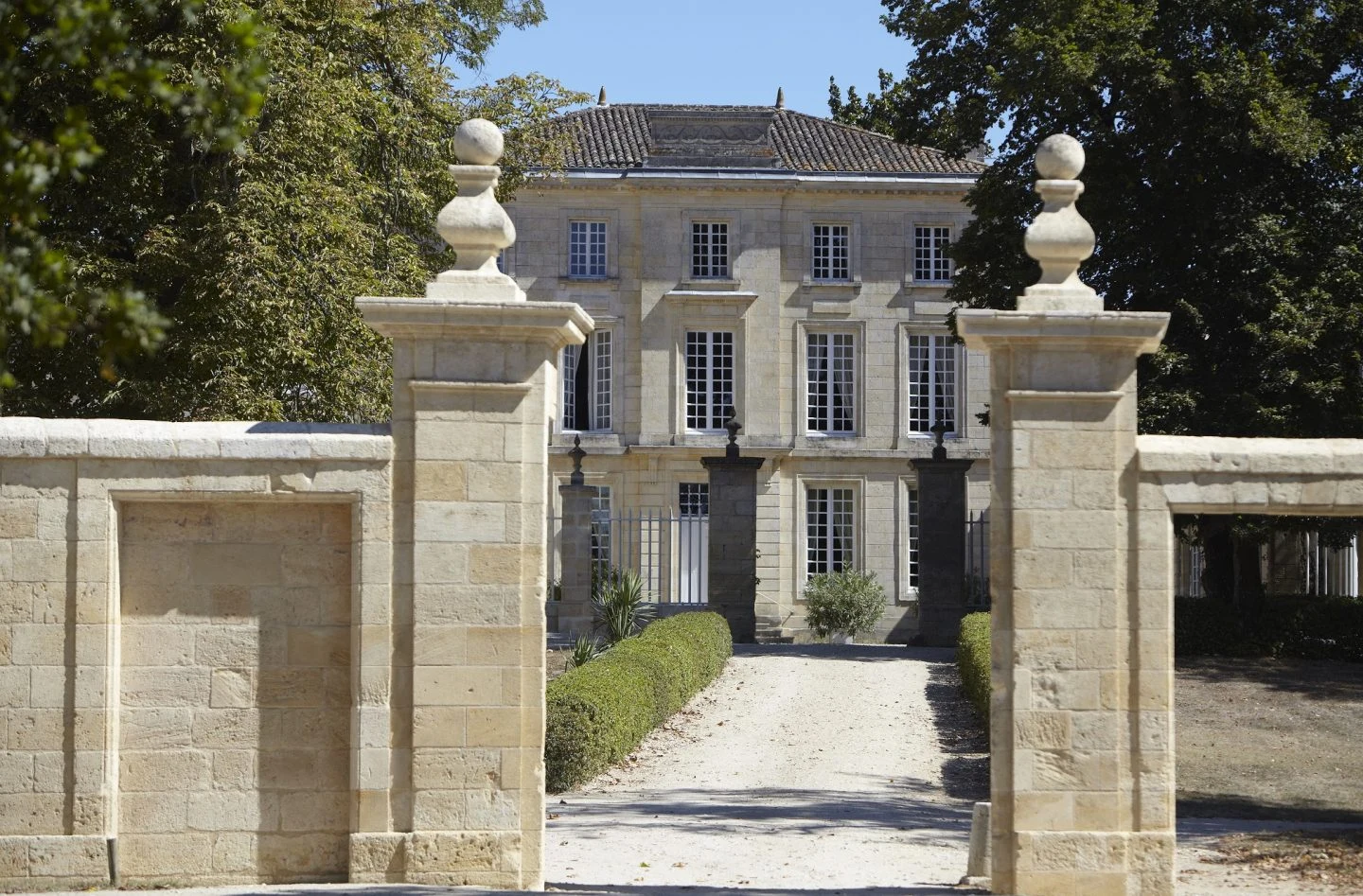
The cellar and vineyard sit just off the historic center of Saint-Émilion, behind a small stone wall, with vines gathered close around the property. The room is quiet, more instructional than performative, and tastings tend to stay near the ground: limestone, organic farming, vintage difference, the way Cabernet Franc and Merlot answer one another on this site. The estate once held a rustic cafe under the trees in the vines, which suits the mood of the place even now. Nothing about the setting asks to be enlarged. A visitor stands in a Grand Cru Classé estate and can still read the boundaries of the vineyard with the eye.
A classification on a small parcel
Clos Saint Julien received Grand Cru Classé status in the 2022 Saint-Émilion classification, recognition attached to this address rather than to a larger family name. The next movement here is the slow one already built into the wine: cellar time, vintage by vintage, until the limestone, fruit, and new oak settle into Clos Saint-Julien.
Questions
Frequently asked
Who makes Clos Saint Julien?
Catherine Papon-Nouvel makes Clos Saint Julien in Saint-Émilion.
What is Clos Saint Julien known for?
The estate makes a single Saint-Émilion Grand Cru Classé red from Cabernet Franc and Merlot, from a very small walled vineyard beside the village.
Is Clos Saint Julien farmed organically?
The vineyard is farmed organically and is certified by Agriculture Biologique.
How much wine does Clos Saint Julien produce?
Production sits at around 2,500 bottles, or 400 cases, each year.
Is a reservation recommended?
Reservation is recommended.
The field
How it compares
| Place | Notes |
|---|---|
| Clos Saint Julien | Saint-Émilion village, $$$ |
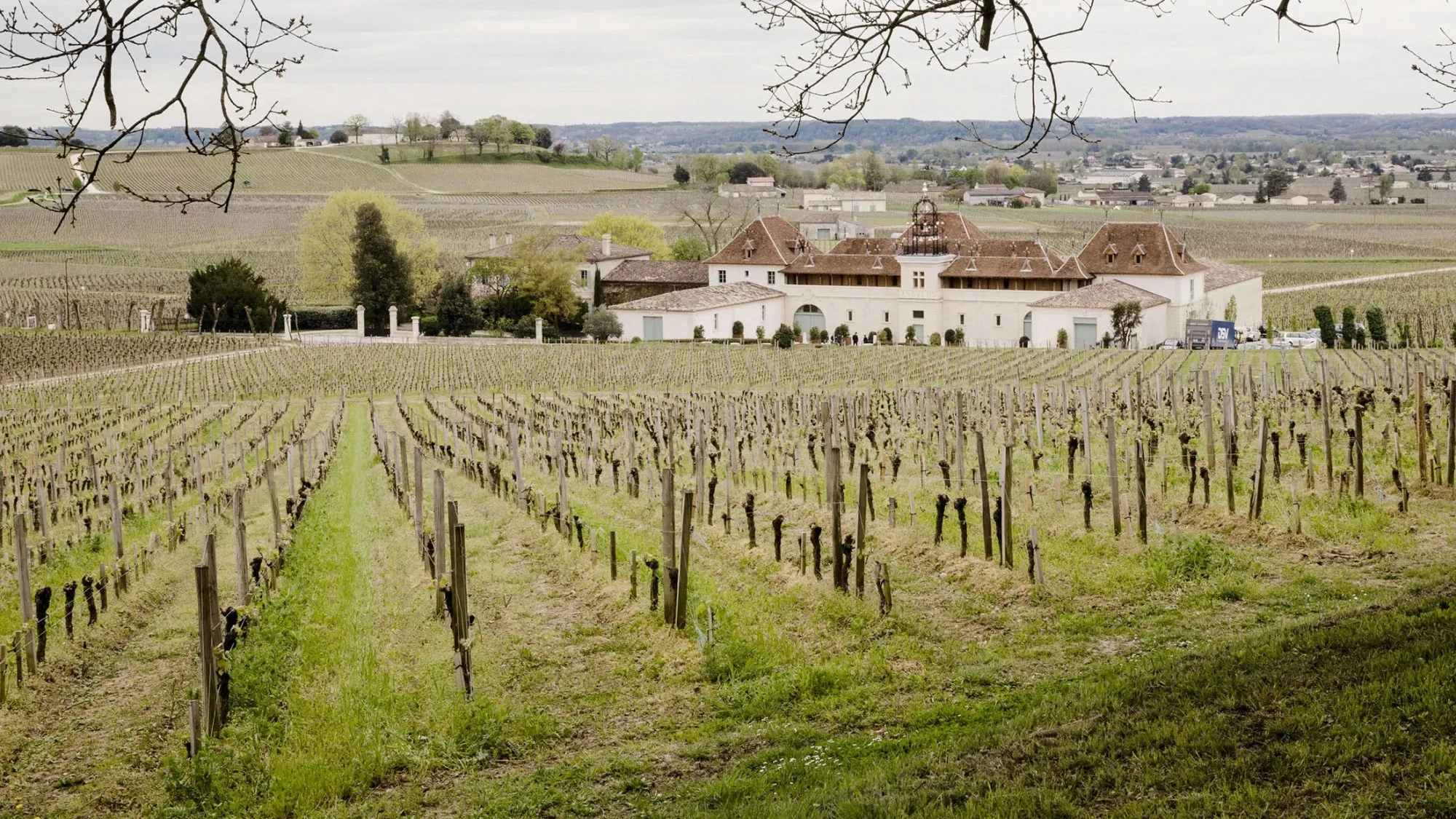
| Château Angelus | Saint-Émilion |
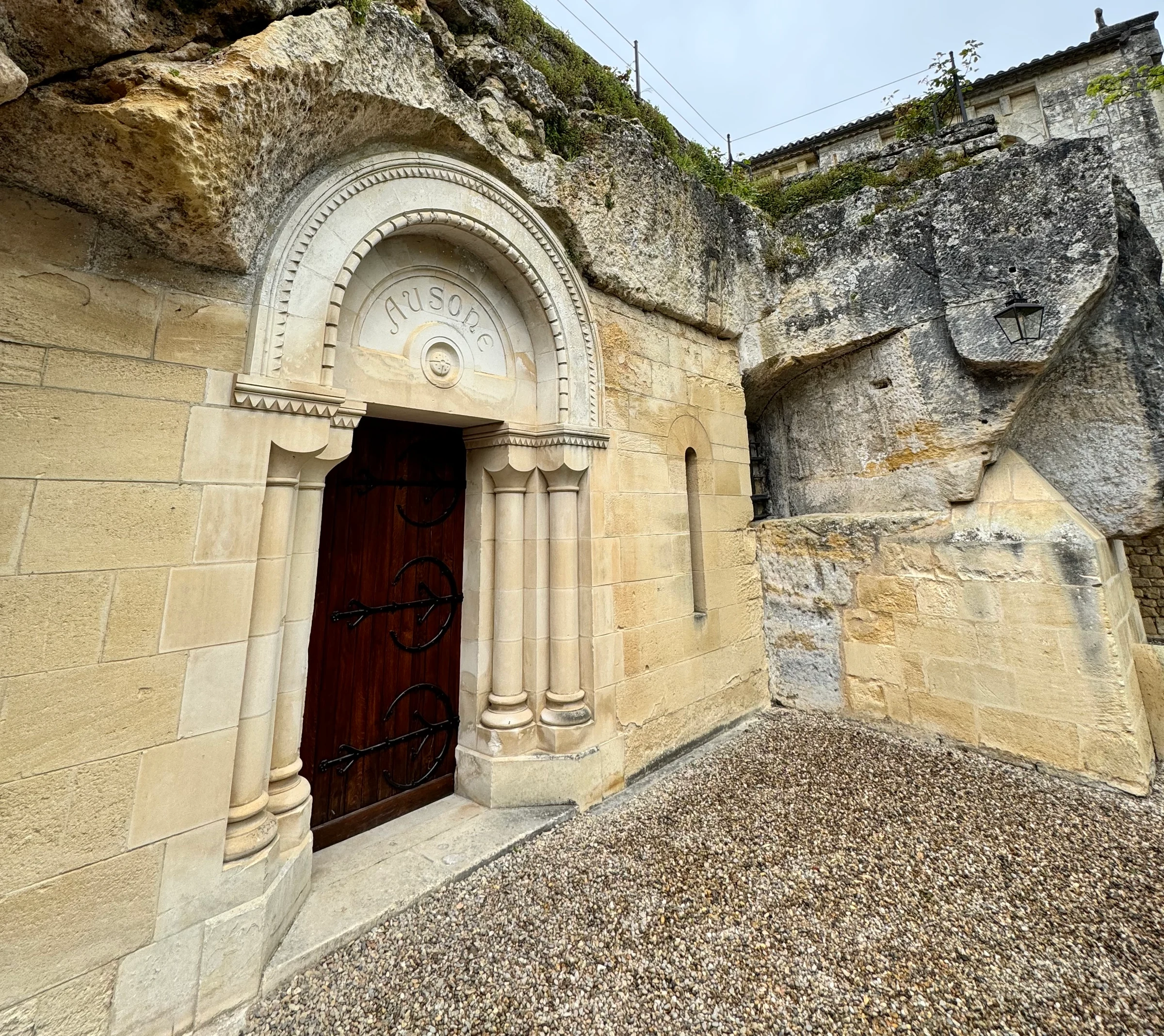
| Chateau Ausone | Saint-Émilion |
| Château Canon | Saint-Émilion |
| Château Cheval Blanc | Saint-Émilion |
| Château Figeac | Saint-Émilion |
| Château Pavie | Saint-Émilion |
Similar places
The Sunday letter
Get the next Made By story in your inbox.
We send one email every Sunday morning with the places and people we covered that week.
See a sample of the Sunday emailOne email a week. Unsubscribe from any issue.