Limestone cellars under Merlot and Cabernet Franc
- Falstaff Winery - Listed · 2026
- Michelin 1 Grape · 2026
- Pearl 3 Star Prestige · 2025
Merlot and Cabernet Franc on the plateau
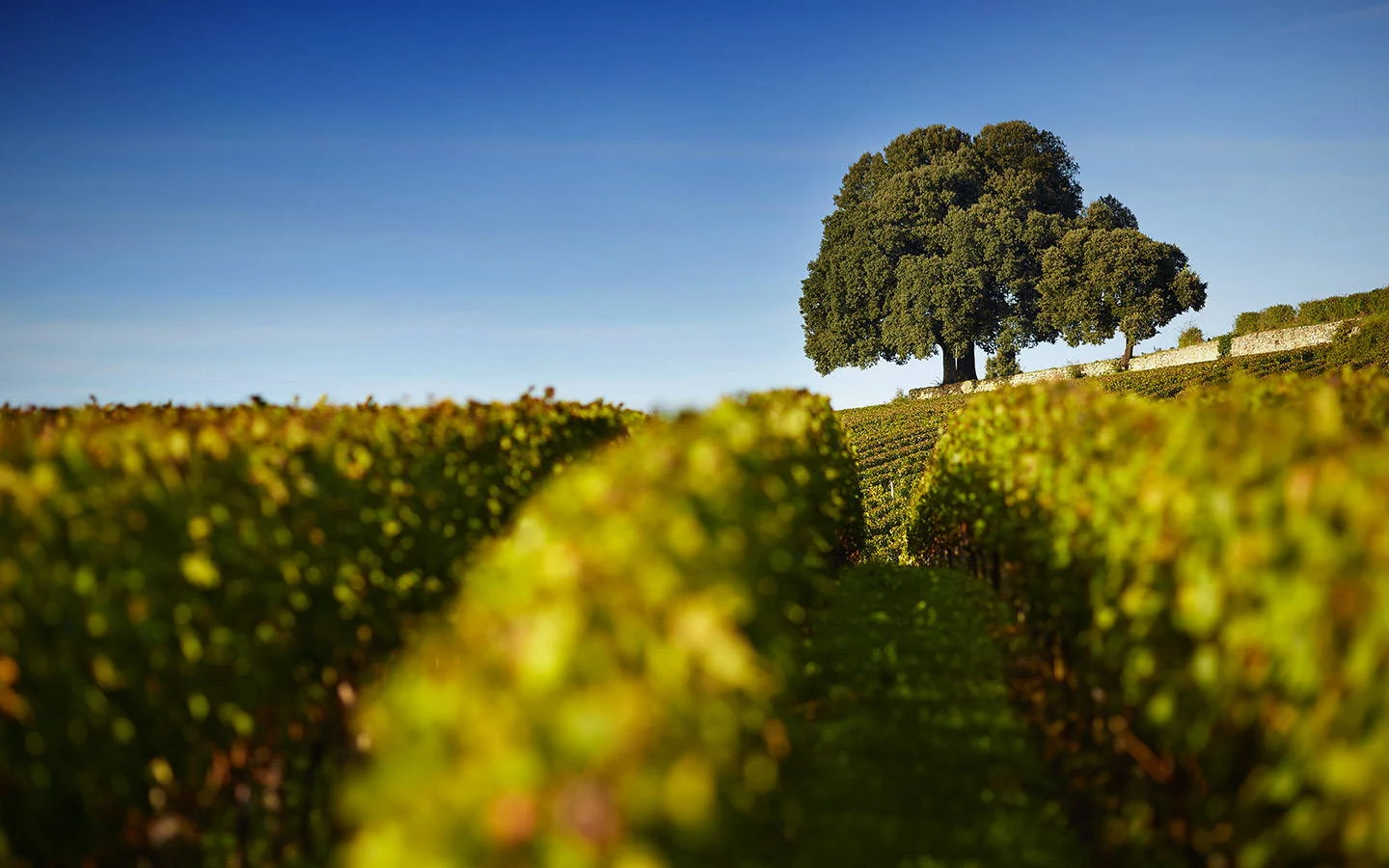
Merlot and Cabernet Franc set the frame as Edouard Moueix works as winemaker at Château Bélair-Monange in Saint-Emilion, on the highest point of Saint-Émilion’s limestone plateau. His work here belongs to the Moueix family’s right-bank discipline, where ownership, cellar judgment, and the movement of wine sit close together rather than in separate rooms. Since 2003, his path has been tied to a family enterprise already shaped by Bordeaux repetition; since 2005, he has also served as sales director and third-generation owner at Établissements Jean-Pierre Moueix in Libourne. The château does not state when he took this station, and the structure around the work is a family name, a right-bank map, and a set of wines whose standing depends on decisions made vintage by vintage.
Bélair-Monange sits among the signature wines associated with Moueix, alongside Château La Fleur-Pétrus, Château Trotanoy, and Château Hosanna. The list matters because it locates the hand. It places this Saint-Emilion Grand Cru inside a wider family practice, but the wine still has to answer to its own ground: the limestone plateau, the château above it, and the cellar below.
A cellar cut into limestone
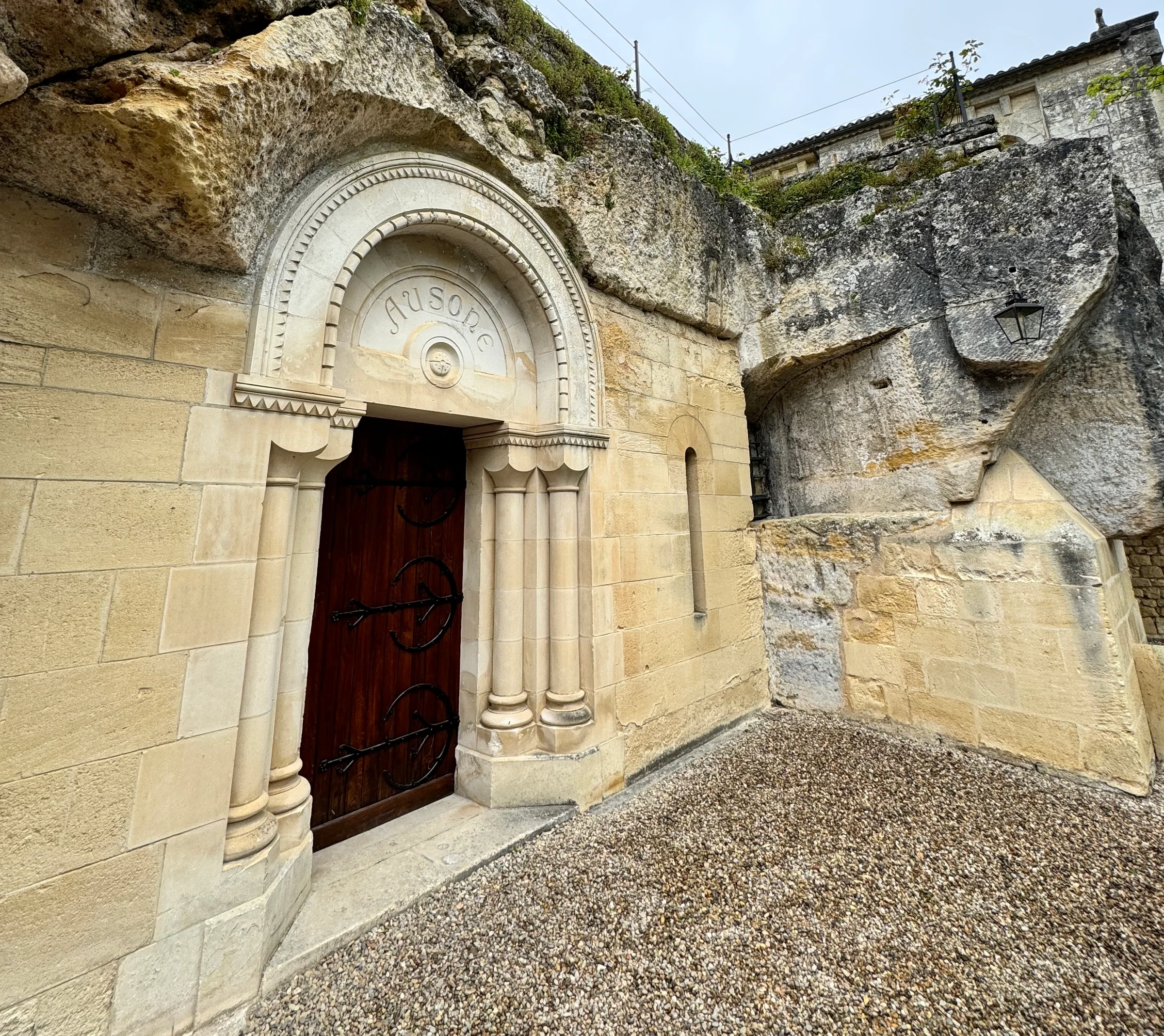
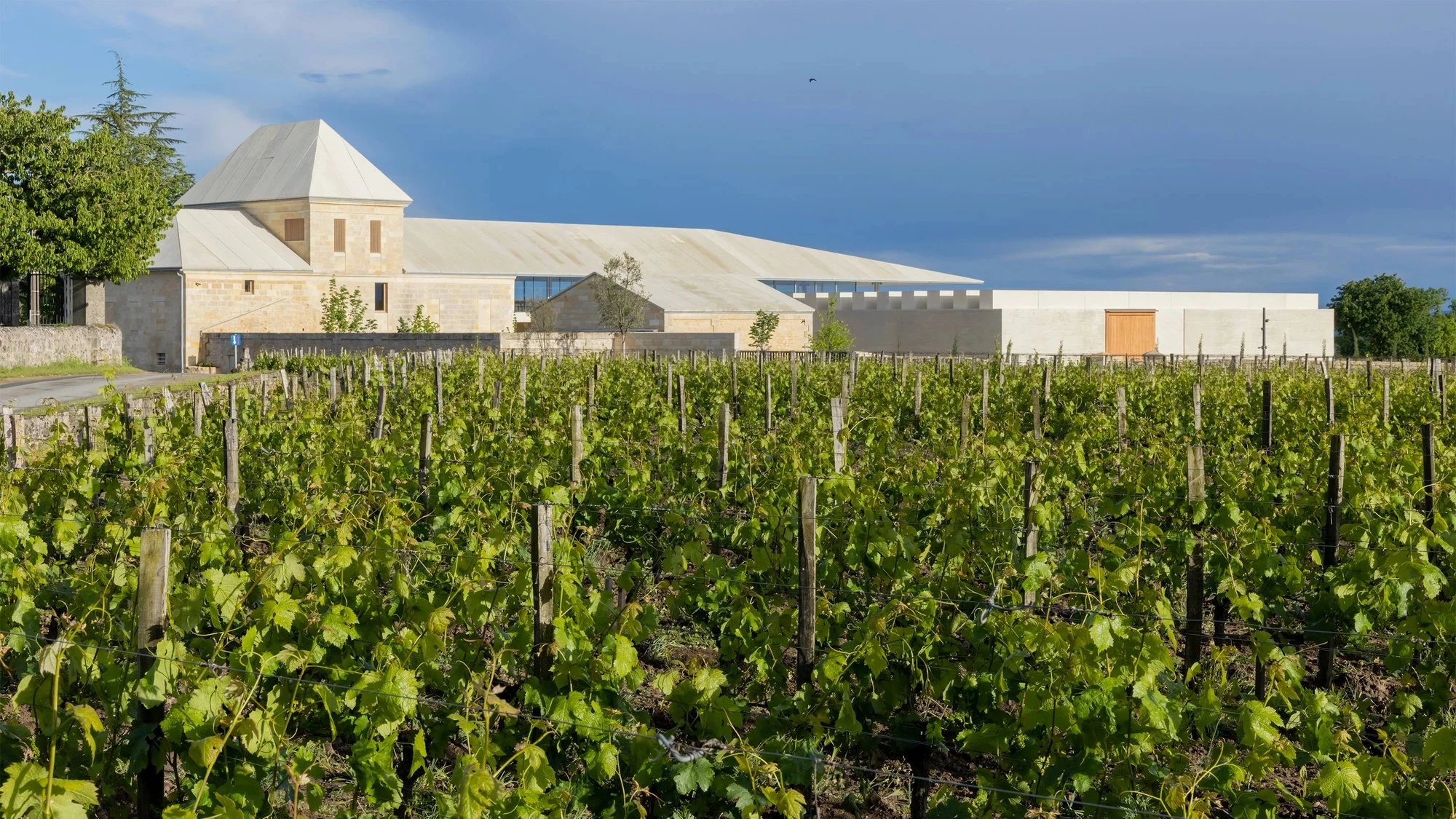
The estate’s most physical fact is underground. More than 80 km of quarries run beneath the château, serving as natural cellars in the limestone. That kind of cellar changes the tempo of work; the stone gives coolness, quiet, and continuity, while the wine remains still red, built from Merlot and Cabernet Franc rather than a broader palette. The production philosophy is sustainable and the scale is small, which keeps the attention close to the vineyard and to the cellar rather than to volume.
The château was built in 1750, and the estate has been associated with early estate bottling since 1802. Those dates do not need ornament. They set a long discipline around a place where the method depends on restraint: picking, fermenting, ageing, and releasing a wine that carries Saint-Emilion Grand Cru on the label and limestone in its structure. The Moueix work is not presented here as novelty. It is continuity under pressure, with each vintage asked to hold its line.
The quiet of the tasting room
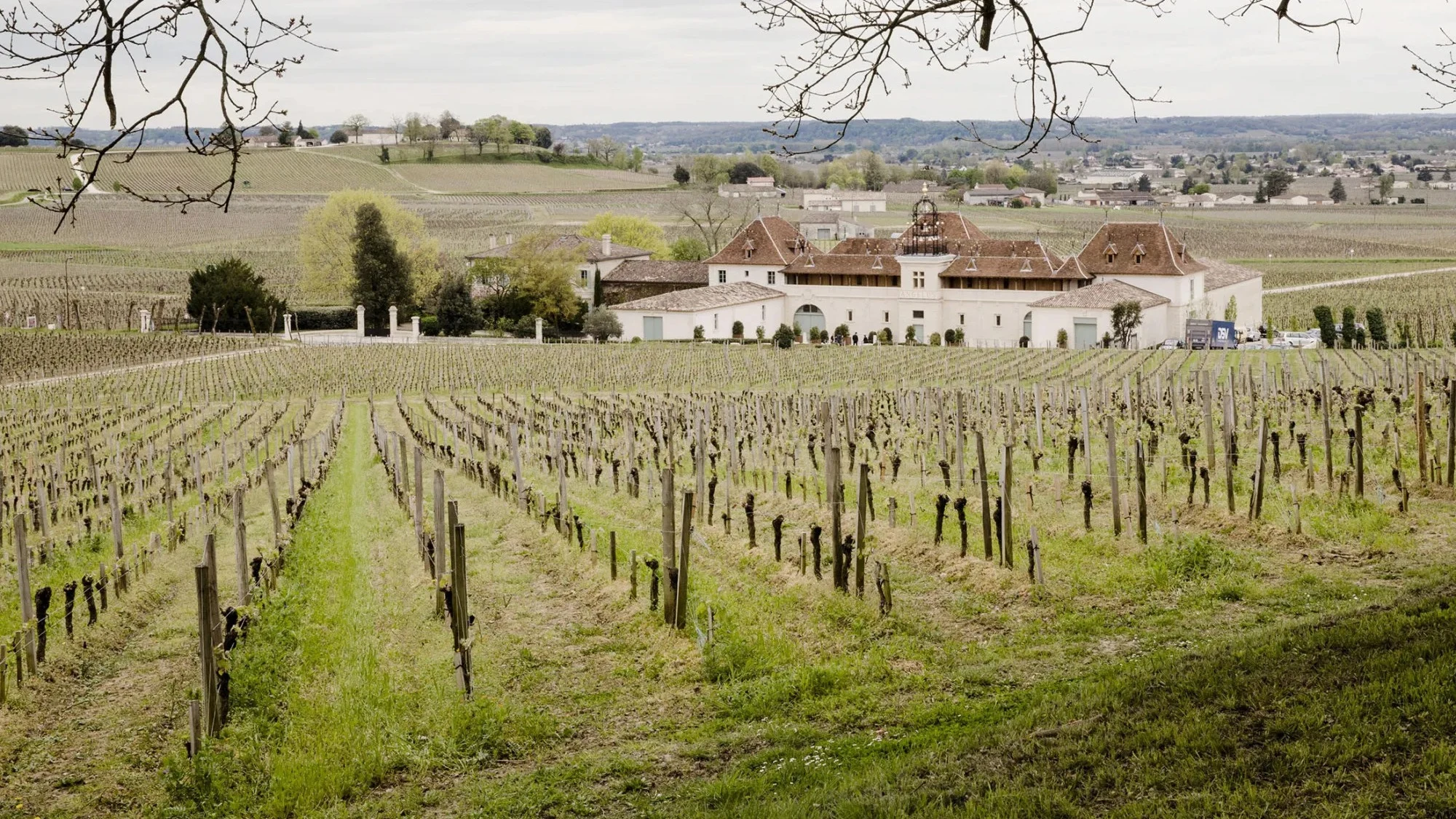
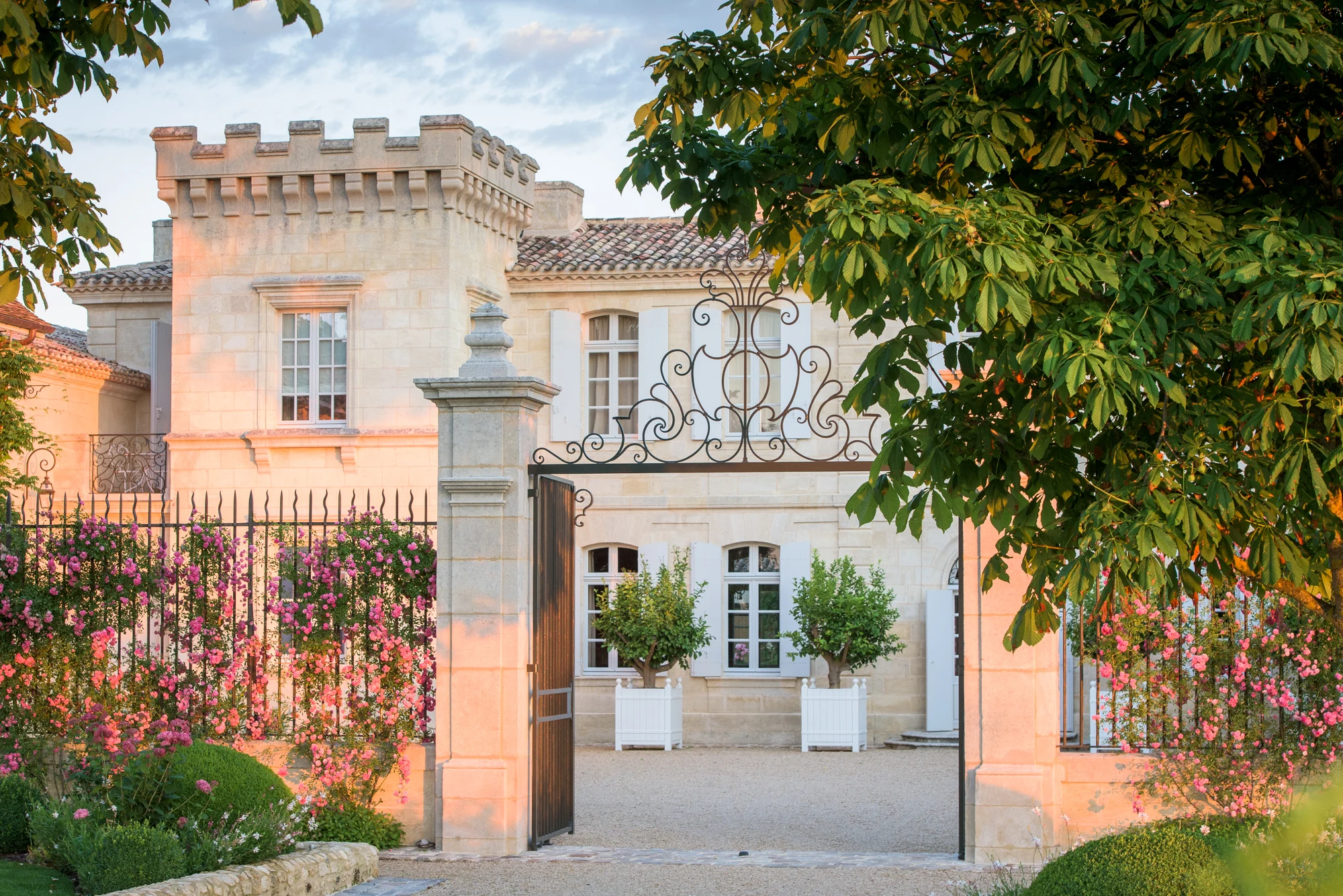
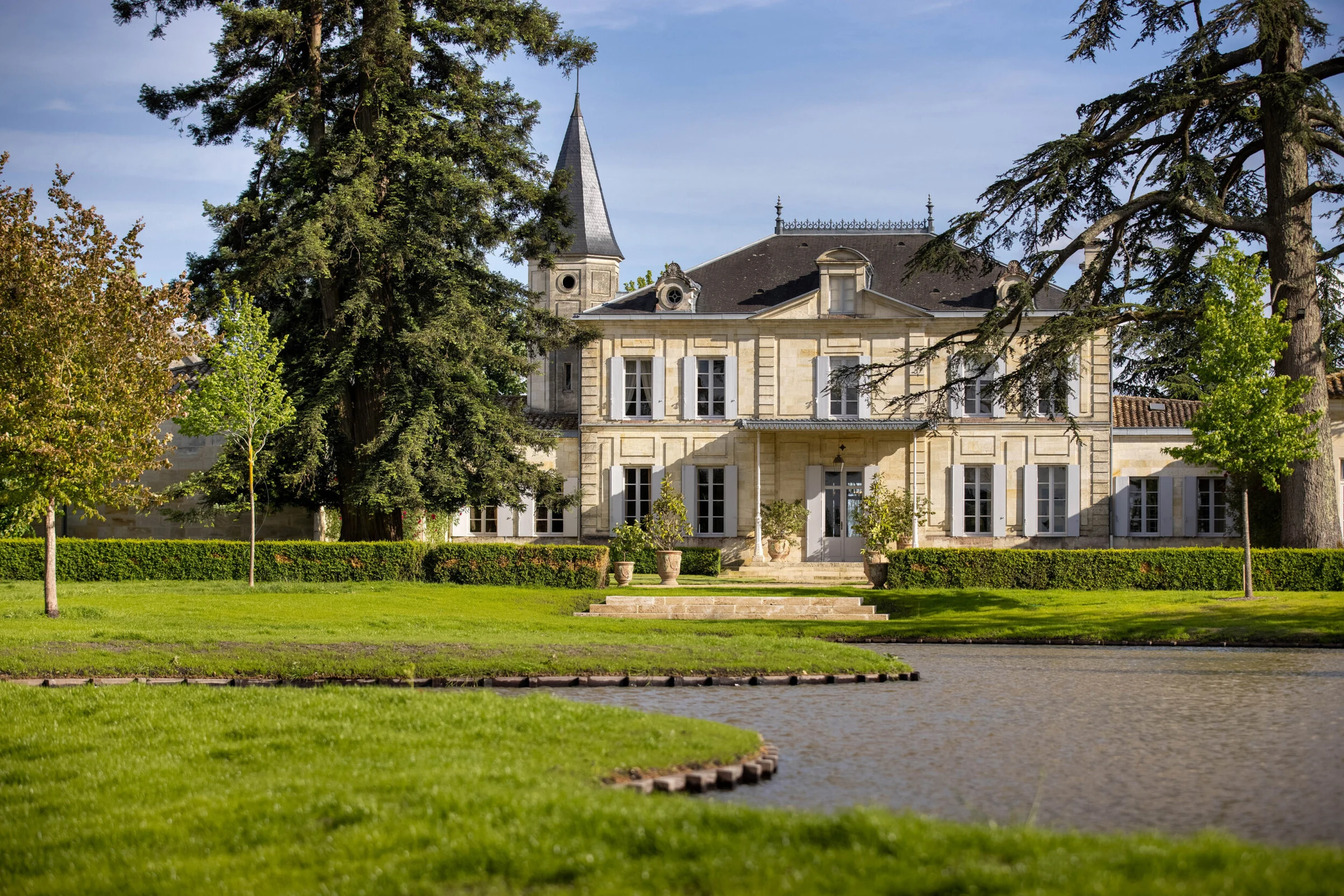
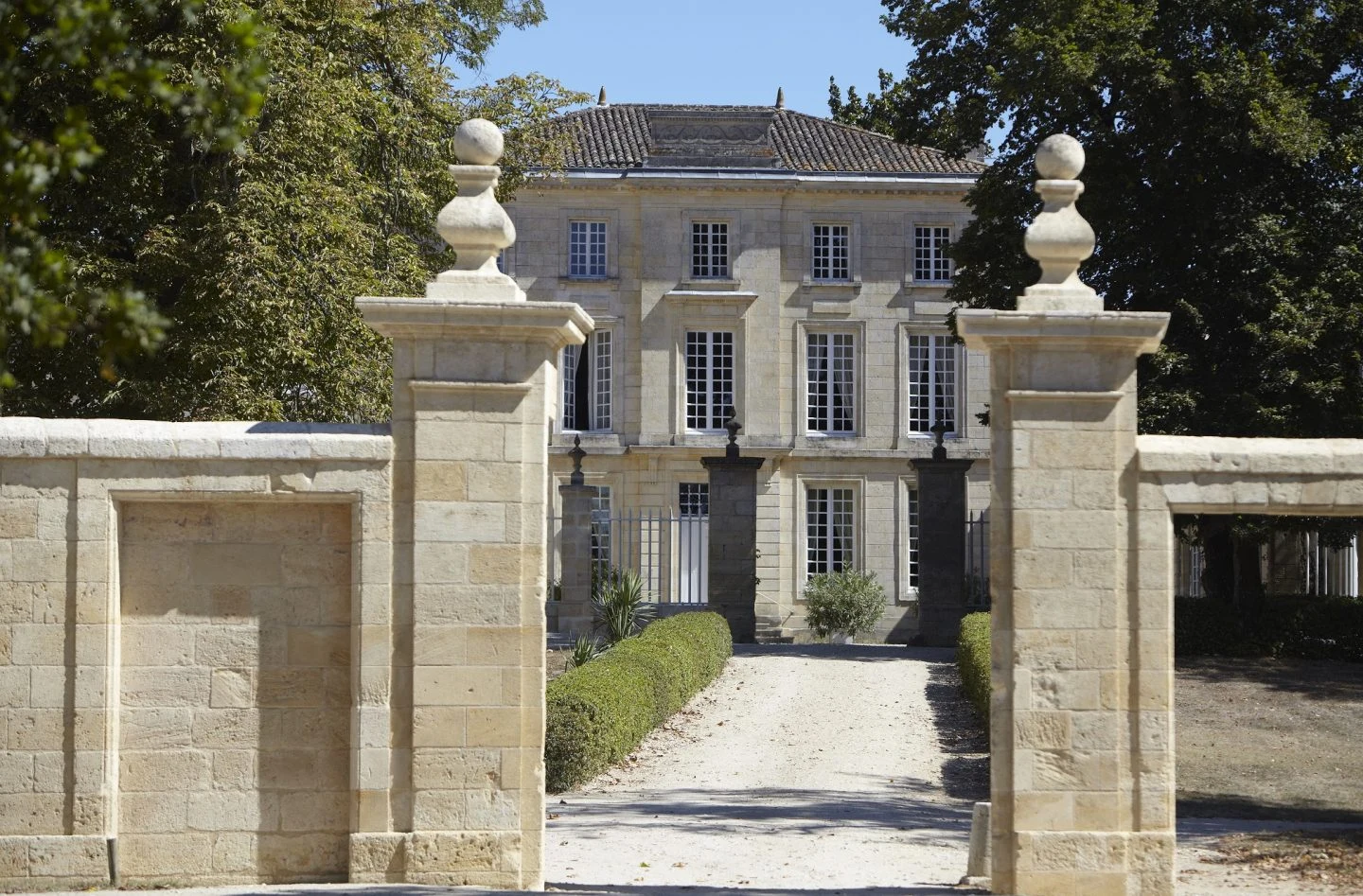
Above the quarries, the house keeps an elegant, historic atmosphere, the renovated 18th-century château looking out from the plateau while the cellar holds its own lower climate. The tasting room is intimate and quiet. Private tastings happen within that register, but the stronger impression is not hospitality language; it is the relation between room and cellar, polished surface and cut stone, daylight and the underground cool that shapes the wine before it reaches the glass.
Nothing about the place asks to be hurried. The setting is scenic because the plateau gives height, but the craft points downward, into limestone and time. In that descent, Bélair-Monange’s character is less a display than a set of repeated choices made around Merlot, Cabernet Franc, and the quarries beneath Château Bélair-Monange.
Questions
Frequently asked
Who makes the wine at Château Bélair-Monange?
Edouard Moueix works as winemaker at Château Bélair-Monange in Saint-Émilion. He is also sales director and third-generation owner at Établissements Jean-Pierre Moueix in Libourne.
What is Château Bélair-Monange known for?
The estate makes Saint-Émilion Grand Cru from Merlot and Cabernet Franc on the highest point of Saint-Émilion’s limestone plateau. It is also known for its cellar cut into limestone, with more than 80 km of quarries beneath the château.
Can visitors book a tasting without an appointment?
No. Visits are by appointment only, and the tasting room is described as intimate and quiet.
What kind of visit setting does the château have?
The renovated 18th-century château sits above the plateau, while the cellar lies underground in the limestone. Private tastings take place in a quiet, historic setting.
Is there practical information for arriving at the estate?
There is on-site parking, and the dress code is smart casual.
The field
How it compares
| Place | Notes |
|---|---|
| Château Bélair-Monange | Saint-Emilion, $$$$ |
| Château Angelus | Saint-Émilion |
| Chateau Ausone | Saint-Émilion |
| Château Canon | Saint-Émilion |
| Château Cheval Blanc | Saint-Émilion |
| Château Figeac | Saint-Émilion |
| Château Pavie | Saint-Émilion |