Clos Romanile
- 01CitySaint-Émilion, France

One hectare, barrel by barrel
- Falstaff Winery - Listed · 2026
A garden planted into wine
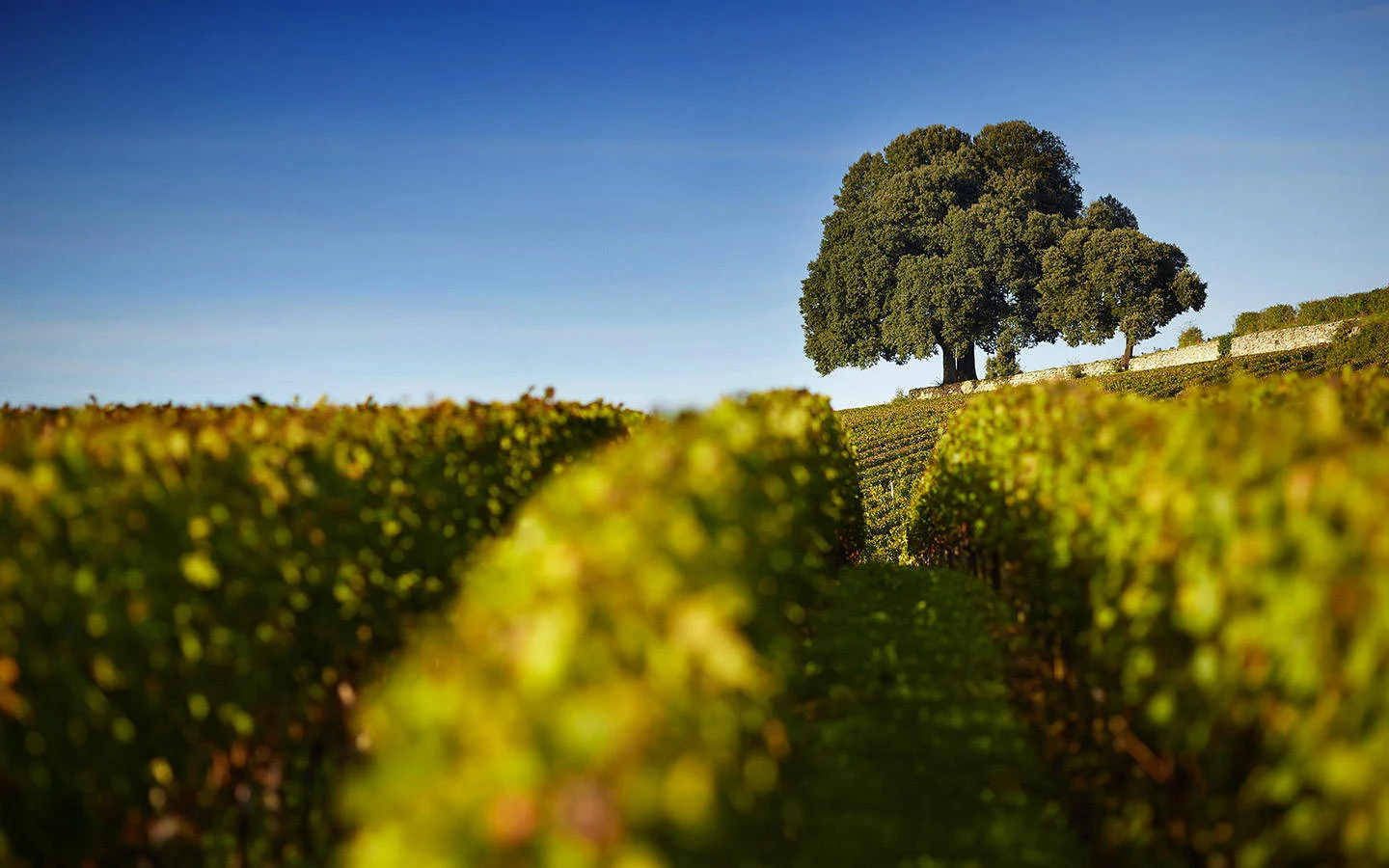
Rémi Dalmasso works the single hectare around his house as winemaker at Clos Romanile in Saint-Émilion, a garden vineyard first planted in 2008. The scale sets the discipline before the cellar door opens: roughly 1,000 to 1,500 bottles a year, drawn from clay-limestone vines in Saint-Christophe-des-Bardes, about 1 km north of Saint-Emilion village. This is not inherited château theatre. It is a personal cru, made at the size of a family plot, with the scrutiny that such a plot allows.
Rémi Dalmasso is the named hand here, the winemaker whose Clos Romanile sits within the garagiste line of Bordeaux rather than the grand estate model. The vineyard is planted to Merlot and Cabernet Sauvignon, and the house describes its farming direction as organic. Dalmasso's work elsewhere in Saint-Émilion informs the technical confidence of the project, but Clos Romanile is narrower and more private in feel: one site, one concentrated Saint-Émilion Grand Cru expression, with Galaxies 2 Romanile extending the same small-scale language.
Five hundred liters at a time
The cellar method keeps the wine close to the barrel from the beginning. Clos Romanile micro-vinifies entirely in 500-liter wooden barrels, rather than treating oak as a later seasoning after tank fermentation. Malolactic fermentation takes place in new French oak, and the wine continues in 100% new French oak for about 20 months. The proportions are equally direct: 90% Merlot and 10% Cabernet Sauvignon, a right-bank grammar held to the dimensions of a garden.
At this size, measurement becomes touch. A one-hectare vineyard can be read row by row; a tiny annual production can be followed lot by lot. The stated annual volume of 12 hectolitres leaves little room for anonymity in the process. Manual harvests bring the fruit into a cellar built for concentration, oak contact, and structure, with the aim of preserving the saturated fruit of the site while giving the wine enough frame to age. The house’s own rhythm is limitation, then attention.
The cellar beside the garden
The place feels closer to a working cellar than a visitor estate. The vines sit around the owners’ garden, not across a broad sweep of château land, and the tasting context follows that intimacy: private tasting, sometimes barrel tasting, with the focus kept on the wine rather than on hospitality architecture. In Saint-Christophe-des-Bardes, the clay-limestone ground and cooler northern position give the project its particular register, with blue fruit, floral lift, and mineral tension often associated with the site.
Clos Romanile’s room is quiet by nature because the work is small. The vineyard, the barrel, and the bottle remain near enough to one another that the sequence is legible. If there is a next movement to attend to, it is not a grand expansion, but the continued reading of this one-hectare garden through Clos Romanile and Galaxies 2 Romanile.
Questions
Frequently asked
Who makes Clos Romanile?
Rémi Dalmasso works Clos Romanile as the winemaker, shaping the one-hectare site around his house in Saint-Émilion.
What kind of place is Clos Romanile?
It is a small-production winery in Saint-Christophe-des-Bardes, about 1 km north of Saint-Émilion village, with a private, cellar-side feel rather than a large château estate.
What is the vineyard planted to?
The vineyard is planted to Merlot and Cabernet Sauvignon, on clay-limestone ground, and the house describes its farming direction as organic.
How is the wine made?
Clos Romanile micro-vinifies entirely in 500-litre wooden barrels, then goes through malolactic fermentation in new French oak and continues for about 20 months in 100% new French oak.
Is a visit by appointment?
Yes. Visits are appointment only, with private tasting and sometimes barrel tasting.
The field
How it compares
| Place | Notes |
|---|---|
| Clos Romanile | Saint-Christophe-des-Bardes / north of Saint-Emilion village, $$$ |
| Château Angelus | Saint-Émilion |
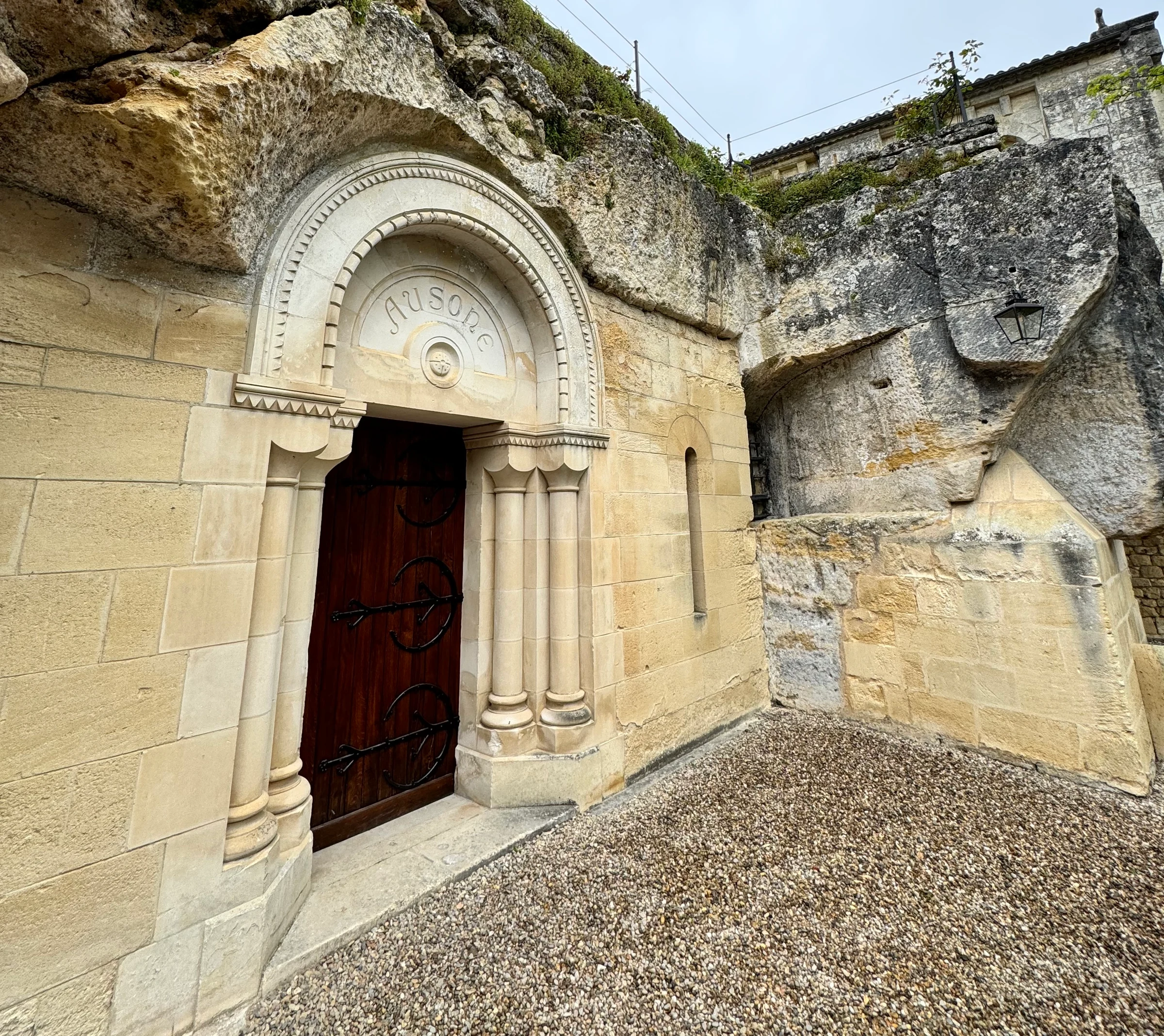
| Chateau Ausone | Saint-Émilion |
| Château Canon | Saint-Émilion |
| Château Cheval Blanc | Saint-Émilion |
| Château Figeac | Saint-Émilion |
| Château Pavie | Saint-Émilion |