- Falstaff Winery - 2 Stars · 2026
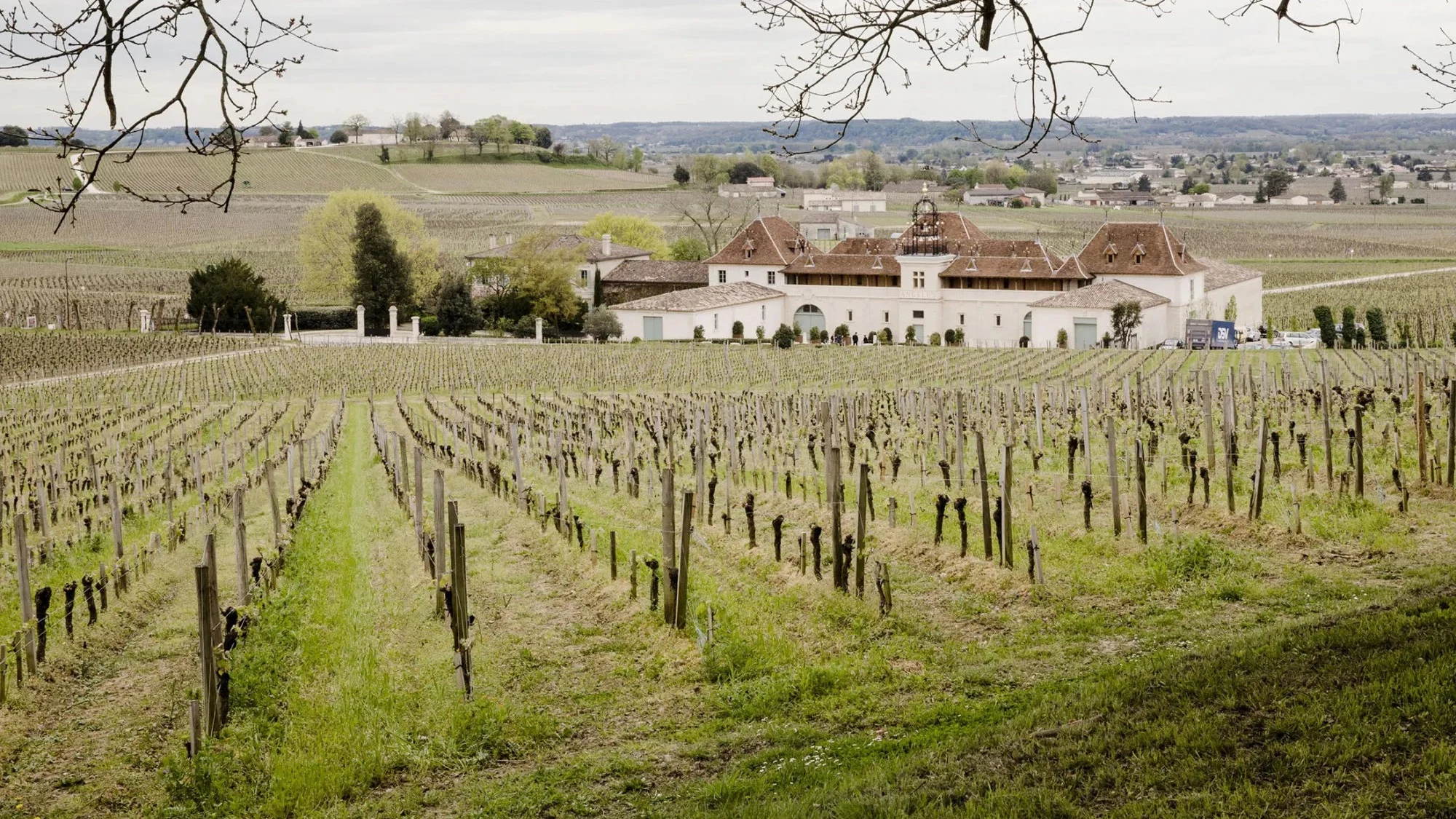
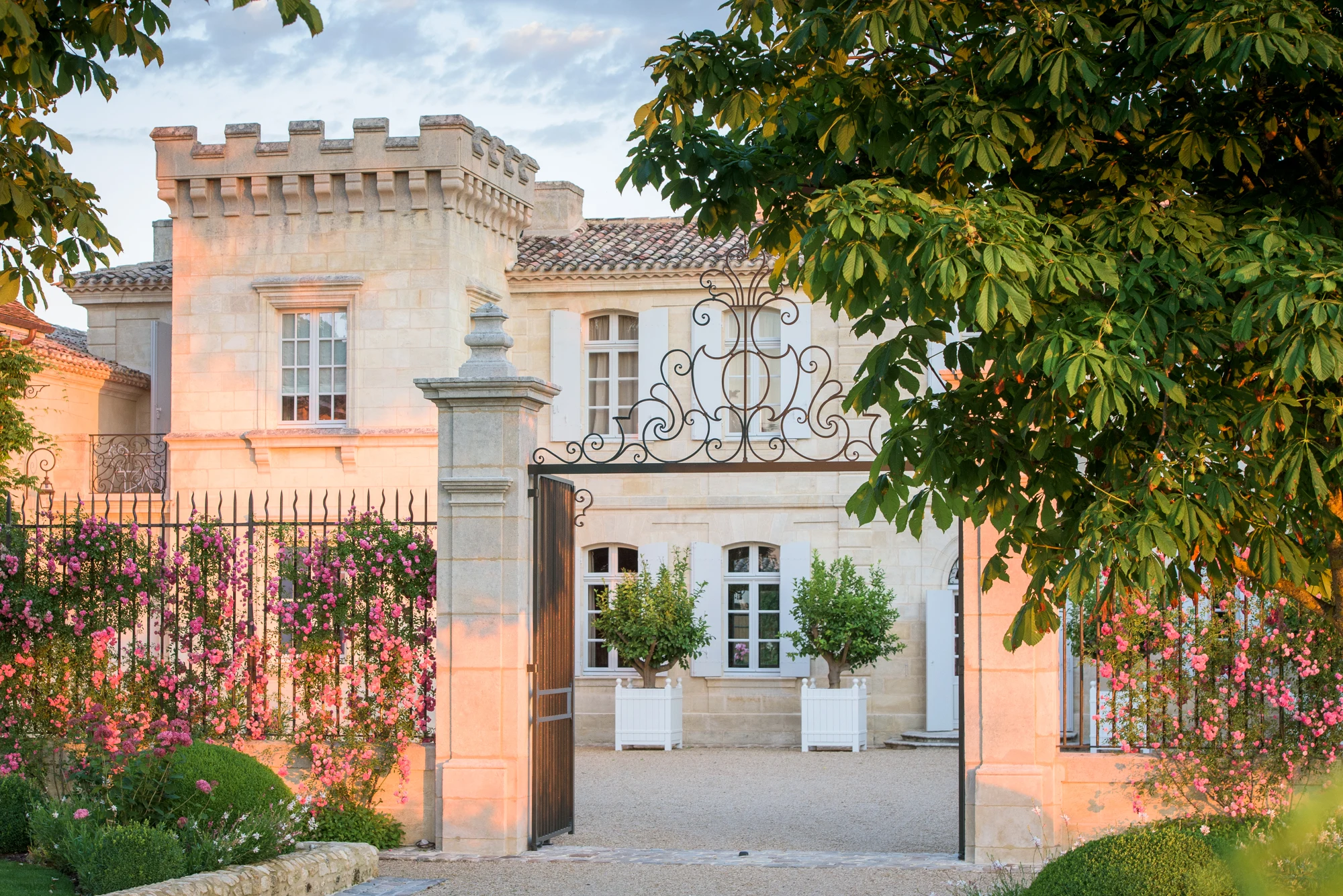
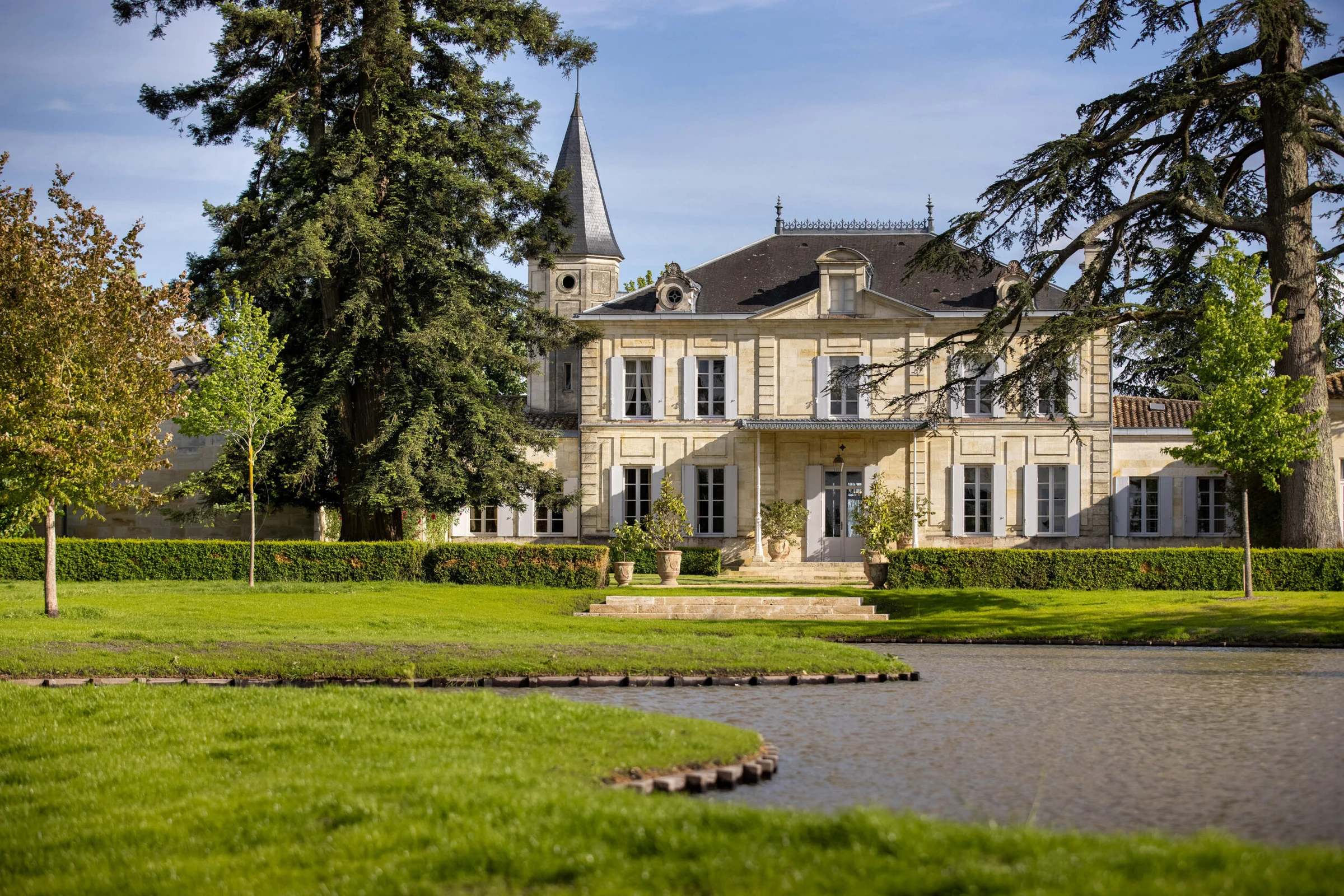
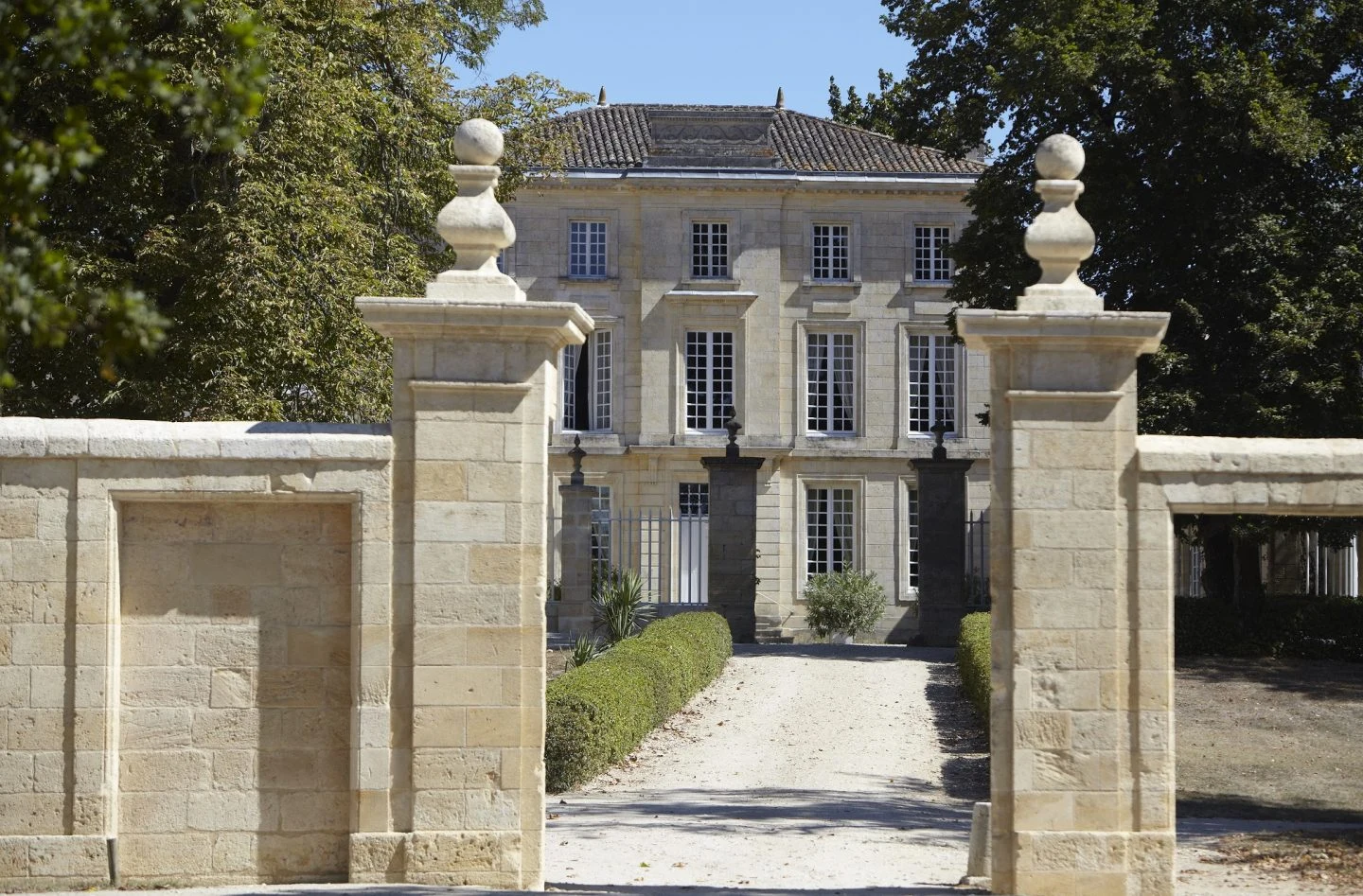
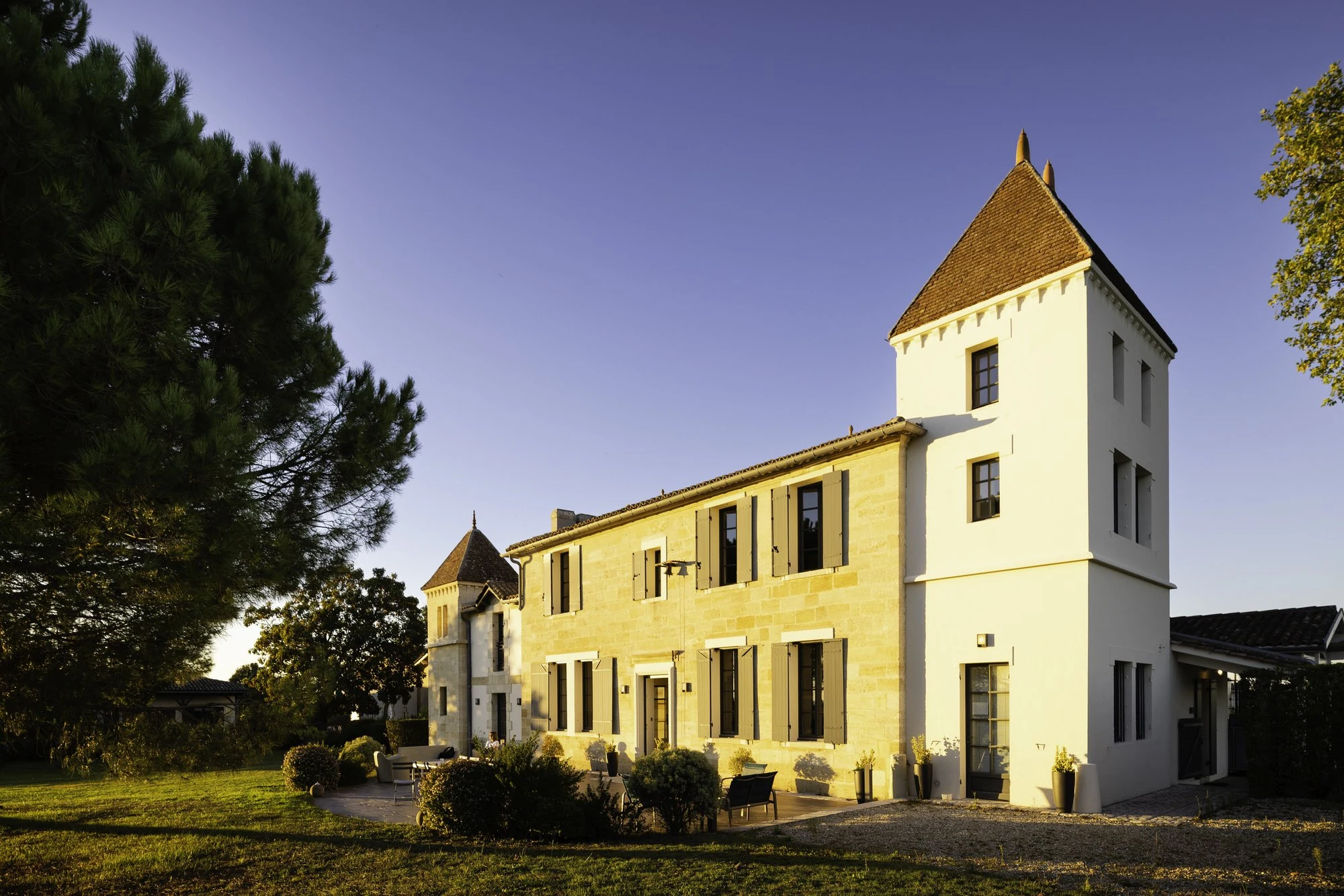
Clos des Jacobins is a historic Grand Cru Classé estate in Saint-Émilion, set on the village’s limestone hillsides. The picture is not of a restaurant or casual bar, but of a refined château-style wine destination where the setting, classification and visitor experience are central to the appeal. It belongs in the part of a Saint-Émilion trip that is about understanding place through wine: the slope, the stone, the estate identity and the particular calm that comes with a château visit.
The atmosphere is calm and elegant, with a modern, joyful approach to wine tourism. Rather than building the visit around a dining-room format, Clos des Jacobins is best understood as a Saint-Émilion estate focused on tastings, seminars and celebratory events. That distinction is useful. Visitors should not arrive expecting the rhythm of lunch or dinner service, but rather a more composed encounter with a classified property, where the experience is shaped by conversation, tasting and the sense of being within the Saint-Émilion wine landscape.
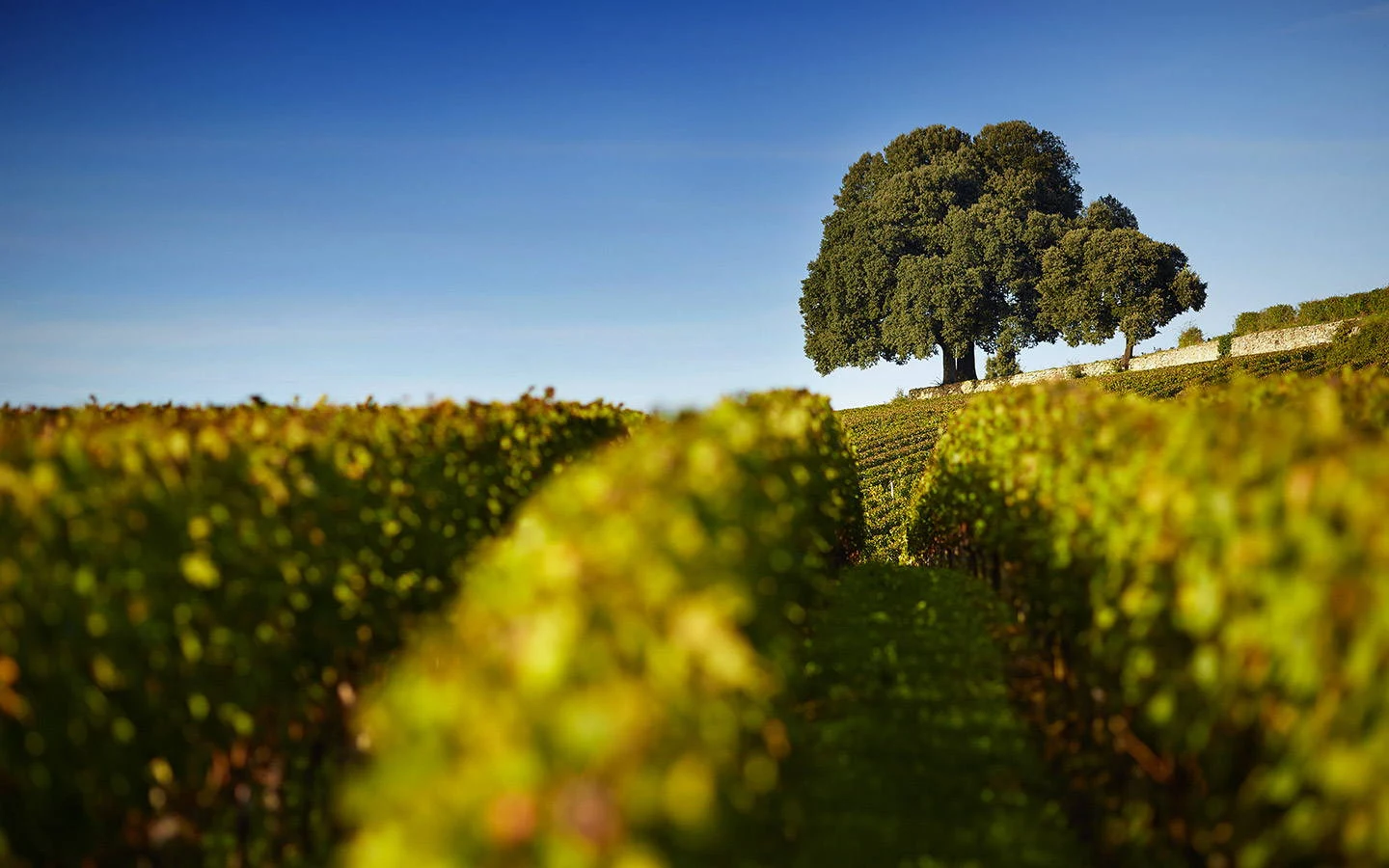
Limestone hillside Saint-Émilion, read through one compact estate
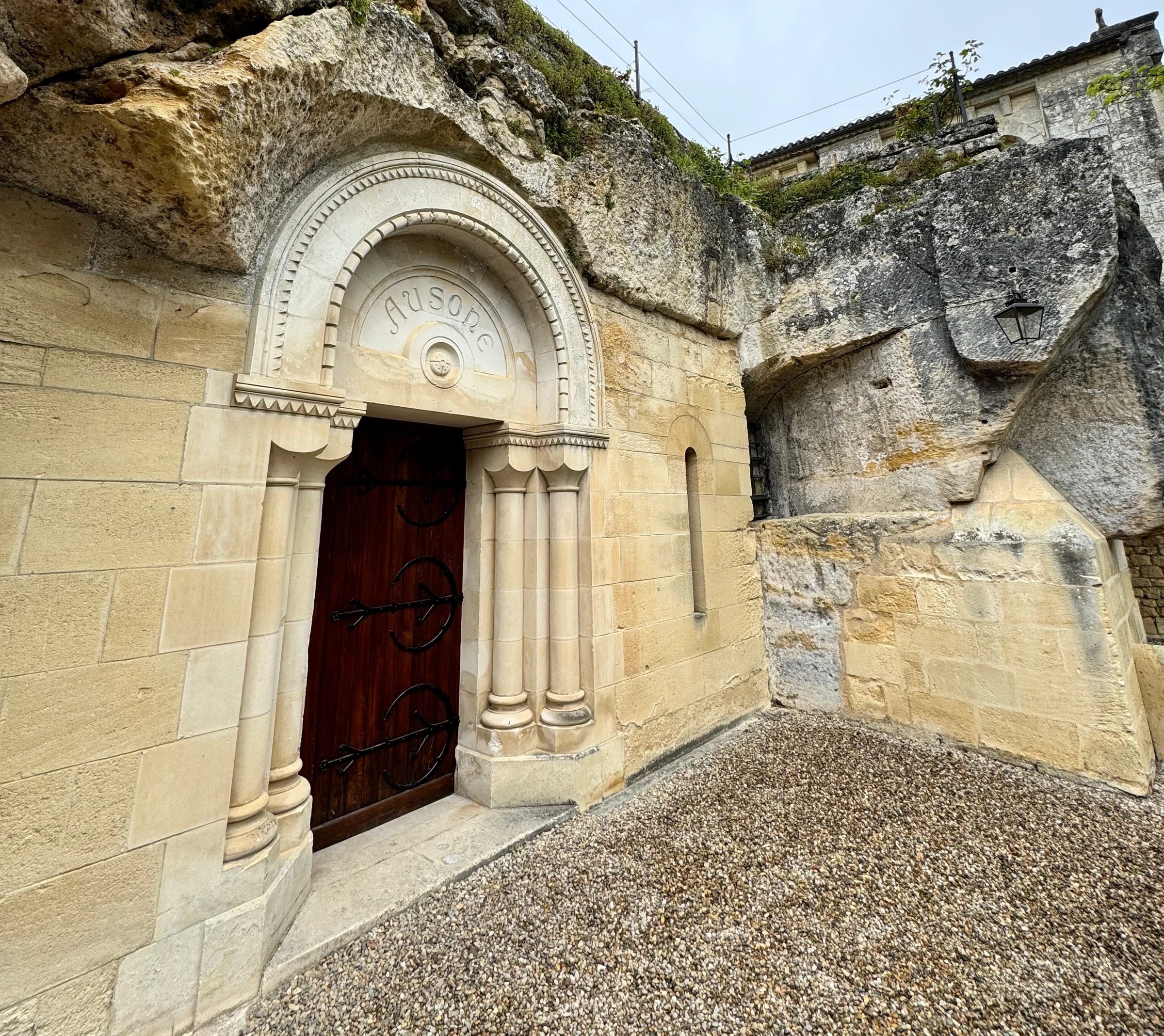
Clos des Jacobins is a Saint-Émilion Grand Cru Classé estate, which places it firmly within the region’s château and wine-tourism landscape. Its appeal rests on historic estate character, Saint-Émilion hillside context and a refined hospitality style. The limestone-hillside setting is part of how visitors read the estate: not as an isolated stop, but as one expression of the village’s broader relationship between architecture, vineyards and classified wine culture.
For visitors, the important point is the format: this is a wine-focused stop rather than a meal replacement. The experience is framed around tasting, learning and gathering in a château environment, with a calm and refined tone. That makes Clos des Jacobins a natural fit for travellers who want their Saint-Émilion time to include more than a walk through the village, but who still want the day to feel measured rather than crowded. The visit is best thought of as a pause in which the estate itself provides the structure.
Treat Clos des Jacobins as a Grand Cru Classé estate to consider for a composed Saint-Émilion wine visit. Its strength, in this guide’s terms, is not a restaurant menu or nightlife energy, but the clarity of its identity: a historic classified château on the limestone hillsides, suited to tasting-led hospitality and a slower understanding of place.
The estate's power register
Clos des Jacobins is best approached through its identity as a historic Grand Cru Classé estate in Saint-Émilion. Specific critic scores, vintage drinking windows, case prices and production details are not included here because they are not part of the public record. That absence should not be read as a lack of seriousness; rather, it keeps the focus on what can be stated with confidence for visitors using this page as a planning note.
That restraint matters for planning. If you are comparing Saint-Émilion stops, the grounded facts are the château setting, the Grand Cru Classé status, the limestone-hillside location and the estate’s focus on tastings, seminars and celebratory occasions. Those details are enough to establish the character of the stop. It is a polished wine-tourism address, not a general-purpose venue, and the likely value of the visit lies in the setting and the guided encounter with the estate rather than in ancillary services.
For a broader Saint-Émilion itinerary, place Clos des Jacobins in the wine-tourism portion of the day and plan meals, lodging and cultural visits separately through other Saint-Émilion options. This helps keep expectations clean. A visit here can sit comfortably alongside a village walk or other estate appointments, provided it is treated as a dedicated château experience rather than a catch-all solution for the day’s logistics.
Hospitality for tastings, seminars and slower château travel
The visitor experience at Clos des Jacobins is calm, refined and wine-led. Tastings and seminars are part of the offer, and the estate is also positioned for celebratory events in a historic château setting. Those uses point to a hospitality model built around attention and occasion: a place for learning, marking a moment, or spending time with Saint-Émilion wine in a setting that feels formal enough to be special without being framed here as a restaurant.
Pricing is listed as $$$. Beyond that, this guide does not verify detailed booking rules, languages, accessibility features, payment methods, food pairing, take-out, delivery or meal service. Visitors should confirm practical arrangements directly before planning a visit. That is especially important because a tasting or seminar depends on timing, availability and the estate’s current arrangements, none of which should be assumed from the general description alone.
Within Saint-Émilion, Clos des Jacobins stands as a refined Grand Cru Classé estate option for travellers who want a focused wine-tourism experience rather than a restaurant-style outing. Come to it for the château setting, the limestone-hillside context and the composed pace of a tasting-led visit. Keep meals and other practical needs separate, and the estate’s role in the itinerary becomes clearer: a polished, place-specific encounter with Saint-Émilion wine culture.
Questions
Frequently asked
Who works at Clos des Jacobins?
Made By profiles Thibaut Decoster (Winemaker) at Clos des Jacobins.
How expensive is Clos des Jacobins?
Clos des Jacobins is listed at a price level of $$$.
The field
How it compares
| Place | Notes |
|---|---|
| Clos des Jacobins | Saint-Émilion, $$$ |
| Château Angelus | Saint-Émilion |
| Chateau Ausone | Saint-Émilion |
| Château Canon | Saint-Émilion |
| Château Cheval Blanc | Saint-Émilion |
| Château Figeac | Saint-Émilion |
| Château Pavie | Saint-Émilion |