Made ByWinery
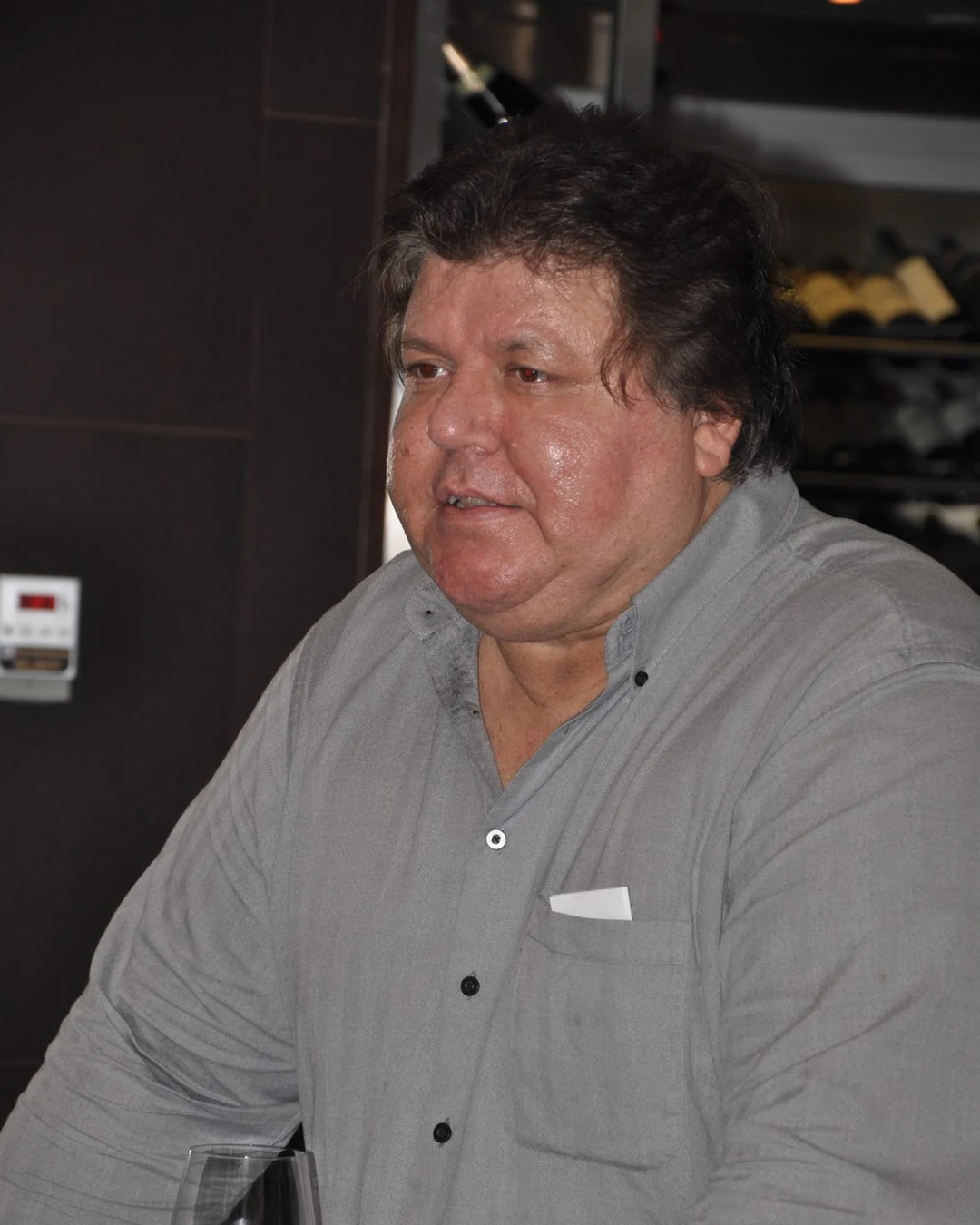

Jonathan Maltus makes Château Le Dôme in Saint-Émilion, a Cabernet Franc-led Grand Cru estate shaped by selection and control.
At a glance
- Price
- $$$
- Per person
- $40
- Neighborhood
- Saint-Émilion
Since 1996, the test has stayed practical
The Cabernet Franc is the first decision. Jonathan Maltus, winemaker at Château Le Dôme in Saint-Émilion, has held that line since 1996, working a small Grand Cru estate where the bottle begins with a narrow set of parcels rather than a broad house style. His tenure sits inside a longer Saint-Émilion run: owner and proprietor at Château Teyssier since 1994, then owner, proprietor, and winemaker at Le Dôme two years later. The method has always read as control at close range, with the vineyard and the final blend kept under the same judgment. Maltus has put his own rule plainly: “Anything that can make the wine better, I embrace.” At Le Dôme, that does not mean novelty for its own sake. It means accepting a tool only when it earns its place in the wine, then returning to the same test vintage after vintage.
A Right Bank wine led by Cabernet Franc
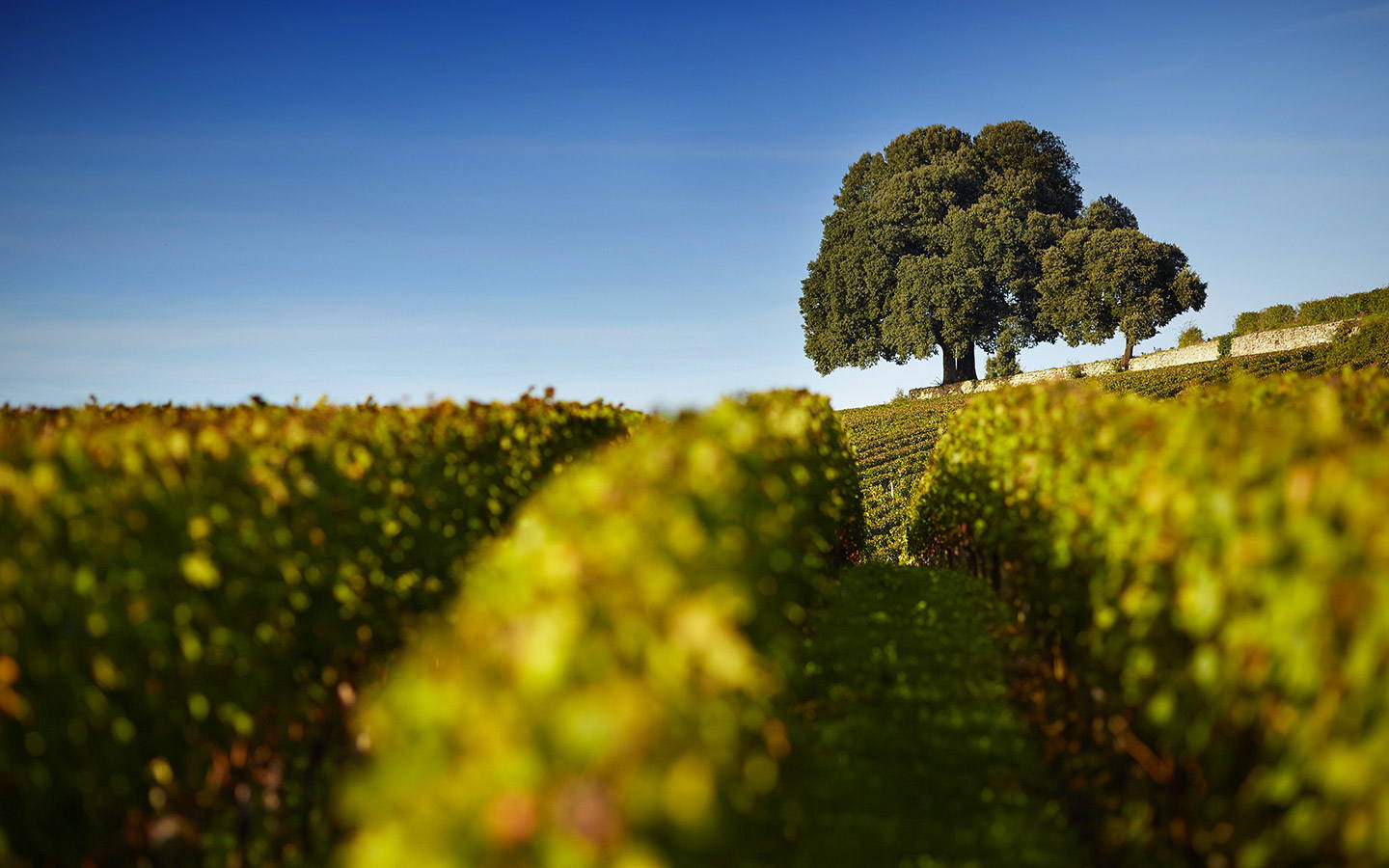
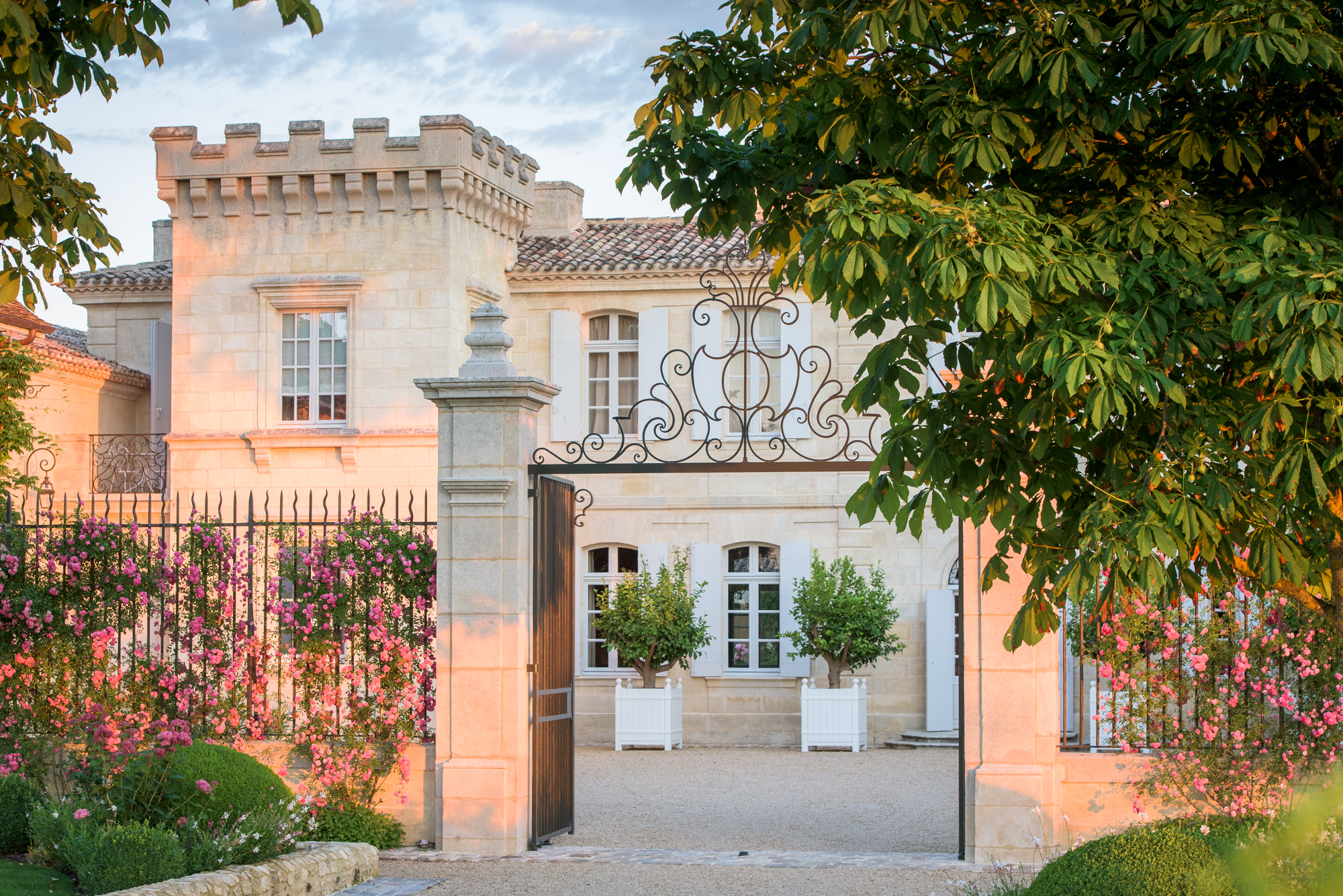
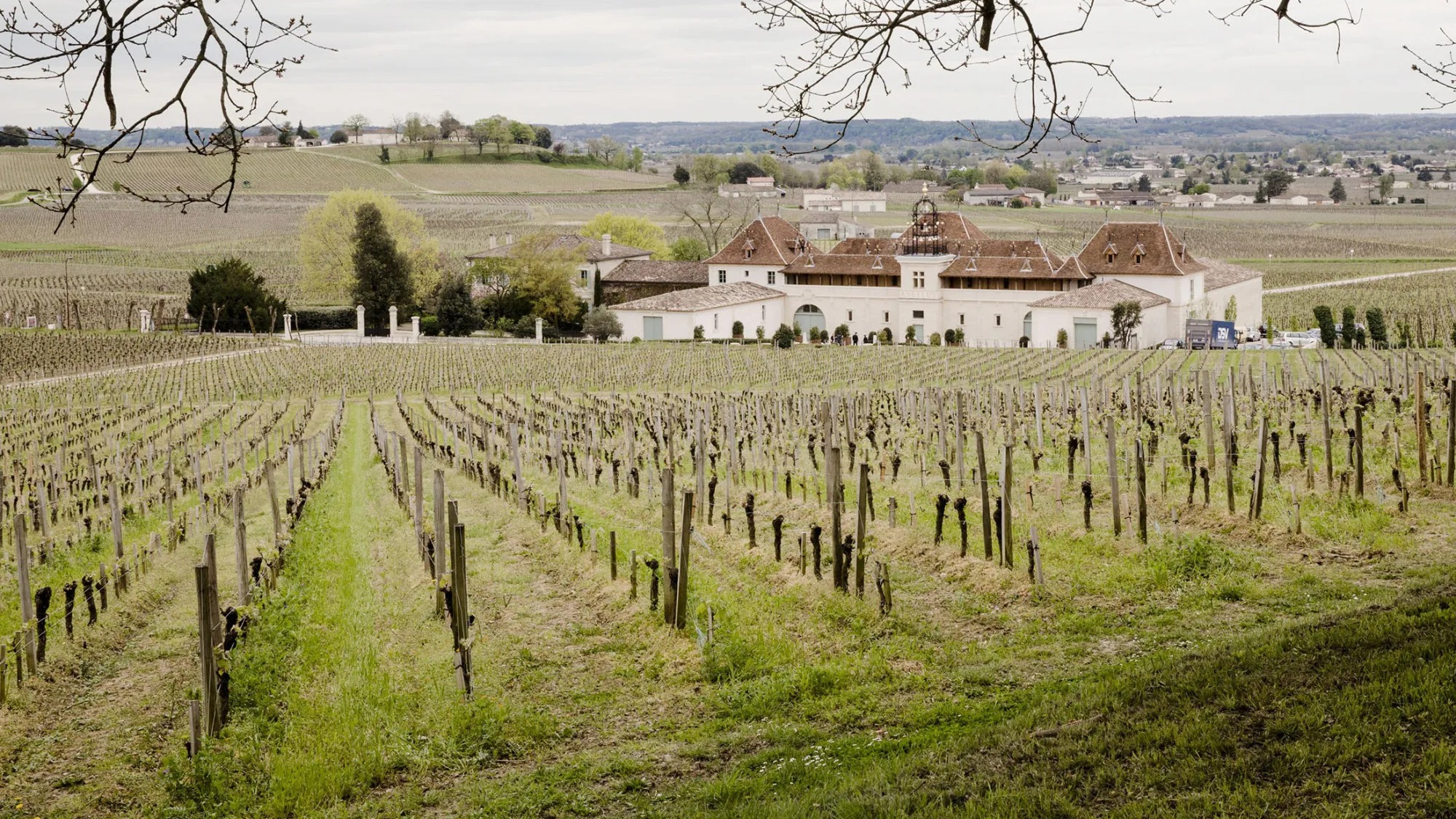
Le Dôme works against the usual Saint-Émilion expectation by giving Cabernet Franc the lead, with Merlot in support. The commonly cited blend is 80% Cabernet Franc and 20% Merlot, a structure that puts perfume, line, and lift at the center of the wine rather than using Cabernet Franc as a seasoning. The vineyard sits on sandy soil over iron-rich crasse de fer, and the estate keeps the scale small, focused on limited-production Grand Cru wines from a single-vineyard identity. In the growing season, Maltus restricts yield through two green harvests, cutting back the crop before it reaches the fermenter. Aging then takes place with 80% new oak, a choice associated with the garagiste discipline that shaped Le Dôme in the late 1990s. The house works within Saint-Émilion Grand Cru AOC, but its center of gravity is more specific than the appellation name: Cabernet Franc, old vine concentration, and selection severe enough to make scarcity a consequence of the method.
The cellar looks out in every direction
The new winery, opened in 2021, changes the physical experience of the estate without loosening the discipline behind it. The building is circular, light-filled, and set among its own vines, with elevated tasting spaces that look across the surrounding slopes. The 360° view matters because it keeps the vineyard in sight while the wine is being understood. In the cellar and tasting room, the mood is quiet rather than theatrical; the architecture draws the eye outward, back to the rows that give Le Dôme its reason for being. Private tastings here often carry an architectural thread, but the room does not ask the wine to compete with the building. The counterpoint is useful: contemporary glass and terracotta around a wine built from restriction, repetition, and the same Cabernet Franc decision.
A small estate with a visible hand
Le Dôme has the Gold “Best of Wine Tourism 2025” in Architecture and Landscape, attached to the winery rather than the winemaking bench. Maltus continues in a role at the property, where ownership and winemaking meet in one set of hands. The building gives Saint-Émilion a new silhouette, and in front of him is Cabernet Franc from Château Le Dôme.
Know before you go
- Reservations
- appointment_only
- Payment
- credit_card, debit_card
- Outdoor seating
- Yes
- Groups
- Welcomed
Address
Saint-Emilion, Nouvelle-Aquitaine, Frankreich
Saint-Émilion