Château Paveil de Luze
- 01CitySoussans Margaux, France

Château Paveil de Luze gives Margaux a compact, terroir-led reading: deep gravel soils, Cabernet-led blends, and a family line running since Baron Alfred de Luze acquired the estate in 1862. The appeal is less grand château theatre than scale, continuity, and a visitor format built around vineyard, cellar, family museum, and a three-wine tasting with chocolates.
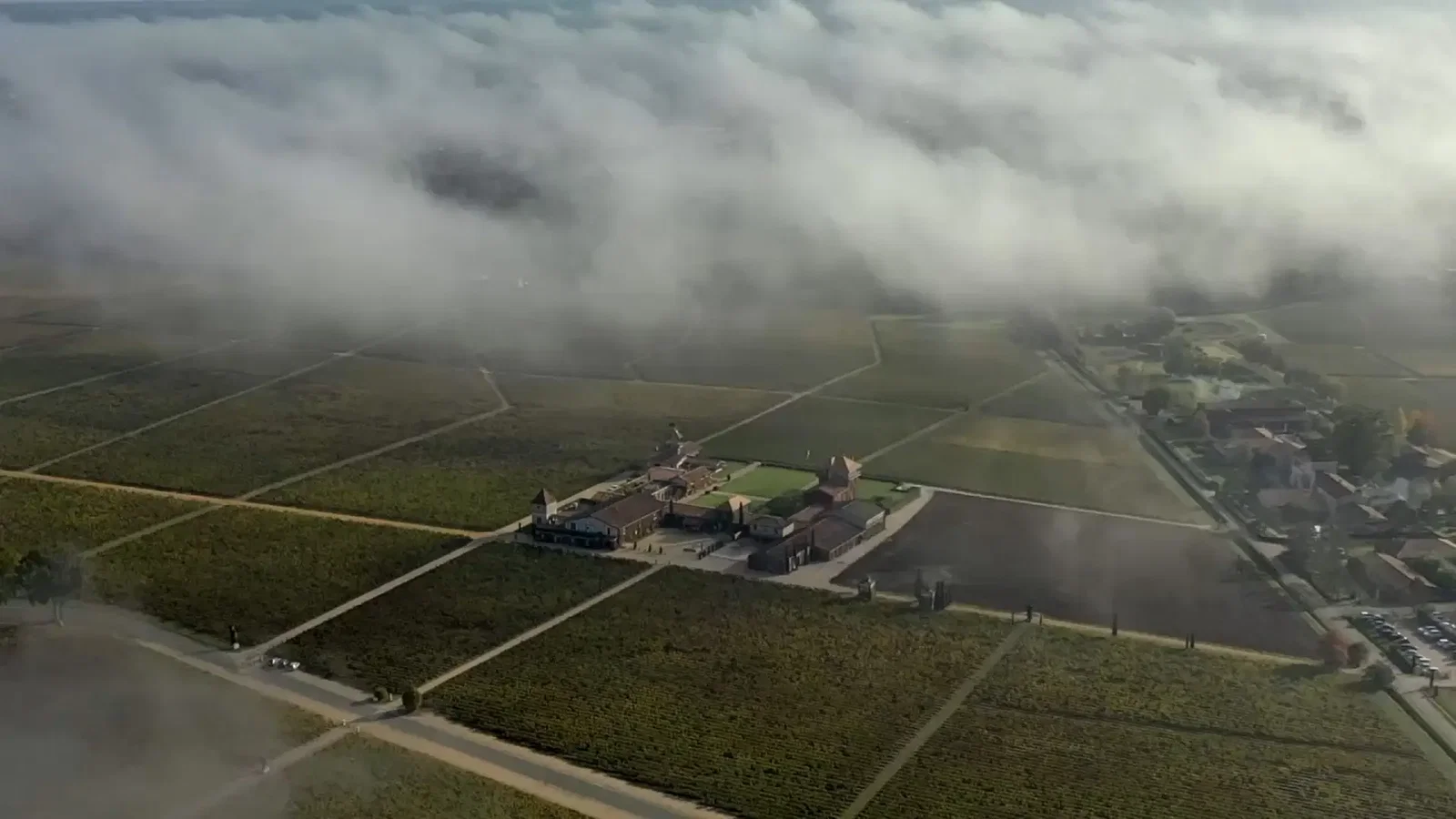
Approaching Château Paveil de Luze, the picture is simple and atmospheric: an 18th-century, two-tower château in Soussans Margaux, surrounded by neatly garden-like vineyards, parks and gardens. The appeal is not built on spectacle or a long list of public claims; it is a calm, scenic Margaux estate visit with a historic family-run character. In practical terms, that makes the estate feel less like a destination that needs to be oversold and more like a place whose strengths are immediately legible: architecture, landscape and the quiet rhythm of a working wine property. The first impression is therefore shaped by balance, with the château giving the visit a clear focal point and the surrounding grounds softening it into something unhurried.
For guests planning a visit, the confirmed experience is centered on informative tours and relaxed tastings that emphasize terroir. Pricing is listed at $20 per person. That straightforward framing is useful because it sets expectations clearly: visitors should come for a measured château experience, a chance to understand the estate in context, and a tasting style that connects what is in the glass to the place around it. Rather than promising an overly elaborate program, the visit is best understood as a composed introduction to a Margaux estate where the landscape, history and tasting are meant to work together.
Historic setting and Margaux atmosphere
Château Paveil de Luze’s strongest features are visual and contextual: a historic family-run Margaux estate, an 18th-century two-tower château, and a setting shaped by orderly vineyards, parks and gardens. That combination gives the visit a quiet sense of place. It is best approached as a scenic estate experience where the landscape and château architecture frame the tasting. The two-tower château provides the historic anchor, while the carefully kept surroundings create a sense of calm before the tasting even begins. This is the kind of setting where the atmosphere is part of the interpretation, not just a backdrop for it.
The estate’s family-run character also matters to the way the experience is perceived. Without needing to add grand promises, that description suggests continuity, rootedness and a more personal scale of identity. In Margaux, where place is an essential part of how wine is understood, those qualities help make the visit feel connected to its surroundings. The vineyards, parks and gardens are not incidental details; they are part of the way guests read the property, giving physical form to the calm, historic tone described in the visit.
The tasting focus is described as relaxed and terroir-led. For visitors, that means the useful questions are broad but meaningful: how the estate presents its Margaux identity, how the surrounding vineyards shape the conversation, and how the calm setting supports a more informative style of visit. A terroir-led tasting does not need to feel technical to be valuable; in this context, it can be understood as a way of paying attention to the relationship between the estate, its landscape and the wines being poured. The relaxed pace is important because it gives guests space to connect those ideas without feeling rushed through a checklist.
Those details may matter to some visitors, but they should be confirmed directly with Château Paveil de Luze before being treated as part of the visit. The same caution applies to the shape of any tour or tasting: the core impression is clear, but the most current practical information should come from the estate itself. That is especially important for travelers trying to fit the visit into a wider day in the Margaux area, where timing and availability can shape the experience as much as the setting does.
A château visit built around calm rather than spectacle
The confirmed tone of Château Paveil de Luze is serene, scenic and informative. The estate is described as offering calm tours and relaxed tastings, making it a strong fit for travelers who want a Margaux château experience without relying on grand claims or elaborate programming. Its appeal sits in the quieter category of wine travel: the pleasure of arriving somewhere visually coherent, learning enough to make the tasting feel grounded, and enjoying the atmosphere of a historic property without the need for theatricality.
At $20 per person, the visit reads as an accessible way to spend time at a historic estate in Soussans Margaux. The setting, two towers, garden-like vineyards, parks and gardens, is the reliable hook, while the tasting gives guests a structured way to connect that setting with terroir. The value of the experience is therefore not only in the tasting itself, but in the way the tasting is framed by place. Guests are not simply stepping into a room to sample wine; they are entering a property whose architecture and grounds help explain why the visit belongs specifically here.
That calmness is also part of the practical appeal. Some travelers look for visits with a dense program or a strong sense of occasion; others prefer a château where the pace feels gentle and the emphasis remains on landscape, context and conversation. Château Paveil de Luze, as described, belongs more naturally to the second category. It is a good match for visitors who appreciate historic surroundings, who want a clear but unforced introduction to terroir, and who are content to let the estate’s setting carry much of the experience.
For a broader day in Soussans Margaux, pair Château Paveil de Luze with other local dining or travel plans described generically rather than assuming specific services, menus, or nearby venues. The safest planning approach is to confirm current tour availability, tasting details and timing directly with the estate before going. With those basics checked in advance, the visit can be treated as a calm anchor in the day: scenic enough to feel memorable, informative enough to give structure, and modest enough in its claims to keep expectations realistic.
Questions
Frequently asked
What kind of setting is Château Paveil de Luze?
Château Paveil de Luze is a historic family-run Margaux estate in Soussans Margaux, set around an 18th-century two-tower château with neatly garden-like vineyards, parks and gardens.
How pricey is Château Paveil de Luze?
Pricing at Château Paveil de Luze is listed as $20 per person.
Where is Château Paveil de Luze in Soussans Margaux?
Château Paveil de Luze is in Soussans Margaux.
What's the defining thing about Château Paveil de Luze?
The defining feature is its calm historic estate setting: an 18th-century two-tower château, garden-like vineyards, parks and gardens, with informative tours and relaxed tastings that emphasize terroir.
Is Château Paveil de Luze reservation-only?
Confirm current tour and tasting arrangements directly with Château Paveil de Luze before going.
Is Château Paveil de Luze better for first-timers or repeat visitors?
It can suit both. First-time visitors may appreciate the calm introduction to a historic Margaux estate, while repeat visitors may value the relaxed tasting atmosphere and scenic château setting.
The field
How it compares
| Place | Notes | Awards |
|---|---|---|
| Château Paveil de Luze | Soussans (Margaux), $$ | · |
| Valdicava Az Agr | Montalcino | · |
| Ata Rangi | Martinborough | World's 50 Best |
| Chateau Lafite Rothschild | Pauillac | · |
| Château Smith Haut Lafitte | Martillac | World's 50 Best |
| Château d'Yquem | Sauternes | World's 50 Best |
| Cloudy Bay Vineyards | Blenheim | World's 50 Best |