Château Pierre-Bise
- 01CityBeaulieu Sur Layon, France

Chenin from Layon fault parcels
- Falstaff Winery - Listed · 2026
Chenin measured by fault line
Volcanic spilite and schist set the first terms here; René Papin, winemaker at Château Pierre-Bise in Beaulieu Sur Layon, works from the cellar outward. Since 2010, he has carried the estate as both owner and winemaker, a double station that keeps the business decision and the fermentation decision close to the same hands. The château sits in the Pierre-Bise hamlet near Beaulieu-sur-Layon, within Anjou, where the Layon fault cuts a varied run of volcanic, schistous, sandstone and limestone soils. That geology is not background. It is the method.
Papin's role is less a matter of signature flourish than of keeping parcels legible. The estate farms organically across around 45 ha of vines, with Chenin Blanc at the center and Cabernet Franc and Gamay in the range. Les Rouannières gives one register: frail rocky outcrops, arid ground, strong wind and a mineral personality drawn from spilite and volcanic-clay soils. The house's named wines include 2015 Rouannières, a useful marker of how closely the château ties identity to site rather than blend.
Parcels kept separate in the cellar
The program at Château Pierre-Bise follows the vineyard map. Coteaux du Layon Beaulieu, Quarts de Chaume, Savennières, Roche aux Moines, Clos de Coulaine and Clos le Grand Beaupréau each ask for a different reading of Chenin, from dry mineral whites to botrytised sweet wines. The Layon river helps set the conditions for noble rot and passerillage, the humidity and autumn microclimate giving the sweet cuvées their concentration without removing them from the line of acidity that keeps Chenin precise.
In Savennières, the house works with dry, mineral-driven Chenin Blanc, including vineyards described through 25-year-old vines, ambient yeast fermentation and minimal filtration. At Les Rouannières, the site is also known for about sixty Mediterranean plants found at their northerly limit in Europe, a botanical fact that says as much about exposure and warmth as any tasting note. Weathered clay with a swelling structure helps the vines resist drought. The wines carry that discipline as structure, not weight.
A quiet estate built around soil
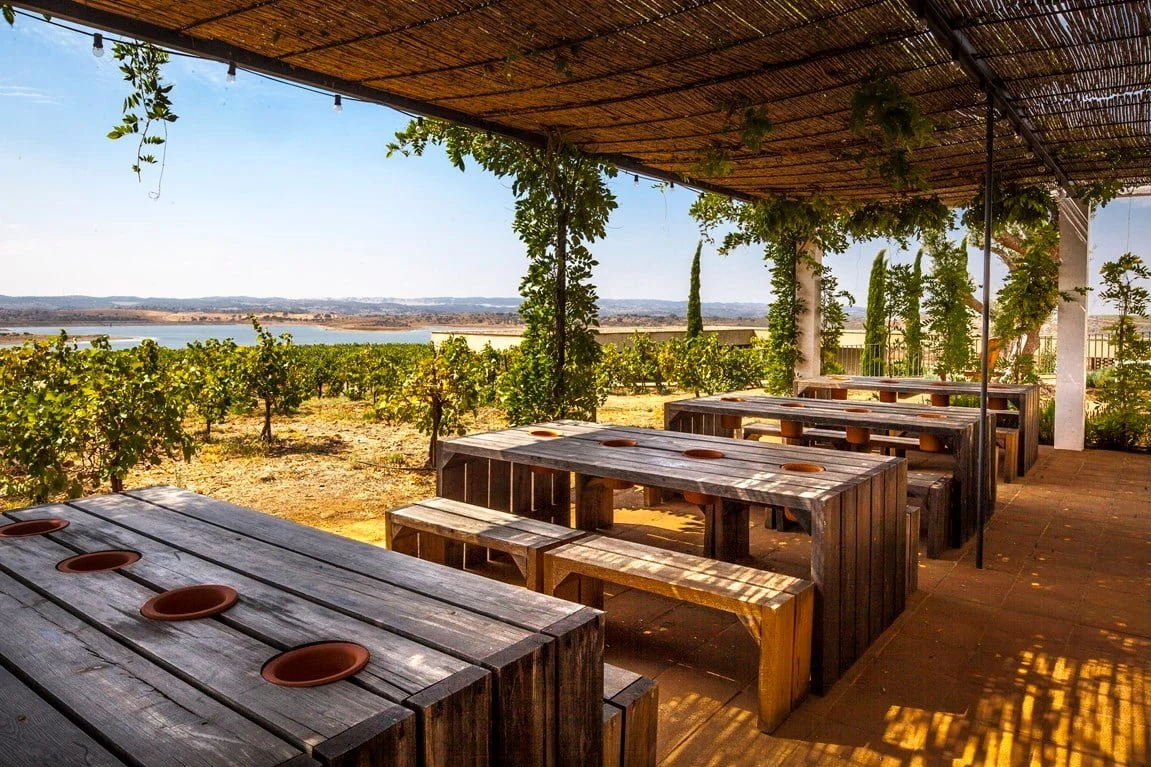
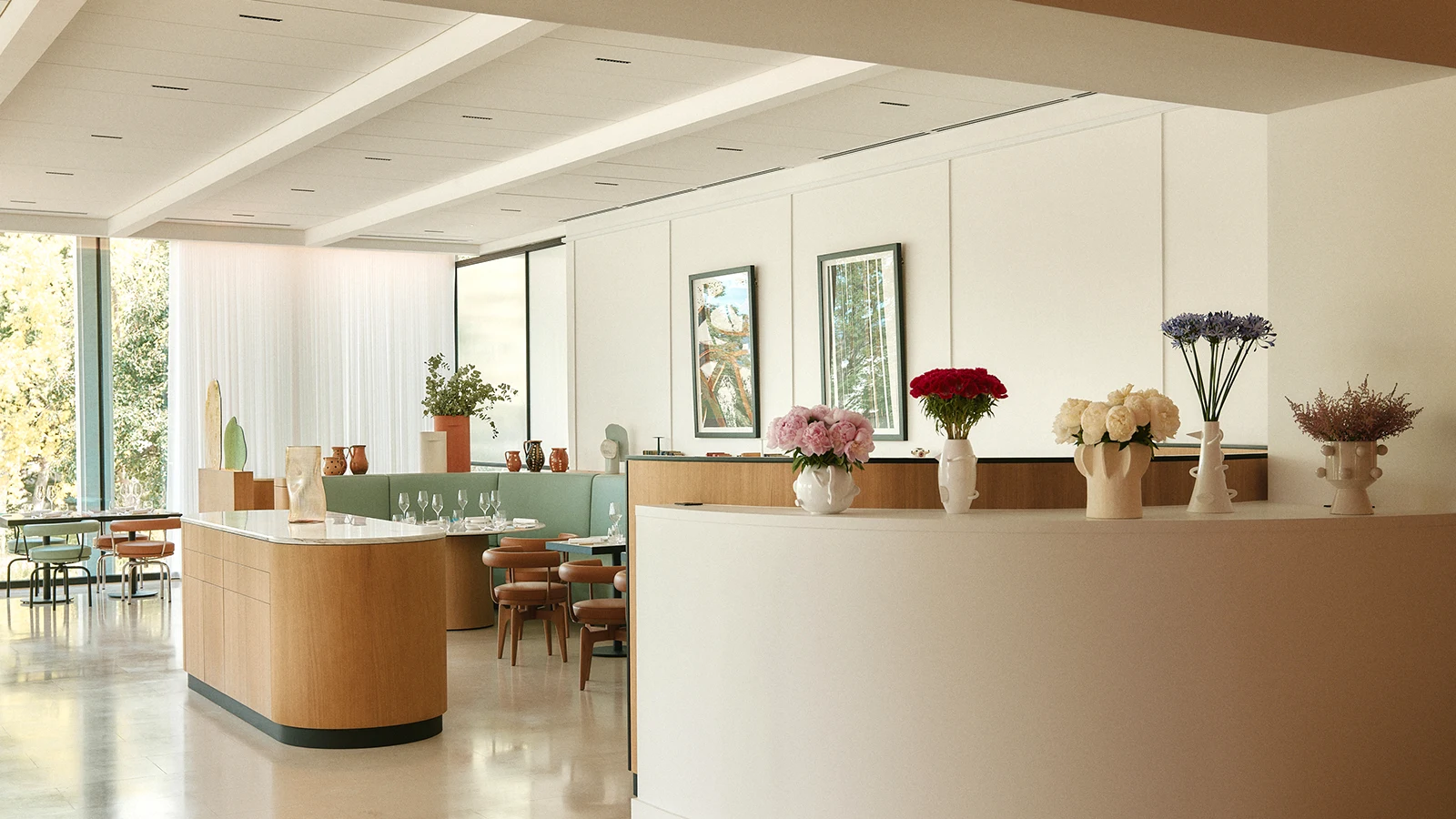
The room here is rural rather than theatrical. The cellar and tasting room sit within a working Loire estate, between Rochefort and Beaulieu-sur-Layon, with the vineyards close enough that the conversation can move from glass to slope without changing subject. The tone is calm, educational and nature-led; soil, microclimate and geology take precedence over design language. A tasting at the château tends to return to the same questions a grower asks at the bench-side of the cellar: which parcel, which exposure, which year, which kind of rot.
The quiet matters because the wines are not trying to erase their origin. Chenin can turn broad when handled for effect; at Château Pierre-Bise the discipline is in keeping sweetness, acidity, wind and stone in relation. It stays concrete, the glass of Rouannières in front of you and the Les Rouannières slope behind it.
Questions
Frequently asked
Who makes the wine at Château Pierre-Bise?
René Papin is the winemaker at Château Pierre-Bise, and since 2010 he has also carried the estate as owner. His work keeps the business side and the cellar side closely linked.
What is Château Pierre-Bise known for?
The estate is centred on Chenin Blanc, with Cabernet Franc and Gamay also in the range. Its wines follow the vineyard map closely, with parcels kept separate in the cellar and cuvées shaped by the different soils and exposures of the Layon fault.
What kind of wines does the estate produce?
Château Pierre-Bise makes dry mineral Chenin Blancs and botrytised sweet wines, including wines from Coteaux du Layon Beaulieu, Quarts de Chaume, Savennières, Roche aux Moines, Clos de Coulaine and Clos le Grand Beaupréau.
What is the setting like at the estate?
The château sits in the Pierre-Bise hamlet near Beaulieu-sur-Layon, within Anjou, and the cellar and tasting room are part of a working Loire estate. The atmosphere is described as calm, educational and nature-led, with soil, microclimate and geology taking priority.
Is it necessary to book a visit?
Reservations are recommended at Château Pierre-Bise.
The field
How it compares
| Place | Notes | Awards |
|---|---|---|
| Château Pierre-Bise | Pierre-Bise hamlet, $$ | · |
| Ata Rangi | Martinborough | World's 50 Best |
| Chateau de la Mulonniere | Beaulieu Sur Layon | · |
| Château Margaux | Margaux | World's 50 Best |
| Creation Wines | Hermanus | World's 50 Best |
| Herdade do Esporão | Reguengos de Monsaraz | World's 50 Best |
| Taittinger | Reims | World's 50 Best |