Made ByWinery
Château Tertre Rotebeouf
Chef in Residence
François Mitjavile
Winemaker
- 01CitySaint-Laurent-des-Combes, France

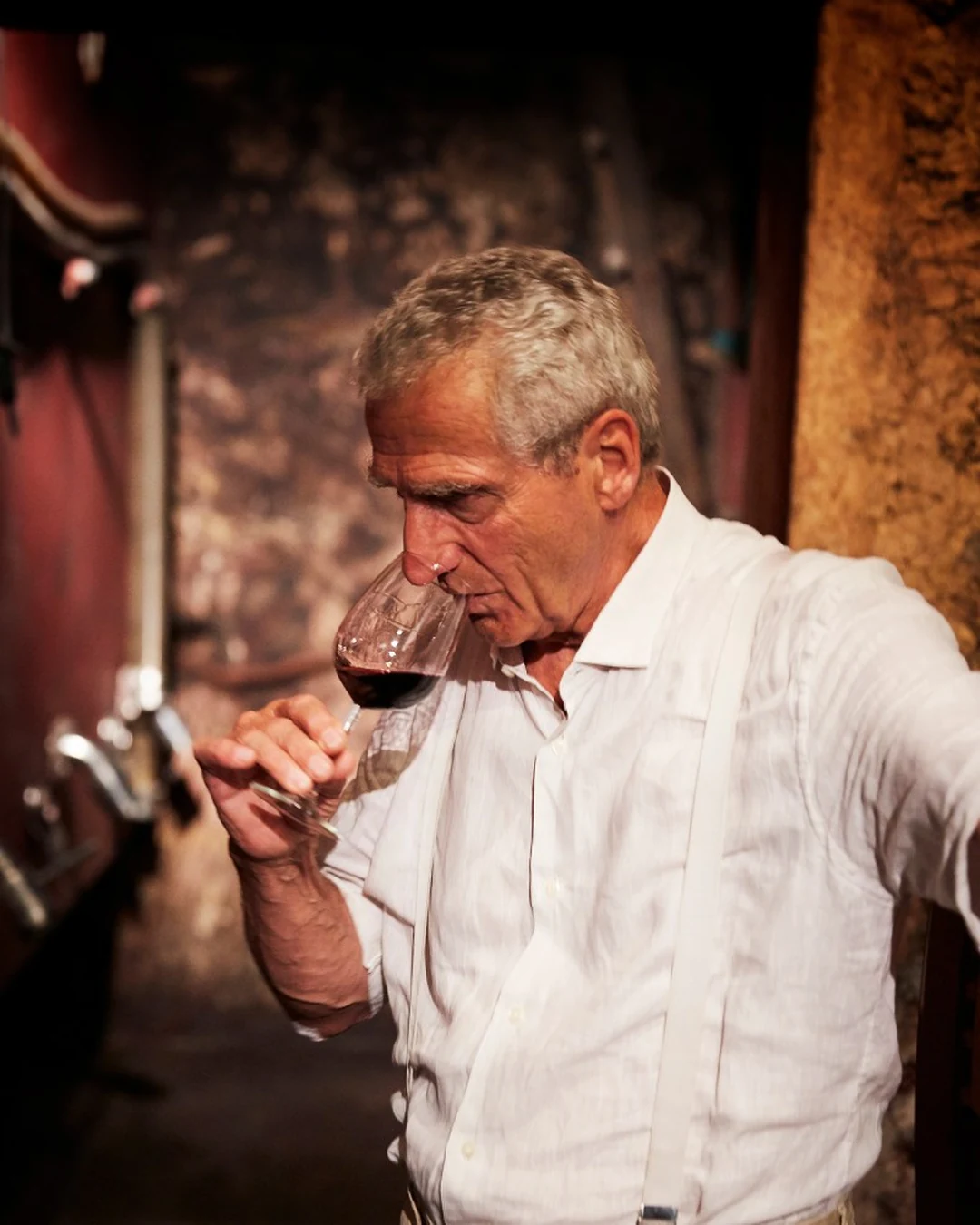
François Mitjavile crafts late-harvest Saint-Émilion wines as winemaker at Château Tertre Rotebeouf in Saint-Laurent-des-Combes, where he works there.
At a glance
- Price
- $$$$
- Neighborhood
- Saint-Laurent-des-Combes
The fragile moment in the skin
Harvest waits for the skin to turn. François Mitjavile, winemaker at Château Tertre Rotebeouf in Saint-Laurent-des-Combes, works from that interval, the point where ripe fruit begins to move toward what he has called a forest register. He has held the estate since 1978, after apprenticeship at Château Figeac in Saint-Émilion, and the discipline of that early Bordeaux training still sits beneath the more personal reading he gives to mature fruit here. The work is not a pursuit of simple richness. It is a question of timing, waiting long enough for depth and texture, then keeping freshness, power and subtlety in the same frame.
The estate remains a family-run place rather than a scaled production address. François works with his wife Miloute Mitjavile, and their children Louis and Nina are involved in the estate’s operations. The property itself reaches back much further: Arnaud Ducasse acquired an estate here in 1675, on the southern side of Saint-Émilion, in Saint-Laurent-des-Combes. Mitjavile’s chapter brought the site into its present form, small, exacting, and tied to a conviction that the cellar should receive the vineyard rather than correct it.
Six hectares cut into an amphitheater
The vineyard is the argument. Château Tertre Rotebeouf works from 6 hectares of south-facing vines on clay-limestone soils, formed as an amphitheater that gathers warmth and light across the slope. Merlot and Cabernet Franc carry the estate’s Saint-Émilion Grand Cru work, with the blend described as 80% Merlot and 20% Cabernet Franc. The house produces about 25,000 bottles annually, a scale that keeps the hand close to the picking decision and the cellar close to the fruit.
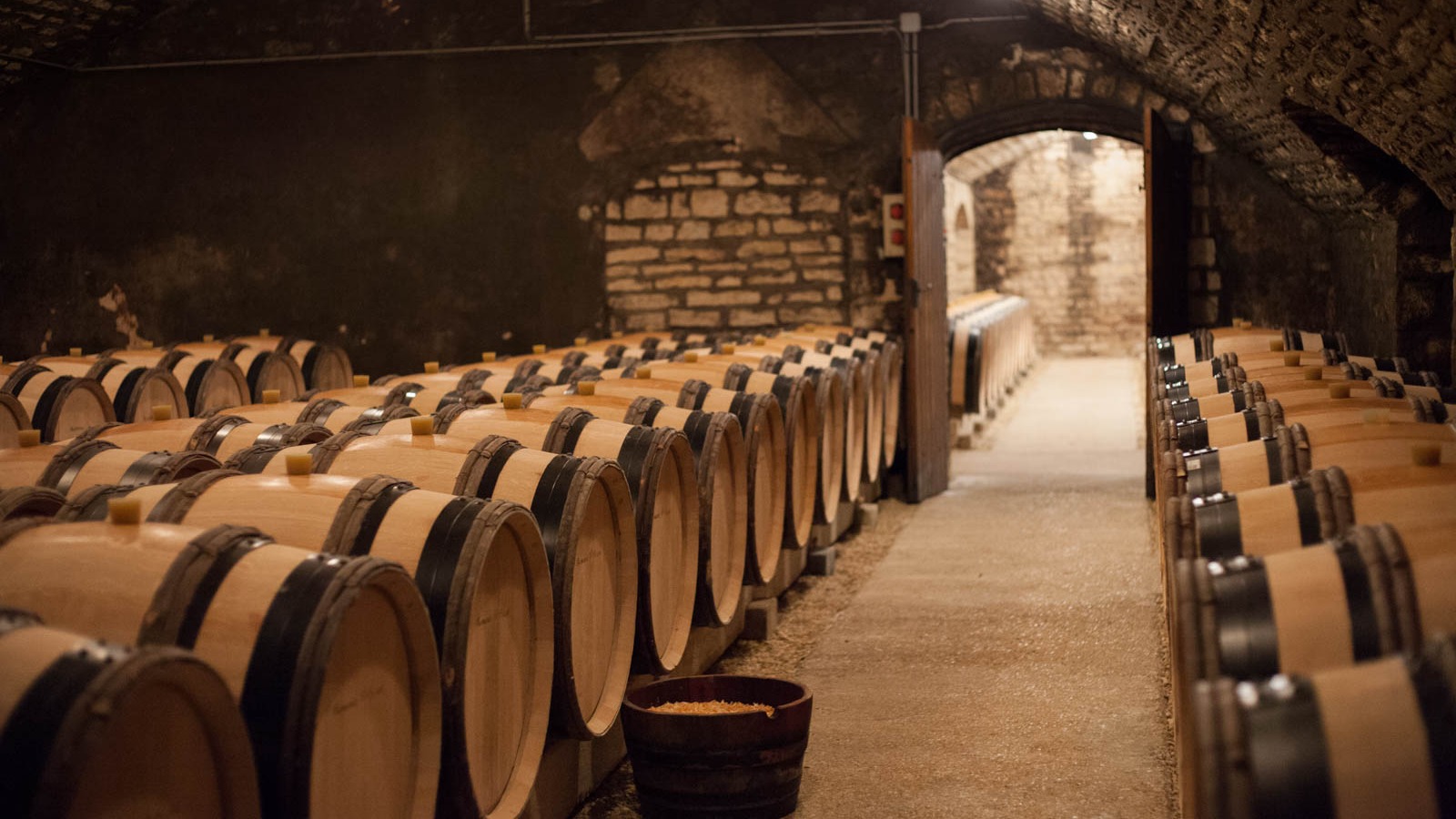
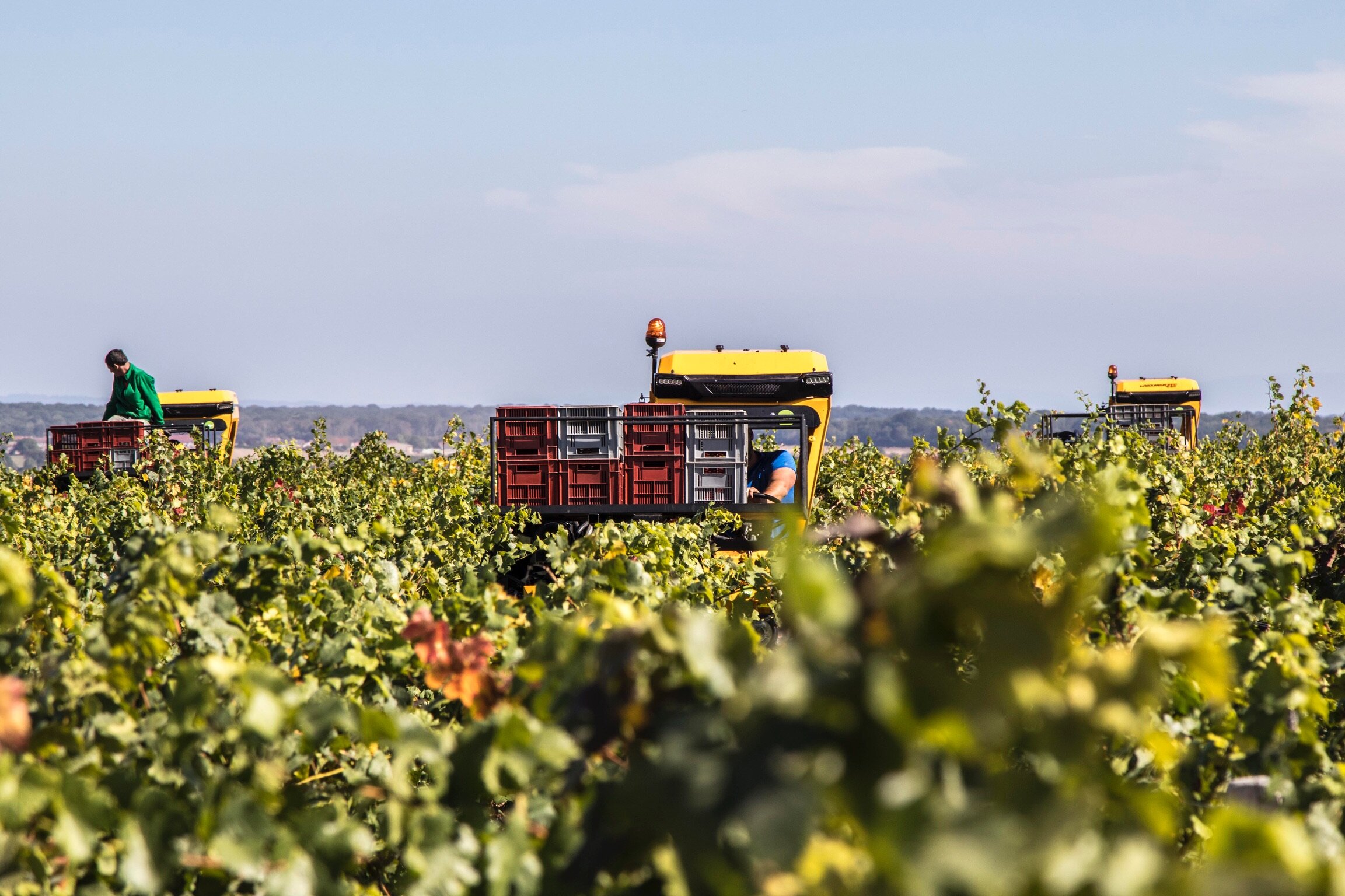
Mitjavile prunes the vines very close to the ground and keeps natural grass cover between rows. Both choices slow the vineyard’s pace. Harvest is by hand and later than almost any other producer in Saint-Émilion, with the fruit taken toward full phenolic maturity rather than a safer middle point. Primary fermentation takes place in concrete tanks, without exogenous yeasts. After fermentation, the wine moves into 100% new Radoux “Blend” French oak barrels for élevage. The oak program is not a cosmetic layer here; it is part of the structure, asked to hold ripeness without blunting contour.
Concrete, quiet, and close to the slope
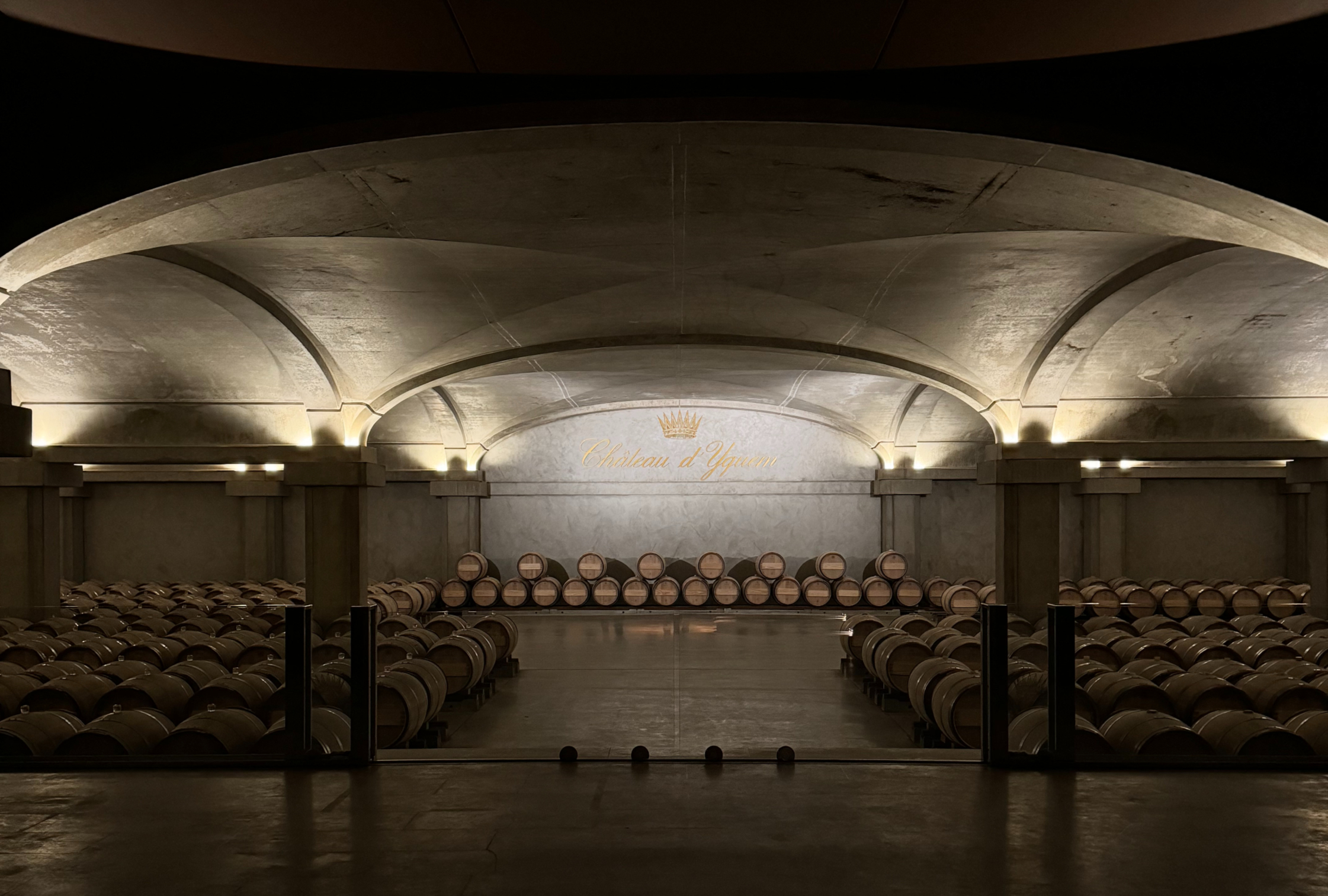
The cellar has the intimacy of a working Saint-Émilion estate, not a staged room built around spectacle. Concrete tanks, new barrels, and the slope outside remain the operative facts. The tasting room sits within that quiet register, with the vineyard’s amphitheater never far from the conversation because the shape of the land explains much of the wine’s patience. The room is not loud. It does not need to be.
What marks the place is how little separates vineyard judgment from cellar consequence. A later pick shows first as aroma and texture, then as the need for restraint in concrete and barrel. The estate’s single current award count matters less on the floor than the recurring craft problem Mitjavile has set for himself: carry ripeness to the edge, then keep the wine gathered. On the slope, the wine returns to its source, the 6 hectares of Château Tertre Rotebeouf.
Know before you go
- Reservations
- appointment_only
- Groups
- Welcomed
Address
Saint-Laurent-des-Combes, Libournais, Nouvelle-Aquitaine, Frankreich
Saint-Laurent-des-Combes