Made ByWinery
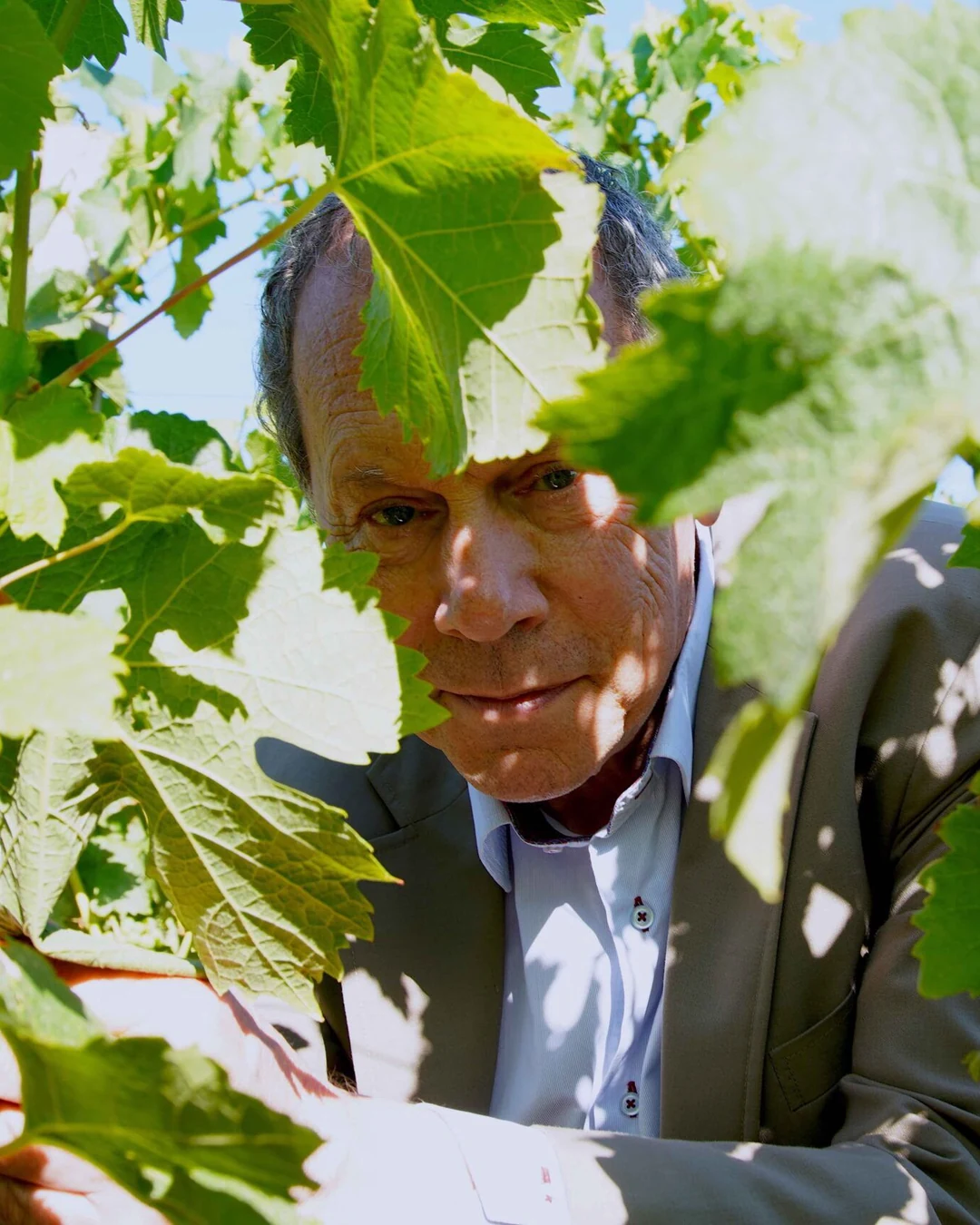

Jean-Luc Thunevin, winemaker at Château Thunevin in Saint-Émilion, works Merlot into a small Bordeaux Supérieur estate there today.
At a glance
- Price
- $$
- Neighborhood
- Saint-Emilion
Merlot first, ownership close to the cellar
Merlot sets the first decision in the cellar at Château Thunevin in Saint-Émilion. Winemaker Jean-Luc Thunevin keeps the work tied to the Thunevin name, a Bordeaux address built less on inherited lineage than on time held close to the tools. His public arc is anchored by Château Valandraud, where he has held the owner role since 1989, and Château Thunevin sits within that same family of wines rather than apart from it. The estate page names 1998 as the opening year here, but the working continuity reaches back through Valandraud and the small beginning that made the Thunevin story legible in Saint-Émilion: 0.6 hectares of vines, bought on the outskirts of the village, then worked into a house whose reputation came from concentration, risk and the refusal to wait for permission from old Bordeaux hierarchy. At Château Thunevin, that history is not treated as decoration. It explains the scale. Small production, Bordeaux Supérieur AOC, still red wine, Merlot in the foreground. The winemaker’s station is a practical extension of an owner’s habit: keep the label close enough that each release still has a hand on it.
A Bordeaux Supérieur shaped by barrel and fruit
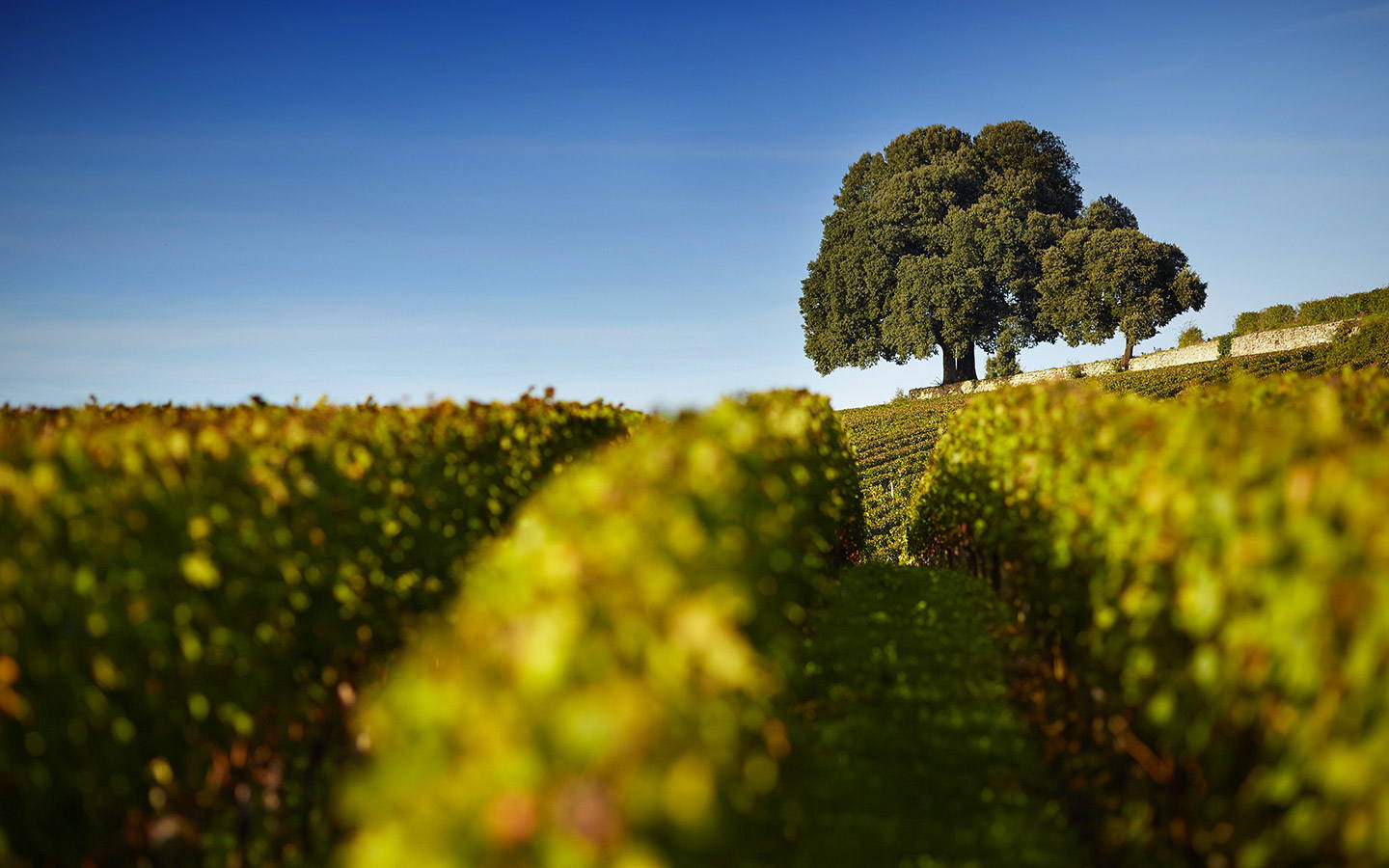
The program at Château Thunevin is Merlot-driven and conventional in its farming philosophy, with the house known for Bad Boy, the Bordeaux Supérieur wine that carries the Thunevin appetite for a more direct kind of Bordeaux. In the cellar, the published detail belongs to the wider Thunevin method: fermentation in stainless steel tanks and barrels, temperature control used to hold fruit character, and aging choices that give the wine its frame. Bad Boy is 100% Merlot in the 2016 vintage, from vines averaging 50 years old on clay-limestone soils, then aged in 100% new barrels. Those figures matter because they show the intent without ornament. Merlot gives ripe red fruit and breadth; new wood adds vanilla, spice and structure; clay-limestone soils keep the wine inside the grammar of Saint-Émilion and the surrounding Bordeaux country. The Thunevin portfolio also reaches toward Château Valandraud, where the Grand Vin is given as 70% Merlot, 25% Cabernet Franc and 5% Cabernet Sauvignon, a different register of the same preference for concentration and controlled tannin. Château Thunevin’s task is narrower: a boutique estate, a Bordeaux Supérieur AOC, a cellar language that makes Merlot speak first.
The quiet room around the tasting
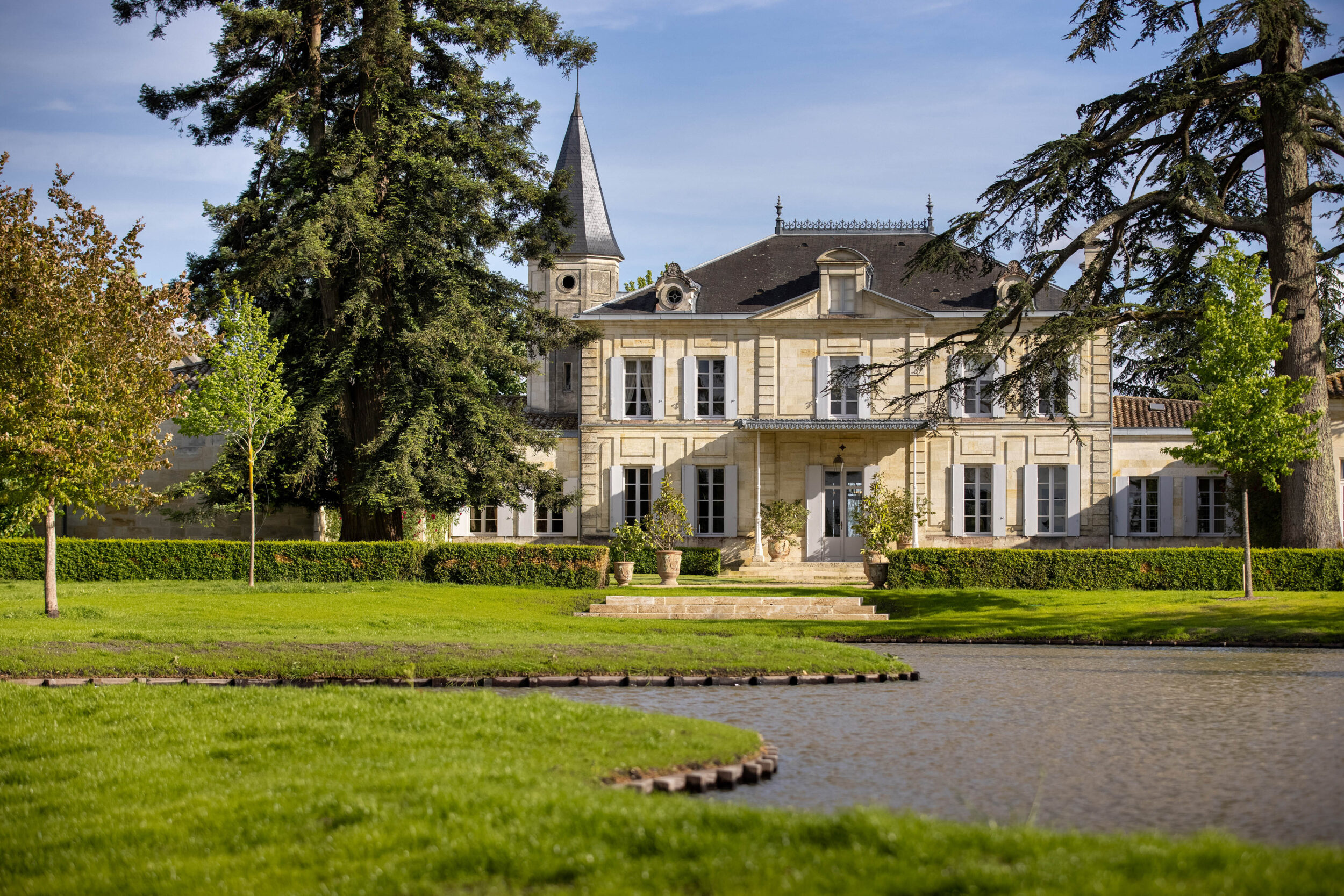
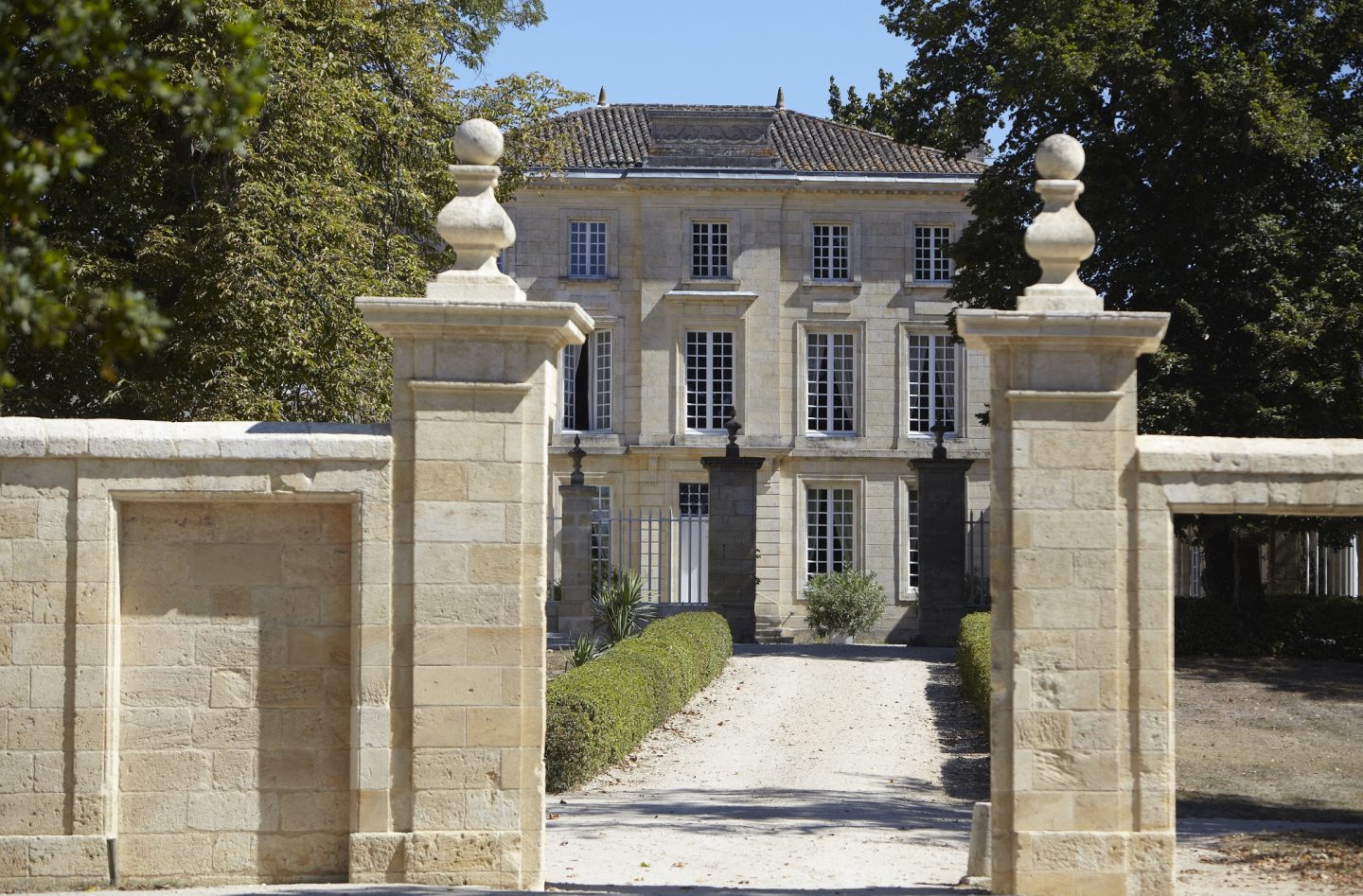
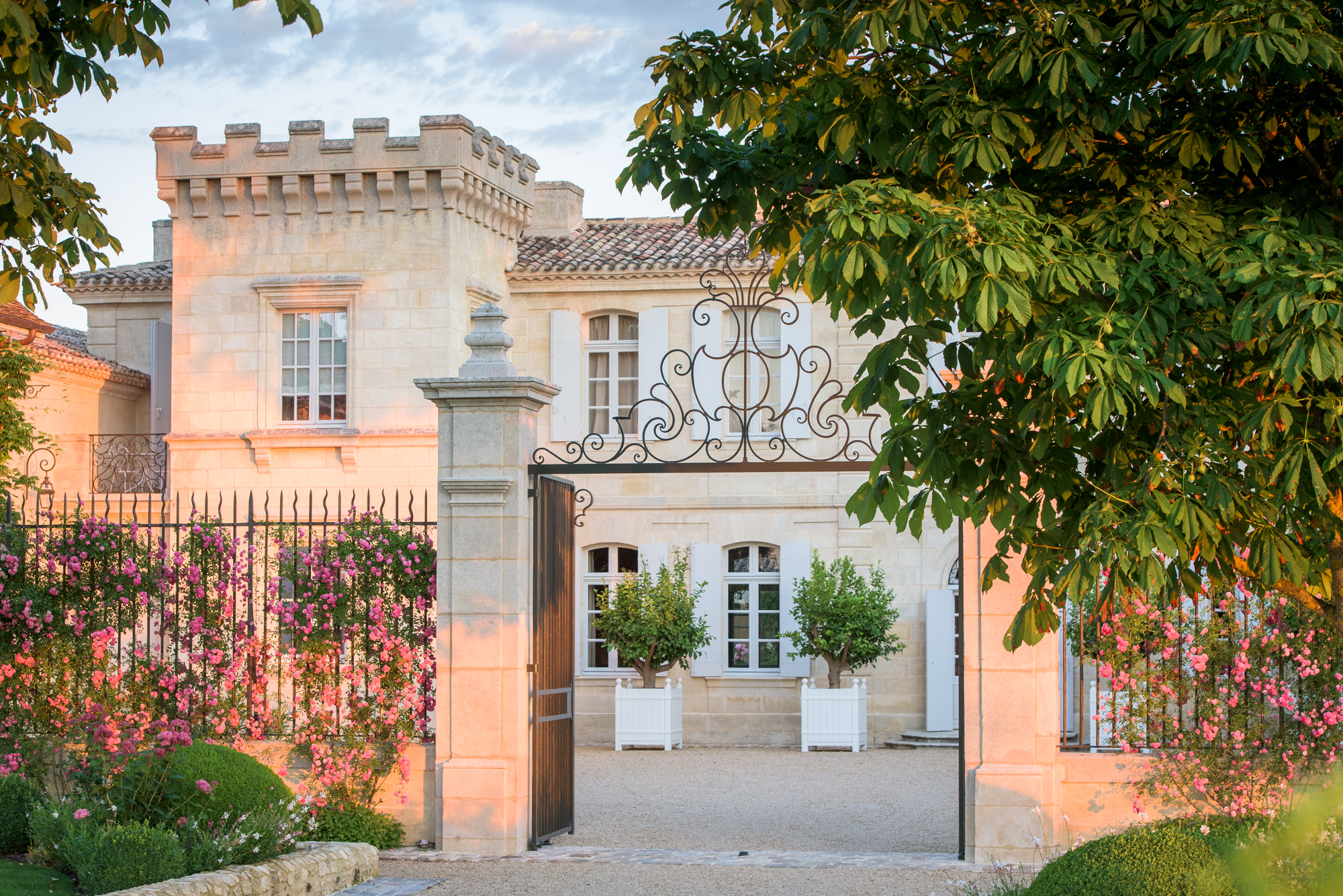
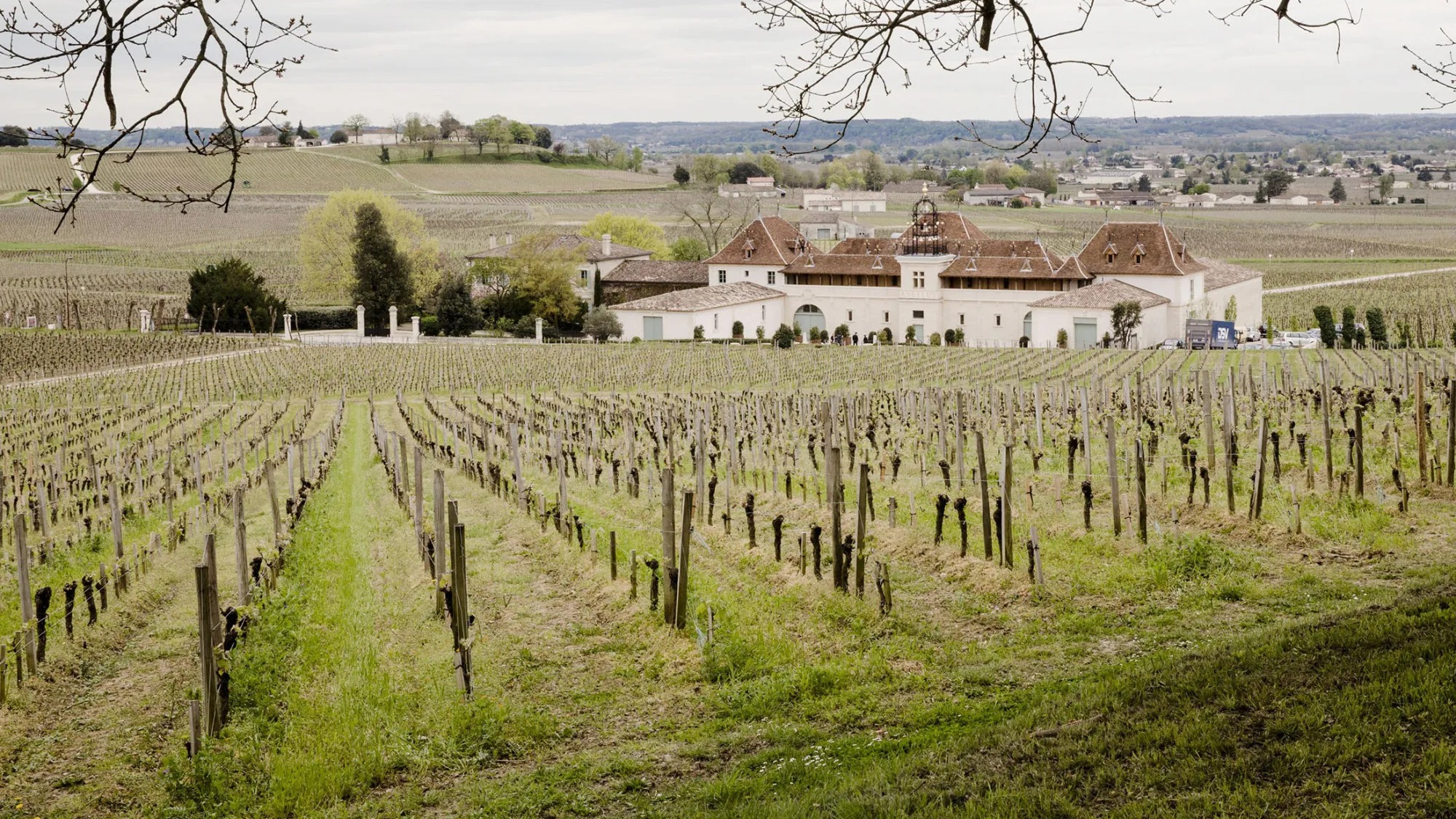
The setting is an estate winery in Saint-Émilion, arranged for small-group visits and a tasting room rather than spectacle. The room asks for attention to the glass, not to performance. Bordeaux Supérieur can be an overlooked category beside the classified names, but here the category is useful because it keeps the emphasis on decisions made before the pour: which Merlot, which barrel, how much polish, how much freshness to leave in the fruit. In the tasting room, the useful vocabulary is tactile: soft, medium-bodied, red-fruited, touched by oak, built to be enjoyed without giving up the Bordeaux obligation to age.
The label that keeps its provocation
Bad Boy remains the concrete sign of Château Thunevin’s place in the Thunevin portfolio, a name chosen to unsettle the manners of Bordeaux while staying inside its craft. The house’s bottle’s stated composition is 100% Merlot, which leaves little room to hide. If the next pour here has a reference point, it is Bad Boy from Château Thunevin.
Know before you go
- Reservations
- recommended
Address
Saint-Émilion, Nouvelle-Aquitaine, Frankreich
Saint-Emilion