
- Falstaff Winery - Listed · 2026
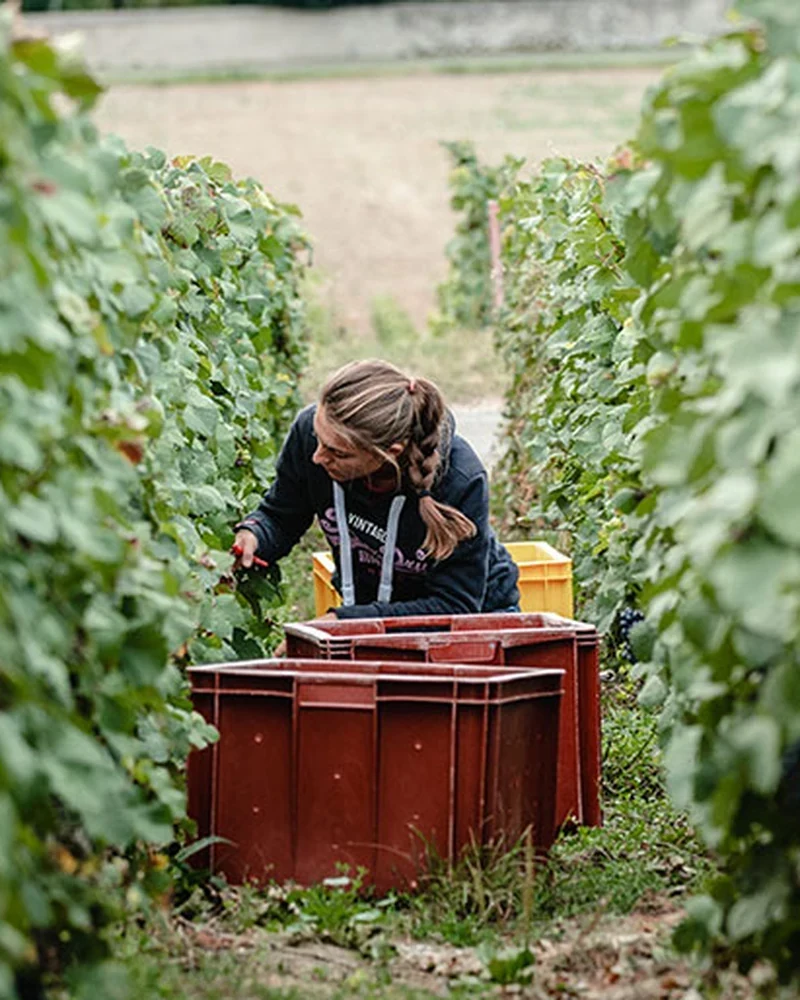
In Charly Sur Marne, Champagne Drémont-Marroy is best understood as a grower-champagne estate rather than a tourism-led stop. The picture is concise but distinctive: this is a fourth-generation estate with a thoughtful, minimalist, terroir-focused approach. Its appeal rests on artisanal work, sustainable intent, organic farming, parcel expression, and long lees aging, all of which point toward a producer whose identity is shaped more by vineyard and cellar decisions than by spectacle.
That makes the estate a fit for visitors who want Champagne framed through farming and place rather than through a broad hospitality performance. It is the kind of address that reads best when approached with curiosity about how a grower interprets its own parcels over time. For planning, it is safest to treat Champagne Drémont-Marroy as a specialist grower address in Charly Sur Marne and confirm practical details directly before arranging a visit.
Western Marne terroir, read through a grower-champagne lens
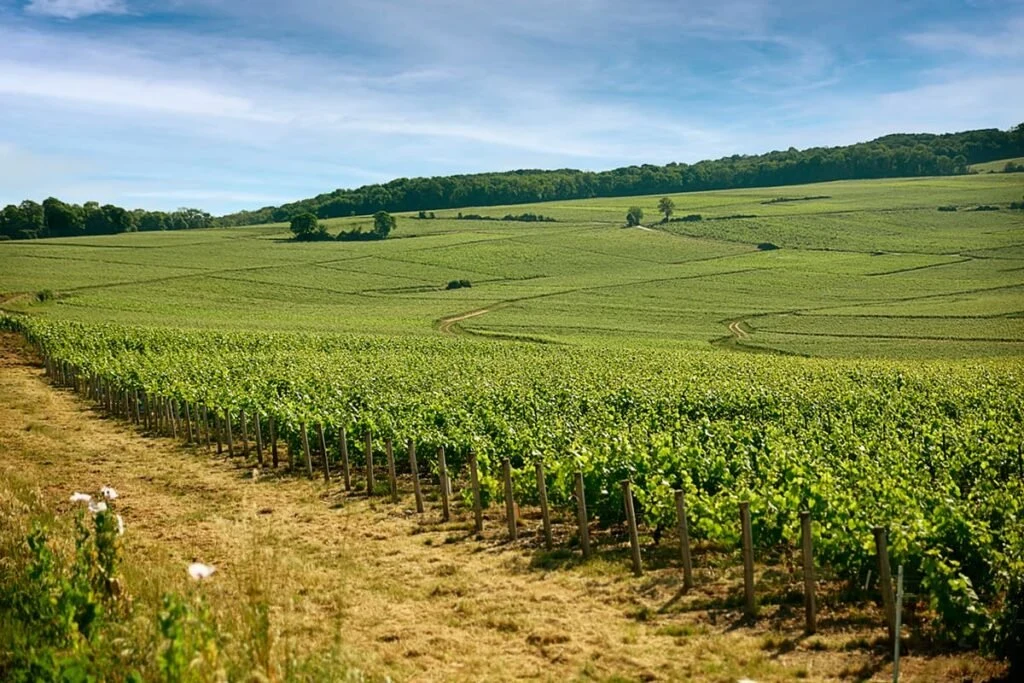
Champagne Drémont-Marroy’s identity centers on terroir. Rather than presenting Champagne as a uniform luxury product, the estate is described through parcel expression and a restrained, thoughtful approach. That language matters: it suggests a producer concerned with the differences between sites and with keeping those differences visible in the finished wines. In this context, terroir is not just a marketing word but the main organizing idea behind how the estate is positioned.
The public-facing story should not be overextended beyond what is confirmed. Specific soils, grape blends, cuvée names, dosage levels, vessel choices, bottling numbers, and vintage claims are not confirmed in the available data and should not be treated as facts here. What can be said with confidence is that the estate’s approach is minimalist and terroir-focused, with long lees aging forming part of its identity. That is already enough to give the address a clear place within the grower-champagne conversation.
For drinkers, that means the strongest reason to look at Champagne Drémont-Marroy is not a claimed score, ranking, or trophy. It is the estate’s positioning as a fourth-generation grower working in a way that emphasizes origin, patience, and a less touristic mode of Champagne production. The interest lies in the combination of continuity and restraint: a family estate, a stated respect for place, and an approach that value clarity over showiness.
Organic farming is the engine, not the garnish
The facts specifically identify organic farming as part of the estate’s emphasis. That should be presented as a central feature, not as decorative language. In a grower-champagne context, farming is inseparable from style: how vines are worked, how parcels are interpreted, and how long wines are left to develop all shape the final expression. The point is not simply that the estate uses a responsible vocabulary, but that farming sits close to the heart of its stated identity.
At the same time, the page should avoid unsupported detail. It should not imply specific certifications, vineyard practices, conversion timelines, cellar techniques, or technical regimes unless those are directly confirmed. Those may be interesting if independently confirmed, but they are not part of the available ground truth entry. Keeping the description disciplined is important, especially for a producer whose appeal depends on precision and trust.
What remains is still useful: Champagne Drémont-Marroy is an artisanal and sustainable grower estate with an organic-farming emphasis and a focus on parcel expression. Its minimalism may be philosophical as much as aesthetic, privileging terroir and time over a polished visitor-facing narrative. Long lees aging also fits that picture, because it suggests patience as part of the estate’s character, without needing to make any claim about a specific bottling or release.
How to place it within a Charly Sur Marne wine itinerary
For a Charly Sur Marne itinerary, Champagne Drémont-Marroy is best positioned as a focused grower-champagne stop. Visitors should confirm availability, timing, and tasting arrangements directly with the estate before making plans. That direct confirmation matters because the page’s strongest information is about identity and approach, not about a guaranteed visitor format.
The price category is listed as $$$, which gives a broad planning signal without implying a specific tasting fee, bottle price, or menu structure. The atmosphere is better described through the estate profile: fourth-generation, artisanal, sustainable, minimalist, and terroir-led. In practical terms, that means expectations should be shaped around the winegrowing story rather than around amenities that have not been verified.
Within Charly Sur Marne, compare Champagne Drémont-Marroy with other local dining and drinking plans only in a general way unless those venues are separately verified. The estate’s appeal is narrow in the best sense: it is for people interested in grower Champagne, organic farming, parcel expression, and long lees aging, rather than for visitors looking primarily for a broad hospitality complex or a heavily staged Champagne experience. Treated on those terms, it offers a clear, grounded reason to be on a thoughtful Champagne route.
Questions
Frequently asked
Who works at Champagne Drémont-Marroy?
Made By profiles Jean-Rémi Drémont (Winemaker) and Mélanie Drémont (Winemaker) at Champagne Drémont-Marroy.
How expensive is Champagne Drémont-Marroy?
Champagne Drémont-Marroy is listed at a price level of $$$.
The field
How it compares
| Place | Notes | Awards |
|---|---|---|
| Champagne Drémont-Marroy | $$$ | · |
| Champagne Baron Albert | Charly Sur Marne | · |
| Champagne Baron-Fuenté | Charly Sur Marne | · |
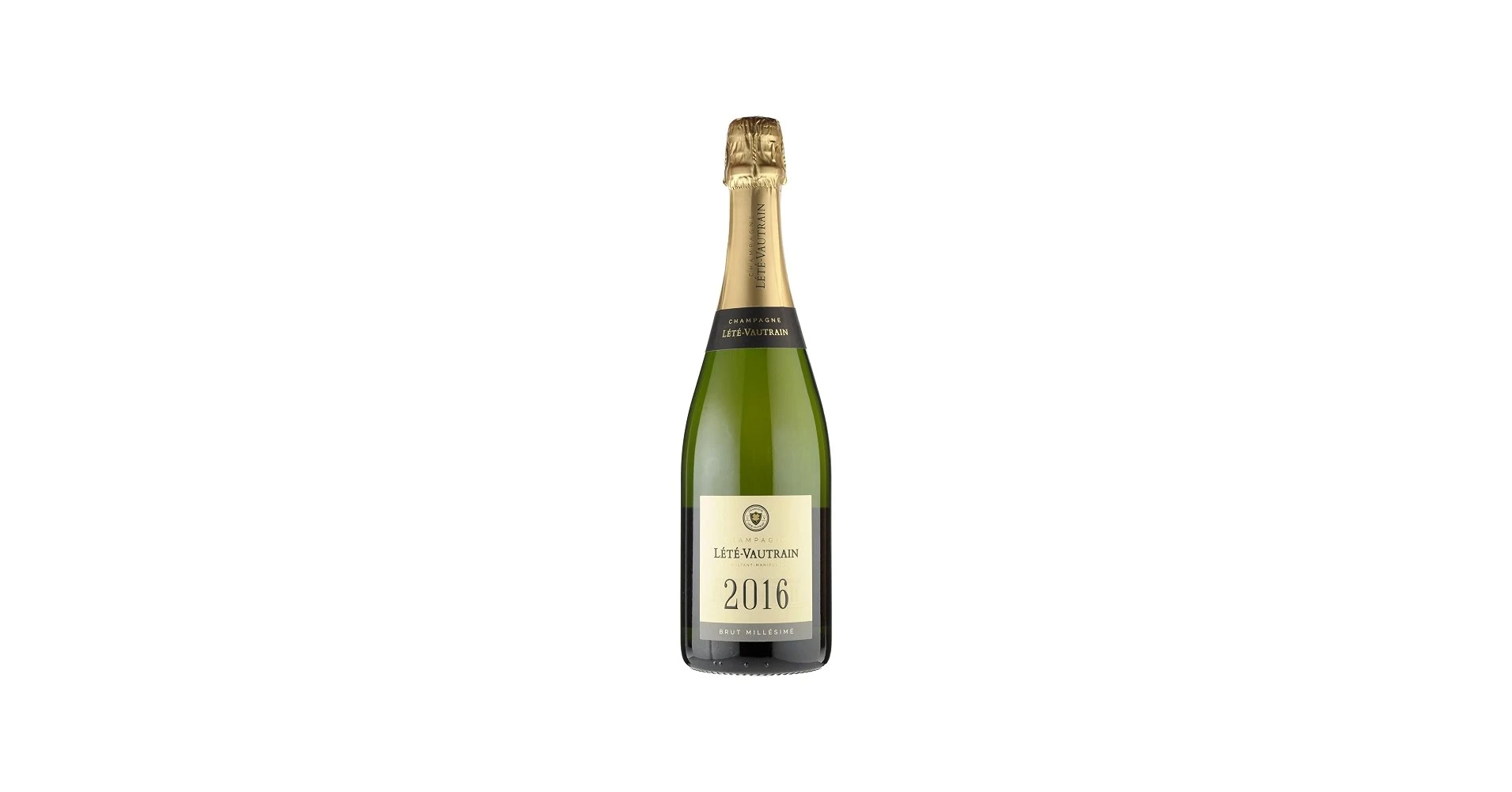
| Champagne Lété-Vautrain | Charly Sur Marne | · |
| Château Cos d'Estournel | Saint-Estèphe | World's 50 Best |
| Château Montrose | Saint-Estèphe | · |
| Domaine Emmanuel Rouget | Flagey-Echézeaux | · |