Made ByWinery
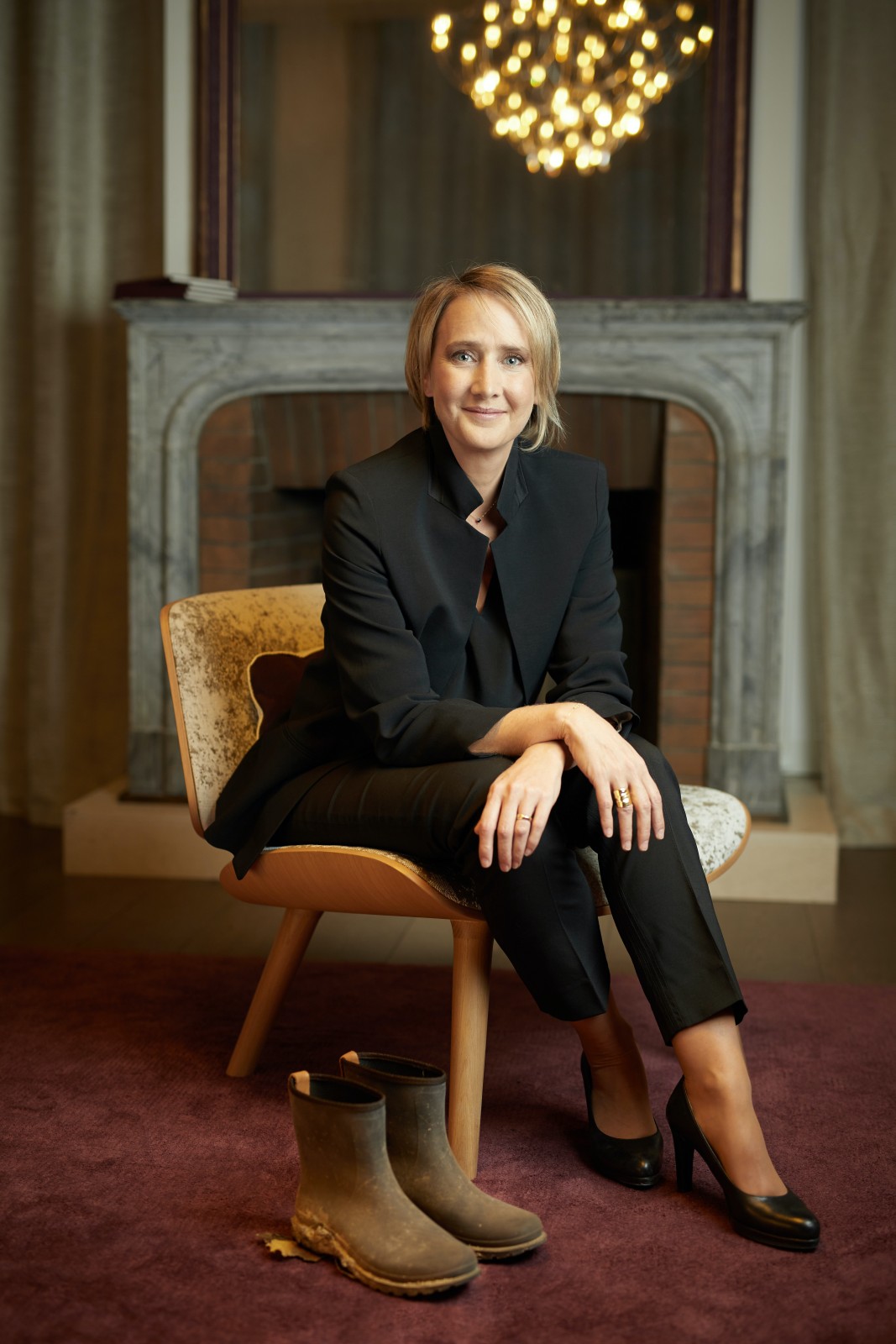
Julie Cavil, Cellar Master at Champagne Krug in Reims, builds Grande Cuvée through plot-by-plot wines and long lees ageing.
At a glance
- Price
- $$$$
- Per person
- $3000
- Neighborhood
- Champagne district
Plot by plot in Reims
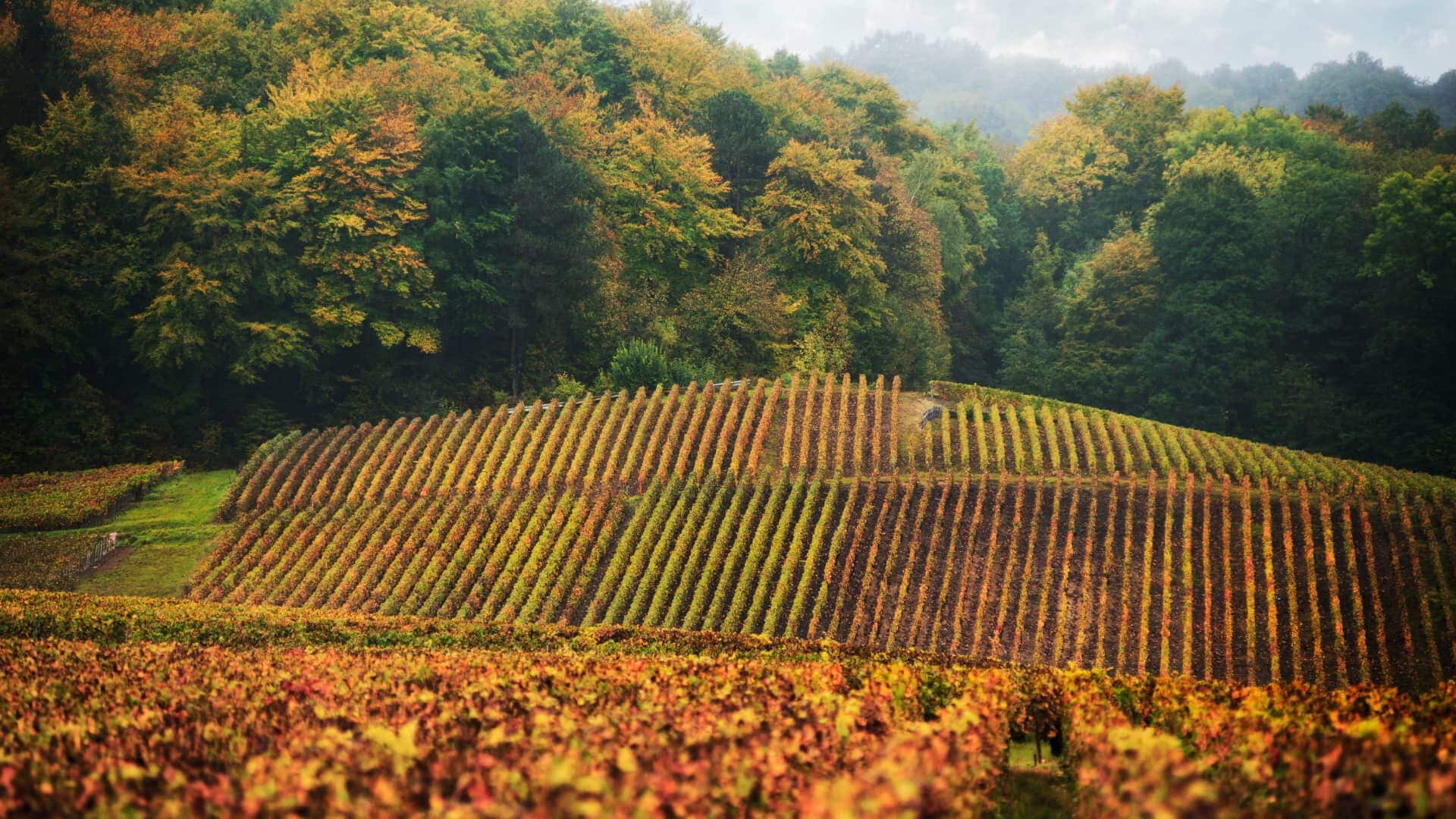
Each plot arrives as its own wine before blending; Julie Cavil leads that work as Cellar Master at Champagne Krug in Reims. She has held the post since 2020, after joining the house in 2006 as part of the winemaking team and later serving as director of winemaking operations. Before Krug, she worked at Moët & Chandon following oenology studies in Reims, having moved into wine from an advertising career in Paris around 2002. Her station is not a single vineyard or a single vintage, but the long bench of composition: base wines kept separate, reserve wines held for depth, and the annual making of a new Édition of Krug Grande Cuvée. The lineage she inherits begins with Johann-Joseph Krug, who founded the house in 1843 after working at Champagne Jacquesson, where he learned markets, criticism, and the practical consequences of taste. Paul Krug, Joseph Krug II, Jeanne Krug, Jean Seydoux, Paul Krug II, Henri Krug, Remi Krug, and Olivier Krug each carried the house through different pressures. Cavil’s task is to keep individuality audible inside a blend.
Oak, reserve wine, and time on lees
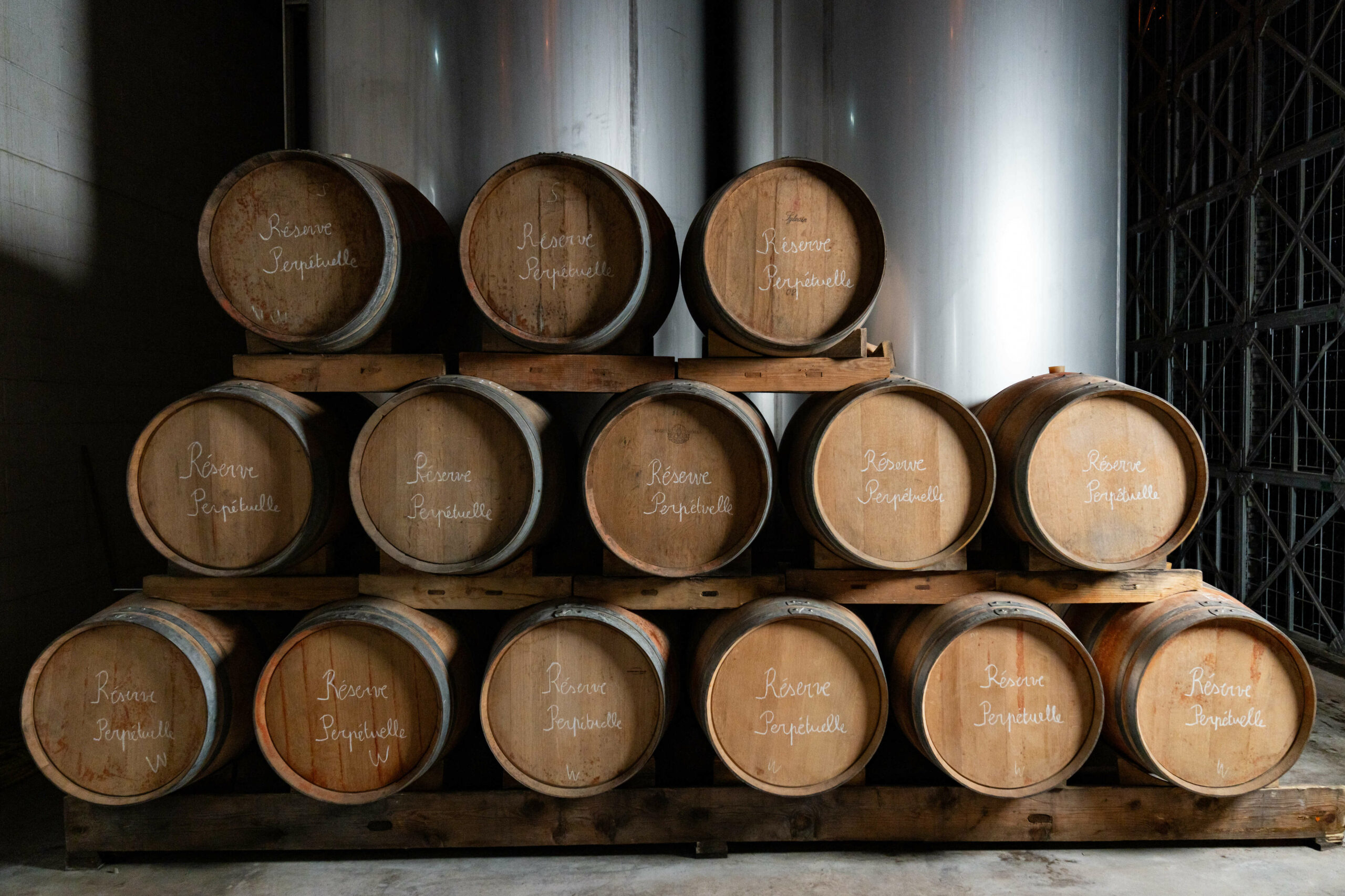
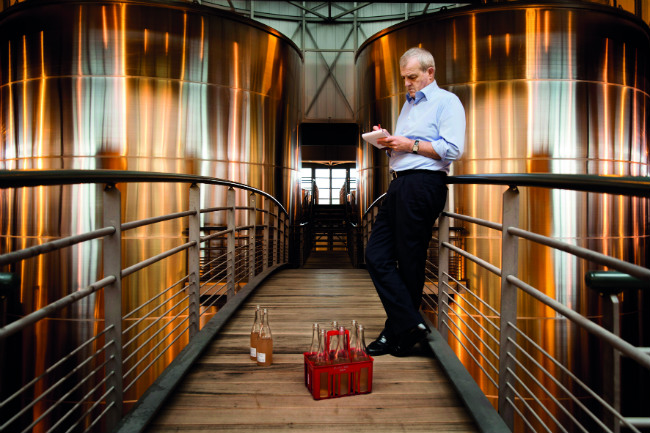
Krug’s method depends on separation before union. Each plot’s berries become a distinct wine, preserving the character of its place before the Cellar Master begins the blend. Krug Grande Cuvée is built from 120+ wines across multiple vintages, using Chardonnay, Pinot Noir, and Pinot Meunier from the Champagne AOC. The house ferments its base wines in old 205-litre oak barrels, a practice associated here with micro-oxygenation rather than overt wood ageing. Those barrels average 20 years in age and are often retired at around 40 years. After fermentation, the wines move to stainless steel tanks. Malolactic fermentation is neither blocked nor pushed, so some wines pass through it and others do not. The ageing is long by design: a minimum of six years on lees for non-vintage wines and 10 years for vintage wines. Bread, biscuit, and brioche notes are not applied as style words here; they are the result of that time.
The cellar house on Rue Coquebert
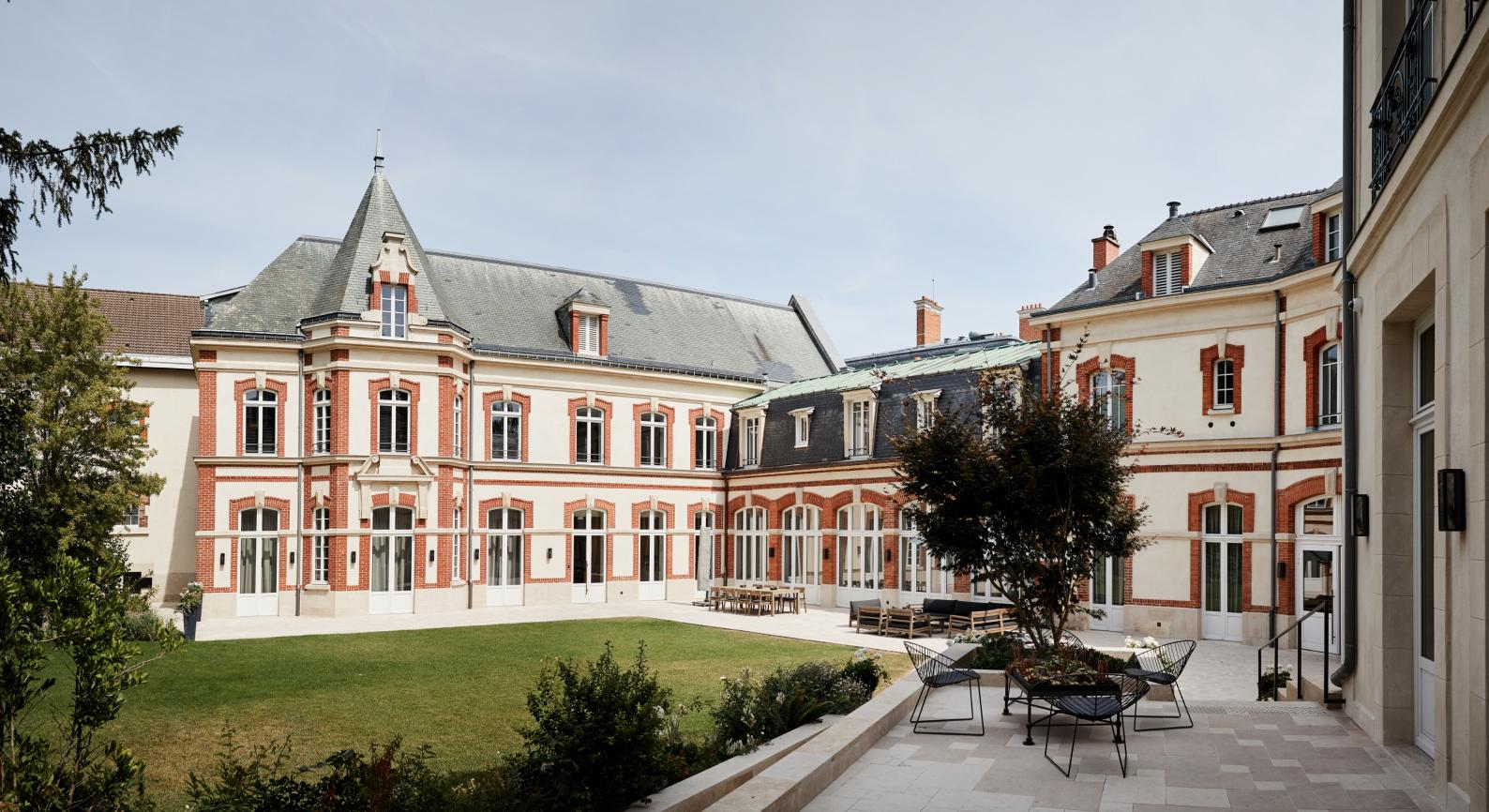
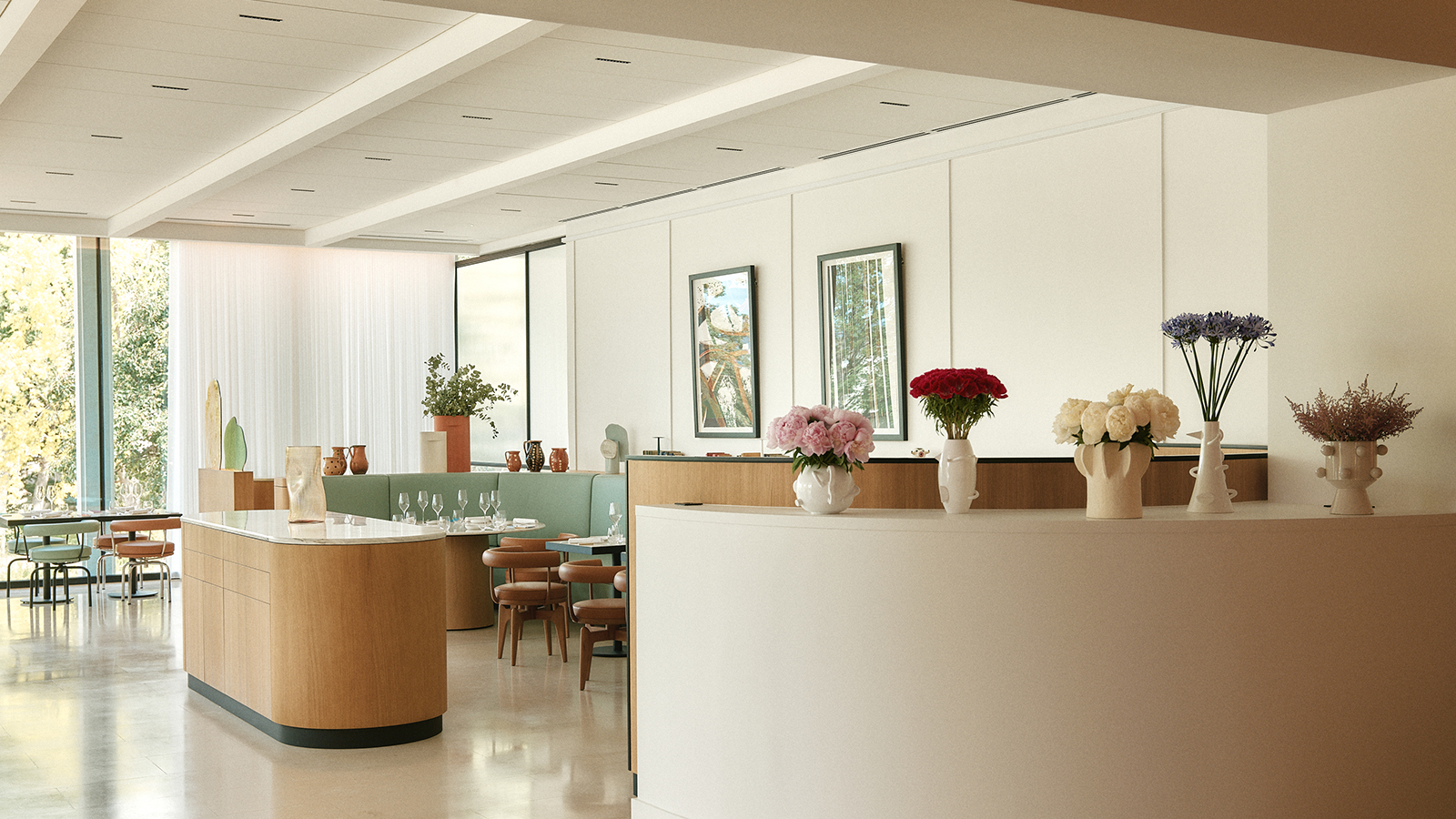
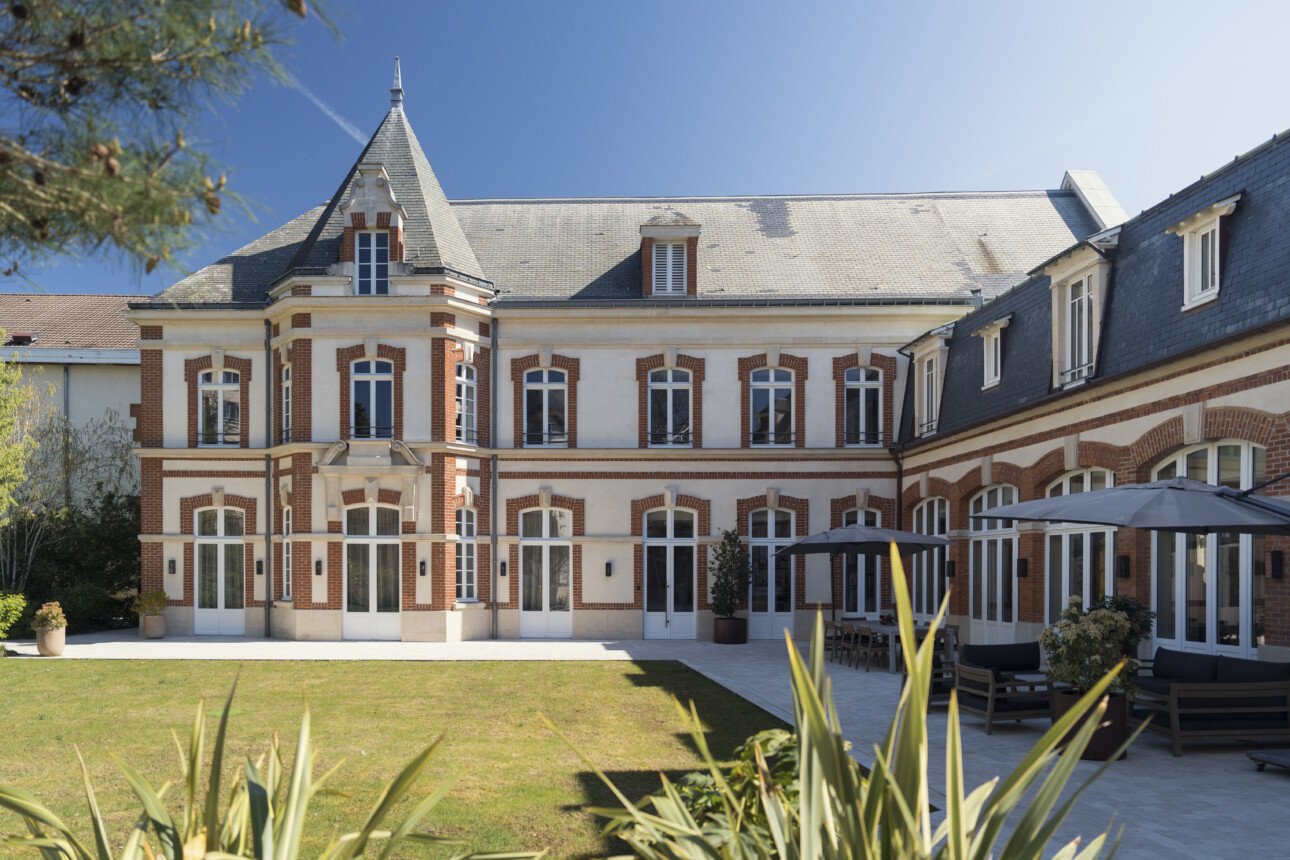
The house still occupies its historic premises on Rue Coquebert, in central Reims, with family rooms and cellars shaped more for attention than traffic. The mood is quiet. This is a grande marque with the scale to make several cuvées, yet the experience at the cellar remains intimate, closer to a private tasting room than a public winery floor. The craft happens in decisions that do not look dramatic from the outside: a barrel kept in service, a reserve wine held back, a plot’s acidity left intact, a blend adjusted until the Grande Cuvée carries both breadth and lift. In the room, the luxury is not noise or display. It is the patience of separate wines waiting for their place.
A house still built through editions
Cavil’s current work includes the creation of Grande Cuvée editions such as the 164ème and 168ème, and the Single Ingredient program, which pairs Krug Champagne with everyday foods. The program keeps the house close to pleasure rather than ceremony, a useful correction for a wine often spoken about in abstractions. At Champagne Krug, the next finished thought still arrives as an Édition of Grande Cuvée.
Know before you go
- Dress code
- smart_casual
- Reservations
- appointment_only
- Parking
- street
- Payment
- credit_card, debit_card
- Groups
- Welcomed
Address
Reims, Grand Est, Frankreich
Champagne district