Charles Heidsieck
- 01CityReims, France
Champagne aged in chalk crayères
- Falstaff Winery - 4 Stars · 2026
- Pearl 4 Star Prestige · 2025
Continuity in the chalk
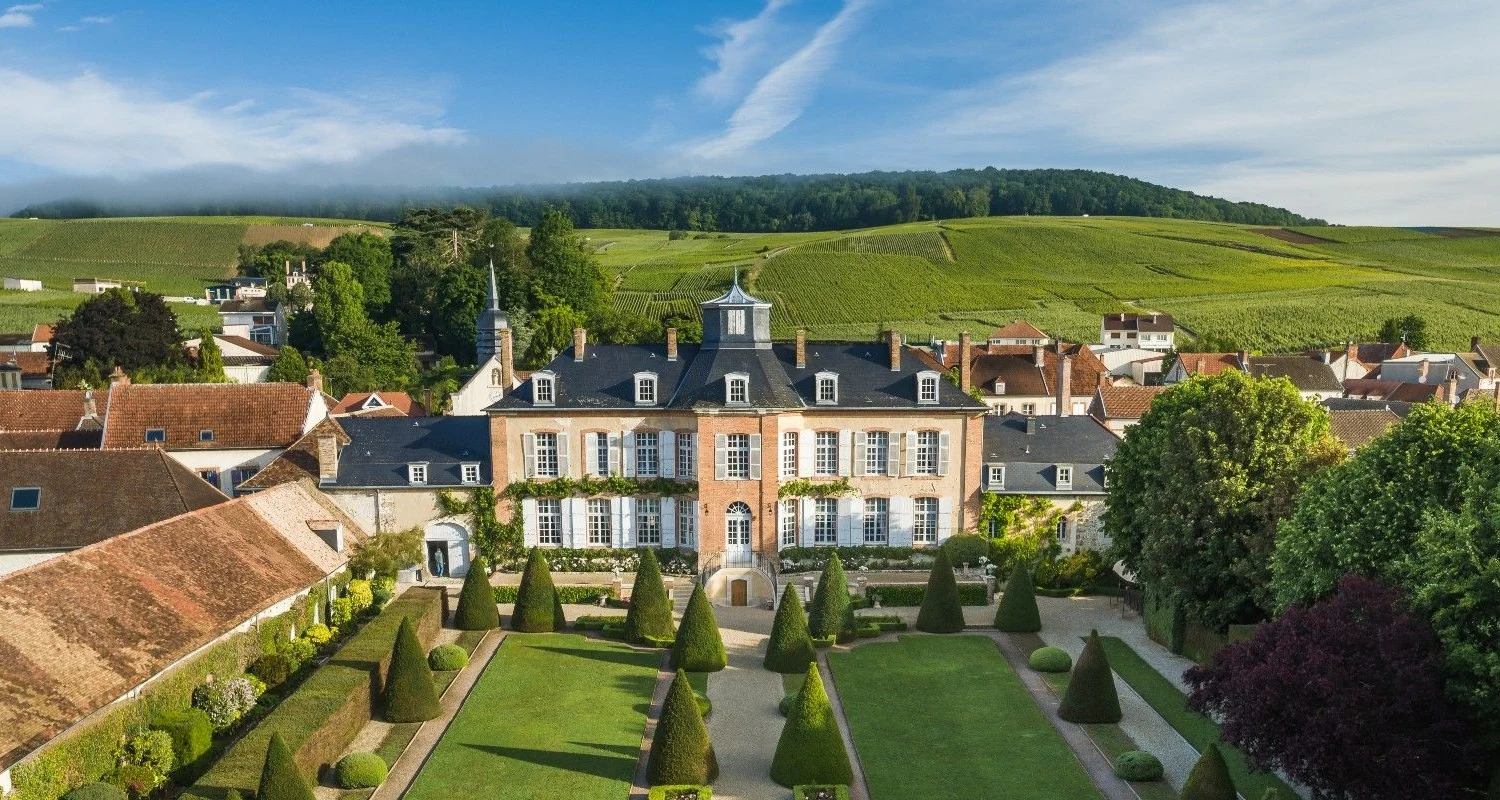
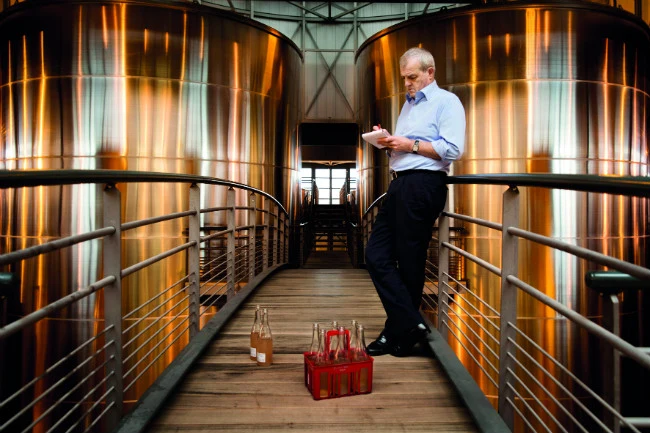
Blend decisions reach the bench before they reach the glass. Cyril Brun was Chef de Caves at Charles Heidsieck in Reims from 2015 to 2023, working from a Champagne discipline shaped first in cellar work at Veuve Clicquot in 2000. Here, the role sat close to continuity: keeping house style coherent, reading lots with patience, and allowing the cellar to do work that cannot be hurried. The house stands on Saint-Nicaise Hill, where chalk crayères under Reims hold the wines in a constant, quiet cold. Charles-Camille Heidsieck acquired these cellars, and their presence still gives the place its working grammar. Brun’s trade was not spectacle. It was the management of freshness, balance, and reserve, the kind of cellar-side judgement that depends on repetition as much as instinct. Chardonnay, Pinot Noir, and Pinot Meunier remain the vocabulary; Champagne AOC sets the frame. The craft rests in the decisions between those known points.
Long maturation below Reims
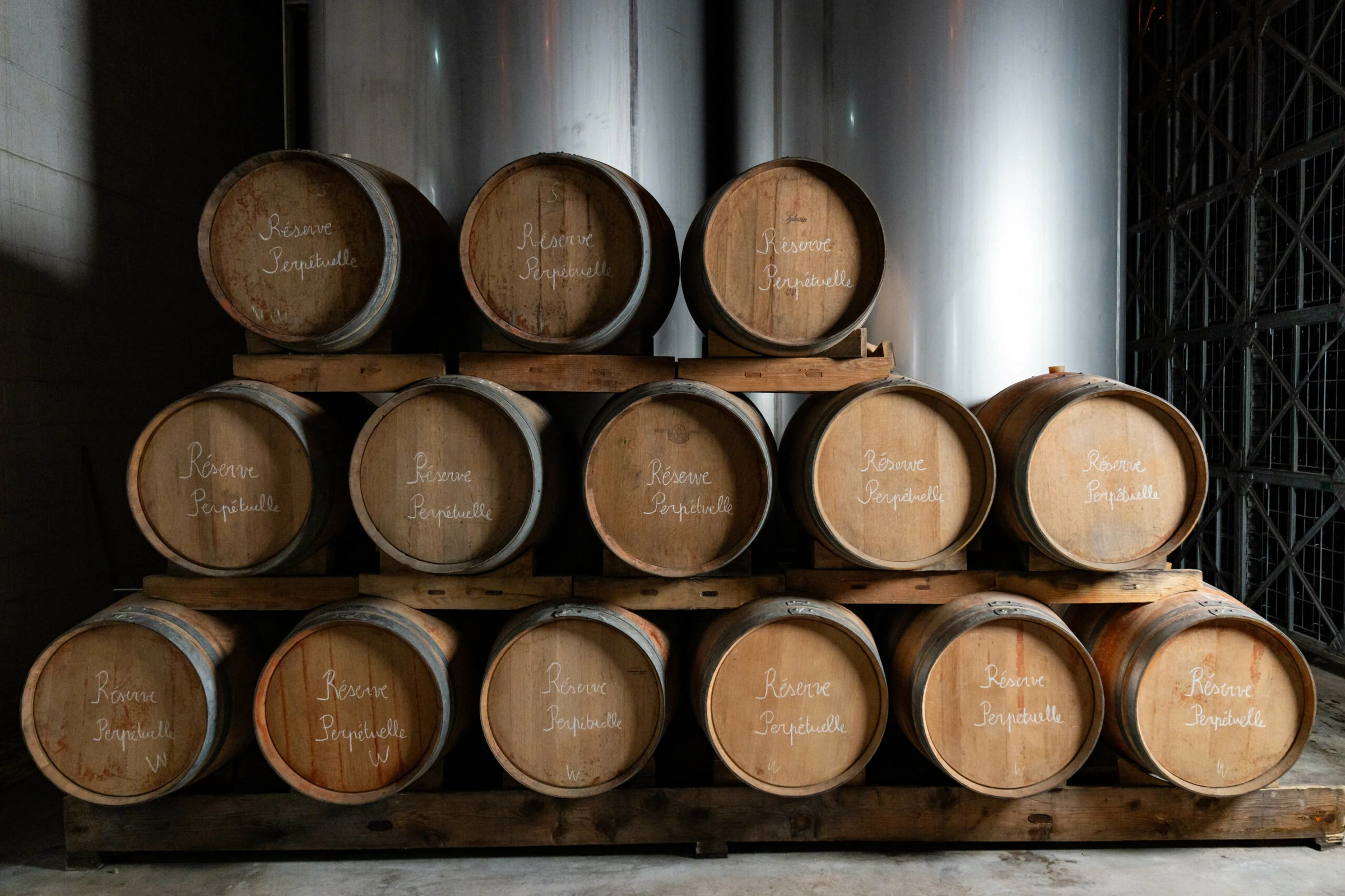
The method here belongs to sparkling wine, but the character of the place comes from time underground. The crayères are chalk chambers, cut beneath Reims, used for extended aging of Champagnes in conditions valued for their constant temperature. In that stillness, the wine can take on the richer, more complex register associated with long maturation, without the cellar having to announce itself. Charles Heidsieck works at a small production scale and states a sustainable philosophy, which matters here less as language than as a discipline around fruit, blending, and patience. The cellar master’s work gathers in increments: lot by lot, blend by blend, a house style held steady through change. Brun’s appointment at Charles Heidsieck in 2015 placed him at that point of responsibility, after the habits formed in a larger Champagne house. The work asked for decisions that would only prove themselves after time in chalk.
The cellar as a working room
The room is underground, opulent in the old Champagne way, but its luxury is practical rather than decorative. Chalk keeps the temperature even, and that steadiness becomes part of the experience. Quiet keeps attention on the glass, the rack, and the passage of bottles through the cellar, without asking for any extra spectacle. A cave tasting here draws its force from proximity to the method rather than performance around it: pale stone, low sound, and the sense that maturation is happening out of sight in every direction. The vineyard is not the only place that gives Champagne its shape. At Charles Heidsieck, the cellar has its own claim on terroir, because the crayères under Reims change how time behaves around the wine. The house holds 2 current awards, and those numbers sit beside the slower measure: Champagne resting in chalk beneath Saint-Nicaise Hill.
Questions
Frequently asked
What is Charles Heidsieck known for?
Charles Heidsieck is known for Champagne aged in chalk crayères beneath Saint-Nicaise Hill in Reims, where the constant underground cold supports long maturation.
Who was Chef de Caves at Charles Heidsieck from 2015 to 2023?
Cyril Brun was Chef de Caves at Charles Heidsieck in Reims from 2015 to 2023.
What grapes are used here?
Chardonnay, Pinot Noir, and Pinot Meunier are the grapes named in the house style.
How do visits and bookings work?
Visits are by appointment only, and the dress code is smart casual.
Has the house received recognition?
The house holds 2 current awards.
The field
How it compares
| Place | Notes | Awards |
|---|---|---|
| Charles Heidsieck | Saint-Nicaise Hill, $$$$ | · |
| Bruno Paillard | Reims | · |
| Henriot | Reims | · |
| Krug | Reims | · |
| Piper-Heidsieck | Reims | · |
| Ruinart | Reims | World's 50 Best |
| Taittinger | Reims | World's 50 Best |