Made ByWinery
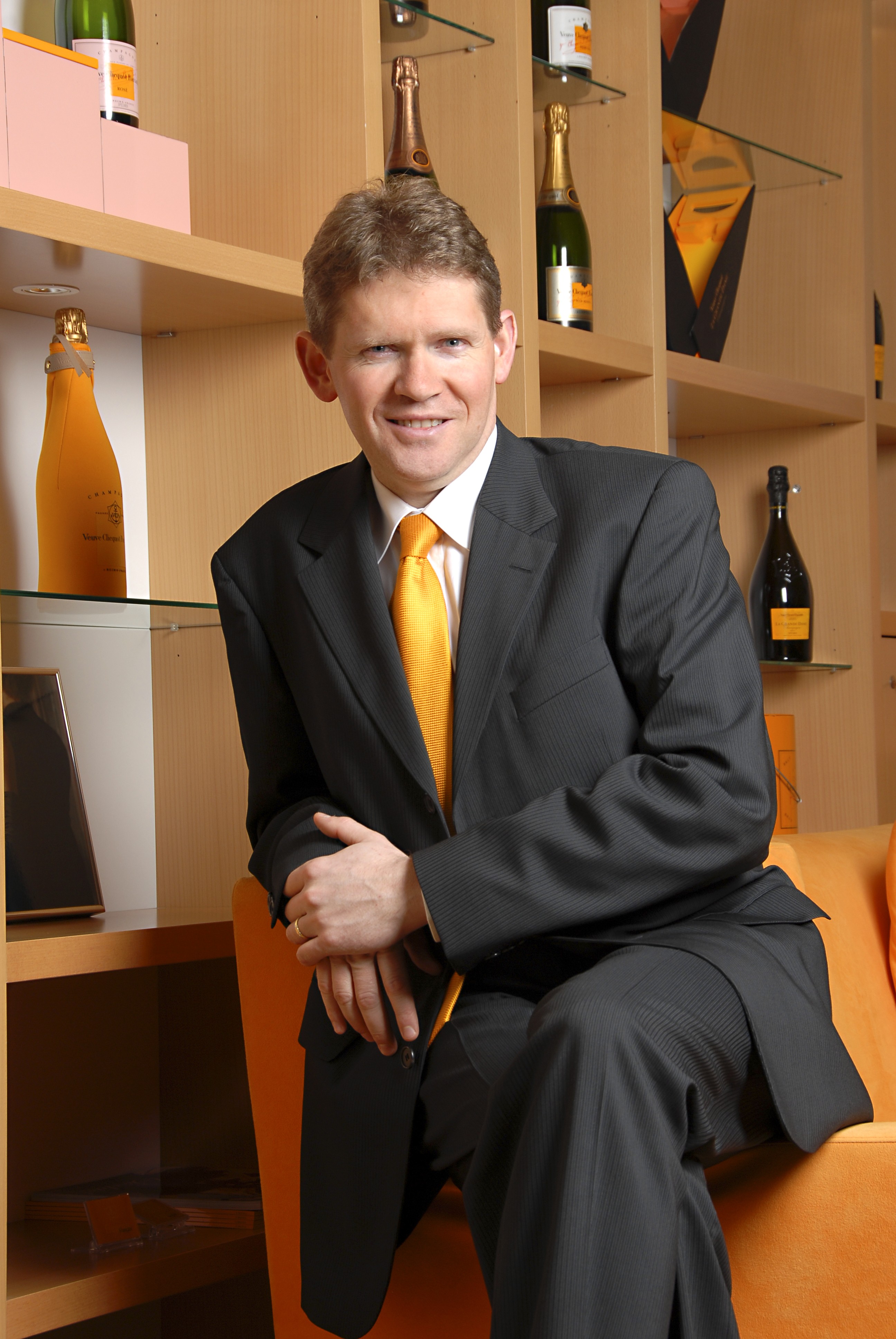
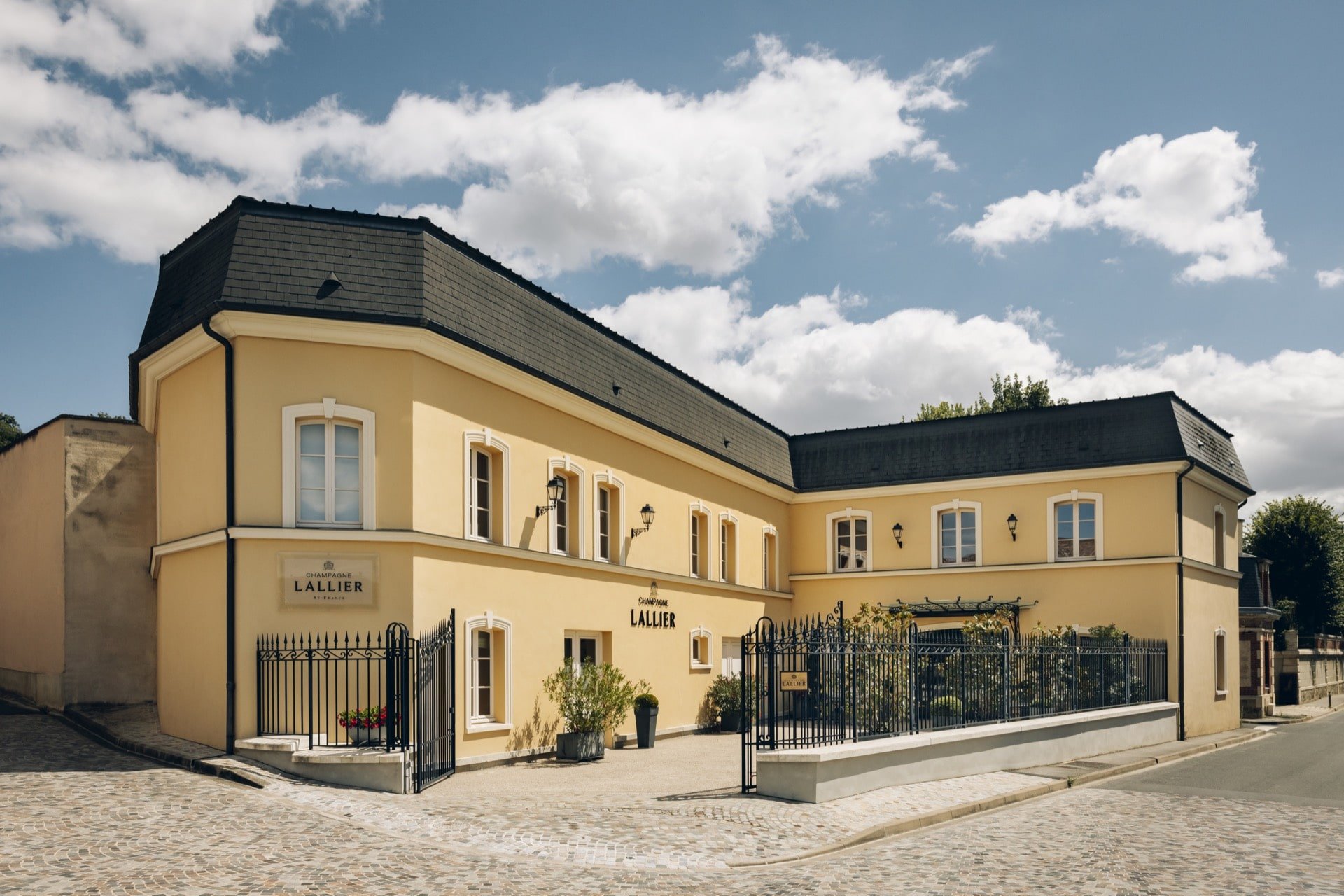
Dominique Demarville, General Manager at Champagne Lallier in Aÿ, guides Grand Cru Pinot Noir and Chardonnay through cellar-led Champagne.
At a glance
- Price
- $$$
- Neighborhood
- Aÿ-Champagne
Pinot Noir before the blend
Pinot Noir from Aÿ sets the first question for Dominique Demarville, General Manager at Champagne Lallier in Aÿ. He works inside a house whose identity begins with Grand Cru fruit and a narrow choice of grapes, Pinot Noir and Chardonnay, rather than a broad cellar vocabulary. Demarville arrived in January 2021 as Cellar Master and General Manager, after more than 30 years in Champagne and training in oenology at the Lycée Viticole de la Champagne in Avize and the University of Burgundy in Dijon. His first harvest was in 1985; the bench he occupies now belongs to a maison founded in 1906 by René Lallier and carried by five generations of the Lallier family. That lineage matters here because Aÿ is not treated as backdrop. The village gives the house its Pinot Noir, its Grand Cru frame, and its discipline of selection. Demarville’s role is not to make the place louder. It is to decide how much of a year the wine should keep, and how much the blend should settle into the house’s long memory.
Separate plots, native yeast, long cellar time
The method at Lallier begins with selection from about 50 hectares of Grand Cru vines, with additional fruit brought into the house for Champagne AOC production. The cellar works with Pinot Noir and Chardonnay, vinified by plot so that parcels keep their own register before the blend. Alcoholic fermentation uses native yeast from the grape skins, a choice that keeps the first movement close to the vineyard rather than to a recipe. Malolactic fermentation may or may not enter the blend, depending on the balance Demarville wants between natural acidity and breadth. The house’s Blanc de Blancs spends a minimum of 36 months in cellar before release, giving Chardonnay time to carry chalk, freshness, and a more settled texture. The RÉFLEXIONS collection follows the changing nature of each year; OUVRAGE moves toward Grand Cru parcellaire expression. Those are not decorative names in the portfolio. They mark decisions at the station, from plot separation to dosage, from vintage character to the final tension of the cuvée.
Vaulted chalk and a quiet tasting room
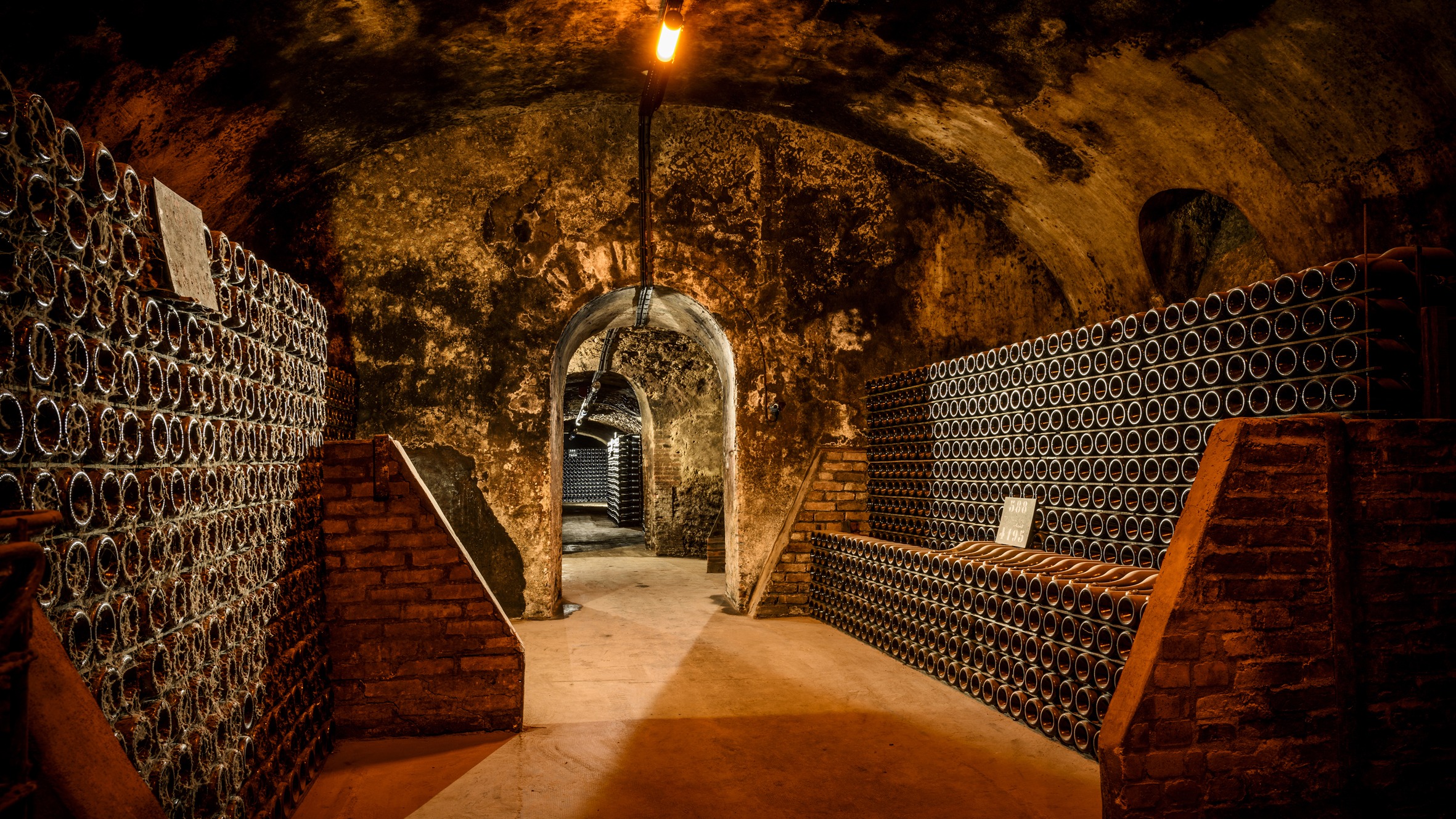
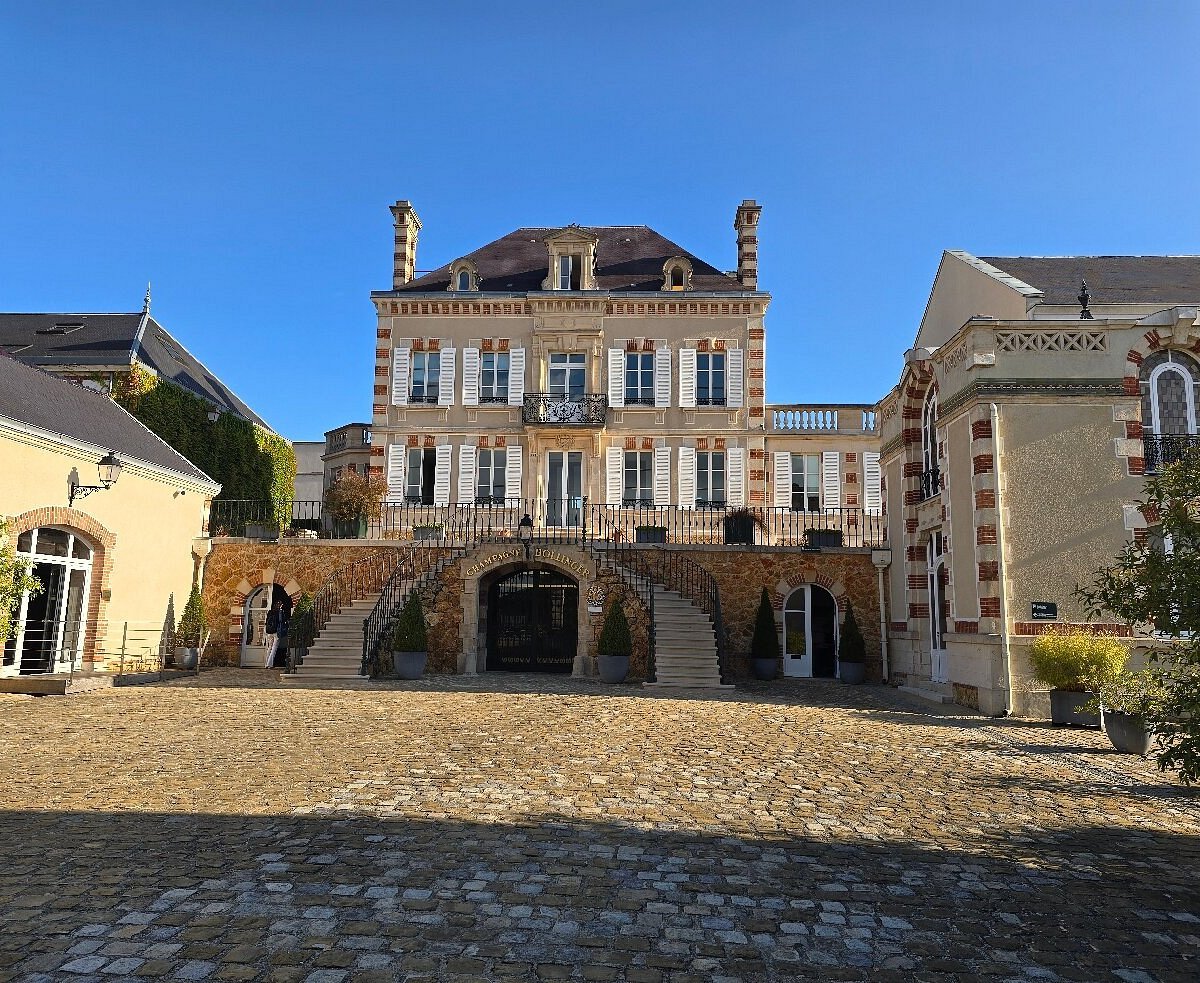
The cellar sits under a traditional estate environment in Aÿ, with vaulted spaces dating to the end of the 19th century and tasting rooms shaped for close attention rather than volume. Conversation stays low. In that quiet, the work has room to show its order: bottles resting in the cellar, contemporary art set against older stone, the pour moving from the technical language of Pinot Noir, Chardonnay, acidity, and dosage into the more human language of the glass. Lallier’s tasting experience is intimate by design, with the cellar tour and seated tasting keeping the visitor near the method. The house was founded in 1906, but the room does not lean on age alone. It asks the wine to carry the evidence.
Réflexion in the glass
The house continues to place its public argument in named cuvées rather than in spectacle. Réflexion R.021 Brut Rosé debuted in 2025, extending the RÉFLEXIONS line as a record of year, place, and blend under Demarville’s hand. For a house built on Aÿ Pinot Noir and Grand Cru Chardonnay, the next signal remains the bottle on the table: Réflexion R.021 Brut Rosé.
Know before you go
- Reservations
- recommended
- Parking
- street
- Groups
- Welcomed
Address
Ay, Grand Est, Frankreich
Aÿ-Champagne