Made ByWinery
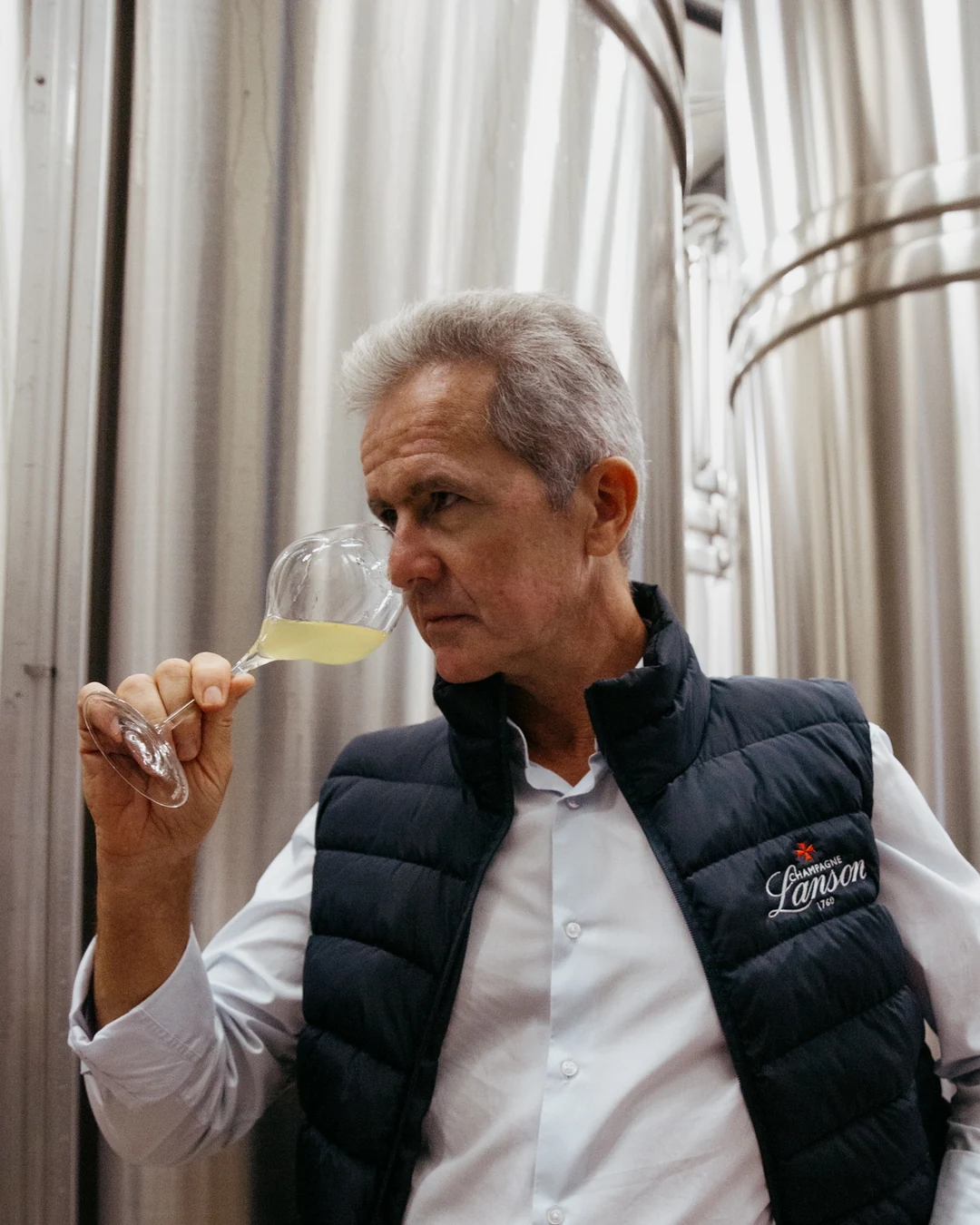
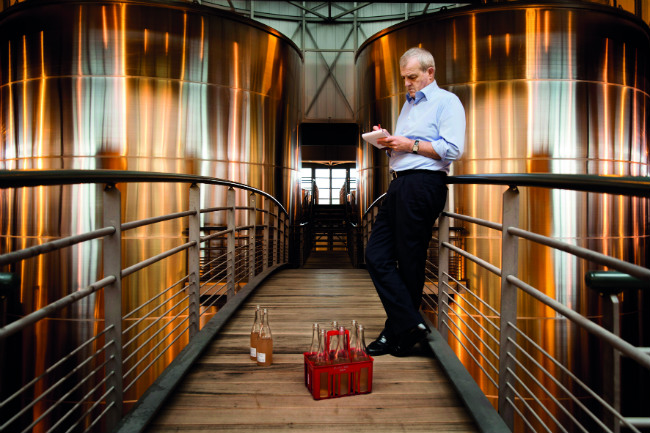
Hervé Dantan, cellar master at Champagne Lanson in Reims, guides freshness through vineyard and cellar with care each day.
At a glance
- Price
- $$$
- Per person
- $60
- Neighborhood
- Courlancy
Freshness held in the cellar
Assemblage begins after the harvest has settled into still wine, and Hervé Dantan, cellar master at Champagne Lanson in Courlancy, Reims, works from that point of tension: what the year gives, what the house must keep, and how much edge the blend can carry. His own words return to the same problem, “Each year, my role is to play with freshness, enhancing it according to what nature offers us.” At Lanson, that is not a decorative line. It is the cellar-master’s daily discipline.
Dantan has held the role since 2013, after training at Reims, and his station sits inside a house founded in 1760 by François Delamotte. The scale is large, but the question remains exact: how to keep structure without heaviness, fruit without softness, and acidity as the spine of the wine rather than a surface note. The cuvées most closely tied to his work, Clos Lanson, Le Black Création 257, and Le Rosé Lanson, show that register with different pressure. One speaks through an enclosed vineyard in the city. One holds the house blend. One carries the rosé line. The cellar master has to keep them separate and recognisable, while making them read as Lanson.
No malolactic as a house decision
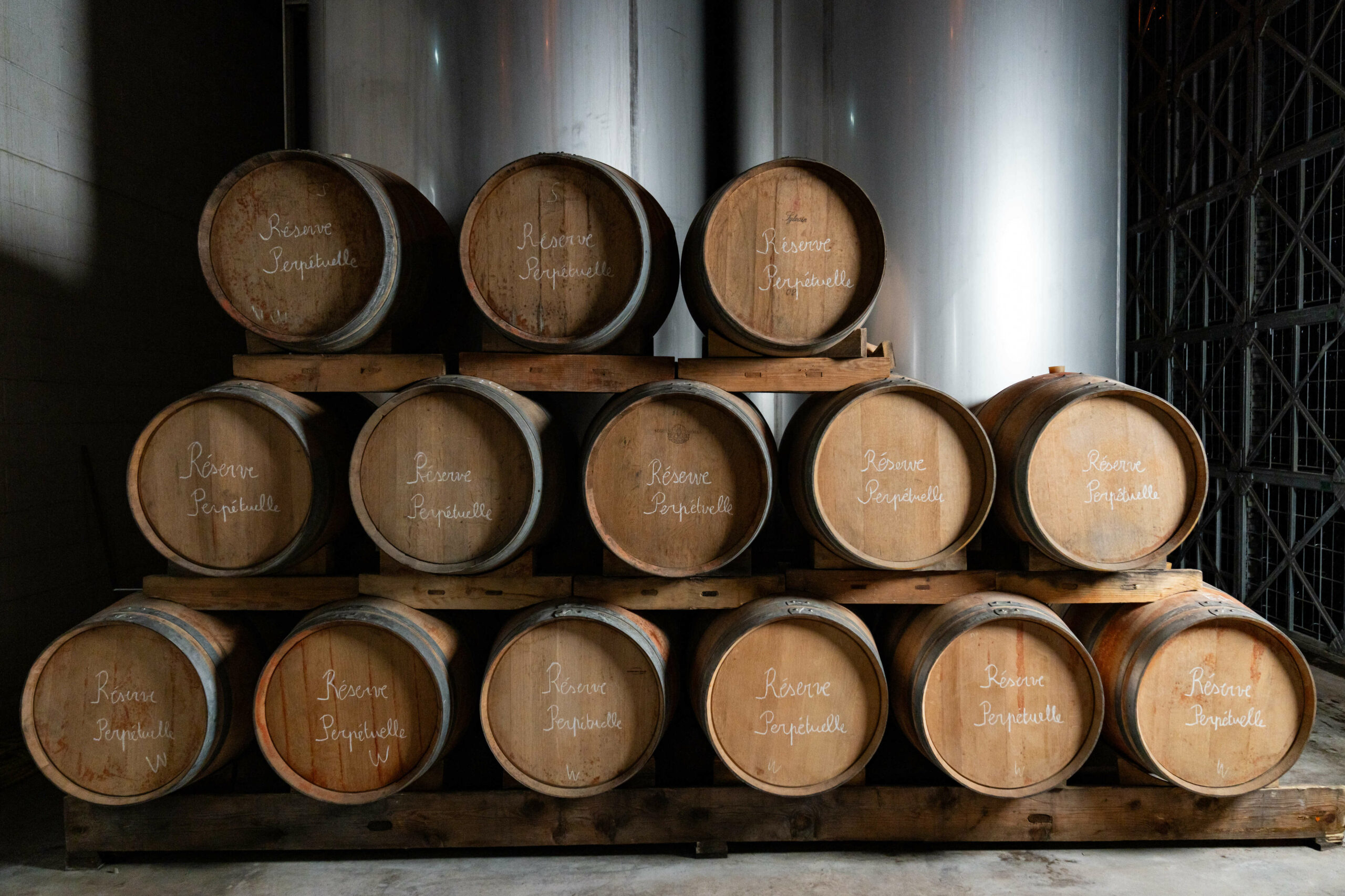
The method here turns on a refusal as much as an addition. Lanson does not use malolactic fermentation, a choice that preserves natural acidity and gives Dantan the material he needs for the house’s line of freshness. After hand harvest between August and October, the grapes ferment into still white wine, then move toward assemblage in early spring, about five months after harvest. The blends draw on Chardonnay, Pinot Noir, and Pinot Meunier, with reserve wines carrying memory into the current year.
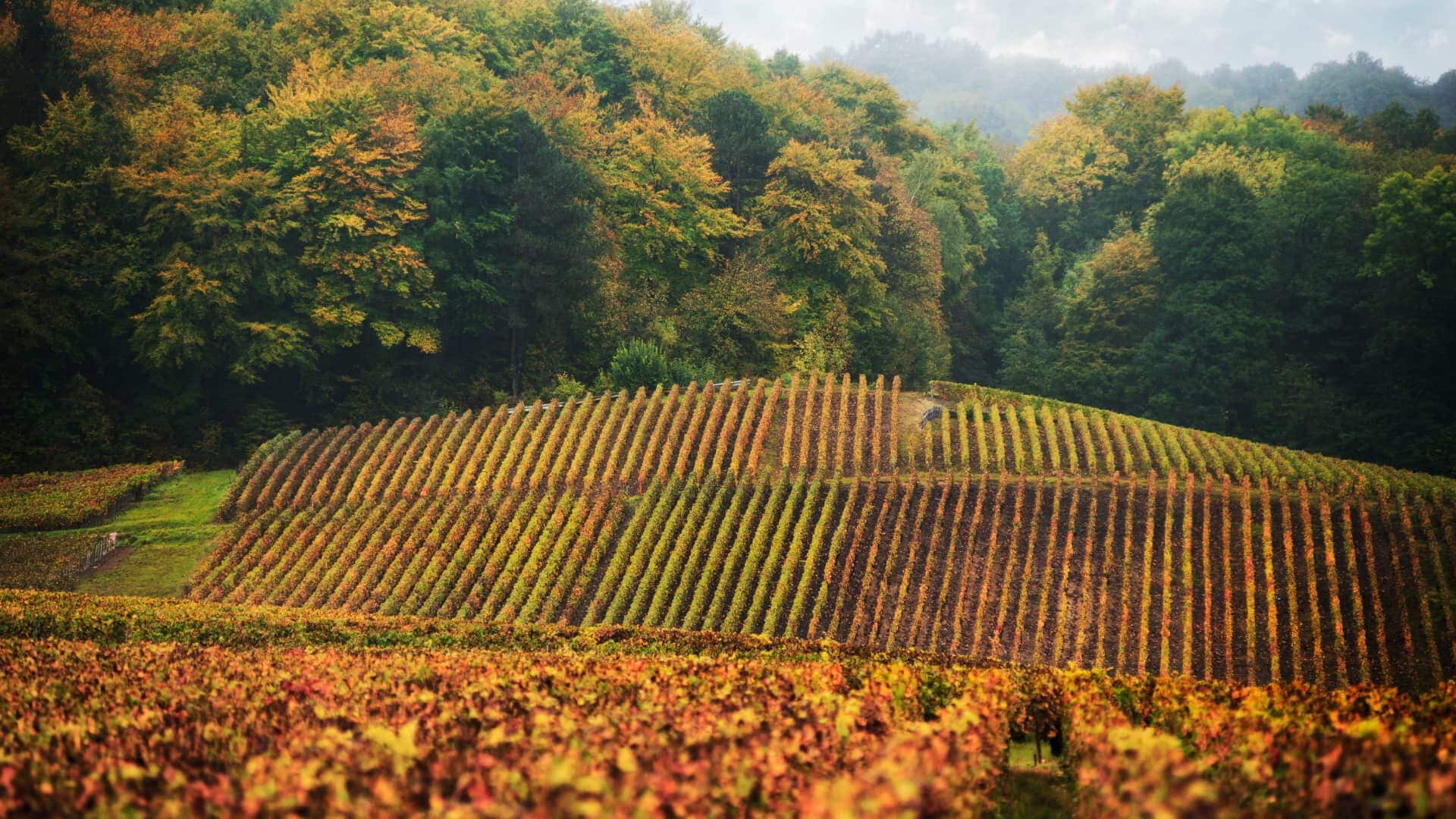
The house works across 400 hectares of vineyards, with 60 hectares owned directly and 340 hectares coming through partnerships. Within that frame, 16 hectares are committed to organic and biodynamic viticulture. Beneath the estate, around 20 million bottles rest in 7 km of cellars, the quiet arithmetic behind a large Champagne house. Tirage, second fermentation, cellar ageing, riddling at a 75-degree angle, disgorgement, and dosage follow the classical sequence, but Dantan’s hand is in the decisions before those stages settle into routine. The blend is where the house declares itself.
The clos inside the city
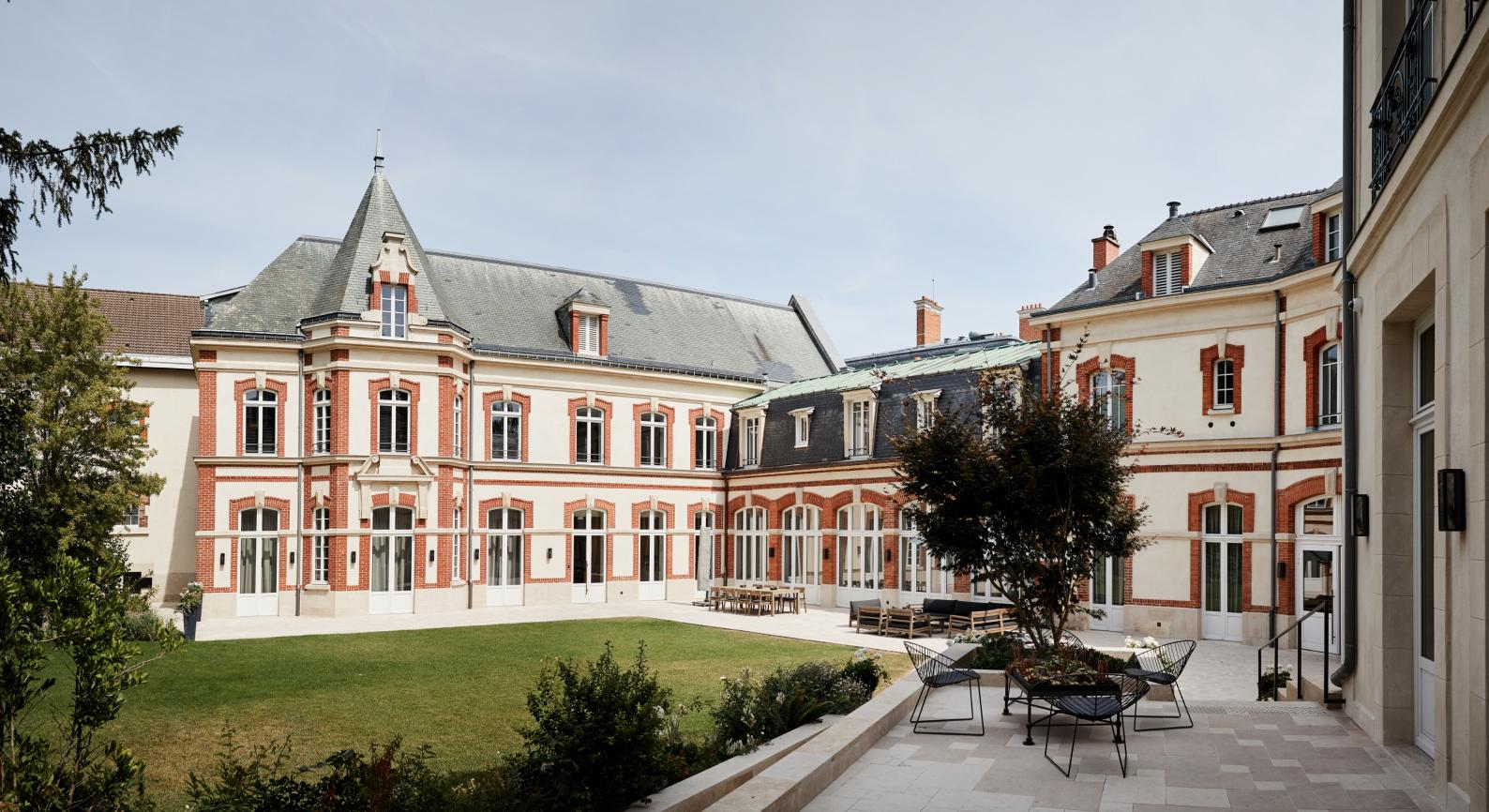
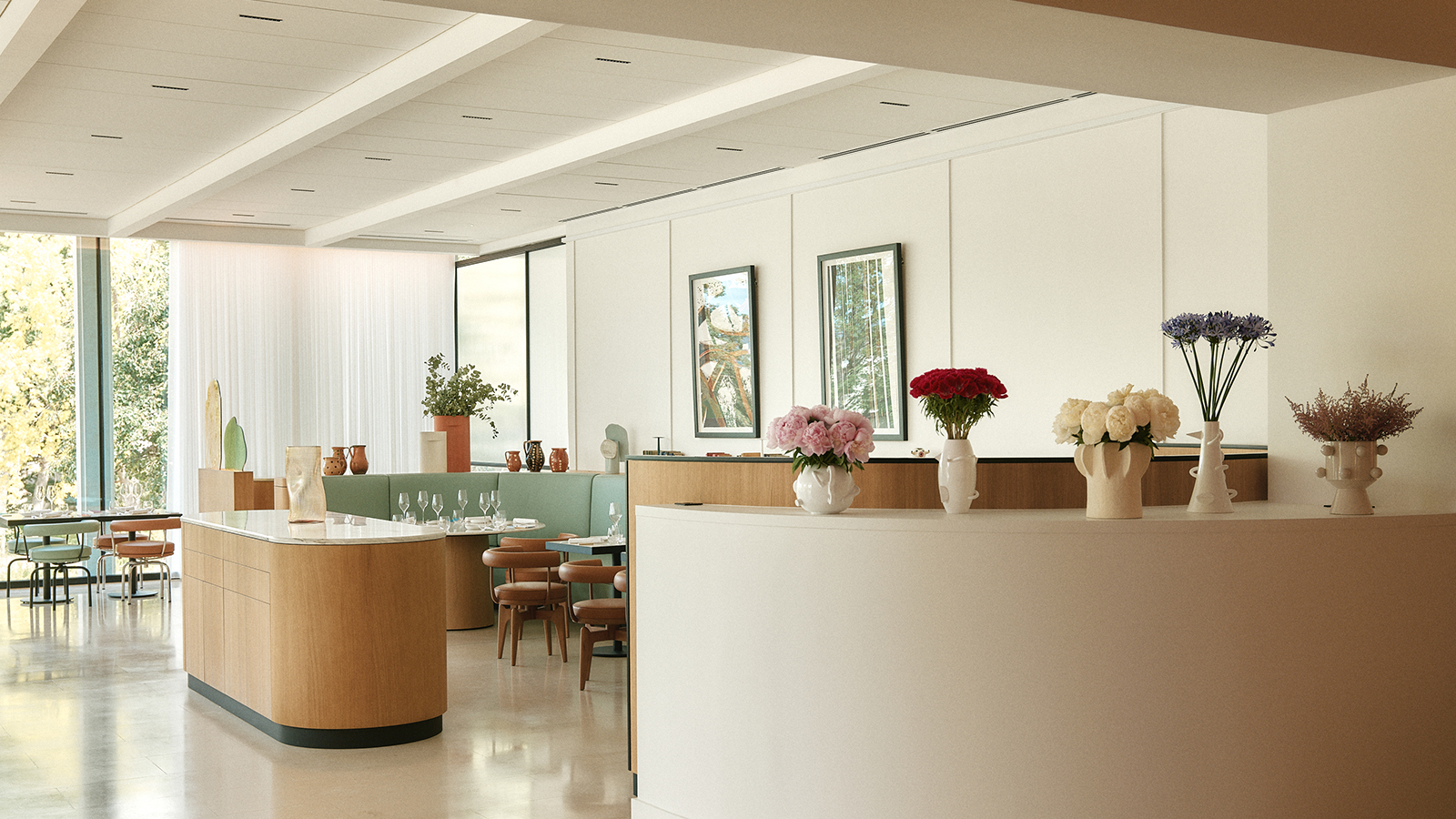
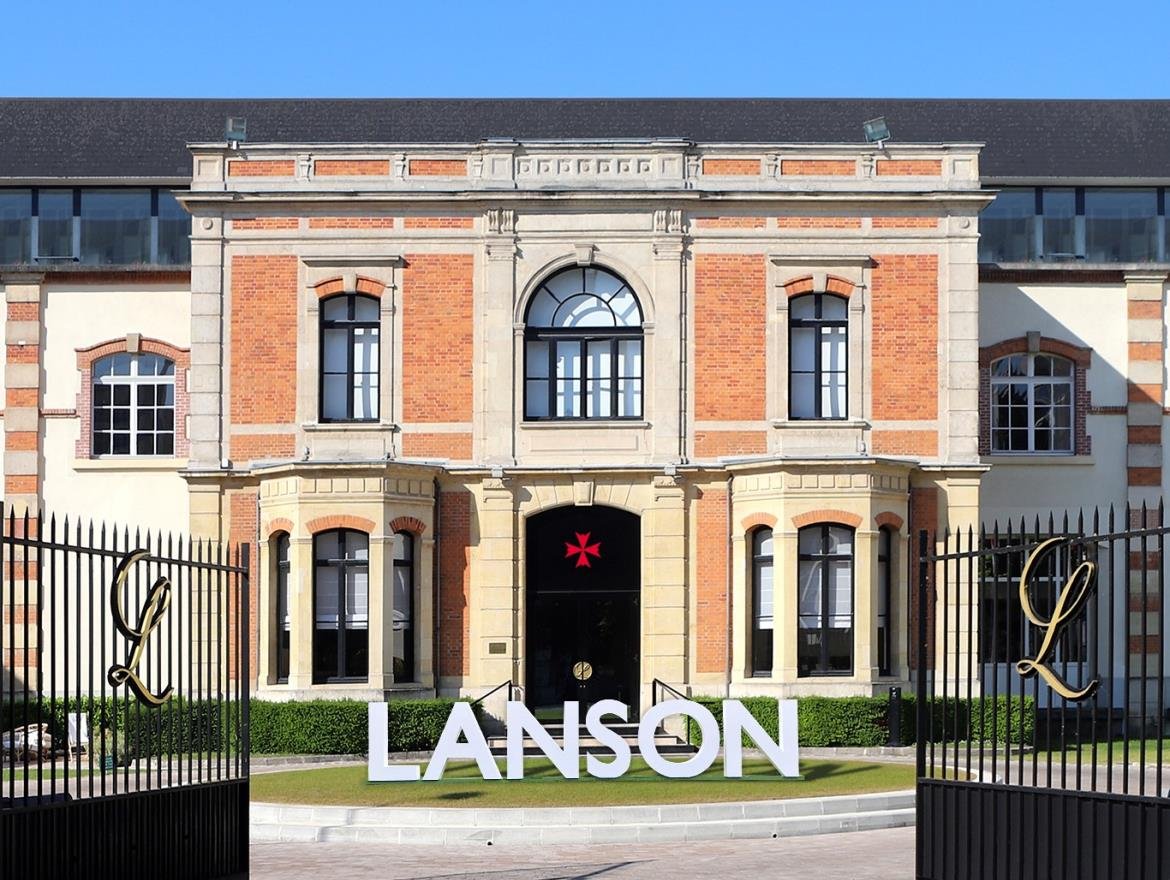
The place has an unusual intimacy for a house of this size. The estate sits within Reims, with fermentation rooms, underground cellars, a secret garden, a tasting lounge, and Clos Lanson, the enclosed urban vineyard that gives the visit its most specific piece of ground. The vineyard is not an image on a label or a distant parcel described from the cellar door. It is there, part of the house’s own route from vine to flute.
In the cellar, the temperature and scale take over. Bottles lie in long ranks, the chalk and stone holding the kind of cool that slows a wine into itself. The room stays conversational because the work does not need theatre. What matters is the continuity between vineyard decisions, base wines, reserve wines, and the final impression in the glass. Dantan has described the chef de cave’s work as complete, reaching from vineyard to consumer. At Champagne Lanson, that completeness has a name in Clos Lanson.
Know before you go
- Reservations
- appointment_only
- Parking
- street
- Payment
- cash, credit_card, debit_card
- Accessibility
- wheelchair_accessible
- Outdoor seating
- Yes
- Groups
- Welcomed
- Children
- Welcomed
Address
Reims, Grand Est, Frankreich
Courlancy