Made ByRestaurant
Chao Shang Chao
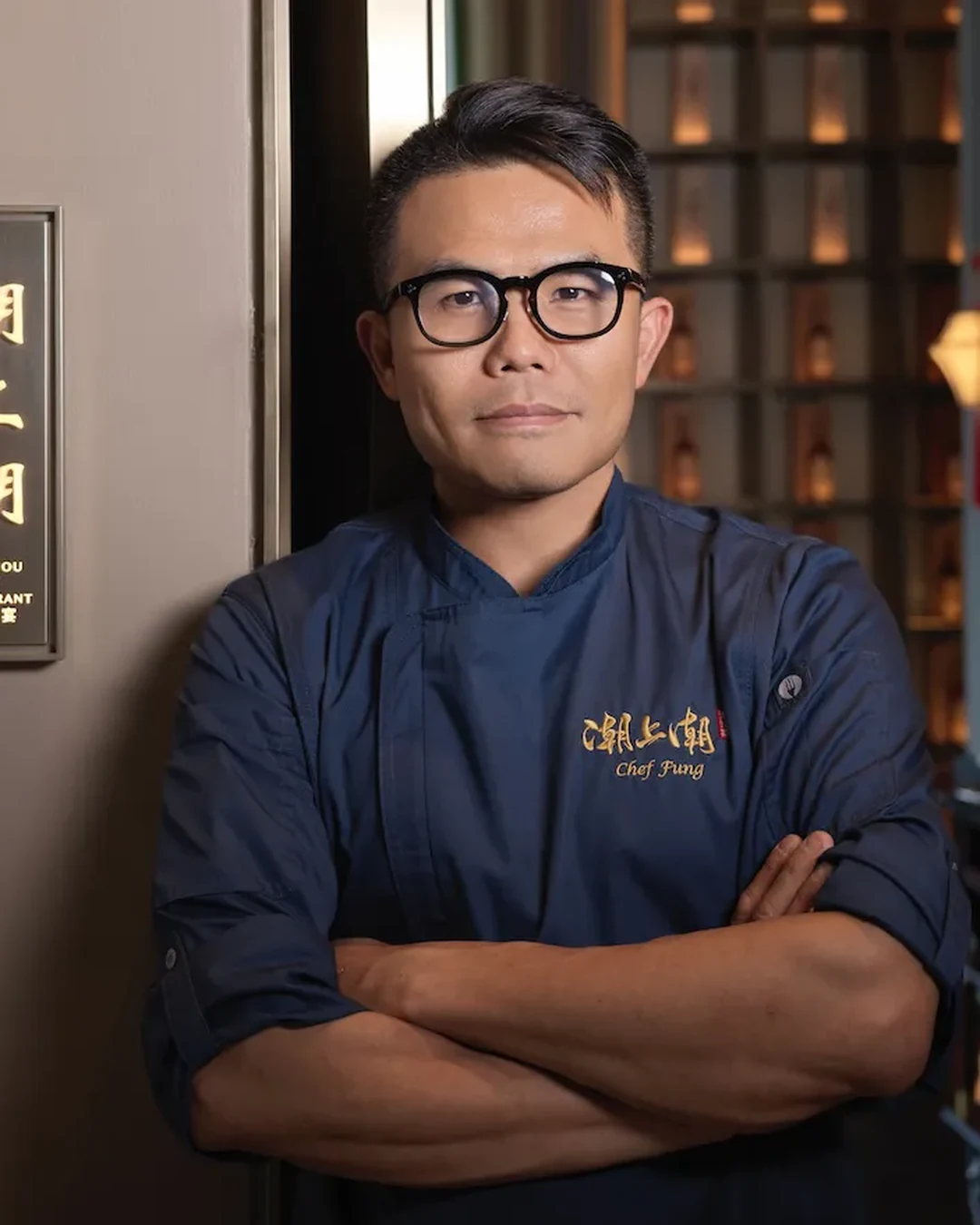
Chef in Residence
Cheung Yat Fung
Chef
- 01CuisineModern Chaoshan (Teochew) Fine Dining
- 02CityBeijing, China
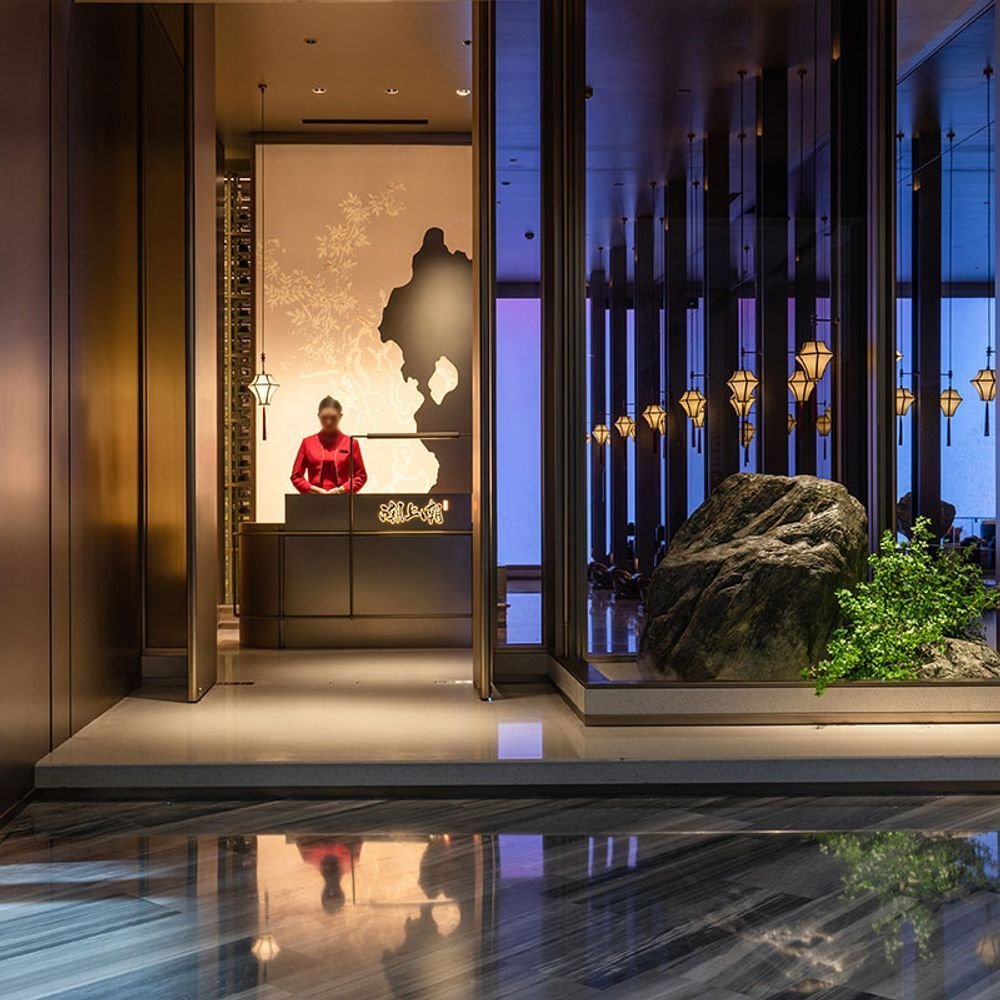
Chao Shang Chao brings Chaoshan and Teochew cooking into Beijing’s high-end regional Chinese conversation, with chef Cheung Yat Fung attached and a No. 100 placement on the 2026 OAD Top Restaurants in Asia list. The draw is not novelty but specificity: a southern coastal tradition defined by clarity, seafood discipline, broths, braises, and restrained seasoning, set against a capital-city dining scene often dominated by northern, Cantonese, and Sichuan reference points.
At a glance
- Cuisine
- Modern Chaoshan (Teochew) Fine Dining
- Price
- $$$$
- Per person
- $320
- Neighborhood
- Chaoyang
<p>Arriving at a polished upper-floor dining room in Beijing changes the terms of regional Chinese dining. The soundscape is quieter than the city’s roast-duck houses, the pacing more formal than a neighbourhood Chaozhou table, and the expectation is precision rather than abundance for its own sake. Chao Shang Chao sits in that narrower lane: Chaoshan and Teochew cooking presented for a capital audience that already understands Cantonese luxury, Sichuan heat, and Beijing banquet ritual, but may read Teochew restraint as quieter at first glance.</p><p>That restraint is the point. Chaoshan cooking, rooted in eastern Guangdong, has long valued freshness, clean stocks, seafood handling, braised goose, chilled preparations, pickled accents, and sauces that sharpen rather than smother. It shares certain Cantonese instincts, especially around clarity and product quality, but the grammar is different. Where Cantonese banquet cooking often signals status through breadth, technique, and rare ingredients, Teochew food can be more exacting in its refusal to overwork a plate. In Beijing, that distinction matters because southern Chinese fine dining can too easily be flattened into a single Cantonese category.</p><h2>Chaoshan cooking in a Beijing room, not Cantonese dining by another name</h2><p>The useful way to read this restaurant is through regional separation. Beijing’s dining culture gives visitors strong anchors: duck, imperial-adjacent banquet rooms, dumpling houses, lamb, and the city’s expanding contemporary Chinese tier. Sichuan and Hunan restaurants bring chilli, fermentation, and smoke into the conversation; Shanghainese rooms lean toward sweetness, river fish, and red-braised comfort; Fujianese and coastal southeastern cooking often work through soup, seafood, and lighter seasoning. Teochew belongs to that southern-coastal family but keeps its own register, especially in the balance between delicacy and austere control.</p><p>Chao Shang Chao’s 2026 placement at No. 100 on OAD’s Top Restaurants in Asia list gives the room a clear external signal, but the more interesting marker is what that recognition says about demand for regional Chinese specificity. International lists have historically rewarded tasting-menu formats and easily legible luxury. A Chaoshan / Teochew restaurant entering that conversation suggests a broader correction: Chinese regional cuisines are being evaluated less as background categories and more as distinct technical systems.</p><p>Chef Cheung Yat Fung is best treated as a credential here, not the story. The story is how a Beijing room frames a cuisine whose authority depends on restraint. In this category, confidence is often measured by what is left alone: clear broth, careful steaming, braising that prizes texture, seafood served with minimal interference, and condiments used as punctuation. That is a different kind of luxury from theatrical service or maximal plating.</p><h2>What the recognition signals for Beijing's regional Chinese scene</h2><p>Beijing has enough high-end Chinese dining to make regional identity a decision rather than a default. A visitor can spend a week moving through northern capital cooking, Cantonese banquets, Sichuan intensity, hotel dining rooms, and contemporary European-leaning restaurants without repeating the same logic. For orientation, EP Club’s wider Beijing map includes Our full Beijing restaurants guide, plus category guides for Our full Beijing hotels guide, Our full Beijing bars guide, Our full Beijing wineries guide, and <a href="https://www.enprimeurclub.com/experiences/beijing">Our full Beijing experiences guide</a>.</p><p>The capital’s restaurant conversation often starts with duck, and that remains a useful baseline for understanding how visitors think about Beijing dining. Nearby editorial reference points include <a href="https://www.enprimeurclub.com/restaurants/1949-duck-de-chine-beijing-restaurant">1949 - Duck de Chine</a>, 1949 The Hidden City (Beijing cuisine), and <a href="https://www.enprimeurclub.com/restaurants/1949-beijing-restaurant">1949-å ¨é¸å£</a>, each tied to a different expression of capital-city hospitality. For a contrast in format rather than cuisine, <a href="https://www.enprimeurclub.com/restaurants/amico-bj-beijing-restaurant">Amico BJ (European Contemporary)</a> and Aroma show how Beijing also absorbs international hotel and contemporary dining codes.</p><p>Beyond Beijing, the regional map becomes sharper. #8 in Chengdu points toward Sichuan’s layered use of chilli and numbing spice. 100 Century Avenue Cantonese in Shanghai reflects the Cantonese hotel-dining model in another major city. 167 Shan Hai Li in Fuzhou, 1913 in Hangzhou, 1927 Dong Yuan Si Chu in Xiamen, and 1980烧肉粽 in 厦门市 broaden the coastal and eastern Chinese context, where seafood, soups, rice traditions, and softer seasoning patterns often carry the argument.</p><p>That regional frame also helps international readers avoid the common mistake of using one Chinese meal to explain the next. A sake-focused Los Angeles counter such as Jōdo Saké Bar in Los Angeles or a Japanese rice-ball specialist like Onigiri Time in Pasadena belongs to an entirely different dining vocabulary, yet both underline the same editorial point: format and tradition matter as much as ingredient quality. Precision reads differently depending on the cuisine.</p><h2>The reader decision: go for regional clarity</h2><p>Chao Shang Chao is strongest as a choice for diners who want Beijing beyond the familiar northern script. The case is not that Chaoshan cooking is louder or more dramatic than the city’s better-known regional options; it is that its discipline can be harder to fake. Teochew cooking rewards attention to temperature, texture, stocks, seafood handling, and the small calibrations that make a dish feel clean rather than plain.</p><p>The award recognition gives the restaurant a trust signal, and the chef attribution adds a second one, but the more practical editorial stance is simple: choose this when the meal’s purpose is regional education at a high level, not spectacle. In a city where Chinese dining can swing from banquet grandeur to casual northern comfort, a serious Chaoshan / Teochew room gives Beijing another register, quieter, narrower, and more technically revealing.</p>
Know before you go
- Dress code
- smart_casual
- Reservations
- essential
- Parking
- valet
- Payment
- credit_card
- Accessibility
- wheelchair_accessible, elevator
- Groups
- Welcomed
Frequently asked
What style of cooking does Chao Shang Chao do?
Chao Shang Chao serves Chaoshan / Teochew cuisine.
Where do I go for Chao Shang Chao?
Chao Shang Chao is located at L406B, 4F, CP Center, 20 Jinhe East Road, Beijing, Beijing, China, Beijing.
Is Chao Shang Chao chef-led?
The chef associated with Chao Shang Chao is Cheung Yat Fung.
How hard is it to get a table at Chao Shang Chao?
The 2026 Opinionated About Dining ranking gives Chao Shang Chao a clear demand signal, and its address at L406B, 4F, CP Center, 20 Jinhe East Road places it in a serious Beijing dining corridor. The room reads as a destination for regional Chinese dining rather than an everyday walk-in stop.
What's the signature at Chao Shang Chao?
The defining point is Chaoshan / Teochew cuisine, with Cheung Yat Fung named as chef. The restaurant’s 2026 Opinionated About Dining ranking supports the sense that the kitchen is being judged on regional precision rather than on a single named dish.
Address
L406B, 4F, CP Center, 20 Jinhe East Road, Beijing, Beijing, China
Chaoyang
How it compares
- Awards
- —
- Price
- $$$$
- Notes
- Chaoyang, Modern Chaoshan (Teochew) Fine Dining
- Awards
- —
- Price
- $$$$
- Notes
- Chaoyangmen, Cantonese Fine Dining
- Awards
- —
- Price
- $$$$
- Notes
- Wangfujing, Modern Northern Chinese with Peking Duck
- Awards
- —
- Price
- $$$
- Notes
- Beixinqiao, Traditional Beijing Peking Duck
- Awards
- —
- Price
- $$$
- Notes
- Chaoyang District, Modern Shandong Seafood
- Awards
- —
- Price
- $$$
- Notes
- Donghuamen, Imperial Chinese
In residence
Similar places
Modern Plant-Based Chinese Vegetarian
Lamdre
Beijing, China
★ · 50 Best
Modern Vegetarian Chinese Fine Dining
King's Joy
Beijing, China
★★
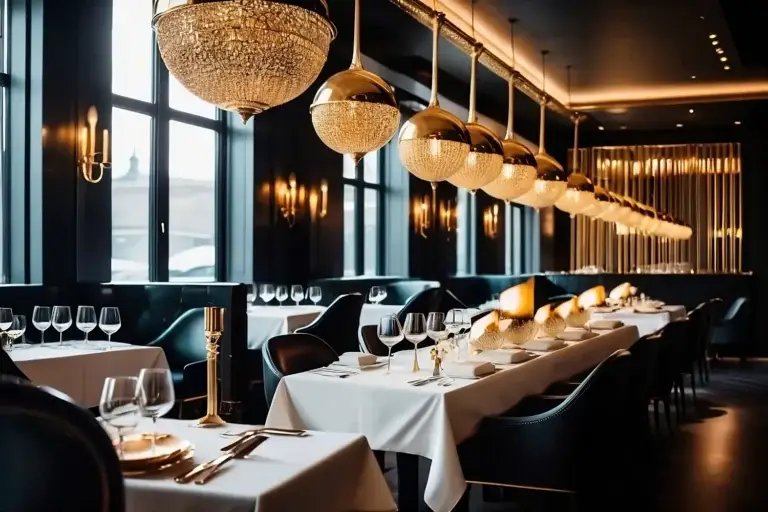
Modern Teochew (Chaoshan) Fine Dining
Chao Shang Chao (Chaoyang)
Beijing, China
★★★
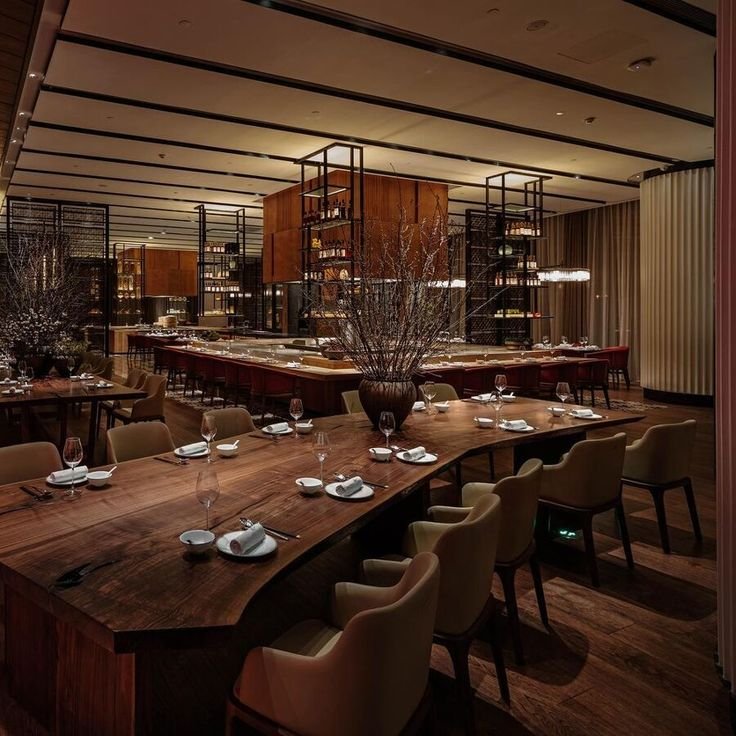
Chinese Seafood
Xin Rong Ji (Xinyuan South Road)
Beijing, China
★★★ · 50 Best
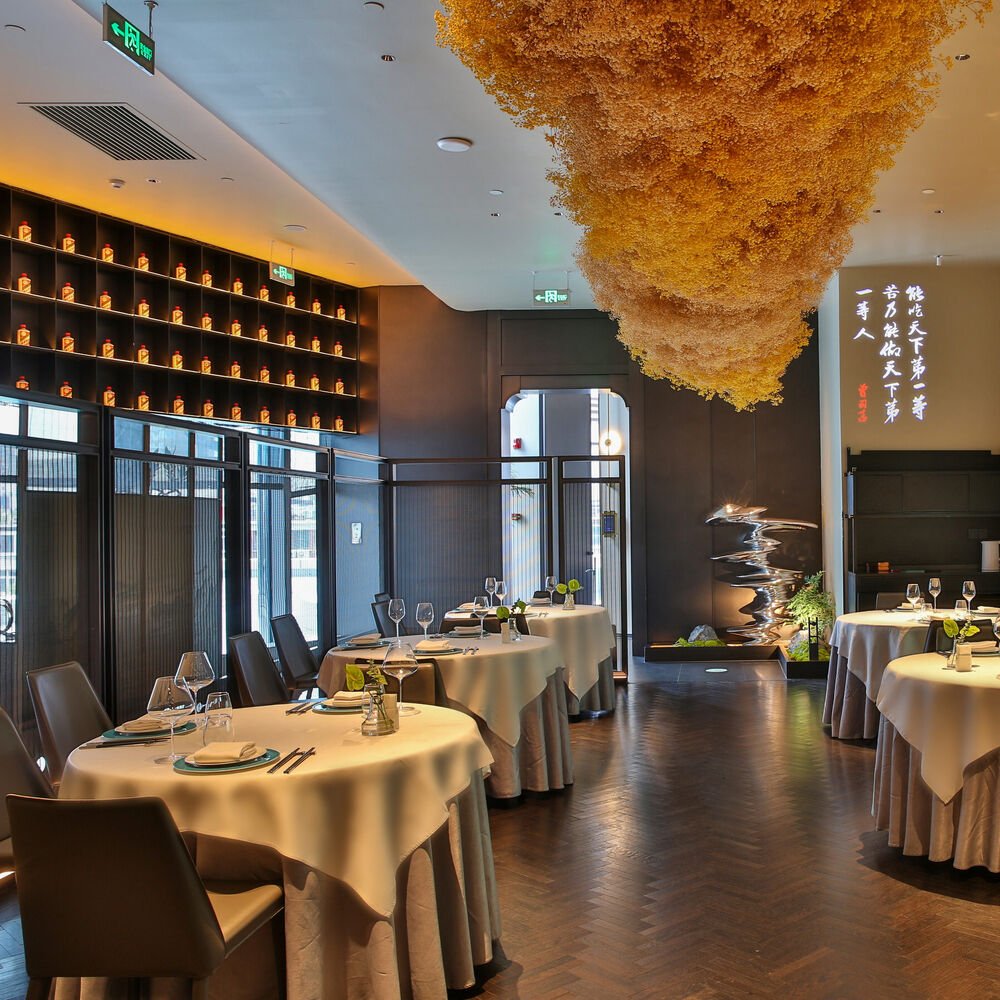
Imperial Beijing Royal Cuisine
Jingji
Beijing, China
★★
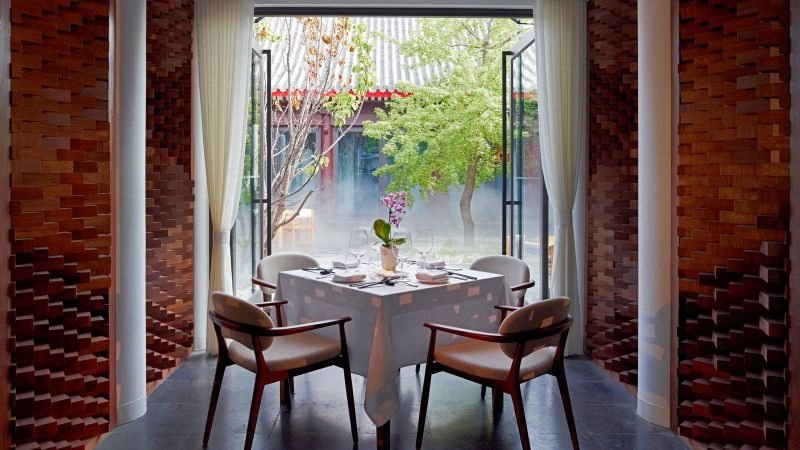
Modern Shanghainese
Shanghai Cuisine
Beijing, China
★★