- Falstaff Winery - Listed · 2026
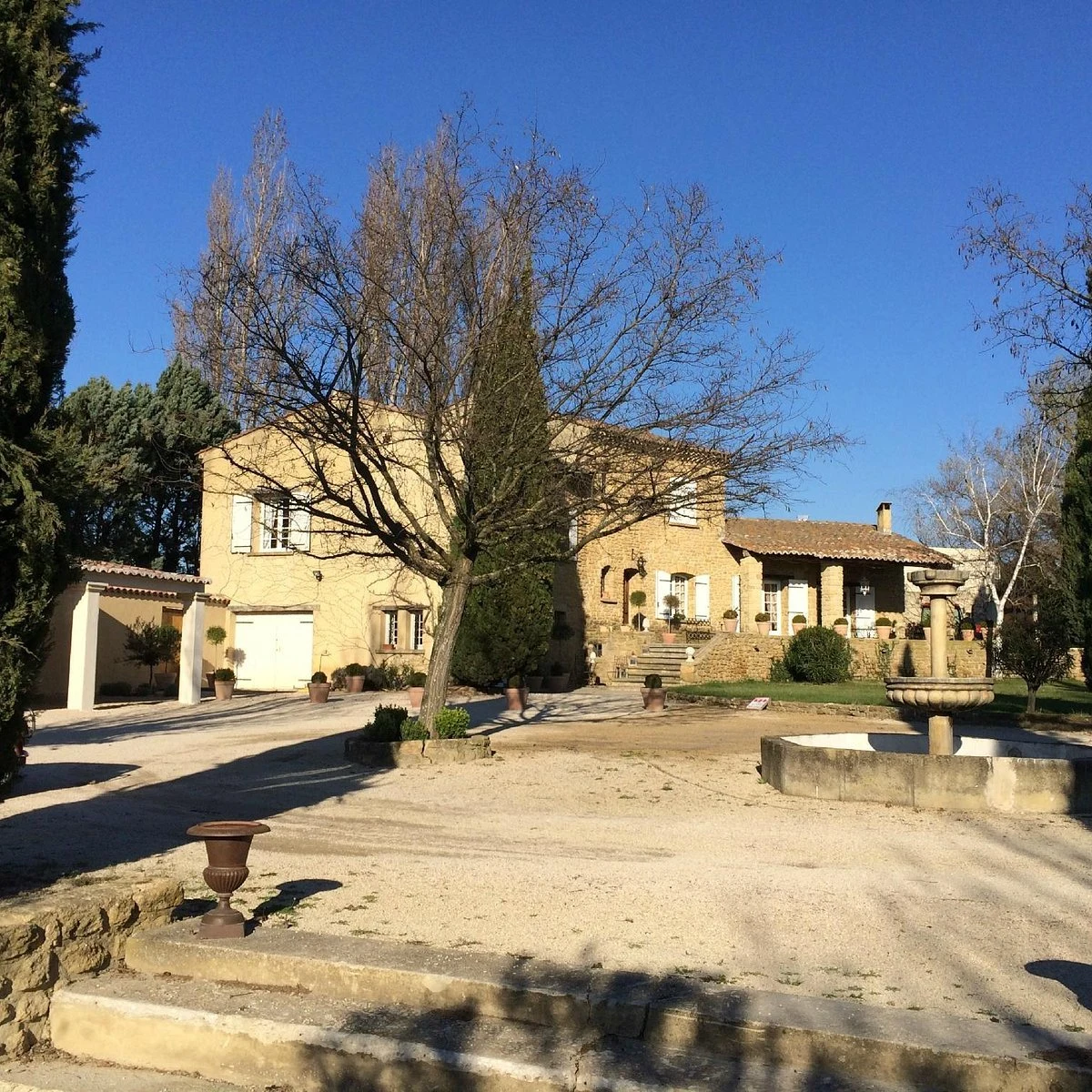
Courthézon’s wine country is not a stage set of grand châteaux and polished tasting counters. The quieter pleasure here is agricultural: vineyard tracks, village stone, and the dry light of the Southern Rhône. Chapelle St. Theodoric belongs to that less theatrical side of Châteauneuf-du-Pape, where the point is not scale but translation: how sandy soils, old Grenache, and restrained cellar work can pull the appellation away from heat and density toward lift.
That matters because Châteauneuf-du-Pape is often judged through power. Alcohol, ripeness, and broad-shouldered red blends have shaped much of its international reputation. This domaine works a narrower line. Its focus is Grenache, especially old-vine fruit from sandy sites around Châteauneuf-du-Pape and Courthézon, with biodynamic farming and a style described more often through finesse and purity than rusticity. For drinkers who think of the Southern Rhône only in terms of muscle, this is a corrective.
Sandy Grenache, not heavy Rhône theatre
The defining fact is scale. Chapelle St. Theodoric works around 3 hectares, which puts the estate in the small-production bracket even by serious domaine standards. That size changes the frame of a visit and the wines themselves. The conversation is not about a broad regional portfolio or a hospitality complex; it is about a few cuvées, parcel character, and the tension between Châteauneuf-du-Pape’s natural generosity and a more precise, Burgundian sense of line.
Grenache is the throughline. In the Southern Rhône, the grape can produce plush, sun-filled wines, but sandy soils tend to shift the register. They can soften tannic pressure, sharpen aromatic clarity, and make the wine feel less driven by mass. Chapelle St. Theodoric’s identity sits there: 100 percent old-vine Grenache from noted sandy parcels such as Pignan and La Guigasse, farmed biodynamically and vinified for freshness. The result is an argument about terroir rather than an argument about extraction.
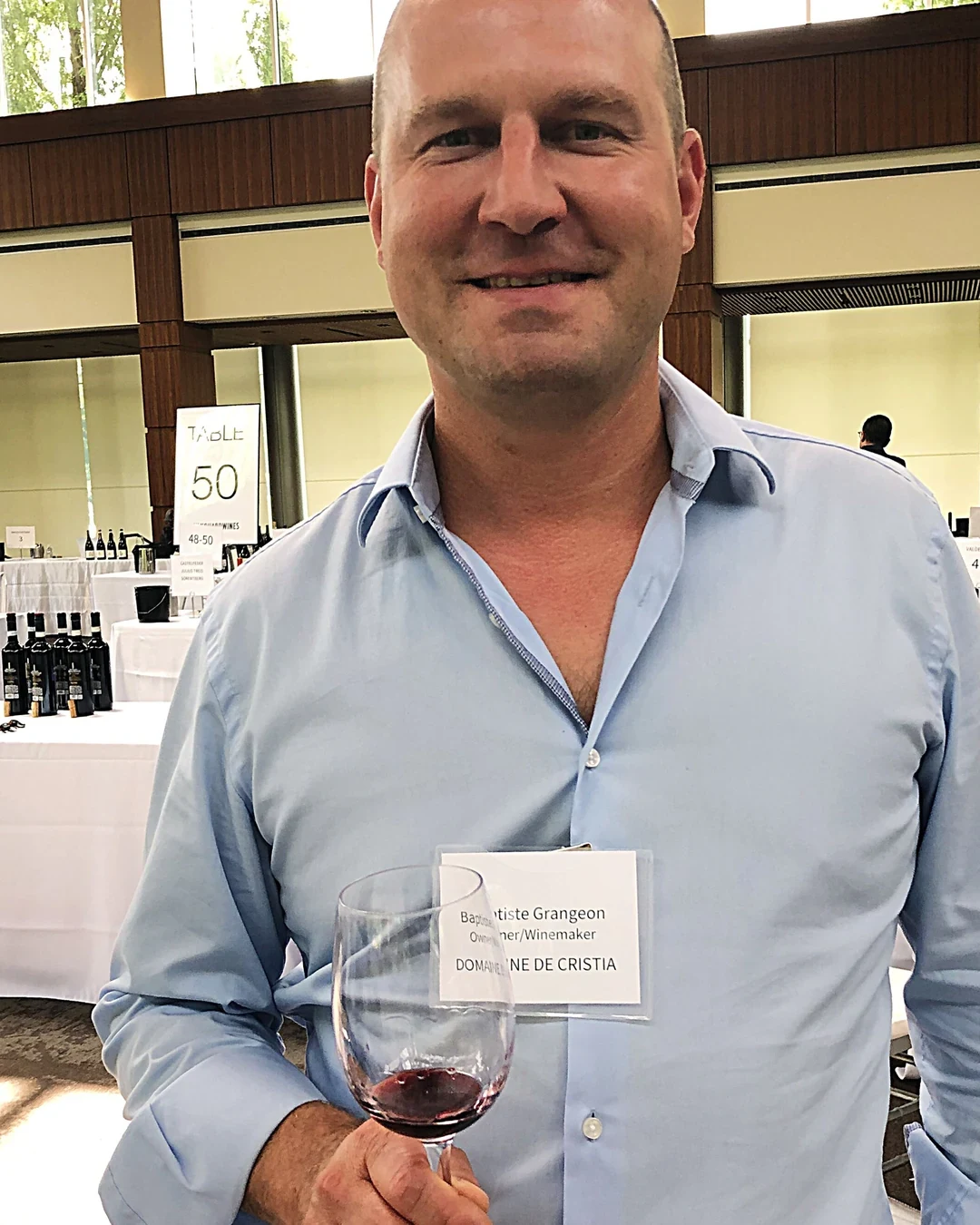
The domaine’s debut vintage was 2009, recent enough that it does not trade on centuries of estate myth, yet old enough to have established a clear stylistic position. Baptiste Grangeon is named as winemaker, and the estate operates under Domaine de Cristia, but biography is not the story here. The more useful lens is how a small domaine can use an appellation known for force to make wines that feel finer-boned, more aromatic, and less dependent on overt power.
That is also why the historic setting matters. The domaine is named after a chapel with a millennium of village history, but the more relevant detail for the glass is what surrounds it: vineyards, sandy parcels, and a production culture that treats Châteauneuf-du-Pape as a mosaic rather than a single flavour profile. In a region where many visitors arrive expecting scale, Chapelle St. Theodoric asks for narrower attention.
A tasting format for terroir study
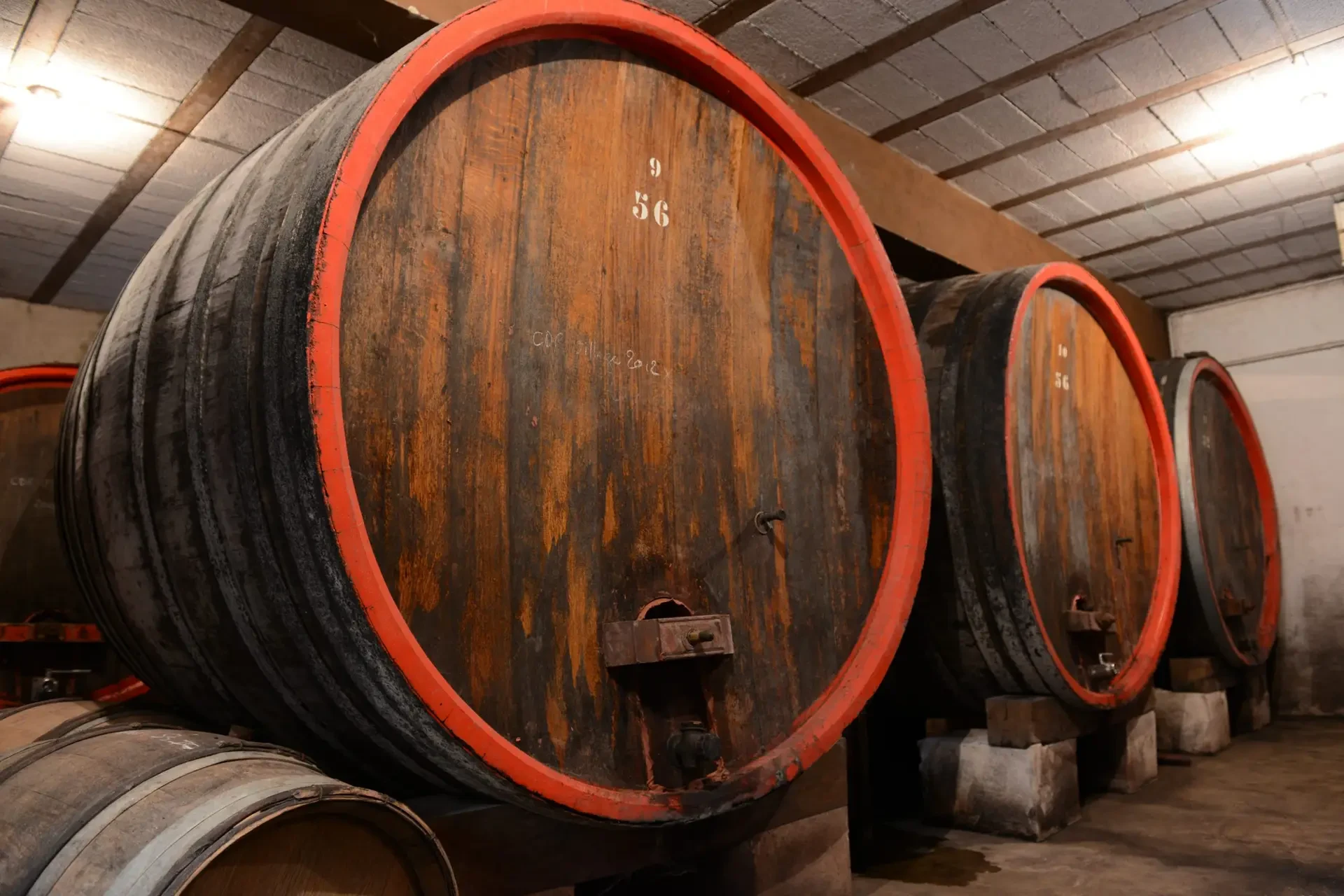
The experience is better understood as wine education than leisure tourism. Tastings can include bottle and vertical formats, and the estate’s 60-to-90-minute structure gives enough time to connect site, farming, and vintage rather than simply run through a lineup. The tone is quiet, small-capacity, and suited to drinkers who arrive with questions about Grenache, sand, and the stylistic range of Châteauneuf-du-Pape.
This is not a group-friendly estate in the broad hospitality sense. There is no food-pairing format listed, no outdoor seating setup, and no signal that children or dogs are part of the visitor model. That restraint is part of the editorial point. Some domaines are built for foot traffic and scenic consumption; this one is better aligned with focused tasting, close listening, and comparative thinking across vintages.
The price position sits in the $$$ bracket, which fits the narrow-production, old-vine Châteauneuf-du-Pape context. The more relevant cost calculation is attention. A visitor coming for generic Rhône reds will miss the point; a visitor interested in why Grenache can feel translucent in one site and forceful in another will find the format coherent. The estate’s allocation is listed as open, but shipping is not, so the visit has a more local, cellar-door logic than a broad direct-to-consumer one.
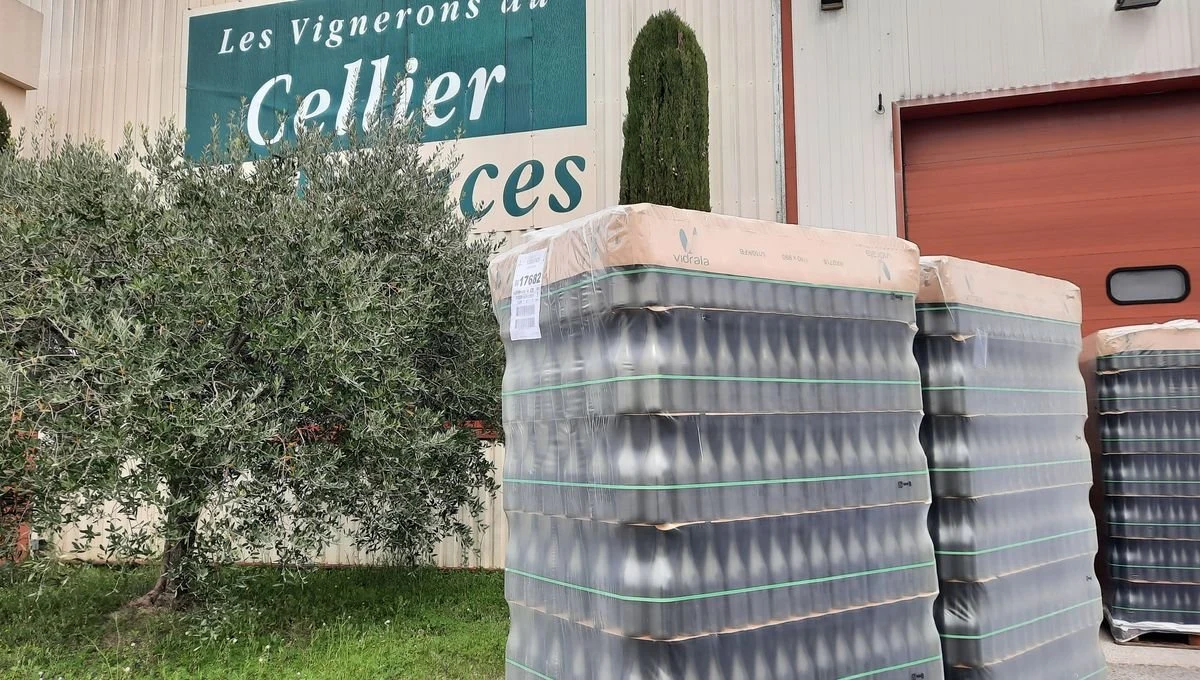
For broader Courthézon planning, keep the domaine in the winery lane rather than treating it as an all-purpose day out. Nearby wine-focused pages such as Caves Jamet, Cellier des Princes, Château du Mourre du Tendre, and Clos Saint Antonin help map the village’s wine circuit, while Our full Courthézon wineries guide is the cleaner planning anchor.
Where it fits in a Southern Rhône itinerary
Chapelle St. Theodoric is strongest as a specialist stop within a wine-led itinerary, not as a casual add-on between sightseeing blocks. Its value lies in showing a specific face of Châteauneuf-du-Pape AOC: Grenache without heaviness, biodynamic farming without performance, and terroir expression tied to sandy vineyard parcels rather than cellar spectacle.
That specificity also helps distinguish Courthézon from better-known Provençal travel circuits. A broader trip might include rosé country at Château d'Esclans or southern French wine references such as Abbaye de Fontfroide in Narbonne and Abbotts & Delaunay in Marseillette, but Courthézon’s appeal is more granular. It rewards travellers who want appellation detail over postcard breadth.
Use the rest of the city guides to keep the day practical without turning the tasting into a rushed checklist: Our full Courthézon restaurants guide, Our full Courthézon hotels guide, Our full Courthézon bars guide, and Our full Courthézon experiences guide. For readers building a wider European wine map, smaller producer pages such as A. Margaine in Villers-Marmery, »der Steiner« Hans Steiner in Podersdorf am See, and & Handwein in Mannheim offer useful contrasts in region, scale, and tasting culture.
The Sunday letter
Get new places like Chapelle St. Theodoric every Sunday.
One email a week with the restaurants, bars and hotels we have just written up, and the people who run them.
One email a week. Unsubscribe from any issue.
Questions
Frequently asked
Who works at Chapelle St. Theodoric?
Made By profiles Baptiste Grangeon (Winemaker) at Chapelle St. Theodoric.
How expensive is Chapelle St. Theodoric?
Chapelle St. Theodoric is listed at a price level of $$$.
The field
How it compares
| Place | Notes |
|---|---|
| Chapelle St. Theodoric | Courthézon, $$$ |
| Cellier des Princes | Courthézon |
| Château d'Esclans | Courthézon |
| Château du Mourre du Tendre | Courthézon |
| Crous St Martin | Courthézon |
| Domaine de la Janasse | Courthézon |
| Domaine des Saumades | Courthézon |
In residence
Similar places
The Sunday letter
Get the next Made By story in your inbox.
We send one email every Sunday morning with the places and people we covered that week.
One email a week. Unsubscribe from any issue.