Made ByWinery
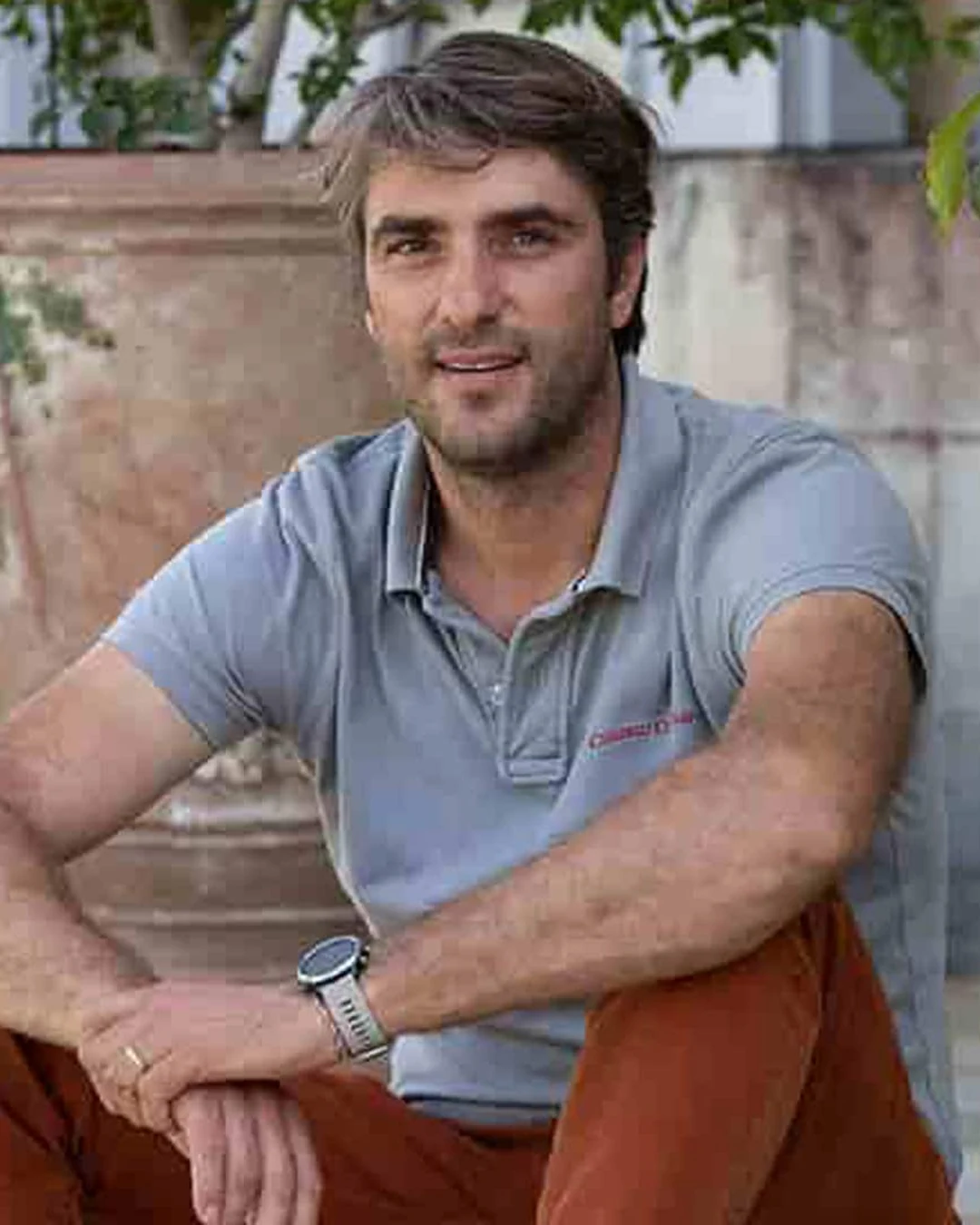
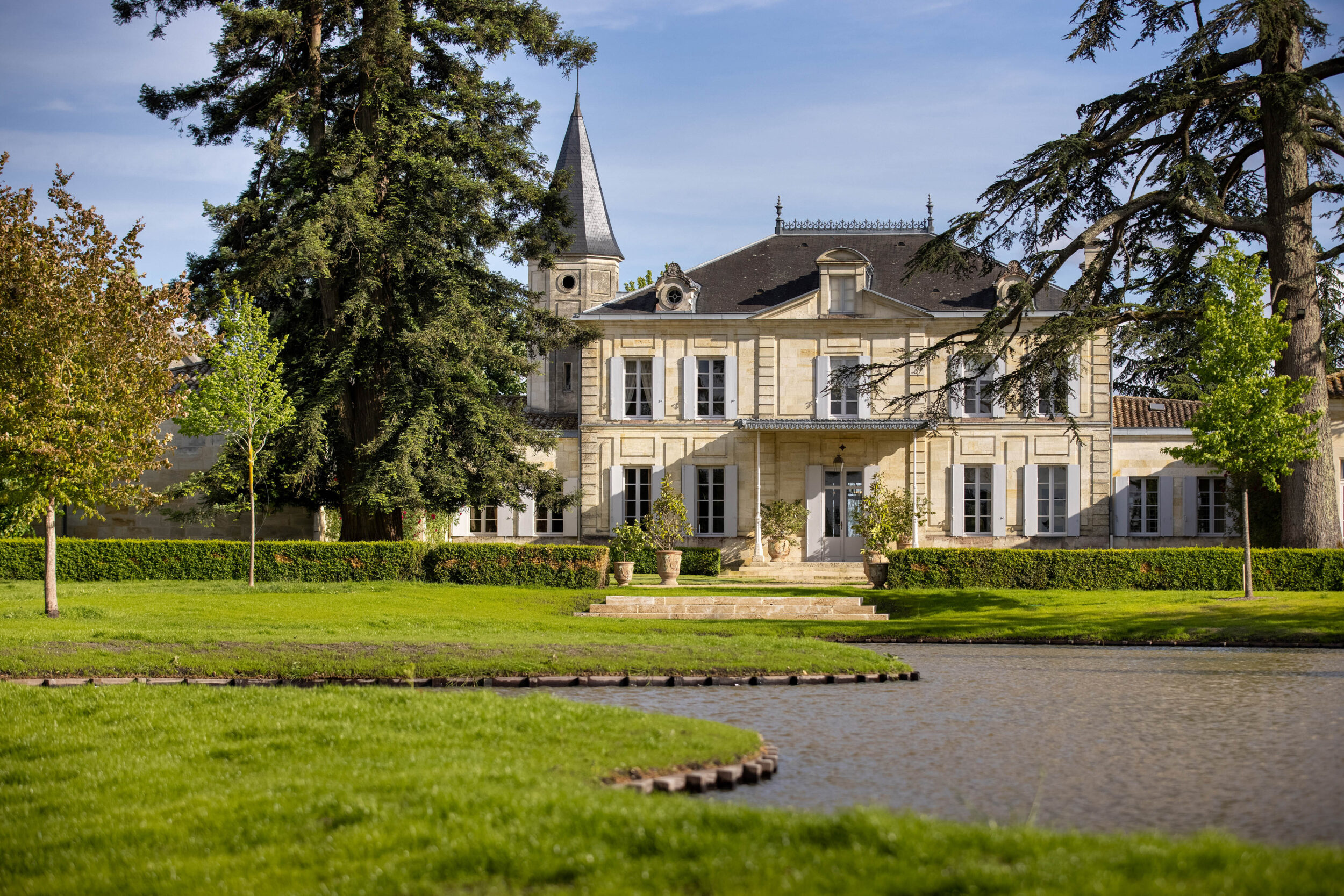
Château Cheval Blanc has produced wine from its Saint-Émilion estate since 1821, making it one of the oldest continuously operating domaines on the Right Bank. Under winemaker Pierre-Olivier Clouet, it holds the 2025 EP Club Pearl 5 Star Prestige award and occupies the uppermost tier of Saint-Émilion classification alongside a small cohort of peers who define the appellation's international reputation.
At a glance
- Price
- $$$$
- Neighborhood
- Saint-Emilion
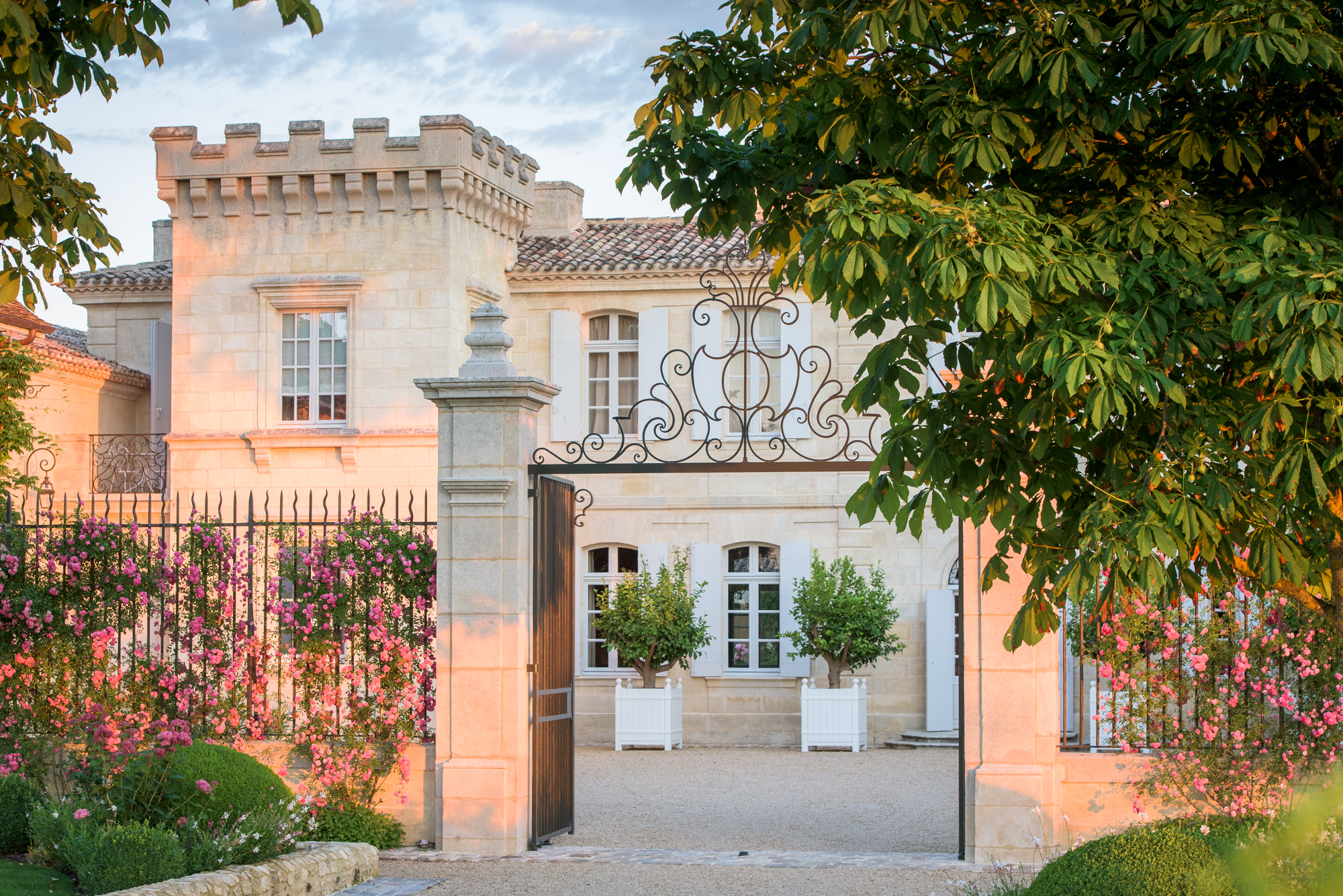
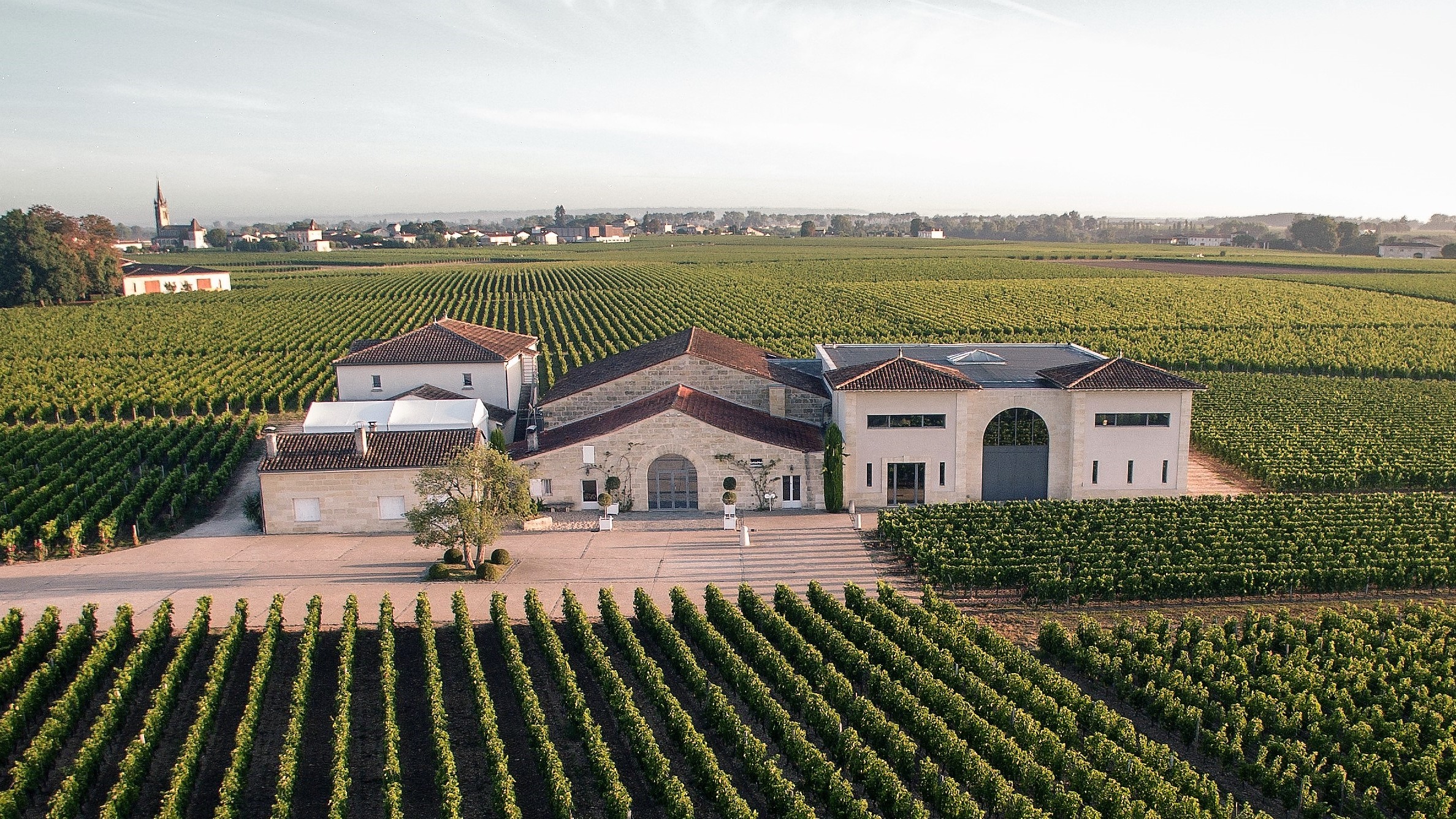
<h2>The Right Bank's Most Scrutinised Estate</h2><p>The gravel drive leading to Château Cheval Blanc along the route de Pomerol marks a boundary as much as a road. On one side, Saint-Émilion's limestone plateau; on the other, the clay-gravel soils that bleed toward Pomerol and give this corner of the Right Bank its distinct character. Arriving here, the physical setting itself explains something that wine critics spend decades debating: why a wine from this precise latitude tastes different from anything produced two kilometres east or west. The estate at 1352 route de Pomerol, 33330 Saint-Émilion sits at that boundary, and the wines reflect it.</p><p>Cheval Blanc has been producing wine since 1821, a first vintage that predates the formal classification systems that now define how Bordeaux is ranked and sold. That two-century record places it in a category shared by very few domaines anywhere in France, and it gives the estate an unusual position: its reputation was established before the rules were written. The 2025 EP Club Pearl 5 Star Prestige award confirms that position holds in the current era.</p><h2>A Blend That Defines Its Own Category</h2><p>In Bordeaux, appellation identity tends to follow grape variety. The Médoc is Cabernet Sauvignon country. Sauternes belongs to Sémillon and Sauvignon Blanc. Saint-Émilion runs primarily on Merlot. Cheval Blanc has always been anomalous within that framework, relying on an unusually high proportion of Cabernet Franc at a time when most Saint-Émilion estates planted it only as a blending component. That decision, made over generations rather than in a single season, created a wine with a structural profile that does not sit neatly inside any regional template.</p><p>Cabernet Franc at this level of ripeness, on these soils, produces something different from its expression in the Loire or in a standard Saint-Émilion blend. The variety's characteristic iron-tinged earthiness and aromatic lift become more precise, more linear. Winemaker Pierre-Olivier Clouet has overseen the estate's technical programme through a period when the region's vineyards have had to adapt to shifting vintage conditions, and his work sits squarely in the tradition of minimal intervention that defines the upper tier of Right Bank production. Clouet's name appears consistently across the estate's modern chapter, but his role, like that of any winemaker at a domaine of this age, is custodial as much as creative.</p><p> <a href="https://www.enprimeurclub.com/wineries/chateau-canon-la-gaffeliere-saint-emilion">Château Canon-la-Gaffeliere</a> and <a href="https://www.enprimeurclub.com/wineries/chateau-la-mondotte-saint-emilion">Château La Mondotte</a> both operate within the same Saint-Émilion classification framework and offer useful reference points for how the appellation's character expresses itself across different terroirs and winemaking approaches.</p><h2>Food Pairing and the Estate Experience</h2><p>Cheval Blanc is most often encountered at the table, against food, often in a formal pairing context. Aged Cheval Blanc is frequently cited by sommeliers as one of the more demanding wines to pair correctly, precisely because of that Cabernet Franc spine. The wine's tannic structure softens over a decade in bottle, but the aromatic profile, the graphite, the dried herbs, the iron-laced earth, means it interacts with food differently than a Merlot-dominant Saint-Émilion of comparable age.</p><p>At the upper end of fine dining, this is increasingly being treated as a pairing problem worth solving with the same rigour applied to Burgundy or aged Riesling. Protein matters: lamb and game birds have long been the conventional recommendation, but chefs working with estate-specific verticals tend to push toward offal preparations, aged beef, and dishes with a fermented or aged-fat component that can match the wine's depth without competing with its aromatics. Duck confit, bone marrow with brioche, and venison preparations all appear regularly in pairing menus designed around Right Bank classified growths at this level.</p><p>Visits are appointment only. The estate does not operate as a public tasting room.</p><h2>Classification Context and Peer Comparison</h2><p>Saint-Émilion's classification has been revised multiple times since its introduction in 1955. Cheval Blanc holds a position at the apex of that system.</p><p>Estates in the broader Right Bank context that operate at comparable price and prestige levels include <a href="https://www.enprimeurclub.com/wineries/chateau-clos-fourtet-saint-emilion">Château Clos Fourtet</a> and <a href="https://www.enprimeurclub.com/wineries/chateau-belair-monange-saint-emilion-winery">Château Bélair-Monange</a>, both of which sit within Saint-Émilion's classified growth system and attract serious collector attention. Neither operates in the same allocation tier as Cheval Blanc, but both are relevant comparators for understanding how the appellation's upper bracket is structured.</p><p>For those comparing Bordeaux's Right Bank to other French wine regions operating at equivalent prestige levels, it is instructive to look at how allocation-driven, small-production houses function elsewhere. <a href="https://www.enprimeurclub.com/wineries/albert-boxler-niedermorschwihr-winery">Albert Boxler in Niedermorschwihr</a> offers a useful Alsatian parallel: a family domaine with a long production history, allocation-restricted access, and a reputation built on site-specific expression rather than marketing. The dynamics differ by region, but the collector relationship is structurally similar.</p><p>Further afield, the contrast with Sauternes is instructive for understanding what Bordeaux's sweet wine tier looks like alongside its dry red peers. <a href="https://www.enprimeurclub.com/wineries/chateau-coutet">Château Coutet</a> and <a href="https://www.enprimeurclub.com/wineries/chateau-bastor-lamontagne">Château Bastor-Lamontagne in Preignac</a> both sit within the Sauternes and Barsac classification and represent the appellation's range from first growth down to cru bourgeois equivalent levels. For collectors assembling a Bordeaux-wide reference collection, pairing aged Cheval Blanc against Sauternes from comparable vintages is one of the more instructive exercises available in understanding how the region's terroir expresses itself across styles.</p><p>Outside Bordeaux entirely, the Médoc's classified châteaux offer a counterpoint to Saint-Émilion's structure. <a href="https://www.enprimeurclub.com/wineries/chateau-batailley-pauillac-winery">Château Batailley in Pauillac</a>, <a href="https://www.enprimeurclub.com/wineries/chateau-branaire-ducru-st-julien">Château Branaire Ducru in St-Julien</a>, <a href="https://www.enprimeurclub.com/wineries/chateau-boyd-cantenac-cantenac-winery">Château Boyd-Cantenac in Cantenac</a>, and <a href="https://www.enprimeurclub.com/wineries/chateau-cantemerle-haut-medoc">Château Cantemerle in Haut-Médoc</a> all operate within the 1855 classification on the Left Bank, where Cabernet Sauvignon dominates in a way that makes the Cabernet Franc-led structure of Cheval Blanc read as its own distinct tradition.</p><h2>Planning a Visit</h2><p>Cheval Blanc's address at 1352 route de Pomerol, 33330 Saint-Émilion positions it at the northern edge of the Saint-Émilion appellation boundary. The estate is not open for walk-in visits.</p><p>En primeur visits to the estate occur in late March or April.</p><p>For those whose interest extends to spirits and fermented-beverage production beyond wine, two other allocation-tier producers offer instructive comparisons from different categories: <a href="https://www.enprimeurclub.com/wineries/chartreuse-voiron-winery">Chartreuse in Voiron</a> operates on a similarly long production history with restricted trade access, and <a href="https://www.enprimeurclub.com/wineries/aberlour-aberlour-winery">Aberlour in Aberlour</a> represents the Speyside single malt category where vintage-specific releases carry comparable collector logic to en primeur Bordeaux. For collectors interested in how Napa Valley's allocation-driven model compares to the Bordeaux system, <a href="https://www.enprimeurclub.com/wineries/accendo-cellars">Accendo Cellars in St. Helena</a> provides a relevant reference point from the American fine wine tier.</p>
Know before you go
- Dress code
- smart_casual
- Reservations
- appointment_only
- Parking
- on_site_lot
Frequently asked
What's the general vibe of Château Cheval Blanc?
The estate sits at the northern edge of the Saint-Émilion appellation on the route de Pomerol, where the terroir shifts noticeably from limestone to gravel and clay. The atmosphere is that of a serious working château rather than a visitor showcase — the focus is the wine, and the Pearl 5 Star Prestige rating awarded in 2025 reflects the estate's standing among collectors and critics alike.
Where exactly is Château Cheval Blanc?
Château Cheval Blanc is located at 1352 route de Pomerol, 33330 Saint-Émilion, Saint-Emilion.
What awards has Château Cheval Blanc received?
Château Cheval Blanc has received recognition including: Pearl 5 Star Prestige (2025).
What wines is Château Cheval Blanc known for?
Cheval Blanc produces one of Bordeaux's most recognised Cabernet Franc-dominant blends, a rarity on the Right Bank where Merlot typically leads. Winemaker Pierre-Olivier Clouet oversees a blend that varies by vintage but consistently prioritises Cabernet Franc's structural finesse alongside Merlot. The estate's position at the boundary of Saint-Émilion and Pomerol contributes directly to the wine's character.
What is Château Cheval Blanc known for?
Cheval Blanc holds Premier Grand Cru Classé A status, one of only two estates to hold that rank in Saint-Émilion alongside Ausone. Its address at 1352 route de Pomerol places it at a geological crossroads that has long been credited with the wine's atypical Cabernet Franc profile. The estate received a Pearl 5 Star Prestige designation in 2025, cementing its position among Bordeaux's most scrutinised properties.
What's the best way to book Château Cheval Blanc?
Estate visits to Cheval Blanc are arranged through the château directly; given demand among collectors and trade buyers, contact well in advance of any planned trip to Saint-Émilion. The estate is located at 1352 route de Pomerol, a short drive from the medieval town centre, and visits typically focus on the cellars and tasting rather than walk-in access.
Address
1352 route de Pomerol, 33330 Saint-Émilion
Saint-Emilion · Bordeaux
How it compares
- Cuisine
- Cabernet Franc, Merlot
- Price
- $$$$
- Awards
- 1 recognition
- Notes
- Saint-Emilion
- Cuisine
- Merlot, Cabernet Franc
- Price
- $$$$
- Awards
- 1 recognition
- Notes
- Saint-Emilion
- Cuisine
- Merlot, Cabernet Franc
- Price
- $$$$
- Awards
- 1 recognition
- Notes
- Saint-Emilion
- Cuisine
- Merlot, Cabernet Franc
- Price
- $$$$
- Awards
- 1 recognition
- Notes
- Saint-Emilion
- Cuisine
- Merlot, Cabernet Franc
- Price
- $$$$
- Awards
- 1 recognition
- Notes
- Saint-Emilion
- Cuisine
- Merlot, Cabernet Franc
- Price
- $$$$
- Awards
- 1 recognition
- Notes
- Saint-Emilion