Made ByWinery
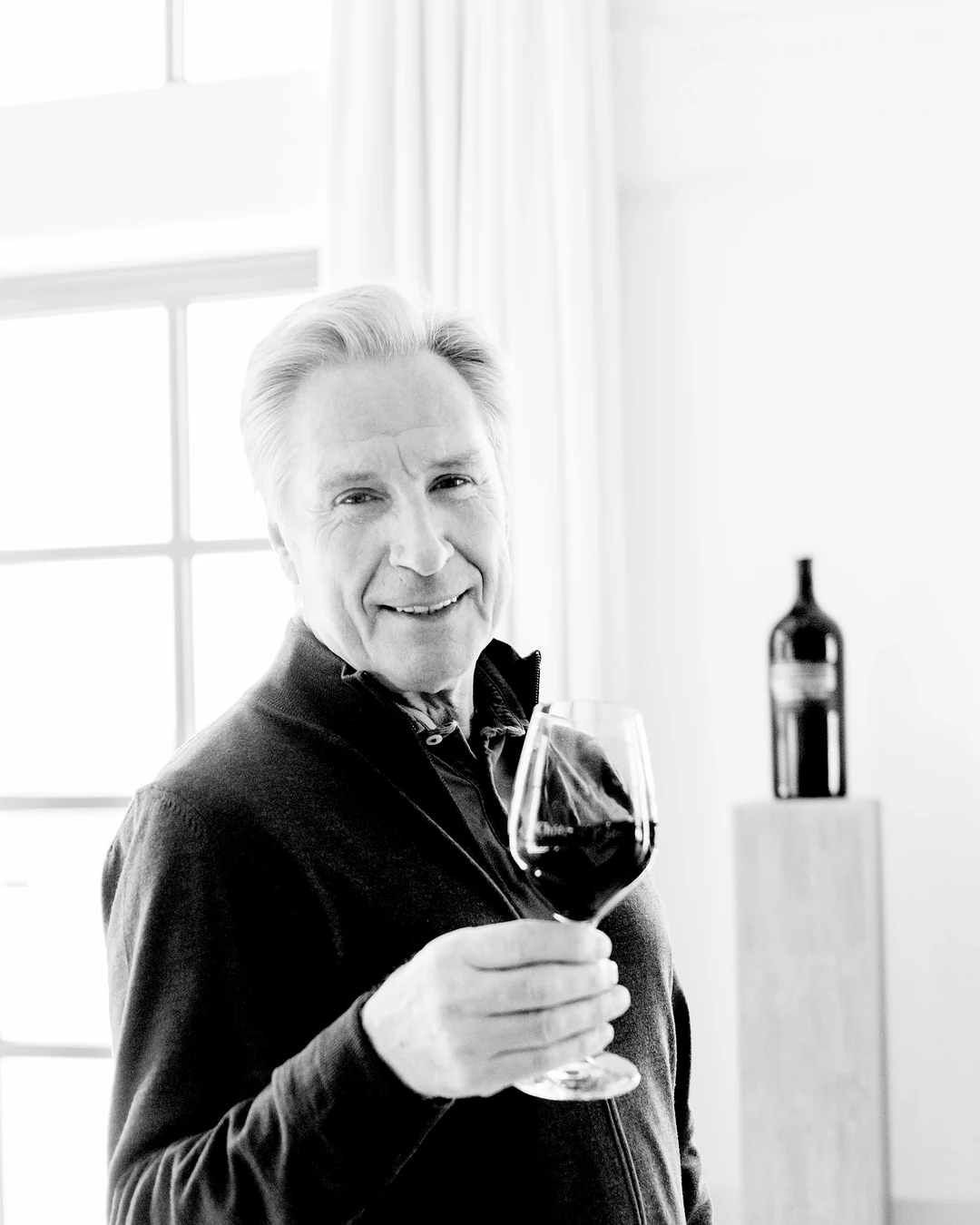
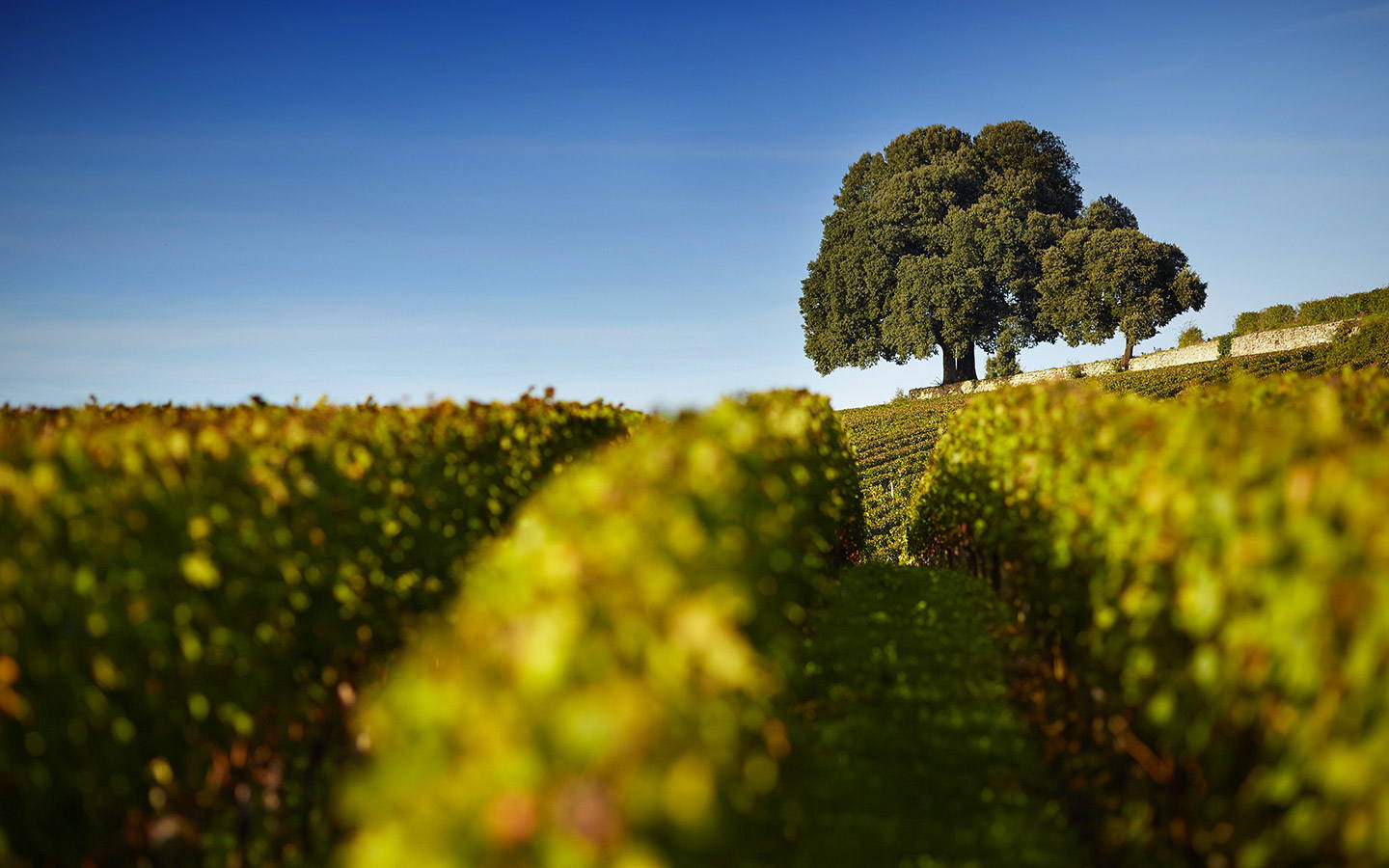
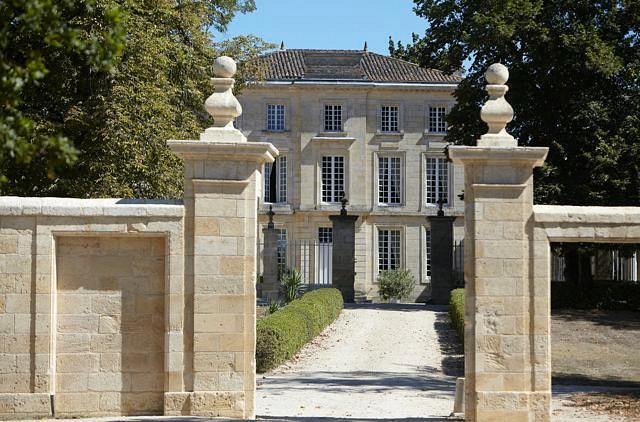
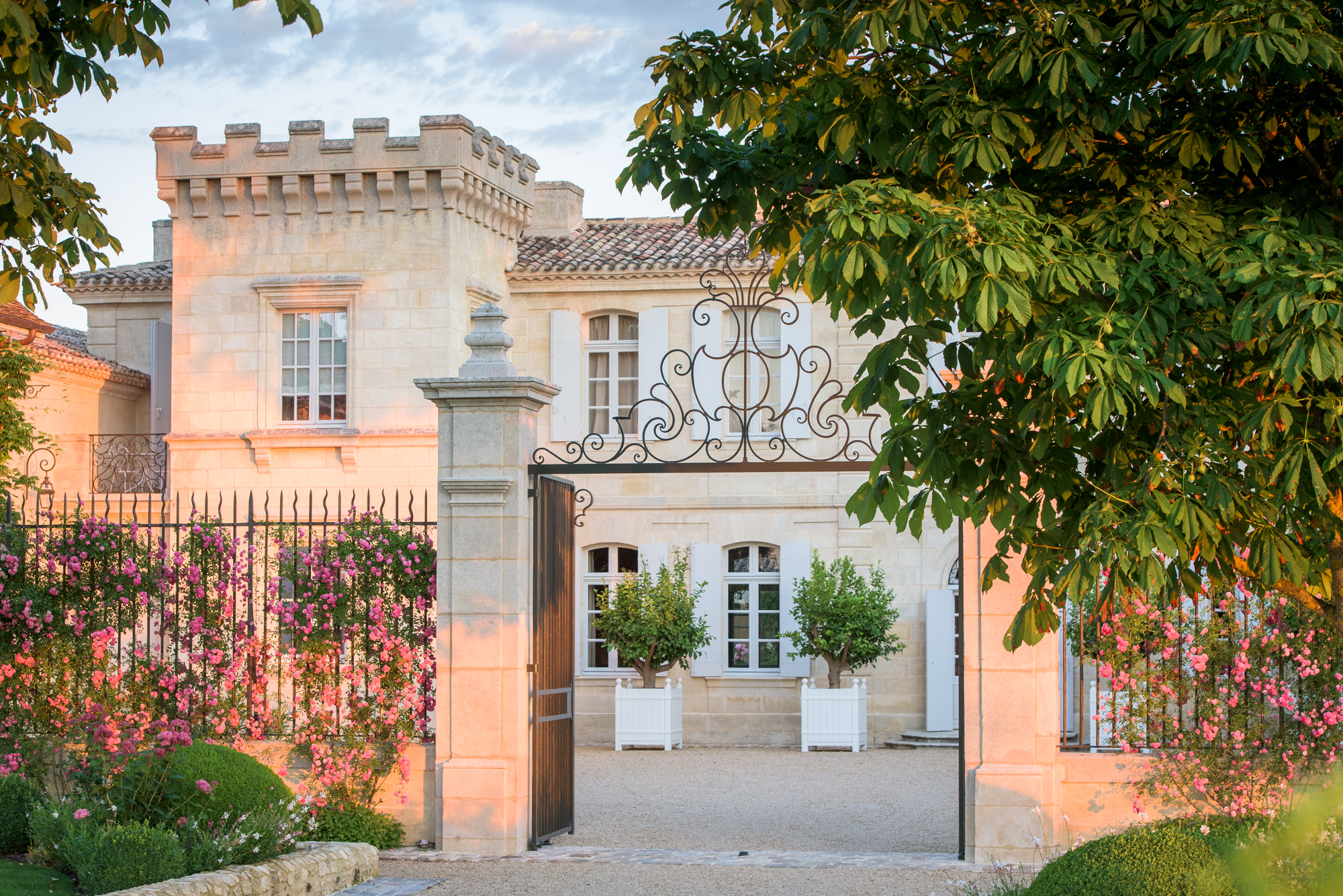
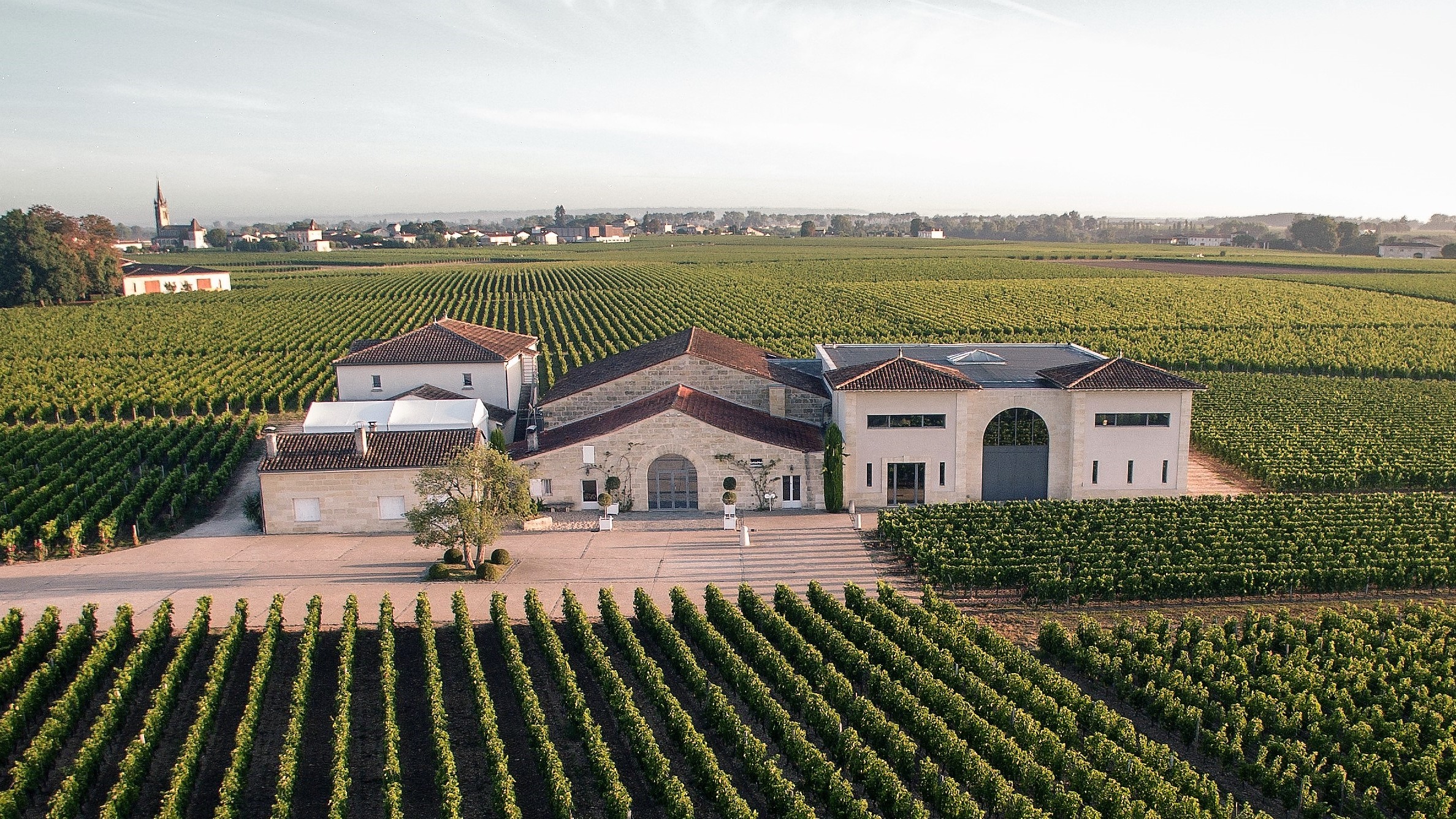
Château Pavie has produced wine from its Saint-Émilion limestone plateau since 1904, with Henri Parent overseeing a cellar that earned EP Club's Pearl 4 Star Prestige recognition in 2025. The estate occupies one of the appellation's most geologically complex sites, where clay, limestone, and sandy soils converge across a single slope. For serious collectors, it sits at the upper tier of Right Bank Bordeaux.
At a glance
- Price
- $$$$
- Neighborhood
- Saint-Emilion
<h2>Where the Limestone Speaks First</h2><p>Approach Château Pavie from the D245 and the vineyard announces itself before the buildings do. The slope rises steeply from the base of Saint-Émilion's plateau, and the visual effect is immediate: a single, south-facing amphitheatre of vines arranged across soils that shift from sandy loam at the foot to pure limestone and clay at the crest. This kind of geological complexity, compressed into one contiguous site, is not common in the appellation, and it shapes everything that follows in the cellar.</p><p>The estate's first vintage on record dates to 1904, placing Château Pavie among the longer-established names in Saint-Émilion, a commune where ownership has changed hands frequently and where historical continuity carries weight in collector markets. Winemaker Gérard Perse currently oversees production, working with a terroir that offers the kind of natural variation most blenders spend careers trying to synthesise from multiple parcels.</p><h2>Saint-Émilion's Upper Tier and What It Demands</h2><p>Saint-Émilion's classification system has historically rewarded a combination of terroir quality and institutional ambition, and the estates that sit at its apex operate under different commercial logic than the broader appellation. At this level, wines are priced and allocated against a global comparable set that includes the leading names from Pomerol and, increasingly, prestige Cabernet programs from Napa and Tuscany. The comparison matters because it frames how Château Pavie is positioned: not as a regional curiosity, but as a property that competes for the attention of collectors who are simultaneously tracking <a href="https://www.enprimeurclub.com/wineries/accendo-cellars">Accendo Cellars in St. Helena</a> and comparable allocation-driven estates.</p><p>Within Saint-Émilion itself, the estate's closest peers by site quality and ambition include <a href="https://www.enprimeurclub.com/wineries/chateau-belair-monange-saint-emilion-winery">Château Bélair-Monange</a>, which shares the Grand Cru Classé plateau, and <a href="https://www.enprimeurclub.com/wineries/chateau-canon-la-gaffeliere-saint-emilion">Château Canon-la-Gaffelière</a>, another limestone-dominant estate that has attracted significant critical attention over the past decade. <a href="https://www.enprimeurclub.com/wineries/chateau-clos-fourtet-saint-emilion">Château Clos Fourtet</a> and <a href="https://www.enprimeurclub.com/wineries/chateau-la-mondotte-saint-emilion">Château La Mondotte</a> round out the grouping of estates where soil type and slope orientation are regularly discussed alongside vintage scores.</p><p>The distinction between these properties is rarely about grape variety, Merlot and Cabernet Franc dominate across the plateau, and more about how each estate reads the vintage. In warmer years, limestone sites like Pavie's upper parcels tend to retain acidity that flatter, sandier soils give up early. In cooler years, the same stone radiates stored heat and extends the ripening window. That dual function is the technical argument for the site's reputation.</p><h2>Critical Reception and the 2025 Recognition</h2><p>Château Pavie is a price tier 4 estate, a designation that places it in the upper bracket of the platform's assessment framework. This kind of tiered recognition has practical consequences: it signals to the collector community where the property sits relative to its regional peers and validates the pricing logic that governs allocation access.</p><p>The broader critical conversation around Château Pavie has, over the years, been conducted in the international wine press with considerable intensity. Few Right Bank estates generate as much sustained debate about stylistic direction, and that debate itself is a form of recognition. Properties that attract no argument attract no attention; Pavie has consistently attracted both. For a collector building a cellar, that critical engagement is a data point as much as any score.</p><p>At Pavie, the vintage record functions as a continuous line of evidence for how the terroir performs across decades and market cycles.</p><h2>The Bordeaux En Primeur Framework and Where Pavie Fits</h2><p>Bordeaux's en primeur system structures how most serious buyers first encounter a property like Château Pavie. Futures are offered in the spring following harvest, priced against a mixture of vintage quality, critical scores, and the producer's positioning within the market. At the level Pavie occupies, en primeur pricing is set with an eye on secondary market dynamics, particularly for vintages that attract broad critical consensus.</p><p>Buyers new to the en primeur process often compare the Right Bank's limestone-dominant châteaux with Sauternes estates like <a href="https://www.enprimeurclub.com/wineries/chateau-coutet">Château Coutet</a> or Médoc properties such as <a href="https://www.enprimeurclub.com/wineries/chateau-batailley-pauillac-winery">Château Batailley in Pauillac</a>, <a href="https://www.enprimeurclub.com/wineries/chateau-branaire-ducru-st-julien">Château Branaire Ducru in St-Julien</a>, and <a href="https://www.enprimeurclub.com/wineries/chateau-cantemerle-haut-medoc">Château Cantemerle in Haut-Médoc</a>. The comparison is instructive not because the wines resemble each other, but because it illuminates how differently the Right Bank's leading estates are valued relative to Médoc equivalents at the same classification tier. Pavie consistently commands a premium that reflects both terroir specificity and the global demand concentrated at Saint-Émilion's upper end.</p><p>For those building positions across the broader Bordeaux spectrum, estates like <a href="https://www.enprimeurclub.com/wineries/chateau-bastor-lamontagne">Château Bastor-Lamontagne in Preignac</a>, <a href="https://www.enprimeurclub.com/wineries/chateau-boyd-cantenac-cantenac-winery">Château Boyd-Cantenac in Cantenac</a>, and <a href="https://www.enprimeurclub.com/wineries/albert-boxler-niedermorschwihr-winery">Albert Boxler in Niedermorschwihr</a> occupy adjacent or alternative tiers that offer different risk and reward profiles. Pavie sits at the apex of that spectrum on the Right Bank.</p><h2>Planning a Visit to Saint-Émilion</h2><p>Château Pavie's address at 2 Pimpinelle, 33330 Saint-Émilion places it within the broader commune, accessible from the village centre by vehicle. Saint-Émilion itself is roughly 40 kilometres east of Bordeaux, served by a direct train line that deposits visitors at the Saint-Émilion station below the medieval town. Visits to the estate are by appointment only. Contact should be made directly through formal channels.</p><p></p>
Know before you go
- Dress code
- smart_casual
- Reservations
- appointment_only
- Parking
- on_site_lot
- Payment
- credit_card
Frequently asked
What's the address for Château Pavie?
Château Pavie is located at 2 Pimpinelle, 33330 Saint-Émilion, Saint-Emilion.
Has Château Pavie won any awards?
Château Pavie has received recognition including: Pearl 4 Star Prestige (2025).
What do visitors recommend trying at Château Pavie?
Château Pavie's principal wines are the focus of any serious visit to the estate at 2 Pimpinelle, Saint-Émilion. The property's limestone-rich terroir is the defining factor behind its critical standing, so tasting vintages that reflect that geology is the priority. Contact the estate directly to confirm current tasting formats and which cuvées are available.
What makes Château Pavie worth visiting?
EP Club awarded Château Pavie a Pearl 4 Star Prestige rating in 2025, placing it among the upper tier of assessed estates on the platform. The vineyard's slope above Saint-Émilion and the limestone subsoil it sits on give the wines a structural profile that distinguishes them within the right bank. Winemaker Henri Parent oversees production, bringing continuity to the estate's direction.
Do I need a reservation for Château Pavie?
Visits to Château Pavie require advance arrangement — walk-in access to private wine estates in Saint-Émilion is not standard practice, particularly for properties with the profile that a Pearl 4 Star Prestige designation reflects. Reach out to the estate at its address on 2 Pimpinelle, 33330 Saint-Émilion to confirm availability and tour formats before travelling.
How does Château Pavie's Pearl 4 Star Prestige rating compare to other Saint-Émilion estates?
EP Club's Pearl 4 Star Prestige designation, awarded to Château Pavie in 2025, sits in the upper bracket of the platform's assessment framework and is shared by a small number of properties across Bordeaux's appellations. Within Saint-Émilion specifically, that tier corresponds to estates whose terroir credentials and production consistency place them at the classification's summit. Winemaker Henri Parent's role in sustaining that standard is a factor EP Club's evaluation process takes into account.
What kind of traveler is Château Pavie a good fit for?
Château Pavie suits buyers and enthusiasts who already follow Bordeaux en primeur closely and want direct exposure to a Pearl 4 Star Prestige estate before committing to futures. It is also a strong choice for travellers combining a Saint-Émilion itinerary with visits to comparably ranked right-bank properties. Casual wine tourists without a specific interest in grand cru classification may find the visit more technical than immersive.
Address
2 Pimpinelle, 33330 Saint-Émilion
Saint-Emilion · Bordeaux
How it compares
- Cuisine
- Merlot, Cabernet Franc
- Awards
- 1 recognition
- Notes
- Saint-Emilion, $$$$
- Cuisine
- Cabernet Sauvignon, Cabernet Franc
- Awards
- 1 recognition
- Notes
- Saint-Emilion, $$$$
- Cuisine
- Merlot, Cabernet Franc
- Awards
- 1 recognition
- Notes
- Saint-Emilion, $$$$
- Cuisine
- Merlot, Cabernet Franc
- Awards
- 1 recognition
- Notes
- Saint-Emilion, $$$$
- Cuisine
- Merlot, Cabernet Franc
- Awards
- 1 recognition
- Notes
- Saint-Emilion, $$$$
- Cuisine
- Merlot, Cabernet Franc
- Awards
- 1 recognition
- Notes
- Saint-Émilion, $$$$