Made ByWinery
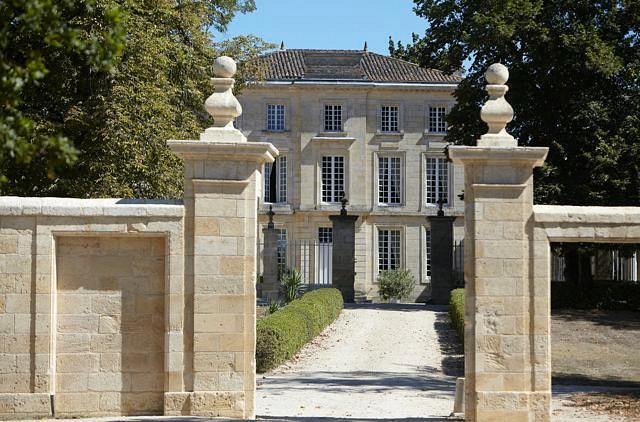
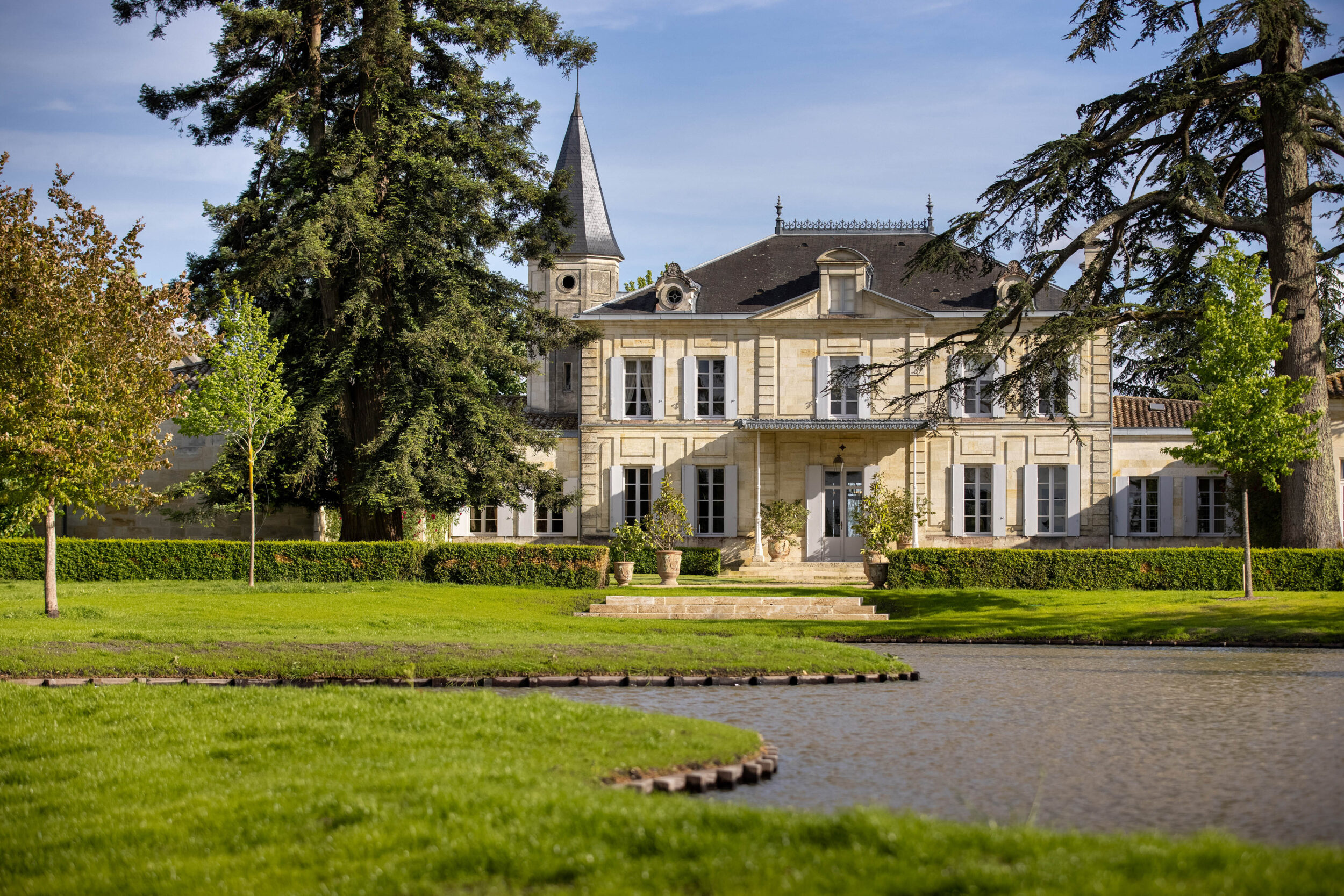
One of Saint-Émilion's oldest documented estates, Château Figeac holds a first vintage dating to 1776 and sits on a gravel plateau at the western edge of the appellation, placing it in a distinct terroir tier from the limestone-dominant Right Bank norm. Guided by winemaker Frédéric Faye and carrying a 2025 Pearl 4 Star Prestige rating, the estate draws collectors and serious Bordeaux buyers seeking structured, cellar-worthy Merlot-dominant blends from a historically grounded address.
At a glance
- Price
- $$$$
- Neighborhood
- Saint-Emilion
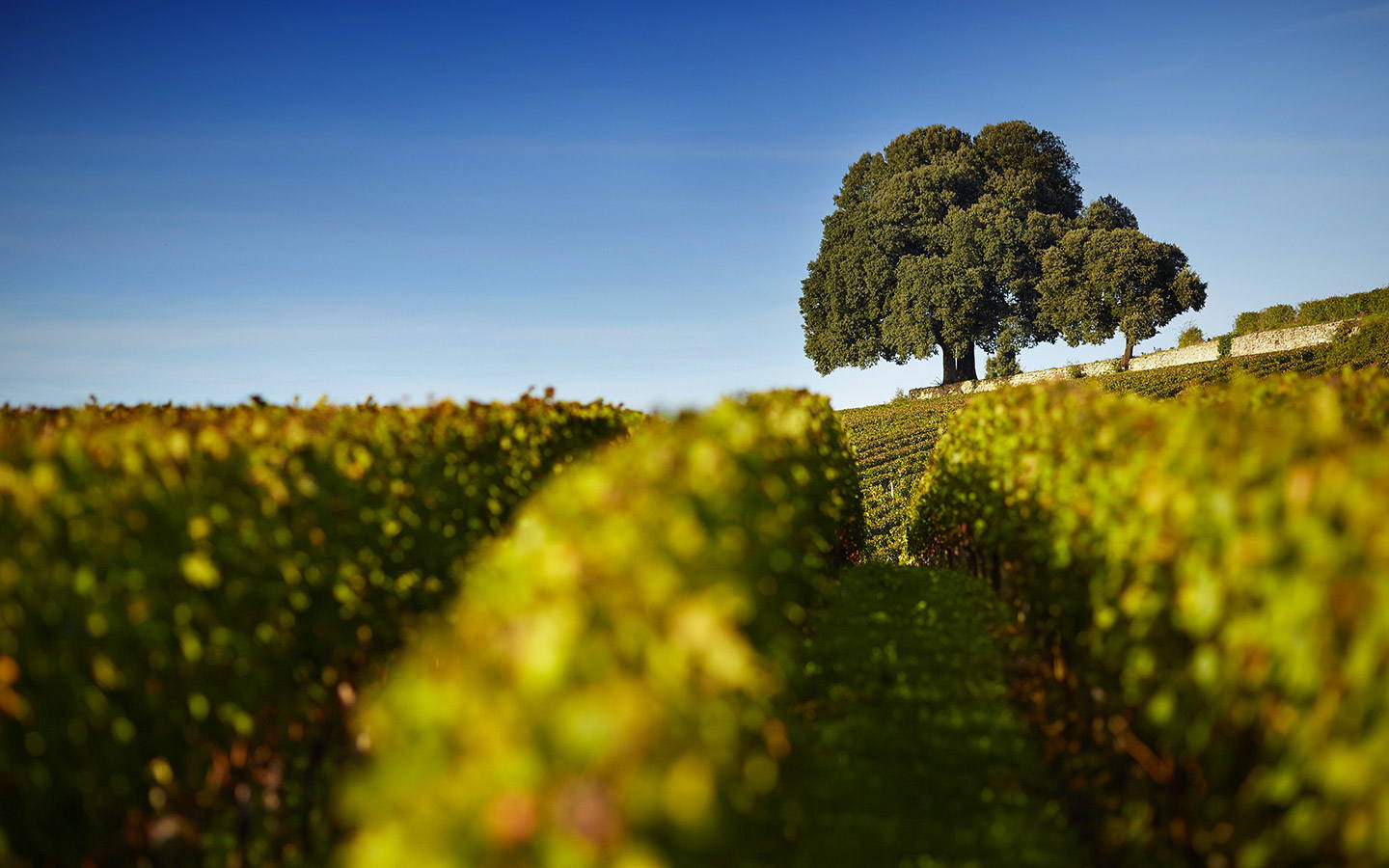
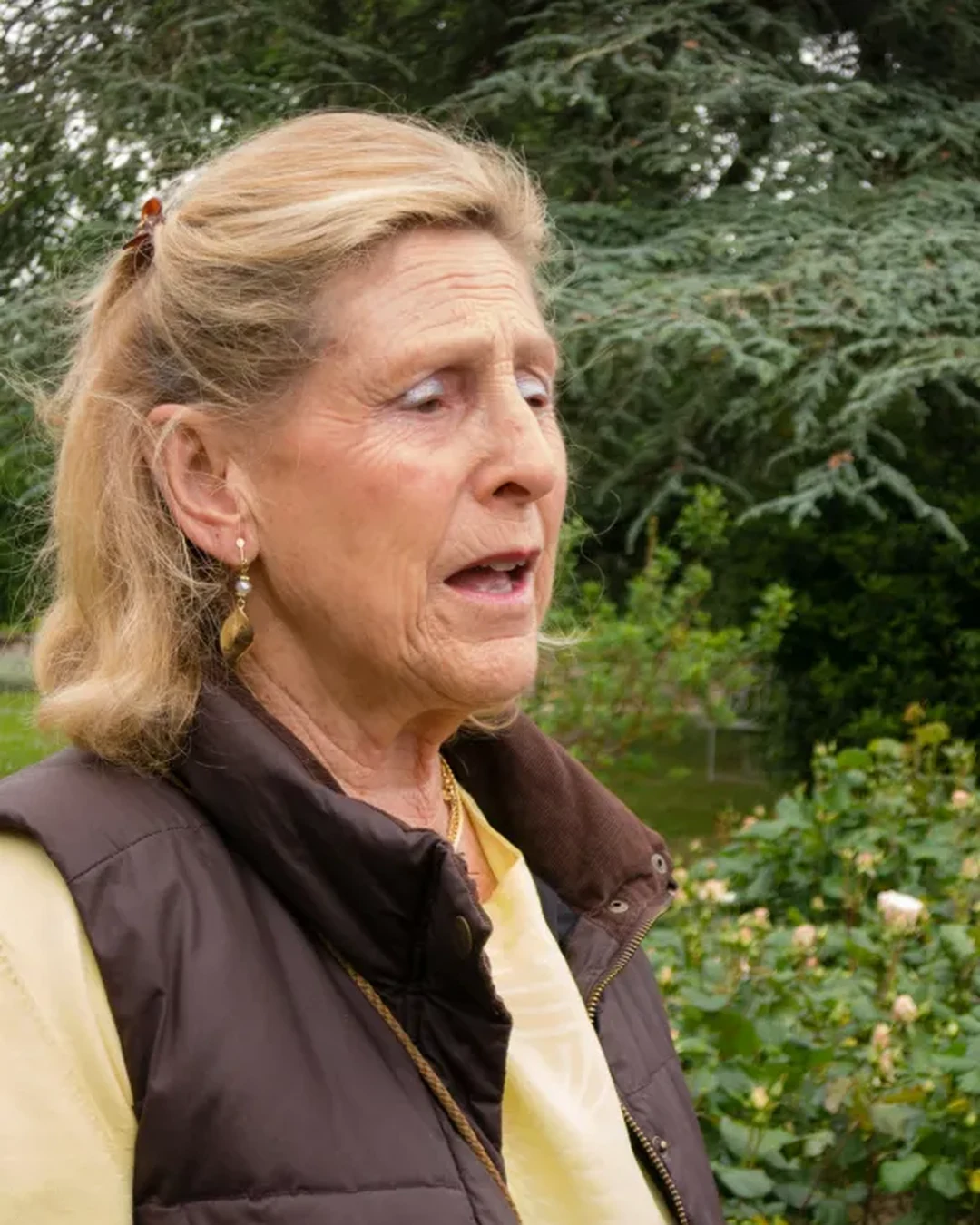
<h2>Gravel, History, and the Western Edge of Saint-Émilion</h2><p>Approaching the estate along the Route de Libourne, the landscape shifts perceptibly. The chalky limestone that defines much of Saint-Émilion's plateau gives way to a gravel-rich ridge, geologically closer to Pomerol than to the medieval town centre a few kilometres east. This is the terrain that has shaped Château Figeac across nearly two and a half centuries of documented winemaking, and it remains the most important fact about the estate before you open a bottle. Gravel-dominant soils drain faster, run warmer, and favour the structured, aromatic profile that differentiates the western Figeac terroir from the clay-limestone majority of the appellation.</p><p>Saint-Émilion's classification system has historically rewarded this corner of the appellation, and the broader peer cluster here, which includes neighbours such as <a href="https://www.enprimeurclub.com/wineries/chateau-belair-monange-saint-emilion-winery">Château Bélair-Monange</a>, <a href="https://www.enprimeurclub.com/wineries/chateau-canon-la-gaffeliere-saint-emilion">Château Canon-la-Gaffelière</a>, and <a href="https://www.enprimeurclub.com/wineries/chateau-clos-fourtet-saint-emilion">Château Clos Fourtet</a>, represents a tier of estates where terroir specificity, cellar track record, and allocation access matter as much as any single vintage score. Figeac occupies that upper bracket, with a documented history stretching back to 1776.</p><h2>A Terroir Story That Pre-Dates the Classification</h2><p>The concept of cru identity in Bordeaux is often discussed as if it were invented by committee, formalised into the 1855 Classification or Saint-Émilion's more frequently revised equivalent. In practice, estates like Château Figeac had been producing wines of documented origin for decades before any official ranking existed. The first vintage on record dates to 1776, making this one of the older continuously operating estates in the Gironde. That longevity is not simply heritage marketing, it implies a degree of soil knowledge, vine age, and winemaking continuity that newer estates cannot replicate in a generation.</p><p>In the broader context of Bordeaux's Right Bank, the gravel plateau at the appellation's western boundary has always operated as a borderland between Saint-Émilion and Pomerol. Estates positioned along this edge often produce wines with structural qualities associated with both appellations: the density and aromatic range of gravel-grown Cabernet Franc, combined with the textural richness that clay subsoils can lend to Merlot. The blend philosophy that has characterised this corner of Saint-Émilion reflects that dual inheritance. Among comparable addresses in this tier, Château Figeac is particularly associated with a higher proportion of Cabernet Franc and Cabernet Sauvignon relative to the Merlot-heavy norm of the wider appellation, a point that separates its structural profile from estates further east, including <a href="https://www.enprimeurclub.com/wineries/chateau-la-mondotte-saint-emilion">Château La Mondotte</a>, which sits on the limestone plateau and produces a more concentrated, Merlot-driven style.</p><h2>Winemaking Continuity and Current Direction</h2><p>Winemaking at Château Figeac is currently led by Frédéric Faye, with Marie-France Manoncourt carrying the family custodianship that has defined the estate's modern era. In Saint-Émilion's upper tier, the combination of family ownership and professional technical direction is a common structural model, it appears at peers like <a href="https://www.enprimeurclub.com/wineries/chateau-coutet">Château Coutet</a> and across classified estates in the Médoc, from <a href="https://www.enprimeurclub.com/wineries/chateau-batailley-pauillac-winery">Château Batailley in Pauillac</a> to <a href="https://www.enprimeurclub.com/wineries/chateau-branaire-ducru-st-julien">Château Branaire-Ducru in Saint-Julien</a>. The model works when there is genuine alignment between the family's long-term vision and the winemaker's technical execution. At Figeac, the consistency of its critical reception over recent decades suggests that alignment holds.</p><p>The 2025 Pearl 4 Star Prestige recognition reflects where the estate sits in the current critical hierarchy. For collectors buying en primeur or acquiring from recent back vintages, that positioning carries practical implications. Allocation access at this level typically involves négociant relationships or direct châteaux contact rather than retail availability, and release windows around the en primeur campaign in spring are the primary entry point for price-sensitive acquisition.</p><h2>Saint-Émilion's Classified Tier in Context</h2><p>The Right Bank's prestige tier is meaningfully different from the Left Bank's Médoc in how estates establish and defend their reputations. Where the 1855 Classification locked in hierarchies that still govern Pauillac and Margaux pricing today, Saint-Émilion's system has been revised repeatedly, most recently in 2022, generating legal challenges and reputational turbulence that affected the entire appellation. Estates like Figeac have navigated those controversies in part because their standing predates any classification, the gravel terroir and the historical record speak independently of whatever official ranking sits above the cellar door at a given moment.</p><p>That independence is worth noting when comparing the Saint-Émilion prestige tier to classified estates in other parts of Bordeaux. A property like <a href="https://www.enprimeurclub.com/wineries/chateau-cantemerle-haut-medoc">Château Cantemerle in Haut-Médoc</a> or <a href="https://www.enprimeurclub.com/wineries/chateau-boyd-cantenac-cantenac-winery">Château Boyd-Cantenac in Cantenac</a> operates within a static classificatory framework; its rank is fixed regardless of current performance. In Saint-Émilion, the classification is theoretically dynamic, which creates a different kind of market signal. Buyers who understand that dynamic tend to weight historical track record and terroir evidence over classification tier alone, a calculus that consistently benefits estates with the kind of documented provenance Figeac carries.</p><p>For reference against broader French wine contexts, the approach to appellation identity seen here differs considerably from what drives prestige in other regions. The gravel-over-limestone terroir argument that defines Figeac's position has no equivalent in, say, the Alsatian grand cru system that shapes an estate like <a href="https://www.enprimeurclub.com/wineries/albert-boxler-niedermorschwihr-winery">Albert Boxler in Niedermorschwihr</a>, where variety and vineyard site interact differently, or in the allocated production model of Napa estates like <a href="https://www.enprimeurclub.com/wineries/accendo-cellars">Accendo Cellars in St. Helena</a>. Bordeaux's terroir hierarchy is specific to its own history and geology.</p><h2>Planning a Visit and Buying</h2><p>Château Figeac is located at 3572 Route de Libourne, 33330 Saint-Émilion, on the western approach to the appellation. Visitors to the estate should expect the protocols standard to classified Bordeaux châteaux: advance appointment required, with access typically arranged through the château's contacts or via a merchant relationship. The estate sits close enough to the town of Saint-Émilion to be combined with visits to other classified properties in the appellation's western arc, including neighbours already noted above.</p><p>Acquisition of Figeac wines follows the standard classified Bordeaux model: en primeur release via négociant in spring, followed by bottle release approximately two years post-harvest. Given the estate's prestige-tier position, recent vintages are unlikely to be found at retail outside specialist merchants. Collectors newer to this tier may find it useful to benchmark Figeac against other Right Bank estates at a comparable level, <a href="https://www.enprimeurclub.com/wineries/chateau-clos-fourtet-saint-emilion">Clos Fourtet</a> and <a href="https://www.enprimeurclub.com/wineries/chateau-canon-la-gaffeliere-saint-emilion">Canon-la-Gaffelière</a> offer adjacent data points for price and style comparison. Estates outside the immediate appellation, such as <a href="https://www.enprimeurclub.com/wineries/chateau-bastor-lamontagne">Château Bastor-Lamontagne in Preignac</a>, provide a useful contrast in how Bordeaux's prestige pricing stratifies across sub-regions.</p>
Know before you go
- Dress code
- smart_casual
- Reservations
- appointment_only
- Parking
- on_site_lot
- Groups
- Welcomed
Frequently asked
What distinctions does Château Figeac have?
Château Figeac has received recognition including: Pearl 4 Star Prestige (2025).
Where exactly is Château Figeac?
Château Figeac is located at Château-Figeac, 3572 Route de Libourne, 33330 Saint-Émilion, Saint-Emilion.
What wines is Château Figeac known for?
Château Figeac produces reds from the western edge of Saint-Émilion, where deep gravel soils support an unusually high proportion of Cabernet Franc and Cabernet Sauvignon relative to most Right Bank estates. That blend structure sets Figeac apart within the appellation and is the defining signature recognised by critics and collectors. The estate holds a Pearl 4 Star Prestige rating for 2025.
What's the standout thing about Château Figeac?
The terroir at Château Figeac is the differentiator: gravel beds along the Route de Libourne, 3572, Saint-Émilion, place the estate geologically closer to Pomerol than to the limestone plateau that defines much of the appellation. Winemaking continuity under Frédéric Faye and the long-standing Manoncourt family custodianship reinforces that distinct identity year on year.
Is Château Figeac reservation-only?
Visits to Château Figeac at 3572 Route de Libourne, 33330 Saint-Émilion are arranged directly with the estate. Contact details are not published in this record, so travellers should plan ahead and reach out through the estate's official channels well before arrival, particularly during en primeur season when demand on cellar appointments is highest.
How does Château Figeac's Pearl 4 Star Prestige rating compare within the Saint-Émilion classification system?
The Pearl 4 Star Prestige award (2025) is a separate editorial credential from the Saint-Émilion official classification, and it reflects the estate's sustained quality as assessed by EP Club's rating framework. Within Saint-Émilion, Château Figeac sits in the classified tier, positioned on the appellation's western boundary where its gravel-dominant soils produce a profile that collectors frequently compare to the gravel-bench estates of neighbouring Pomerol. Winemaking is overseen by Frédéric Faye alongside family custodian Marie-France Manoncourt.
What's Château Figeac a good pick for?
Château Figeac suits collectors and serious wine visitors who want to understand the gravel-terroir argument in Saint-Émilion at close range. The estate's Pearl 4 Star Prestige (2025) recognition and its Cabernet-driven house style make it a reference point for comparing Right Bank winemaking against the Merlot-dominant mainstream of the appellation.
Address
Château-Figeac, 3572 Route de Libourne, 33330 Saint-Émilion
Saint-Emilion · Bordeaux
How it compares
- Notes
- Saint-Emilion, Cabernet Sauvignon, Cabernet Franc
- Price
- $$$$
- Notes
- Saint-Emilion, Merlot, Cabernet Franc
- Price
- $$$$
- Notes
- Saint-Emilion, Cabernet Franc, Merlot
- Price
- $$$$
- Notes
- Saint-Émilion, Merlot, Cabernet Franc
- Price
- $$$
- Notes
- Saint-Emilion, Cabernet Franc, Merlot
- Price
- $$$$
- Notes
- Saint-Emilion, Merlot, Cabernet Franc
- Price
- $$$$