Made ByWinery

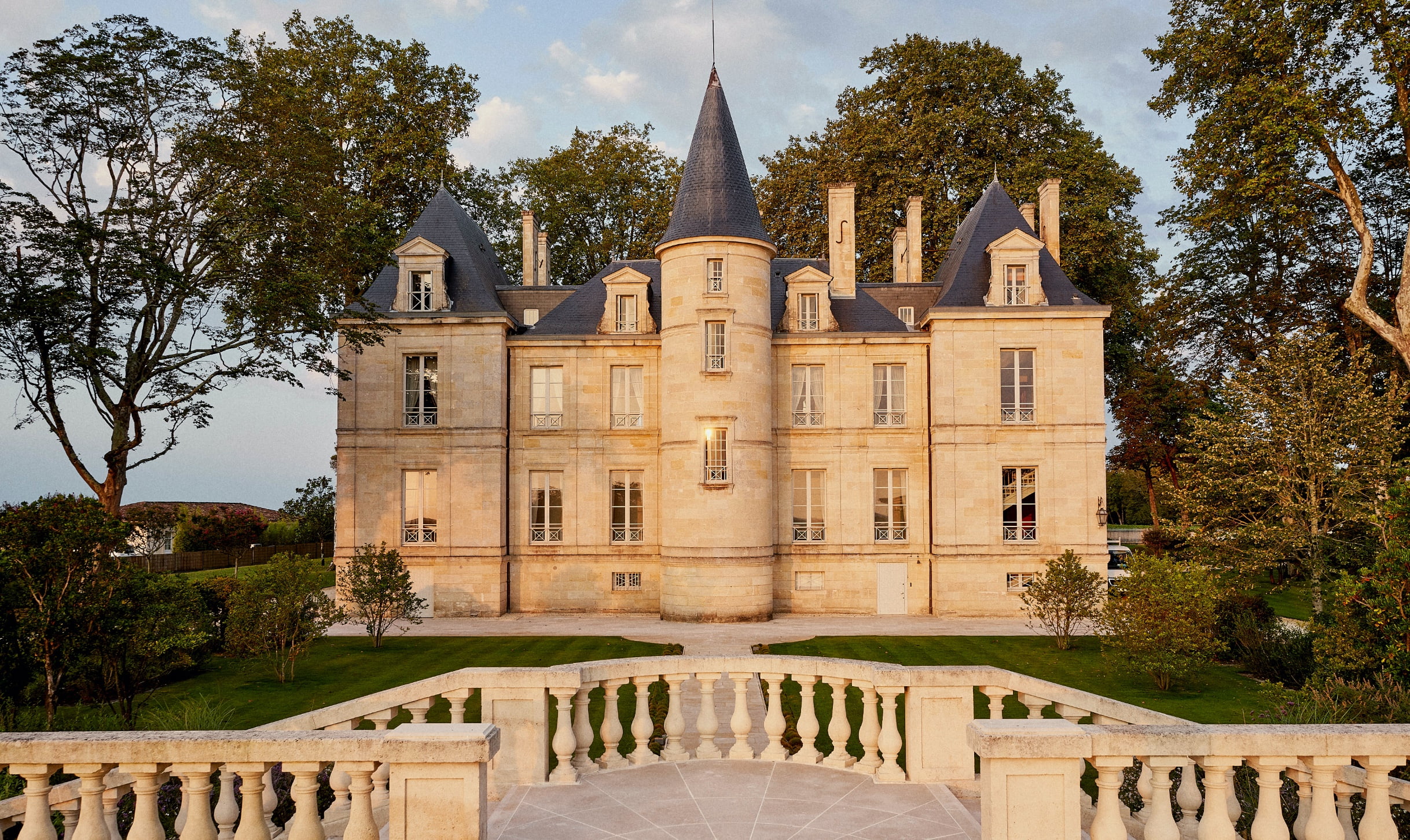
Château Clerc Milon is a Fifth Growth Pauillac estate with a first vintage recorded in 1871, now working under winemaker Jean-Emmanuel Danjoy. Holding a Pearl 4 Star Prestige rating for 2025, it occupies the mid-tier of the Médoc classification hierarchy while drawing serious attention from collectors tracking Pauillac's northern terroir. Visits are best arranged directly through the estate.
At a glance
- Price
- $$$$
- Neighborhood
- Pauillac
<h2>Pauillac's Northern Bank and the Fifth Growth Tier</h2><p>The Médoc classification of 1855 created a hierarchy that has barely shifted in 170 years, but within each tier the real story is one of divergence. Among Pauillac's Fifth Growths, the gap between a property coasting on its classified status and one actively narrowing the distance to its superiors has widened considerably since the 1990s. Château Clerc Milon sits on the northern edge of Pauillac, where the appellation's gravelly ridges begin to dissolve toward the estuary flats, and the estate has spent recent decades in the more purposeful camp. The 2025 Pearl 4 Star Prestige award places it alongside peers that are over-delivering relative to their classification rank.</p><p>For context, Pauillac houses three First Growths and a dense field of Second through Fifth Growth châteaux. Properties like <a href="https://www.enprimeurclub.com/wineries/chateau-batailley-pauillac-winery">Château Batailley</a> and <a href="https://www.enprimeurclub.com/wineries/chateau-grand-puy-ducasse-pauillac-winery">Château Grand-Puy-Ducasse</a> occupy similar classification positions and serve as a useful comparison set: all three have benefited from sustained investment in both the vineyard and the cellar, and all three now price against their actual quality rather than their ranked position alone. Clerc Milon's positioning within this group rewards attention from buyers willing to move past the headline names.</p><h2>Winemaker Jean-Emmanuel Danjoy and the Logic of Long Cellaring</h2><p>Winemaker Jean-Emmanuel Danjoy has been the technical force at Clerc Milon for a sustained period, and his approach reflects a broader shift in how the Médoc's classified estates have recalibrated since the early 2000s. That period saw widespread adoption of more precise sorting, lower intervention in the cellar, and a sharper focus on plot-level viticulture rather than blending away vineyard variability. Danjoy operates within that tradition, working an estate whose vineyard holdings include parcels close to the gravel mounds that define Pauillac's most celebrated terroir.</p><p>The Médoc's classic blend architecture, built on Cabernet Sauvignon with Merlot and smaller fractions of Cabernet Franc and Petit Verdot, gives a winemaker significant latitude in how a vintage is assembled. Decisions about when to pick, how much new oak to deploy, and which parcels earn inclusion in the grand vin versus the second wine are where a Médoc winemaker's signature becomes legible over time. At properties working this classification tier, those decisions accumulate into a house style that either commands collector interest or fades into the background of a crowded appellation. Clerc Milon's recent trajectory, as signalled by the Pearl 4 Star Prestige recognition, suggests the former.</p><p>Neighbouring estates like <a href="https://www.enprimeurclub.com/wineries/chateau-haut-bages-liberal-pauillac-winery">Château Haut-Bages-Libéral</a> and <a href="https://www.enprimeurclub.com/wineries/chateau-pedesclaux-pauillac-winery">Château Pédesclaux</a> have followed a comparable arc, each finding a more distinct critical identity in recent vintages. The common thread across these properties is not a single philosophy but a shared commitment to treating the 1855 classification as a floor rather than a ceiling. Danjoy's stewardship at Clerc Milon belongs in that conversation.</p><h2>Terroir Position and What the 1871 Date Implies</h2><p>Clerc Milon's first recorded vintage in 1871 places it among the genuinely old-vine histories of the Médoc, a region where provenance depth matters in ways that go beyond marketing. Vines planted progressively over more than a century on the same parcel develop root systems that reach well below the surface gravel into the clay and limestone substrata, producing fruit with a concentration profile that younger replanted blocks rarely match. The estate's age of continuous production is a credential that matters to collectors.</p><p>The geographical logic of Pauillac's northern sector, where Clerc Milon's lieu-dit address sits, differs subtly from the plateau zones associated with the First Growths further south. The drainage here is sufficient for Cabernet Sauvignon to ripen fully in average vintages without over-ripening in exceptional ones, a balance that allows a skilled winemaker to aim for structure-driven wines built to age rather than early-drinking accessibility. This is the production logic that separates Pauillac from Margaux, where the terroir and traditional blend ratios tend toward more aromatic, earlier-resolving styles.</p><p>Collectors comparing the northern Pauillac terroir against other Médoc communes would do well to also track properties across the appellations: <a href="https://www.enprimeurclub.com/wineries/chateau-branaire-ducru-st-julien">Château Branaire Ducru in St-Julien</a> and <a href="https://www.enprimeurclub.com/wineries/chateau-cantemerle-haut-medoc">Château Cantemerle in Haut-Médoc</a> each represent the structural ambitions of their respective communes, providing a useful frame for understanding how Pauillac's weight and tannin architecture differ from its neighbours.</p><h2>Where Clerc Milon Sits in the Collector's Hierarchy</h2><p>Bordeaux en primeur buying operates on a tiered logic that aligns closely with classification rank, but the most attentive buyers have always worked one tier below the headline properties, where value relative to ageing potential is least efficiently priced. Clerc Milon occupies that space in Pauillac. Its classification as a Fifth Growth means release prices reflect its ranked position, while its actual performance in blind tastings and on the secondary market has been trending upward, particularly for vintages from 2015 onward.</p><p>The comparison set is instructive. Properties like Château Grand-Puy-Lacoste and Château Lynch-Bages, both Pauillac classified growths with strong reputations, command premiums that reflect their sustained critical and commercial momentum. Clerc Milon's Pearl 4 Star Prestige recognition from EP Club for 2025 positions it as a property with credible claim to that same upward narrative, without yet carrying the price premium that makes the headline names difficult to accumulate in quantity. For buyers working within a cellar-building strategy rather than simply acquiring prestige, this is the relevant context.</p><p>Wider cross-regional comparisons are also useful for calibrating expectations. <a href="https://www.enprimeurclub.com/wineries/chateau-belair-monange-saint-emilion-winery">Château Bélair-Monange in Saint-Emilion</a> and <a href="https://www.enprimeurclub.com/wineries/chateau-boyd-cantenac-cantenac-winery">Château Boyd-Cantenac in Cantenac</a> represent different terroir and blend approaches within the Bordeaux classification system, and tracking how those properties are rated and priced against Clerc Milon gives a clearer picture of where the estate sits in the broader French fine wine market.</p><h2>Planning a Visit to Pauillac</h2><p>Pauillac sits roughly 50 kilometres north of Bordeaux city, accessible by the D2 wine road that connects the Médoc's classified estates in a near-continuous sequence from Margaux through to Saint-Estèphe. The town itself is small and the infrastructure is oriented around the wine trade rather than tourism, which means most estate visits require advance arrangement rather than walk-in access. The harvest period in September and October brings the greatest activity to the châteaux, but also the least availability for tastings, as winemaking staff are occupied in the cellar. Late spring and early autumn outside harvest are generally the most productive windows for arranged visits.</p><p>For those building a Pauillac itinerary across multiple properties, <a href="https://www.enprimeurclub.com/wineries/chateau-d-armailhac-pauillac-winery">Château d'Armailhac</a>, which shares proximity and ownership history with Clerc Milon, is a logical companion visit. The full picture of Pauillac's classified landscape, including how Fifth Growths like Clerc Milon relate to the appellation's broader identity, is covered elsewhere.</p><p></p>
Know before you go
- Dress code
- smart_casual
- Reservations
- appointment_only
- Parking
- on_site_lot
- Payment
- credit_card, debit_card
- Outdoor seating
- Yes
- Groups
- Welcomed
Frequently asked
What's the vibe at Château Clerc Milon?
Clerc Milon operates squarely in the tradition of the great Médoc estates: a working château where the emphasis falls on the wine and the land rather than visitor theatrics. Pauillac's northern bank draws serious collectors and trade buyers, and the atmosphere reflects that seriousness. The 2025 Pearl 4 Star Prestige award places it in distinguished company within that context.
Is Château Clerc Milon award-winning?
Château Clerc Milon has received recognition including: Pearl 4 Star Prestige (2025).
What do visitors recommend trying at Château Clerc Milon?
The estate wine is the obvious focus, and for collectors the priority is understanding the vintage arc across recent releases under Jean-Emmanuel Danjoy's direction. Visits to Pauillac's classified estates are most productive when timed around en primeur week in April, when barrel samples from the latest harvest are available for tasting.
What part of town is Château Clerc Milon in?
Château Clerc Milon is located at Lieu-dit, 33250 Pauillac, Pauillac.
What's the defining thing about Château Clerc Milon?
A recorded history dating to 1871 gives Clerc Milon one of the longer documented vine histories in the Médoc, a region where provenance carries real weight with buyers. Its 1855 fifth growth classification combined with the Pearl 4 Star Prestige rating in 2025 positions it as one of the more closely watched estates in its tier. Winemaker Jean-Emmanuel Danjoy's technical stewardship is the consistent thread behind its current standing.
Should I book Château Clerc Milon in advance?
Château visits in Pauillac are not walk-in affairs for classified estates of this rank. Contact the château directly to arrange access, particularly if your visit coincides with en primeur season when demand from trade and press peaks sharply. Planning several weeks ahead is standard practice for estates of Clerc Milon's profile.
How does Château Clerc Milon's Pearl 4 Star Prestige rating compare within the Pauillac fifth growth tier?
The Pearl 4 Star Prestige designation awarded in 2025 by EP Club places Clerc Milon among the higher-rated estates within the fifth growth classification, which counts around a dozen châteaux across the Médoc. In Pauillac specifically, the fifth growth tier includes names such as Lynch-Bages and Grand-Puy-Lacoste, and recognition at this level signals consistent overperformance relative to classification rank. For en primeur buyers focused on value within the Pauillac appellation, Clerc Milon under Jean-Emmanuel Danjoy's direction warrants close attention.
Address
Lieu-dit, 33250 Pauillac
Pauillac · Bordeaux
How it compares
- Price
- $$$$
- Awards
- 1 recognition
- Notes
- Pauillac, Cabernet Sauvignon, Merlot
- Price
- $$$$
- Awards
- 1 recognition
- Notes
- Pauillac, Cabernet Sauvignon, Merlot
- Price
- $$$$
- Awards
- 1 recognition
- Notes
- Pauillac, Cabernet Sauvignon, Merlot
- Price
- $$$$
- Awards
- 1 recognition
- Notes
- Pauillac, Cabernet Sauvignon, Merlot
- Price
- $$$$
- Awards
- 1 recognition
- Notes
- Pauillac, Cabernet Sauvignon, Merlot
- Price
- $$$$
- Awards
- 1 recognition
- Notes
- Pauillac, Cabernet Sauvignon, Merlot