Winemaker
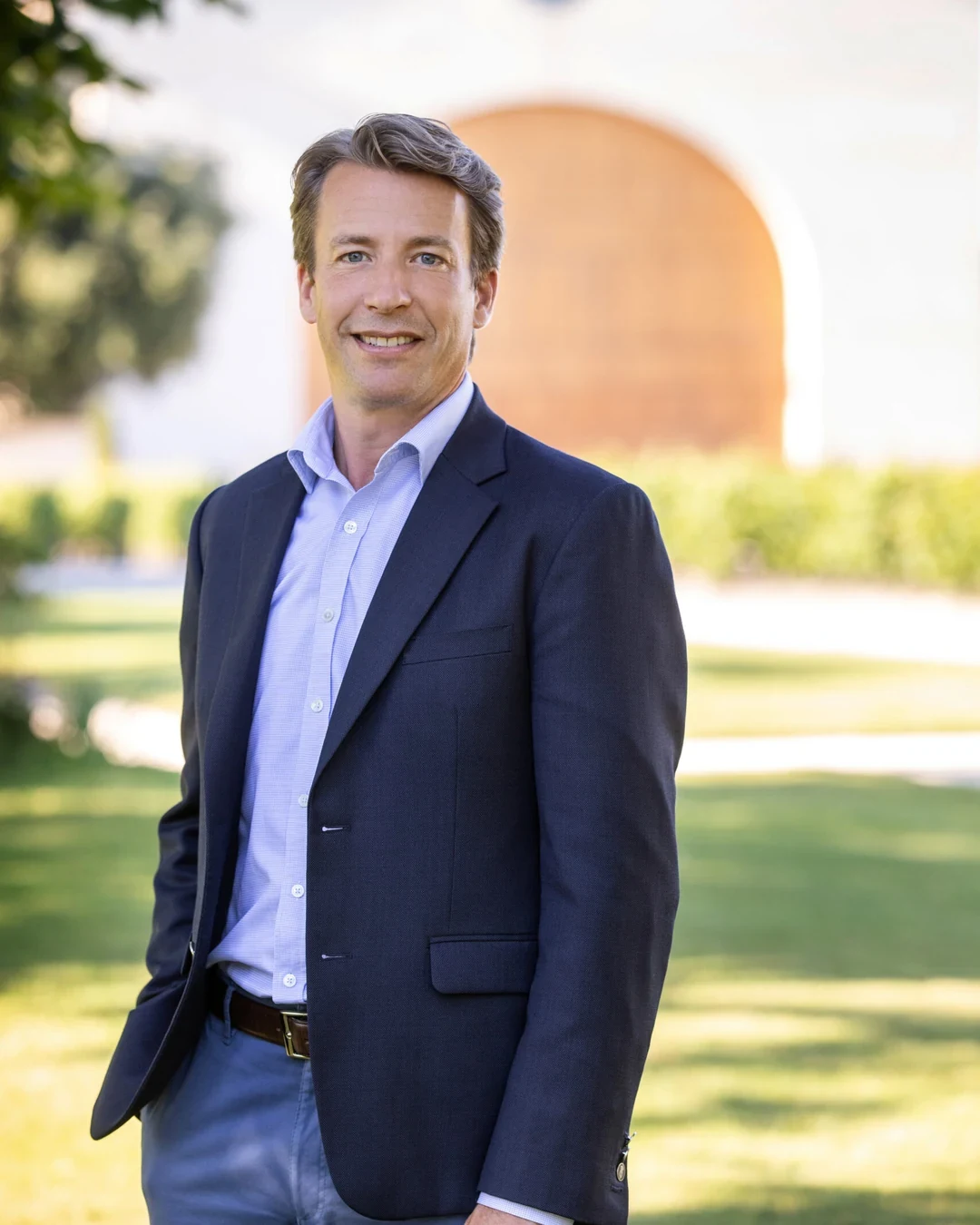
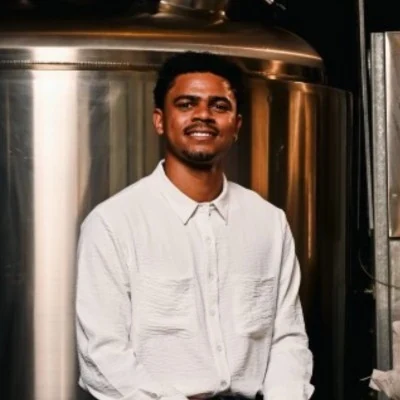
Jean-Emmanuel Danjoy
- Discipline
- Winemaker
- Based in
- Pauillac, France

i. Biography
The work across three estates is a question of continuity under variable conditions: keep the properties steady, read each vintage as it develops, and make decisions that will still make sense years later. In Pauillac, Jean-Emmanuel Danjoy’s remit sits in both registers at once — the daily sequence of vineyard and cellar, and the slower work by which an estate’s identity is maintained over time.
The Climb
Estate work at this level is built through exposure to places where precision carries commercial and reputational weight. Early in his career, Jean-Emmanuel Danjoy worked at Opus One in Napa, within one of California’s most emblematic wine estates. That setting placed practical decisions inside a larger frame: scale, consistency, and the expectations attached to a bottle before it is opened. Pauillac management requires translation rather than display: land, weather, timing, and human judgment have to be brought into line without flattening the year. Today, Jean-Emmanuel Danjoy is estate manager of Château Mouton-Rothschild, while also overseeing operations of Château Clerc Milon and Château d’Armailhac. The role is less about preserving a label in the abstract than about keeping three estates clear in their work and legible in the glass.
Today
Multi-estate oversight depends on alignment between teams, timing, and seasonal conditions. Jean-Emmanuel Danjoy oversees operations at Château Clerc Milon in Pauillac, France, and at Château d’Armailhac, where the work is operational and interpretive at the same time. The season sets terms that can change quickly; the craft lies in holding direction while adjusting the work as conditions require. Wines that speak of place are made before the bottle becomes the evidence. Across these estates, the stated aim is to produce wines that speak of place and pursue greatness vintage after vintage. That depends on coordination in the vineyard and cellar, flexibility as conditions shift, and enough discipline to let the year show itself without losing the estate’s line. Harvest concentrates the whole system into a short, consequential passage. Danjoy has described it this way: “It’s about coordinating, maintaining flexibility and playing with nature.” The phrasing is practical: preparation, weather, timing, and team movement have to meet at once, and the margin for correction narrows as fruit comes in.
Signature
2018 Château Mouton Rothschild Pauillac.
In Their Words “It’s about coordinating, maintaining flexibility and playing with nature. When harvest ends and we feel we played our cards right, that’s a satisfying moment.” “But I take pride in having a team that gets on well and works toward a common goal with pleasure.”
Recognition
In a James Suckling tasting interview, Danjoy said he had not seen wines with such a balanced profile in the previous 10 years. Critical recognition is useful when it points back to structure, not ornament. Suckling called the 2018 Mouton Rothschild “phenomenal” and harmonious, noting seamless tannins. For estate work directed toward place, that vintage gives a concrete reference point: balance in profile, tannin integrated into the whole, and Pauillac identity carried without excess.
Profile updated July 2026
FAQ
Asked of Jean-Emmanuel
What is Jean-Emmanuel Danjoy's current role?
Jean-Emmanuel Danjoy is Technical Director and Head Winemaker.
Where did Jean-Emmanuel Danjoy work before?
Earlier in their career, Jean-Emmanuel Danjoy worked at Opus One.
What is Jean-Emmanuel Danjoy known for?
He leads the estates to produce wines that speak of place and pursue greatness vintage after vintage.
Explore
Similar Winemakers