Château Pichon-Longueville-Comtesse-de-Lalande
In Residence
Jacques Boissenot
Winemaker
- 01CityPauillac, France
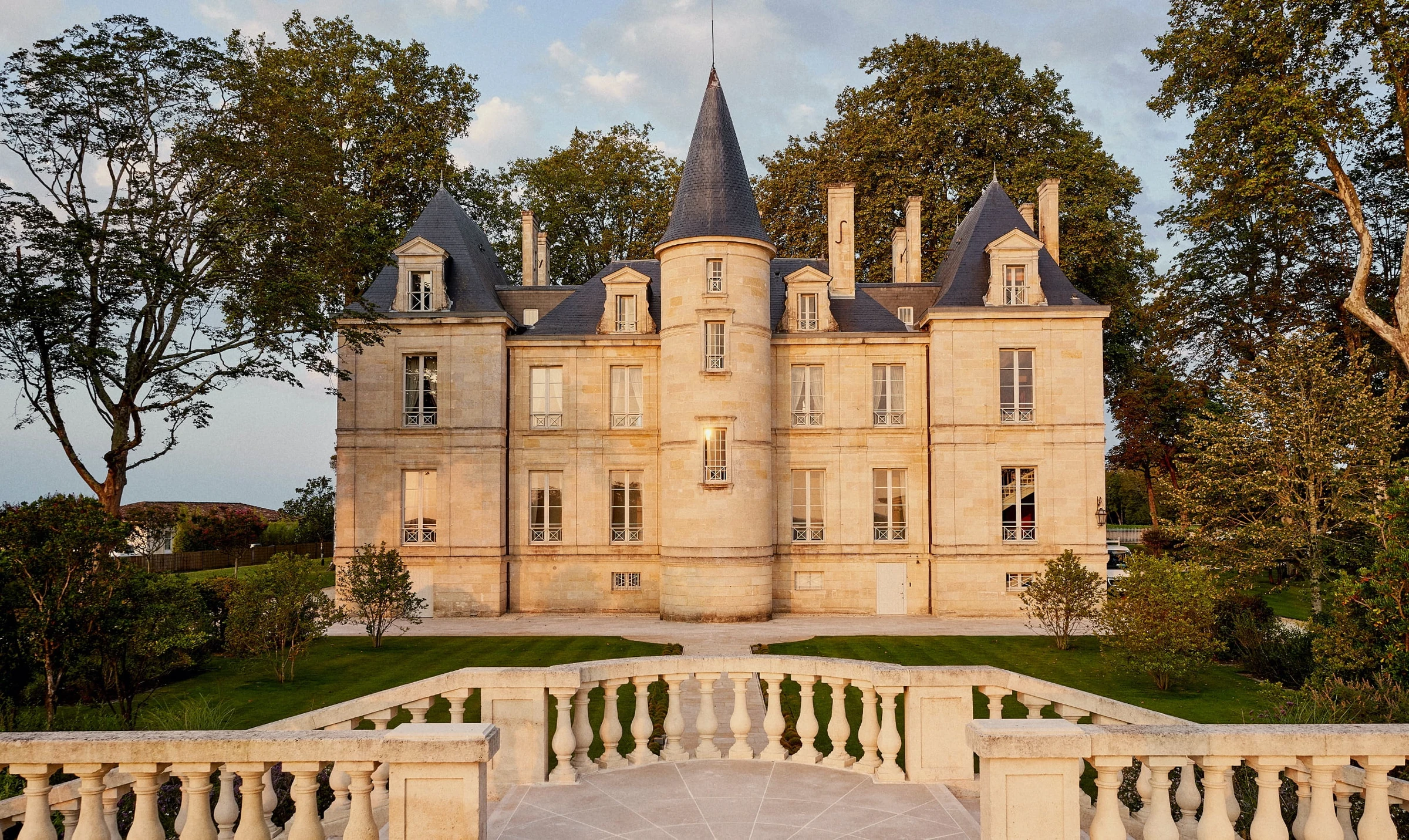
Pauillac assemblage lot by lot
- Michelin 2 Grapes · 2026
- Falstaff Winery - 4 Stars · 2026
- Pearl 4 Star Prestige · 2025
Selection before assemblage
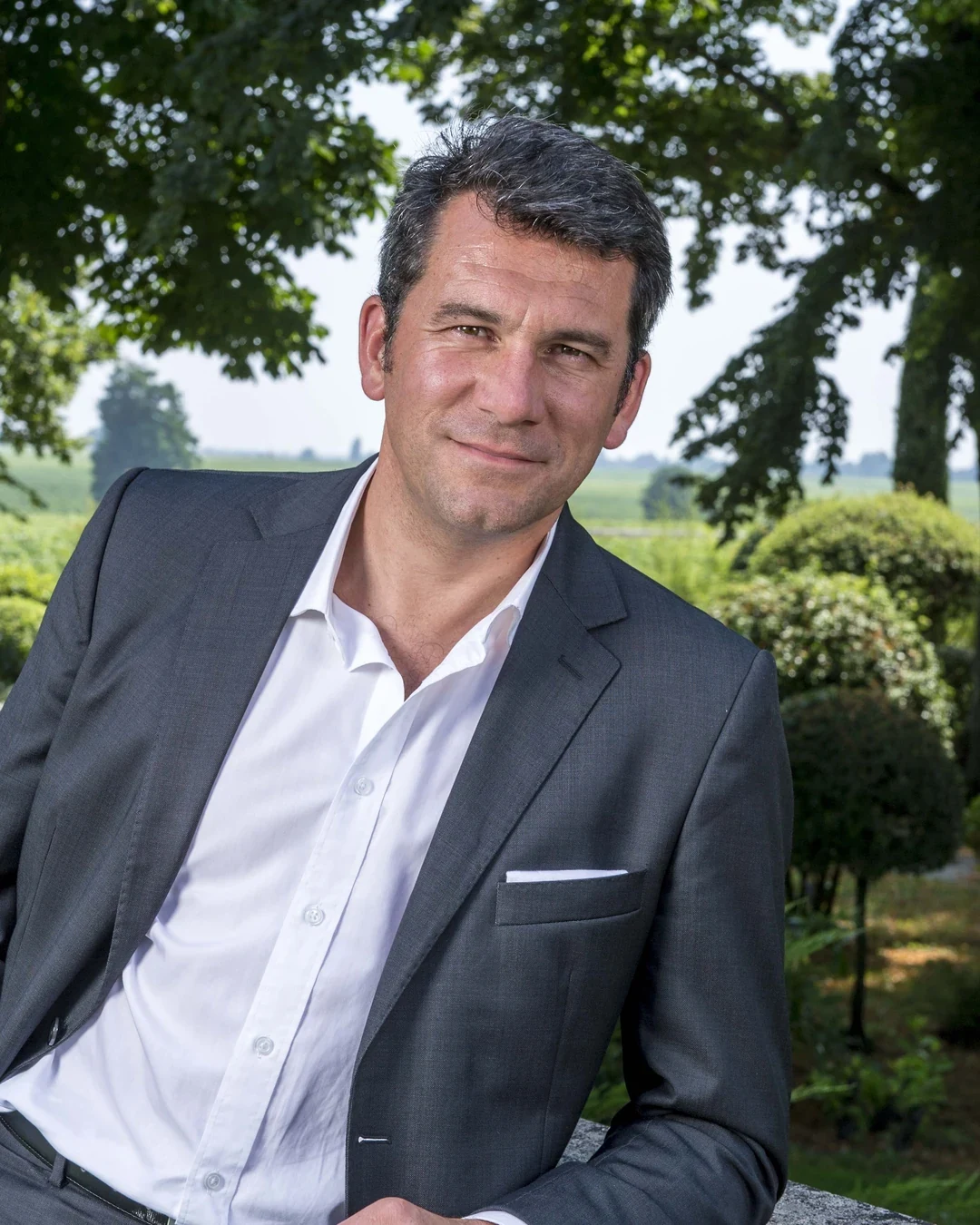
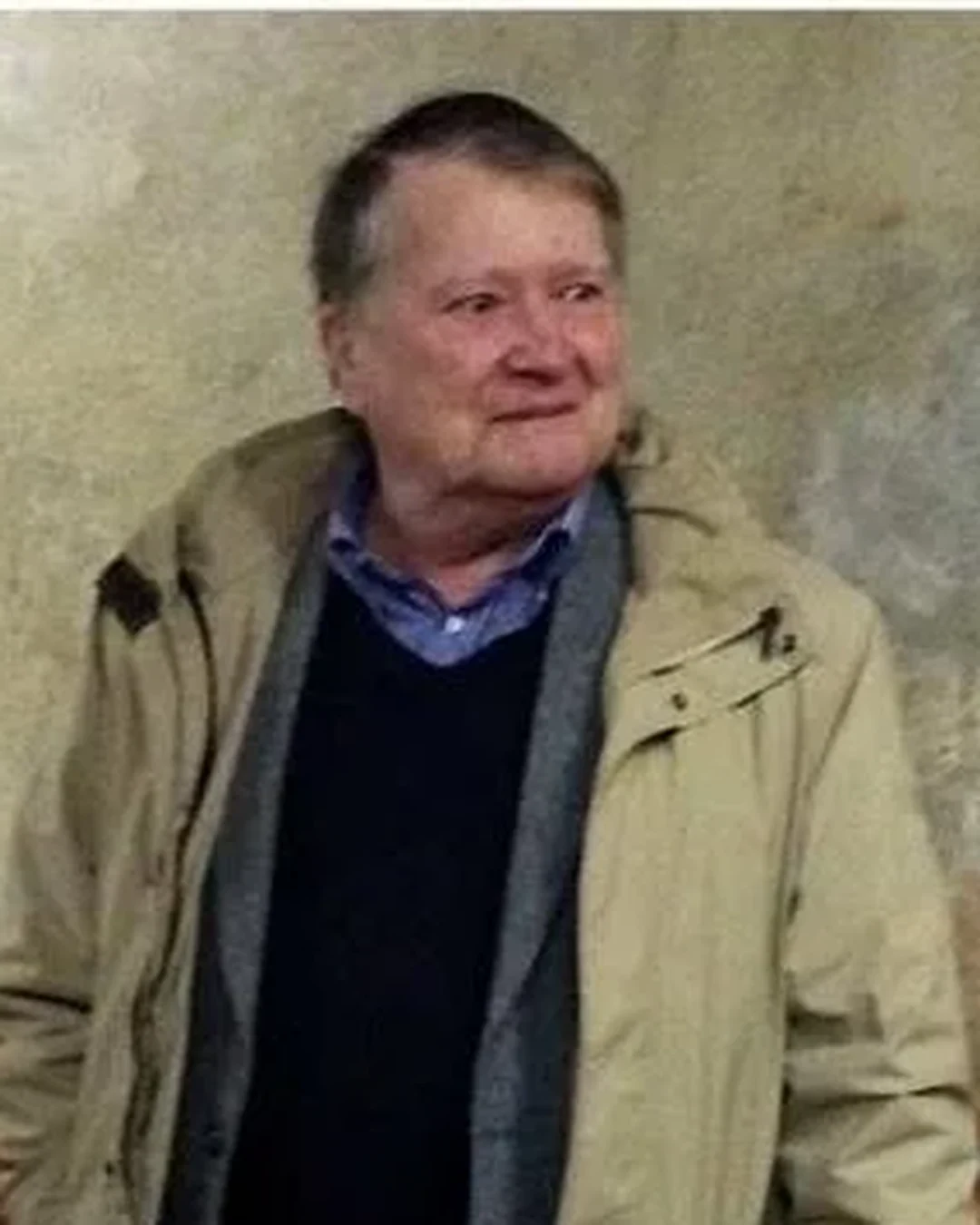
Jacques Boissenot reads the sample in relation to the finished blend as winemaker at Château Pichon-Longueville-Comtesse-de-Lalande in Pauillac. Jacques Boissenot came to this kind of work through study first, at Institut d'Oenologie, Bordeaux University, then through lab work in Bergerac until 1974. The discipline stayed with him: analysis, comparison, and cellar judgment treated as parts of the same method. In 1974, he opened a lab at Bordeaux university's Institut d'Oenologie in Pauillac, closer to the Médoc and to the questions that arrive from vineyard, tank, barrel, and bottle.
At Pichon Comtesse, that training matters because the house is built around assemblage rather than a single gesture. Cabernet Sauvignon, Merlot, Cabernet Franc, and Petit Verdot give the cellar its vocabulary; Pauillac AOC gives the frame. Boissenot has spoken about tools whose value lies in “optimising the selection of our lots in order to make the best possible assemblage [blend].” The sentence is technical because the task is technical. A lot only earns its place when it makes sense beside the others.
Glumineau at the estate timetable
Nicolas Glumineau has been general director of Château Pichon Longueville Comtesse de Lalande since 2012, after training at Bordeaux University. His role keeps the estate on the longer rhythm of vineyard timing, cellar decisions, and the patience required before a vintage is ready to bottle. Pichon Comtesse Grand Vin is the clearest statement of that work: not a flourish, but a sequence of choices, tasted and refined until the blend holds together.
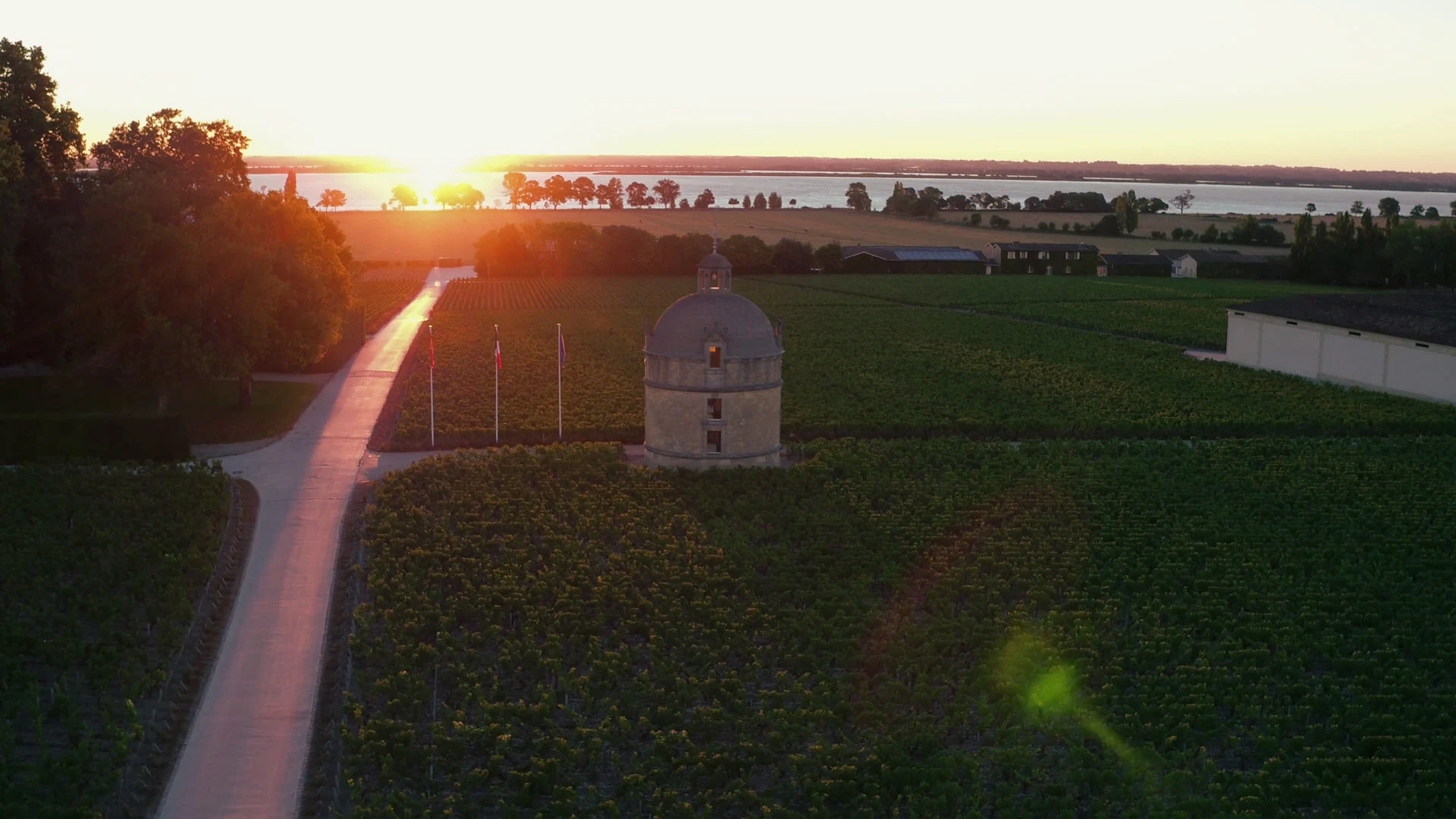
The estate works on an 84-hectare Pauillac vineyard and lists sustainable production as its philosophy. Its annual scale is 450,000 bottles, a figure that sits behind the quiet repetition of selection, blending, and waiting. Glumineau's own language stays close to the material. Speaking of the 2022 Pichon Comtesse Grand Vin, he said, “The best Merlot we’ve used for the blend of Pichon Comtesse Grand Vin are the best Merlot we’ve ever made.” The measure there is not volume. It is the character of the lot when the blend asks for it.
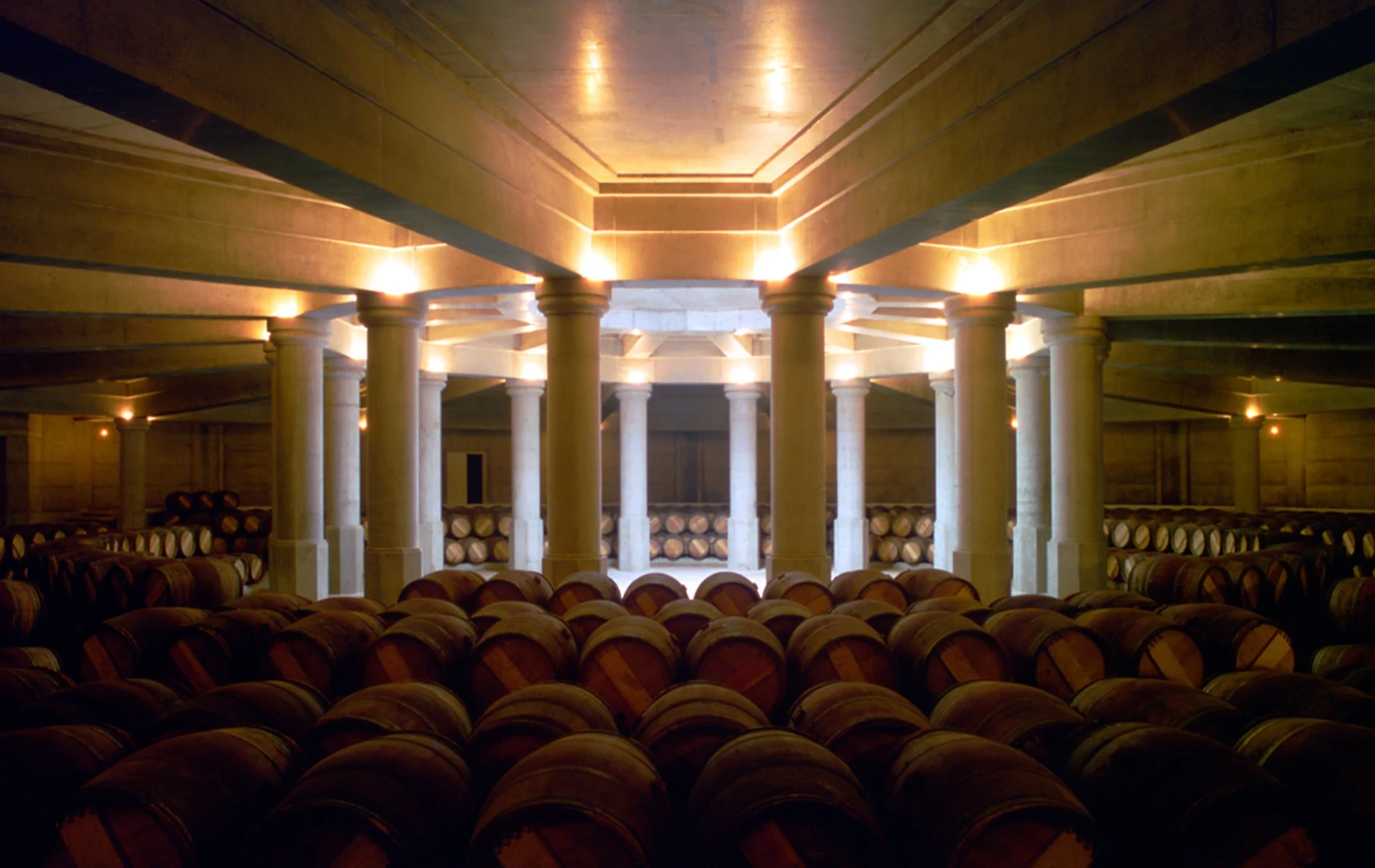
The cellar under the château
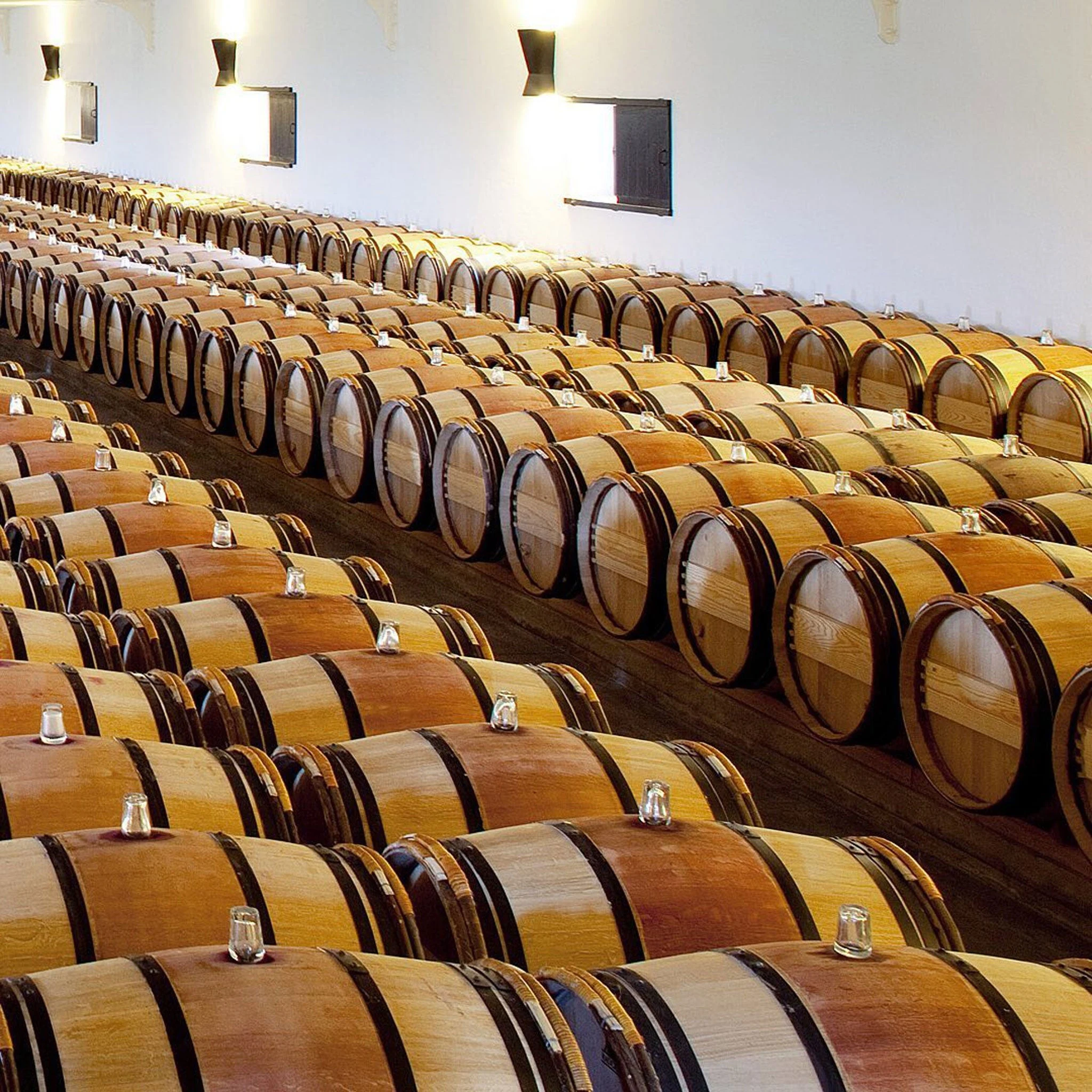
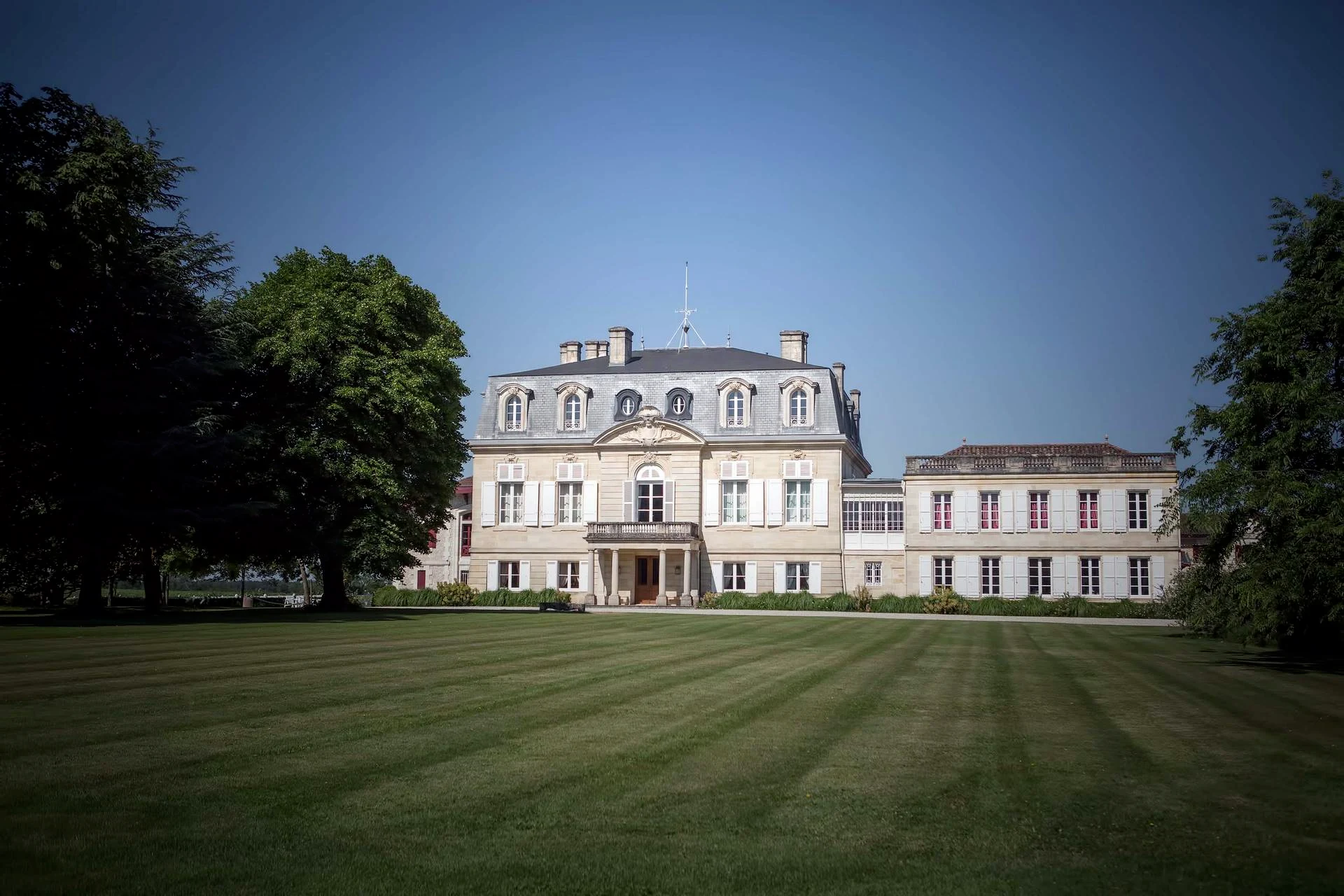
The cellar keeps the pace low. This is a cave tasting house, quiet by nature, with old bottles in the atmosphere and the vineyard just outside the château. The setting is formal without needing to press the point: an elegant historic house amid Pauillac vines, with the tasting room held close to the cellar rather than separated from it. The room asks for attention because the wines do. Still red Pauillac does not rush its argument.
Inside that setting, the pass belongs to comparison. Samples move toward the final assemblage; the Grand Vin carries the estate's name only after the lots have been chosen, blended, and held to the house standard. If there is a next movement to keep in view, it is already named in the cellar language here: Pichon Comtesse Grand Vin, shaped lot by lot in Pauillac.
Questions
Frequently asked
Who shapes the winemaking at Château Pichon-Longueville-Comtesse-de-Lalande?
Jacques Boissenot works as winemaker, reading samples in relation to the finished blend, and Nicolas Glumineau has been general director since 2012. Their work is described as part of a long, careful process of selection, blending, and waiting.
What is the estate known for?
The estate is built around assemblage rather than a single gesture, with Cabernet Sauvignon, Merlot, Cabernet Franc, and Petit Verdot giving the cellar its vocabulary. Pichon Comtesse Grand Vin is presented as the clearest statement of that work.
What kind of visit does the château offer?
It is described as a cave tasting house, quiet by nature, with the tasting room held close to the cellar. The setting is formal and set among the Pauillac vines.
Do visits need to be arranged in advance?
Visits are by appointment only.
Is there practical information for arriving at the estate?
The address is Rte des Châteaux, 33250 Pauillac, and there is on-site parking. The listed dress code is smart casual.
The field
How it compares
| Place | Notes | Awards |
|---|---|---|
| Château Pichon-Longueville-Comtesse-de-Lalande | Pauillac, $$$$ | · |
| Chateau Lafite Rothschild | Pauillac | · |
| Château Latour | Pauillac | · |
| Château Lynch-Bages | Pauillac | · |
| Chateau Mouton Rothschild | Pauillac | World's 50 Best |
| Château Pichon Longueville Baron | Pauillac | World's 50 Best |
| Château Pontet-Canet | Pauillac | · |