Made ByWinery
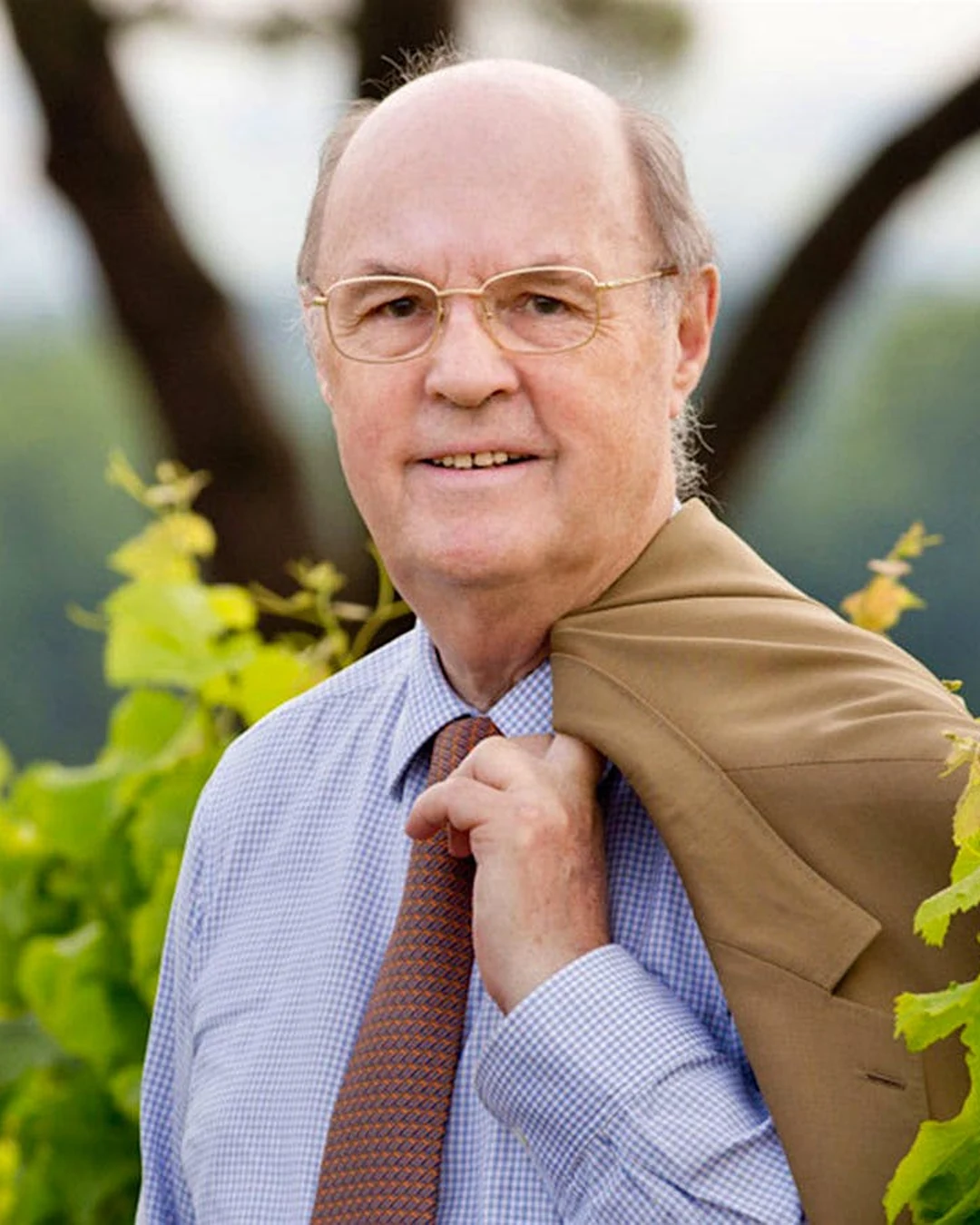
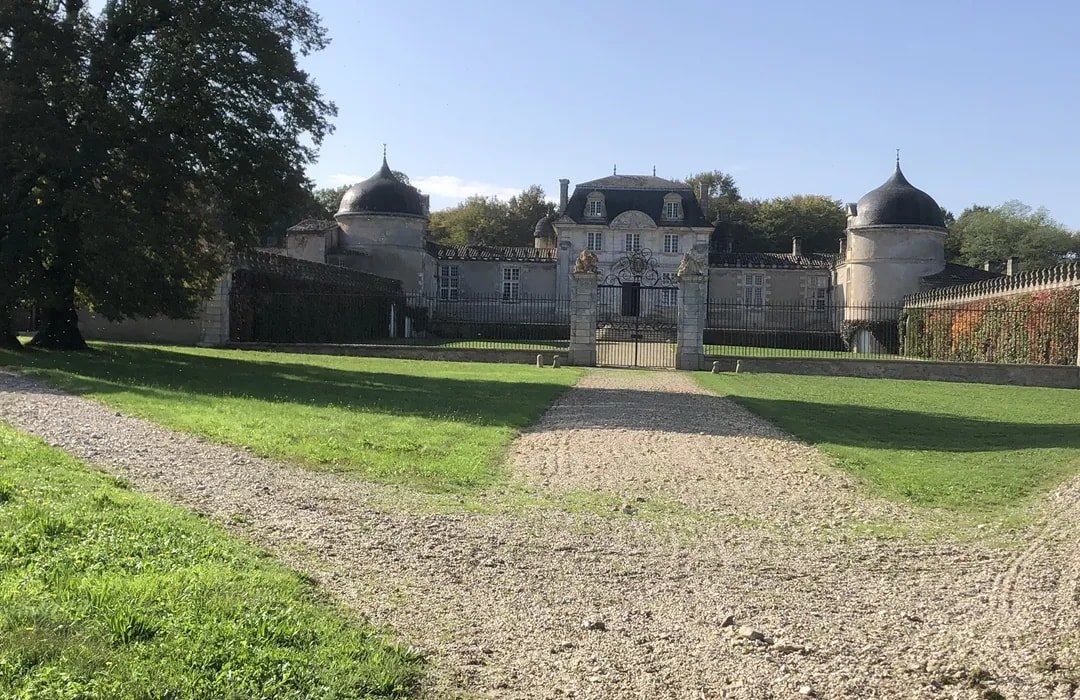
Château de Fargues is a historic Sauternes producer in Preignac, Bordeaux, with first vintage records dating to 1943 and the estate long guided by Comte Alexandre de Lur Saluces. Awarded Pearl 3 Star Prestige in 2025, Fargues occupies a distinct position among Sauternes estates that operate outside the 1855 classification yet command serious critical attention from collectors and serious wine drinkers.
At a glance
- Price
- $$$$
- Neighborhood
- Preignac
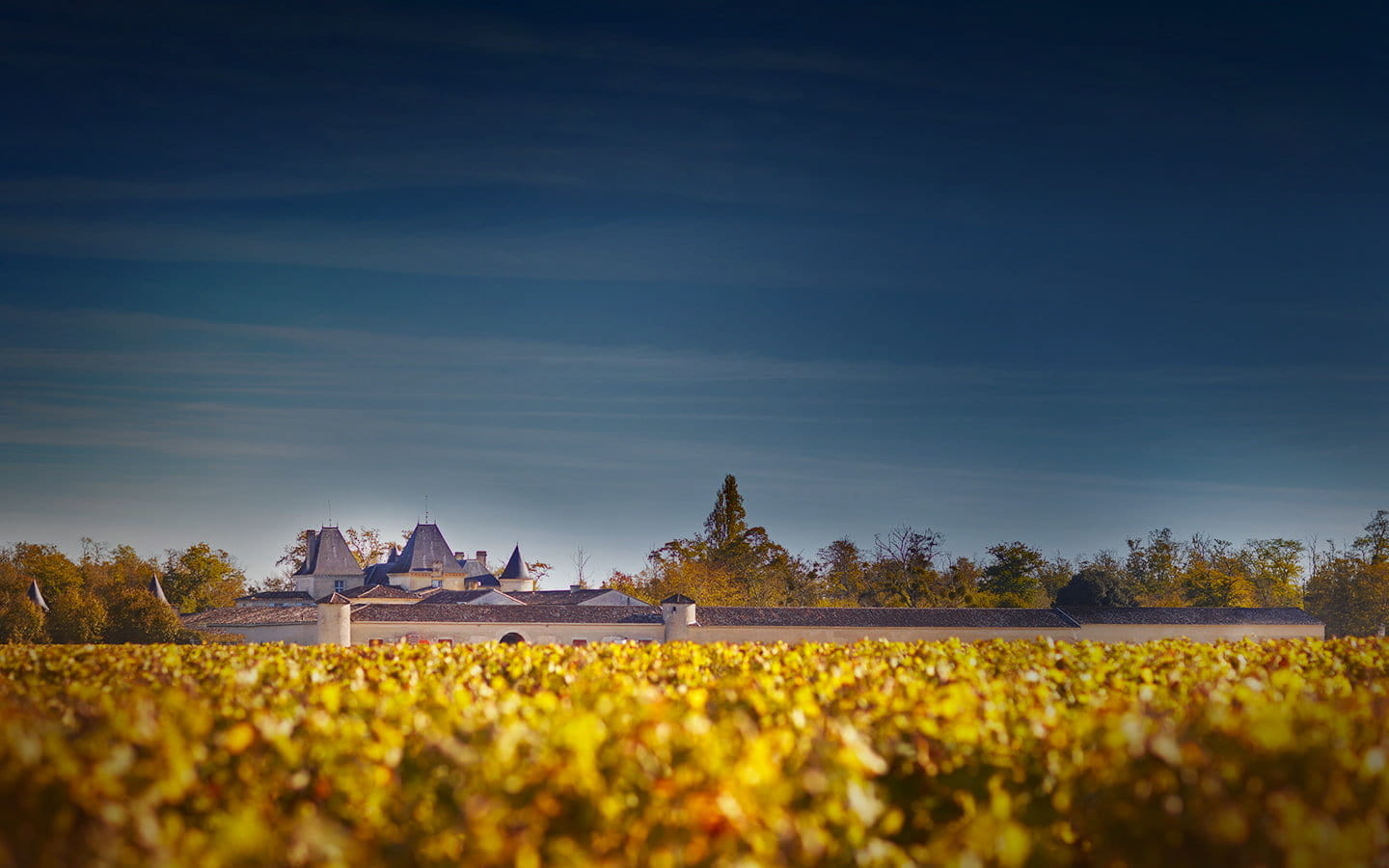
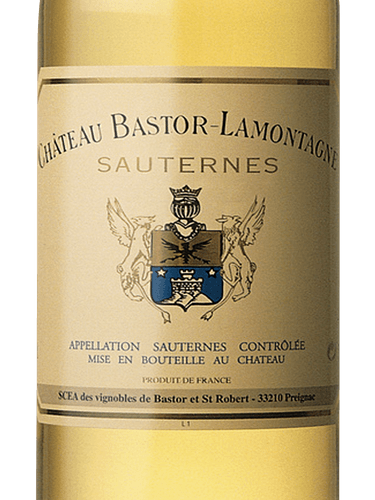
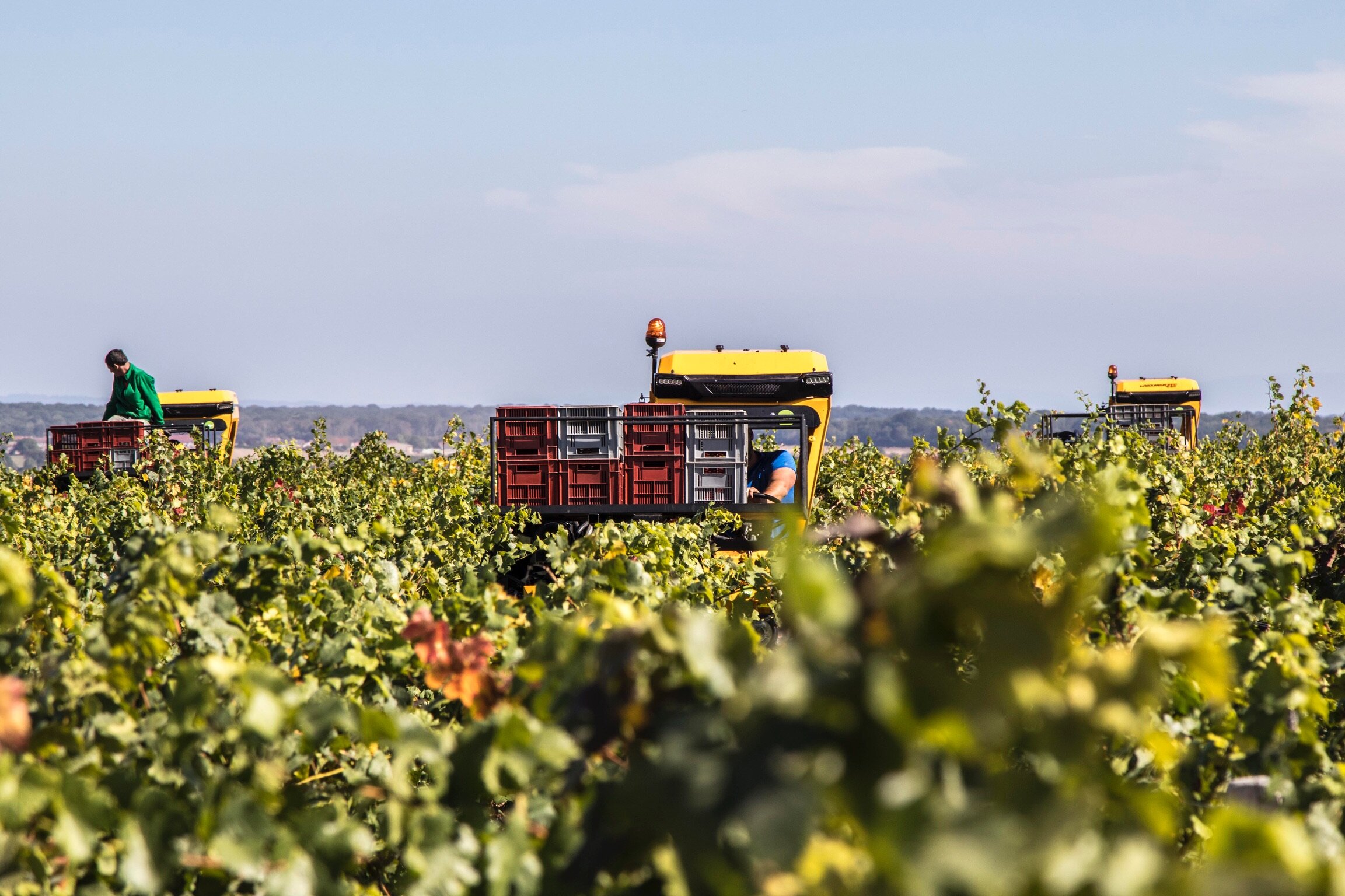
<h2>Where Sauternes Runs Deep</h2><p>The road into Preignac passes through a corridor of vines that barely changes from one decade to the next. Fargues sits at the southern edge of the Sauternes appellation, removed from the more trafficked communes of Barsac and Sauternes town itself, and that physical distance helps shape the estate's character in the broader regional conversation. Sauternes as an appellation has always been stratified, with Château d'Yquem at one extreme and a long tail of cooperative-level production at the other. Between those poles sits a cluster of estates that operate on artisan scale, pursue botrytis-focused viticulture with genuine rigour, and price and allocate accordingly. Château de Fargues belongs to that cluster, and its 2025 Pearl 3 Star Prestige recognition places it in a strong position within that peer group.</p><h2>The Lur Saluces Thread</h2><p>Any serious reading of Sauternes history runs through the Lur Saluces family. The family name is inseparable from the appellation's premium identity, most publicly through decades of stewardship at Yquem before that estate's ownership passed to LVMH in 1999. Fargues represents the lineage that stayed within family hands, with Comte Alexandre de Lur Saluces continuing as winemaker. That credential matters not as biography but as context: the winemaking tradition at Fargues is rooted in the same school of thought that shaped Sauternes' global reputation across the twentieth century. Estates like <a href="https://www.enprimeurclub.com/wineries/chateau-suduiraut">Château Suduiraut</a> and <a href="https://www.enprimeurclub.com/wineries/chateau-bastor-lamontagne">Château Bastor-Lamontagne</a> also carry significant Sauternes pedigree, but Fargues' connection to the Lur Saluces name gives it a different kind of provenance signal in the market.</p><p>The estate's recorded history stretches back centuries, though production under the Fargues label as we know it begins from the 1943 vintage. That date is significant: it places the estate's modern winemaking lineage across more than eight decades, giving the cellar a vertical depth that most small Bordeaux producers cannot match. For collectors building cellar records or comparative tastings, that span of documentation is part of the value proposition, not merely a historical footnote.</p><h2>What Sauternes Winemaking Actually Involves</h2><p>To assess Fargues accurately, it helps to understand what distinguishes serious Sauternes production from volume alternatives. The appellation's defining mechanism is botrytis cinerea, the so-called noble rot, a fungal infection that dehydrates grapes on the vine and concentrates sugars and glycerol to levels unachievable through any other method. Achieving the right botrytis requires specific climatic conditions: morning mist from the Ciron river, warm afternoons, and enough patience to pick by successive tries (multiple passes through the vineyard) rather than a single mechanical harvest. The labour input is substantial and the yield per hectare is a fraction of what dry wine producers target. In a vintage where botrytis strikes unevenly or early rains intervene, production may be radically reduced or, in the hardest years, not released at all.</p><p>This is the production environment that Comte Alexandre de Lur Saluces operates within at Fargues. The winemaker's role in Sauternes is less about stylistic intervention and more about disciplined selection: which berries to pick on which pass, how long to age in barrel, and whether a given vintage meets the standard for release under the estate label. The 1943 first vintage on record suggests the estate was making those decisions in genuinely difficult wartime conditions, which adds a layer of historical weight to the archive.</p><p>For reference across the broader region, winemakers at properties like <a href="https://www.enprimeurclub.com/wineries/chateau-d-arche-sauternes-winery">Château d'Arche</a> face the same fundamental constraints. The shared appellation rules are a leveller, which means differentiation at the prestige tier comes down to site quality, vine age, selection rigour, and the patience to hold back production in off years. Those are exactly the factors that correlate with Fargues' Pearl 3 Star Prestige rating.</p><h2>Fargues in the Sauternes Classification Conversation</h2><p>The 1855 Sauternes classification remains the most referenced framework in the appellation, with Yquem as Premier Grand Cru Classé and a ranked list of Premiers and Deuxièmes Crus beneath it. Fargues is not part of that classification, which creates an interesting positioning problem and opportunity simultaneously. Outside the classification, the estate is not bound by the ranking's historical hierarchy, but it also lacks the automatic recognition that a classified status provides in less-informed markets.</p><p>That gap is precisely where critical ratings and specialist recognition become load-bearing. The Pearl 3 Star Prestige award from 2025 functions as the kind of third-party credential that signals seriousness to buyers who have moved beyond the 1855 framework as their primary reference. Comparable dynamics play out in other wine regions: producers like <a href="https://www.enprimeurclub.com/wineries/albert-boxler-niedermorschwihr-winery">Albert Boxler in Alsace</a> or <a href="https://www.enprimeurclub.com/wineries/accendo-cellars">Accendo Cellars in St. Helena</a> demonstrate that classification standing and critical reputation can run on separate tracks.</p><h2>Planning a Visit to Preignac</h2><p>Preignac is a small commune in the Graves department of Bordeaux, and visiting Fargues requires treating it as a destination in its own right rather than a stop on a broader Médoc or Saint-Émilion circuit. The estate sits on the Route des Écoles in Fargues itself, accessible by car from Bordeaux city. Visitors with broader Bordeaux itineraries might combine a Sauternes day with stops in neighbouring appellations: the left bank châteaux of the Médoc, including <a href="https://www.enprimeurclub.com/wineries/chateau-batailley-pauillac-winery">Château Batailley in Pauillac</a>, <a href="https://www.enprimeurclub.com/wineries/chateau-branaire-ducru-st-julien">Château Branaire Ducru in Saint-Julien</a>, and <a href="https://www.enprimeurclub.com/wineries/chateau-cantemerle-haut-medoc">Château Cantemerle in Haut-Médoc</a>, are all within reasonable driving range. For right bank visits, <a href="https://www.enprimeurclub.com/wineries/chateau-belair-monange-saint-emilion-winery">Château Bélair-Monange in Saint-Émilion</a>, <a href="https://www.enprimeurclub.com/wineries/chateau-boyd-cantenac-cantenac-winery">Château Boyd-Cantenac in Cantenac</a>, and <a href="https://www.enprimeurclub.com/wineries/chateau-clinet-pomerol">Château Clinet in Pomerol</a> each represent different expressions of Bordeaux's production breadth.</p><p>As with most small Sauternes estates, visiting Fargues requires advance contact and planning. No booking method, phone number, or public-facing website appears in current listing data, which itself signals the estate's operating posture: this is a producer focused on wine and allocation rather than visitor-volume tourism.</p><p>Harvest timing, typically September through November depending on botrytis development, is the period when Sauternes is most operationally active. Late spring and early summer give better access to cellar teams while offering the chance to taste wines from recent releases. That calendar logic applies across Sauternes, from Fargues to neighbouring estates like <a href="https://www.enprimeurclub.com/wineries/chateau-d-arche-sauternes-winery">Château d'Arche</a>.</p><h2>The Collector's Lens</h2><p>Fargues occupies a specific niche for serious buyers: it is a producer with documented lineage back to 1943, guided by a winemaker whose family name is part of Sauternes' foundational story, operating outside the 1855 classification but with current critical recognition at the prestige tier. That profile appeals most directly to collectors building structured Sauternes verticals, buyers who have exhausted the allocation queues at Yquem and its first growths, and wine drinkers who track critical recognition independently of historical classification status.</p><p>The comparison set is instructive. Across Bordeaux's appellation system, producers outside formal classifications often represent some of the clearest value propositions for informed buyers, precisely because the classification's brand premium is absent. Whether at Sauternes' sweet wine tier or the dry red appellations of Pomerol and Saint-Émilion, that dynamic rewards the buyer who reads critical data rather than deferring to 1855 alone. Fargues, with its 2025 Pearl 3 Star Prestige and its Lur Saluces provenance, makes that case directly.</p><p>For readers interested in how other specialist producers across France achieve similar critical positioning outside mainstream classification frameworks, profiles of estates like <a href="https://www.enprimeurclub.com/wineries/chartreuse-voiron-winery">Chartreuse in Voiron</a> or <a href="https://www.enprimeurclub.com/wineries/chateau-desclans">Château d'Esclans in Courthézon</a> offer useful comparative reading, as does the Scotch whisky parallel at <a href="https://www.enprimeurclub.com/wineries/aberlour-aberlour-winery">Aberlour in Aberlour</a>, where regional identity and craft credentials drive prestige independent of formal classification.</p>
Know before you go
- Dress code
- smart_casual
- Reservations
- appointment_only
- Parking
- on_site_lot
- Payment
- credit_card
Frequently asked
Is Château de Fargues recognized by any major rating lists?
Château de Fargues has received recognition including: Pearl 3 Star Prestige (2025).
Where exactly is Château de Fargues?
Château de Fargues is located at Château de Fargues, 8 Rte des Écoles, 33210 Fargues, Preignac.
What's the best wine to try at Château de Fargues?
Fargues produces a single Sauternes under the direction of Comte Alexandre de Lur Saluces, and that bottling is the focus of any visit or purchase. The estate earned a Pearl 3 Star Prestige rating in 2025, which places the wine among the appellation's most credentialed outside the 1855 classification. Serious buyers typically seek out older vintages, as botrytis-driven Sauternes develops considerable complexity over a decade or more in bottle.
What makes Château de Fargues worth visiting?
Fargues carries documented production lineage back to 1943 and operates under a winemaker whose family name, Lur Saluces, is central to Sauternes history at the highest level. The 2025 Pearl 3 Star Prestige award confirms current critical standing, not just inherited reputation. For anyone mapping the appellation seriously, the estate sits at the southern edge of Sauternes in Preignac and offers a counterpoint to the classified châteaux further north.
How far ahead should I plan for Château de Fargues?
Fargues is a working estate in a small commune, not a commercial visitor centre, so contact ahead of any planned trip is essential. Given its location in Preignac and the Graves department's relatively limited visitor infrastructure, building it into a multi-estate Sauternes itinerary rather than a standalone day trip is the practical approach. Harvest-period visits in autumn require the most lead time, as estate operations take priority.
How does Château de Fargues relate to Yquem, given the shared Lur Saluces family history?
The Lur Saluces family managed Château d'Yquem for generations before its sale, and Comte Alexandre de Lur Saluces subsequently focused his winemaking on Fargues, which has remained in family ownership. That biographical thread matters to collectors because the winemaking philosophy at Fargues draws from the same tradition that shaped Yquem's production standards, including strict botrytis selection and low yields. The Pearl 3 Star Prestige rating Fargues received in 2025 reflects a producer operating to a benchmark set long before the estate became a collector talking point in its own right.
When does Château de Fargues make the most sense to choose?
Fargues is the right choice when you want a Sauternes with documented winemaking continuity under the Lur Saluces name and current critical validation, specifically the Pearl 3 Star Prestige awarded in 2025, without paying the premium commanded by the classified growth châteaux. It also makes sense as a reference point for understanding how unclassified estates in the appellation can rival classified peers in quality terms. If your interest is in the southern Preignac terroir rather than the Barsac sub-appellation, the estate geography is directly relevant.
Address
Château de Fargues, 8 Rte des Écoles, 33210 Fargues
Preignac · Bordeaux
How it compares
- Price
- $$$$
- Awards
- 1 recognition
- Notes
- Preignac, Semillon, Sauvignon Blanc
- Price
- $$$$
- Awards
- 1 recognition
- Notes
- Preignac, Semillon, Sauvignon Blanc
- Price
- $$$
- Awards
- 1 recognition
- Notes
- Preignac, Semillon, Sauvignon Blanc
- Price
- $$$$
- Awards
- 1 recognition
- Notes
- Fargues, Semillon, Sauvignon Blanc
- Price
- $$$$
- Awards
- 1 recognition
- Notes
- Barsac, Semillon
- Price
- $$$$
- Awards
- 1 recognition
- Notes
- Bommes, Sémillon, Sauvignon Blanc