Soil first in Pauillac
- Falstaff Winery - 1 Stars · 2026
- Pearl 3 Star Prestige · 2025
Soil before cellar decisions
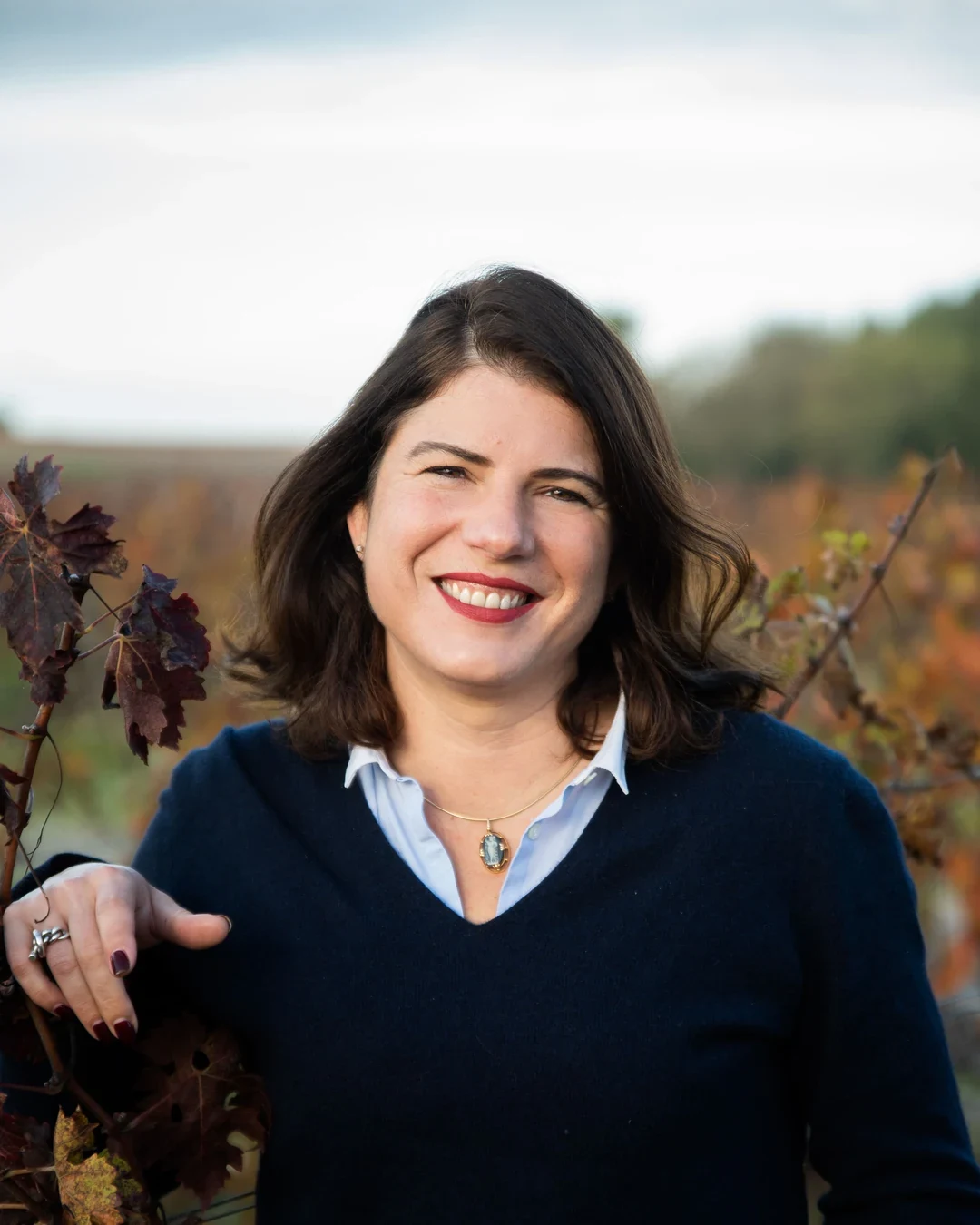
Anne Le Naour reads the vineyard before she reaches for the cellar, working as winemaker at Château Grand-Puy-Ducasse in Pauillac. Her training in agronomy and specialization in oenology set a discipline that begins with soil management, then follows the fruit into the winery with the same restraint. At this waterfront château in Pauillac town, the work sits between an 18th-century house overlooking the Gironde estuary and vines spread across noted Pauillac ground. Anne Le Naour keeps the language of the place practical. “The weed killing and chemical use in general has become a thing of the past. Soil management and keeping the character of the grapes is foremost in my approach.” That sentence gives the bench-side measure of the estate more clearly than a grander claim would. The method is organic in philosophy, but it is not framed as performance. It is a way of keeping intervention behind character, of allowing Cabernet Sauvignon, Merlot and Petit Verdot to arrive at the cellar with less noise around them. Her view of Bordeaux follows the same line. “We respect the history of the region, there is no revolution yet we bring a different sensitivity, less insularity. We are more open to the world.”
Forty hectares under Pauillac restraint
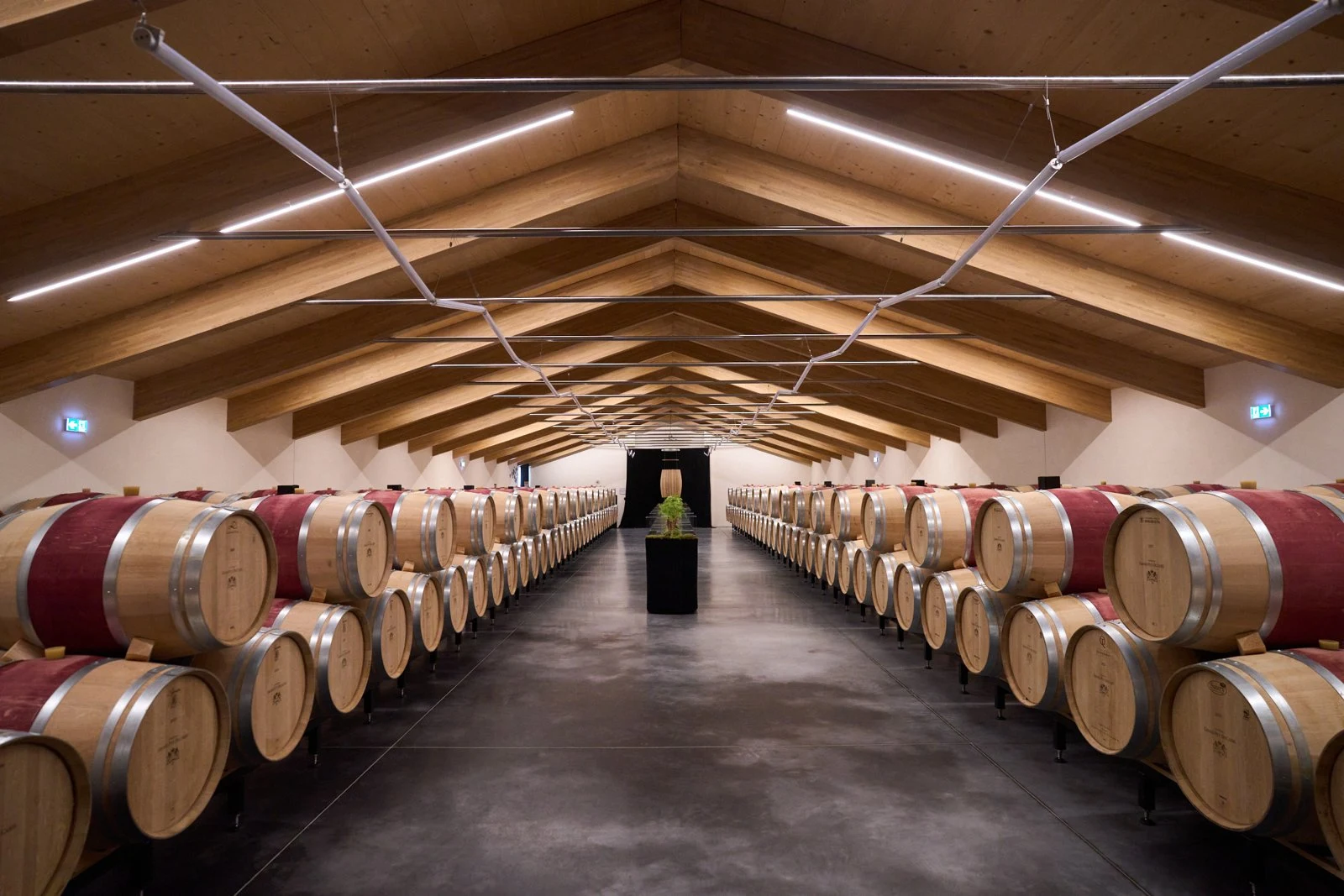
The estate works from 40 hectares, a scale that keeps the vineyard close enough to be read in parcels rather than flattened into a single idea of Pauillac. The house focuses on still red wine within the Pauillac appellation, with the trio carrying the program. The technical detail published by the château is spare, so the clearest craft fact is Le Naour’s priority: soil first, grape character next, cellar work in service of both. That restraint matters in a place where the architecture and the appellation can easily speak louder than the hands. The modern gravity-fed cellars give the fruit a quieter route through the winery, one that suits a philosophy built around less force. The wine program does not need to announce rupture. It asks for adjustment, attention and a different sensitivity inside a region that already carries weight. Le Naour’s position on ownership is equally plain: “From where I stand there is less pressure with ‘corporate’ owned properties than ‘family’ owned ones.” At Château Grand-Puy-Ducasse, that means the craft is shaped not only by fruit and cellar, but by the structure around the estate.
The Sunday letter
Find new places through the people who run them.
Our Sunday email brings you the chefs, winemakers and hoteliers behind our newest stories. See a sample before you subscribe.
See a sample of the Sunday emailOne email a week. Unsubscribe from any issue.
The cellar beside the Gironde
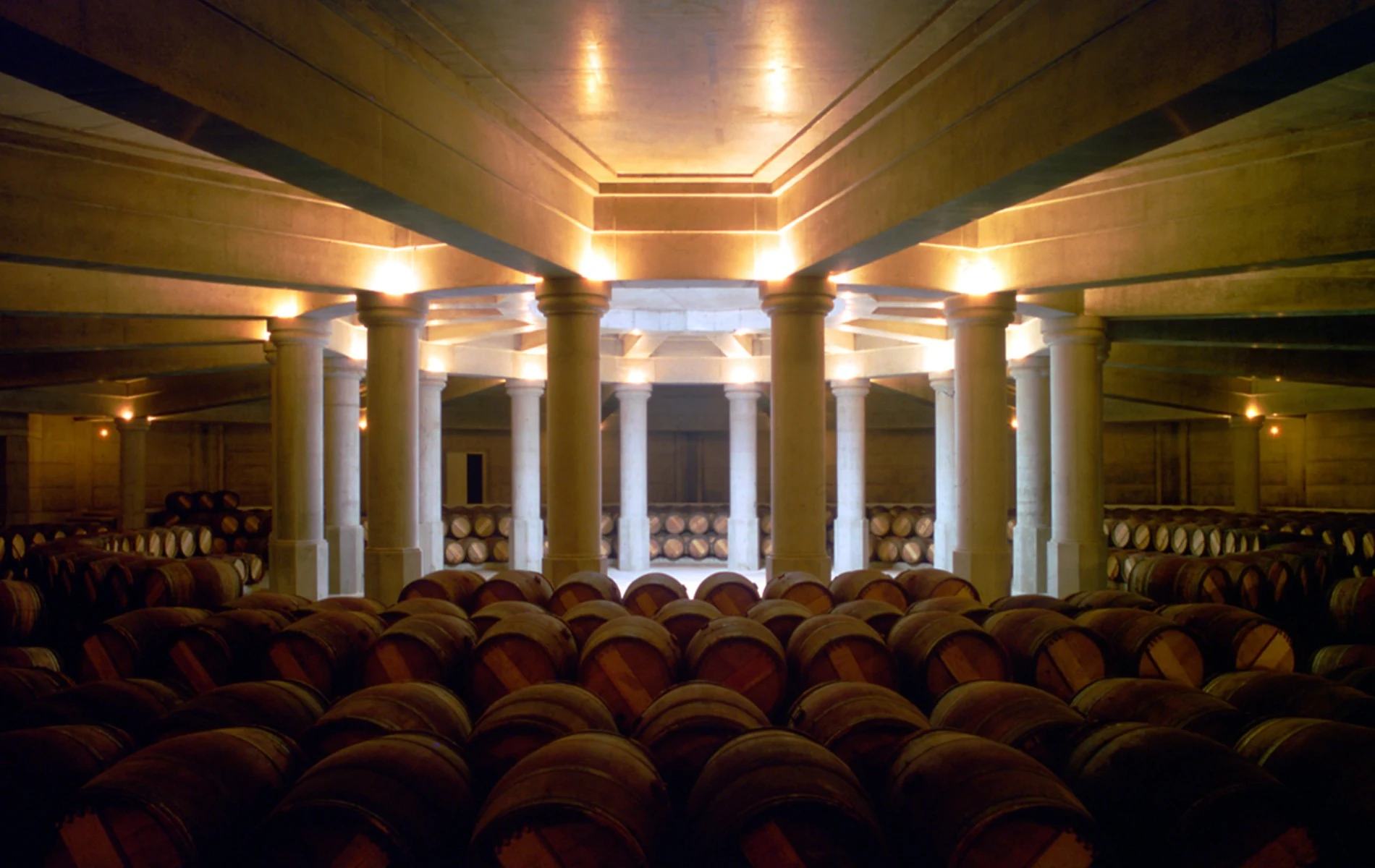
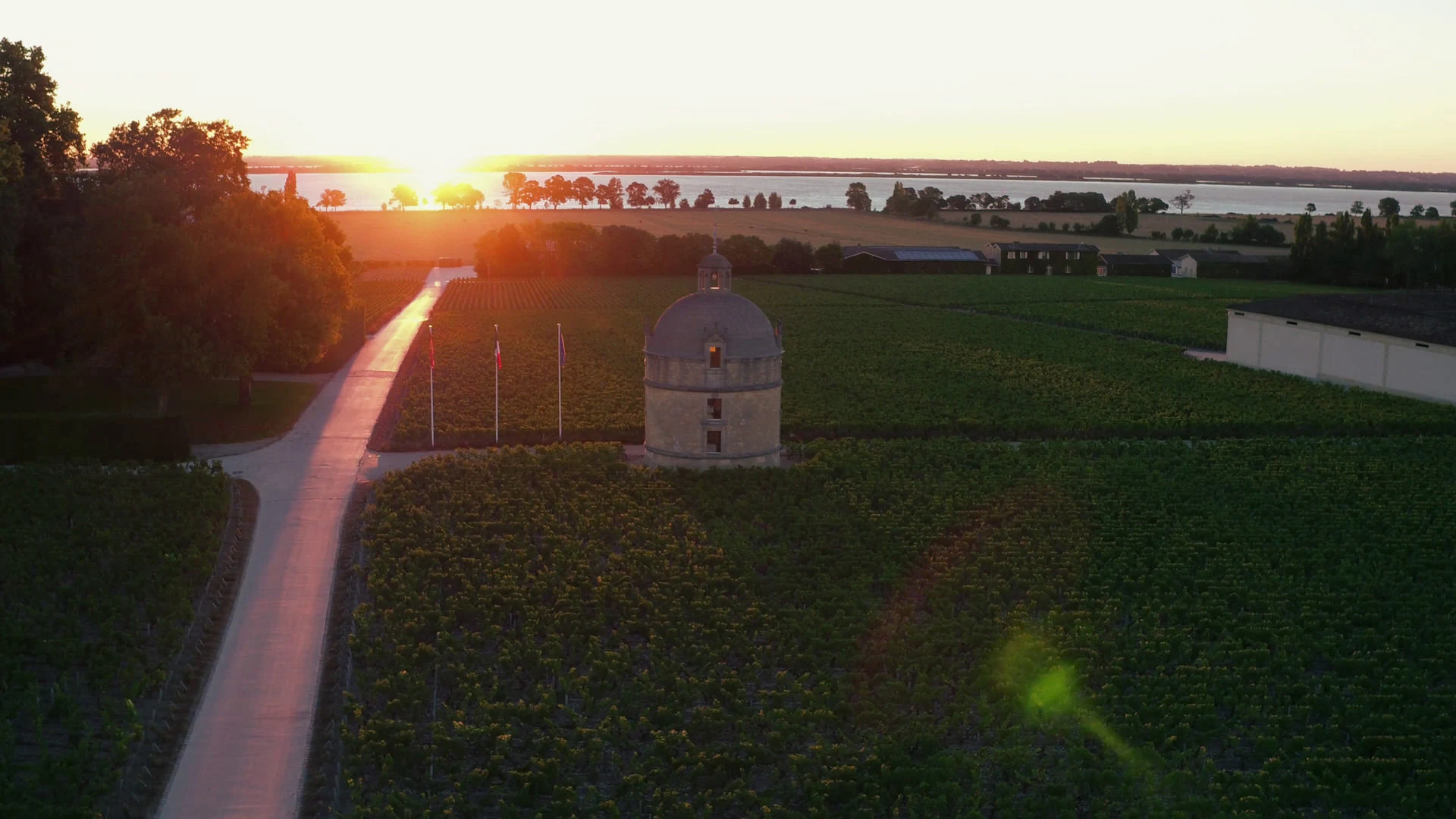
The place itself has a particular tension: an urban winery in Pauillac town, a neoclassical château facing the Gironde estuary, and working cellars built for contemporary movement. The tasting room and historic salons carry the polish of the house, but the more telling texture is the quiet around the cellar. This is not a remote vineyard address where the building disappears into rows. The château stands on the waterfront, with panoramic estuary views and vines elsewhere across Pauillac terroirs. That separation gives the work a double rhythm. The vineyard asks for field judgment; the house asks for precision in transfer, blending and ageing. In the room, the craft feels less like theatre than sequence: fruit, gravity, vessel, time.
A Bordeaux house without rupture
Le Naour’s words give the close of the place its scale. She does not treat Pauillac as material to be remade, and she does not treat history as a brake on change. The useful distinction is in the gesture: soil management replacing routine chemical use, grape character held as the measure, and openness folded into a house whose windows face the Gironde estuary.
Questions
Frequently asked
Who makes the wine at Château Grand-Puy-Ducasse?
Anne Le Naour is the winemaker at Château Grand-Puy-Ducasse in Pauillac. Her approach begins with soil management and follows the fruit into the winery with a focus on grape character.
What is Château Grand-Puy-Ducasse known for?
The estate focuses on still red wine in the Pauillac appellation. Cabernet Sauvignon, Merlot and Petit Verdot are the grapes named in the estate copy.
What is the setting of the estate?
Château Grand-Puy-Ducasse is a waterfront château in Pauillac town, with an 18th-century house overlooking the Gironde estuary. The estate works from 40 hectares spread across Pauillac ground.
How do visits or appointments work?
The venue is appointment only. The dress code is smart casual, and there is on-site parking.
What is the winemaking approach there?
Anne Le Naour describes an organic philosophy built around reducing weed killing and chemical use, with soil management and keeping the character of the grapes at the centre of the work. The estate also uses modern gravity-fed cellars.
The field
How it compares
| Place | Notes | Awards |
|---|---|---|
| Château Grand-Puy-Ducasse | Pauillac, $$$$ | · |
| Chateau Lafite Rothschild | Pauillac | · |
| Château Latour | Pauillac | · |
| Chateau Mouton Rothschild | Pauillac | World's 50 Best |
| Château Pichon Longueville Baron | Pauillac | World's 50 Best |
| Château Pichon-Longueville-Comtesse-de-Lalande | Pauillac | · |
| Château Pontet-Canet | Pauillac | · |
In residence
Similar places
The Sunday letter
Get the next Made By story in your inbox.
We send one email every Sunday morning with the places and people we covered that week.
See a sample of the Sunday emailOne email a week. Unsubscribe from any issue.