A Third Growth Médoc estate in Cantenac, Château Kirwan holds a 2025 Pearl 3 Star Prestige award and sits within one of the Margaux appellation's most storied communes. Its address on the Chemin de Kirwan places it among neighbours including Château d'Issan and Château Brane Cantenac, making Cantenac one of the left bank's densest concentrations of classified growth viticulture.
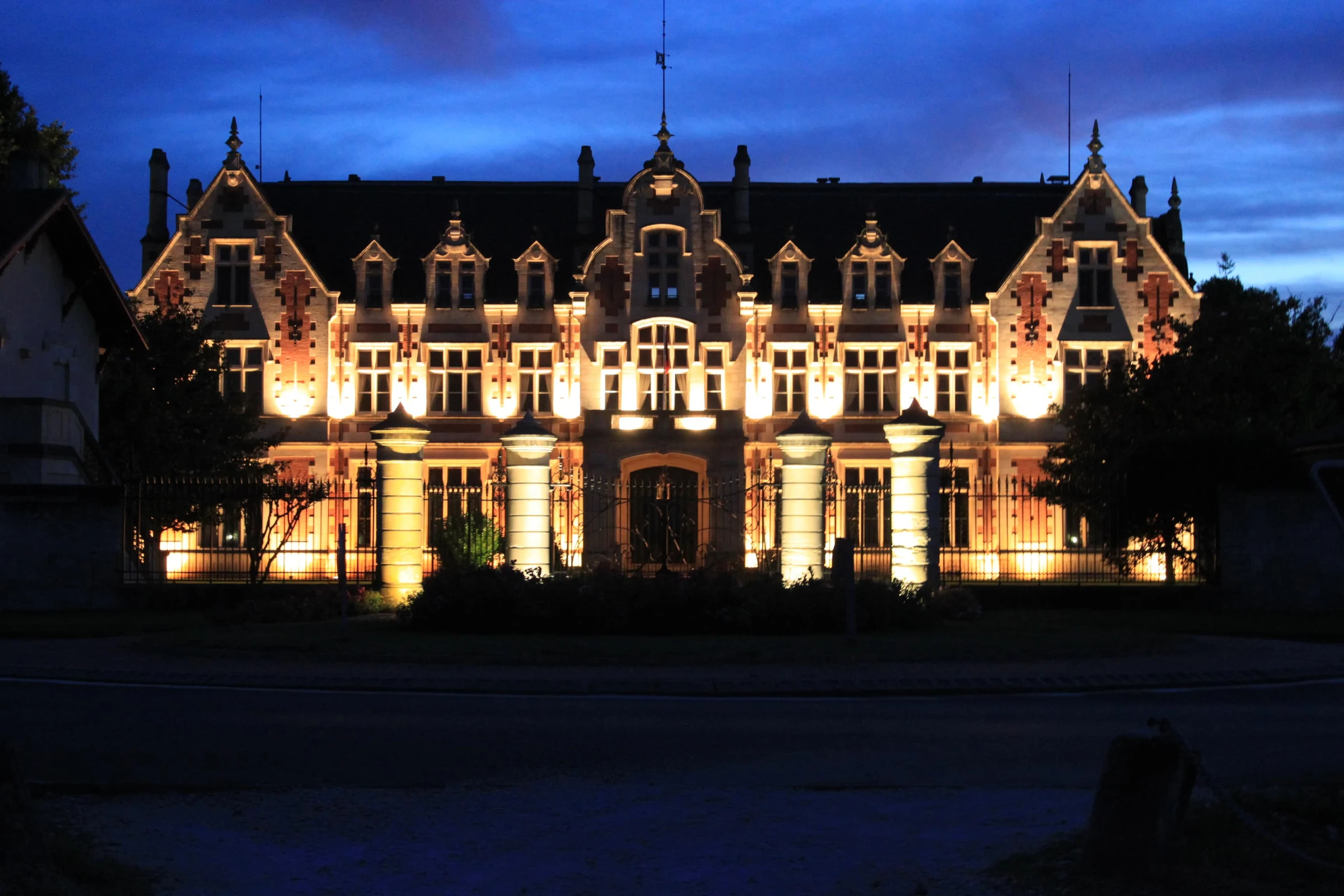
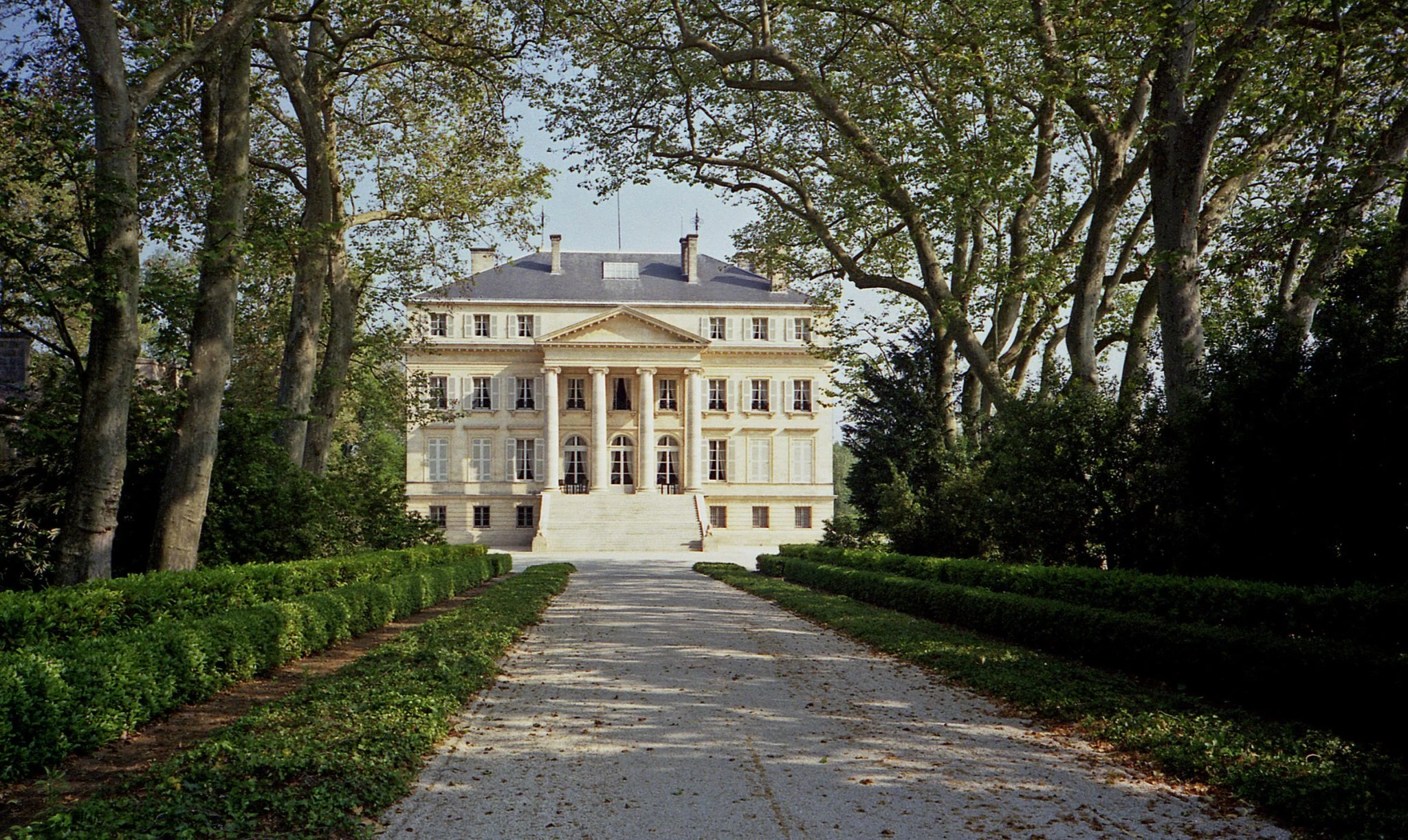
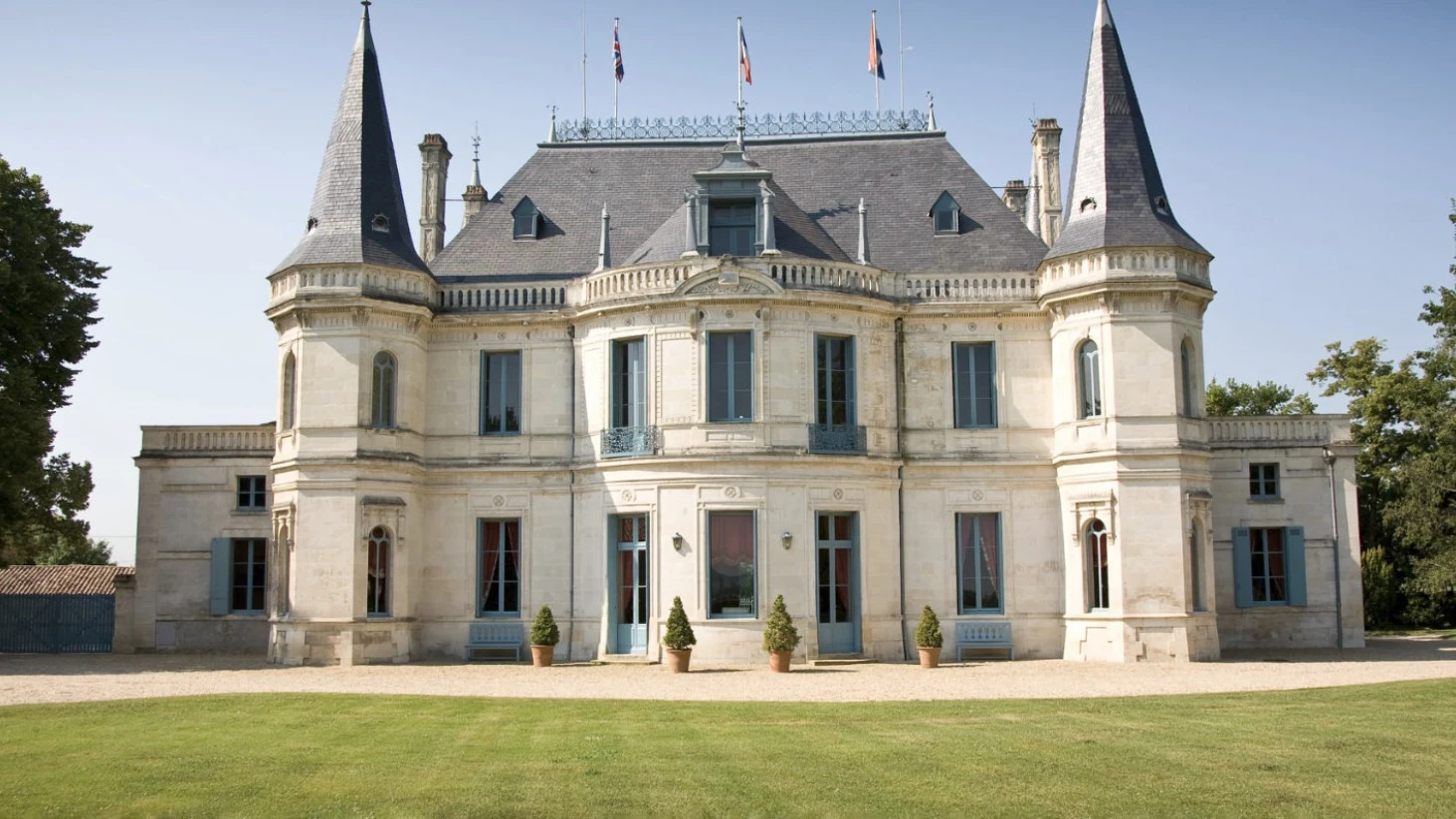
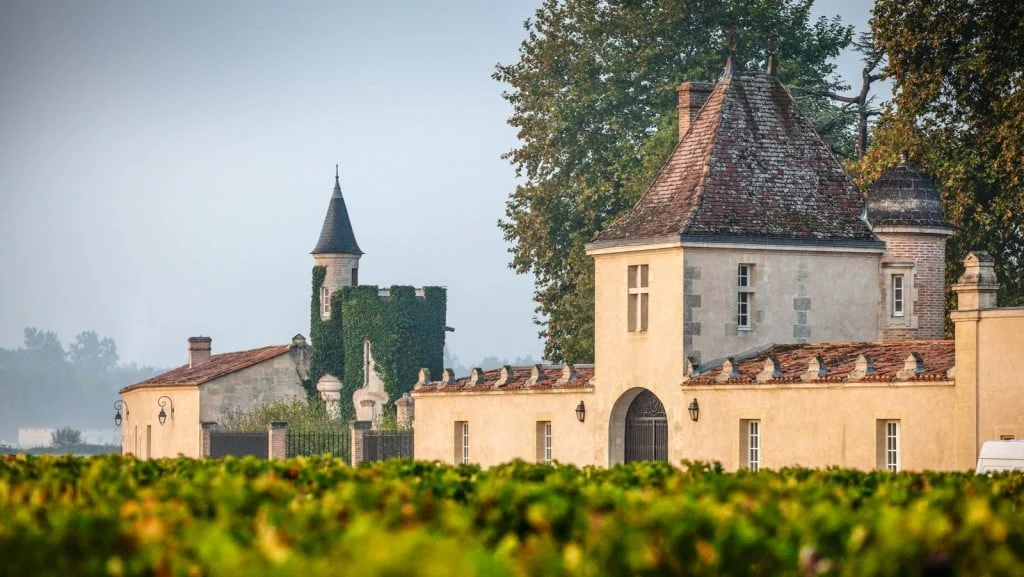
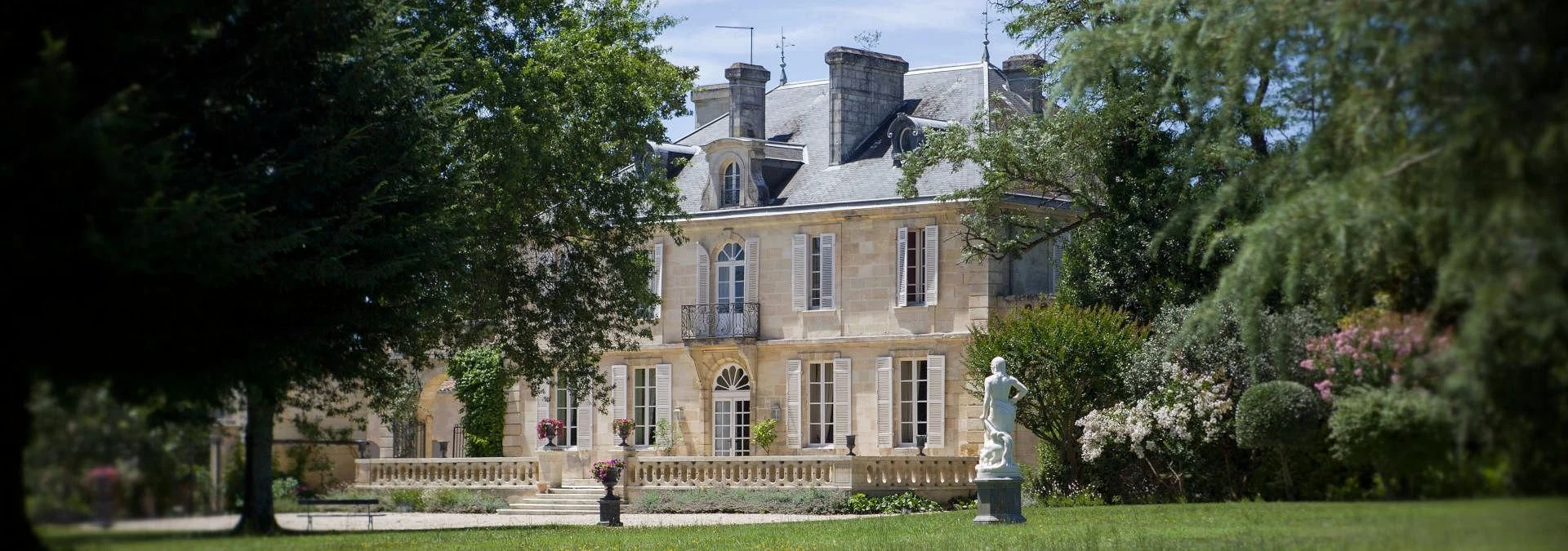
<h2>The Cantenac Plateau and What It Produces</h2><p>Cantenac sits at the southern end of the Margaux appellation, a flat but subtly varied stretch of gravel and clay soils that supports one of the highest concentrations of classed-growth estates anywhere in Bordeaux. The commune's classified châteaux range from Second to Fourth Growths under the 1855 classification, and the competition for attention within that small geographic space is considerable. <a href="https://www.enprimeurclub.com/wineries/chateau-brane-cantenac">Château Brane Cantenac</a> anchors the upper end of the local hierarchy as a Second Growth; <a href="https://www.enprimeurclub.com/wineries/chateau-d-issan-cantenac-winery">Château d'Issan</a>, <a href="https://www.enprimeurclub.com/wineries/chateau-boyd-cantenac-cantenac-winery">Château Boyd-Cantenac</a>, <a href="https://www.enprimeurclub.com/wineries/chateau-pouget-cantenac-winery">Château Pouget</a>, and <a href="https://www.enprimeurclub.com/wineries/chateau-prieure-lichine-cantenac-winery">Château Prieuré-Lichine</a> complete a comparable set that makes the commune unusual even by Médoc standards. Kirwan, classified as a Third Growth in 1855, occupies a position in the middle of that band.</p><p>The terroir across Cantenac shares the Günzian gravel deposits characteristic of the broader Margaux zone: well-draining soils that force vine roots deep, moderate the growing season's water stress, and contribute to wines with relatively fine tannin structure. That geological baseline explains why Margaux as an appellation has historically traded on elegance rather than weight, a contrast with Saint-Estèphe's clay-heavy soils to the north or the limestone-dominated plateau of <a href="https://www.enprimeurclub.com/wineries/chateau-belair-monange-saint-emilion-winery">Saint-Émilion</a> on the right bank.</p><h2>Estate and Environment: The Physical Sense of Kirwan</h2><p>Approaching Château Kirwan along the Chemin de Kirwan, the visual grammar is standard high-Médoc: a straight access drive, a park of mature trees, and a château building that signals late-eighteenth or nineteenth-century ambition. This is the architectural pattern repeated across the commune, from the moated tower of Château d'Issan to the more restrained facades of the smaller estates. What distinguishes Kirwan's immediate setting is the enclosure of its park, which gives the property a contained, slightly withdrawn quality relative to some of its more road-visible neighbours.</p><p>The vineyard itself extends across a mix of parcels on Cantenac's characteristic gravel ridges. Cabernet Sauvignon dominates, as it does across the Médoc, supplemented by Merlot and smaller proportions of Cabernet Franc and Petit Verdot. That blend architecture is consistent with most third and fourth growths in the Margaux appellation, where the precise percentage of each variety and the age of the vines producing them tend to differentiate estates within otherwise similar soil types.</p><p>The estate's 2025 Pearl 3 Star Prestige award from EP Club places it in a recognised tier of quality. For visitors approaching the property with an interest in understanding where Kirwan sits relative to its immediate neighbours, that signal is worth noting: it reflects assessed quality in the present period, not solely the historical reputation conferred by the 1855 classification.</p><h2>How Cantenac's Classed Growths Relate to Each Other</h2><p>One of the more instructive things about spending time in Cantenac is observing how closely the classified estates cluster. The 1855 classification froze reputations in commercial amber, but the practical reality on the ground is that estates at the Third Growth level have diverged significantly over the past three decades. Some have modernised winemaking facilities aggressively, adopting temperature-controlled fermentation and extended maceration programs. Others have moved in the opposite direction, reducing extraction and prioritising freshness. Kirwan, within this context, represents one data point in a living conversation about what Margaux-appellation Cabernet Sauvignon should express.</p><p>This tension is not unique to Cantenac. The same conversation plays out across <a href="https://www.enprimeurclub.com/wineries/chateau-batailley-pauillac-winery">Pauillac</a>, <a href="https://www.enprimeurclub.com/wineries/chateau-branaire-ducru-st-julien">Saint-Julien</a>, and <a href="https://www.enprimeurclub.com/wineries/chateau-cantemerle-haut-medoc">Haut-Médoc</a>, wherever classified growths must reconcile historical identity with contemporary winemaking practice. The difference in Cantenac is the density of the comparison set: you can, in principle, visit multiple Third and Fourth Growth estates within a short radius and form a view about which direction is producing the more coherent results.</p><p>For a wider reference point outside Bordeaux entirely, comparing the structural ambitions of a Cantenac Third Growth with the approach of producers like <a href="https://www.enprimeurclub.com/wineries/albert-boxler-niedermorschwihr-winery">Albert Boxler in Alsace</a> or <a href="https://www.enprimeurclub.com/wineries/accendo-cellars">Accendo Cellars in Napa's St. Helena</a> illustrates how different climate, soil, and winemaking traditions produce fundamentally different structural outcomes even when the ambition is comparable. Kirwan's context is definitively Médocain: a Cabernet-led, terroir-driven framework shaped by two centuries of classified growth expectation.</p><h2>Visiting Kirwan: Practical Framing</h2><p>Cantenac is accessible from Bordeaux by the D2, the Route des Châteaux that runs north through the Médoc. The village sits roughly 20 kilometres north of Bordeaux, and the estate is reachable within a half-hour drive from the city centre in normal traffic conditions.</p><p> Visiting is by appointment only.</p><p></p><h2>The 1855 Classification in Current Context</h2><p>Understanding where Château Kirwan stands requires a brief reckoning with what the 1855 classification does and does not tell you in 2025. The ranking was commercial in origin, based on trading prices at the time of Napoleon III's Universal Exposition rather than a technical assessment of terroir or winemaking quality. It has remained largely unchanged in the intervening 170 years, with the sole amendment being the promotion of Mouton Rothschild to First Growth in 1973. That institutional rigidity means the classification functions more as a historical brand framework than a current quality ranking.</p><p>Third Growths in 2025 cover a wide range of actual quality and ambition. Some have consistently outperformed their classification tier in the secondary market and in critical reception; others have coasted on the classification's commercial floor. Kirwan's EP Club Pearl 3 Star Prestige award in 2025 provides a current, independent data point outside the classification system, and positions the estate as one worth serious attention within the Cantenac peer group.</p><p>For collectors and visitors building a systematic understanding of the Margaux appellation, Cantenac is the logical place to concentrate time. The proximity of multiple classed growths, the shared geological baseline, and the different stylistic choices each estate has made over recent decades create a genuinely instructive comparison that few other communes in the world can match in such a compact radius.</p>
Château Kirwan is located at Chem. de Kirwan, 33460 Cantenac, Cantenac.
Château Kirwan has received recognition including: Pearl 3 Star Prestige (2025).
Kirwan produces red Bordeaux from the Margaux appellation, drawing on the gravel and clay soils of the Cantenac plateau at the southern end of the appellation. The estate holds a Third Growth classification under the 1855 ranking, placing it in the same tier as several of Cantenac's most closely clustered classified estates. The EP Club awarded it a Pearl 3 Star Prestige rating in 2025.
Kirwan's standing rests on its pedigree within the 1855 classification and its position in one of the Médoc's most concentrated pockets of classed-growth estates in Cantenac. The EP Club Pearl 3 Star Prestige (2025) recognises the estate's consistent place within the upper tier of Margaux producers. Its gravel-dominant soils on the Cantenac plateau are particularly well-suited to Cabernet Sauvignon-led blends.
Visits to classified Médoc estates typically require advance booking, and Kirwan, located at Chemin de Kirwan in Cantenac, is no exception as a working wine estate rather than a walk-in venue. The D2 Route des Châteaux provides direct access from Bordeaux, roughly 20 kilometres to the south. Contact the estate directly through official channels to confirm visit formats and availability.
Chem. de Kirwan, 33460 Cantenac
Cantenac