Cabernet Sauvignon led Margaux craft
- Falstaff Winery - 3 Stars · 2026
- Michelin 1 Grape · 2026
- Pearl 4 Star Prestige · 2025
A lighter hand in Margaux
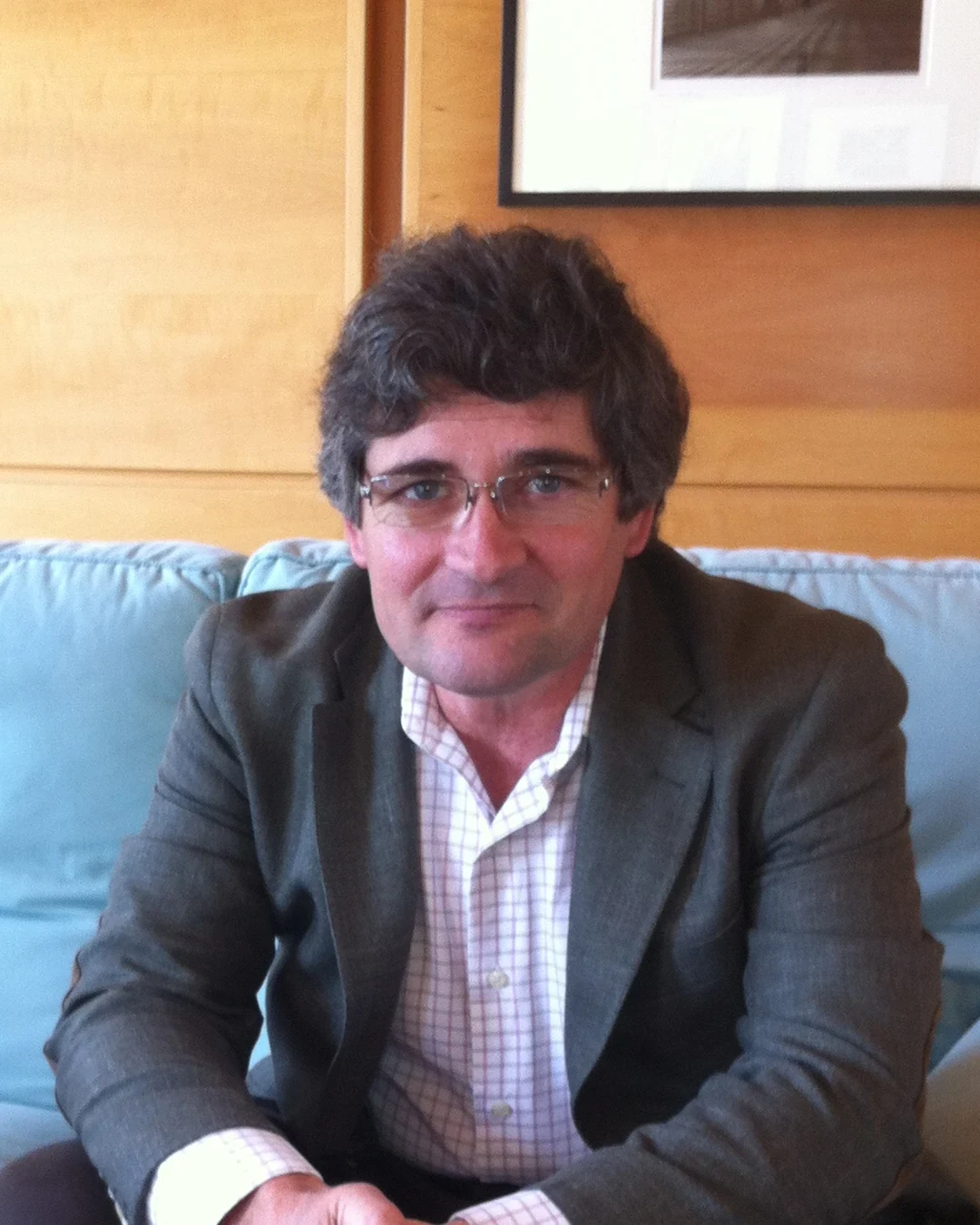
The cellar work begins with a closer reading of the vineyard, then a lighter hand on the wine. Henri Lurton, owner and winemaker at Château Brane-Cantenac in Cantenac, holds that discipline at the estate where he grew up. The vines were not an abstraction for him; they were part of daily life, close enough that the choice of work settled early. “At age 14 I really knew. I was the only one that really wanted to do it.”
That early decision later took shape through study at School in Bordeaux and University in Bordeaux, where the technical base met the demands of a Margaux property rather than replacing them. Lurton’s role is double, owner and winemaker, but the important join is not administrative. He stands between succession and use, between the inherited character of the château and the daily adjustments required by fruit, season, and cellar. His own phrasing keeps the question practical: the aim is to be ever more precise and in tune with terroir. At Brane-Cantenac, precision is not speed. It is a form of restraint.
Seventy-five hectares under one reading
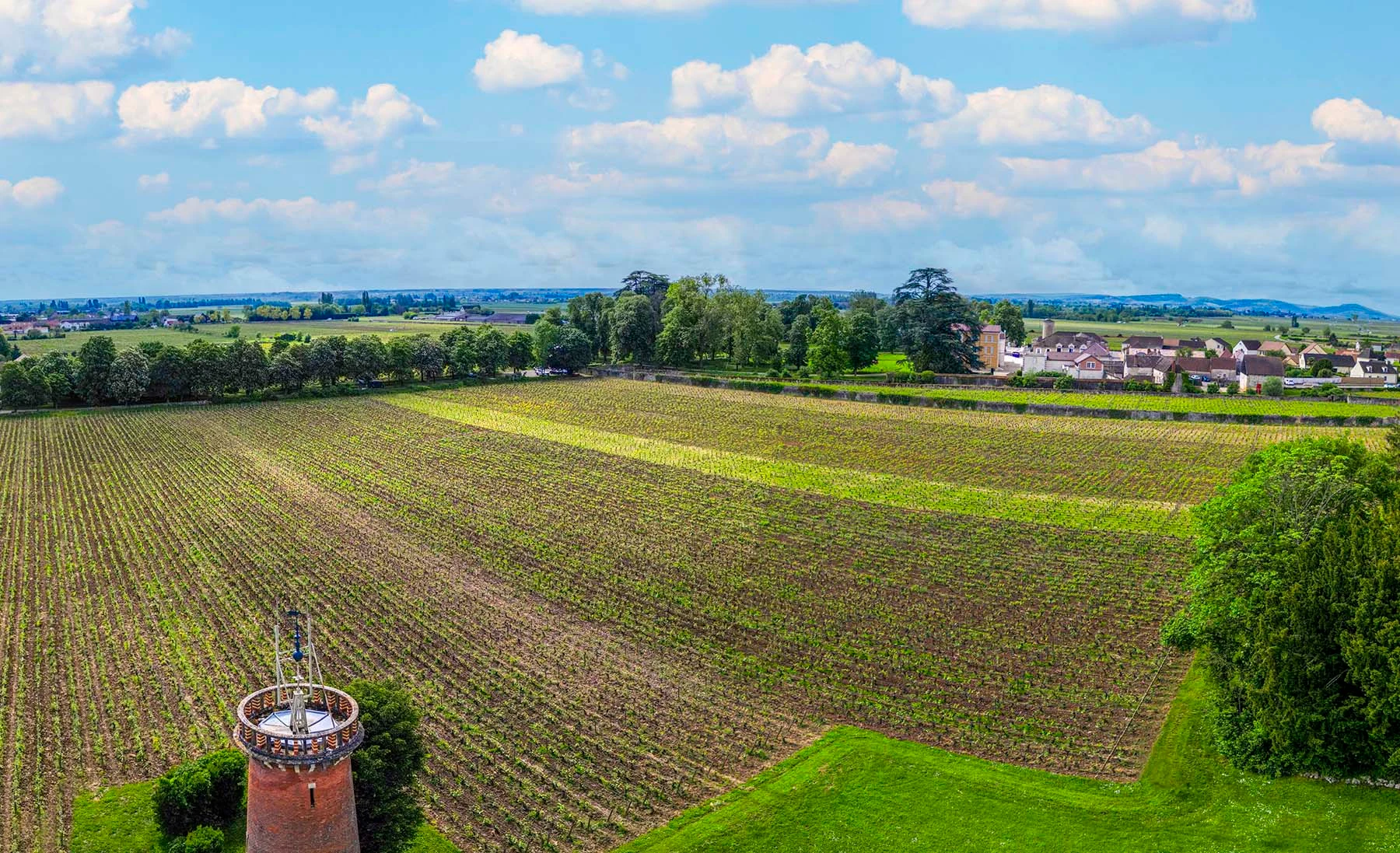
Château Brane-Cantenac works from 75 hectares in Margaux AOC, on a historic château setting and gravel plateau terroir. The estate’s red-wine focus sits among Cabernet Sauvignon, Merlot, Cabernet Franc, Petit Verdot, Carmenere, and Malbec, with Sauvignon Blanc and Semillon also named in the property’s plantings. Its position as a Classified Second Growth in the 1855 Médoc classification gives the house a public frame, but Lurton’s work is more useful at bench-side scale: how much force to use, what to leave alone, when a wine needs less handling rather than more.
The estate is known for Cabernet Sauvignon dominance, a choice that carries weight in Margaux, where perfume, structure, and proportion have to move together. Brane-Cantenac’s stated production philosophy is sustainable, and the method Lurton describes asks for attention before intervention. The vineyard gives the first instruction. The cellar answers by shaping, not correcting. That is the long way, and it suits a house whose reputation rests on continuity as much as on any single vintage.
The château, the cellar, the gravel
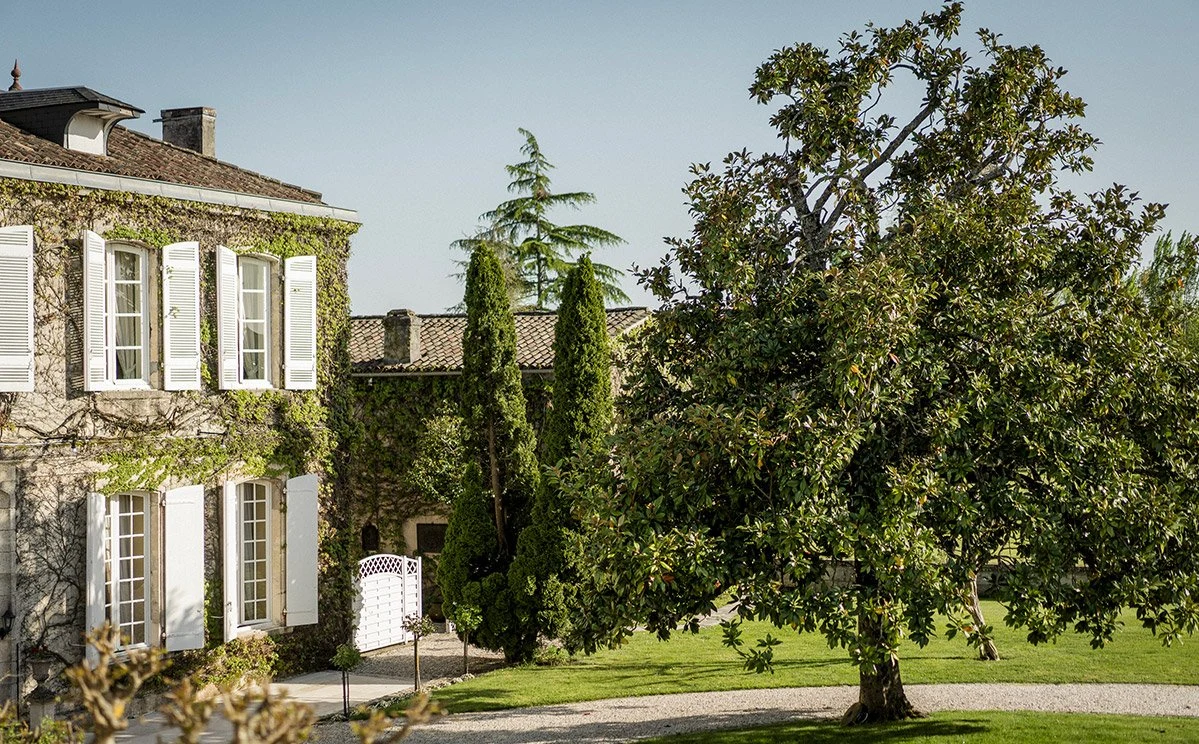
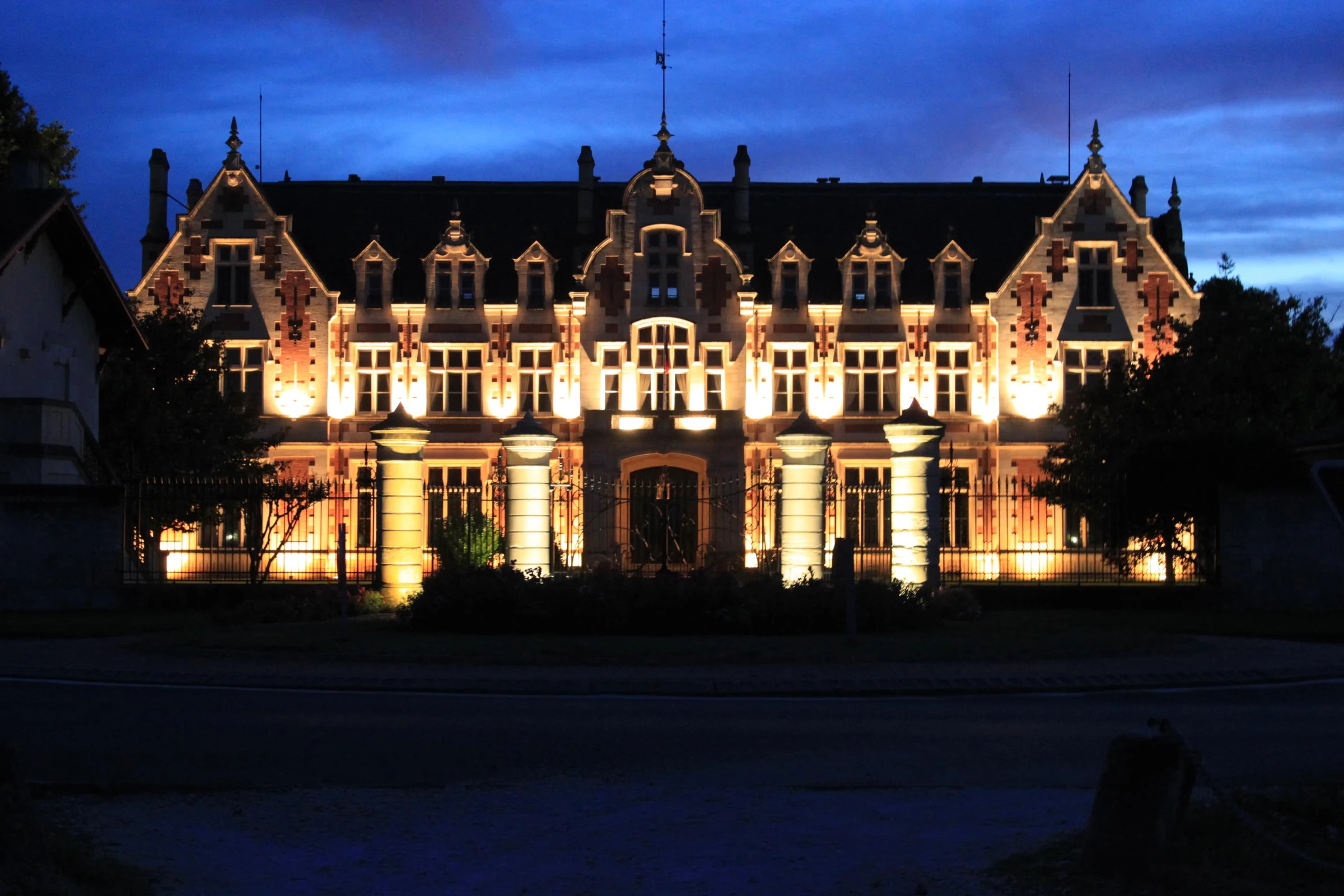
The atmosphere at Brane-Cantenac is quiet, refined, and built around the château rather than around display. The vineyard surrounds the house; the cellar and modern winemaking facilities sit inside a property still marked by its classed-growth history. Gravel is not scenery here. It is part of the working grammar, the medium through which Cabernet Sauvignon finds its line and the estate finds its Margaux register.
In the tasting room, the feeling is private rather than theatrical. The work belongs first to the cellar and the vineyard, then to the glass. Lurton has spoken of generation change as a real pressure, saying, “It is never easy to change generations because each generation lends something new to the wine.” The sentence lands because it names a task still underway at Château Brane-Cantenac.
Questions
Frequently asked
Who is behind Château Brane-Cantenac?
Henri Lurton is the owner and winemaker at Château Brane-Cantenac in Cantenac.
What is the estate known for?
The estate is known for Cabernet Sauvignon dominance, set in Margaux AOC on a gravel plateau terroir.
What kind of place is it?
Château Brane-Cantenac is a historic château winery with 75 hectares in Margaux, and its atmosphere is described as quiet and refined.
Does the estate hold any formal classification?
It is a Classified Second Growth in the 1855 Médoc classification.
How does the winemaking approach read at Brane-Cantenac?
The work begins with a close reading of the vineyard and continues with a lighter hand in the cellar, with an emphasis on precision, restraint, and sustainability.
The field
How it compares
| Place | Notes |
|---|---|
| Château Brane-Cantenac | Cantenac, $$$$ |
| Château Boyd-Cantenac | Cantenac |
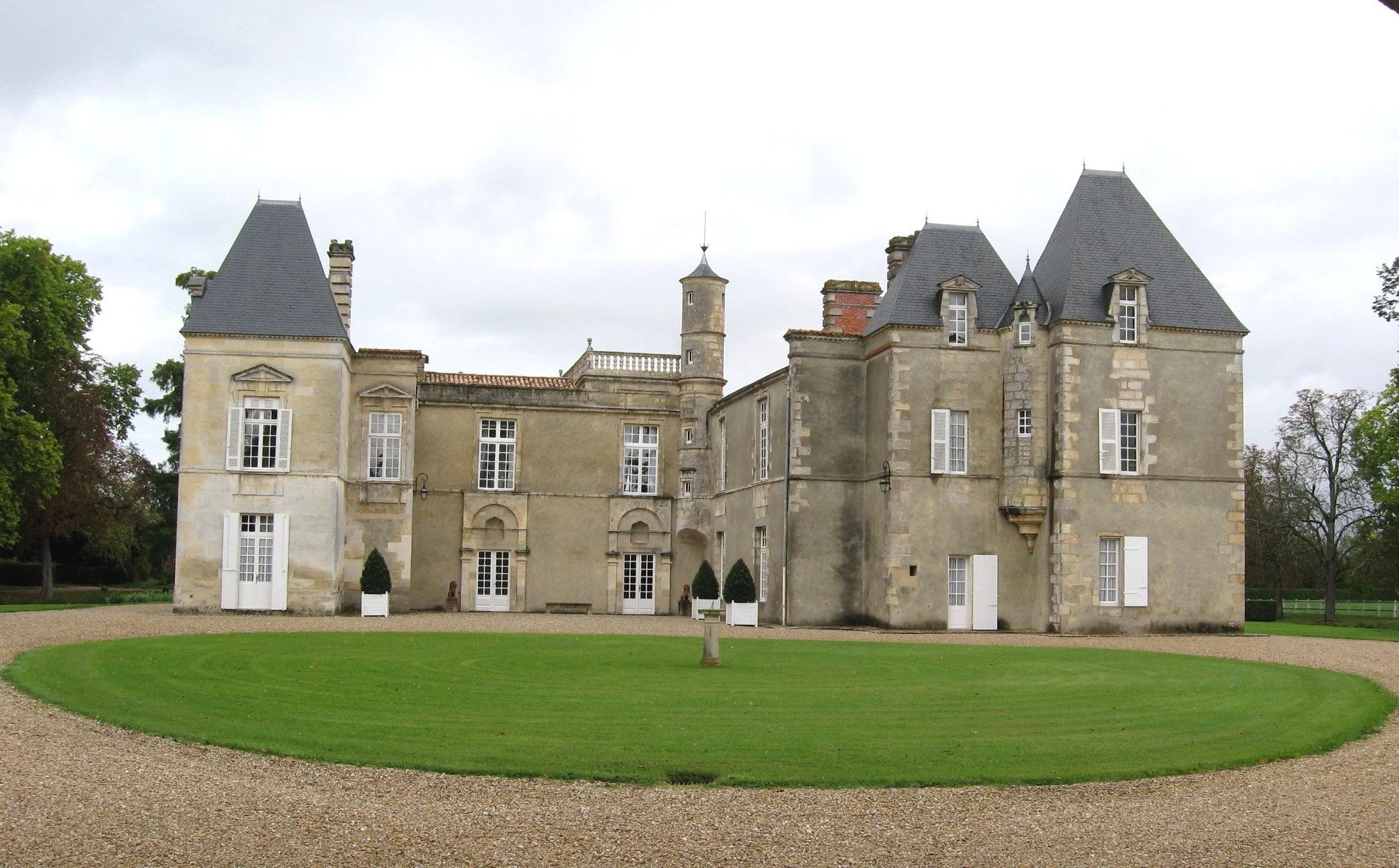
| Château d’Issan | Cantenac |
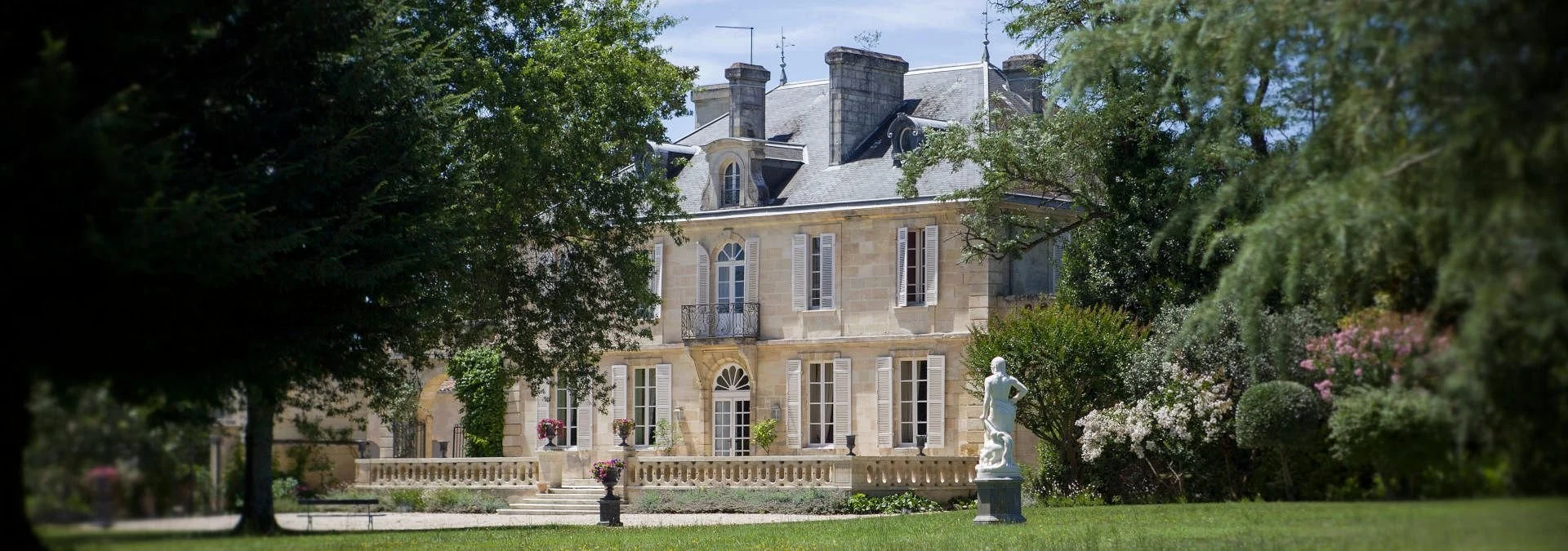
| Château Kirwan | Cantenac |
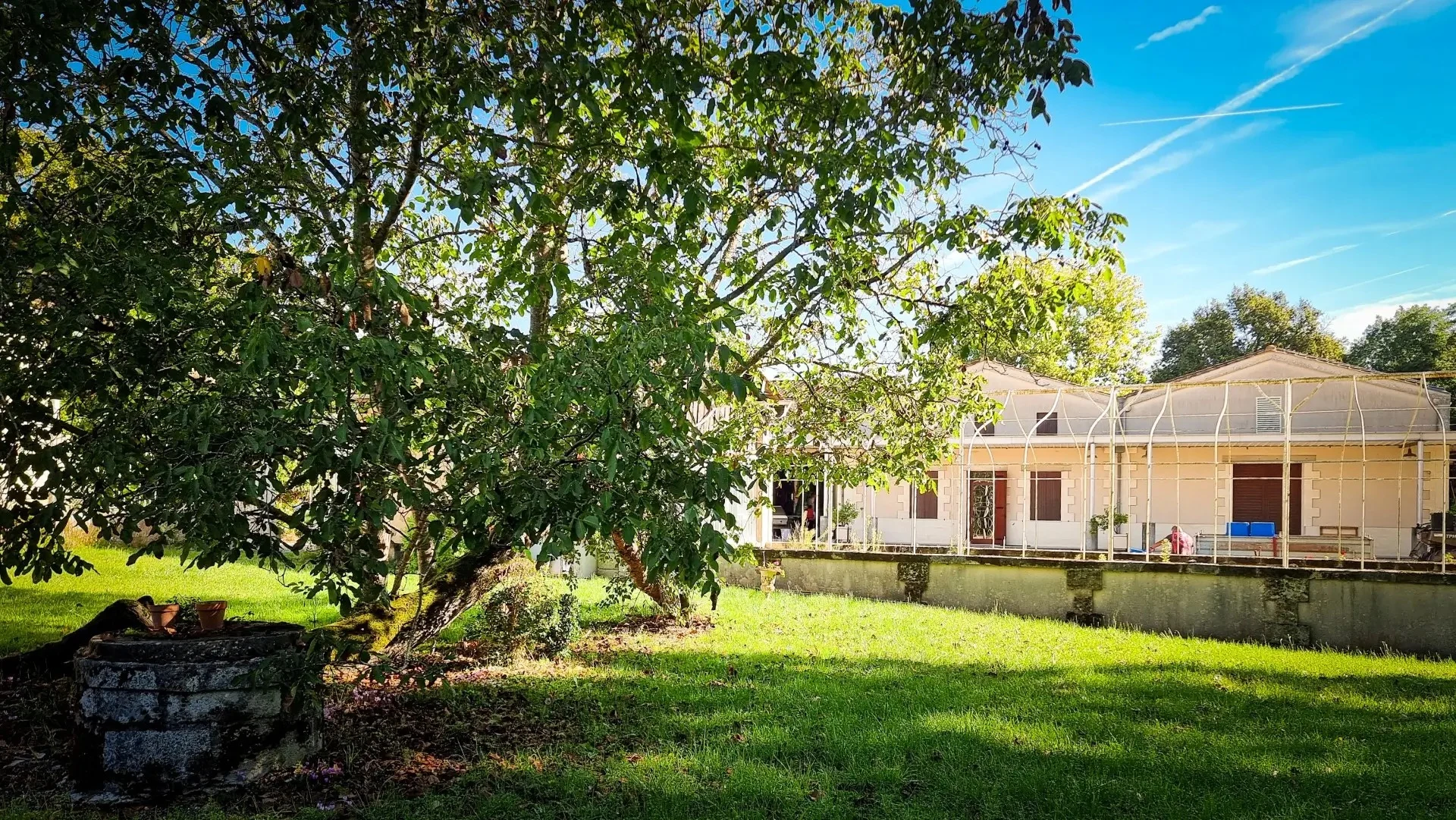
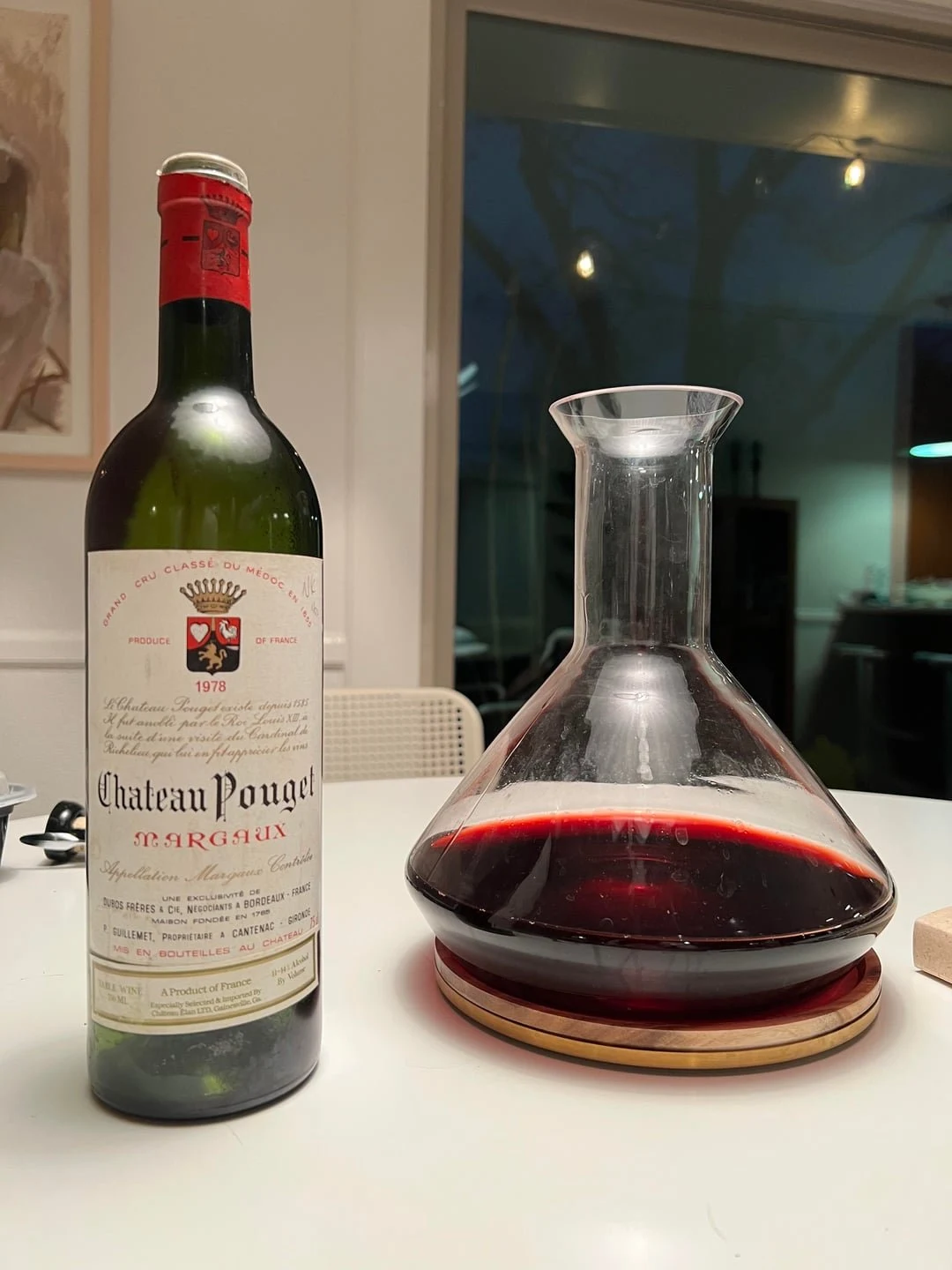
| Château Pouget | Cantenac |
| Château Prieuré-Lichine | Cantenac |
| Domaine Arnaud Ente | Meursault |