Double sorting before the cellar
- Falstaff Winery - 3 Stars · 2026
- Pearl 3 Star Prestige · 2025
Sorting before the cellar
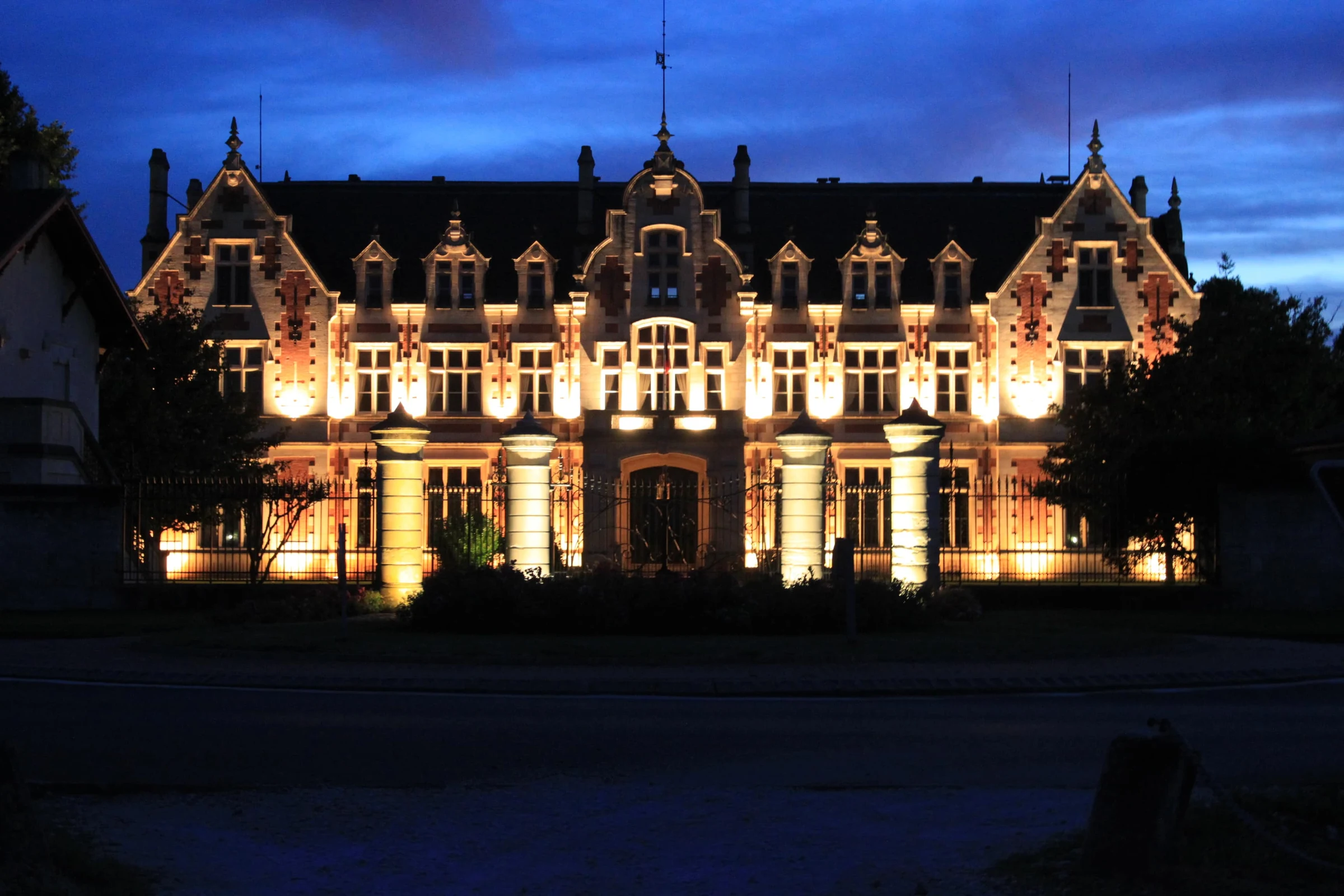
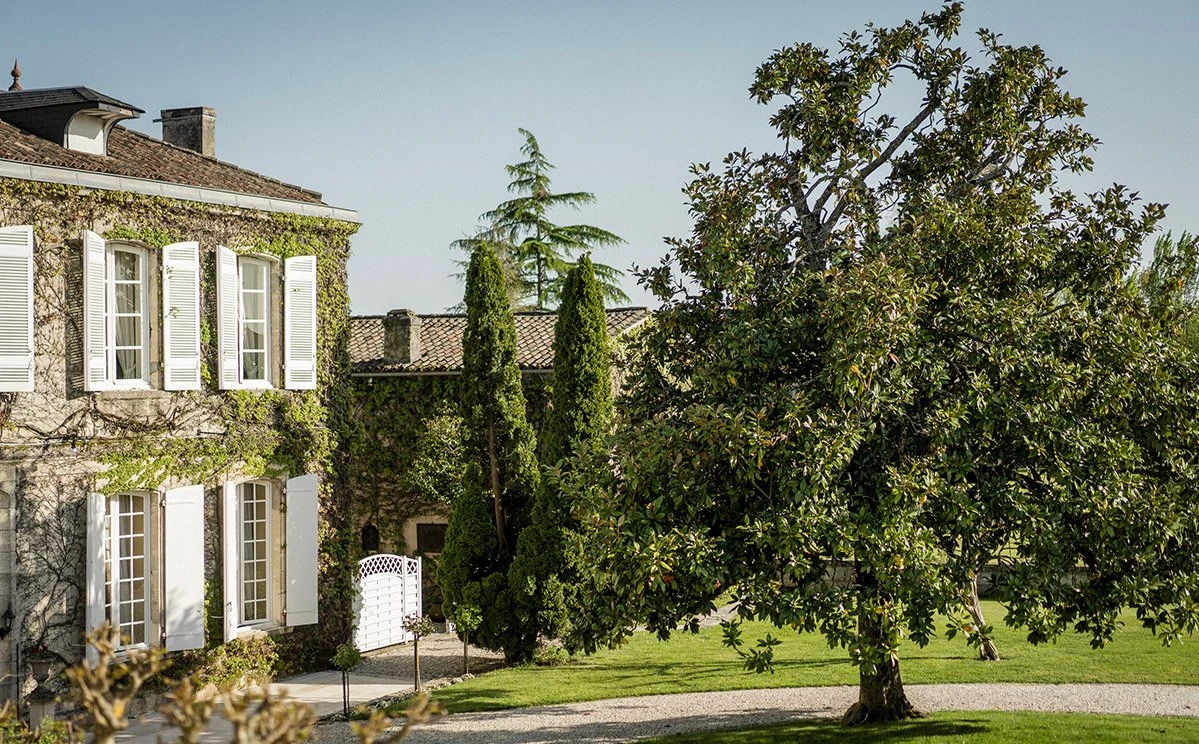
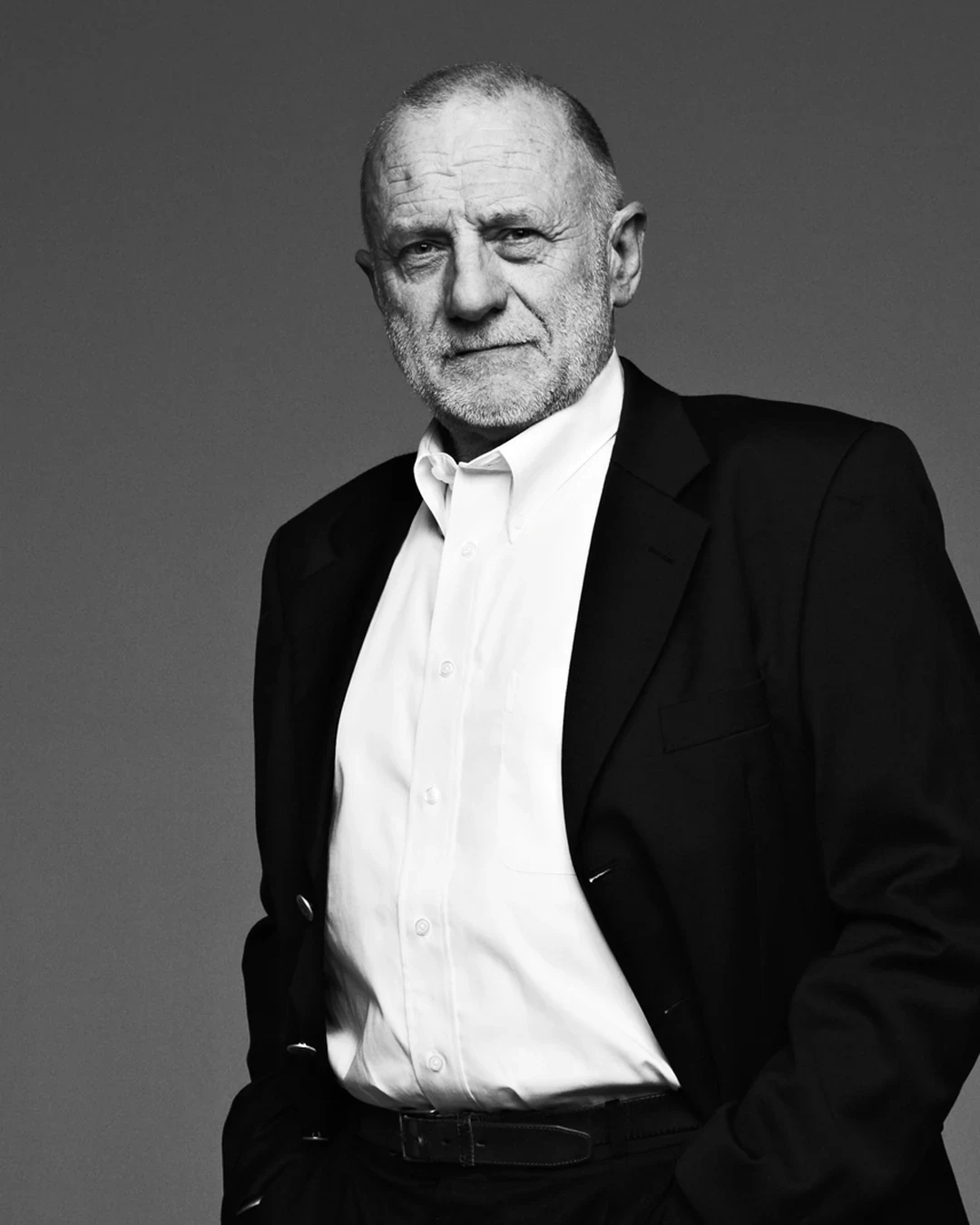
The picking date comes first for Lucien Guillemet, winemaker at Château Boyd-Cantenac in Cantenac. He reads ripeness before the fruit reaches the cellar, then keeps the selection moving through two passes, one in the vineyard and one at the winery. That double sorting sets the discipline of the estate: reduce noise before fermentation, so the wine can carry the gravel, the season, and the blend without excess. Guillemet works here as both managing director and winemaker, bringing the practical formation of a head of production at a neighboring Grand Cru estate into a family-run Margaux property. Alongside him, Olivier Salques helps carry forward a line of ownership that began in 1932. The continuity matters because this is not a house built around outside consultation. Its stated character rests on daily control, the long way through the vines and the cellar, and the capacity to make small decisions before they become visible in the glass.
Seventeen hectares on siliceous gravel
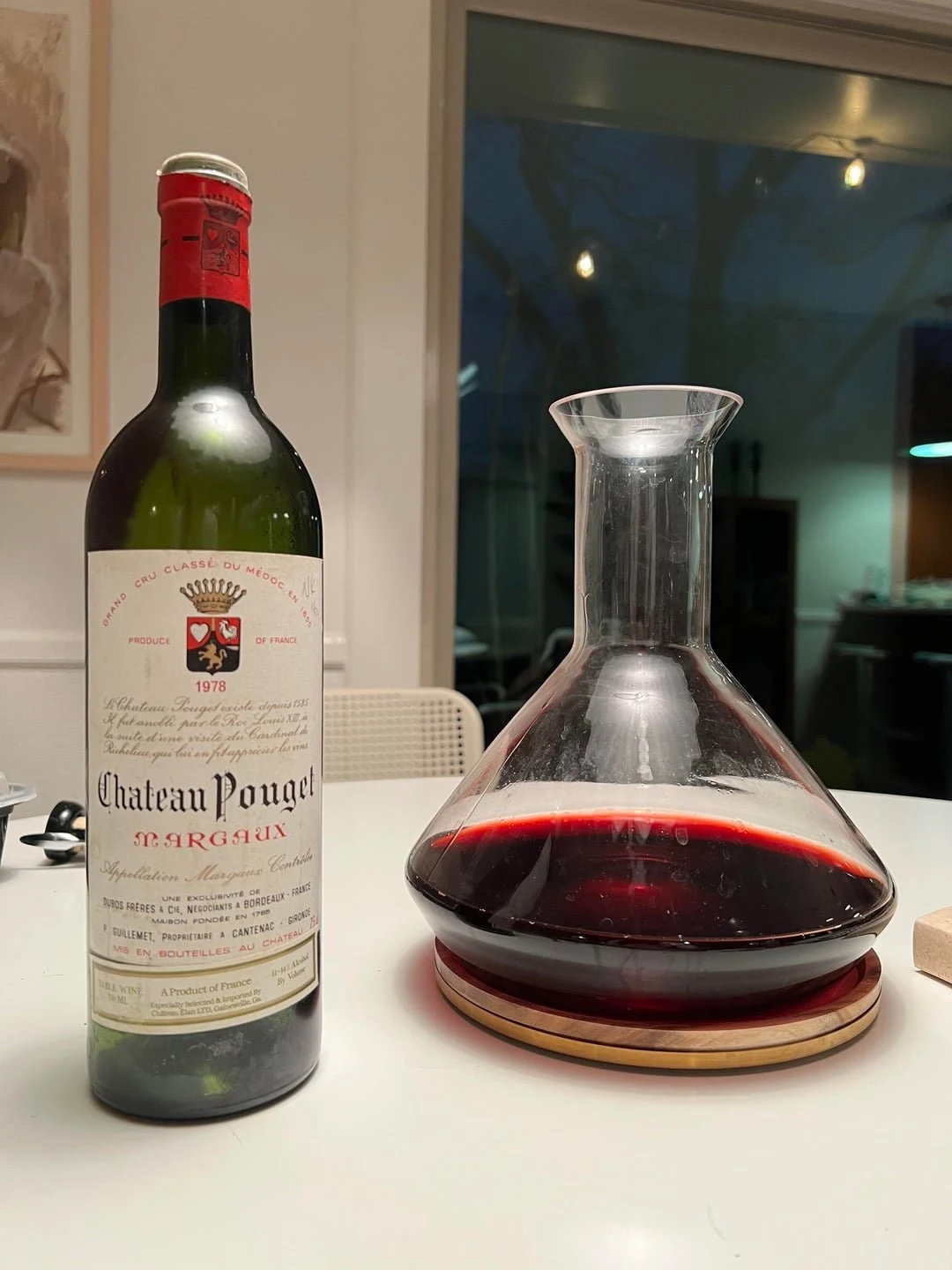
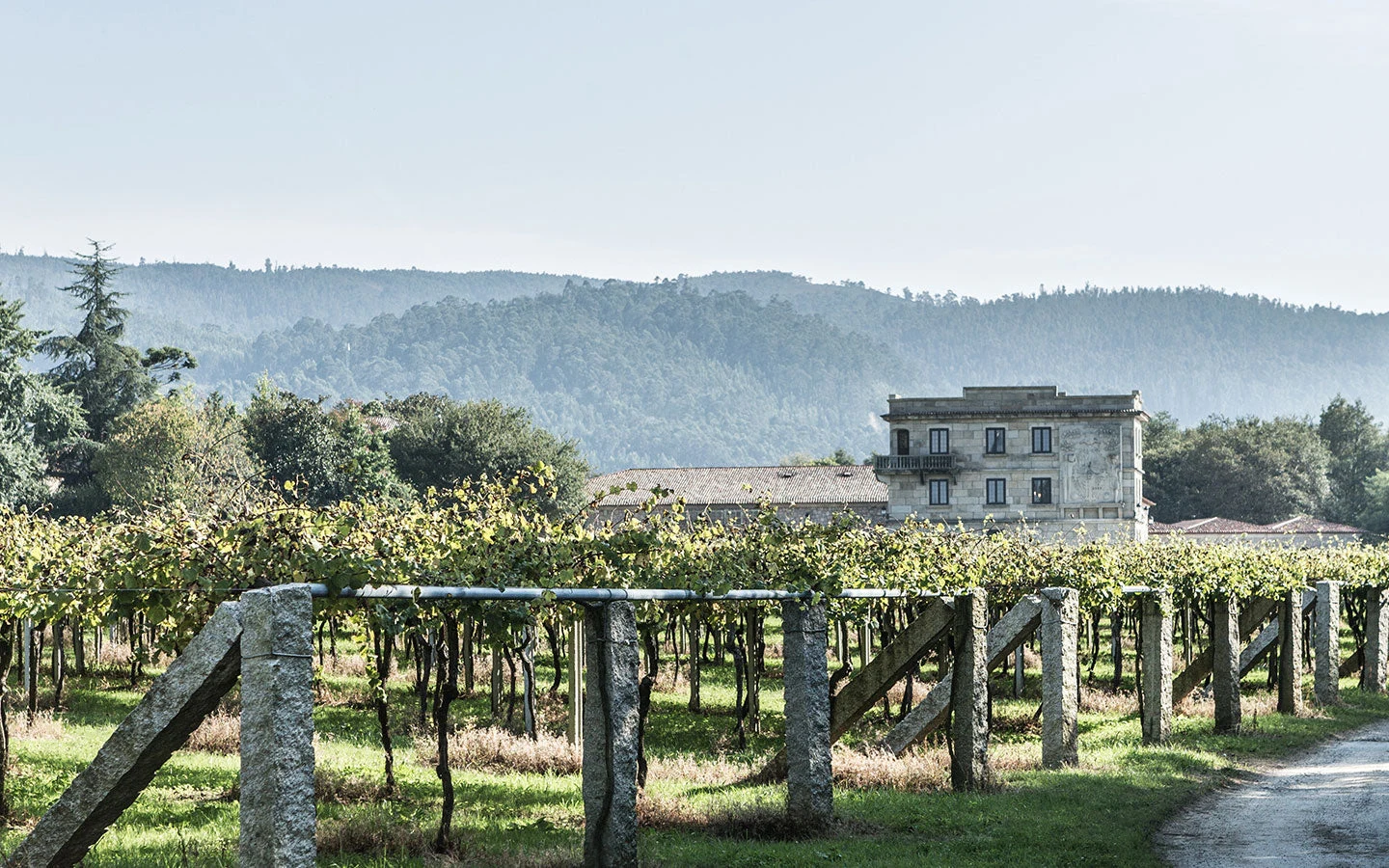
The estate farms 17 hectares in the commune of Cantenac, on siliceous gravel soils, between Châteaux Kirwan and Brane-Cantenac. Cabernet Sauvignon, Merlot, Cabernet Franc, and Petit Verdot form the frame, with the finished register aimed at still red Margaux rather than breadth for its own sake. The production remains small by Bordeaux standards, with 50,000-90,000 bottles annually, approximately 5,000-5,500 cases. The split is given as two-thirds first wine and one-third second wine. Those figures put scale into the work: enough volume to read a vineyard over time, not so much that the bench-side choices disappear. The house’s wines are associated with Château Boyd-Cantenac, Jacques Boyd, and Château Pouget, and Guillemet’s task is to let gravel, ripeness, and sorting decide the architecture before élevage and blending refine it.
A quiet cellar without spectacle
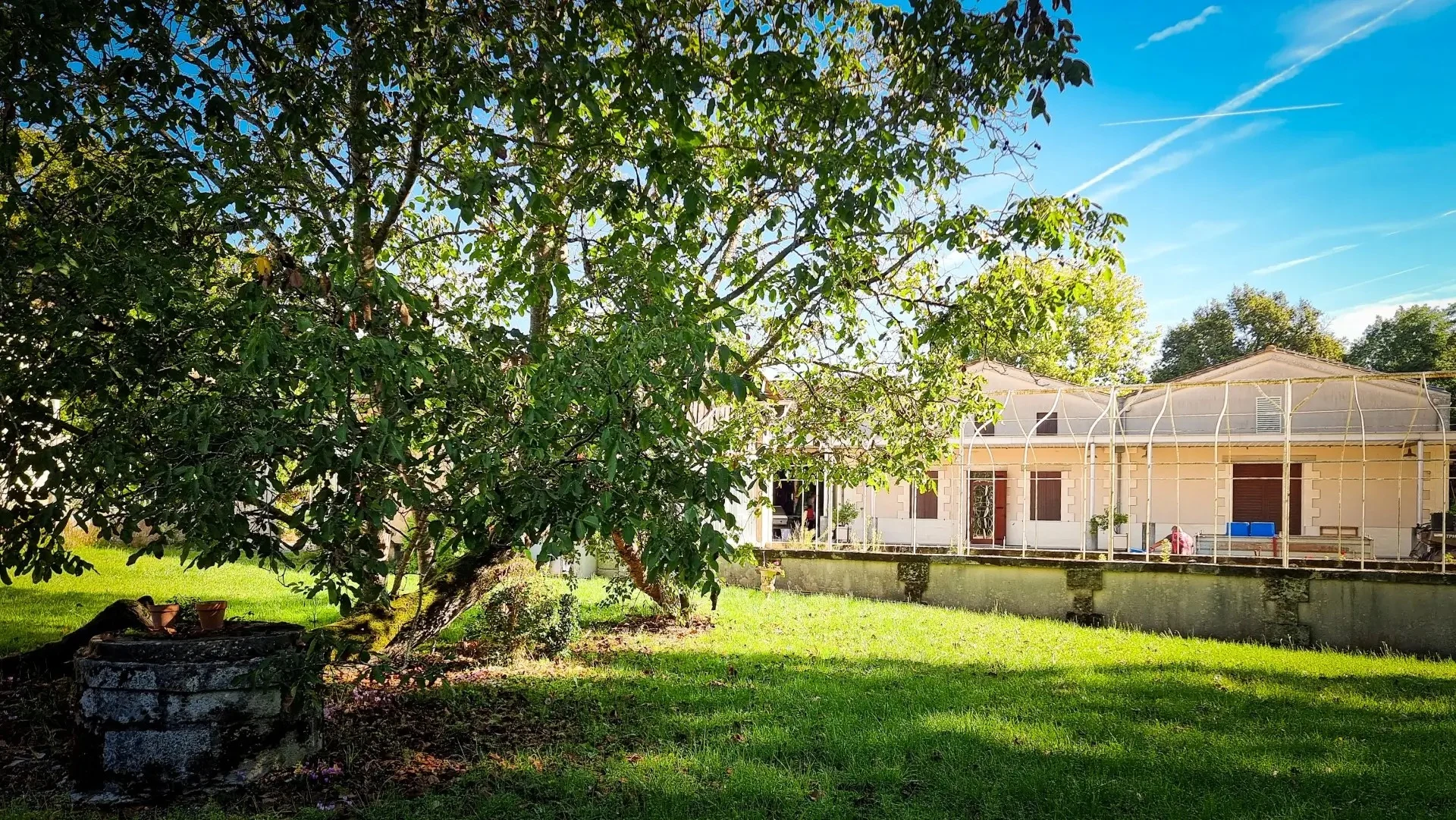
The cellars at Château Boyd-Cantenac carry the manner of a working Margaux estate rather than a staged room. The atmosphere is quiet, traditional, and close to the hands, with the tasting shaped by cave and personalized formats. In that setting, the useful details are tactile: fruit chosen for optimum ripeness, Cabernet held for structure, Petit Verdot and Cabernet Franc contributing spice and aromatic lift, and the cellar receiving only what the vineyard pass has already narrowed. The room does not need to perform confidence. It has the cadence of a place where the same questions return with each vintage: when to pick, what to exclude, how much weight the wine can carry without losing line.
The family line in the glass
Boyd-Cantenac holds Third Growth status in Margaux, and the estate keeps its own proportions intact. The sustainable approach, the small production, and the absence of external consultants put the responsibility back on Guillemet, Salques, and the cellar. Follow the next vintage through the same first decision: the harvesting date at Château Boyd-Cantenac.
Questions
Frequently asked
Who makes the wine at Château Boyd-Cantenac?
Lucien Guillemet is the winemaker and managing director at Château Boyd-Cantenac, and Olivier Salques also helps carry forward the estate. The property works without outside consultation, so decisions stay close to the cellar and the vines.
What is Château Boyd-Cantenac known for?
The estate is known for a disciplined approach to picking and sorting, with fruit selected first by ripeness in the vineyard and then sorted again at the winery. Its wines are built from the gravel soils of Cantenac and are aimed at still red Margaux.
How much wine does the estate make?
Production is small by Bordeaux standards, at around 50,000 to 90,000 bottles a year, which the estate gives as roughly 5,000 to 5,500 cases. The split is about two-thirds first wine and one-third second wine.
Can visits be booked at Château Boyd-Cantenac?
Visits are by appointment only. The tasting is described as taking place in a quiet, traditional cellar, with cave and personalised formats.
The field
How it compares
| Place | Notes | Awards |
|---|---|---|
| Château Boyd-Cantenac | Cantenac, $$$ | · |
| Château Brane-Cantenac | Cantenac | · |
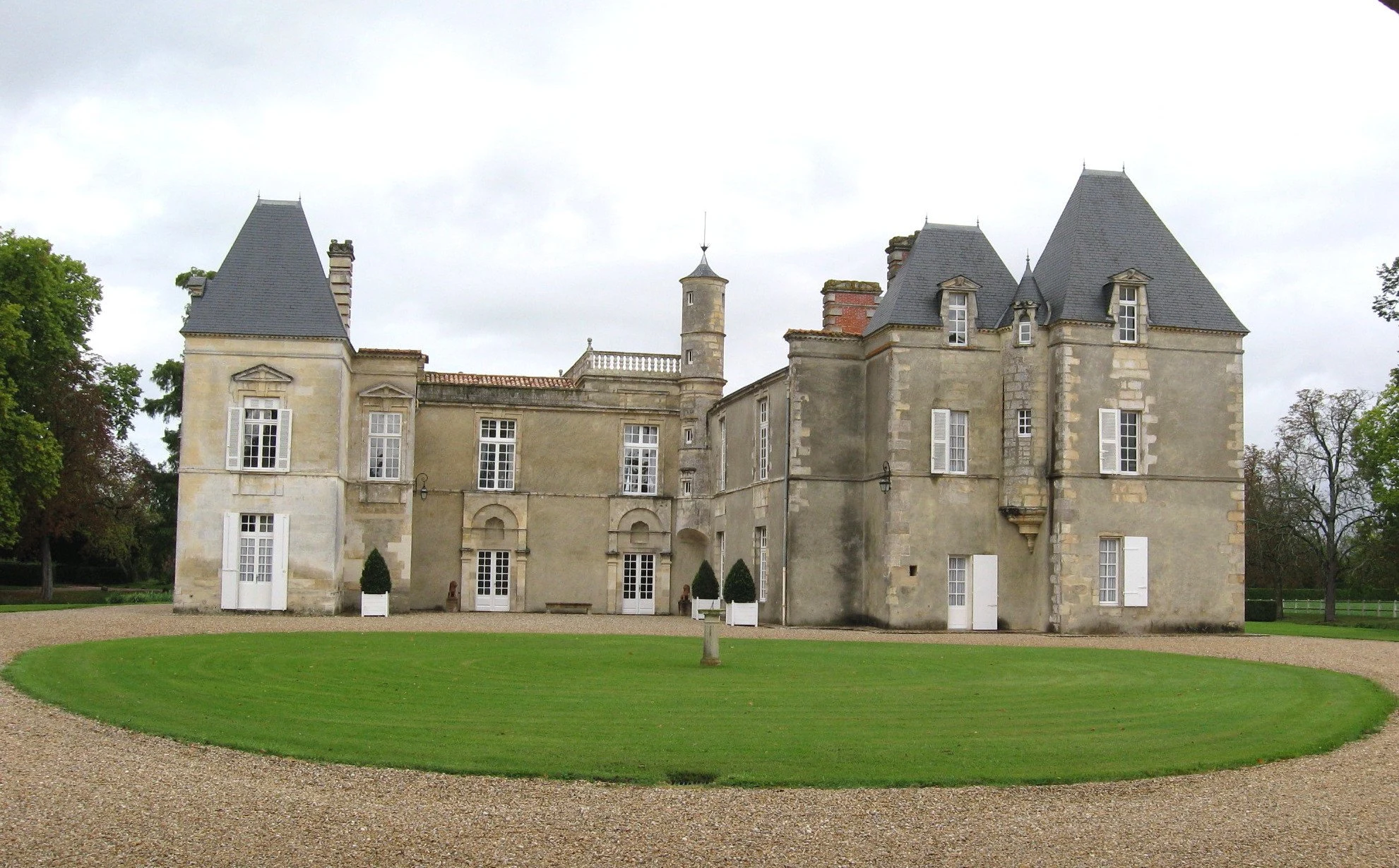
| Château d’Issan | Cantenac | · |
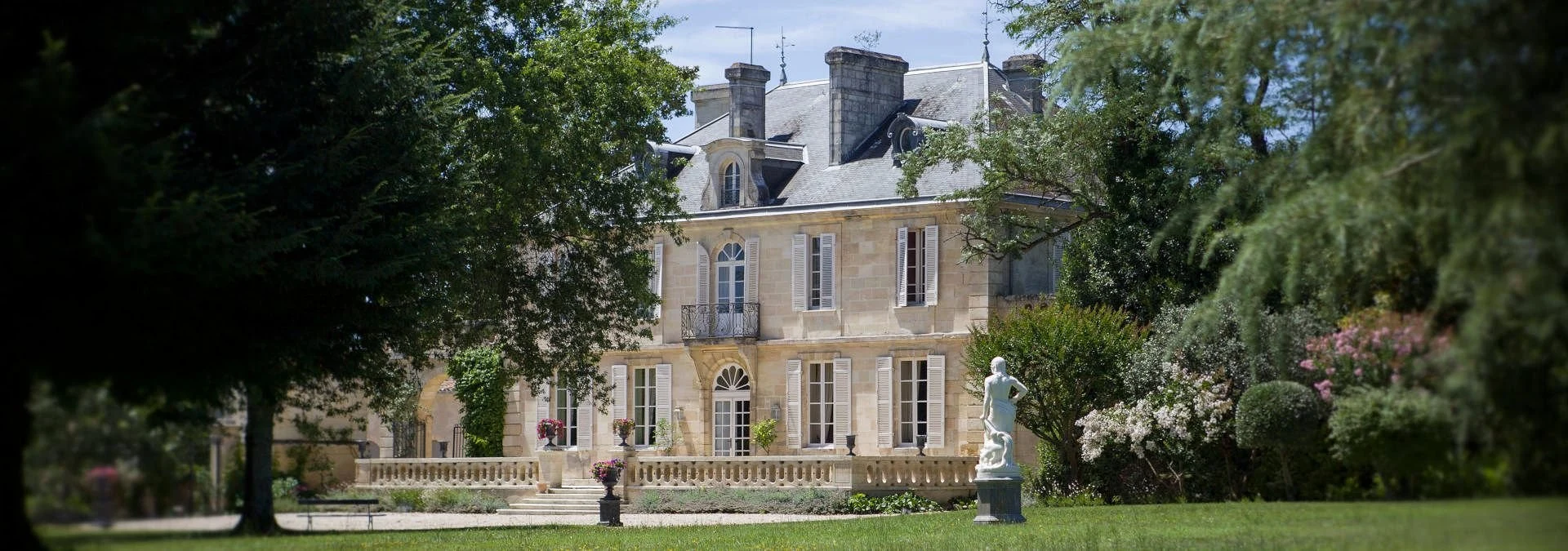
| Château Kirwan | Cantenac | · |
| Château Pouget | Cantenac | · |
| Château Prieuré-Lichine | Cantenac | · |
| Marqués de Murrieta | Logroño | World's 50 Best |