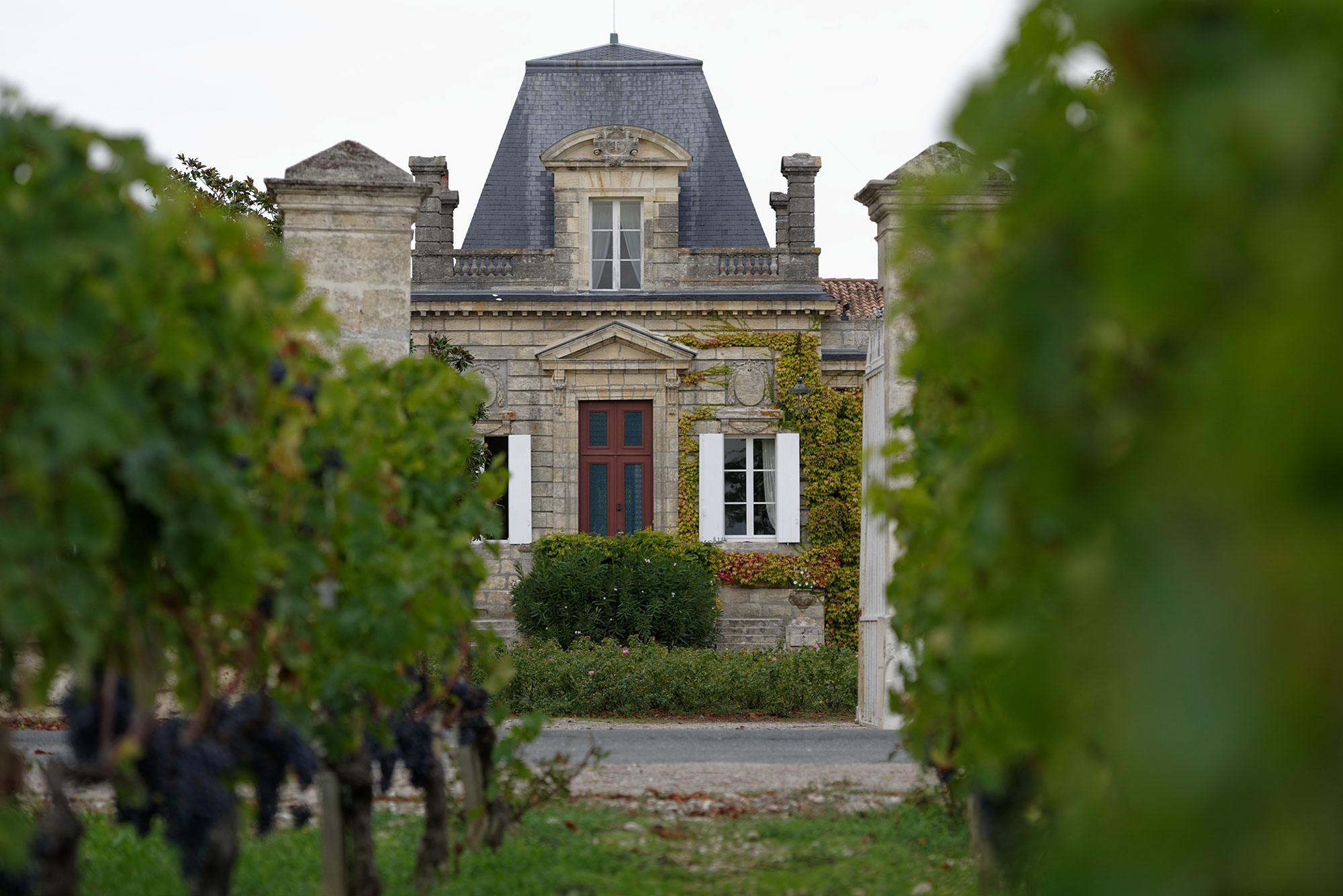
Made ByWinery
Château Margaux
Chef in Residence
Philippe Bascaules
Winemaker
- 01CityMargaux, France
- 02RecognitionWorld's 50 Best — No. 3
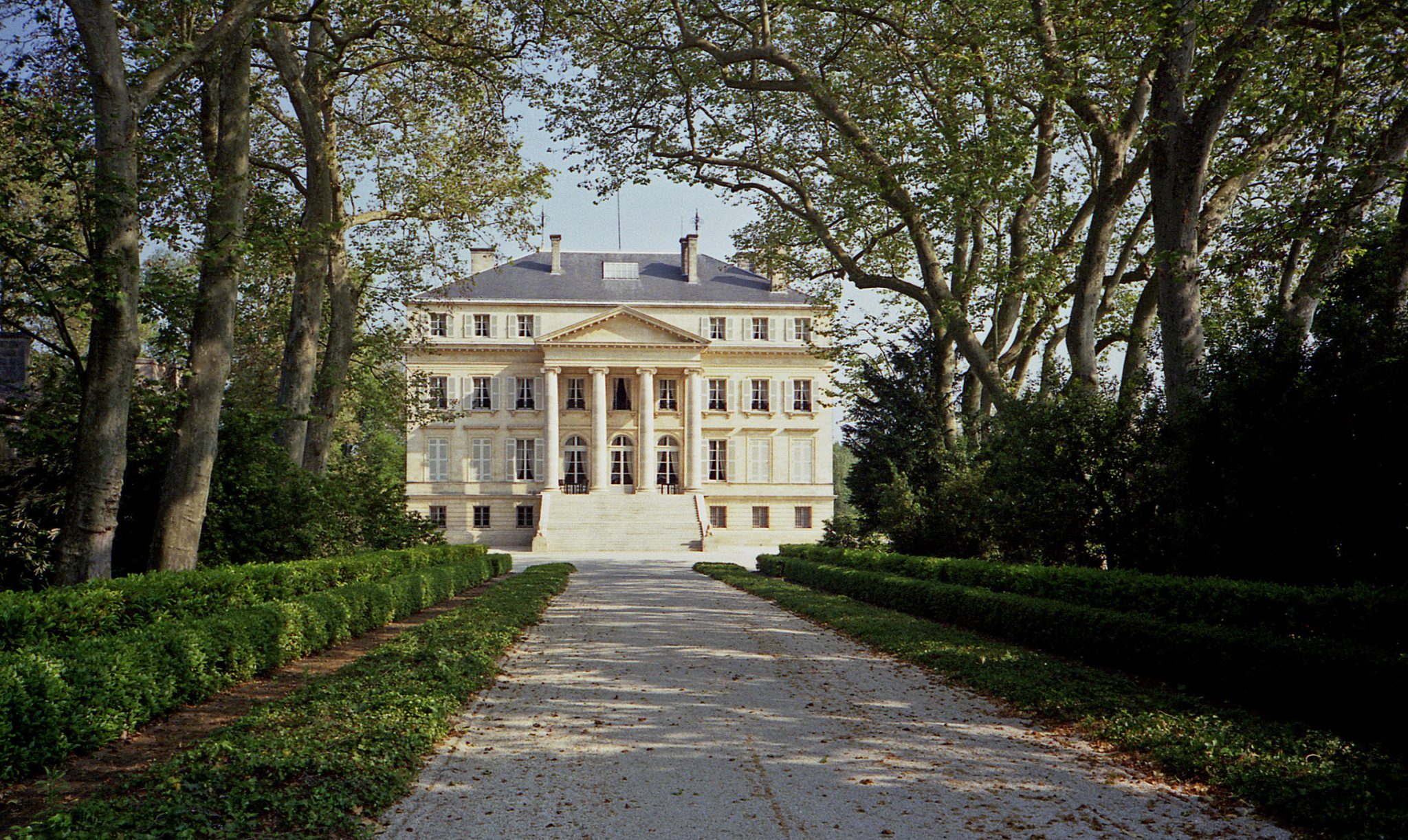
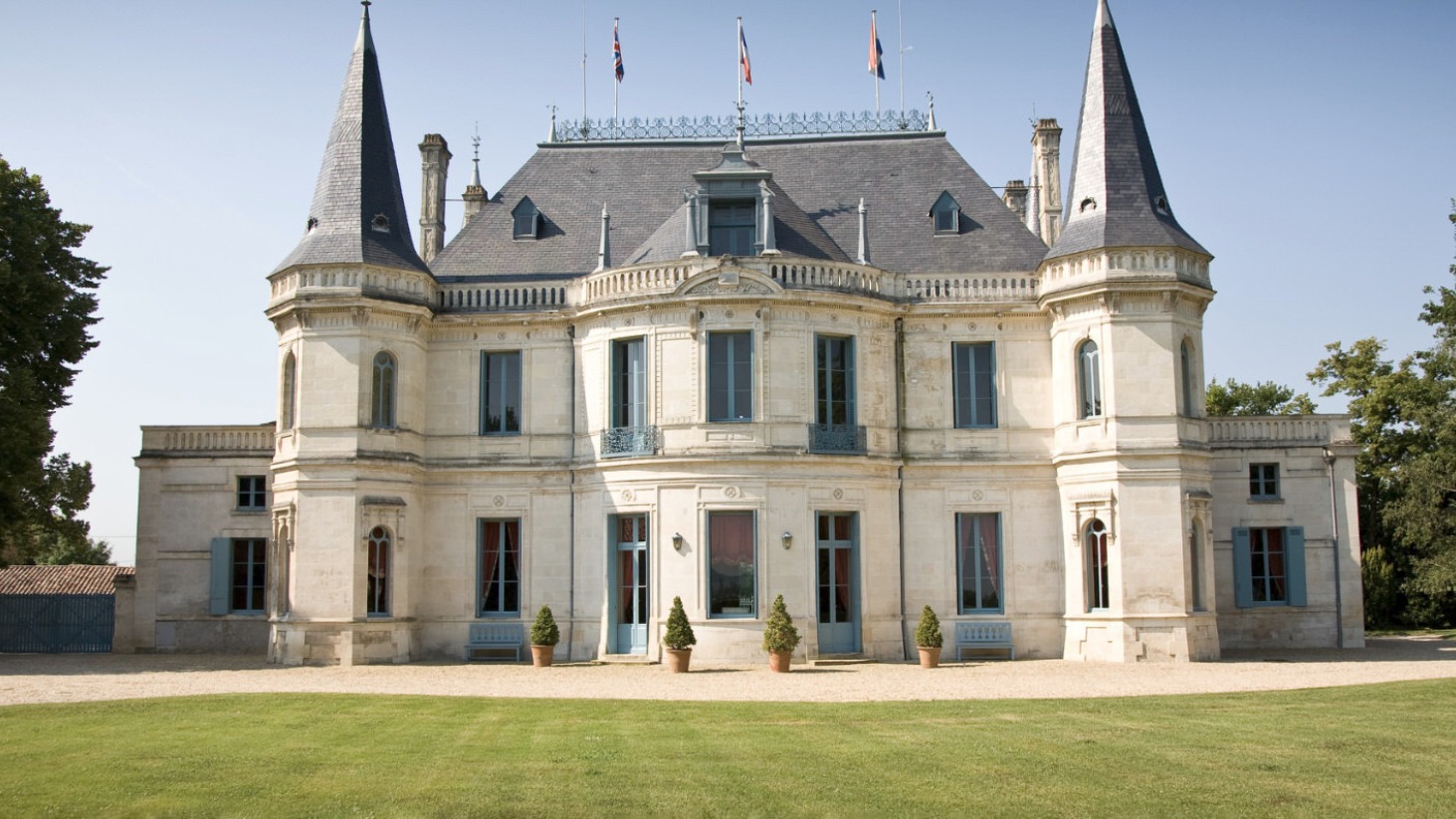
Château Margaux belongs to the formal, Cabernet-led identity of the Médoc, where gravel soils, Atlantic influence, and long estate histories define the conversation. Its Pearl 5 Star Prestige recognition for 2025, Philippe Bascaules as winemaker, and early nineteenth-century Neo-Palladian manor place it in a small circle of Bordeaux addresses where architecture, terroir, and classification-era prestige still shape the visit.
- World's 50 Best · #3
At a glance
- Price
- $$$$
- Neighborhood
- Margaux
<h2>First impression: gravel, order, and the long approach</h2><p>A tree-lined boulevard leads toward Château Margaux’s Neo-Palladian manor house, built by Louis Combes in the early nineteenth century, and the approach tells a visitor much about the Médoc before a glass is poured. This is not vineyard country built around casual improvisation. Margaux presents itself through geometry: rows, drainage, pale gravel, stone, and distance. The commune sits on the Left Bank of Bordeaux, where Cabernet Sauvignon has long found a natural advantage in free-draining soils and a maritime climate moderated by the Gironde estuary. The point of coming here is not simply to admire a famous château facade. It is to read how land, classification, and architecture became one system of authority.</p><p>Within that system, Château Margaux occupies a rarefied position. The estate carries Pearl 5 Star Prestige recognition for 2025, a contemporary trust signal layered onto an older Bordeaux hierarchy. Philippe Bascaules is listed as winemaker, a detail that matters because modern Margaux depends on technical precision as much as inherited reputation. In this commune, elegance is not a vague compliment. It usually means Cabernet structure moderated by perfume, tannins that carry rather than dominate, and a register of fruit that depends on gravel, exposure, and vintage conditions. The château’s physical poise suits that style: controlled, formal, and built for long interpretation rather than instant effect.</p><h2>Why Margaux tastes different from the rest of the Médoc</h2><p>The Médoc is often discussed as if it were one continuous Cabernet corridor, but Margaux has its own grammar. Compared with the more forceful identities often associated with Pauillac or Saint-Estèphe, Margaux is typically read through aromatic lift, textural finesse, and a less muscular sense of power. That difference begins underground. The appellation’s gravel mounds and mixed soils encourage drainage, forcing vines to work below the surface while reducing excess water retention. In a wet Atlantic region, that matters. Drainage, exposure, and vine age can determine whether Cabernet Sauvignon reaches the kind of phenolic maturity that gives Left Bank wines their length.</p><p>Terroir expression in Margaux is therefore not a romantic abstraction. It is a practical outcome of water management, ripening windows, and blending decisions. Cabernet Sauvignon usually provides the frame, while Merlot, Cabernet Franc, and Petit Verdot can shift texture, perfume, and color depending on vintage and parcel. The château’s role inside this tradition is to show how a grand estate can translate those conditions at scale without losing the commune’s quieter register. The visible order of the property, from the avenue to the manor, mirrors the hidden order expected in the wine: layers arranged with discipline, not theatrical volume.</p><p>That is why comparisons within Margaux are useful. Nearby classified-growth addresses such as <a href="https://www.enprimeurclub.com/wineries/chateau-desmirail-margaux-winery">Château Desmirail</a>, <a href="https://www.enprimeurclub.com/wineries/chateau-durfort-vivens-margaux-winery">Château Durfort-Vivens</a>, <a href="https://www.enprimeurclub.com/wineries/chateau-ferriere-margaux-winery">Château Ferrière</a>, <a href="https://www.enprimeurclub.com/wineries/chateau-lascombes-margaux">Château Lascombes</a>, and <a href="https://www.enprimeurclub.com/wineries/chateau-marquis-de-terme-margaux-winery">Château Marquis-de-Terme</a> all help map the commune’s range. Some estates lean into biodynamic farming, some into polish and volume, some into narrower production signatures. Château Margaux sits at the formal end of that spectrum, where expectations are shaped by long-standing prestige, architectural symbolism, and exacting cellar work rather than by novelty.</p><h2>The estate as evidence of Bordeaux's hierarchy</h2><p>Bordeaux has always turned geography into hierarchy. The 1855 classification, created for the Paris Exposition, fixed certain Médoc and Sauternes estates into a ranked public memory that continues to influence pricing, collecting, and travel patterns. Even when modern critics, vintages, and ownership changes complicate that old order, the classification remains part of how visitors understand the region. The grand châteaux are not merely producers. They are cultural institutions whose buildings, labels, and vineyard holdings explain why Bordeaux became a global reference for age-worthy red wine.</p><p>Château Margaux’s Neo-Palladian house is central to that reading. Bordeaux architecture often communicates restraint through symmetry and proportion, and the Louis Combes manor does exactly that. Its classical form differs from the rustic romance often associated with smaller European domaines. The message is institutional continuity. A visitor approaching the property sees a wine culture that aligned agriculture with banking, trade, shipping, and aristocratic taste. The landscape is managed, but not decorative in the resort sense. It is a working hierarchy of parcels, cellars, and reputation.</p><p>The Pearl 5 Star Prestige distinction in 2025 reinforces the estate’s position for contemporary travelers who use ratings to sort a crowded premium field. The award does not replace Bordeaux’s older systems; it adds a modern hospitality and recognition layer to a name already embedded in wine history. For EP Club readers, the useful point is not fame for its own sake. The estate demonstrates how a classified-growth address turns terroir into cultural capital, and how a commune’s identity becomes legible through one highly formal property.</p><h2>What the visit is about</h2><p>A visit to a first-rank Margaux estate should be approached less like a tasting-room crawl and more like a study in how Bordeaux organizes prestige. Access is by appointment only, so planning should be treated accordingly rather than casually. In this part of the Médoc, many significant properties operate through structured access, trade relationships, or scheduled visits, and assumptions about walk-in tastings create disappointment. The practical move is to confirm access through official channels before arranging a day around the estate.</p><p>The reward, when access is possible, is context. Margaux village is compact, and its concentration of classified estates makes it unusually good for comparative wine travel. The reader interested in terroir should resist treating each château as an isolated trophy. The better frame is to compare how neighboring properties interpret the same commune under different farming, cellar, and ownership regimes. The difference between a more intimate property and a formal estate can reveal as much as a vertical tasting. Architecture, vineyard exposure, and the language used around Cabernet all become clues.</p><p>For a wider itinerary, <a href="https://www.enprimeurclub.com/restaurants/margaux-limburg-an-der-lahn-restaurant">Our full Margaux wineries guide</a> is the natural starting point, especially for placing this address among neighboring estates. Food and lodging are part of the same calculation because the Médoc rewards slower movement; <a href="https://www.enprimeurclub.com/restaurants/margaux-limburg-an-der-lahn-restaurant">Our full Margaux restaurants guide</a> helps with dining structure, while <a href="https://www.enprimeurclub.com/restaurants/margaux-limburg-an-der-lahn-restaurant">Our full Margaux hotels guide</a> is useful for deciding whether to stay close to the vineyards or base in Bordeaux. Evening drinking options are limited compared with larger cities, so <a href="https://www.enprimeurclub.com/restaurants/margaux-limburg-an-der-lahn-restaurant">Our full Margaux bars guide</a> is better read as a planning tool than an after-hours promise. Travelers building a broader cultural day can also use Our full Margaux experiences guide to connect wine with the region’s slower rural rhythm.</p><h2>Reading the wine through land, not myth</h2><p>Prestige can make famous wine harder to understand. The label begins to speak louder than the vineyard, and the conversation slides toward auction prices, scores, and cellar lore. Margaux is better served by a more grounded lens. The commune’s identity is bound to Cabernet Sauvignon because gravel and climate give the variety conditions in which structure and perfume can coexist. The Gironde’s moderating influence reduces extremes, while Atlantic weather keeps vintage variation meaningful. Some years reward concentration; others reward patience and selection. A serious estate’s job is to interpret those conditions with clarity.</p><p>That is where Philippe Bascaules’ presence as winemaker becomes relevant, not as a biographical centerpiece but as a credential within a demanding technical category. At this level, the work is about parcel selection, extraction control, élevage choices, and preserving balance across vintages. Modern Bordeaux has moved away from the caricature of sheer density. The more interesting conversation now concerns precision: how to retain the authority expected of a great Left Bank wine while avoiding excess weight. Château Margaux belongs to that conversation because the commune’s natural advantage is not brute force. It is line, fragrance, and persistence.</p><p>Comparisons outside Bordeaux sharpen the point. In Provence, <a href="https://www.enprimeurclub.com/wineries/chateau-simone">Château Simone in Meyreuil</a> expresses limestone, Mediterranean light, and a different inheritance of field blends and cellar tradition. Burgundy-linked addresses such as <a href="https://www.enprimeurclub.com/wineries/domaine-francois-lamarche">Domaine François Lamarche in Chablis</a> and <a href="https://www.enprimeurclub.com/wineries/maison-joseph-drouhin-beaune">Maison Joseph Drouhin in Beaune</a> frame terroir through smaller parcels and varietal transparency. In Rioja Alavesa, <a href="https://www.enprimeurclub.com/wineries/bodegas-ysios-laguardia-winery">Bodegas Ysios in Laguardia</a> uses architecture as a contemporary statement against mountain and vineyard. In Napa Valley, <a href="https://www.enprimeurclub.com/wineries/cakebread-cellars">Cakebread Cellars in Rutherford</a> belongs to a different Cabernet culture, warmer in expectation and shaped by New World hospitality patterns. Those references make Margaux’s distinction clearer: here, land speaks through restraint, classification, and long institutional memory.</p><h2>How to place Château Margaux in a Margaux itinerary</h2><p>Margaux is not a city itinerary disguised as wine country. It is a village and appellation environment where appointments, pacing, and geography determine the day. The address in the database, 33460 Margaux-Cantenac, places the estate in the heart of the commune. Precise walking or driving distances should not be assumed, but the broader planning logic is clear: build the day around a small number of confirmed visits rather than trying to collect names. The value lies in comparison, not volume.</p><p>Morning visits often suit serious wine regions because attention is fresh and cellar schedules can be more structured, though any timing must be confirmed directly with the estate or official representative. Lunch planning matters in the Médoc because dining windows can be narrower than in Bordeaux city, and rural travel leaves little room for improvisation. Visitors should also account for the season. Spring and early summer bring a greener vineyard frame, late summer and harvest season carry operational pressure, and winter can reveal the architecture and vineyard structure without the distraction of foliage. These are general regional patterns rather than venue-specific access guarantees.</p><p>The editorial stance is simple: do not treat this as a drive-by photo stop. The estate’s value is in how it helps decode the Left Bank. A traveler with one Margaux day should pair it, where possible, with one or two other commune estates that show contrasting approaches. A collector may focus on classification and vintage performance; a design-minded traveler may read the Louis Combes house as part of Bordeaux’s architectural self-image; a terroir-focused visitor should pay attention to how often gravel, drainage, and Cabernet return to the center of the conversation. All three readings are valid, but the third explains the wine rather than merely admiring the name.</p>
Know before you go
- Dress code
- smart_casual
- Reservations
- appointment_only
- Parking
- on_site_lot
- Payment
- credit_card
Frequently asked
What's the general vibe of Château Margaux?
Formal and ordered, with a long tree-lined approach to the Neo-Palladian manor house at 33460 Margaux-Cantenac. The setting matches the estate’s Pearl 5 Star Prestige status and its place in Margaux’s Left Bank hierarchy.
Where exactly is Château Margaux?
Château Margaux is located at 33460 Margaux-Cantenac, Margaux.
What accolades does Château Margaux have?
Château Margaux has received recognition including: Pearl 5 Star Prestige (2025); A tree-lined boulevard leads up to Château Margaux’s Neo-Palladian manor house, built by Louis Combes in the early nineteenth century. It is a suitably regal in; A tree-lined boulevard leads up to Château Marga….
Why do people go to Château Margaux?
They come to read one of Margaux’s defining estates in context, from the 1855 classification tradition to Philippe Bascaules’ winemaking. The appeal is the combination of address, history, and a Cabernet-led benchmark in Margaux, France.
Address
33460 Margaux-Cantenac
Margaux · Bordeaux
How it compares
- Notes
- Margaux, Cabernet Sauvignon, Merlot
- Price
- $$$$
- Notes
- Margaux, Cabernet Sauvignon, Merlot
- Price
- $$$$
- Notes
- Margaux, Cabernet Sauvignon, Merlot
- Price
- $$$$
- Notes
- Margaux, Cabernet Sauvignon, Merlot
- Price
- $$$$
- Notes
- Margaux, Cabernet Sauvignon, Merlot
- Price
- $$$$
- Notes
- Margaux, Cabernet Sauvignon, Merlot
- Price
- $$$$