Made ByWinery

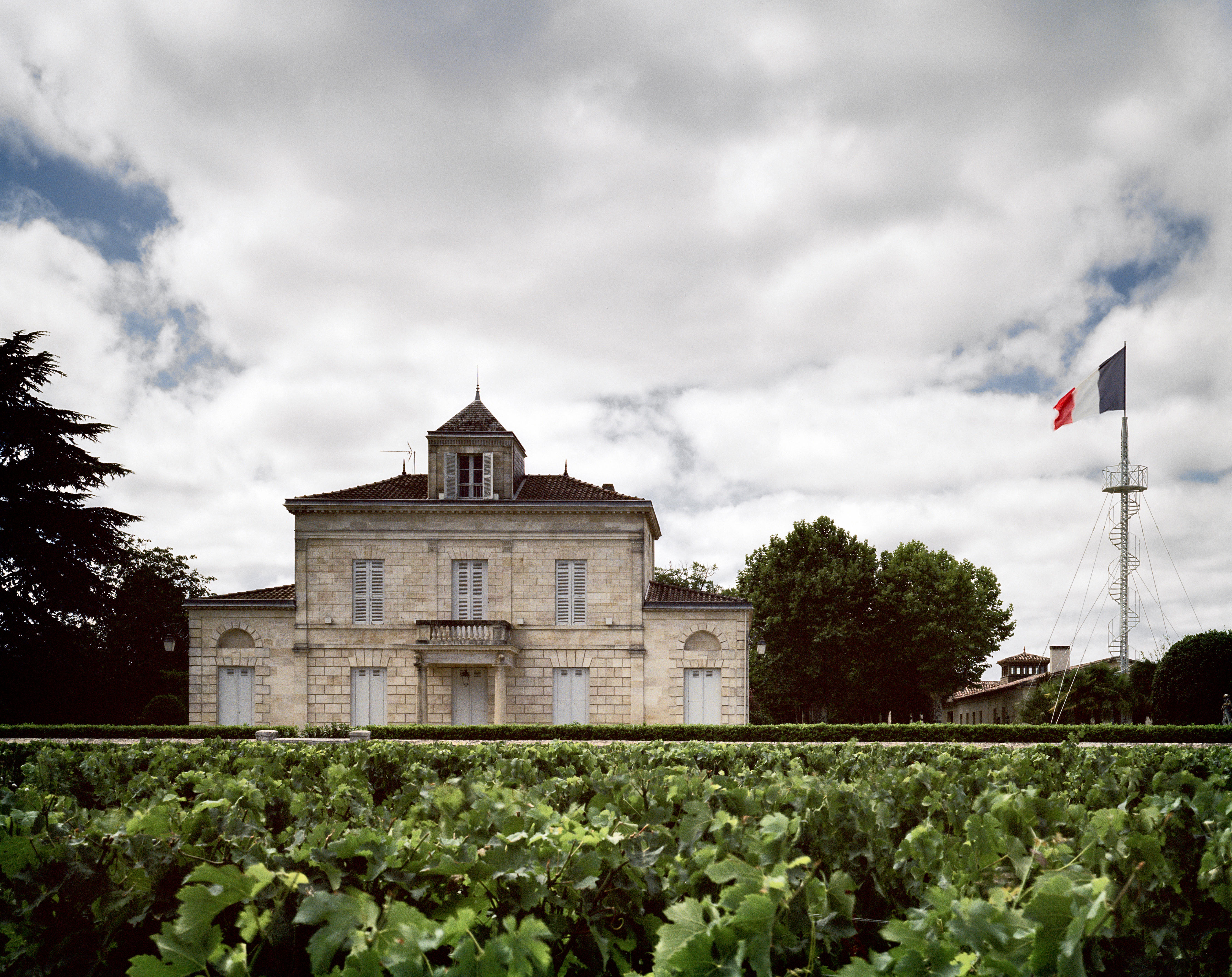
Among Saint-Estèphe's Second Growths, Château Montrose carries a lineage stretching to 1829 and a reputation built on Cabernet-dominant blends that reward patience. Recognised with a Pearl 5 Star Prestige award in 2025, it sits at the upper tier of the Médoc's classified hierarchy. The estate occupies a privileged riverside position above the Gironde, where the proximity to water shapes the terroir as directly as any winemaking decision.
At a glance
- Price
- $$$$
- Neighborhood
- Saint-Estèphe
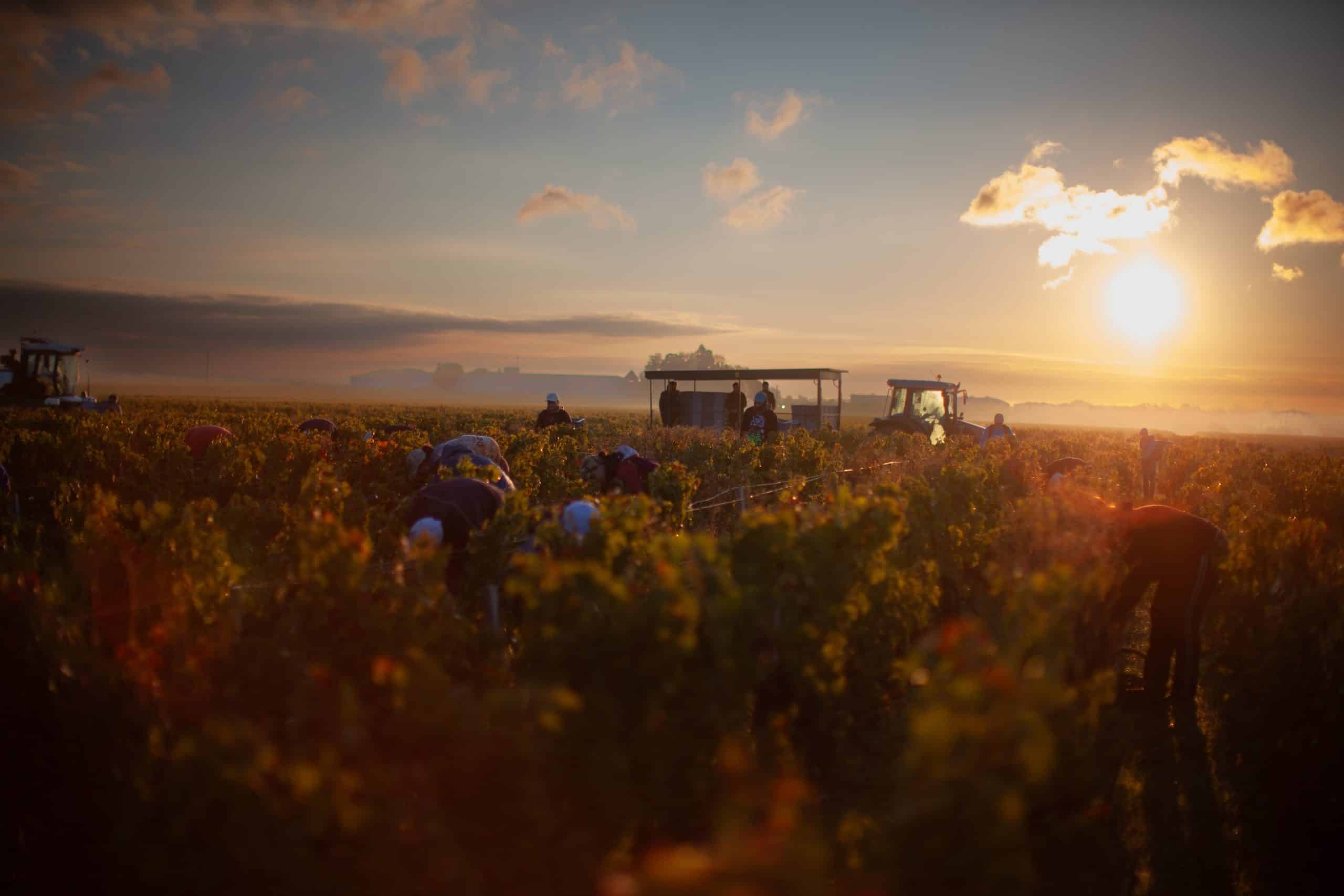
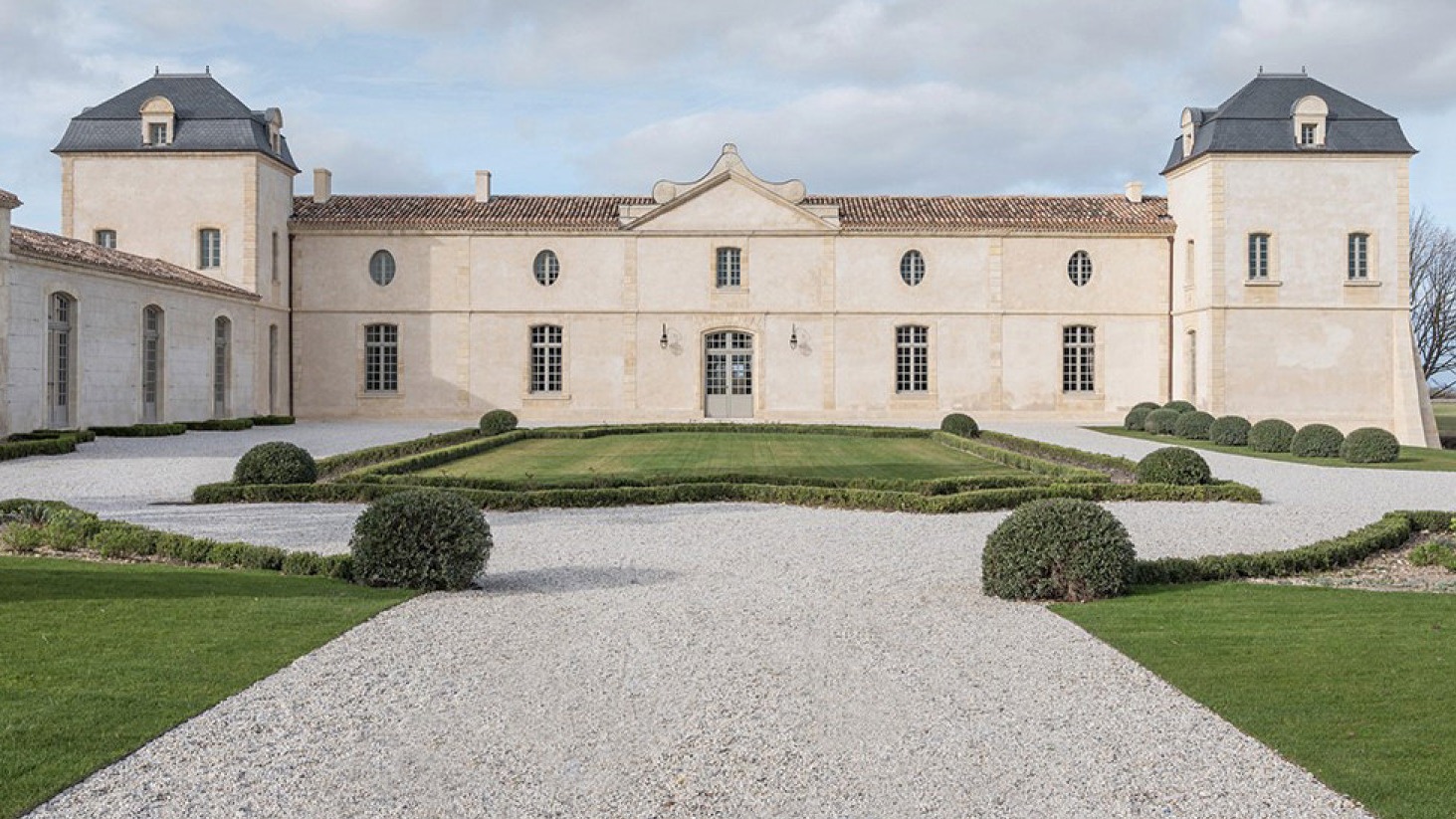
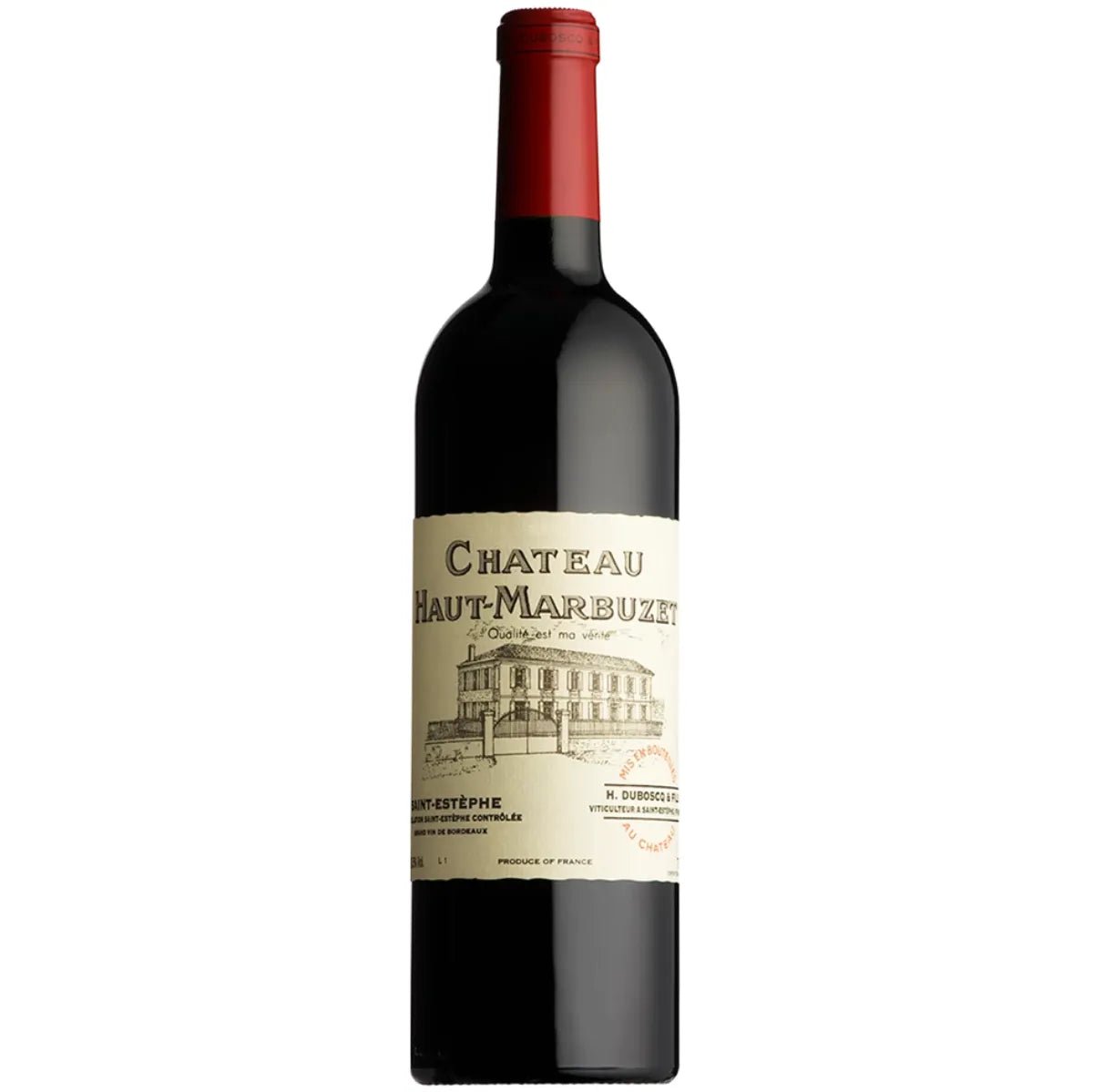
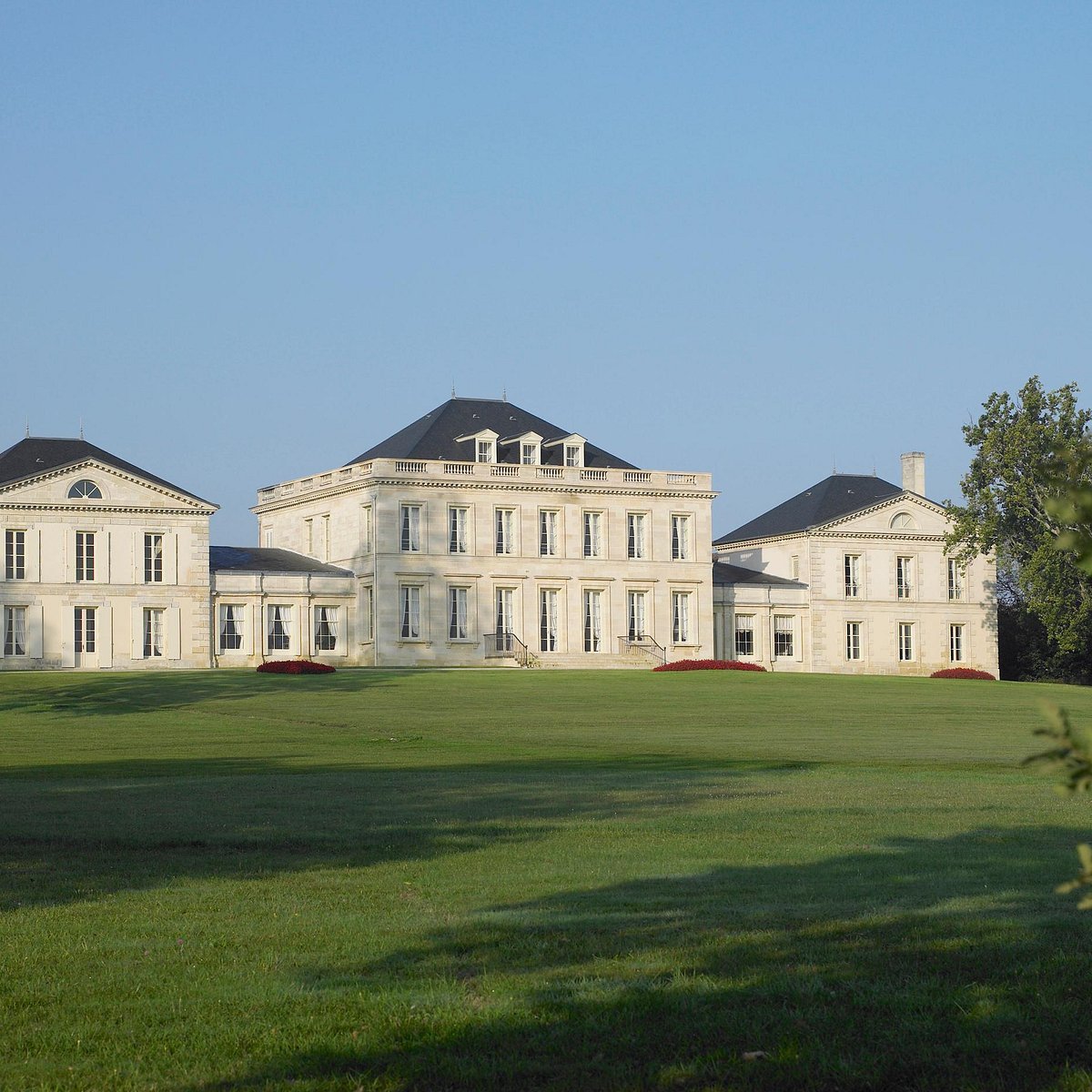
<h2>Where the Gironde Does the Work</h2><p>Stand at the edge of Montrose's vineyard block on a still morning and the logic of Saint-Estèphe's northern plateau becomes immediately clear. The Gironde is not a backdrop here; it is an active participant. The broad estuary sits close enough below the escarpment that its thermal mass moderates the growing season, delaying autumn frosts and softening summer heat in a way that warmer, inland parcels cannot replicate. This riparian influence is the foundational argument for why Saint-Estèphe's leading estates cluster along this particular strip of the left bank, and Château Montrose, with its 1829 founding vintage, has been shaped by that geography longer than most. Among the appellation's peers, <a href="https://www.enprimeurclub.com/wineries/cos-destournel">Château Cos d'Estournel</a>, with its pagoda-topped façade, and <a href="https://www.enprimeurclub.com/wineries/chateau-calon-segur">Château Calon Ségur</a>, anchored further inland, Montrose occupies one of the most directly river-facing positions in the commune, and that placement is inseparable from the wine's character.</p><h2>A Terroir Argument in Every Vintage</h2><p>Saint-Estèphe as an appellation sits at the northern edge of the Médoc's classified-growth corridor, a position that traditionally meant cooler ripening conditions and wines with firmer tannin architecture than their Pauillac or Saint-Julien counterparts. Over the past two decades, a combination of warmer growing seasons and refined cellar technique has shifted that calculus, but the fundamental soil composition, heavier clay content than the gravels that dominate Margaux or Pauillac, still produces wines with a distinctive density and age-worthiness. Montrose's parcels sit on a gravel-over-clay subsoil that captures the best of both: drainage sufficient to concentrate the fruit, water retention sufficient to sustain the vine through dry summers. Winemaker Hervé Berland has overseen production through a period when the estate reinforced its identity as a Cabernet-dominant house, with the structural weight and longevity that classification implies rather than softening toward earlier-drinking accessibility.</p><p>The 2025 Pearl 5 Star Prestige award places Montrose in a formal tier of recognition that aligns with its position as a Second Growth in the 1855 Médoc classification. That original classification, though over 160 years old, remains the reference framework against which Bordeaux estates are commercially and critically benchmarked. Second Growth status at Montrose has historically carried a price premium over the appellation's Crus Bourgeois, among which <a href="https://www.enprimeurclub.com/wineries/chateau-haut-marbuzet-saint-estephe-winery">Château Haut-Marbuzet</a> and <a href="https://www.enprimeurclub.com/wineries/chateau-phelan-segur-saint-estephe-winery">Château Phélan Ségur</a> represent strong value alternatives, and a different buyer profile: collectors looking for cellaring depth rather than near-term drinking.</p><h2>The Physical Estate and What It Tells You</h2><p>The estate's footprint stretches across a continuous plateau that drops toward the river, a layout that allows for a relatively homogeneous ripening pattern across the main vineyard blocks. This kind of spatial coherence is not universal in the Médoc, where some classified châteaux own scattered parcels across multiple communes. Montrose's geographic integrity, its vines, winery, and château concentrated in one place above the Gironde, gives the property a legibility rare at this scale. Visitors arriving along the D2, the so-called Route des Châteaux that links the Médoc's classified estates, encounter the estate as it presents itself naturally: a working agricultural property whose architecture reflects successive phases of investment rather than a single grand gesture. That continuity of function, from 1829 to the present, is itself an argument about how Bordeaux's most durable estates operate.</p><p>For context across the appellation's classified tier, <a href="https://www.enprimeurclub.com/wineries/chateau-lafon-rochet-saint-estephe-winery">Château Lafon-Rochet</a> sits as a Fourth Growth immediately to the south, while the broader commune's character is well framed in our full Saint-Estèphe guide, which covers the village, its estates, and how to approach the appellation as a visitor.</p><h2>Planning a Visit</h2><p>Saint-Estèphe sits roughly 55 kilometres north of Bordeaux city, accessible by car along the D2 or via the Pauillac ferry crossing from the right bank. Visits are by appointment only. Spring and autumn are the practical windows for cellar visits in the Médoc: harvest in September and October brings the most activity to the estates, while spring opens the vines to visitors after the dormant winter period. Bordeaux's en primeur week, held each April, draws trade and press to the region and creates a concentration of open-house programming across the classified châteaux, including opportunities to taste the preceding year's barrel samples.</p><p>Comparable estates across the wider Bordeaux region worth cross-referencing for context include <a href="https://www.enprimeurclub.com/wineries/chateau-batailley-pauillac-winery">Château Batailley in Pauillac</a>, a Fifth Growth immediately to the south, and <a href="https://www.enprimeurclub.com/wineries/chateau-branaire-ducru-st-julien">Château Branaire Ducru in Saint-Julien</a>, both of which offer useful comparative reference points for understanding how classified Médoc wines differ by commune. On the right bank, <a href="https://www.enprimeurclub.com/wineries/chateau-belair-monange-saint-emilion-winery">Château Bélair-Monange in Saint-Emilion</a> provides a counterpoint in the Merlot-dominant style that defines that classification system. Further afield, for those building a broader premium wine itinerary through France, <a href="https://www.enprimeurclub.com/wineries/albert-boxler-niedermorschwihr-winery">Albert Boxler in Niedermorschwihr</a> represents Alsace's more precise, site-expressive tradition, while <a href="https://www.enprimeurclub.com/wineries/chartreuse-voiron-winery">Chartreuse in Voiron</a> sits in an entirely different category of French production heritage. In Sauternes, <a href="https://www.enprimeurclub.com/wineries/chateau-bastor-lamontagne">Château Bastor-Lamontagne in Preignac</a> offers a Classified Growth-adjacent reference for the sweet wine tradition. Beyond France, <a href="https://www.enprimeurclub.com/wineries/accendo-cellars">Accendo Cellars in St. Helena</a> and <a href="https://www.enprimeurclub.com/wineries/aberlour-aberlour-winery">Aberlour in Aberlour</a> illustrate how premium production logic, small-lot focus, site expression, long ageing, translates across Napa Valley Cabernet and Speyside single malt respectively. For Margaux-appellation comparison, <a href="https://www.enprimeurclub.com/wineries/chateau-boyd-cantenac-cantenac-winery">Château Boyd-Cantenac in Cantenac</a> rounds out the classified Médoc picture.</p><h2>What the 2025 Recognition Confirms</h2><p>The Pearl 5 Star Prestige designation awarded in 2025 is the kind of formal recognition that functions as a checkpoint rather than a revelation for an estate with Montrose's track record. The 1829 founding vintage gives it a production history that predates the 1855 classification itself, and across nearly two centuries of documented vintages, the estate has accumulated the kind of longitudinal credibility that newer producers cannot manufacture. That history matters commercially in the en primeur market, where buyers are purchasing futures on an estate's reliability as much as on a specific vintage's quality. Hervé Berland's role as winemaker sits within that continuity, with decisions made against a backdrop of historical benchmarks rather than in a vacuum.</p><p>For buyers at this tier, the comparison set is tight: Montrose prices against the other Médoc Second Growths, Cos d'Estournel being the most direct Saint-Estèphe peer, and against the broader market for aged left bank Bordeaux in secondary auction. The estate's positioning within Saint-Estèphe, above the appellation's Crus Bourgeois, means that Montrose remains a serious benchmark for classified Second Growth Bordeaux.</p>
Know before you go
- Dress code
- smart_casual
- Reservations
- appointment_only
- Parking
- on_site_lot
- Payment
- credit_card, debit_card
- Outdoor seating
- Yes
- Groups
- Welcomed
Frequently asked
Where exactly is Château Montrose?
Château Montrose is located at 3 Grand Vignolles, 33180 Saint-Estèphe, Saint-Estèphe.
What awards has Château Montrose received?
Château Montrose has received recognition including: Pearl 5 Star Prestige (2025).
What wine is Château Montrose famous for?
Montrose is primarily known for Cabernet Sauvignon-dominant red Bordeaux from Saint-Estèphe's northern plateau, where the Gironde's proximity moderates temperature and extends hang time. The estate's continuous riverward-sloping terrain produces structured, slow-developing reds that sit at the serious end of the Médoc's classified-growth spectrum. Winemaker Hervé Berland oversees the program from the estate at 3 Grand Vignolles.
What makes Château Montrose worth visiting?
The estate earned Pearl 5 Star Prestige recognition in 2025, a designation that reflects consistent quality across vinification and terroir expression rather than a single standout vintage. The plateau layout, which drops toward the Gironde, is directly legible on the ground in a way that clarifies why Saint-Estèphe occupies a distinct position within the Médoc corridor. For anyone serious about understanding classified-growth Bordeaux from the source, the physical estate makes the argument that maps and tasting notes cannot.
Should I book Château Montrose in advance?
Saint-Estèphe draws a focused audience of wine professionals and collectors rather than high-volume tourist traffic, but Montrose's 2025 Pearl 5 Star Prestige status increases its profile and the likelihood of scheduling constraints. Contacting the estate directly before travelling is advisable, particularly during the spring en primeur window and harvest season when estate resources are concentrated internally.
How does Château Montrose's Saint-Estèphe terroir differ from other left-bank classified growths?
Saint-Estèphe sits at the northern edge of the Médoc's classified-growth corridor, where clay-limestone subsoils beneath the gravel surface retain more moisture than the better-drained beds further south in Pauillac or Margaux. This soil composition, combined with the Gironde's moderating influence on Montrose's plateau blocks, tends to produce wines with higher natural acidity and a longer structural development curve. Hervé Berland's work at the estate addresses that site character directly in the winemaking approach.
What's Château Montrose a good pick for?
Montrose suits visitors who want to read terroir physically rather than through a tasting room presentation alone — the plateau's geometry and river exposure are part of what the 2025 Pearl 5 Star Prestige recognition points toward. It also suits those building a northern Médoc itinerary, as Saint-Estèphe sits roughly 55 kilometres north of Bordeaux city and pairs logically with neighbouring classified estates along the D2.
Address
3 Grand Vignolles, 33180 Saint-Estèphe
Saint-Estèphe · Bordeaux
How it compares
- Notes
- Saint-Estèphe, Cabernet Sauvignon, Merlot
- Price
- $$$$
- Notes
- Saint-Estèphe, Cabernet Sauvignon, Merlot
- Price
- $$$$
- Notes
- Saint-Estèphe, Cabernet Sauvignon, Merlot
- Price
- $$$$
- Notes
- Saint-Estèphe, Cabernet Sauvignon, Merlot
- Price
- $$$$
- Notes
- Saint-Estèphe, Cabernet Sauvignon, Merlot
- Price
- $$$$
- Notes
- Saint-Estèphe, Cabernet Sauvignon, Merlot
- Price
- $$$$