Made ByWinery
Château Calon Ségur has produced wine in Saint-Estèphe since 1779, placing it among the oldest continuously active estates in the Médoc. Under winemaker Vincent Millet, the château holds a Pearl 4 Star Prestige rating for 2025 and sits at the quieter, more contemplative end of the appellation's character spectrum, structured, slow-maturing, and shaped by Saint-Estèphe's heavier clay soils.
At a glance
- Price
- $$$$
- Neighborhood
- Saint-Estèphe
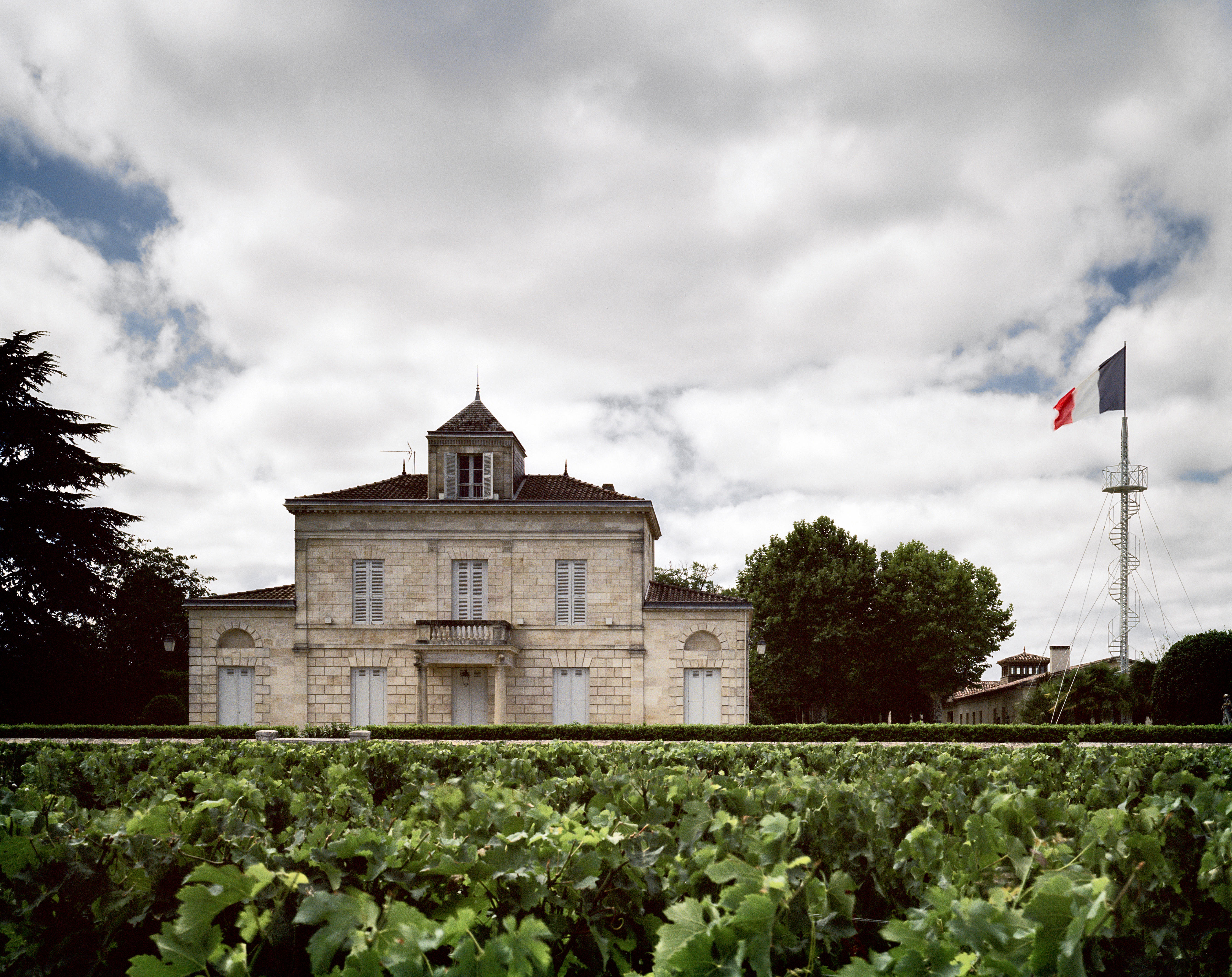
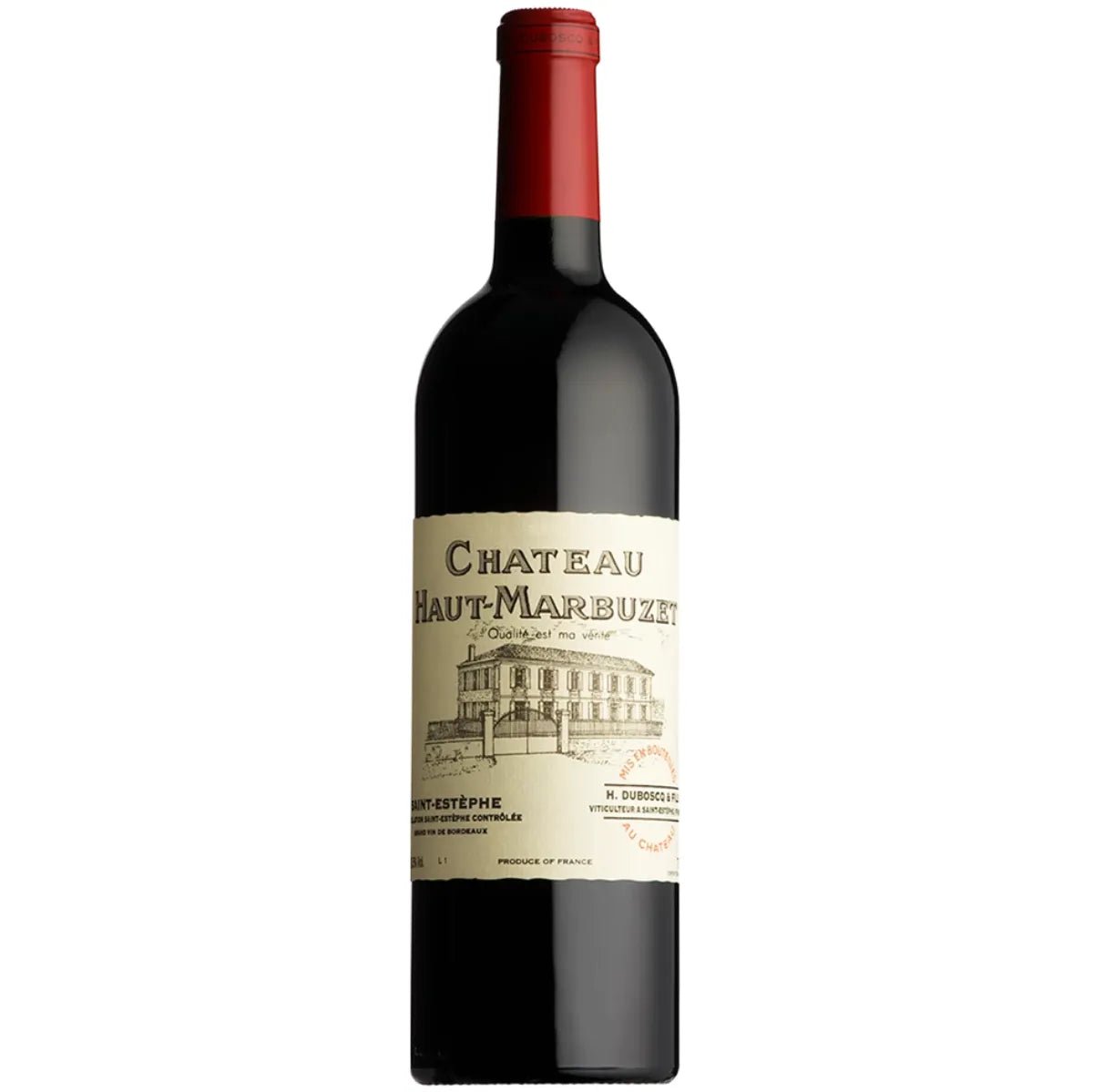
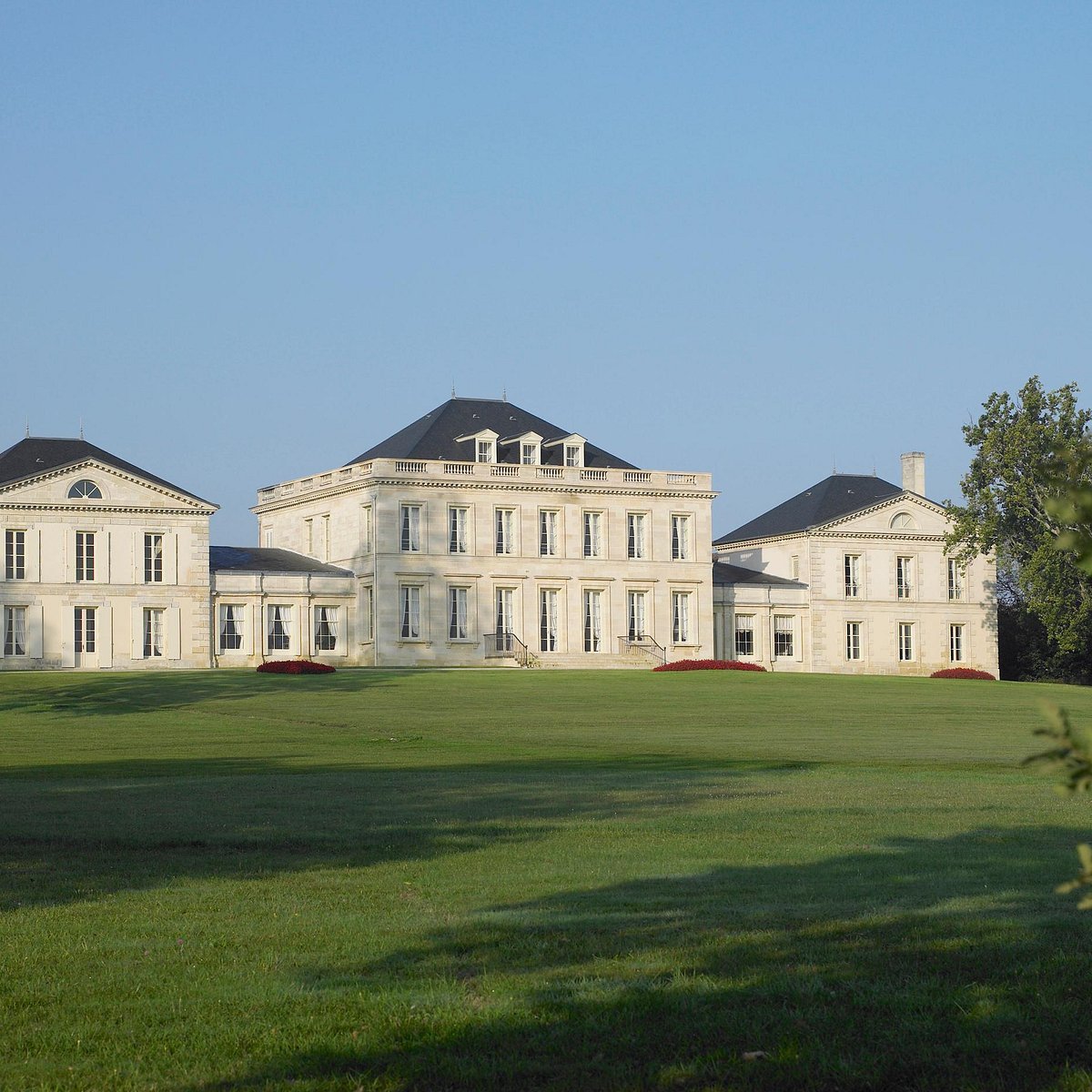
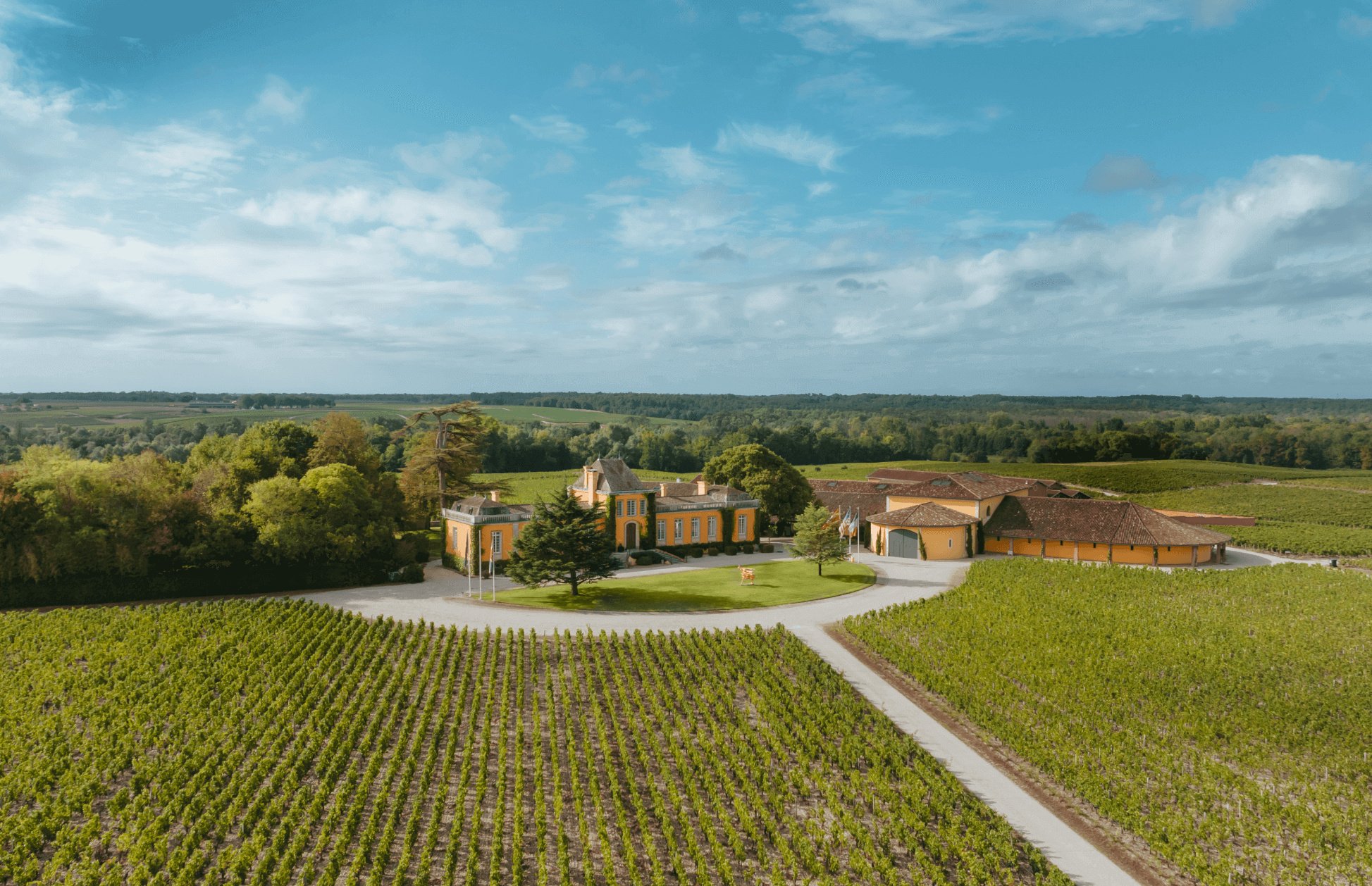
<h2>Where Saint-Estèphe's Clay Speaks Loudest</h2><p>Approach Calon Ségur from the D2 and the Médoc reveals itself in one of its most persuasive forms: low sky, flat vine rows running to a grey-stone horizon, and the kind of silence that makes a tasting room feel like a library rather than a showroom. Saint-Estèphe sits at the northern edge of the Haut-Médoc's classified heartland, and its position matters. The soils here carry more clay than the gravel-dominant banks of Pauillac immediately to the south, and that shift in geology translates directly into the wines: deeper colour, more pronounced tannin architecture, and a capacity for extended cellaring that separates the appellation's leading from everything else on the Bordeaux ladder.</p><p>Château Calon Ségur, in Saint-Estèphe and shaped by winemaker Vincent Millet, has had longer than almost any other estate in the region to learn how that clay performs across seasons. Its 2025 Pearl 4 Star Prestige recognition confirms that the estate remains positioned within the appellation's upper tier rather than coasting on historical reputation alone. That distinction matters in Saint-Estèphe, where a cluster of high-performing châteaux, <a href="https://www.enprimeurclub.com/wineries/cos-destournel">Château Cos d'Estournel</a>, <a href="https://www.enprimeurclub.com/wineries/chateau-montrose">Château Montrose</a>, and <a href="https://www.enprimeurclub.com/wineries/chateau-haut-marbuzet-saint-estephe-winery">Château Haut-Marbuzet</a> among them, compete within a broadly consistent quality band while expressing quite different interpretations of the same terroir.</p><h2>Terroir as Argument</h2><p>Saint-Estèphe's geology is the starting point for any serious conversation about Calon Ségur. The estate sits on a plateau of limestone and clay-rich soils that retain water through dry summers and drain slowly enough to stress the vine in ways that encourage concentration rather than dilution. Cabernet Sauvignon thrives here, but it behaves differently than it does in the gravel-rich plots of Pauillac: the tannins tend to be denser on release, the aromatics slower to open, and the wines built for a decade of patience rather than early drinking. This is not a criticism, it is a structural argument for the appellation's particular value to serious collectors.</p><p>Winemaker Vincent Millet works within that framework. His tenure at the estate represents continuity of approach at a time when some Médoc estates have shifted toward earlier-drinking, higher-extraction styles to compete in international markets. The 2025 Pearl 4 Star Prestige recognition points to a wine program that maintains alignment with Saint-Estèphe's traditional character rather than departing from it. For context, estates in the appellation that have moved toward warmer, rounder profiles to accelerate drinkability have sometimes traded long-term cellaring potential for short-term accessibility, a different commercial logic, but a different wine.</p><p>The broader appellation runs a useful comparison against its southern neighbours. Where Pauillac delivers more immediate structural elegance and Margaux leans into perfume and finesse, Saint-Estèphe's wines, Calon Ségur included, tend to reward the kind of cellar patience that has become rarer in contemporary fine wine culture. Estates like <a href="https://www.enprimeurclub.com/wineries/chateau-lafon-rochet-saint-estephe-winery">Château Lafon-Rochet</a> and <a href="https://www.enprimeurclub.com/wineries/chateau-phelan-segur-saint-estephe-winery">Château Phélan Ségur</a> share that structural identity, though each expresses it through different soil compositions across the commune's varied plateau and slope terrain.</p><h2>The Estate in Its Competitive Set</h2><p>Within Saint-Estèphe, the château occupies a position shaped by two variables: classification status and terroir reputation. The 1855 classification assigned Calon Ségur Third Growth standing, a designation that still anchors its positioning in the fine wine market relative to the commune's two Second Growths, Cos d'Estournel and Montrose. That gap in classification has historically corresponded to a price differential, but it has also meant that Calon Ségur often delivers value on release relative to its peers, a point that secondary market data tends to support when comparing allocation prices against critical scores across recent vintages.</p><p>Compared to <a href="https://www.enprimeurclub.com/wineries/chateau-haut-marbuzet-saint-estephe-winery">Château Haut-Marbuzet</a>, which produces wines with a warmer, more generously oaked style that tends toward earlier accessibility, Calon Ségur operates at the more austere end of the commune's register. Against <a href="https://www.enprimeurclub.com/wineries/chateau-phelan-segur-saint-estephe-winery">Château Phélan Ségur</a> and <a href="https://www.enprimeurclub.com/wineries/chateau-lafon-rochet-saint-estephe-winery">Château Lafon-Rochet</a>, the comparison becomes more nuanced, both estates have refined their programs considerably in recent decades, and the peer group within the commune has tightened. What distinguishes Calon Ségur's position is primarily history: a production record beginning in 1779 gives the estate a reference archive that few Bordeaux properties can match, and it gives collectors a basis for long-run comparative assessment across climate eras.</p><h2>Planning a Visit to the Northern Médoc</h2><p>Saint-Estèphe sits roughly 50 kilometres north of Bordeaux city, and the drive north along the D2 through Margaux, Saint-Julien, and Pauillac functions as a practical primer on how the Médoc's geology shifts commune by commune. The village of Saint-Estèphe itself is quiet even by Médoc standards, no restaurant scene of consequence, no tourist infrastructure to speak of. Visits to the appellation require planning: most estates, Calon Ségur included, operate by appointment, and the commune sees far less passing traffic than Pauillac or Margaux. That reserve is part of its character.</p><p>Visits are by appointment only, and access is generally easier outside the busiest trade periods. Appointments are best arranged in advance. Logistics for the northern Médoc are easier with a car; public transport connections to Saint-Estèphe are limited, and most itineraries are structured around a personal vehicle or hired driver out of Bordeaux.</p><p> Beyond Bordeaux, the contrast with northern Rhône or Alsace properties such as <a href="https://www.enprimeurclub.com/wineries/albert-boxler-niedermorschwihr-winery">Albert Boxler in Niedermorschwihr</a> illustrates just how distinctly clay-dominant soils shape a wine's weight and structure relative to granite or limestone-based terroirs.</p>
Know before you go
- Dress code
- smart_casual
- Reservations
- appointment_only
- Parking
- on_site_lot
Frequently asked
Is Château Calon Ségur more low-key or high-energy?
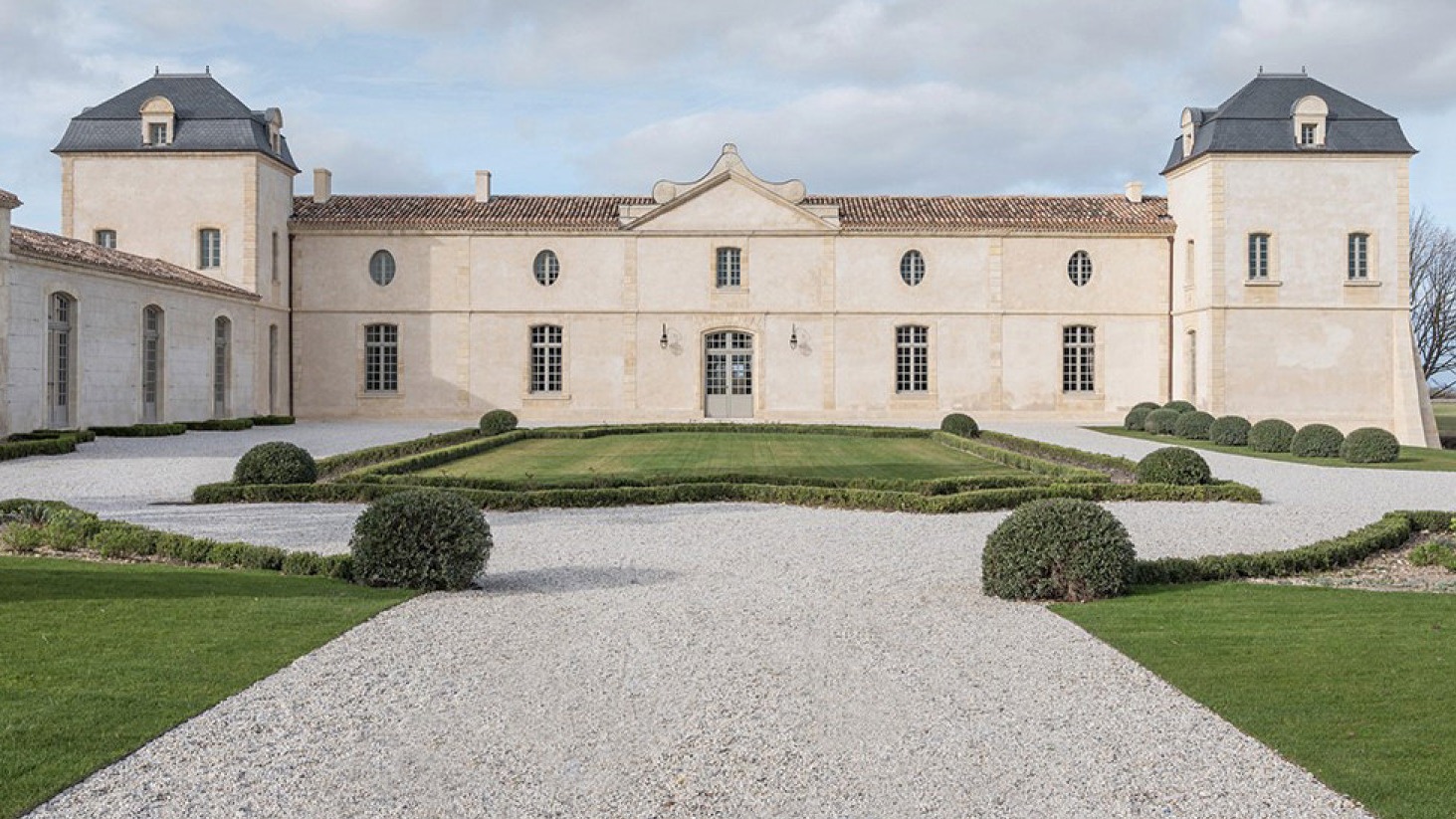
Low-key, decisively. The estate sits on Saint-Estèphe's northern plateau, far from the tourist circuits that cluster around Pauillac and Margaux. Visits here are oriented around the vineyard and cellar, not spectacle — the grey-stone architecture and flat vine rows set a contemplative register that reflects the appellation's character rather than a hospitality performance.
What awards has Château Calon Ségur received?
Château Calon Ségur has received recognition including: Pearl 4 Star Prestige (2025).
What wine is Château Calon Ségur famous for?
Calon Ségur produces Cabernet Sauvignon-dominant Bordeaux reds from Saint-Estèphe, an appellation whose clay-rich soils generate wines with firmer tannins and slower development than neighbouring Pauillac or Saint-Julien. The estate holds Third Growth status under the 1855 classification and earned a Pearl 4 Star Prestige rating in 2025, placing it among the appellation's reference points. A second wine and a dry white are also produced under the estate.
What's Château Calon Ségur's location?
Château Calon Ségur is located at 33180 Saint-Estèphe, Saint-Estèphe.
Why do people go to Château Calon Ségur?
Primarily for the terroir argument: Calon Ségur's limestone and clay plateau is one of Saint-Estèphe's most-discussed geological cases, and seeing the vineyard in context of the broader Médoc landscape along the D2 corridor gives that argument physical form. The 2025 Pearl 4 Star Prestige award has reinforced the estate's standing for collectors planning dedicated Bordeaux itineraries.
Do I need a reservation for Château Calon Ségur?
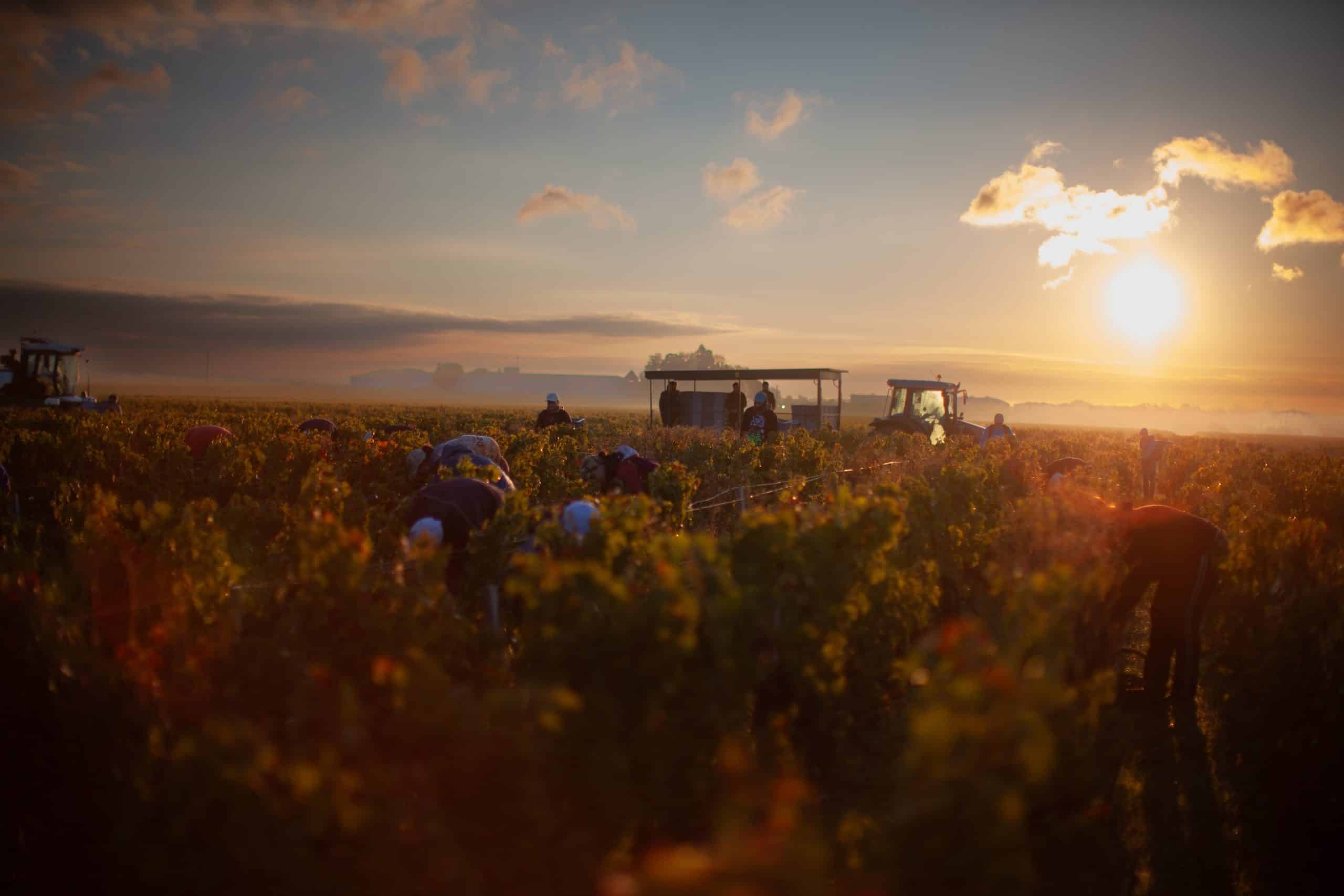
Visits to Bordeaux châteaux of this classification level are almost never walk-in, and Calon Ségur follows that convention. Contact should be made directly through the estate in advance, particularly during harvest season (September–October) when access is heavily restricted. Plan any visit around the Saint-Estèphe appellation's quieter spring or early summer window for the most straightforward access.
What does the Pearl 4 Star Prestige rating mean for Château Calon Ségur's standing in 2025?
The Pearl 4 Star Prestige (2025) is the estate's current top-tier editorial award, signalling recognition at the upper end of the Saint-Estèphe classification tier. For collectors and visitors, it functions as an independent benchmark alongside the 1855 Third Growth classification, confirming that winemaker Vincent Millet's stewardship has maintained the château's competitive position within the northern Médoc comparable set.
Address
33180 Saint-Estèphe
Saint-Estèphe · Bordeaux
How it compares
- Cuisine
- Cabernet Sauvignon, Merlot
- Price
- $$$$
- Awards
- 1 recognition
- Notes
- Saint-Estèphe
- Cuisine
- Cabernet Sauvignon, Merlot
- Price
- $$$$
- Awards
- 1 recognition
- Notes
- Saint-Estèphe
- Cuisine
- Cabernet Sauvignon, Merlot
- Price
- $$$$
- Awards
- 1 recognition
- Notes
- Saint-Estèphe
- Cuisine
- Cabernet Sauvignon, Merlot
- Price
- $$$$
- Awards
- 1 recognition
- Notes
- Saint-Estèphe
- Cuisine
- Cabernet Sauvignon, Merlot
- Price
- $$$$
- Awards
- 1 recognition
- Notes
- Saint-Estèphe
- Cuisine
- Cabernet Sauvignon, Merlot
- Price
- $$$$
- Awards
- World's 50 Best #97
- Notes
- Saint-Estèphe