Made ByRestaurant
Château de Berne

Chef in Residence
Benjamin Collombat
Chef
- 01CuisineProvençal Bistro
- 02CityFlayosc, France
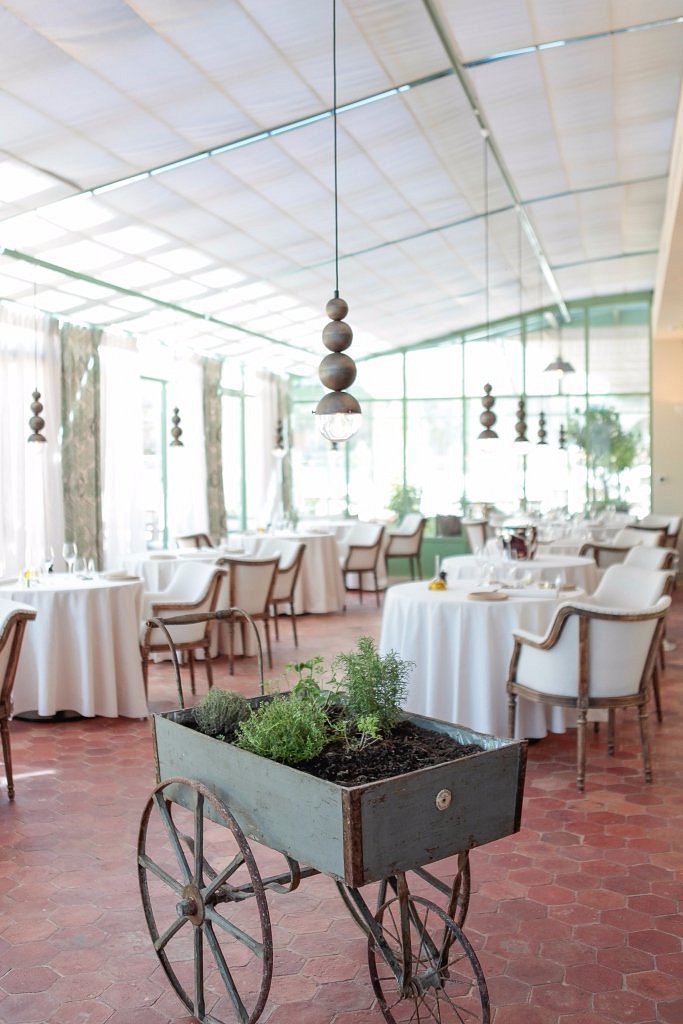
Benjamin Collombat, Chef at Château de Berne in Flayosc, brings Provençal restraint to a bistro shaped by oil, vines and the pass.
At a glance
- Cuisine
- Provençal Bistro
- Price
- $$$
- Per person
- $50
- Hours
- Mon: 9 AM–10 PM; Tue: 9 AM–10 PM; Wed: Closed; Thu: Closed; Fri: 9 AM–3 PM; Sat: 9 AM–3 PM; Sun: 9 AM–3 PM
- Neighborhood
- Flayosc
- Rating
- 4.3 (899)
Olive oil held as seasoning
Olive oil lands last, not as gloss but as seasoning. Benjamin Collombat, Chef at Château de Berne in Flayosc, keeps that restraint at the bench, using the ingredient so it can carry its own flavor rather than cover the plate. His technical base was set at École hôtelière de Nice, then sharpened in service at Côté Rue in Draguignan from 2011, where he worked as chef before taking on executive chef and director of restauration responsibilities for Château de Berne in Lorgues. The line is consistent: hold the station, lead the kitchen, keep the plate exact.
At the bistrot, that discipline sits inside a less formal register than the domaine’s gastronomic table. The work is Provençal and traditional, with generosity kept under control. Foie gras, ravioles, Parmentier, caille and lotte belong to the vocabulary here, alongside olive oil, local produce and the sea fish that enter the room through familiar French forms rather than spectacle. Collombat’s stated habit with oil, served at room temperature and used mainly as seasoning, gives the place a useful key. The ingredient is not asked to perform beyond itself. The hands around it make room.
A bistrot inside a working domaine
The program draws from a large estate without turning the meal into a tour of it. Château de Berne spans 500 hectares of nature, vineyards and olive groves between Lorgues and Flayosc, with 150 hectares of bio-certified vines producing Côtes de Provence in red, white and rosé. The bistrot sits close to the cave de dégustation, so the wine program naturally begins with the domaine’s own bottles before it becomes a question of pairing or cellar depth.
The cooking follows the same ground. Provençal bistro food here means cuisine du terroir, seasonal and direct, with sun-ripened vegetables, olive oil, seafood such as dorade and loup, crustaceans and meat handled through recipes that read as family table as much as restaurant craft. The Bib Gourmand recognition belongs to this bistro address, not as decoration but as a useful measure of its intent: good cooking, moderate formality, no unnecessary distance between the pass and the guest. The house does not name a separate bistrot brigade publicly, so Collombat’s link to the domaine matters through the larger discipline he carried here.
The room beside the vines
The room keeps close to the estate’s rhythm. There is the counterpoint of cave and table, the movement from tasting to lunch, the terrace opening toward gardens and vineyard views, the air of a countryside house that has not separated appetite from landscape. It is convivial rather than loose, rustic without being careless, elegant because the setting has already done much of the work.
Service moves in the register of an upscale casual restaurant: enough structure to protect the meal, enough warmth to let Provençal dishes arrive without ceremony. The room suits couples, families and friends because the food is built for sharing pleasure without forcing attention away from the plate. In a place with several dining identities, the bistrot holds the middle ground, between cellar, garden and pass.
What remains on the plate
The useful close is not a promise of the next opening or a named apprentice; the house has not put that forward. End instead with the method that can be followed at the table: oil used at room temperature, wine drawn from the domaine, and Provençal recipes kept legible enough for caille, lotte and Château de Berne rosé to remain themselves.
Know before you go
- Dress code
- smart_casual
- Reservations
- recommended
- Parking
- on_site_lot
- Payment
- credit_card
- Outdoor seating
- Yes
- Groups
- Welcomed
Frequently asked
Who runs the kitchen at Château de Berne?
The chef associated with Château de Berne is Benjamin Collombat.
What do regulars order at Château de Berne?
The kitchen under Chef Benjamin Collombat operates on a garden-to-table model, meaning the menu is shaped by what the 1,300-acre estate produces across seasons rather than by fixed signatures. Regulars tend to follow the tasting menu at the Michelin-starred table, where the estate's own-grown produce drives the composition. The Green Star awarded in 2025 signals that sustainability and ingredient provenance are structural commitments, not garnish — so dishes built around the estate's gardens and surrounding Var terrain are the consistent throughline, even as specific preparations change.
What part of town is Château de Berne in?
Château de Berne is located at Chem. des Imberts, 83780 Flayosc, France, Flayosc.
Is Château de Berne Michelin-listed?
Château de Berne has received recognition including: HIGHLIGHTS: • WINE ESTATE IN PROVENCE • 1 MICHELIN STAR & 1 GREEN STAR 2025 • 1,300-ACRE RESORT • GARDEN-TO-TABLE DIRECTIONS & ACCESS: Website and contact information E-mail: berne@relaischateaux.com Tel.
Address
Chem. des Imberts, 83780 Flayosc, France
Flayosc
How it compares
Château de Berne
- Cuisine
- Provençal Bistro
- Price
- $$$
- Awards
- 1 recognition
- Notes
- Flayosc
Le Bistrot du Château de Berne
- Cuisine
- Provençal French Bistro
- Price
- $$$
- Awards
- Michelin Bib Gourmand
- Notes
- Flayosc
Le Nid
- Cuisine
- Modern French Seasonal Gastronomy
- Price
- $$$
- Awards
- Michelin Bib Gourmand
- Notes
- Flayosc
- Cuisine
- Modern Provençal Fine Dining
- Price
- $$$$
- Awards
- Michelin 1 Star
- Notes
- Flayosc
Le Bardot
- Cuisine
- French-Provençal with Belgian Influences
- Price
- $$$
- Awards
- —
- Notes
- Castellane
RESTAURANT UVA
- Cuisine
- Modern French Mediterranean Bistro
- Price
- $$$
- Awards
- 1 recognition
- Notes
- ['Gare']
In residence
Similar places
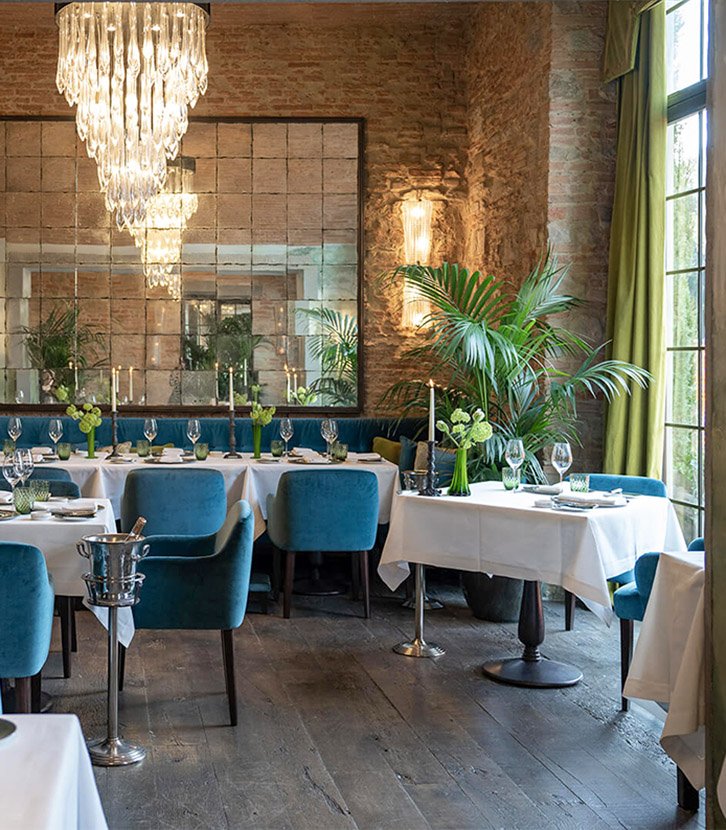
Modern Provençal Fine Dining
Le Jardin de Berne
Flayosc, France
★
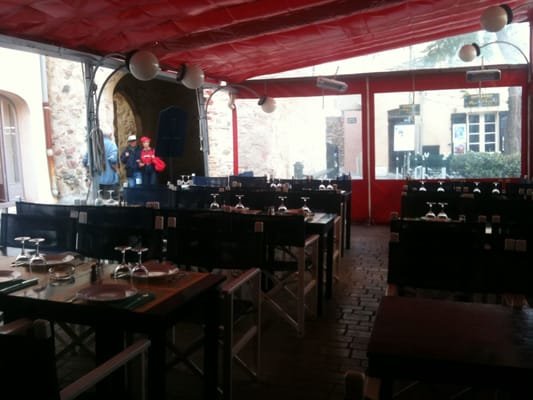
Provençal French Bistro
Le Bistrot du Château de Berne
Flayosc, France
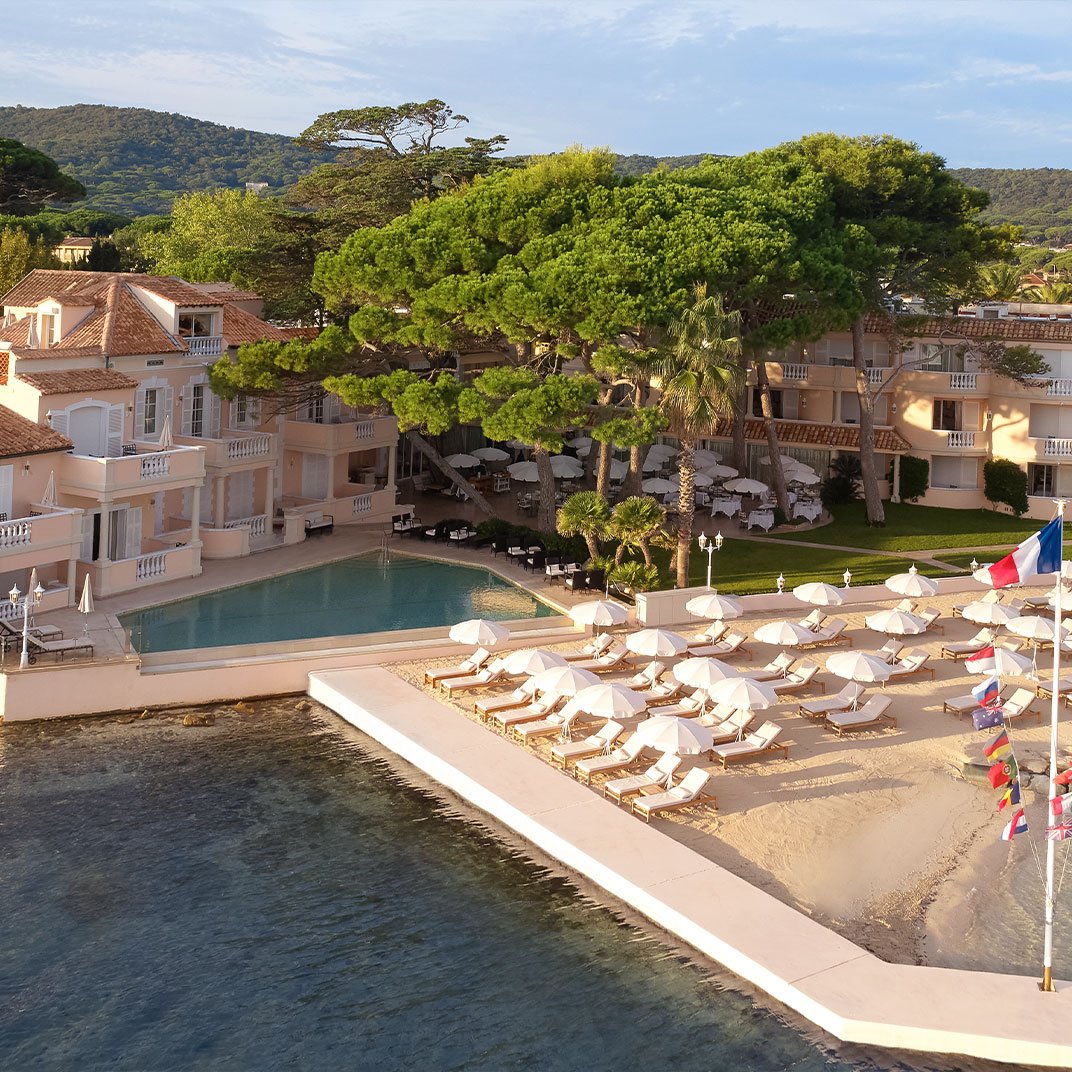
Modern French Seasonal Gastronomy
Le Nid
Flayosc, France
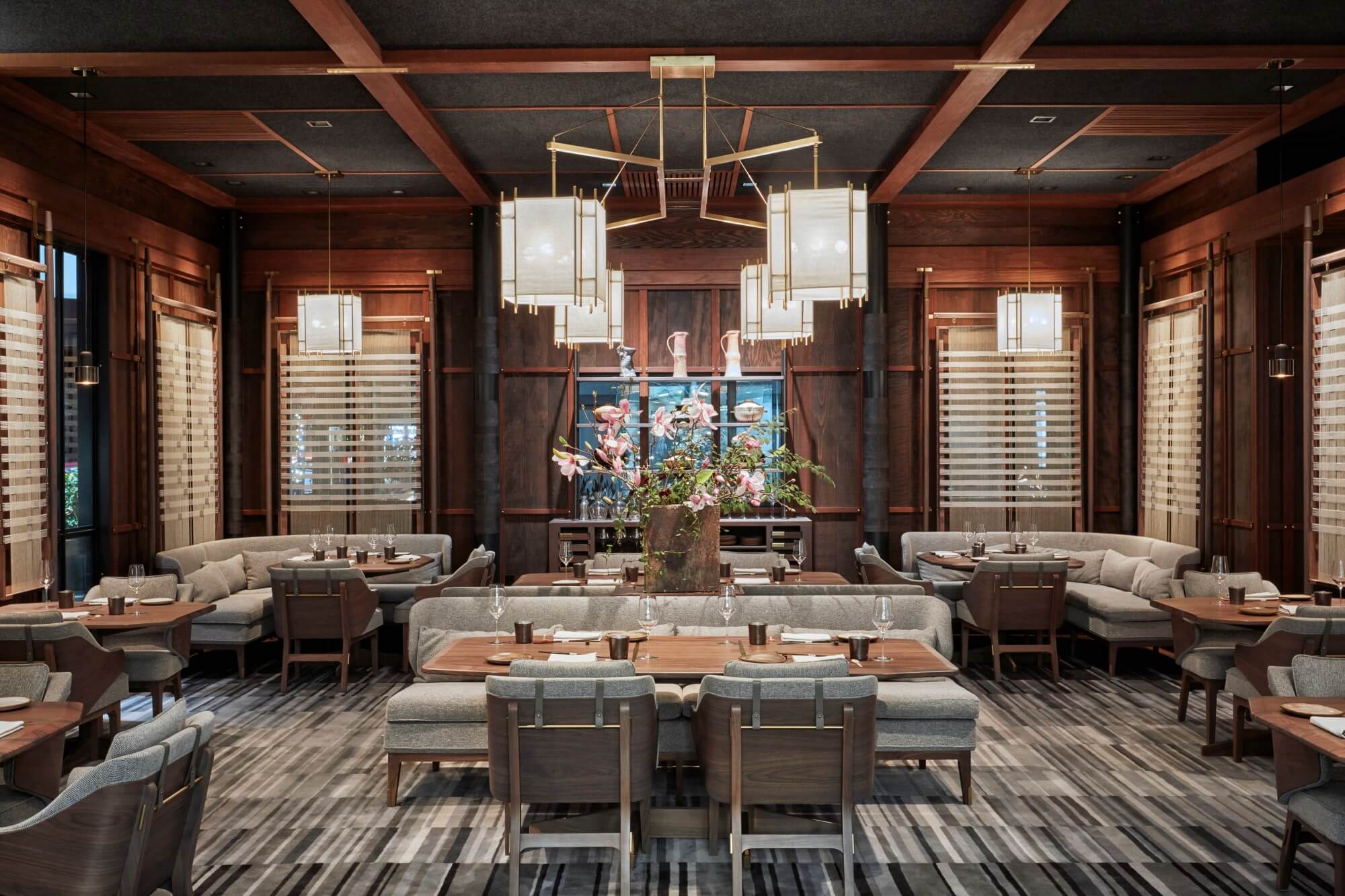
Japanese-influenced Californian Kaiseki
Single Thread Farm
Healdsburg, United States
★★★ · 50 Best
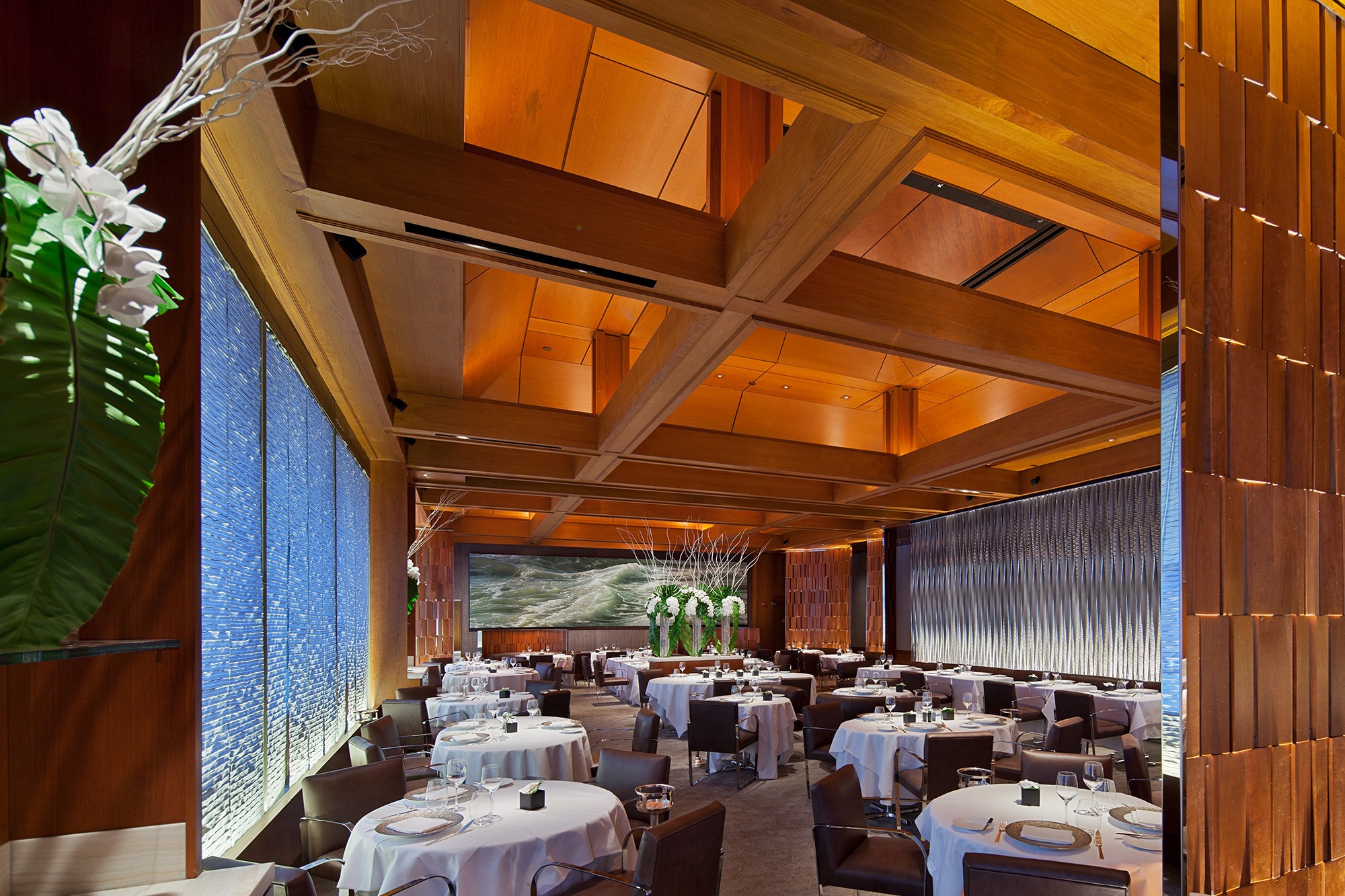
French Seafood Fine Dining
Le Bernardin
New York City, United States
★★★ · 50 Best
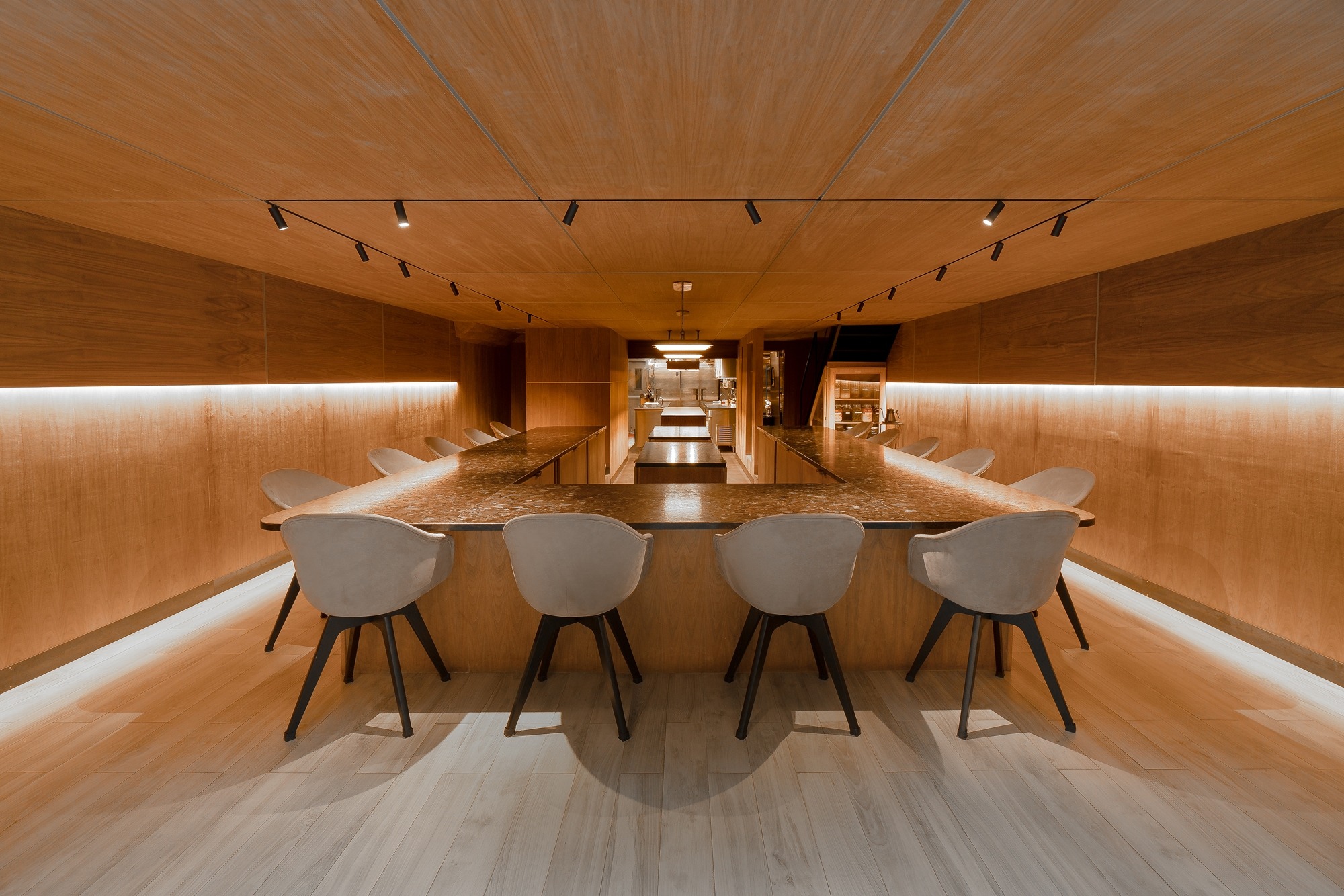
Modern Korean Tasting Menu
Atomix
New York City, United States
★★ · 50 Best