Clara

In Residence
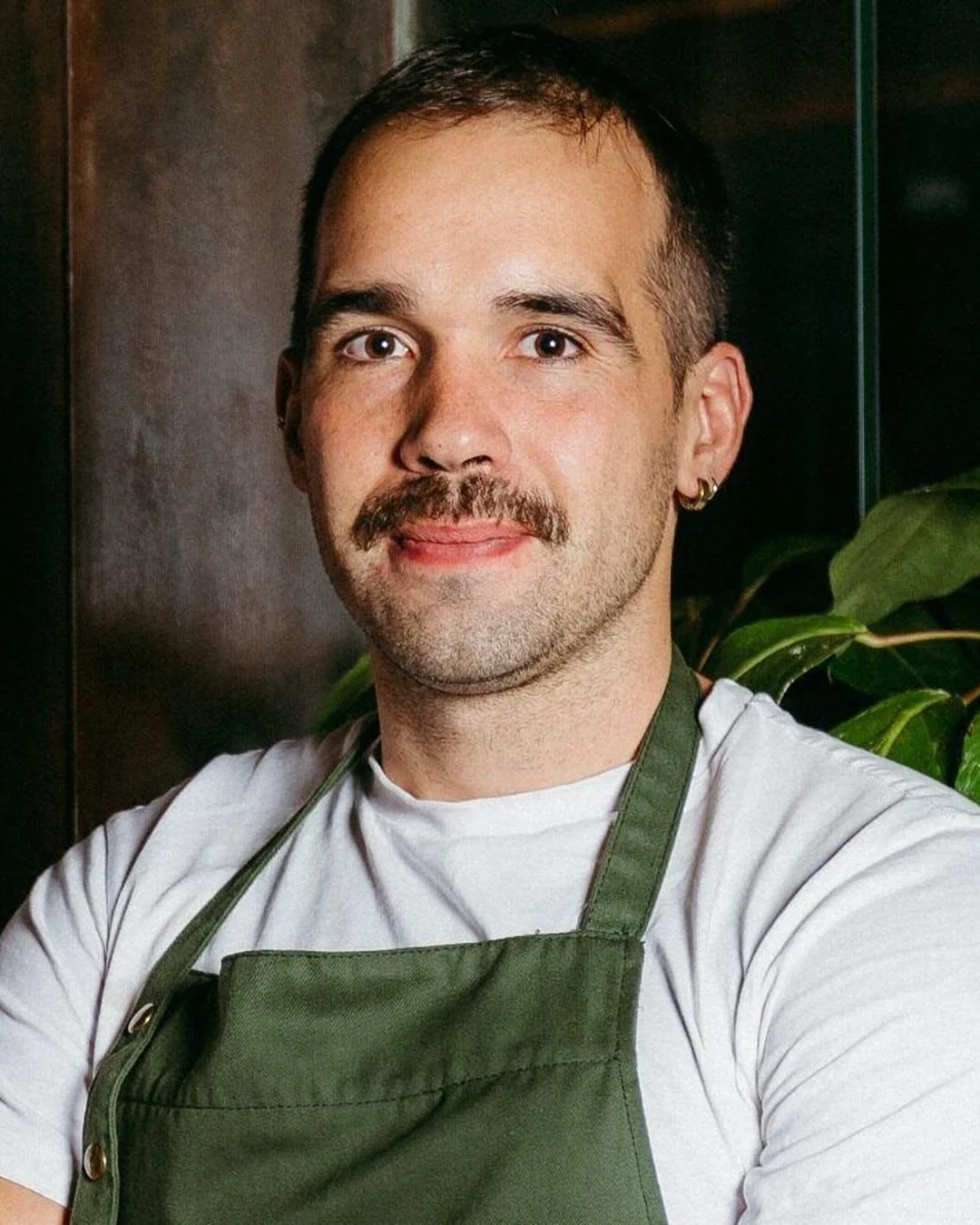
Ana Lobato
Chef
- 01CuisineModern Ecuadorian Bistro
- 02CityQuito, Ecuador
- 03RecognitionWorld's 50 Best — No. 60
- World's 50 Best · #60 · World's 50 Best Restaurants
- World's 50 Best Latin America's Best Restaurants #60 · 2025
- The Best Chef One Knife · 2025
La Floresta and the Restaurants Rewriting Ecuadorian Cooking
Quito's dining conversation has shifted decisively toward La Floresta over the past several years. The neighbourhood, historically a bohemian quarter east of the Mariscal district, has accumulated a density of independently minded restaurants that now draw serious attention from across Latin America. It is the kind of area where a new address can earn regional recognition within its first year of operation, not because of marketing budgets, but because the cooking is doing something that rewards attention.
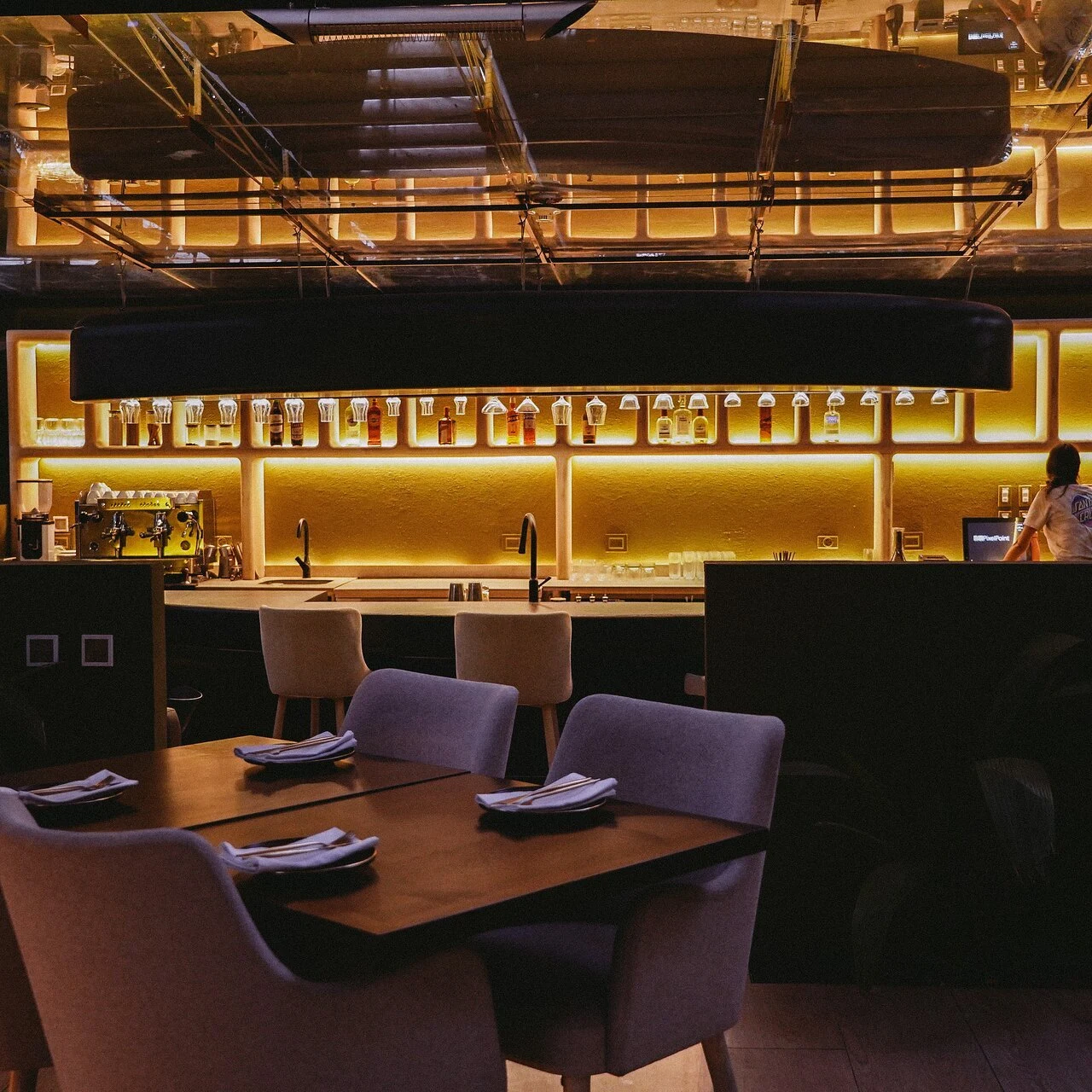
Clara is one of the addresses that explains why La Floresta now carries weight beyond Ecuador's borders. A restaurant and bar that describes its own proposal as simple and eclectic, it sits within a broader wave of Quito kitchens taking Ecuadorian ingredients seriously enough to let them set the terms of a menu rather than adapting them to imported frameworks. Where some of the city's higher-profile rooms, Nuema (South American) and URKO (Ecuadorian) among them, work at a more formally structured register, Clara operates with a different kind of discipline: the clarity of a kitchen that has edited hard and kept only what works.
The Sunday letter
Find new places through the people who run them.
Our Sunday email brings you the chefs, winemakers and hoteliers behind our newest stories. See a sample before you subscribe.
See a sample of the Sunday emailOne email a week. Unsubscribe from any issue.
Why Ecuador's Ingredient Base Makes This Conversation Possible
The argument for ingredient-led cooking in Ecuador rests on geography more than ideology. The country compresses coast, highland plateau, Amazon basin, and island ecosystem into a territory smaller than many single American states. That compression produces ingredient diversity that most cuisines can only approximate through imports: coastal seafood arriving the same day it is caught, highland tubers and grains cultivated at altitudes that alter their flavour profile, lowland cacao and tropical fruits that rarely survive export in the form that makes them worth eating in the first place.
Ecuadorian restaurants that take sourcing seriously are not making a philosophical gesture, they are responding to an ingredient reality that would be difficult to replicate anywhere else. The kitchen's decision about where food comes from is, in this context, also a decision about what the food tastes like. A highland potato used the day after harvest behaves differently in the pot than one that has spent days in transit. That distinction is what gives locally rooted restaurants their most defensible advantage over internationally trained or internationally supplied competitors.
Clara's positioning within this context, the language of clarity and eclectic execution rather than tasting-menu formalism, suggests a kitchen interested in letting ingredient quality speak at close range rather than processing it through elaborate technique. This is a different bet from the one made by Quito's fine dining tier, and one that the 2024 Latin America's 50 Best One To Watch recognition validated.
The One To Watch Signal and What It Implies
The Latin America's 50 Best One To Watch Award is not a placement on the ranked list, it is a directional signal from voters already tracking a regional scene closely. Winning it in 2024 puts Clara in a cohort that has historically included restaurants which subsequently entered the main ranking. The award functions as recognition that the kitchen is doing something worth following before it becomes obvious to a wider audience.
The One To Watch category sits at the opposite end of that spectrum: early, momentum-driven, and often the more interesting place to be paying attention.
The competitive set is small enough that a single kitchen earning this kind of award meaningfully shifts the neighbourhood's profile. La Floresta is now a destination in a way it was not five years ago, and Clara is part of the reason why.
Three Chefs, One Kitchen, One Proposal
The kitchen at Clara is shaped by three chefs, Ana Lobato, Ángel De Sousa, and Felipe Salas, a structure that positions it differently from the single-name-above-the-door model that dominates most fine dining conversations. A shared kitchen leadership distributes creative authority and tends to produce menus that have been stress-tested against multiple palates before reaching the table. Whether that collaborative dynamic produces visible tension or seamless coherence in the food is something that only repeated visits can answer, but the award recognition suggests the output is landing with clarity.
Shared chef structures are increasingly common among the newer generation of Latin American restaurants that have chosen neighbourhood scale over flagship ambition. The model trades individual celebrity for collective discipline, which suits a kitchen working with a simple, eclectic brief, one where the editing process matters as much as the initial creative idea.
The Bar Programme and the Restaurant-Bar Format
Clara operates as both restaurant and bar, a format that in Quito's current scene carries specific meaning. The city's drinking culture has followed a similar trajectory to its cooking: sourcing-conscious, technically minded, and increasingly interested in local spirits, native botanicals, and fermented bases that the surrounding geography produces in abundance. A restaurant that runs a serious bar alongside its food programme is making a statement about the full evening rather than treating drinks as a revenue category attached to the main event.
This dual identity also affects who visits and when. A standalone bar component means Clara draws guests who are not coming primarily for a meal, a different kind of presence in a neighbourhood.
Placing Clara in Ecuador's Wider Restaurant Map
Ecuador's restaurant geography extends well beyond Quito. Casa Julián in Guayaquil represents the coast's distinct culinary identity, while the Galápagos has developed its own food scene through addresses like Ecoventura - Galapagos in San Cristóbal and Evolution Restaurant in Galapagos Islands. These are functionally different dining contexts, the Galápagos addresses work within the constraints and extraordinary ingredient access of a protected marine environment, but they belong to the same national conversation about what Ecuadorian cooking can do when it works from the country's own materials outward.
Clara's La Floresta address places it at the highland end of that conversation, where altitude-farmed ingredients and a more established restaurant infrastructure create conditions for the kind of steady, iterative kitchen development that One To Watch recognition tends to reward. For travellers spending time in Quito and wanting to map Ecuador's dining direction, it is a reference point in the city's restaurant scene.
Planning Your Visit
Clara is located in La Floresta, Quito's east-side neighbourhood and the area currently drawing the most attention from the city's food-focused visitors. Booking ahead is advisable for weekend evenings. The restaurant-bar format means the room functions across different times of evening.
Questions
Frequently asked
What recognition does Clara hold?
Clara holds a place on the World's 50 Best list at number 60.
Who works at Clara?
Made By profiles Ana Lobato (Chef), Ángel De Sousa (Chef) and Felipe Salas (Chef) at Clara.
How expensive is Clara?
Clara is listed at a price level of $$$.
Where is Clara and what does it serve?
Clara is in La Floresta, Quito, serving Modern Ecuadorian Bistro.
The field
How it compares
| Place | Awards | Cuisine | Notes |
|---|---|---|---|
| Clara | World's 50 Best #60 | Modern Ecuadorian Bistro | La Floresta, $$$ |
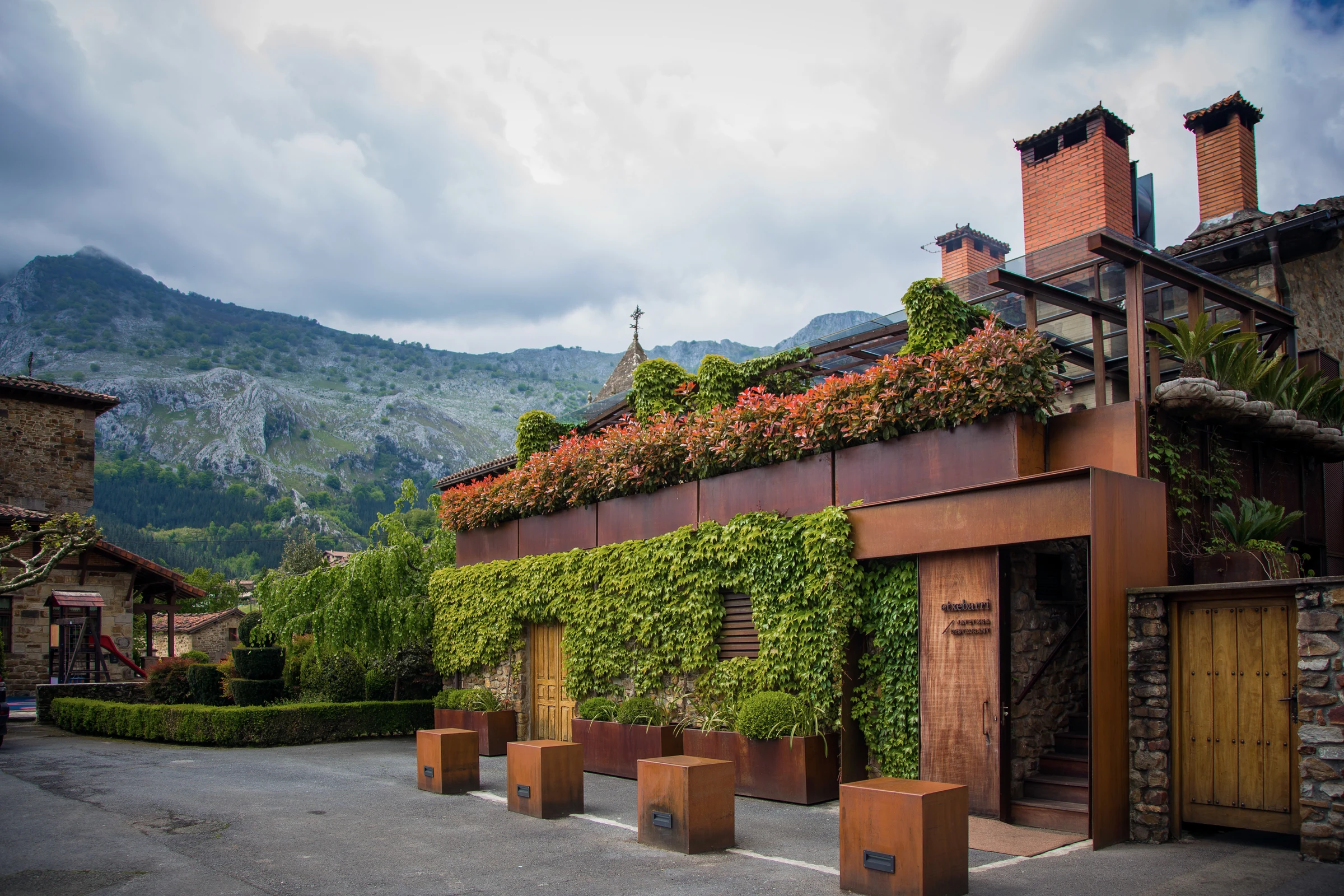
| Asador Etxebarri | Michelin 1 Star, World's 50 Best | Basque Wood-Fired Grill | Atxondo |
| Nuema | World's 50 Best | Avant-Garde Ecuadorian Tasting Menu | Quito |
| Saison | Michelin 2 Stars, World's 50 Best | Modern Fire-Forward Fine Dining | San Francisco |
| Trèsind Studio | Michelin 3 Stars, World's 50 Best | Modern Indian Fine Dining | Dubai |
| Tributo | World's 50 Best | Modern Ecuadorian Steakhouse | Quito |
| Zazu | · | Modern Peruvian-Ecuadorian Fine Dining | Quito |
In residence

Similar places
Basque Wood-Fired Grill
Asador Etxebarri
Atxondo, Spain
★ · 50 Best
Avant-Garde Ecuadorian Tasting Menu
Nuema
Quito, Ecuador
50 Best
Modern Fire-Forward Fine Dining
Saison
San Francisco, United States
★★ · 50 Best
Modern Indian Fine Dining
Trèsind Studio
Dubai, United Arab Emirates
★★★ · 50 Best
Modern Ecuadorian Steakhouse
Tributo
Quito, Ecuador
50 Best
Modern Peruvian-Ecuadorian Fine Dining
Zazu
Quito, Ecuador
The Sunday letter
Get the next Made By story in your inbox.
We send one email every Sunday morning with the places and people we covered that week.
See a sample of the Sunday emailOne email a week. Unsubscribe from any issue.