Clos d'Opleeuw
- 01CityGors, Belgium

One hectare behind 1840 walls.
- Falstaff Winery - Listed · 2026
One year in French and Belgian oak
One year in oak sets the pace. Peter Colemont, winemaker at Clos d'Opleeuw in Gors, works Chardonnay from a walled Haspengouw vineyard into a style built on texture, fruit, and restraint. His cellar language is precise: French oak and Belgian oak, butter and vanilla, toast and white and yellow fruit, with enough freshness and acidity to keep the frame upright. Colemont also teaches oenology, general wine knowledge, French wine tasting, and gastronomy at the Centrum voor Volwassenenonderwijs Hogere Leergangen in Hasselt, and that pedagogical discipline shows in the wine. The estate's account of him is not romantic. It is practical. He vinifies the wine here, and the house style depends on his attention to Chardonnay as a single, demanding canvas.
The clos is the method
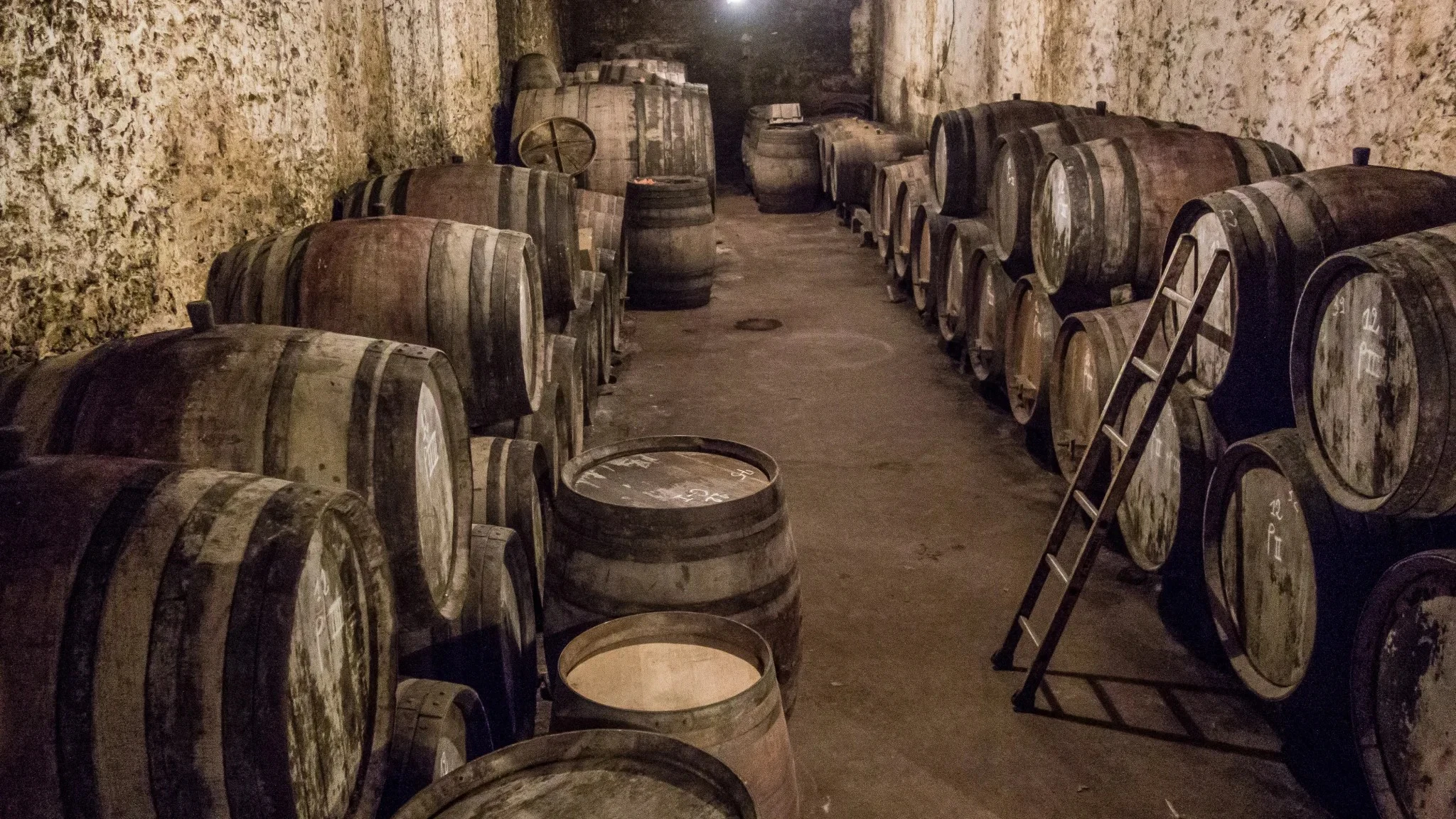
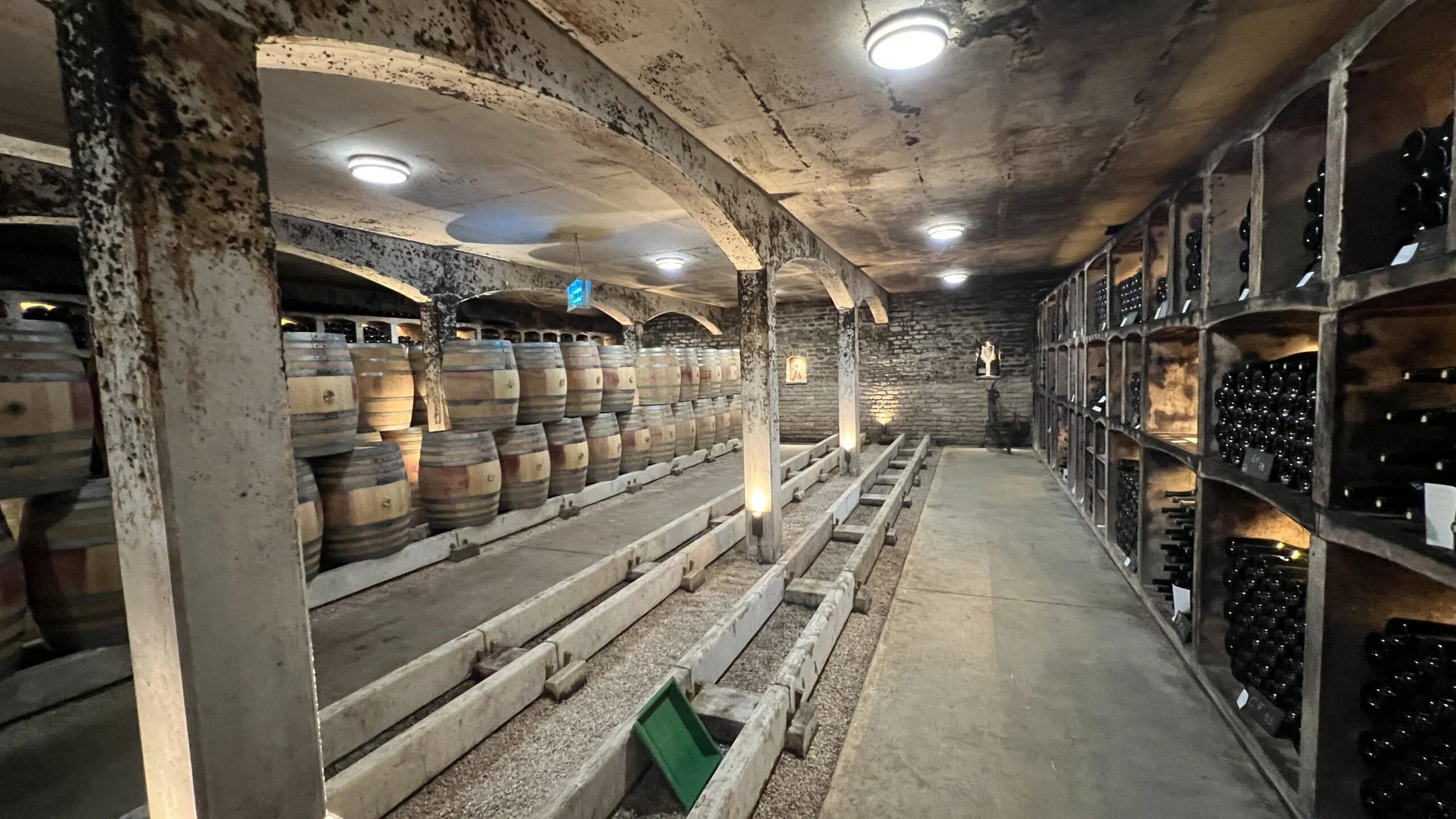
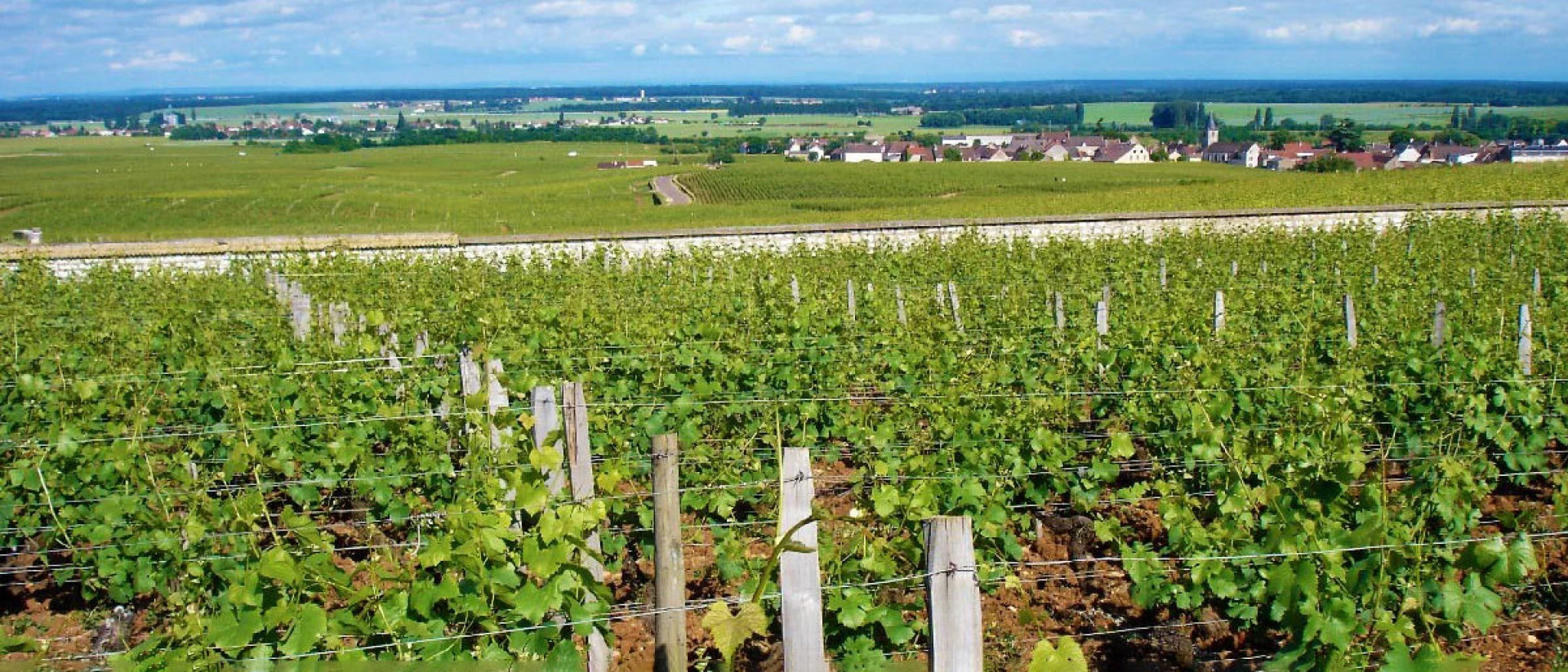
The vineyard is small enough for the word clos to matter. Clos d'Opleeuw works from 1 hectare, completely enclosed, on a southern slope in Gors-Opleeuw. The walls date to around 1840, and they do more than give the estate its name; they create the protected microclimate that makes Chardonnay possible here with unusual seriousness for Belgium. Haspengouw is the appellation, Chardonnay the center of the program, with Pinot noir also named by the estate. The production scale stays small, and the cellar's most legible decision is the barrel program. After vinification, the Chardonnay spends one year in oak barrels, drawing from both French and Belgian oak. Belgian oak is the less common gesture, and here it gives contour to a wine already marked by fullness, concentration, and a velvety register. The oak is present young, but the stated aim is balance: freshness, fruitiness, acidity, and a finish built for shellfish or fish with a firmer sauce.
A southern slope behind walls
The room here begins outside, with stone, slope, and enclosure. Clos d'Opleeuw sits in the village of Gors-Opleeuw, a quiet Haspengouw setting where the vineyard's boundaries are part of the work rather than a view to be admired after it. The southern exposure gathers the sun; the walls hold a microclimate; the scale keeps the estate intimate. Tastings happen privately by appointment, but the more important hospitality is Colemont's habit of explanation, formed as much in the classroom in Hasselt as in the cellar. The place reads less like a public wine route stop than a contained workshop for one idea: Belgian Chardonnay with the patience to take oak and still keep its fruit.
Chardonnay with a Belgian accent
The estate's standing rests on a narrow argument, and that narrowness is its strength. Clos d'Opleeuw asks whether a walled Belgian vineyard, handled with discipline, can make Chardonnay that belongs in a conversation usually ceded to Burgundy. The house points to older bottles as part of that case, including Clos d'Opleeuw Chardonnay 2001 and Clos d'Opleeuw Chardonnay 2003. Those names matter because they keep the argument in the bottle, where Colemont's French and Belgian oak program has to prove itself one vintage at a time.
Questions
Frequently asked
Who makes the wine at Clos d'Opleeuw?
Peter Colemont makes the Chardonnay at Clos d'Opleeuw and vinifies it on the estate in Gors-Opleeuw.
What is Clos d'Opleeuw known for?
Clos d'Opleeuw is known for Chardonnay from a walled Haspengouw vineyard, shaped with French and Belgian oak and aimed at balance between freshness, fruit, and acidity.
What is the vineyard like?
The vineyard covers 1 hectare, is completely enclosed, and sits on a southern slope in Gors-Opleeuw. The walls date to around 1840 and help create the protected microclimate the estate relies on.
How is the wine aged?
After vinification, the Chardonnay spends one year in oak barrels, using both French oak and Belgian oak.
How do visits work?
Tastings at Clos d'Opleeuw happen privately by appointment only.
The field
How it compares
| Place | Notes | Awards |
|---|---|---|
| Clos d'Opleeuw | Gors-Opleeuw, $$ | · |
| Château Rayas | Châteauneuf-du-Pape | · |
| Domaine Georges Mugneret-Gibourg | Vosne-Romanée | · |
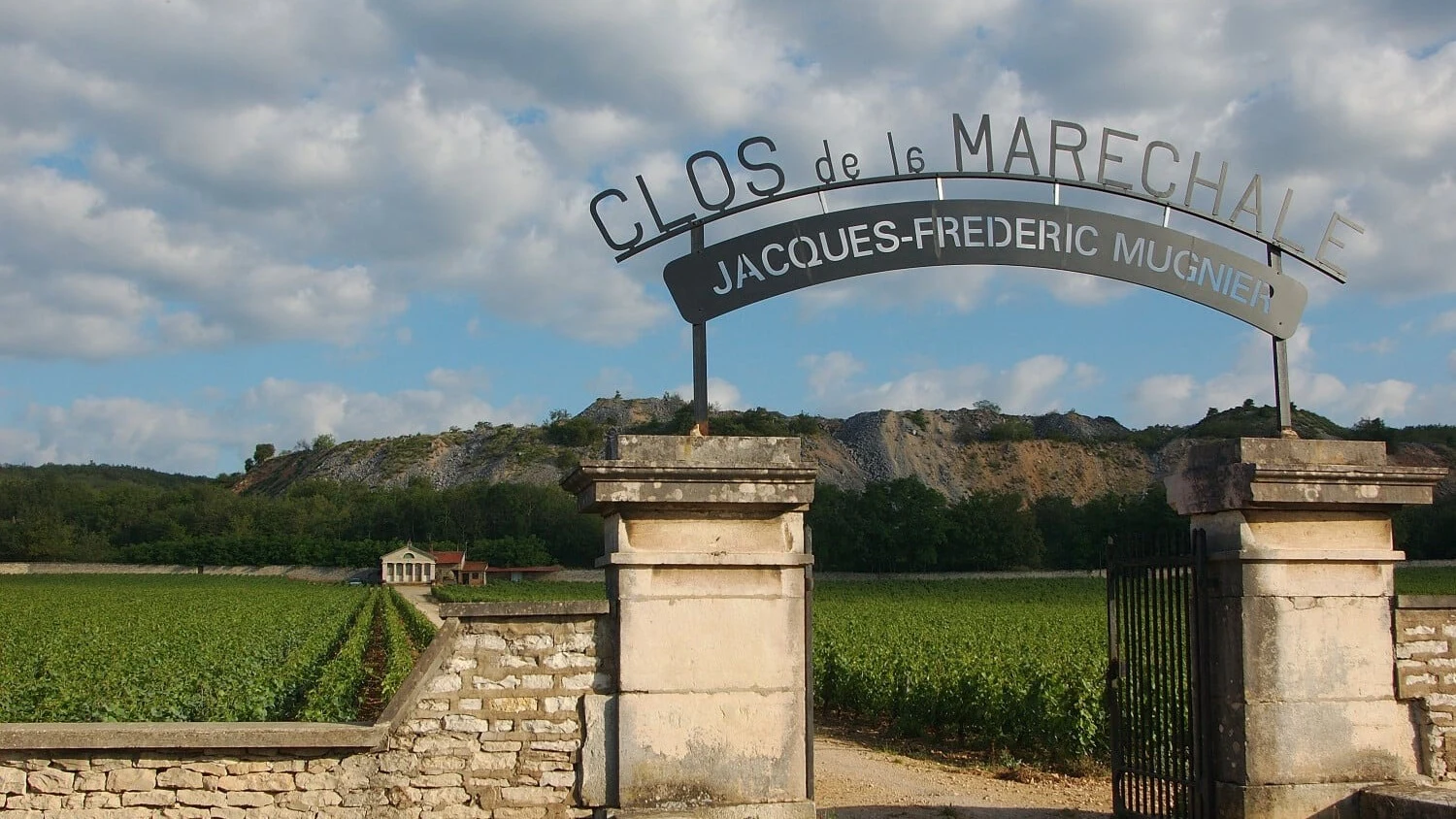
| Domaine Jacques-Frédéric Mugnier | Premeaux-Prissey | · |
| Domaine Méo-Camuzet | Vosne-Romanée | · |
| Klein Constantia | Cape Town | World's 50 Best |
| Ornellaia | Castagneto Carducci | · |