Cochineal
In Residence
Alexandra Gates
Chef
- 01CuisineModern West Texas Fine Dining
- 02CityMarfa, United States
Seasonal cooking from the garden
- James Beard Award Semi Finalist · 2025
Quality checked before the plate
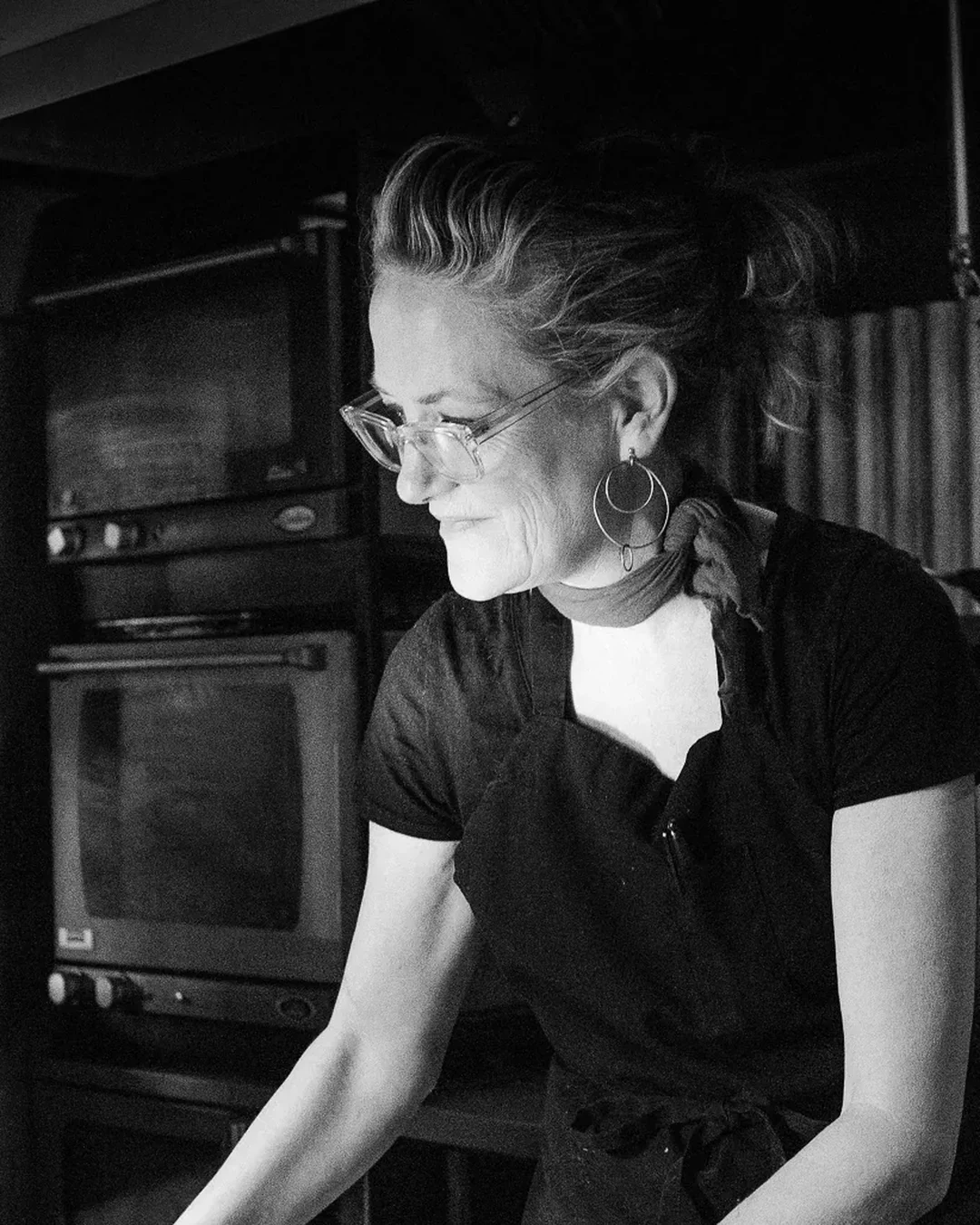
At the pass, Chef Alexandra Gates checks the meat and vegetables for Cochineal in Marfa before the dish has a name in the room. Her standard begins there, on the ingredient side of the work, where she has said she is particular about high quality ingredients and about making sure the meats do not have hormones. That is not a decorative philosophy. It is the practical discipline of a chef owner who treats sourcing as part of the method, not as a story added after service.
Gates came through early line-kitchen work at a Swiss restaurant in New York City and a Dutch restaurant in New York City, kitchens rooted enough to teach repetition, close handling, and restraint. At Cochineal, she has folded that training into a West Texas register: a seasonal kitchen, a weekly changing menu, and a preference for flavor that arrives cleanly rather than loudly. She has also said, “I find that as I get older, the things I like best are things from my childhood.” In her hands, memory is not nostalgia on the plate. It is a working tool, a way to decide what should stay familiar and what needs the pressure of the pass.
The Sunday letter
Find new places through the people who run them.
Our Sunday email brings you the chefs, winemakers and hoteliers behind our newest stories. See a sample before you subscribe.
See a sample of the Sunday emailOne email a week. Unsubscribe from any issue.
A weekly menu held to the ranch
The cooking at Cochineal moves through a tasting menu and à la carte format, with the on-site garden and regional Texas farms and ranches setting the available language. The known signatures speak in that register: Nilgai Tartare, Texas Quail, Wild Boar en Croûte. They are not generic luxury ingredients imported into the desert. They carry the place into the kitchen, then ask for control.
Gates’s method favors selection, restraint, and measured execution. The meat has to meet her standard before it reaches the board. Vegetables come through the same discipline. The plate stays free of noise, which matters in a room where the menu changes weekly and the kitchen cannot lean on repetition alone. A curated wine program sits alongside the food, built to accompany rather than overtake it. Bench-side, a chef owner chooses origin first, then lets technique make that choice legible.
The courtyard after the pass
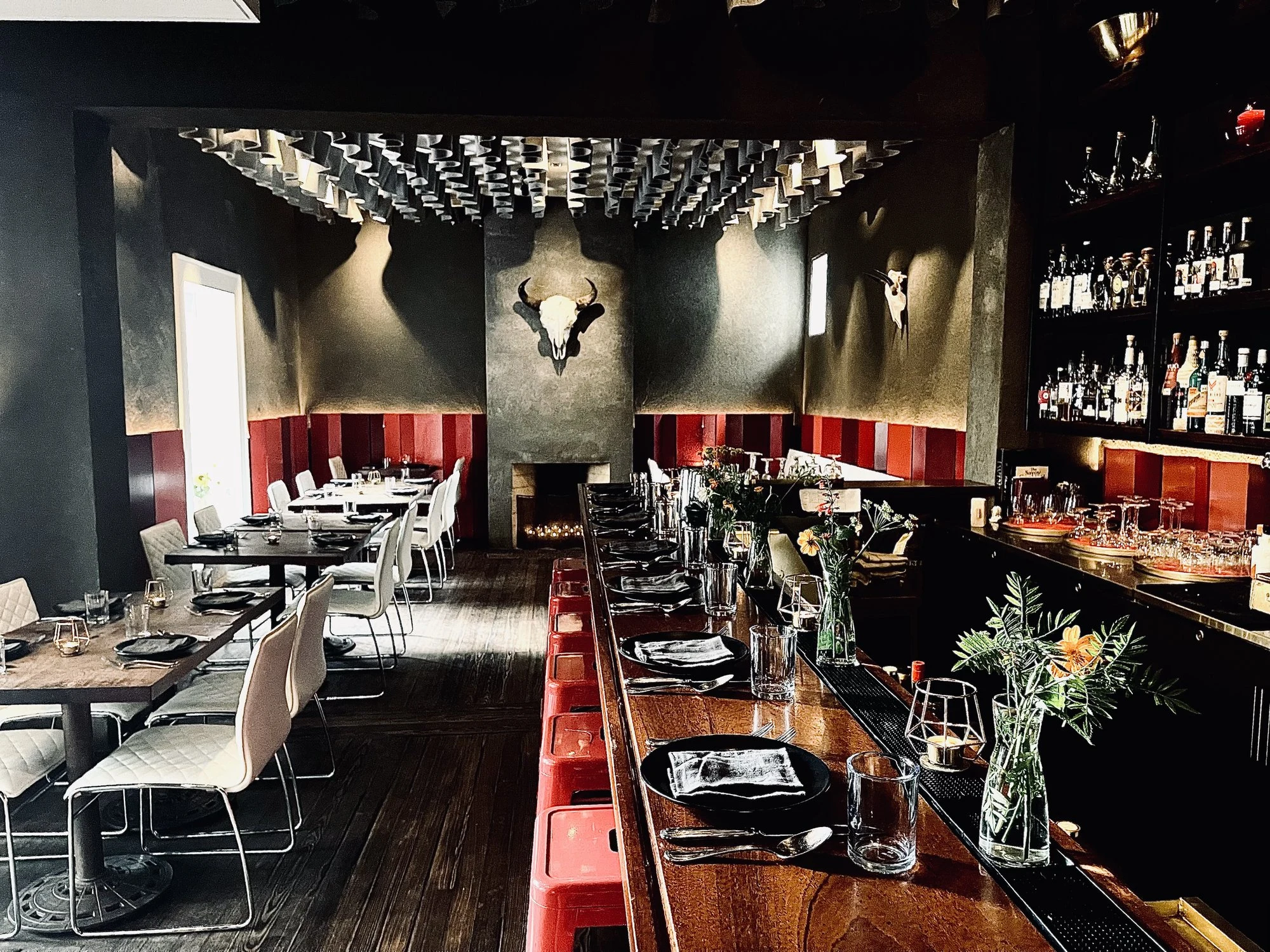
The room at Cochineal is intimate, with a quiet interior dining room and a courtyard where lit trees shape the evening without taking it over. Service reads upscale casual, a useful phrase here because the place asks for attention without stiffness. The contrast matters: inside, the kitchen keeps its measure; outside, the desert air and the al fresco tables soften the edges of the meal.
Marfa gives the restaurant distance, and distance gives the work a different tempo. This is not a kitchen fed by urban abundance. Gates has built a seasonal program in a remote desert setting, so the craft depends on choosing well, holding back, and letting regional farms, ranches, and the garden set the terms. Wild Boar en Croûte makes the room feel specific.
Questions
Frequently asked
Who is behind Cochineal in Marfa?
Cochineal is shaped by chef owner Alexandra Gates, who brings experience from early line-kitchen work in New York City and a focus on seasonal sourcing, restrained cooking, and high-quality ingredients.
What kind of cooking does Cochineal serve?
The restaurant serves Modern West Texas fine dining through a tasting menu and à la carte format, with a weekly changing menu guided by an on-site garden and regional Texas farms and ranches.
What are some of Cochineal’s signature dishes?
The known signatures are Nilgai Tartare, Texas Quail, and Wild Boar en Croûte.
What should a visitor know before booking?
Reservations are recommended, the dress code is smart casual, and the restaurant is open Thursday and Friday from 5 to 10 PM and Saturday from 5 to 11 PM.
The field
How it compares
| Place | Cuisine | Notes | Awards |
|---|---|---|---|
| Cochineal | Modern West Texas Fine Dining | Marfa, $$$$ | · |
| Amber | Contemporary French Fine Dining | Hong Kong | Michelin 3 Stars, World's 50 Best |
| Hiša Franko | Modern Slovenian Fine Dining | Kobarid | Michelin 3 Stars, World's 50 Best |
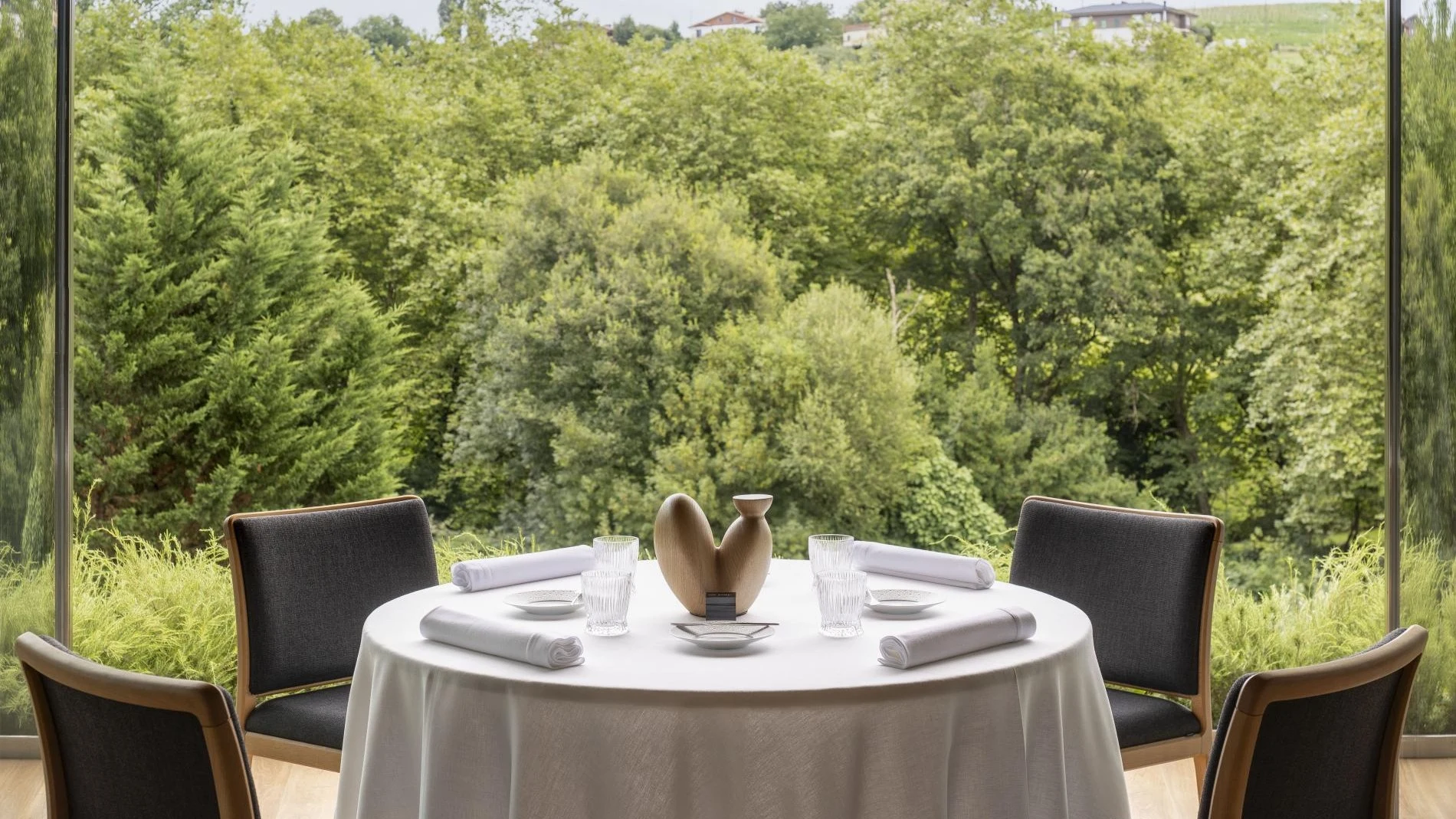
| Martin Berasategui | Modern Basque Fine Dining | Lasarte - Oria | Michelin 3 Stars, World's 50 Best |
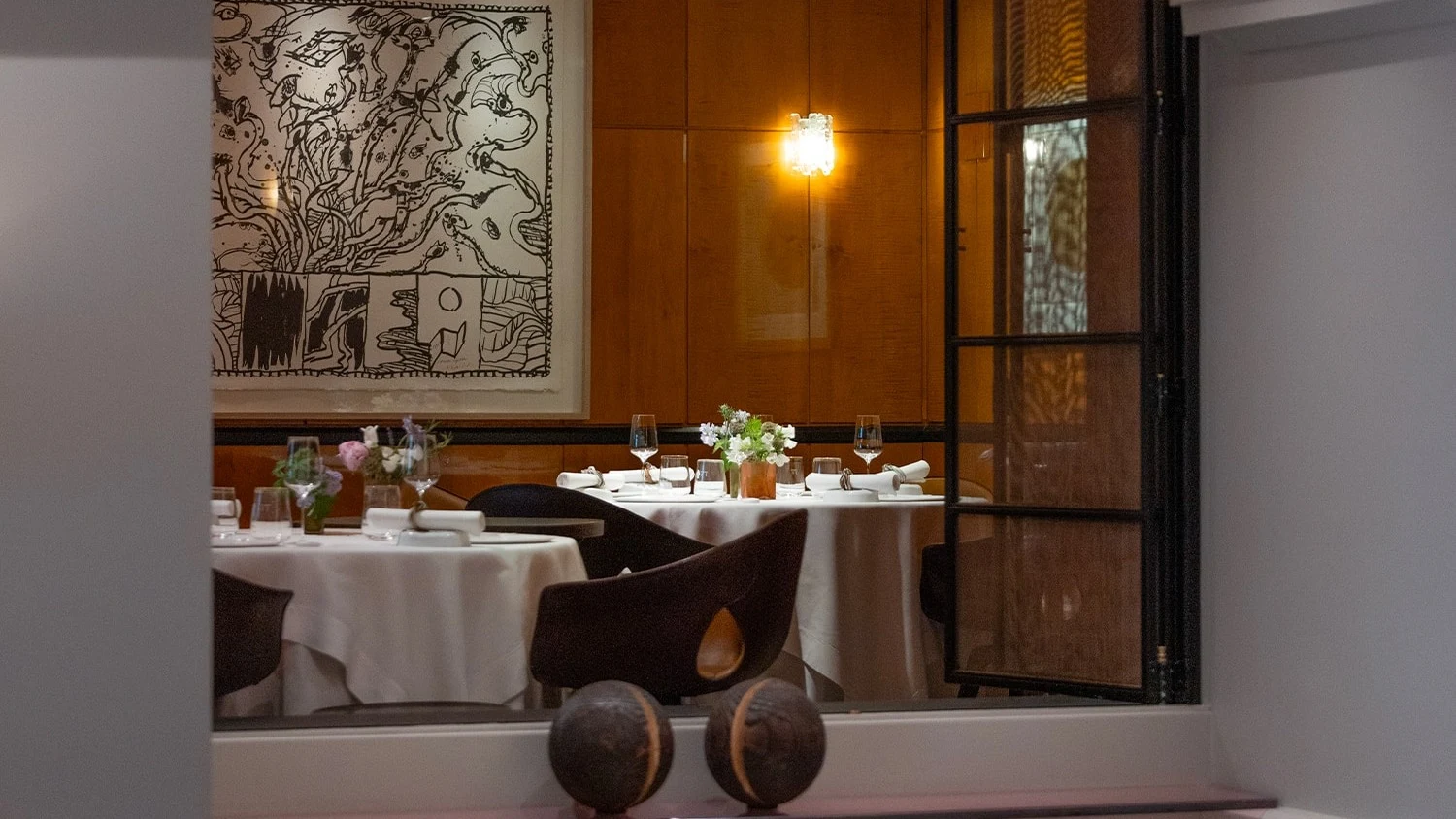
| Pierre Gagnaire | Avant-Garde French Fine Dining | Paris | Michelin 3 Stars, World's 50 Best |
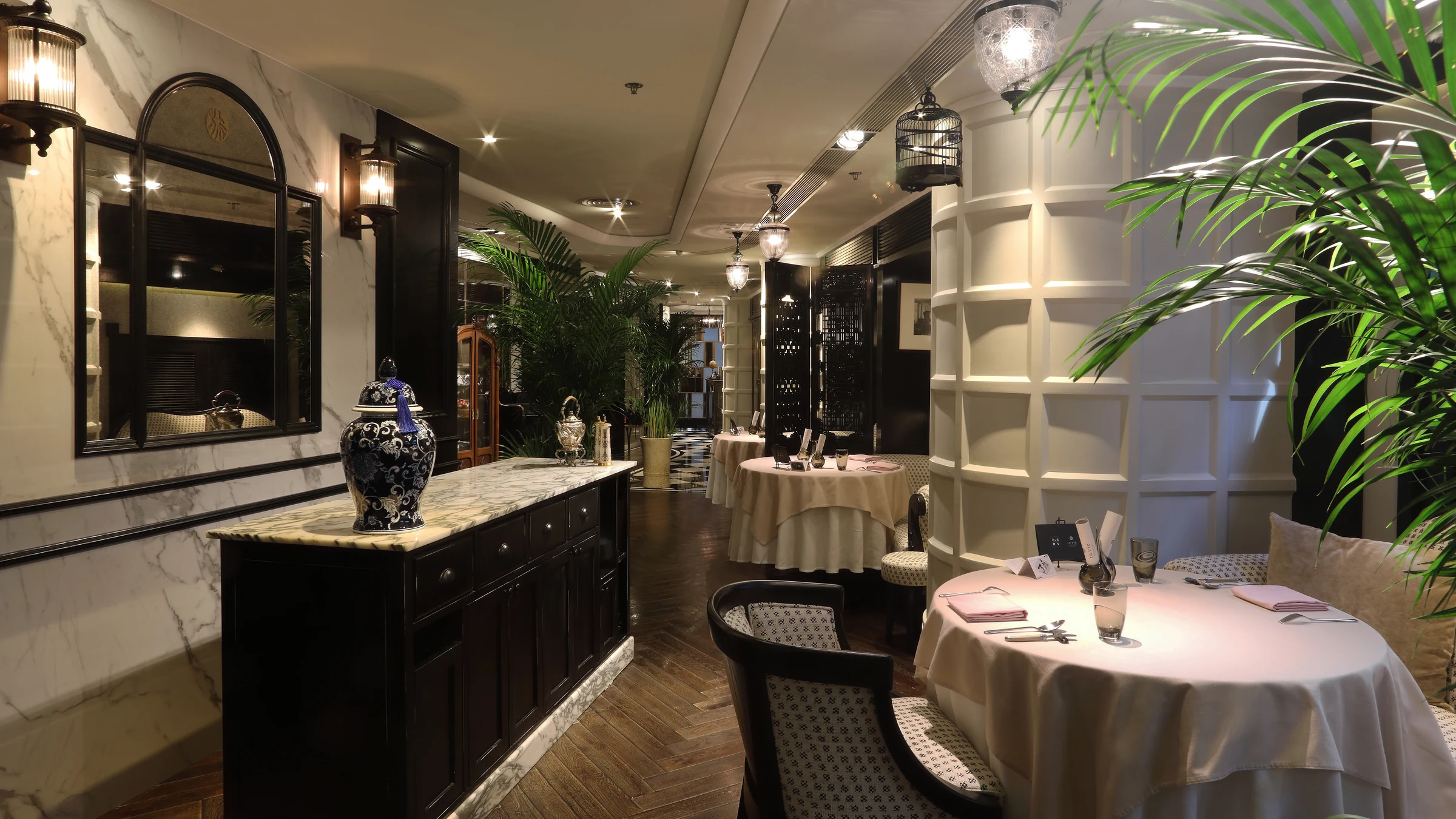
| Ta Vie | Modern French-Japanese Fine Dining | Hong Kong | Michelin 3 Stars, World's 50 Best |
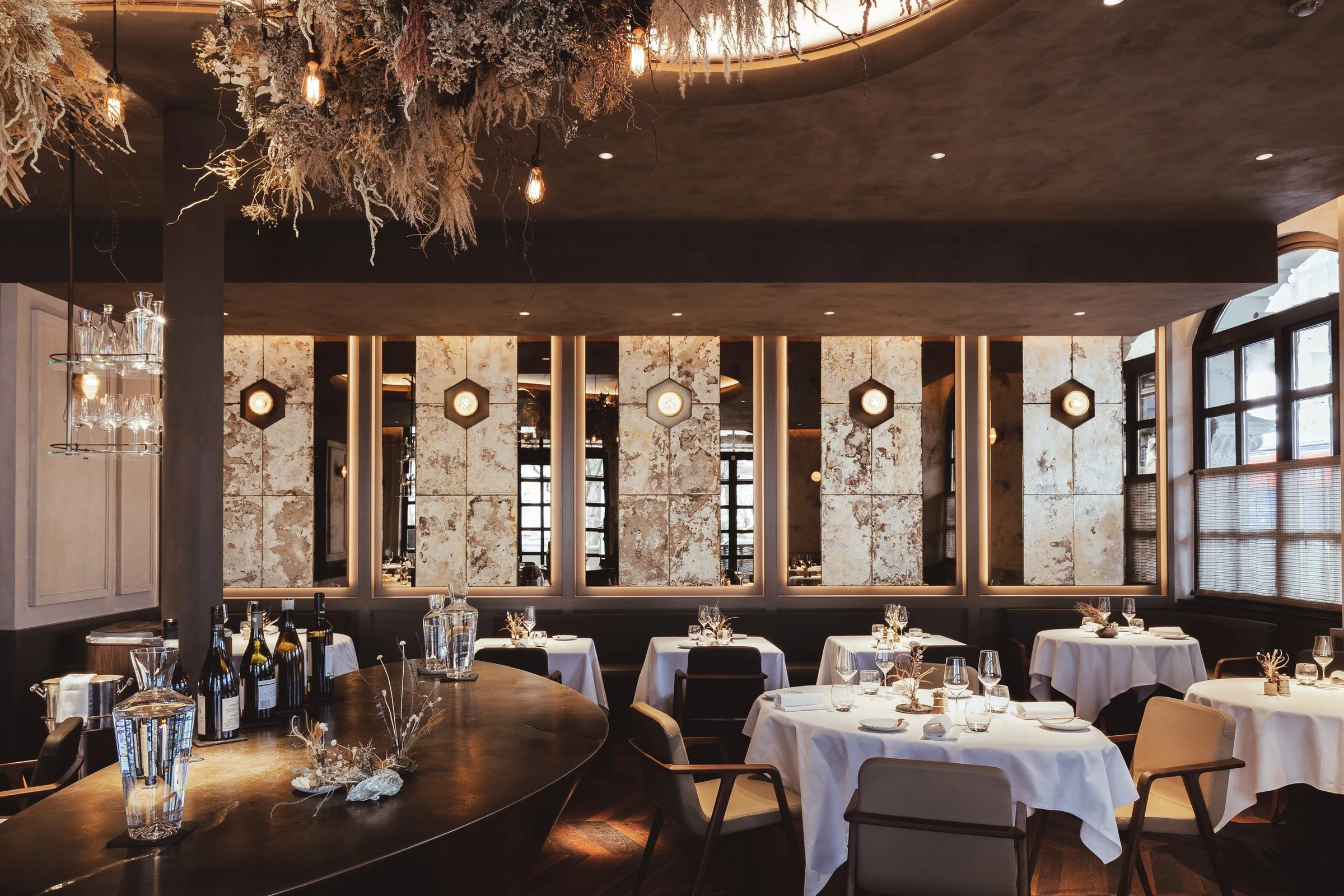
| The Ledbury | Modern British Fine Dining | London | Michelin 3 Stars, World's 50 Best |
In residence
Similar places
Contemporary French Fine Dining
Amber
Hong Kong, Hong Kong
★★★ · 50 Best
Modern Slovenian Fine Dining
Hiša Franko
Kobarid, Slovenia
★★★ · 50 Best
Modern Basque Fine Dining
Martin Berasategui
Lasarte - Oria, Spain
★★★ · 50 Best
Avant-Garde French Fine Dining
Pierre Gagnaire
Paris, France
★★★ · 50 Best
Modern French-Japanese Fine Dining
Ta Vie
Hong Kong, Hong Kong
★★★ · 50 Best
Modern British Fine Dining
The Ledbury
London, United Kingdom
★★★ · 50 Best
The Sunday letter
Get the next Made By story in your inbox.
We send one email every Sunday morning with the places and people we covered that week.
See a sample of the Sunday emailOne email a week. Unsubscribe from any issue.