Conservatorium
In Residence
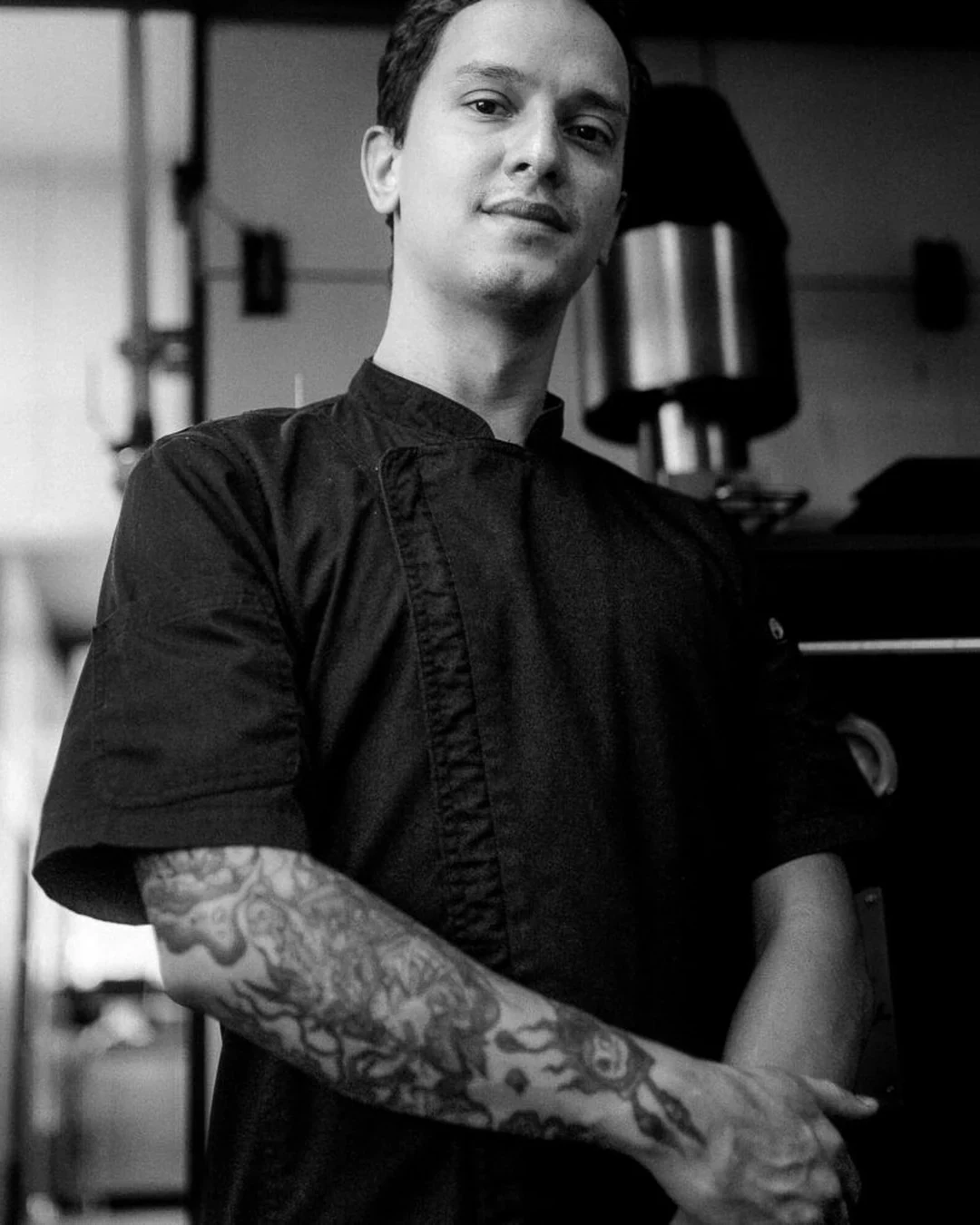
Aldo Elizondo
Chef
- 01CuisineModernist Costa Rican Haute Cuisine
- 02CityCiudad Colón, Costa Rica
- World's 50 Best Latin America's Best Restaurants #53 · 2025
- The Best Chef One Knife · 2025
Where Ciudad Colón Fits in Costa Rica's Dining Picture
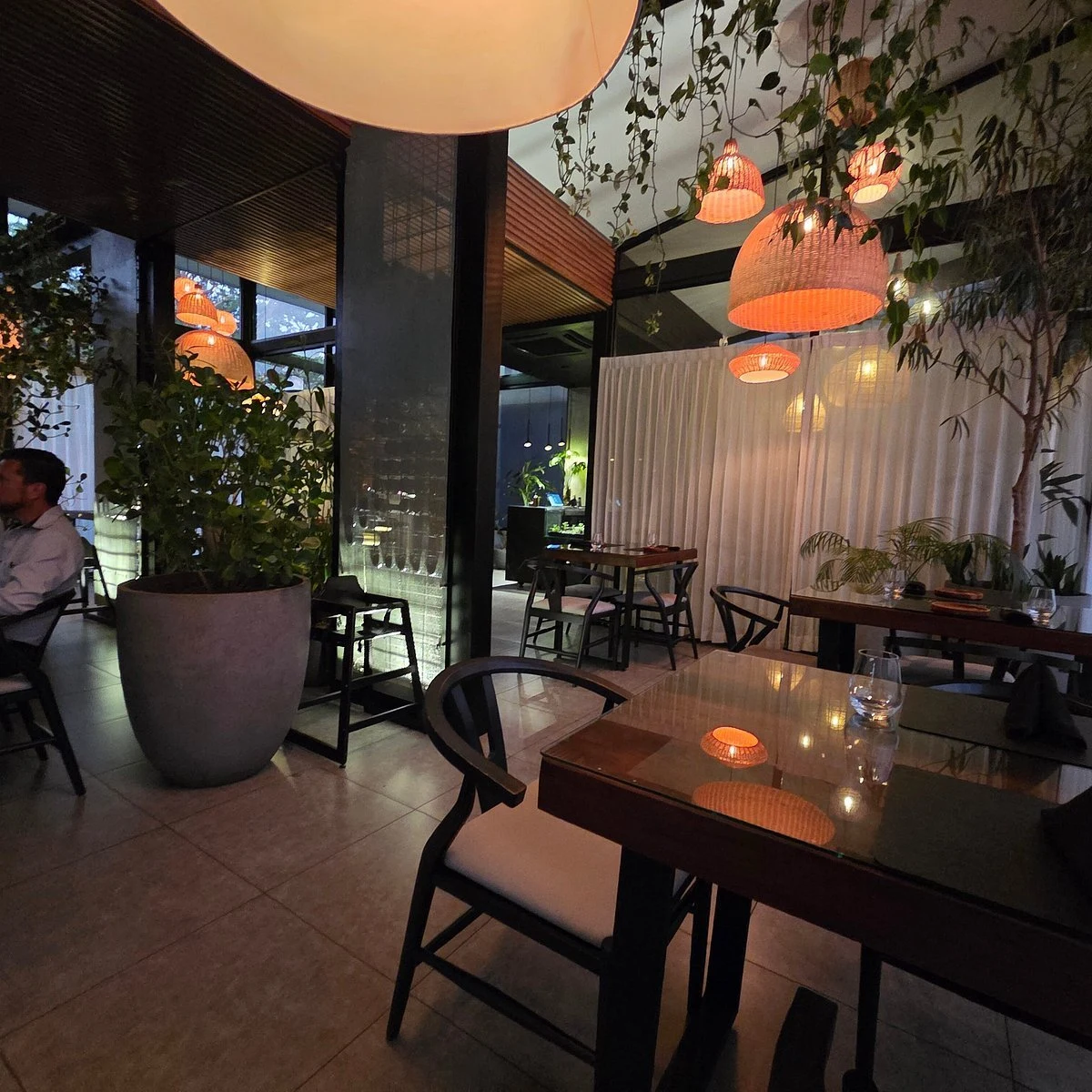
El Silencio Lodge & Spa in Bajos del Toro to the Pacific-coast dining rooms of Nayara Springs in San Carlos. The outlier in this geography is Ciudad Colón, a smaller town in San José Province that sits at enough remove from the capital to feel like a deliberate destination rather than a convenient one. Restaurants operating in this kind of location make a different implicit contract with their guests: you travel because the food warrants it, not because the address is on your way anywhere.
That context matters when approaching Conservatorium. Where a decade ago the most ambitious kitchens in Costa Rica were almost entirely contained within lodge or hotel properties, a newer cohort has begun operating as standalone restaurants, asking diners to seek them out on their own terms. Conservatorium belongs to this latter movement,
The Sunday letter
Find new places through the people who run them.
Our Sunday email brings you the chefs, winemakers and hoteliers behind our newest stories. See a sample before you subscribe.
See a sample of the Sunday emailOne email a week. Unsubscribe from any issue.
The Dual-Chef Dynamic and What It Signals
The kitchen at Conservatorium is led by two chefs: Henry Quesada Kidmey Chan and Aldo Elizondo. Collaborative kitchen models of this kind are less common in Central America than in European or North American cities, where shared creative direction has become a more established format. When it works, the dual-chef structure tends to produce menus that synthesise rather than compromise, where two distinct technical or cultural perspectives produce something that neither chef would arrive at alone.
The names themselves carry some interpretive weight. Quesada Kidmey Chan reflects a lineage that intersects Central American and East Asian heritage, a combination that has shaped some of the more interesting cooking to emerge from the region in recent years. Costa Rican cuisine has always absorbed influences from its Pacific position, its Chinese-Costa Rican community, and its agricultural diversity, and chefs who carry that complexity in their own backgrounds tend to express it more naturally in their cooking. Elizondo, meanwhile, signals a more conventionally Latin American culinary formation. What the two chefs produce together at Conservatorium is not something this record can confirm in dish-by-dish detail, but the structural logic of the pairing points toward a kitchen that operates across more than one culinary register.
For reference points in collaborative fine dining outside the region, the model has parallels at places like Atomix in New York City, where a creative partnership shapes a cohesive tasting menu, or the kind of technically disciplined kitchen culture evident at Lazy Bear in San Francisco. The comparison is not one of direct culinary style but of structural ambition: restaurants that ask guests to invest in a specific creative vision rather than a category of food.
Costa Rica's Culinary Formation Routes
Understanding what a Costa Rican chef brings to a fine-dining kitchen requires some context about how culinary training in the region has developed. For most of the past two decades, the most ambitious Costa Rican cooks either trained abroad, primarily in Europe or the United States, or came up through the kitchen hierarchies of the country's international resort properties, which provided exposure to technique and service standards that the domestic independent restaurant sector could not yet offer.
The result is a generation of chefs who often carry hybrid technical frameworks: classical European training grafted onto deep familiarity with local ingredients and flavour logic. Costa Rica's agricultural profile is substantial. The country produces exceptional coffee, cacao, hearts of palm, plantains, and a range of tropical fruits that have few European equivalents, along with Pacific and Caribbean seafood of genuine quality. Chefs who know how to use these ingredients with technical precision rather than folkloric sentimentality are operating at the sharper edge of what Central American cuisine can be.
This is the culinary tradition that places like Sentido Norte in Las Catalinas and Casa Chameleon at Las Catalinas draw from, each in their own format and setting. Conservatorium in Ciudad Colón occupies a different physical and social context from those coastal properties, but the underlying culinary conversation is shared.
Ciudad Colón as a Dining Destination
The town of Ciudad Colón sits in the Central Valley, at a altitude that moderates the tropical heat of lower elevations. The area's agricultural surroundings, combined with relative proximity to San José, create the conditions for a restaurant that can source locally without the logistics challenges that coastal properties often face. This is not an insignificant operational advantage: consistent access to high-quality local produce is one of the cleaner signals of kitchen seriousness at this level of dining.
The town itself does not carry the international recognition of, say, the Guanacaste coast or the Arenal volcano corridor, which means a restaurant operating here is not benefiting from tourist infrastructure or ambient foot traffic. The guests who arrive at Conservatorium are, almost by definition, making a deliberate choice. That self-selecting audience is one reason why restaurants in off-circuit locations sometimes produce more focused, less compromised cooking than their counterparts in higher-profile destinations.
If you are building a broader picture of what Ciudad Colón offers beyond the table, our full Ciudad Colón hotels guide, bars guide, and experiences guide cover the surrounding options in full. The wineries guide is also worth consulting if you are extending a visit into the wider San José Province wine and beverage scene.
Placing Conservatorium in a Wider Critical Frame
At the level of global fine dining, the restaurants that sustain serious reputations outside major cities tend to share a few structural traits: a clear creative identity that does not depend on location prestige, a supply chain rooted in genuine local relationships, and a booking culture that reflects demand rather than availability.
What can be said is that the dual-chef model, operating from a non-capital address in Costa Rica, places Conservatorium in a comparable set that is small by definition. For international reference, the kind of technical ambition that characterises restaurants such as Le Bernardin in New York City or Alinea in Chicago began with a specific creative direction rather than a prestigious postcode. The geography of serious cooking has never been purely urban, and Costa Rica's Central Valley is making that case through restaurants like this one.
Also worth noting as comparative reference points for collaborative or chef-driven fine dining at international scale: Alain Ducasse at Louis XV in Monte Carlo, Alléno Paris au Pavillon Ledoyen, and 8½ Otto e Mezzo Bombana in Hong Kong each represent the upper tier of destination-restaurant thinking in their respective cities. Conservatorium is operating at a different scale and in a very different market context, but the underlying ambition of placing two serious chefs in a room and asking guests to make the journey is a recognisable posture across all of them.
Conservatorium in San José
Planning Your Visit
Specific hours, pricing, and booking methods are subject to change. Ciudad Colón is reachable from San José by road in under an hour depending on traffic, making it a feasible dinner destination for guests staying in the capital. For the broader dining context of the area, return to our full Ciudad Colón restaurants guide for the complete picture alongside Emeril's in New Orleans as a reference point for what chef-driven restaurants in secondary markets can sustain over time.
Questions
Frequently asked
Who works at Conservatorium?
Made By profiles Aldo Elizondo (Chef) and Henry Quesada Kidmey Chan (Chef) at Conservatorium.
How expensive is Conservatorium?
Conservatorium is listed at a price level of $$$.
Where is Conservatorium and what does it serve?
Conservatorium is in Ciudad Colón, Ciudad Colón, serving Modernist Costa Rican Haute Cuisine.
The field
How it compares
| Place | Cuisine | Notes | Awards |
|---|---|---|---|
| Conservatorium | Modernist Costa Rican Haute Cuisine | Ciudad Colón, $$$ | · |
| Atelier Crenn | Contemporary French Fine Dining | San Francisco | Michelin 3 Stars, World's 50 Best |
| ESqUISSE | Modern French with Japanese Influences | Tokyo | Michelin 2 Stars, World's 50 Best |
| MAZ | Innovative Peruvian-Japanese Fusion | Tokyo | Michelin 2 Stars, World's 50 Best |
| The Chairman | Traditional Cantonese | Hong Kong | Michelin 1 Star, World's 50 Best |
| The French Laundry | French-Californian Fine Dining | Yountville | Michelin 3 Stars, World's 50 Best |
| The Ledbury | Modern British Fine Dining | London | Michelin 3 Stars, World's 50 Best |
In residence
Similar places
Contemporary French Fine Dining
Atelier Crenn
San Francisco, United States
★★★ · 50 Best
Modern French with Japanese Influences
ESqUISSE
Tokyo, Japan
★★ · 50 Best
Innovative Peruvian-Japanese Fusion
MAZ
Tokyo, Japan
★★ · 50 Best
Traditional Cantonese
The Chairman
Hong Kong, Hong Kong
★ · 50 Best
French-Californian Fine Dining
The French Laundry
Yountville, United States
★★★ · 50 Best
Modern British Fine Dining
The Ledbury
London, United Kingdom
★★★ · 50 Best



The Sunday letter
Get the next Made By story in your inbox.
We send one email every Sunday morning with the places and people we covered that week.
See a sample of the Sunday emailOne email a week. Unsubscribe from any issue.