Cracco Portofino
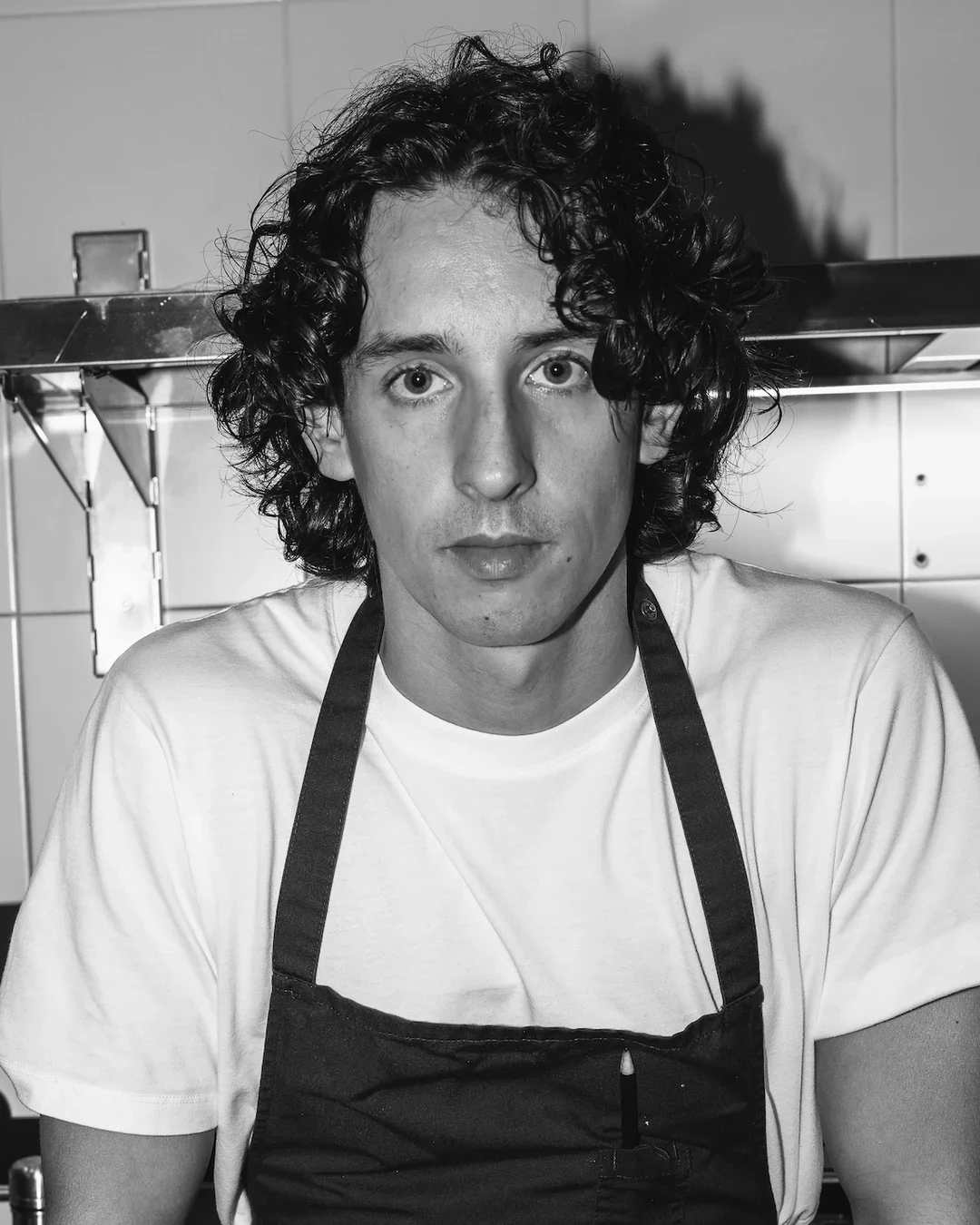
In Residence
Mattia Pecis
Chef
- 01CuisineModern Ligurian Seafood
- 02CityPortofino, Italy
- 03RecognitionOne Michelin Star
- 1 Michelin Star · Michelin Guide
- Wine Spectator · Tier 2
- Opinionated About Dining Top Restaurants in Europe Recommended · 2026
- Wine Spectator Best of Award of Excellence · 2026
- Michelin 1 Star · 2026
- Michelin Plate · 2025
- Wine Spectator Best of Award of Excellence · 2025
- The Best Chef One Knife · 2025
- Opinionated About Dining Top Restaurants in Europe Ranked #641 · 2025
- Michelin Plate · 2024
Harbour Front, High Stakes: Dining at Portofino's Most-Watched Table
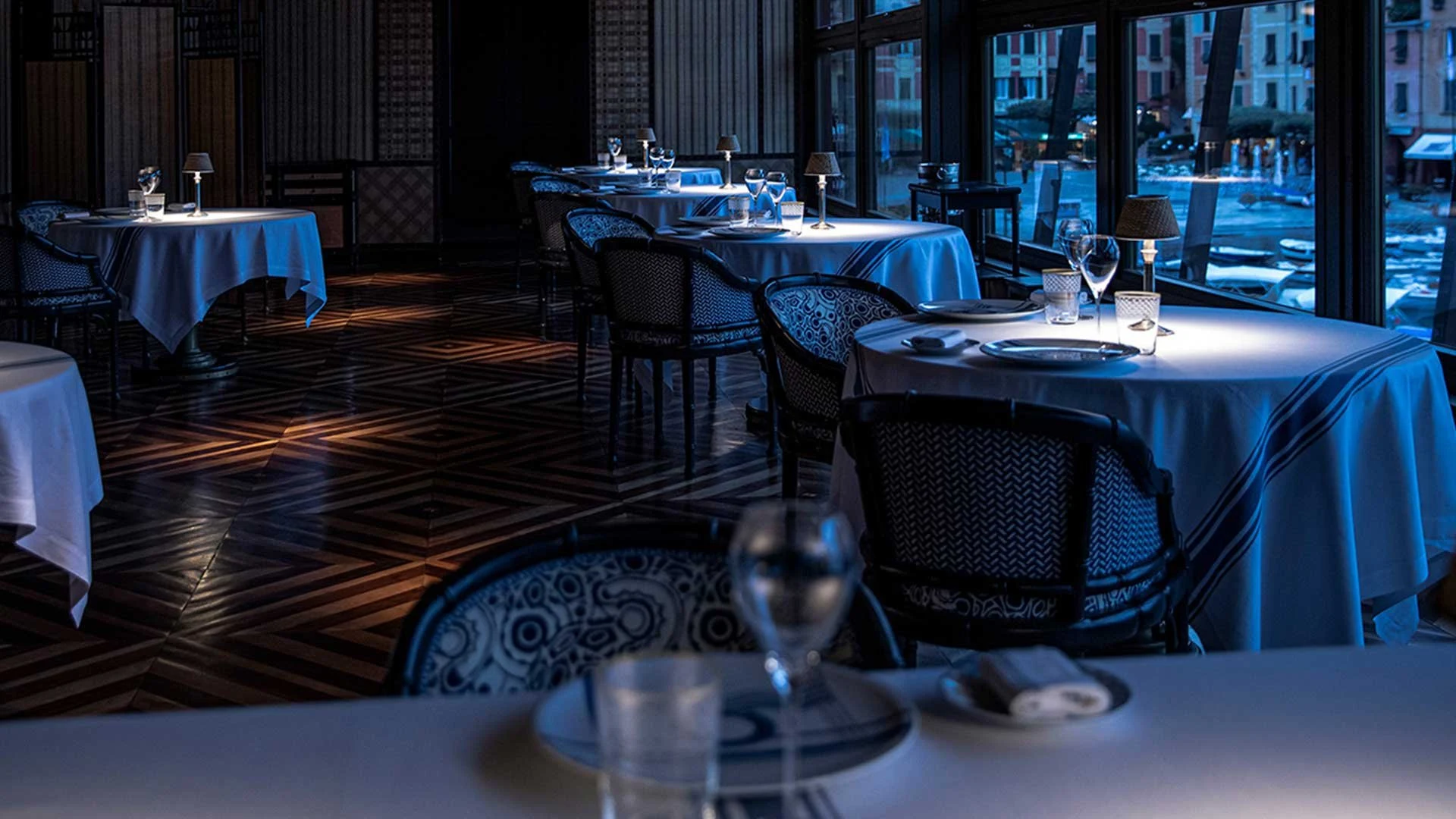
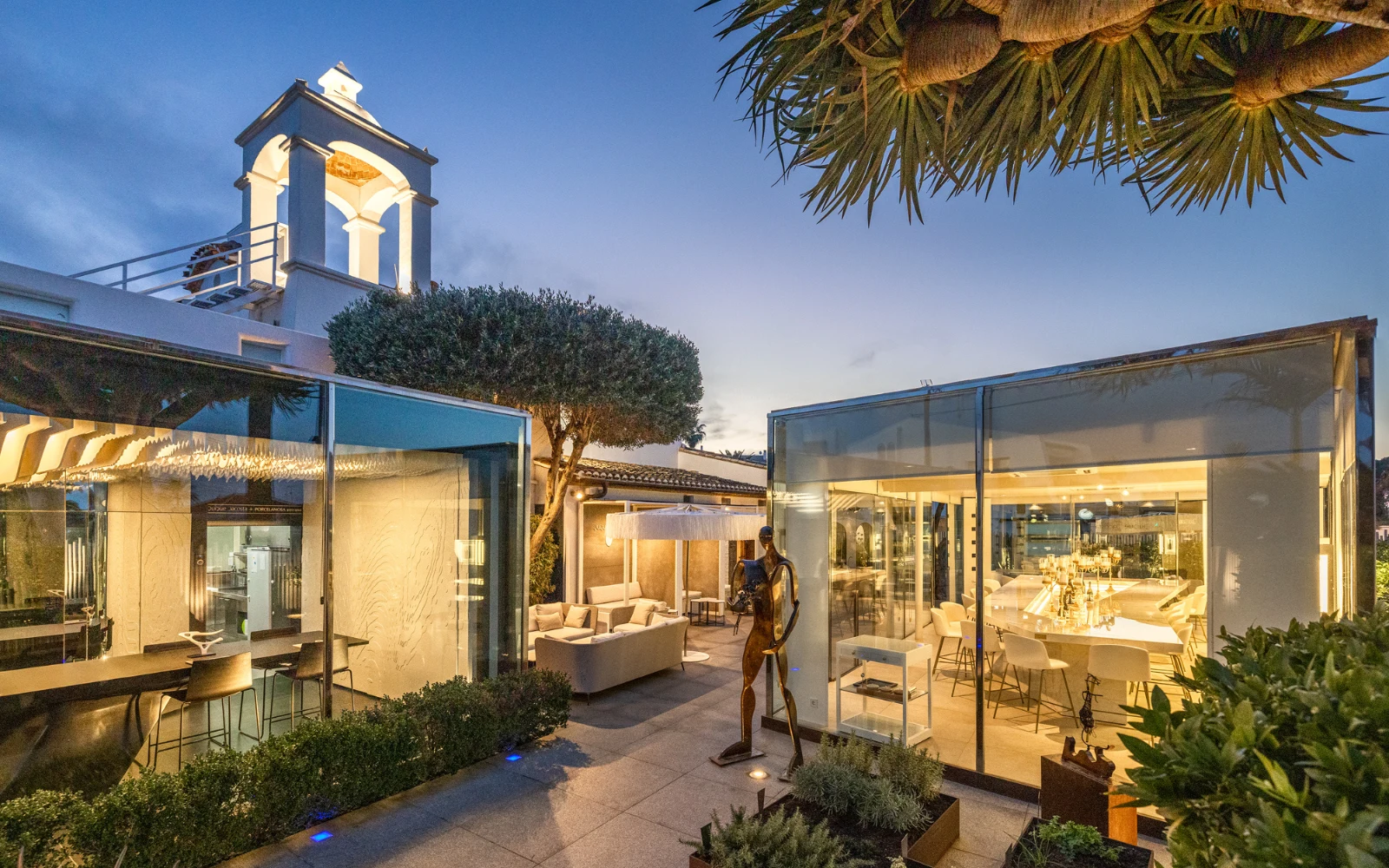
Portofino's harbour is one of those places where the scenery does most of the work. Pastel facades rise around a tiny inlet, the water catches light in ways that have attracted painters and tourists for over a century, and every restaurant along Molo Umberto I is selling roughly the same view. What separates Cracco Portofino from the terrace tables around it is what happens after the view settles: a kitchen operating under a sourcing discipline that most harbour-front restaurants in Italy don't attempt, executed through tasting menus that treat Ligurian tradition as a starting point rather than a comfort blanket. Cracco Portofino is a one-Michelin-star restaurant serving modern Ligurian seafood in Portofino, with dinner priced at about $150 per person.
The address itself carries history. The space was previously occupied by Il Pitosforo, a Portofino institution that anchored the harbour dining scene for decades. That continuity of location matters here: the building commands direct sightlines to the piazzetta and the gulf, and the terrace is the kind of setting where aperitivo stretches into dinner almost without decision. The transition from one landmark to another carries the weight of local expectation, and the kitchen has had to earn its place in that lineage.
The Sunday letter
Find new places through the people who run them.
Our Sunday email brings you the chefs, winemakers and hoteliers behind our newest stories. See a sample before you subscribe.
See a sample of the Sunday emailOne email a week. Unsubscribe from any issue.
The Sourcing Logic: Mountains, Boats, and a Cold Room for Fish
The editorial angle on most Ligurian seafood restaurants follows a predictable line: fishermen bring the catch in, the kitchen cleans it, olive oil and herbs finish it. Cracco Portofino complicates that picture in two directions simultaneously, and both are worth understanding before you book.
First is downward, into the water. The restaurant operates a dedicated cold room for fish maturation, a technique borrowed from the dry-ageing practices that have reshaped the Italian meat kitchen over the past fifteen years, now applied to seafood. Fish ageing is a minority practice in Italy; it demands precise temperature and humidity control, an intimate knowledge of how individual species respond to rest, and the confidence to serve something that looks and tastes different from what diners expect. The result, when it works, is texture and depth of flavour that fresh-off-the-boat fish rarely achieves. The cold room isn't a gimmick. It represents a specific culinary position: that the sea's leading ingredients can be coaxed further through technique.
Second direction is upward, toward the mountains. Vegetables on the menu come directly from the Fescion Farmer's vegetable garden, a short distance from Portofino in the hills above. In a village where the supply chain for most restaurants runs through wholesale distributors serving the tourist season, sourcing from a named local grower at altitude is a meaningful signal. Ligurian mountain produce, aromatic herbs, small-plot legumes, early-season greens, carries a character distinct from coastal market produce, and its presence in the tasting menu builds a vertical geography into what could easily be a flat coastal narrative. The combination of aged fish and mountain vegetables isn't accidental; it reflects a philosophy about what Ligurian cooking can be when it draws on the full breadth of its territory, not just its coastline.
For context on how Italian fine dining handles regional sourcing at the highest level, compare the approach here with what Atelier Moessmer Norbert Niederkofler in Brunico has built around Alpine ingredients, or the multi-generational sourcing relationships at Dal Pescatore in Runate. The ambition at Cracco Portofino is comparable in intent, if smaller in geographic scope.
Two Menus, One Kitchen Position
The format is tasting menus only: seven courses or eleven courses, both rooted in Ligurian references while operating in what the restaurant describes as a moderately modern register. That framing is informative. This isn't the kind of kitchen chasing radical technique for its own sake, nor is it content to plate up traditional farinata and pesto and call it fine dining. The language of the menu is contemporary Italian, with a Ligurian dialect running underneath it.
At €€€€ pricing, Cracco Portofino sits in the top tier of the Italian Riviera restaurant market and competes by reference not with the casual harbour-front trattorias around it, but with the broader category of serious Italian tasting menu restaurants. Names like Osteria Francescana in Modena, Le Calandre in Rubano, Piazza Duomo in Alba, and Enrico Bartolini in Milan define that competitive tier. Against those kitchens, Cracco Portofino holds a Michelin star and a distinct local identity. These signals locate it clearly: a kitchen with serious credentials and a distinct local identity, operating just below the star-holding tier.
That position is relevant to how you use the menu. The seven-course format is the more practical choice for diners arriving for an evening that begins on the terrace; the eleven-course format asks for more time and commitment.
The Wine Programme
Wine director Gianluca Sanso and sommelier Rocco Santochirico oversee a list of approximately 2,000 selections. The programme's strengths sit in Piedmont, Tuscany, Burgundy, Champagne, and broader Italy and France, a range that gives the team flexibility to pair against the seafood-forward menu without being locked into Ligurian production alone. The list sits at a premium level, with a broad selection spanning Italy and France. For guests who want to build around the Ligurian theme, the team has the regional knowledge to support it, but the depth of the French cellar means the pairing conversation can go further if the guest wants it to.
For a different register of Italian coastal wine and seafood pairing, Gambero Rosso in Marina di Gioiosa Ionica and Alici Restaurant on the Amalfi Coast offer instructive comparisons, as does Quattro Passi in Marina del Cantone for Campanian seafood at a similar price point. The wine philosophy at Cracco Portofino leans more French than most of its Italian coastal peers, which is either a feature or a distraction depending on your priorities.
Portofino Context: Where This Restaurant Fits
Portofino's dining scene divides roughly into two categories: the casual and the expensive, with limited ground in between. The harbour front concentrates the premium options; the village has neither the population base nor the off-season visitor numbers to sustain a mid-market fine dining tier. Within that structure, Cracco Portofino occupies the formal tasting menu position, while DaV Mare represents the Italian contemporary option and Da O Batti sits in the more traditional Ligurian register. Guests choosing between them are often choosing between occasion types rather than quality tiers.
For those building a broader Ligurian itinerary, the quality references from Enoteca Pinchiorri in Florence and Reale in Castel di Sangro illustrate where the Italian tasting menu tradition sits at its most demanding, and provide useful calibration for what to expect at this price tier.
Planning Your Visit
The address is Molo Umberto I, 9, directly on the harbour.
Questions
Frequently asked
What recognition does Cracco Portofino hold?
Cracco Portofino holds 1 Michelin star.
Who works at Cracco Portofino?
Made By profiles Mattia Pecis (Chef) at Cracco Portofino.
How expensive is Cracco Portofino?
Cracco Portofino is listed at a price level of $$$$.
Where is Cracco Portofino and what does it serve?
Cracco Portofino is in Portofino, Portofino, serving Modern Ligurian Seafood.
The field
How it compares
| Place | Awards | Cuisine | Notes |
|---|---|---|---|
| Cracco Portofino | Michelin 1 Star | Modern Ligurian Seafood | Portofino, $$$$ |
| Azurmendi | Michelin 3 Stars, World's 50 Best | Modern Basque Fine Dining | Larrabetzu |
| Hélène Darroze at The Connaught | Michelin 3 Stars | Three Michelin-Star Modern French Fine Dining | London |
| Quique Dacosta | Michelin 3 Stars, World's 50 Best | Avant-Garde Spanish Fine Dining | Dénia |
| Ricard Camarena | Michelin 2 Stars, World's 50 Best | Modern Vegetable-Focused Mediterranean Fine Dining | València |
| Sézanne | Michelin 3 Stars, World's 50 Best | Modern French Fine Dining | Tokyo |
| The Fat Duck | Michelin 3 Stars, World's 50 Best | Modern British Molecular Gastronomy | Bray |
In residence
Similar places
Modern Basque Fine Dining
Azurmendi
Larrabetzu, Spain
★★★ · 50 Best
Three Michelin-Star Modern French Fine Dining
Hélène Darroze at The Connaught
London, United Kingdom
★★★
Avant-Garde Spanish Fine Dining
Quique Dacosta
Dénia, Spain
★★★ · 50 Best
Modern Vegetable-Focused Mediterranean Fine Dining
Ricard Camarena
València, Spain
★★ · 50 Best
Modern French Fine Dining
Sézanne
Tokyo, Japan
★★★ · 50 Best
Modern British Molecular Gastronomy
The Fat Duck
Bray, United Kingdom
★★★ · 50 Best
The Sunday letter
Get the next Made By story in your inbox.
We send one email every Sunday morning with the places and people we covered that week.
See a sample of the Sunday emailOne email a week. Unsubscribe from any issue.